language
  русский
 عربى
عربى Indonesia
Home / Blog / Industry News / How Do Self-Priming Pumps Revolutionize Mining and Chemical Industries
News


 2026.03.30
 Industry News
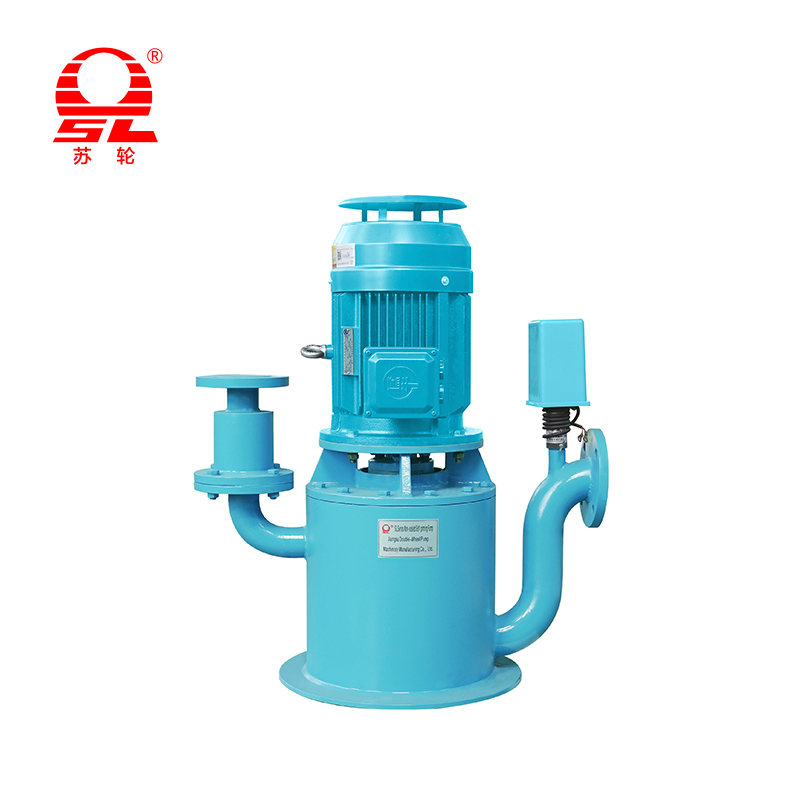
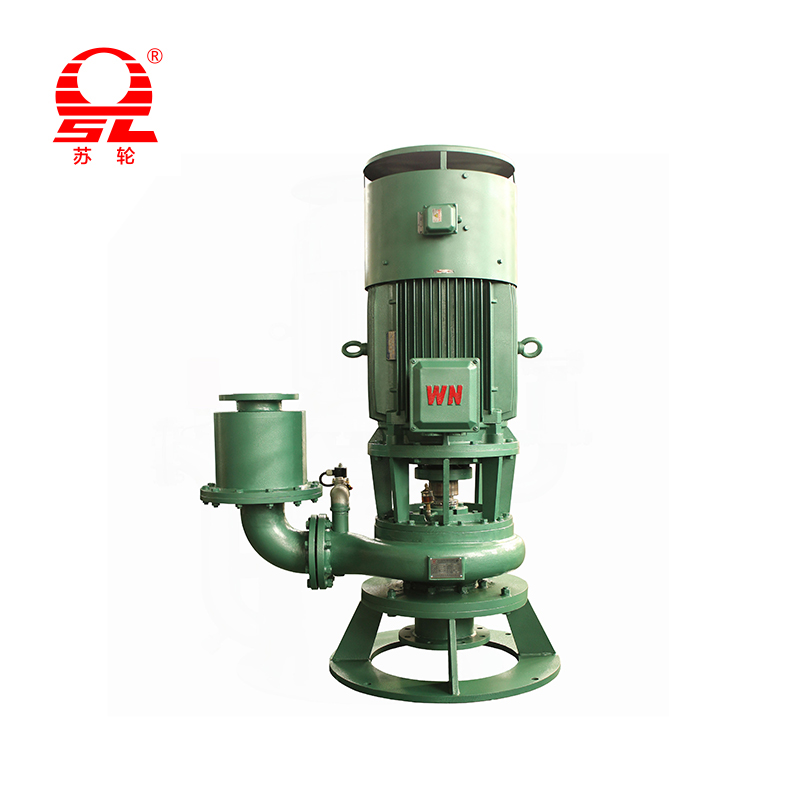
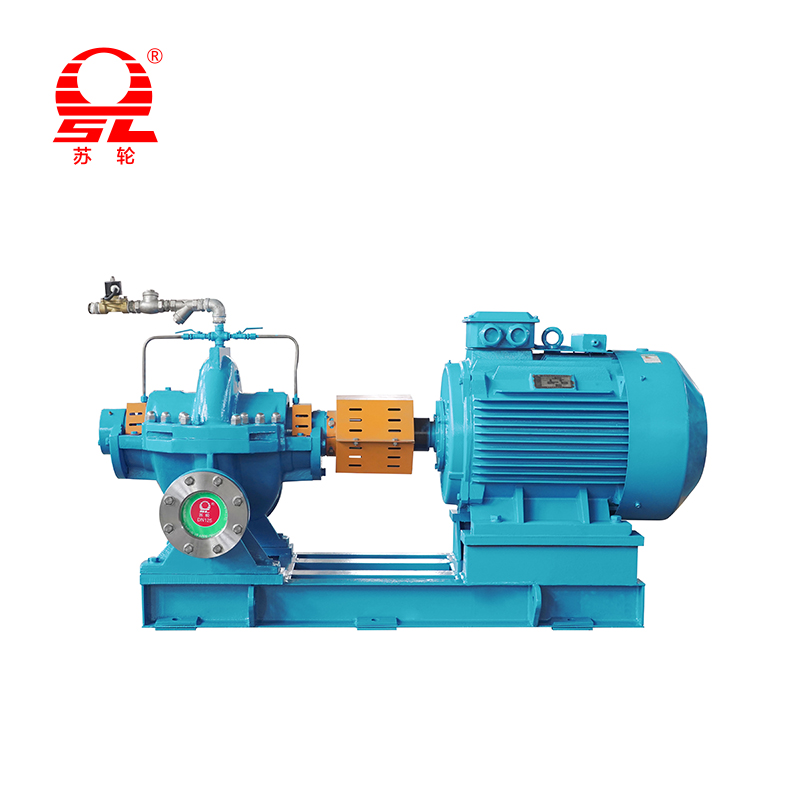
Self-priming pumps, known for their unique ability to self-prime without the need for an external water supply, have found widespread application in industries such as mining and chemical processing. The inherent features of self-priming pumps make them invaluable in environments where liquid supply is unstable or requires frequent start-stop operations. This article delves into the various advantages and applications of self-priming pumps in these industries.
Self-priming pumps differ from traditional pumps in that they can autonomously draw in air or liquid after startup without the need for external priming or additional equipment. This functionality is made possible by the pump's internal design, which typically incorporates a self-priming chamber. This chamber allows the pump to create a gas-liquid mixture during the priming process, eliminating the need for a fully primed system before operation. This design not only improves operational efficiency but also reduces the complexity of manual intervention, making it ideal for unstable liquid supply or frequent start-stop operations.
In the mining industry, self-priming pumps are widely used in mine drainage, slurry transport, and various liquid handling processes. Mines often face challenges such as unstable water sources, high levels of particulate matter, and harsh environmental conditions. These factors can cause traditional pumps to fail due to air intake or poor drainage. Self-priming pumps, however, can continue to function reliably even in these harsh environments, ensuring a steady flow of liquid during mining operations.
Particularly in deep mining environments where water supply may be highly unstable, traditional pumps often require frequent shutdowns for re-priming, reducing production efficiency. Self-priming pumps solve this issue by working continuously without external priming, minimizing downtime and boosting overall productivity.
Additionally, mining operations frequently need to handle slurry with a high concentration of solid particles. The design of self-priming pumps allows them to operate efficiently in such conditions, preventing clogging and reducing the risk of pump failure. These pumps also offer better resistance to corrosion, which is crucial in mining environments where corrosive liquids may be present.
The chemical industry is another major field where self-priming pumps play a critical role. The transportation of liquid raw materials, solvents, and chemicals is a key requirement in chemical production processes. These liquids are often highly corrosive, toxic, and reactive. Self-priming pumps not only meet the basic need for liquid transportation but also ensure safety and operational stability during chemical processing.
In chemical production, many processes require frequent start-stop cycling of liquid transport systems. Traditional pumps often require a complete re-priming after each stop, whereas self-priming pumps can quickly resume operation without external priming. This feature is especially useful when handling high-viscosity liquids or fluids containing gases, where continuous flow and stability are essential to maintaining safe and efficient production processes.
Self-priming pumps are also commonly used for the transportation of hazardous liquids, such as acids, alkalis, and solvents, in the chemical industry. The materials used in the construction of these pumps can be tailored to resist the corrosive nature of the transported fluids, extending the pump's service life. Furthermore, the tight sealing of self-priming pumps helps prevent the leakage of harmful substances, enhancing safety during operation.
In both the mining and chemical industries, the liquids being handled are often subjected to high temperatures and pressures. Self-priming pumps can be designed to handle these extreme conditions by selecting appropriate materials and structures. For instance, pumps made from high-temperature and high-pressure resistant materials, such as stainless steel or alloy materials, can perform reliably in such environments.
The ability of self-priming pumps to adapt to these challenging conditions makes them a preferred choice for handling fluids at elevated temperatures and pressures, ensuring reliable operation without the risk of pump failure due to temperature or pressure extremes.
Self-priming pumps are not only efficient in their operation but also provide significant economic benefits. In industries like mining and chemicals, where operational efficiency is crucial, self-priming pumps reduce energy consumption and maintenance costs. Unlike traditional pumps, which require external priming systems that consume additional energy, self-priming pumps operate effectively with less energy input. This results in lower operational costs and improved energy efficiency.
Additionally, self-priming pumps are easier to maintain compared to traditional pumps. Their ability to operate without constant priming reduces the wear and tear on the system, leading to fewer breakdowns and a longer service life. This, in turn, reduces maintenance costs and minimizes the need for frequent repairs or replacements, further contributing to overall cost savings.

+86-0523- 84351 090 /+86-180 0142 8659


Add 1: Hongguang Industrial Park, Jingjiang City, Jiangsu Province, China
Add 2: No.68, Xinyi Road, Industrial Park, Jingjiang City, Jiangsu Province, China
+86-0523- 84351 090
+86-180 0142 8659
+0523-8435 5588