language
  русский
 عربى
عربى Indonesia
Home / Blog / Industry News / In-depth Analysis: Root Causes, Modes, and Prevention Strategies of Mechanical Seal Failure in Horizontal Centrifugal Pumps
News


 2026.01.20
 Industry News
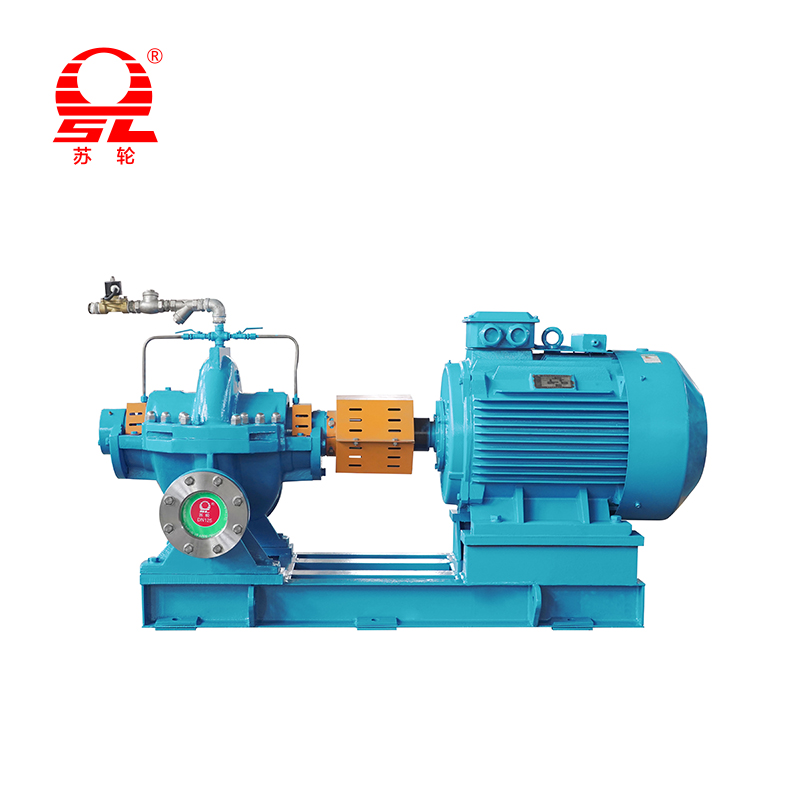
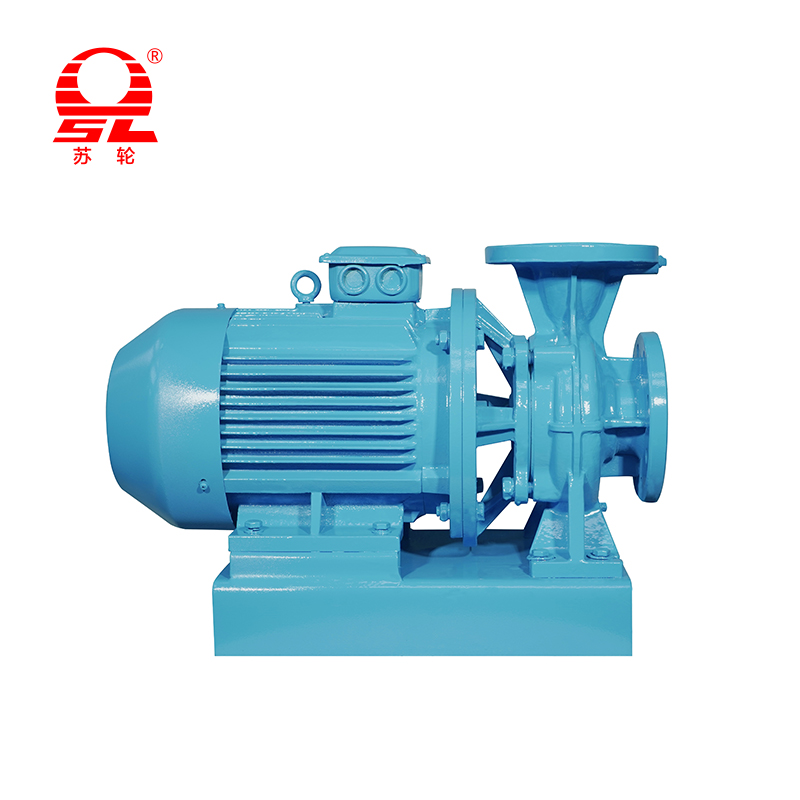
In the field of fluid handling, the reliability of a Horizontal Centrifugal Pump depends heavily on the integrity of its sealing system. Statistical data indicates that over 80% of centrifugal pump failures are attributable to Mechanical Seal failure. This failure not only leads to medium leakage but can also trigger bearing damage or even pump shaft fracture.
When the liquid film within the interface gap vanishes due to high-temperature flashing or insufficient lubrication, extreme frictional heat is generated between the Seal Faces.
Thermal Cracking: Radial cracks spreading from the center outward are observed on hard metal or ceramic seal faces. Blistering: In high-temperature conditions, the carbon-graphite material's impregnants bleed out, causing micro-voids or peeling on the seal surface.
Incompatibility between the pumped medium and seal materials is a silent killer of system reliability.
Elastomer Swelling: The O-ring reacts chemically with the medium, leading to increased volume and decreased hardness, which strips the seal of its compensation capability. Leaching: Under strong acid or alkali conditions, the binder is stripped from tungsten carbide or other hard materials, leaving the seal face porous and brittle.
When the pump inlet pressure drops below the vapor pressure of the medium, vapor bubbles form and collapse violently upon entering the high-pressure zone. This shockwave erodes the impeller and induces high-frequency vibration in the pump shaft. Mechanical Seal components are extremely sensitive to axial and radial runout; continuous vibration disrupts the liquid film equilibrium, leading to impact damage on the seal faces.
This is the most lethal form of failure. Failure to perform adequate Priming before startup or the occurrence of air binding during operation leads to a lack of cooling and lubrication in the seal chamber. Even a few seconds of dry friction can cause the seal face temperature to soar to hundreds of degrees, resulting in Total Failure.
If the axial centerline between the drive end (motor) and the pump end does not meet Laser Alignment standards, alternating stresses are generated during operation. These stresses are transmitted through the coupling to the seal assembly, forcing the Dynamic Ring to constantly compensate for abnormal offset, which accelerates mechanical wear of the seal duo.
Selecting the appropriate flush plan according to API 682 standards is critical. For instance, using Plan 11 utilizes discharge pressure for self-flushing, while Plan 32 introduces an external clean flush for handling abrasive or crystallizing media. Effective flushing carries away frictional heat and prevents the accumulation of solid particles.
Pressure within the seal chamber must be maintained within a stable range. Excessive pressure leads to over-loading of the seal faces and heavy wear imprints, while insufficient pressure may cause the medium to vaporize between the faces.

+86-0523- 84351 090 /+86-180 0142 8659


Add 1: Hongguang Industrial Park, Jingjiang City, Jiangsu Province, China
Add 2: No.68, Xinyi Road, Industrial Park, Jingjiang City, Jiangsu Province, China
+86-0523- 84351 090
+86-180 0142 8659
+0523-8435 5588