language
  русский
 عربى
عربى Indonesia
Home / Blog / Industry News / How Do Self Priming Pumps Work and Which Type Should You Choose
News


 2026.07.09
 Industry News
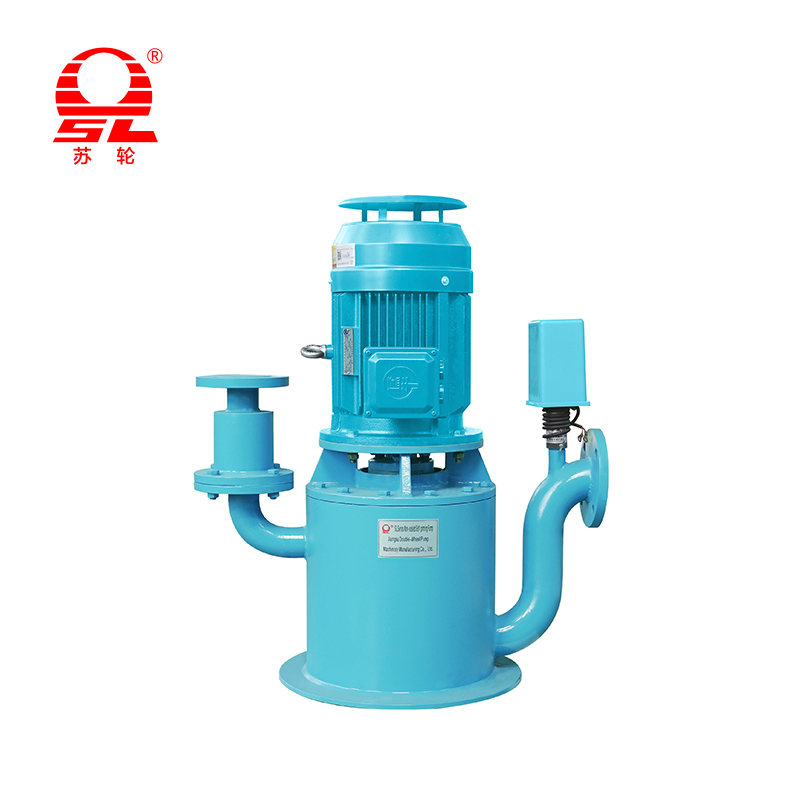
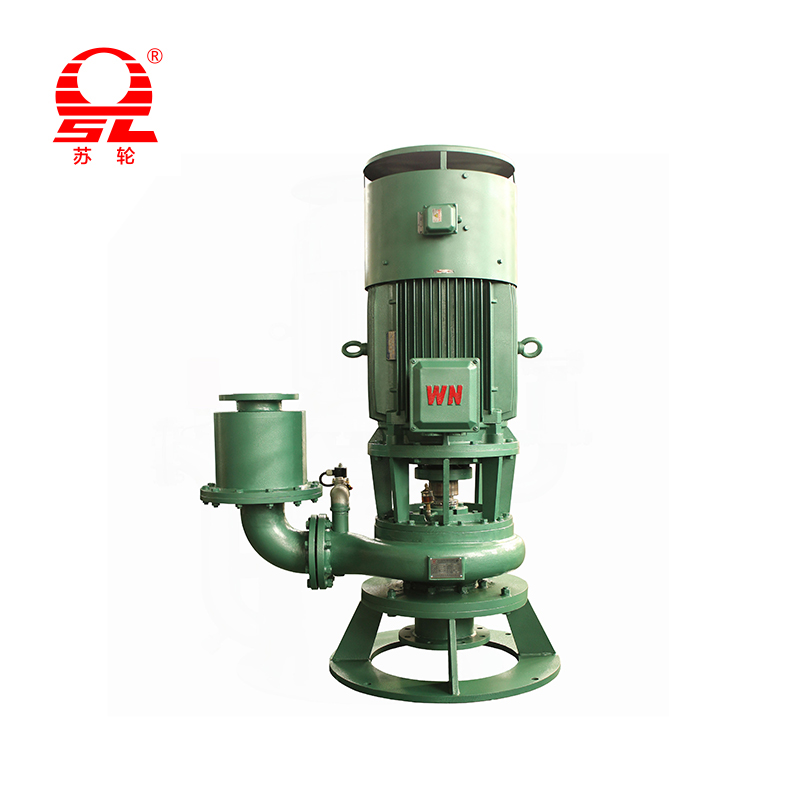
Self priming pumps are designed for liquid transfer systems where the pump is installed above the liquid source or where air may enter the suction pipe. Their internal liquid-retention and air-separation structure allows the pump to evacuate air from the suction line after the casing has been filled correctly.
A properly selected self priming pumps system can reduce repeated manual priming, shorten restart procedures and support reliable operation in water transfer, drainage, irrigation, industrial circulation and equipment cleaning applications.
A self priming pump is a centrifugal-type pump with a casing designed to retain enough liquid for the next startup. During startup, the retained liquid mixes with air inside the suction pipe. The internal separation chamber releases the air while returning liquid to the impeller. This cycle continues until the suction line is evacuated and normal liquid transfer begins.
The term “self priming” does not mean that the pump can operate completely dry. Initial casing filling is still required before the first startup, after maintenance or whenever the retained liquid has been lost.
Understanding the internal priming cycle helps users diagnose slow priming, loss of suction and repeated startup failures.
Before startup, the pump casing contains a specified volume of clean liquid. The retained liquid provides the working medium required to remove air from the suction pipe.
As the impeller rotates, pressure decreases near the impeller inlet. Air from the suction line enters the casing and mixes with the retained liquid.
The air-liquid mixture moves into the separation area. Air is directed toward the discharge outlet, while the heavier liquid returns to the impeller.
Repeated circulation progressively removes air from the suction pipe. The pressure inside the pipe drops and the source liquid rises toward the pump.
After the suction line fills with liquid, air removal ends. The pump begins producing stable flow and pressure according to its operating curve.
What is self priming in pumps refers to the ability of a pump to remove air from an initially unfilled suction line by circulating liquid retained inside the pump casing. The process allows the pump to restore liquid flow without filling the complete suction pipe before every startup.
Priming performance depends on casing geometry, impeller speed, suction pipe volume, vertical suction lift, liquid temperature and the airtight condition of the suction system. Even a small air leak at a threaded connection, flange gasket or mechanical seal can interrupt the priming cycle.
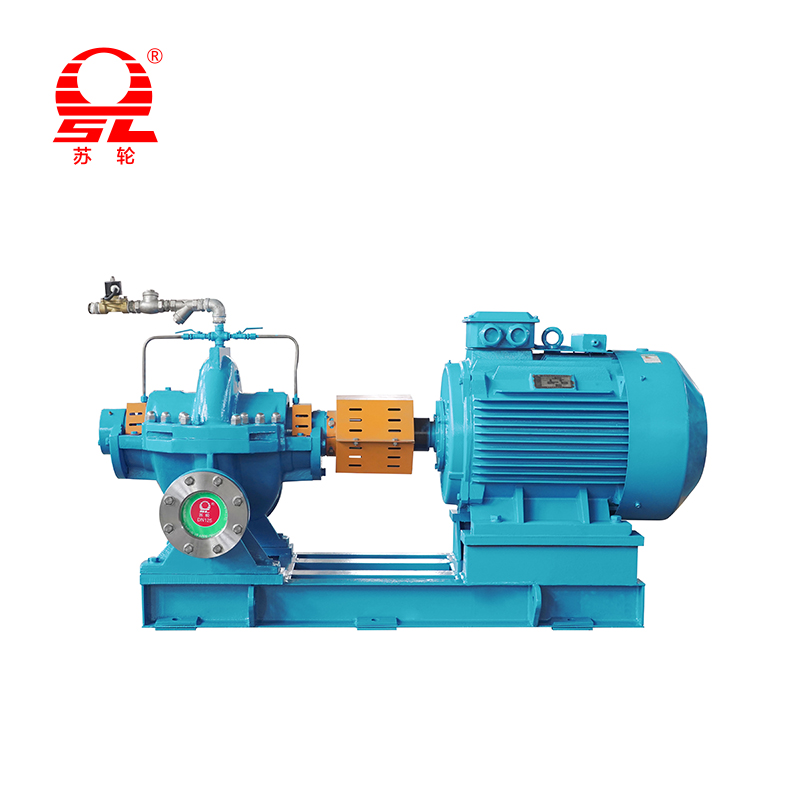
A self priming centrifugal pump uses centrifugal force like a conventional centrifugal pump, but its casing includes additional liquid-retention and air-separation passages.
| Comparison Item | Self Priming Centrifugal Pump | Standard Centrifugal Pump |
|---|---|---|
| Startup condition | Pump casing must contain liquid; suction pipe may initially contain air | Pump and suction pipe generally need to be completely filled |
| Typical installation | Frequently installed above the liquid level | Often installed with flooded suction or a separate priming system |
| Air handling during startup | Removes limited air through internal recirculation | Normally cannot build stable pressure when air remains in the casing |
| Intermittent operation | Suitable for repeated starting and stopping when liquid remains in the casing | May require repeated external priming |
| Hydraulic efficiency | May be lower because of the enlarged casing and recirculation passages | Can provide higher efficiency at a properly matched operating point |
| Maintenance focus | Retained liquid, separation chamber, check valve and suction airtightness | Impeller, bearings, seals, alignment and operating point |
A self priming water pump is useful when the liquid source is below the pump or when the system operates intermittently.
Transfers water from ponds, channels, storage tanks and shallow sources to irrigation pipelines or mobile watering equipment.
Supports process-water circulation, tank emptying, equipment washing and temporary transfer between storage areas.
Removes accumulated water from pits, trenches, foundations and temporary collection areas where pump position changes frequently.
Moves collected rainwater for cleaning, landscaping, reservoir circulation and non-potable utility supply.
A self priming pump water system should be selected according to the actual operating point rather than the maximum flow or maximum head shown separately.
Determine how much liquid must be transferred within a defined period. Include peak demand, equipment consumption and acceptable transfer time.
Combine the vertical discharge height, required outlet pressure and friction losses from pipes, fittings, valves and filters.
Measure the vertical distance from the lowest operating liquid level to the pump centerline. Long suction pipes increase priming time and pressure loss.
Record temperature, density, viscosity, corrosiveness, suspended particles and maximum solid size before selecting casing and impeller materials.
Verify voltage, frequency, phase, motor protection and available starting current. The motor rating should support the complete operating range.
Determine whether the installation requires level control, pressure control, automatic restart, overload protection or dry-running protection.
How to prime a self priming pump is an important operating question because the pump casing must contain enough liquid before the motor starts.
Dry running can overheat the mechanical seal and damage internal components.
Incoming air prevents the pump from developing sufficient vacuum.
A blocked strainer or collapsed hose restricts liquid movement into the pump.
Incorrect rotation reduces hydraulic performance and may prevent priming.
Priming failure is commonly related to the suction system rather than the discharge side of the installation.
Stable self-priming performance depends on pump condition, pipe arrangement and routine inspection. A correctly installed pump should operate without excessive vibration, abnormal noise or repeated loss of casing liquid.
It is suitable for installations where the pump is positioned above the liquid source, the system starts and stops frequently, or the suction line may contain air before startup.
It cannot operate indefinitely without liquid, overcome an excessive suction lift, compensate for a leaking suction pipe or safely transfer an incompatible liquid.
Some systems can operate without a foot valve because the casing retains liquid. A foot valve or check valve may still be used when the installation requires improved liquid retention or faster restarting.
Priming time varies with pump design, suction lift, pipe diameter, pipe length and the amount of air inside the system. A sudden increase in priming time should be investigated.
Solids-handling capability depends on the impeller design and internal passage size. Particle diameter, concentration and abrasiveness must be confirmed before pump selection.
Possible causes include a leaking casing, damaged check valve, loose drain plug, suction pipe leakage or an installation that allows retained liquid to siphon away.
Providing accurate flow, head, suction lift, liquid temperature, particle size and power information allows the pump structure, motor rating, casing material and sealing arrangement to be configured for the intended application.

+86-0523- 84351 090 /+86-180 0142 8659


Add 1: Hongguang Industrial Park, Jingjiang City, Jiangsu Province, China
Add 2: No.68, Xinyi Road, Industrial Park, Jingjiang City, Jiangsu Province, China
+86-0523- 84351 090
+86-180 0142 8659
+0523-8435 5588