language
  русский
 عربى
عربى Indonesia
Home / Blog / Industry News / Which Pump Orientation Maximizes Efficiency: Horizontal vs. Vertical Centrifugal Pumps
News


 2026.07.02
 Industry News
In industrial fluid transport systems, selecting the appropriate pump type is critical for efficient and stable system operation. For engineers and technical procurement personnel, the choice between horizontal centrifugal pumps and vertical centrifugal pumps often depends on site conditions, space constraints, and fluid working conditions. This article provides a scientific basis for selection by deeply analyzing the differences in technical performance, structural characteristics, and installation maintenance between these two types of equipment.
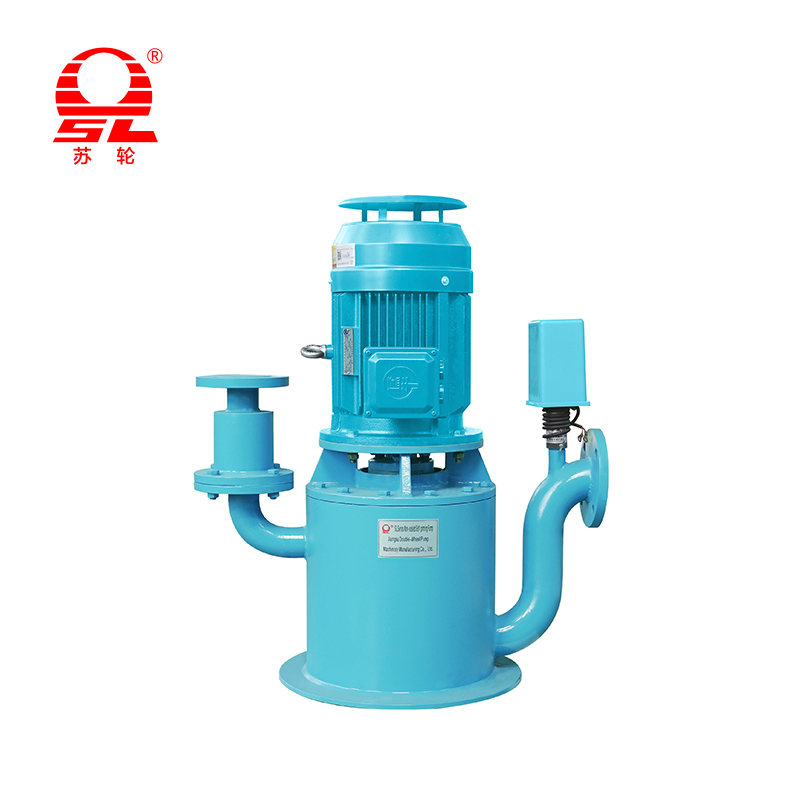
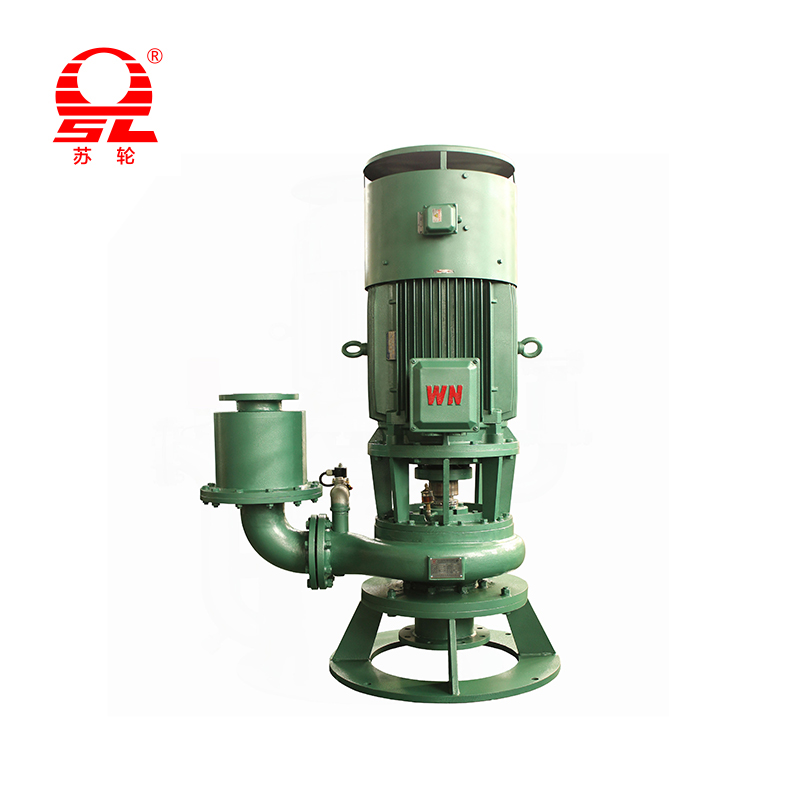
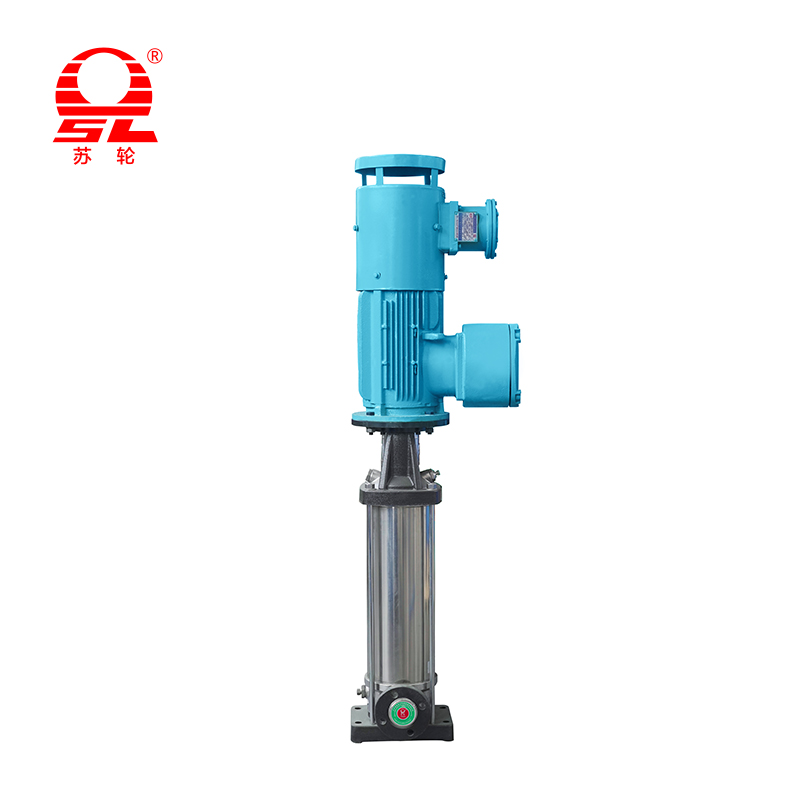
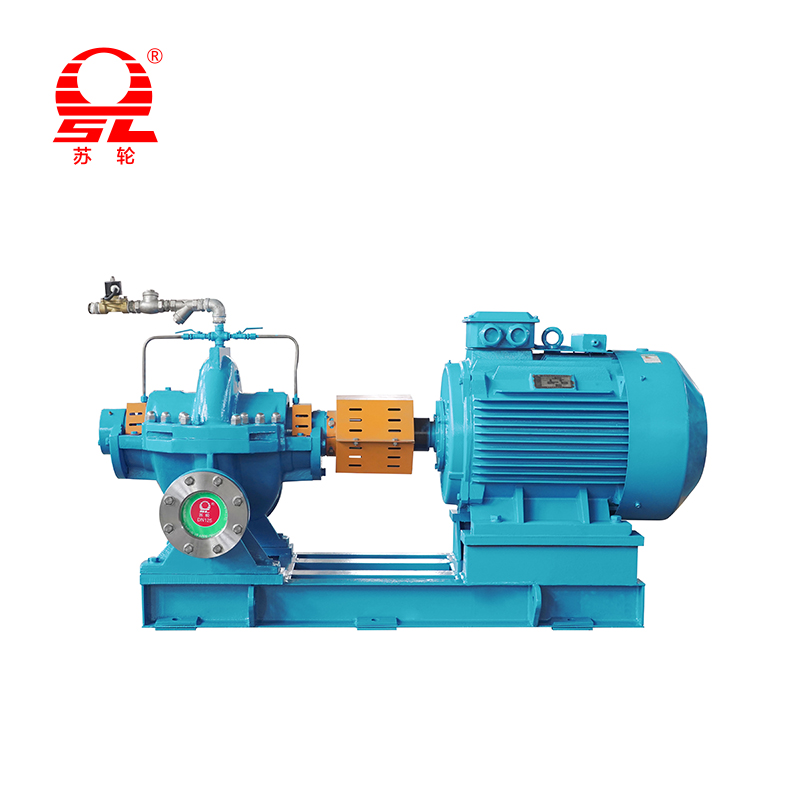
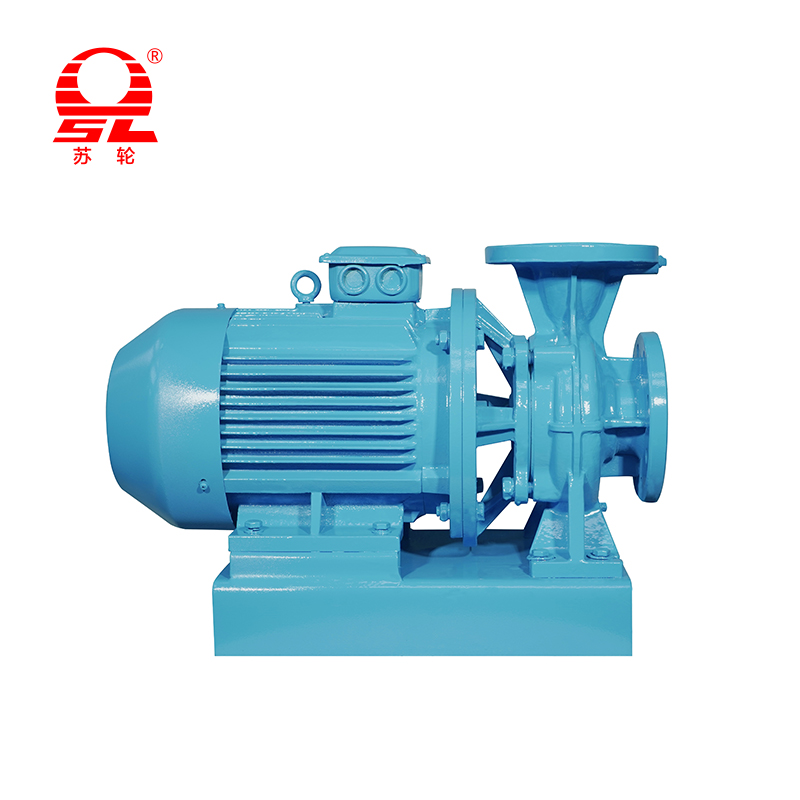
horizontal centrifugal pumps are widely used in industrial production, with their axes arranged horizontally, usually supported by bearing housings for the rotor system. This structural design gives them natural stability, performing particularly well when handling high-flow fluids. In contrast, vertical centrifugal pumps (including the vertical counterparts of the horizontal multistage centrifugal pump) have the motor mounted vertically above the pump body, secured either by suspension or seat mounting.
Advantages of horizontal centrifugal pumps: Due to the horizontal arrangement, axial balancing force processing is relatively simple, and the rotor system runs smoothly with small vibration amplitudes. For the horizontal end-suction centrifugal pump, the single-stage cantilever structure makes the disassembly and maintenance of internal parts extremely convenient, allowing for the replacement of mechanical seals or impellers without dismantling pipelines.
Layout of vertical centrifugal pumps: The main advantage is the small footprint. In applications with limited space or deep underground wells, the vertical structure can effectively reduce ground space occupancy. However, due to the long-shaft design, vertical pumps have very high requirements for the rigidity of the installation foundation to prevent resonance generated during high-speed rotation.
To provide a more intuitive overview of the differences, the following is a detailed parameter comparison for common engineering selection issues:
| Comparison Dimension | horizontal centrifugal pumps | Vertical Centrifugal Pumps |
| Footprint Space | Larger, requires solid ground foundation | Very small, suitable for compact installation |
| Maintenance Difficulty | Low, easy to disassemble, no lifting required | High, usually requires lifting equipment assistance |
| Installation Cost | Lower (foundation construction is relatively simple) | Higher (requires precise alignment and deep pit support) |
| NPSH Performance | Requires Flooded Suction or pre-priming | Excellent, easier to handle low NPSH conditions |
| Running Stability | High, low center of gravity, strong anti-vibration performance | Medium, affected by long-shaft structure |
To achieve peak performance in industrial fluid transport, the integration of horizontal centrifugal pumps requires more than just selection; it demands precise system engineering. Understanding the synergy between flow rates, NPSH, and power consumption is vital for manufacturers and facility engineers seeking to maximize equipment longevity and reduce operational energy costs.
Pro-Tip for System Integration: To optimize do vertical centrifugal pumps have better npsh than horizontal inquiries, always conduct a site-specific NPSH margin audit. A common error is miscalculating friction losses in suction piping, which leads to early-stage cavitation regardless of pump orientation.
Q: In what situations must horizontal centrifugal pumps be used?
For large-scale industrial systems that require frequent maintenance, have sufficient space, and have extremely high requirements for running stability, horizontal centrifugal pumps are the industry standard choice.
Q: Are vertical centrifugal pumps always more expensive?
From the equipment itself, the complex structure of vertical pumps (such as the long shafts of deep-well pumps and submersible seals) makes their manufacturing and maintenance costs generally higher than horizontal pumps of the same specification.
Q: Which pump is more stable?
horizontal centrifugal pumps exhibit better mechanical stability during long-term continuous operation due to their low center of gravity and reasonable rotor support span.
Q: Can horizontal pumps handle high-pressure conditions?
This can be achieved by choosing a horizontal multistage centrifugal pump, whose sectional or radially split structure can effectively balance axial forces and meet high-pressure output requirements.

+86-0523- 84351 090 /+86-180 0142 8659


Add 1: Hongguang Industrial Park, Jingjiang City, Jiangsu Province, China
Add 2: No.68, Xinyi Road, Industrial Park, Jingjiang City, Jiangsu Province, China
+86-0523- 84351 090
+86-180 0142 8659
+0523-8435 5588