language
  русский
 عربى
عربى Indonesia
Home / Blog / Industry News / How to Select the Right Mixed Flow Pump for Industrial Applications
News


 2026.06.25
 Industry News
In the fields of industrial production, municipal water supply, flood control and drainage, and agricultural irrigation, the selection of pumping systems is directly related to transport efficiency and energy consumption. For complex operational environments with high flow rates and low-to-medium heads, mixed flow pump exhibits excellent performance. To meet the needs of different industrial scenarios, engineers have developed a series of derivative products, such as centrifugal axial mixed pump, mixed flow centrifugal pump, mixed flow submersible pump, submersible mixed flow pump, and vertical mixed flow pump. These devices utilize unique impeller designs to achieve mixed flow of liquid in both radial and axial directions, resulting in significant breakthroughs in hydrodynamic efficiency.
Working Principle and Structural Features
The core working principle of mixed flow pump lies in the design of its impeller geometry. Unlike traditional radial impellers or axial flow impellers, its impeller blades are tilted. When liquid flows through the impeller, it is subjected to both centrifugal force and the axial thrust generated by the blades. This dual force ensures that the fluid flows out in an oblique direction, effectively balancing flow rate and pressure.
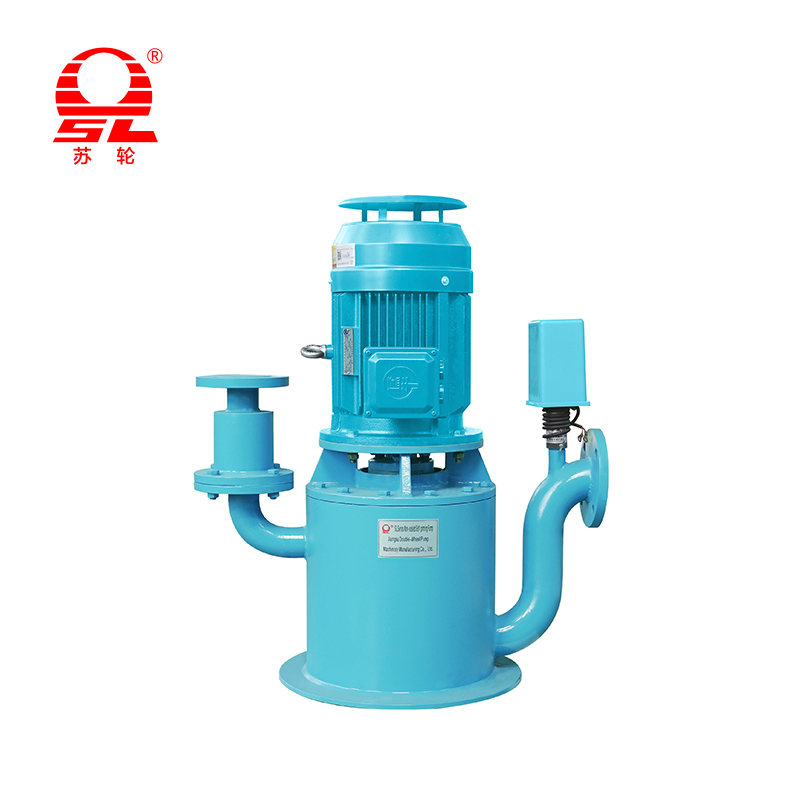
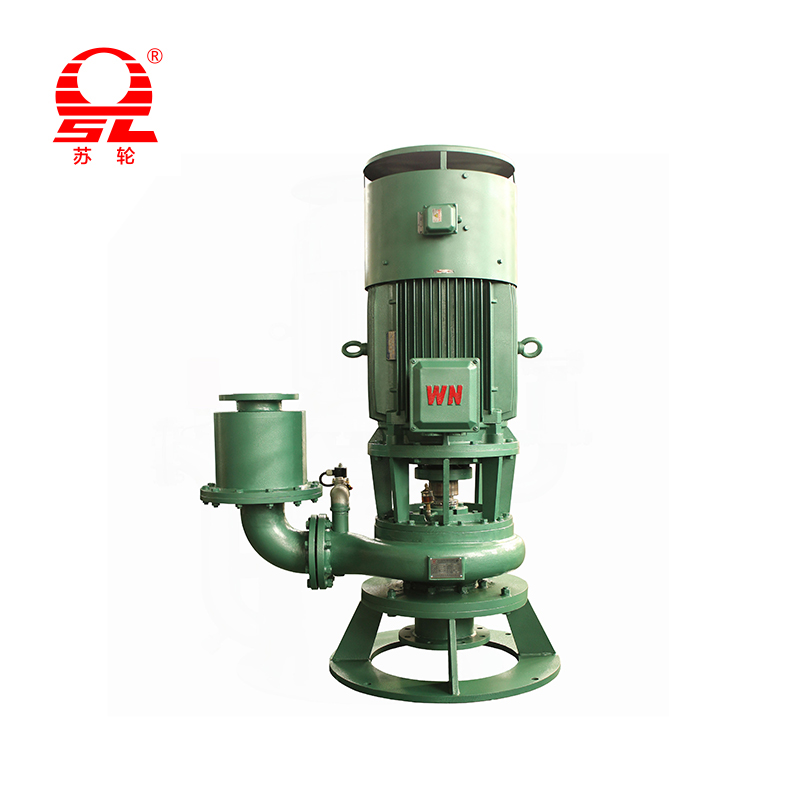
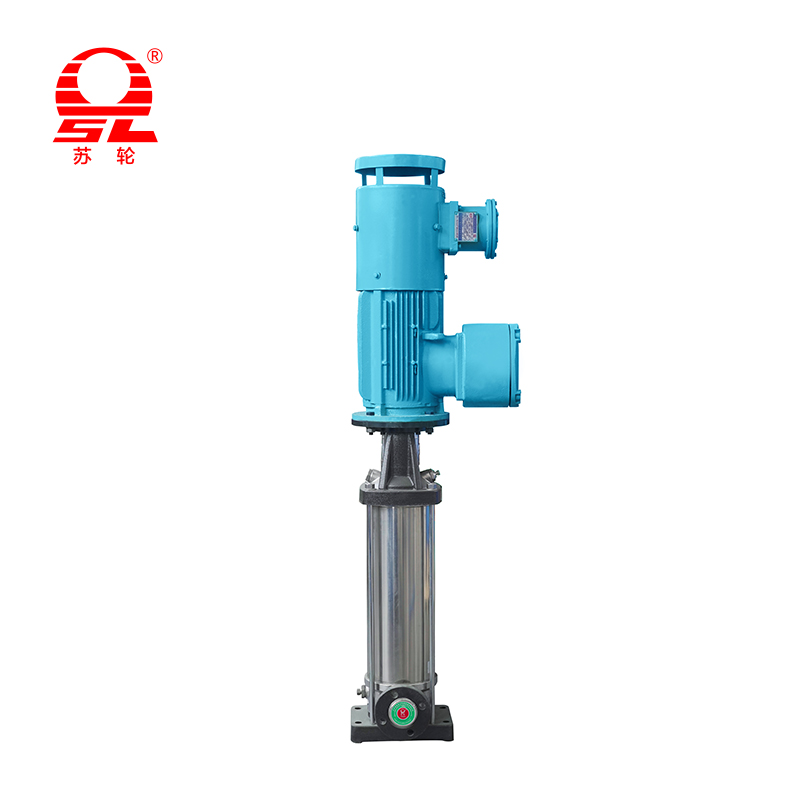
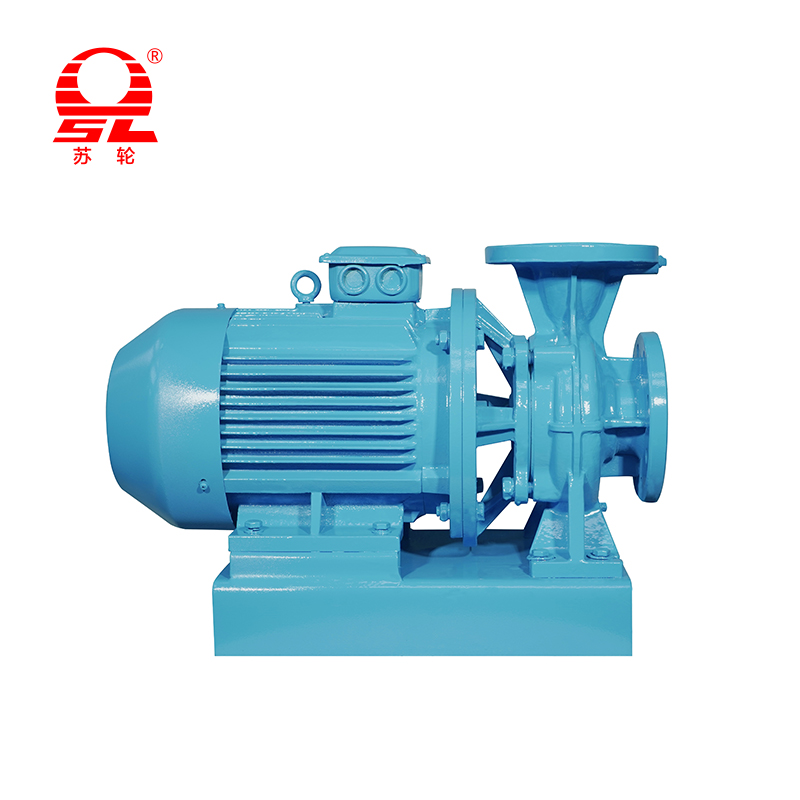
In the design of mixed flow centrifugal pump, the hydrodynamic characteristics are further optimized so that the pump maintains a relatively stable efficiency curve during flow rate variations. The centrifugal axial mixed pump further integrates the high-head characteristics of centrifugal pumps with the high-flow characteristics of axial flow pumps, enabling it to adapt to broader operating conditions. For scenarios with limited installation space or high requirements for flood-proofing, vertical mixed flow pump adopts a vertical structural design, which greatly reduces the footprint while improving the stability of the transmission system.
Deep Well and Underwater Operation Solutions
In complex environmental operations, mixed flow submersible pump and submersible mixed flow pump demonstrate high reliability due to their integrated pump-motor structure. Such pump sets work directly submerged underwater, eliminating the need for complex ground priming devices, which not only reduces system operating noise but also avoids cavitation risks caused by installation height. In deep water tanks, storm water pumping stations, or flood dispatching projects, these devices can operate at high loads for long periods.
Technical Parameter Comparison Reference
To assist engineering technicians in making selection decisions, the following table lists typical technical indicators for several common types of pumps:
| Performance Indicator | vertical mixed flow pump | mixed flow submersible pump | centrifugal axial mixed pump |
| Flow Range | 500 - 5000 m3/h | 200 - 3000 m3/h | 300 - 4000 m3/h |
| Head Range | 5 - 20 m | 3 - 15 m | 4 - 25 m |
| Installation Method | Vertical ground installation | Underwater submersible installation | Horizontal or vertical pipeline installation |
| Sealing Requirements | Packing or mechanical seal | High-grade waterproof mechanical seal | Mechanical seal |
| Main Applications | Municipal drainage, industrial circulation | Flood emergency response, sewage transport | Agricultural irrigation, process fluids |
Key Technical Considerations for Selection and Maintenance
Selecting the appropriate pump type requires comprehensive consideration of medium characteristics, operating conditions, and installation environments. For example, if the transported medium contains many suspended particles, priority should be given to submersible mixed flow pump, as its flow-passing components are usually designed with wear-resistant materials to extend service life.
When installing vertical mixed flow pump, it is necessary to ensure the verticality of the pump shaft and the stability of the base to prevent damage to bearings caused by vibrations generated during long-term operation. For systems requiring frequent frequency conversion for flow adjustment, mixed flow centrifugal pump combined with modern frequency conversion speed regulation technology can significantly reduce energy consumption per operation cycle.
In addition, during long-term operation, regular inspection of the pump sealing parts is a necessary link to ensure equipment stability. For mixed flow submersible pump, monitoring the temperature rise of the stator winding and water ingress in the seal chamber are key measures to prevent electrical failures. Through scientific maintenance plans, continuous and efficient fluid transport capacity can be ensured throughout the equipment's entire life cycle.
Common Technical Q&A
Q: Why prioritize these types of pumps in low-head, high-flow scenarios?
A: This series of pump types combines centrifugal force and axial thrust. Compared with pure centrifugal pumps, they have higher specific speeds at low heads and wider high-efficiency areas, which can effectively reduce turbulence loss in the pump chamber.
Q: How to handle vibration issues during operation?
A: First, check the levelness of the installation base. Second, check the dynamic balance parameters of the impeller to ensure it is in a balanced state at the rated speed. Finally, check whether the inlet and outlet pipelines have excessive stress causing deformation of the pump body.
Q: Can this type of pump run dry?
A: Dry running is strictly prohibited. The seals and bearings require the fluid for cooling and lubrication; dry running will quickly burn out the seals or damage the bearings.
Q: What if the axial thrust of the pump is too large?
A: Inspect the impeller for wear, or check if uneven pressure distribution is caused by uneven inlet flow channels. For vertical structures, check the load capacity of the thrust bearing.
Q: What should be noted during motor selection?
A: Due to the high starting current at high flow rates, select a control cabinet with soft-start functions according to the rated power of the pump, and ensure the power cable cross-sectional area meets the long-term operating load requirements.
Q: What are the causes of water leakage in mechanical seals?
A: It may be that solid impurities in the medium have damaged the sealing surface, or the sealing surface material has a chemical reaction with the medium. Regularly clean the seal chamber and ensure that the lubricating oil is clean.
Q: How to judge the selection based on on-site requirements?
A: First, determine the required optimal working flow point, and compare the efficiency curves of different pump types at the target flow rate. If flood-proofing capability is required, please choose the submersible series directly.
Q: What is the recommended maintenance cycle for the equipment?
A: It is recommended to perform a preventive inspection every 2000-3000 hours of operation, including bearing lubrication, fastener inspection, and sealing performance testing.
Q: Can this equipment handle high-viscosity liquids?
A: The original design is for processing low-viscosity fluids. If high-viscosity materials need to be processed, hydrodynamic verification must be performed in advance, and the impeller blade tilt angle may need to be changed.
Q: How to reduce the impact of pipeline water hammer?
A: It is recommended to install a slow-closing check valve or buffer tank on the outlet pipeline, and adopt soft-start/soft-stop control strategies during startup and shutdown to reduce pressure fluctuations.

+86-0523- 84351 090 /+86-180 0142 8659


Add 1: Hongguang Industrial Park, Jingjiang City, Jiangsu Province, China
Add 2: No.68, Xinyi Road, Industrial Park, Jingjiang City, Jiangsu Province, China
+86-0523- 84351 090
+86-180 0142 8659
+0523-8435 5588