language
  русский
 عربى
عربى Indonesia
Home / Blog / Industry News / How to Choose the Right Industrial Centrifugal Pumps for Harsh and Sanitary Conditions
News


 2026.05.04
 Industry News
In the field of modern industrial fluid control, high-performance transport equipment is the core of ensuring the continuous operation of production lines. Whether handling harsh working conditions containing solid particles or meeting the extremely high hygiene standards of the food and pharmaceutical industries, choosing the right pumping technology is directly related to the energy efficiency ratio and maintenance costs of the system. This article provides a professional reference for fluid selection under complex conditions through an in-depth analysis of the technical characteristics, application scenarios, and core parameters of various mainstream centrifugal pump types.
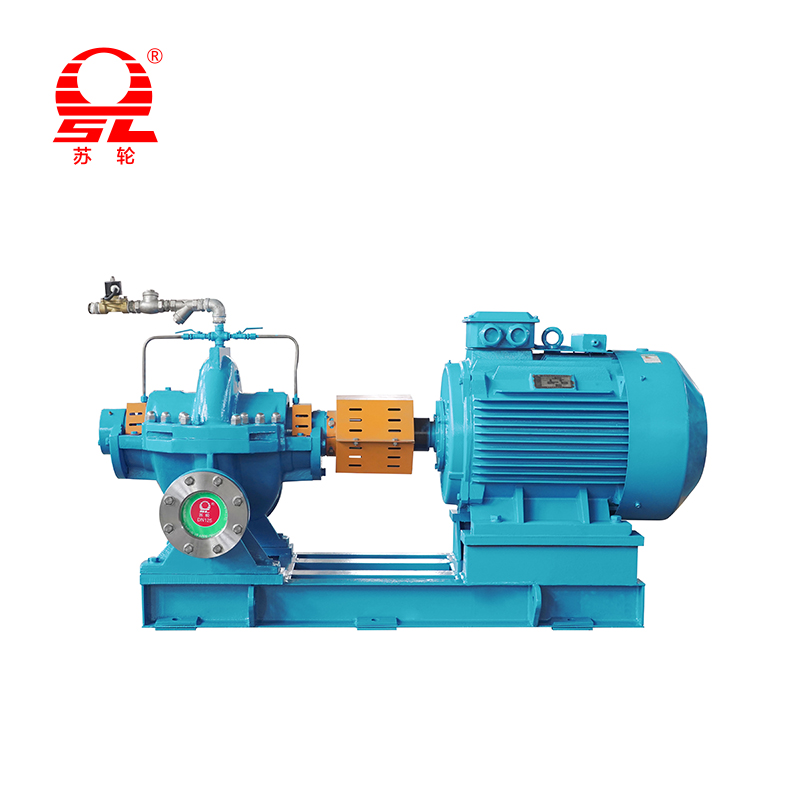
As the most widely used power equipment in the industrial field, the design standards for industrial centrifugal pumps usually follow ISO5199 or ANSI B73.1. The core logic is to convert mechanical energy into kinetic and pressure energy of the fluid through the centrifugal force generated by the high-speed rotation of the impeller. During the selection process, the matching of Flow Rate and Head is the primary consideration, but for industrial users, the control of NPSHr (Net Positive Suction Head Required) is the key factor determining the service life of the equipment.
High-performance industrial centrifugal pumps often feature a back-pull-out design, which means that the impeller and shaft seal can be replaced without dismantling the pump casing or piping, greatly improving maintenance efficiency.
In mining, coal washing, or dredging projects, ordinary fluid pumps find it difficult to cope with highly abrasive media. The centrifugal slurry pump solves the problem of rapid wear of the pump casing and impeller by using high-chromium alloys (such as Cr27) or natural rubber liners.
When the process requires extremely high pressure output, the high pressure centrifugal pump becomes the inevitable choice. These devices typically achieve pressure superposition by increasing the number of impeller stages or increasing the rotational speed. The following table shows typical performance comparisons of different pump types under standard operating conditions:
| Pump Type | Typical Pressure Range (MPa) | Solid Content Limit | Core Material |
|---|---|---|---|
| centrifugal slurry pump | 0.2 - 0.8 | < 60% (by weight) | High Chrome Cast Iron / Rubber |
| high pressure centrifugal pump | 1.6 - 10.0+ | < 1% (Clean Fluid) | Forged Steel / Stainless Steel |
| centrifugal water pump | 0.1 - 1.2 | < 0.1% | Cast Iron / Bronze |
In fine chemical and laboratory environments, the small centrifugal pump is widely used for its compact structure and flexible installation. Although small in size, the dynamic balance precision of its impeller is extremely high to ensure low noise and low vibration during high-speed operation.
For the dairy and biopharmaceutical industries, the sanitary centrifugal pump is a standard configuration. The surface roughness (Ra) of these pumps is usually required to be less than 0.8μm, and there are no dead zones inside the pump chamber. They support CIP (Clean-in-Place) and SIP (Sterilization-in-Place) to ensure zero contamination during the transport process.
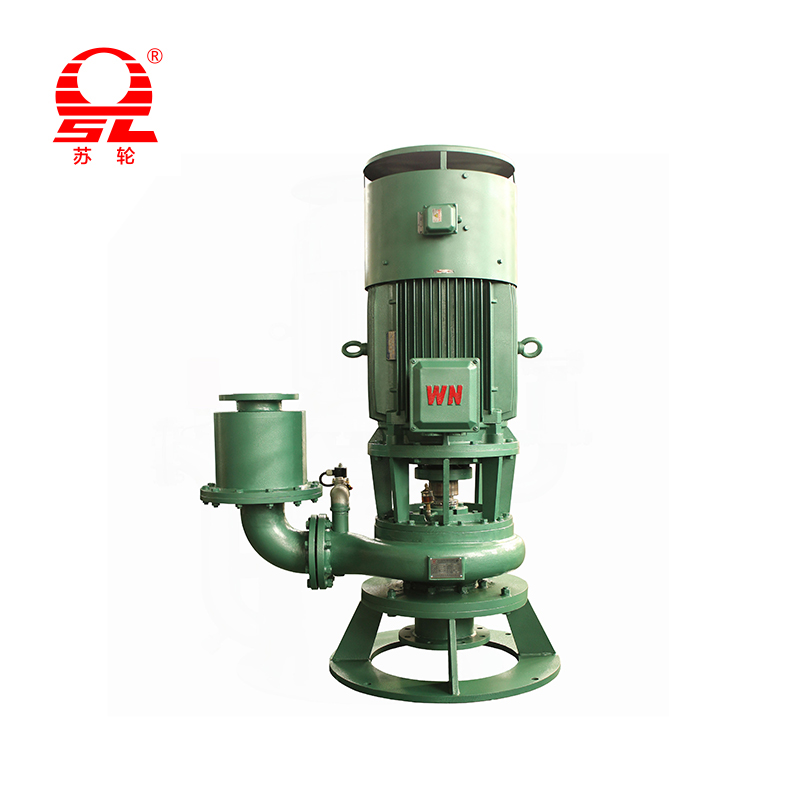
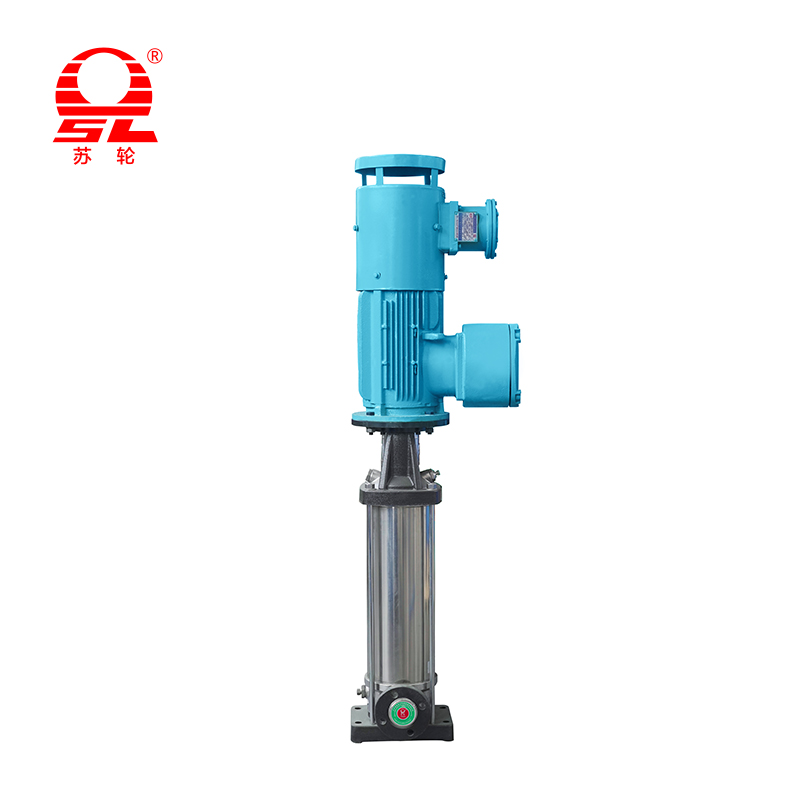
In cases where installation space is limited, the vertical centrifugal pump demonstrates significant advantages. Its vertical structure not only reduces the footprint but also places the motor above the pump body, effectively preventing motor damage caused by media leakage. Furthermore, the vertical multistage pump achieves ultra-high head on a minimal base area by stacking multiple impellers vertically, commonly used in boiler feed water, high-rise building pressurization, and reverse osmosis systems.
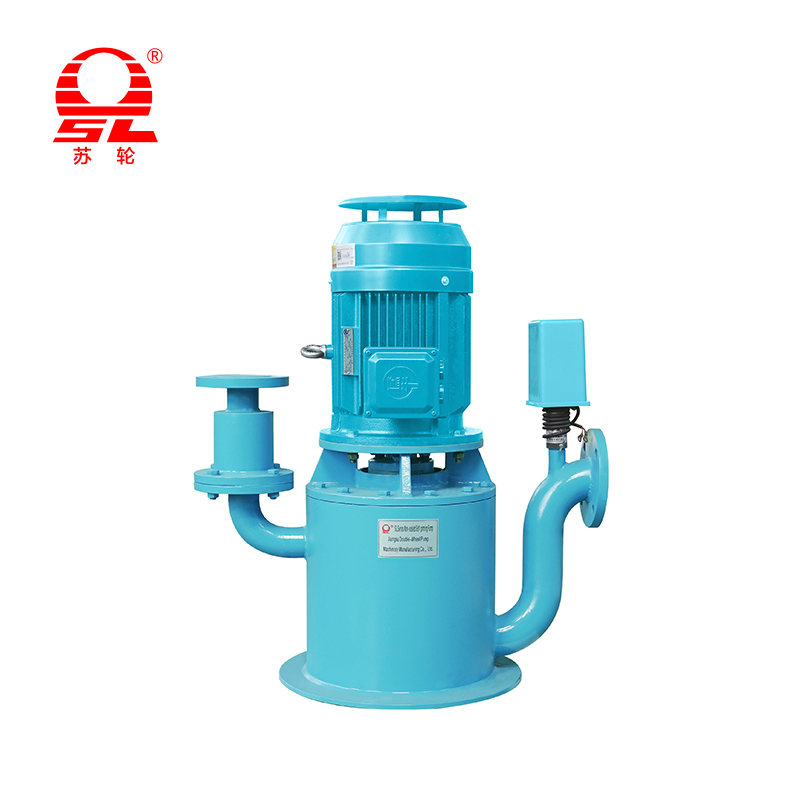
For conditions where the water source is located below the pump suction inlet, the self priming centrifugal pump solves the pain point of traditional centrifugal pumps requiring manual priming. Its unique pump chamber structure design allows air to be discharged through circulating fluid, establishing vacuum suction in a very short time.
Insufficient flow or pressure drop: First check if the impeller of the centrifugal water pump is worn or clogged. For the centrifugal slurry pump, check if the liner gap has increased due to wear, leading to increased internal leakage; adjust the back liner gap if necessary.
Excessive vibration: For the vertical multistage pump, vibration usually stems from bearing damage or misalignment between the motor and pump shaft. Since multi-stage pumps have large axial forces, the wear of the balance disc or balance drum should be checked regularly.
Mechanical seal leakage: When handling chemical media, mechanical seal failure in industrial centrifugal pumps is often caused by dry running. Ensure the self-priming pump has enough circulating liquid in the chamber before starting, or configure a water-cooling system in sanitary pumps.
By considering the full range of the centrifugal pump family—from small to high pressure, from horizontal to vertical—engineers can build more stable and low-energy fluid transport systems. Whether it is a routine centrifugal water pump or a specialized pump set, precise matching of working condition data and regular preventive maintenance are always the core guarantees for long-term high-reliability operation.

+86-0523- 84351 090 /+86-180 0142 8659


Add 1: Hongguang Industrial Park, Jingjiang City, Jiangsu Province, China
Add 2: No.68, Xinyi Road, Industrial Park, Jingjiang City, Jiangsu Province, China
+86-0523- 84351 090
+86-180 0142 8659
+0523-8435 5588