language
  русский
 عربى
عربى Indonesia
Home / Blog / Industry News / How to Choose the Right Sewage Pump System for Your Property
News


 2026.05.14
 Industry News
Selecting the right equipment for wastewater management is critical for maintaining environmental hygiene and system reliability. Whether it is a large-scale sewage pumping station or a compact domestic sewage pumps installation, understanding the technical nuances of each sewage pump system ensures efficient operation and long-term durability.
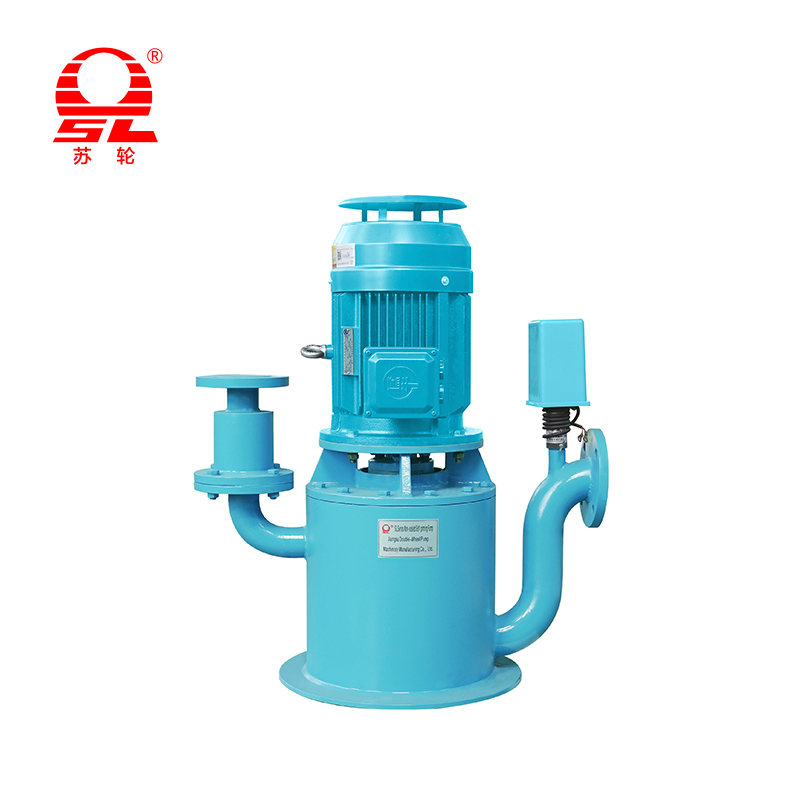
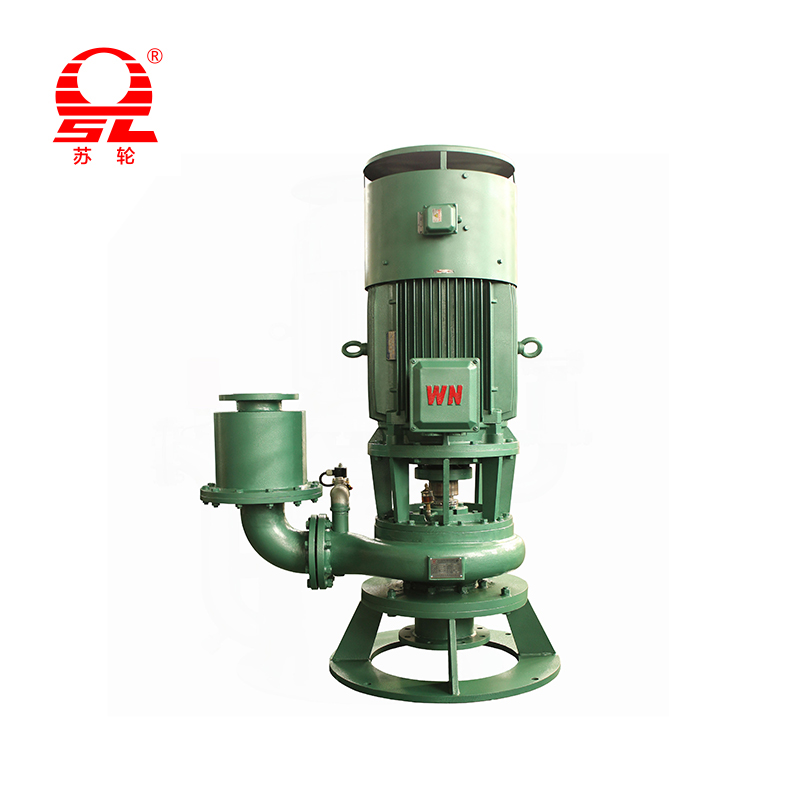
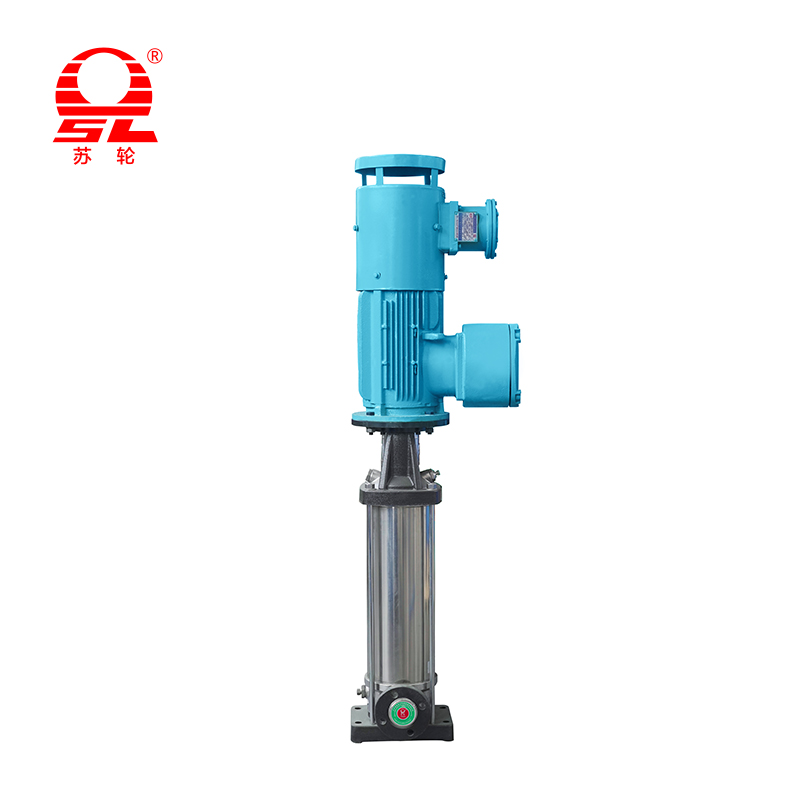
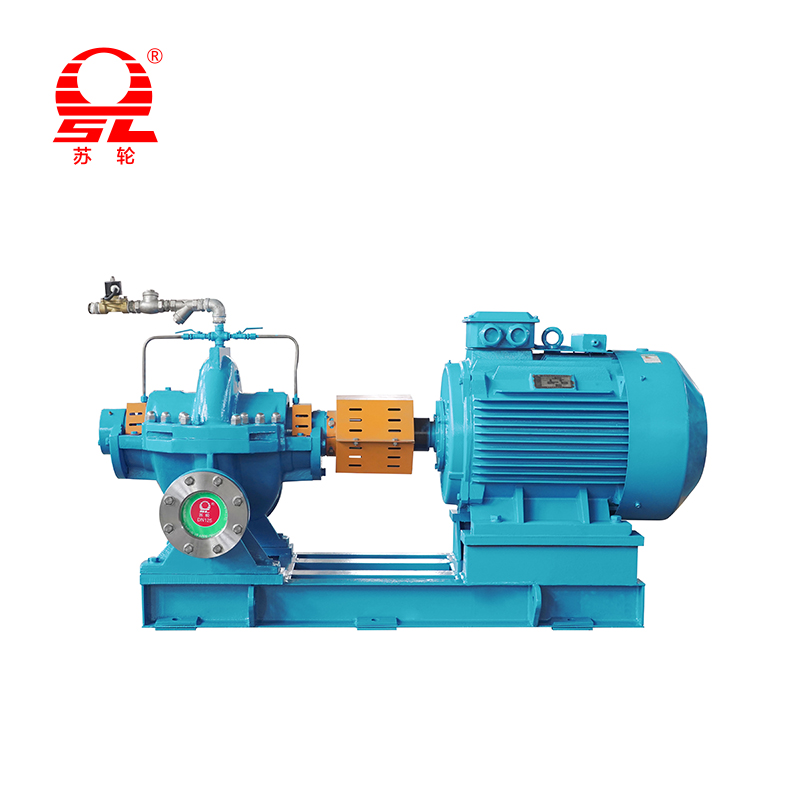
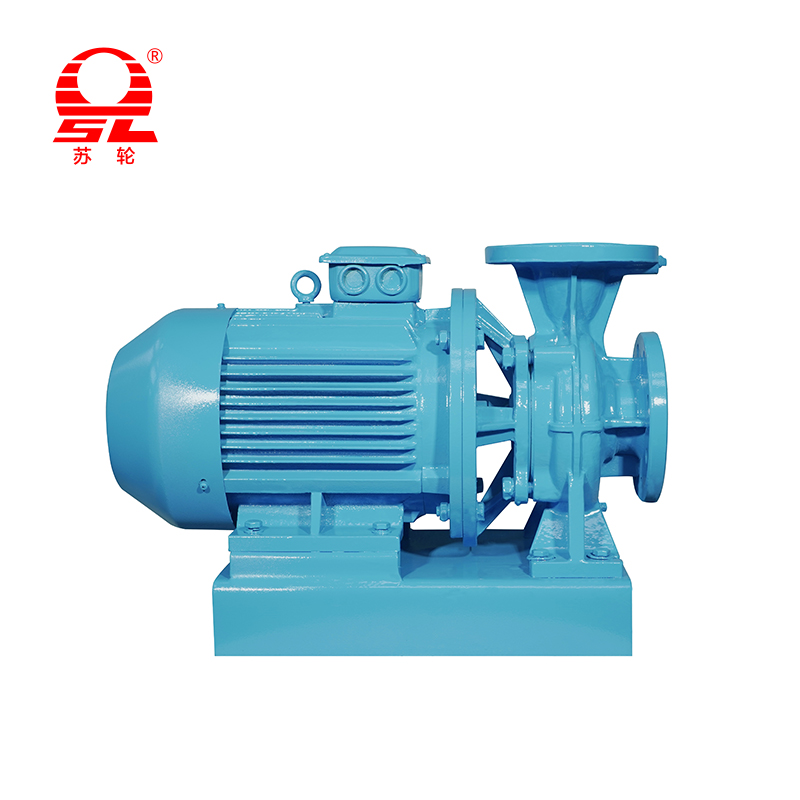
The Sewage Pump is the driving force of any drainage system. Unlike standard water pumps, these are engineered to handle heavy fluids containing solids, fibrous materials, and debris. The design of the impeller and the durability of the mechanical seals are the most important factors in preventing clogs and motor failure. Professional applications generally categorize these pumps based on their mechanical action: Submersible Sewage Pumps: These are designed to operate while fully submerged in a collection pit. They typically feature large-passageway impellers that allow solids of a specific diameter to pass through without obstructing the flow. Sewage grinder pump: In scenarios where the wastewater contains tough debris like wet wipes, textiles, or plastic materials, a sewage grinder pump is essential. It features a high-speed cutting mechanism at the intake that shreds solids into a fine slurry before they enter the pump body, allowing the waste to be transported through much smaller diameter pipes.
An effective sewage pump system is more than just a pump; it is an integrated assembly of components working in synchronization to automate waste removal. Level Control Sensors: Most systems utilize float switches or ultrasonic sensors to monitor the liquid level. When the fluid reaches a predetermined high point, the control panel activates the Sewage Pump. Once the level drops, the system shuts down to prevent dry running. Valve Assemblies: To ensure the safety of the sewage pump system, non-return valves (check valves) are installed to prevent backflow into the basin once the pump stops. Isolation valves are also included to allow for maintenance without draining the entire pipe network.
In modern architecture, domestic sewage pumps are frequently used in basement conversions or residential units located below the main gravity sewer line. These units are specifically designed for indoor environments where space is limited and noise reduction is a priority. Technical requirements for domestic sewage pumps include: Hermetic Sealing: To prevent the escape of sewer gases and odors into living spaces, these pumps are often housed in gas-tight synthetic tanks. Compact Design: These units are engineered to fit behind toilets or inside small cabinets, providing a discreet solution for bathroom or kitchen wastewater lifting. For residential settings where a toilet is connected, utilizing a sewage grinder pump within the system is highly recommended to ensure that any solid waste is properly processed before entering the discharge line.
When the volume of wastewater exceeds the capacity of individual units, a sewage pumping station is required to collect and move sewage across significant distances or elevations toward a treatment plant. Modern sewage pumping station designs have shifted toward integrated prefabricated stations. These consist of a high-strength fiberglass reinforced plastic (FRP) tank that houses multiple Sewage Pump units, internal piping, and intelligent monitoring systems. These stations are buried underground, providing a footprint-free solution that minimizes environmental impact and noise.
The following data provides a technical comparison of different systems to assist in professional selection:
| Basements, Kitchens, Single residential units | High-head residential or commercial discharge | Municipal, Industrial, and Community-wide drainage |
| 5 to 15 cubic meters per hour | 8 to 25 cubic meters per hour | 50 to 2000+ cubic meters per hour |
| 6 to 11 meters | 15 to 40 meters | 10 to 50 meters |
| 30mm to 50mm diameter | Fine slurry (shredded by cutters) | 50mm to 100mm (via screens or large impellers) |
| DN50 to DN80 | DN32 to DN50 | DN100 to DN500+ |
By analyzing these parameters, engineers can ensure the selected sewage pump system meets the specific hydraulic demands of the project while minimizing energy consumption.

+86-0523- 84351 090 /+86-180 0142 8659


Add 1: Hongguang Industrial Park, Jingjiang City, Jiangsu Province, China
Add 2: No.68, Xinyi Road, Industrial Park, Jingjiang City, Jiangsu Province, China
+86-0523- 84351 090
+86-180 0142 8659
+0523-8435 5588