language
  русский
 عربى
عربى Indonesia
Home / Blog / Industry News / How to Choose the Right Sewage Pump System for Residential and Industrial Needs
News


 2026.05.28
 Industry News
In modern building water supply and drainage systems, the sewage pump acts as a core component, taking on the critical task of lifting domestic sewage and industrial wastewater from low-level collection pits to municipal pipe networks or treatment facilities. Whether it is basement drainage for a single residential unit or a large-scale sewage pumping station for a community, a stable and reliable fluid transmission system is the prerequisite for ensuring public hygiene and the safe operation of building facilities.
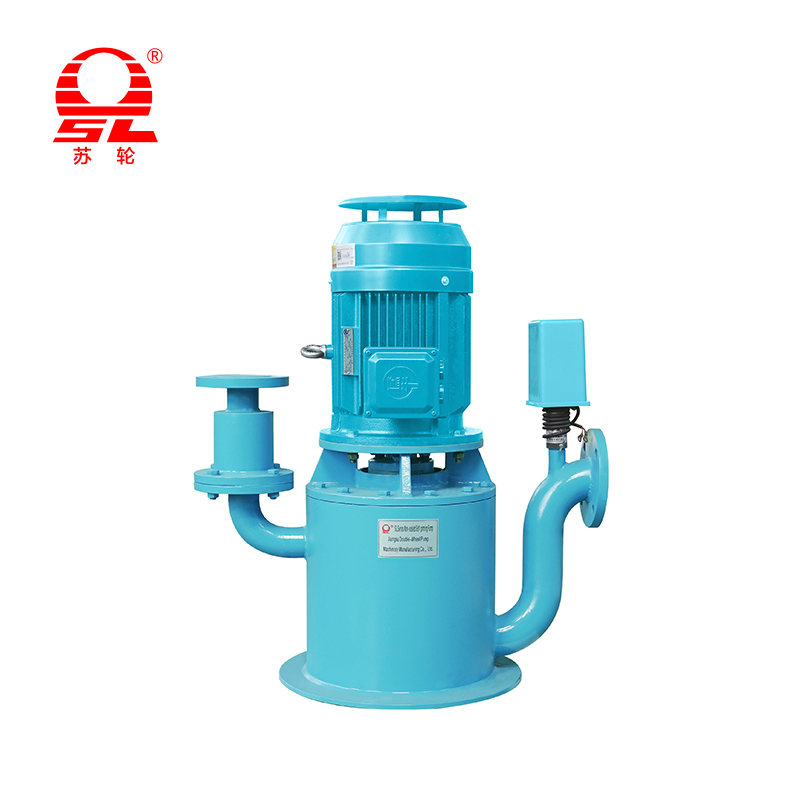
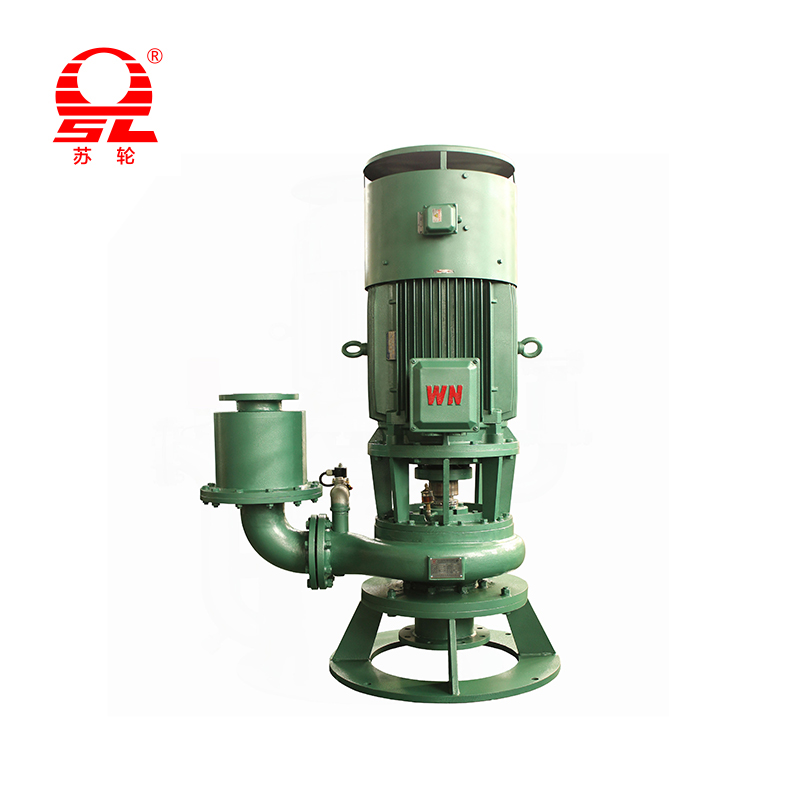
A complete sewage pump system typically consists of a submersible pump, a coupling device, a liquid level control system, a control cabinet, and associated pipeline accessories. Depending on the installation method, common classifications include automatic coupling installation and portable installation.
The design focus of the core component, the sewage pump, is its anti-clogging capability. Because sewage often contains fibers, solid impurities, and large particulate pollutants, high-quality pump impellers usually feature a large-flow channel design or advanced spiral centrifugal impellers. For special operating conditions with high solids content, the sewage grinder pump demonstrates high technical advantages. This pump model has a built-in cutting mechanism that can completely pulverize solid impurities entering the pump chamber, greatly reducing the risk of pipeline blockage, and is an indispensable hardware support in complex sewage environments.
For sewage pumps residential scenarios, the primary goal of system design is reliability, quiet operation, and odor prevention. Basements, laundry rooms, or small sewage pits have specific requirements for sewage equipment:
Head and Flow Matching: Calculate pipeline resistance losses based on the depth of the sewage pit and the discharge distance, selecting an appropriate flow point to ensure operation does not exceed load limits.
Corrosion Resistance of Materials: Sewage composition is complex; pump casings and impellers should be made of cast iron or stainless steel and treated with professional anti-corrosion coatings to extend service life.
Sealing Performance: Adopt dual mechanical seal technology to effectively isolate the motor from the sewage, preventing electrical leakage and motor burnout accidents.
When planning or renovating a sewage pumping station, engineers typically compare performance differences across different configurations based on load requirements. The following is a typical parameter comparison for common small and medium-sized sewage stations:
| Key Parameters | Basic System | High Performance System | Grinding System (sewage grinder pump) |
| Impeller Type | Multi-vane channel type | Single-channel or vortex type | Blade cutting type |
| Particle Handling Capability | 20mm - 35mm | 50mm - 80mm | Extremely high (passes after pulverizing) |
| Main Application Scenarios | Clean wastewater, light sewage | Sewage with large particulate impurities | Long-distance small-bore piping, household waste sewage |
| Overheat Protection | Basic thermistor | Fully integrated multi-level protection | Fully integrated with current overload protection |
To extend the service life of a sewage pump system, daily operation should focus on monitoring current fluctuations and insulation resistance values of the motor. If abnormal pump vibration is detected, it is usually caused by the impeller becoming entangled with impurities and should be cleared through the inspection port in a timely manner.
For the sewage grinder pump, hard debris in the inlet channel should be strictly controlled. Although it has a cutting function, overly hard metal or stones can still wear down the blade life. Meanwhile, liquid level controllers such as float switches or ultrasonic sensors should be kept clean to prevent grease accumulation that causes malfunctions. During daily inspections of a sewage pumping station, it is recommended to check the sealing of the check valve once a month to prevent sewage backflow, which causes frequent system starts and stops, leading to premature motor wear.

+86-0523- 84351 090 /+86-180 0142 8659


Add 1: Hongguang Industrial Park, Jingjiang City, Jiangsu Province, China
Add 2: No.68, Xinyi Road, Industrial Park, Jingjiang City, Jiangsu Province, China
+86-0523- 84351 090
+86-180 0142 8659
+0523-8435 5588