language
  русский
 عربى
عربى Indonesia
Home / Blog / Industry News / What Are the Key Technical Advantages of Using a Self Priming Pump for Industrial Fluid Transport
News


 2026.06.04
 Industry News
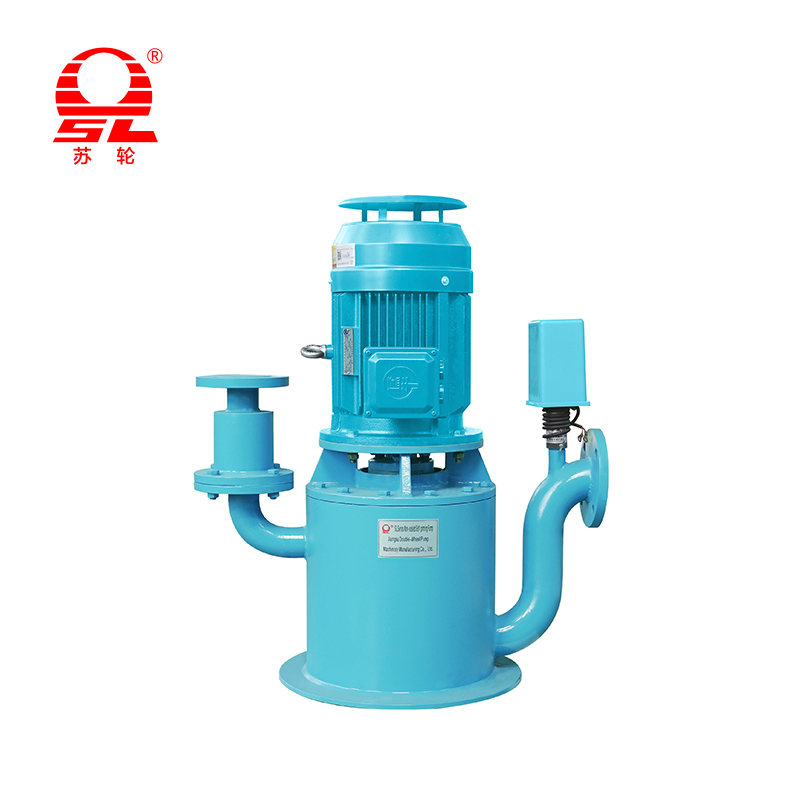
In modern industrial and civil water supply and drainage systems, the choice of pumping equipment is directly related to operational efficiency and system stability. self priming pump technology, with its unique internal structural design, has become a key device for solving fluid transport in gas-liquid mixtures and unstable water intake environments. Compared to traditional pumps, this device can automatically exhaust air through a special internal gas-liquid separation chamber without installing a bottom valve, thereby establishing a vacuum in a short time to complete liquid transport.
The core competitiveness of self priming centrifugal pump lies in its excellent self-priming capability. When the system starts, the liquid remaining in the pump body generates centrifugal force under the high-speed rotation of the impeller, forcing gas out through the discharge port. At this point, negative pressure is generated at the suction inlet, and the liquid is pressed into the pump body under atmospheric pressure, mixing with the residual liquid to form a foam. After passing through the gas-liquid separation chamber, the gas is separated and discharged, while the liquid returns to the impeller for circulation.
This process not only simplifies pipeline installation but also greatly enhances the system's tolerance. It demonstrates high reliability in complex operating conditions, especially in scenarios requiring frequent start-stops or where the water intake is higher than the installation height of the pump.
In practical applications, users need to filter through multiple pump types based on the characteristics of the medium. The following technical comparison shows the operational efficiency and applicable parameters of common types:
| Characteristic Parameters | self priming water pump | small self priming water pump | self priming dirty water pump |
| Rated Flow | Medium | Low | High |
| Max Particle Diameter | < 5 mm | < 2 mm | < 30 mm |
| Head Capability | Standard | Low to Medium | High |
| Casing Material | Stainless Steel/Cast Iron | Engineering Plastic/Cast Iron | Reinforced Cast Iron/Alloy |
| Seal Type | Mechanical Seal | Lip Seal/Mechanical Seal | Wear-Resistant Mechanical Seal |
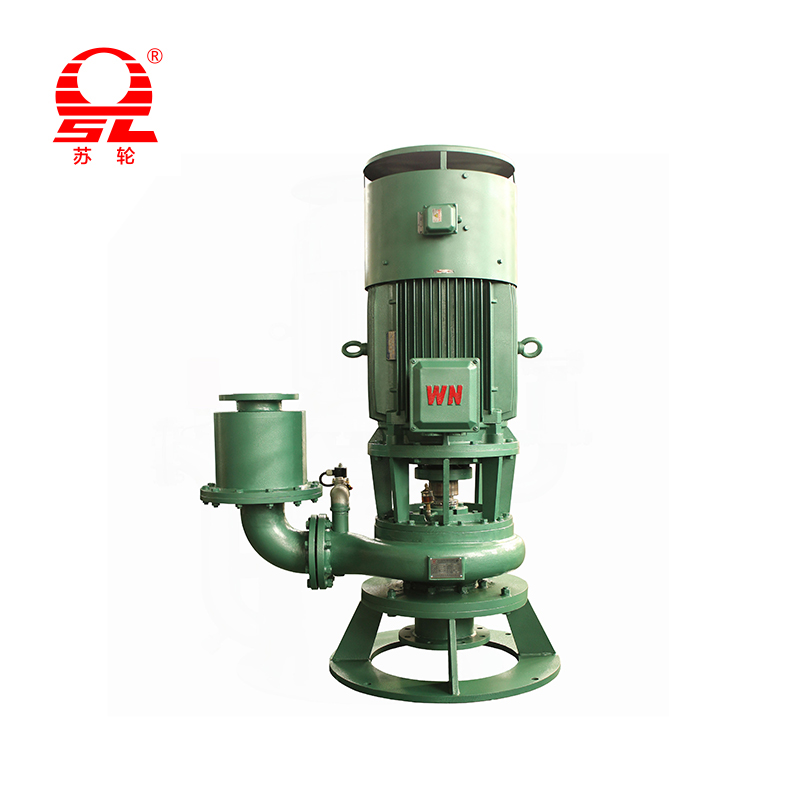
Choosing the right pump type requires first clarifying the physical properties of the fluid. For example, when involving construction sites or temporary drainage operations, self priming dirty water pump demonstrates strong anti-clogging capabilities. Its impeller usually adopts a wide flow channel design, which can effectively handle media containing mud, impurities, or soft particles, avoiding the overload and blockage often encountered by standard pumps when transporting non-clear water.
For laboratory cooling cycles or precision irrigation systems with space constraints, small self priming water pump is the ideal choice. These devices are not only compact in size but also retain a complete self-priming circulation circuit, significantly reducing the axial force during operation and extending the service life of bearings through precision-manufactured impeller and pump casing gaps.
To ensure the long-term performance of self priming water pump, daily maintenance should focus on the following key technical points:
Sealing inspection: The quality of self-priming performance depends directly on the sealing status of the suction pipeline. Minor air leaks at pipeline interfaces can lead to prolonged self-priming times or even failure to draw water; flange gaskets and connection tightness must be checked regularly.
Liquid residue management: Before the pump is restarted, it must be ensured that the pump chamber contains sufficient starting circulating liquid. If left in a dry state for a long time, it may cause the mechanical seal to fail due to dry friction and overheating.
Impeller cleaning: When dealing with complex liquid working conditions, it is necessary to regularly clean sediments in the pump chamber to keep the flow channels unobstructed.

+86-0523- 84351 090 /+86-180 0142 8659


Add 1: Hongguang Industrial Park, Jingjiang City, Jiangsu Province, China
Add 2: No.68, Xinyi Road, Industrial Park, Jingjiang City, Jiangsu Province, China
+86-0523- 84351 090
+86-180 0142 8659
+0523-8435 5588