language
  русский
 عربى
عربى Indonesia
Home / Blog / Industry News / How to perform regular maintenance and repair of SLW series pumps
News


 2026.03.09
 Industry News
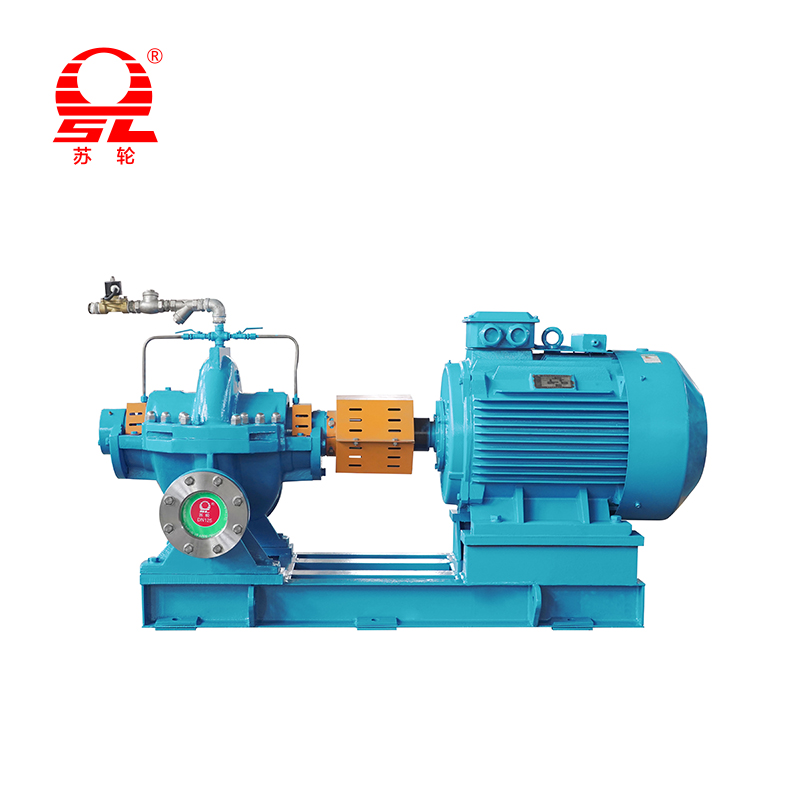
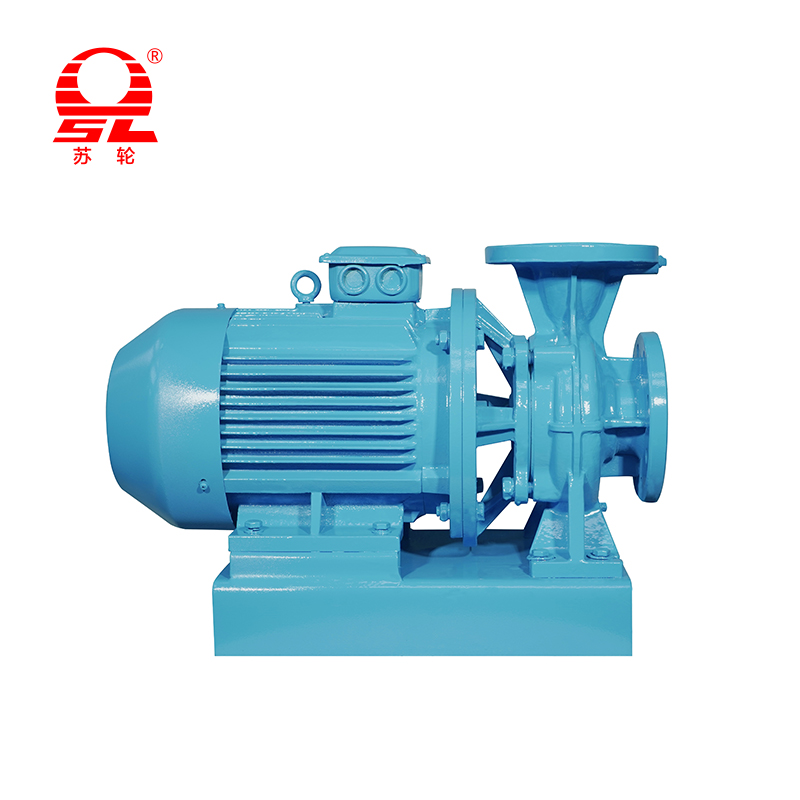
The SLW series horizontal centrifugal pump is a widely used industrial pump that requires regular maintenance and inspection to ensure reliable and efficient operation over time. Regular maintenance not only extends the pump's lifespan but also prevents unexpected failures, reduces downtime, and increases overall productivity. Proper maintenance is essential to keep the pump operating at its best, ensuring minimal operational interruptions and cost-effective performance.
During the regular operation of the SLW series pump, several key components should be checked periodically. These components are critical for the proper functioning of the pump and need to be maintained regularly:
The impeller is one of the most crucial components of the SLW series pump. Over time, it may suffer from wear and tear or corrosion due to fluid flow. Regular inspection of the impeller is necessary to assess the extent of wear, especially along the edges of the blades. If significant damage or wear is found, replacement is required. Similarly, the pump casing should be inspected for any signs of wear, cracks, or surface roughness, which can affect the pump’s performance and lead to imbalances in operation.
The SLW series pump typically uses mechanical seals or packing seals. Periodically, the seal system should be examined for any leaks or wear. If leakage is detected at the seal points, it should be repaired or replaced promptly to prevent fluid loss and potential damage to the surrounding components. In addition, check the seal rings for wear, as their failure can result in loss of sealing efficiency.
The bearings in the pump support the rotation of the pump shaft and play a vital role in its operation. It is essential to check the bearings regularly for smooth operation and to avoid vibration issues. If bearings exhibit abnormal noise, excessive heat, or wear, they should be replaced immediately. Proper lubrication of the bearings is crucial to reduce friction and prevent premature wear.
The pump’s motor drive system should also be inspected during routine maintenance. Check the motor’s operating condition to ensure it is not overloaded or overheating. Inspect the electrical connections to ensure they are secure and free of corrosion. If the motor produces unusual noises or vibrations, further investigation is required to avoid system failure.
The piping system connected to the pump should also be regularly inspected. Check the inlet and outlet pipes for any blockages, leaks, or damage. Any accumulated debris or sediment in the pipes can affect the flow rate and pressure, reducing the pump's efficiency. Ensure all pipe connections are secure to prevent leakage and maintain smooth operation.
Inspect the pump's electrical system, including cables, power supply, and control panels, to ensure they are in good working order. Ensure that all electrical connections are intact, and check the grounding system for safety. Any signs of electrical damage or malfunction should be addressed immediately to prevent power outages or potential hazards.
In addition to routine maintenance, the SLW series pump should undergo an overhaul every year or two, depending on its usage and operating conditions. The overhaul involves a more in-depth inspection and service of the pump's components to ensure optimal performance. The following steps outline the general process for overhauling the pump:
Before beginning any repair or maintenance work, ensure that the pump is completely shut down, and the power supply is disconnected. This step is crucial for the safety of personnel and to prevent any accidents during the maintenance process. Clean the surrounding work area to ensure a safe and clean environment.
Refer to the pump's manual for proper disassembly procedures. Carefully dismantle the pump and take note of the position and orientation of each component for proper reassembly. During disassembly, avoid damaging seals, bolts, or any small parts, as these are critical for proper reassembly.
After disassembly, thoroughly clean all pump components, particularly the impeller, casing, bearings, and seals. Use non-corrosive cleaning agents that will not damage the parts. Any dirt, debris, or buildup inside the pump must be removed to maintain the efficiency of the pump.
Examine the components for signs of wear, corrosion, or damage. Key components like the impeller, seals, bearings, and pump casing should be closely inspected. If any part is severely worn or damaged, it should be replaced. If the pump shaft or casing is damaged beyond repair, the entire component should be replaced to avoid further damage during operation.
Once all components have been inspected and cleaned, reassemble the pump carefully, ensuring each part is installed securely. After reassembly, perform an empty run (no fluid) to check for any unusual noises, vibrations, or overheating. If the pump operates smoothly without any issues, it is ready for further testing.
Finally, perform operational testing of the pump under load to ensure it operates at the desired flow rate, head, and pressure. Verify that all the pump parameters match the specifications. Only after successful testing should the pump be put back into service.

+86-0523- 84351 090 /+86-180 0142 8659


Add 1: Hongguang Industrial Park, Jingjiang City, Jiangsu Province, China
Add 2: No.68, Xinyi Road, Industrial Park, Jingjiang City, Jiangsu Province, China
+86-0523- 84351 090
+86-180 0142 8659
+0523-8435 5588