language
  русский
 عربى
عربى Indonesia
Home / Blog / Industry News / Are SLW series horizontal centrifugal pumps suitable for conveying high-viscosity fluids
News


 2026.03.02
 Industry News
High viscosity fluids are liquids with low flowability, where the molecular forces between particles are stronger, causing resistance to flow. Common examples include paints, mud, syrups, adhesives, and certain chemicals. The key feature of high viscosity fluids is their thick consistency, which results in significant resistance during transportation. This presents a challenge when selecting the right pump for efficient fluid transfer.
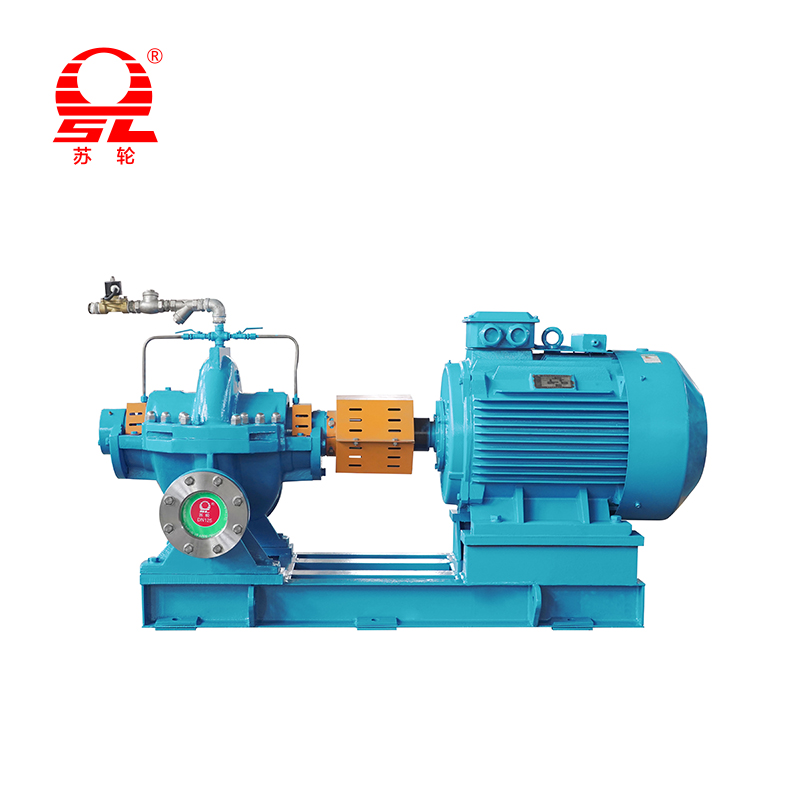
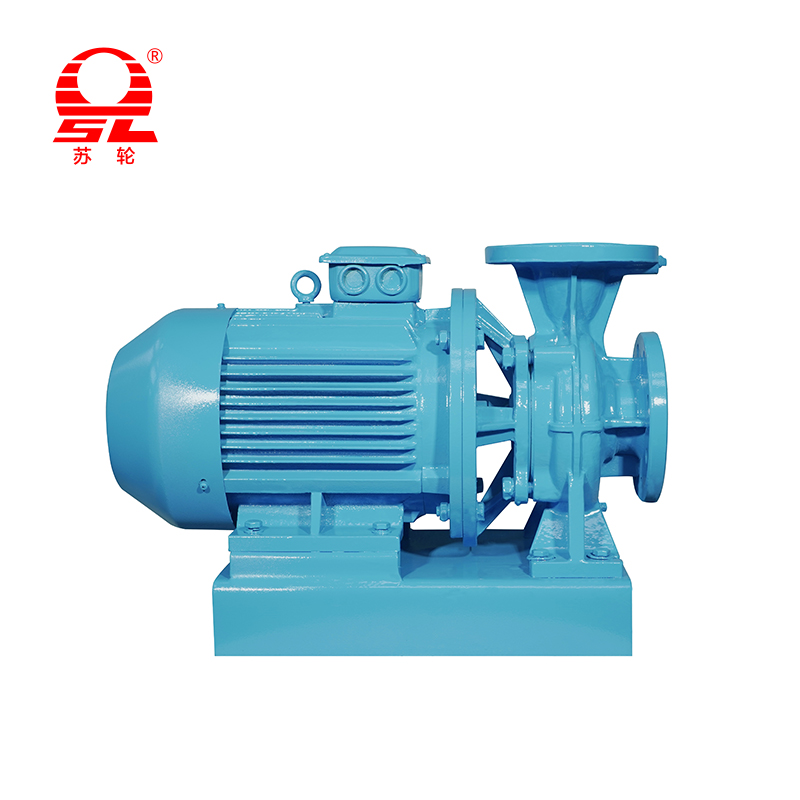
The SLW series horizontal centrifugal pump operates by converting mechanical energy into fluid energy through a rotating impeller. As the impeller spins, the centrifugal force pushes the fluid from the pump's intake through the discharge. While centrifugal pumps like SLW are highly efficient for low to medium viscosity fluids, their performance may be compromised when handling high viscosity fluids.
High viscosity fluids introduce a number of challenges that affect the performance of the SLW series pump:
While the SLW series horizontal centrifugal pump is primarily designed for low to medium viscosity fluids, it can be used in high viscosity fluid applications under certain conditions. Below are some scenarios and recommendations for using SLW pumps with high viscosity fluids:
For fluids with lower viscosity within the high viscosity category (e.g., light paints, lubricants), the SLW series pump can still perform effectively. These fluids have better flowability, which reduces the impact on pump performance. However, choosing the right model and size for the application is crucial to ensure that the pump can handle the required flow rate and head.
One approach to handling high viscosity fluids is to lower the pump speed. Slower speeds can reduce power consumption and minimize shear forces on the fluid, thus preventing excessive friction and overheating. Additionally, lower speeds help reduce the risk of cavitation, which can further damage the pump.
Variable frequency drives (VFDs) provide a flexible solution to adjust the pump speed based on the specific fluid characteristics. By using a VFD, operators can fine-tune the pump speed to match the viscosity of the fluid, improving operational efficiency and reducing wear on the pump components.
Proper pipeline design is essential when pumping high viscosity fluids. Larger pipe diameters and smooth, straight piping can reduce the friction losses that occur as the fluid flows through the system. This can enhance the pump's overall efficiency and help minimize energy consumption.
High viscosity fluids can be abrasive and corrosive. To ensure the longevity of the pump, it is essential to choose materials that are resistant to wear and corrosion. Specialized coatings on the pump’s internal surfaces can also reduce the effects of abrasive fluids, improving the durability of the pump.

+86-0523- 84351 090 /+86-180 0142 8659


Add 1: Hongguang Industrial Park, Jingjiang City, Jiangsu Province, China
Add 2: No.68, Xinyi Road, Industrial Park, Jingjiang City, Jiangsu Province, China
+86-0523- 84351 090
+86-180 0142 8659
+0523-8435 5588