language
  русский
 عربى
عربى Indonesia
Home / Blog / Industry News / What are the installation requirements for SCY series vertical submersible pumps
News


 2025.12.02
 Industry News
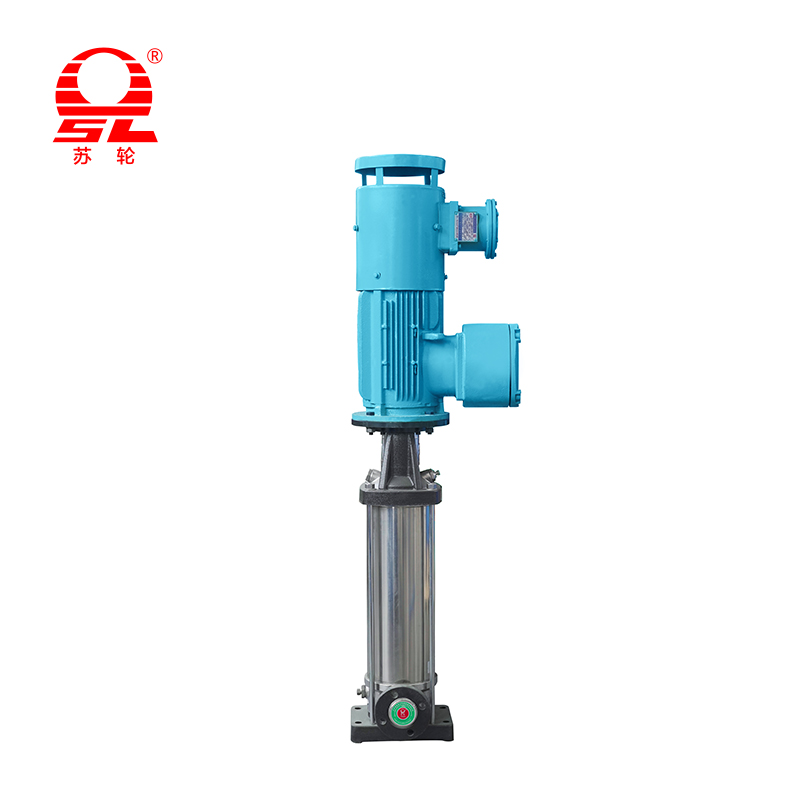
SCY series vertical submersible pumps are widely used in various industries, including water drainage, sewage treatment, and construction. To ensure their long-term stable operation, proper installation is crucial. This article will provide a detailed overview of the installation requirements for SCY series vertical submersible pumps, covering aspects such as installation environment, infrastructure, piping connections, motor protection, and more. This will help users understand the key factors to consider during the installation process to ensure the optimal performance of the equipment.
The installation environment plays a critical role in the performance and longevity of SCY series vertical submersible pumps. Several conditions must be met to ensure proper pump operation.
Water Level: The installation water level should take into account the pump’s minimum start-up water level and maximum operating water level. A low water level can prevent the pump from priming properly, potentially causing dry running and damaging the equipment. Conversely, a high water level may reduce pump efficiency and increase energy consumption.
Water Quality: SCY series submersible pumps are designed to handle clean water or water with minor impurities, such as sewage or wastewater. If the liquid contains large particles or highly corrosive chemicals, it may damage the pump body and motor. Therefore, the installation site should ensure that the pump is suitable for the type of liquid it will be handling.
Temperature Conditions: SCY submersible pumps typically operate within a temperature range of -10°C to 40°C. Extreme high or low temperatures can affect the pump's normal operation and may lead to overheating or freezing of the motor.
A stable foundation and proper support structure are necessary to ensure the pump operates smoothly during its service life.
Installation Platform: The installation platform for the pump should be level and sturdy enough to support the pump's weight and the vibrations generated during operation. Typically, the platform should be made of concrete or steel, ensuring that it remains stable and does not deform or loosen over time.
Support Structure: When installing a vertical submersible pump, the motor must be aligned vertically with respect to the water surface. Both the pump body and motor should be securely supported to prevent tilting or displacement during operation. The installation brackets and fixing bolts should be regularly inspected to ensure they remain tight.
Proper piping connection is essential for SCY series vertical submersible pumps to ensure efficient performance and avoid unnecessary losses.
Inlet Piping Design: The inlet piping should be designed to minimize resistance to water flow and reduce the number of elbows or sharp bends. The pipe diameter should match the pump’s inlet size to ensure smooth water flow and avoid air blockages. When installing the piping, ensure the correct slope is applied to prevent water stagnation.
Discharge Piping Design: The diameter of the discharge pipe should be selected based on the pump's flow rate and head. If the pipe is too small, it will increase the pump's workload and reduce efficiency. The connection between the pipe and pump should use standard flanged joints to ensure a proper seal and prevent leaks.
Preventing Air Locks and Water Hammer: The piping system should be designed to minimize the possibility of air locks. Air entering the inlet pipe can prevent the pump from priming. Additionally, water hammer—a sudden surge of pressure caused by a rapid change in water flow—should be prevented by installing check valves or air chambers to absorb pressure fluctuations.
Proper motor installation and electrical connections are equally important to ensure the safe operation of SCY series vertical submersible pumps.
Motor Grounding: The motor must be grounded according to electrical safety standards. A reliable grounding system should be installed to prevent electrical faults and potential safety hazards. The grounding wire must be made of a reliable metallic conductor, and the connection should be secure.
Voltage and Frequency: SCY series submersible pumps require a specific voltage and frequency for the motor to operate properly. During installation, confirm that the power supply voltage matches the pump's rated voltage to prevent damage to the motor. Fluctuating voltage or incorrect frequency can cause motor failure.
Waterproofing and Moisture Protection: Since submersible pumps are often used in submerged environments, the motor and electrical components must be waterproof and moisture-resistant. When installing the motor, ensure that the electrical connections are sealed and protected to prevent water ingress into the motor or control system.
After the installation is complete, a thorough inspection and testing process should be carried out to ensure the pump is operating optimally.
Check the Sealing Between the Pump Body and Motor: It is important to inspect the sealing system between the pump body and motor to ensure there are no leaks or water ingress. The mechanical seals, rubber O-rings, and other sealing components should be in good condition.
Pump Operation Testing: Perform both no-load and full-load tests after installation. First, run the pump without load to check if it starts up properly and the motor runs smoothly. Then, gradually apply the load and verify that the pump meets the expected flow, head, and power consumption.
Check Piping Connections: Inspect the piping connections to ensure they are secure and leak-free. Test the water flow to verify that the piping system is free of excessive resistance or flow restrictions.
In addition to proper initial installation, ongoing maintenance and regular inspection are crucial for ensuring the long-term efficient operation of SCY series vertical submersible pumps.
Regular Inspection of the Motor and Seals: The motor's sealing system should be checked periodically, especially after prolonged use. Ensure that the sealing performance between the pump body and motor remains intact to prevent water from entering the motor.
Cleaning and Lubrication: Regularly clean the pump body and motor areas to maintain proper heat dissipation. Lubricate the mechanical seals and bearings as needed to reduce friction and wear.

+86-0523- 84351 090 /+86-180 0142 8659


Add 1: Hongguang Industrial Park, Jingjiang City, Jiangsu Province, China
Add 2: No.68, Xinyi Road, Industrial Park, Jingjiang City, Jiangsu Province, China
+86-0523- 84351 090
+86-180 0142 8659
+0523-8435 5588