language
  русский
 عربى
عربى Indonesia
Home / Blog / Industry News / What are the key design considerations for the bearings and seals in a vertical pipeline centrifugal pump
News


 2025.12.09
 Industry News
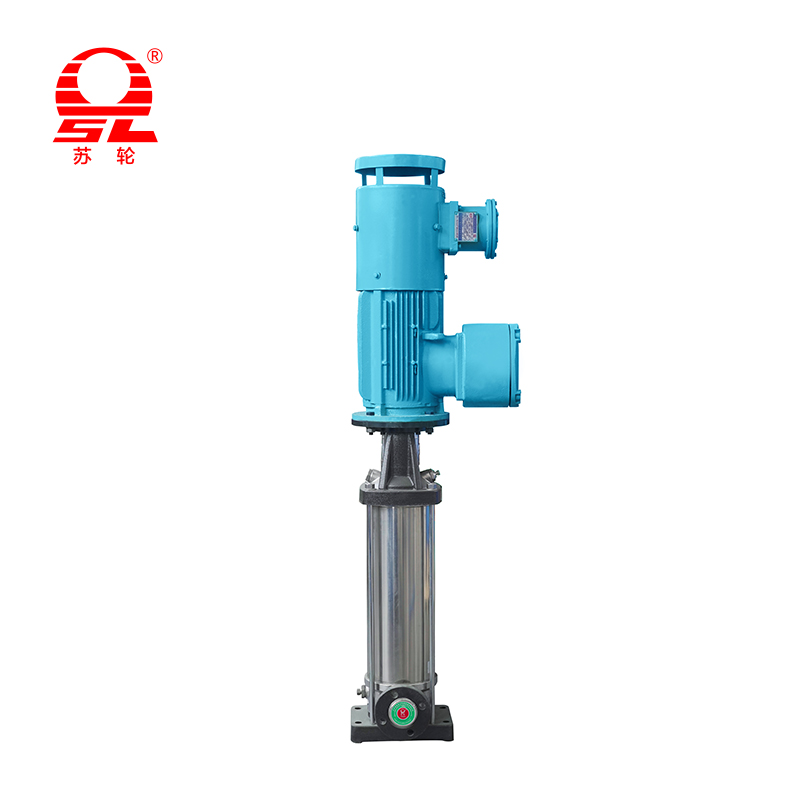
Bearings in vertical pipeline centrifugal pumps play a critical role in ensuring stable operation and extending service life. Bearing design must account for load types, lubrication methods, vibration characteristics, and temperature rise control. The primary loads on bearings include radial load and axial load. Radial load originates from impeller centrifugal forces and pipeline pressure differentials, while axial load is influenced by suction pressure and impeller design. Bearing materials should offer high hardness, wear resistance, and corrosion resistance to meet long-term operational demands.
Bearing selection depends on pump speed and power. High-speed pumps generally use rolling bearings, while low-speed, high-power pumps may use sleeve bearings. Rolling bearings should be rated for both dynamic and static loads to prevent premature failure due to excessive load. Sleeve bearings require effective lubrication, which can be achieved through oil or grease. Oil lubrication can be delivered via forced circulation or self-flow systems to maintain a protective film, reduce friction, and minimize wear.
Bearing arrangement significantly affects overall pump stability. Proper bearing spacing and placement reduce axial and radial vibration while limiting shaft deflection. In vertically installed pumps, bearings are typically positioned at the top or bottom of the pump, combined with a rigid shaft design to prevent misalignment under varying operating conditions. Bearing housings should allow easy disassembly and inspection, provide sufficient cooling, and prevent overheating that could compromise lubricant performance and shorten bearing life.
Seals in vertical pipeline centrifugal pumps prevent fluid leakage, maintain system pressure, and preserve pump efficiency. Common seal types include mechanical seals, packing seals, and dry gas seals. Mechanical seals are widely used in chemical, pharmaceutical, water supply, and food industries due to their reliability and low leakage rates. Seal design must consider the fluid’s chemical properties, temperature, pressure, and shaft speed. Corrosive fluids require corrosion-resistant materials such as silicon carbide, ceramic, or fluororubber. High-temperature fluids demand heat-resistant sealing materials to prevent leakage caused by thermal expansion or material degradation.
Proper installation is crucial for seal performance. Mechanical seals must remain concentric with the shaft to avoid uneven wear caused by shaft eccentricity or vibration. Packing seals require careful gland adjustment to balance sealing performance and minimize axial load on bearings. Seal cooling and lubrication are essential, with high-temperature or high-pressure applications often requiring cooling jackets or circulation systems to reduce seal temperature and extend service life.
Seal design should also prioritize maintenance convenience. Easily removable seals reduce downtime and improve pump maintainability. Critical continuous operation systems may utilize dual-face mechanical seals or gas-assisted seals to enhance reliability. Monitoring leakage and wear regularly helps detect issues early, preventing secondary damage to the pump bearings and casing.
Bearings and seals are closely interrelated in vertical pipeline centrifugal pumps, and their design must consider synergistic operation. Bearing rigidity and lubrication directly affect seal load and wear, while seal leakage and heat can influence bearing life. Temperature control, vibration mitigation, and axial positioning of both components should be coordinated to ensure smooth pump operation under various flow and pressure conditions.
Optimizing bearing spacing, shaft stiffness, and seal type and material can improve overall pump reliability and efficiency. Proper bearing and seal design not only enhances pump longevity but also reduces maintenance frequency and operating costs. In demanding applications, precise engineering of bearings and seals is critical to ensure long-term stable pump performance.

+86-0523- 84351 090 /+86-180 0142 8659


Add 1: Hongguang Industrial Park, Jingjiang City, Jiangsu Province, China
Add 2: No.68, Xinyi Road, Industrial Park, Jingjiang City, Jiangsu Province, China
+86-0523- 84351 090
+86-180 0142 8659
+0523-8435 5588