language
  русский
 عربى
عربى Indonesia
Home / Blog / Industry News / What Is a Self-Priming Pump? Working Principle, Types, and Selection Guide
News


 2026.09.28
 Industry News
After a scheduled maintenance shutdown, a drainage pump at a municipal lift station refuses to deliver flow. The casing is full of air, the suction line has drained, and operators spend more than an hour refilling the pump before it can restart. This scene repeats every day in wastewater plants, chemical facilities, mines, and irrigation networks. It is also exactly the problem a self-priming pump is designed to eliminate.
Definition in brief: A self-priming pump is a centrifugal pump that removes air from its suction line automatically at startup and begins pumping on its own, without manual priming or an external vacuum device.
A self-priming pump is a centrifugal pump engineered to evacuate air from its suction line at startup, then automatically switch to normal liquid pumping. The defining feature is a liquid reservoir that remains inside the pump casing after shutdown. On the next start, the impeller mixes this retained liquid with air drawn from the suction line, forming an air-liquid mixture that moves toward the discharge side. An air separation chamber inside the casing allows air to escape while liquid falls back and recirculates. This cycle repeats until all air is removed from the suction line and liquid reaches the impeller. From that point, the pump operates like a standard centrifugal pump.
In practical terms, the value is simple. Whenever the liquid source sits below the pump, whenever the suction line can empty between batches, or whenever operators cannot physically access the casing to pour in water, a self-priming pump removes the single most common cause of pump downtime.
The self-priming process follows a repeating cycle of air evacuation and liquid recirculation. Here is the sequence inside a typical self-priming centrifugal pump:
Depending on suction lift, suction line diameter, and casing geometry, the priming process typically takes between 30 seconds and three minutes. Proper suction pipe sizing and airtight joints matter more than most buyers realize; a small air leak in the suction flange can prevent priming altogether.
The key difference between the two families is what happens before liquid arrives at the impeller. A standard centrifugal pump relies on a flooded suction, a foot valve, or an external vacuum system to keep the suction line filled. A self-priming pump performs that task internally using the retained liquid charge and an air separation chamber.
| Aspect | Self-Priming Pump | Standard Centrifugal Pump |
|---|---|---|
| Startup condition | No external water or vacuum needed | Requires flooded suction or manual priming |
| Foot valve | Can operate without one in most designs | Usually depends on a foot valve to hold liquid |
| Practical suction lift | Up to 6–8 m with correct piping | Very limited without auxiliary priming equipment |
| Initial cost | Higher due to casing and separator design | Lower for the same nominal duty |
| Steady-state efficiency | Slightly lower due to recirculation passages | Higher under continuous flooded operation |
| Maintenance focus | Air separation chamber, seals, check valve | Foot valve maintenance is a recurring task |
| Best applications | Intermittent duty, low liquid levels, remote or mobile sites | Continuous duty where flooded suction is available |
Efficiency loss from the self-priming stage is usually a few percentage points rather than a dramatic difference. For applications with frequent starts and stops, changing liquid levels, or difficult access to the pump station, the reliability gain far outweighs that small efficiency penalty.
Different operating principles and casing layouts have been developed to solve the same priming problem. The most relevant types for industrial and municipal service are summarised below.
The most common configuration. A separation chamber returns liquid to the impeller while air is vented. These pumps handle clean water, wastewater, and moderate solids content. Widely used in drainage and transfer duties.
This design eliminates the shaft seal entirely, avoiding the most frequent failure point of traditional pumps. It offers excellent corrosion resistance and is a preferred solution for chemical and wastewater service.
Built with a more efficient hydraulic design and automatic control options, these units reduce power consumption during partial-load operation. They suit applications where pumps run for long hours and energy costs are a genuine concern.
Designed with larger internal passages and a solids-handling impeller for mud, sludge, and debris-laden water. Common in mining dewatering, flood response, and industrial wastewater cleanup.
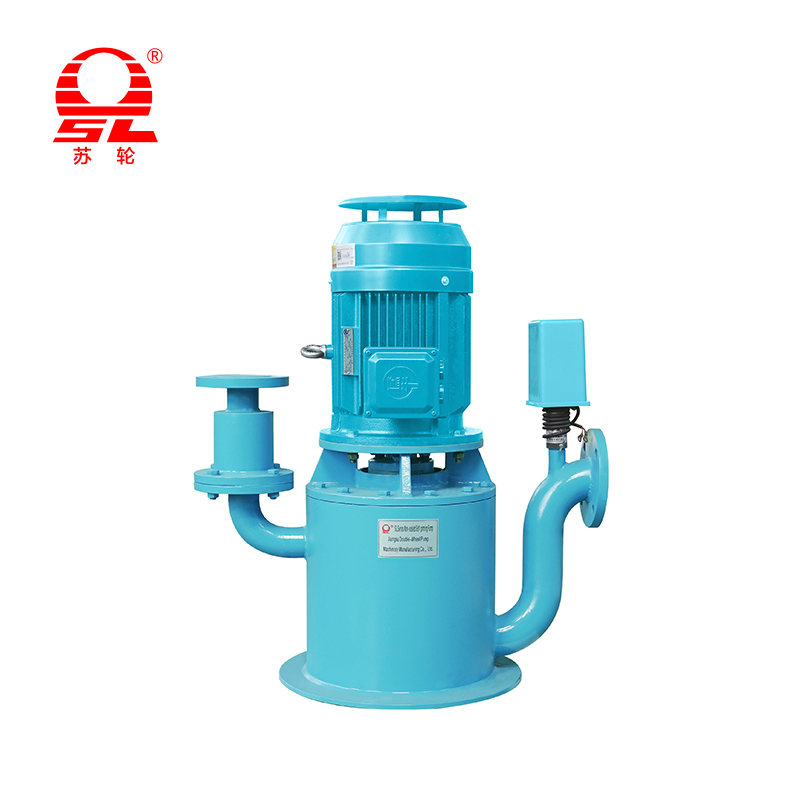
Among these configurations, the WFB series non-sealed self-priming pump has become a widely specified option in chemical and wastewater service because it removes the traditional shaft seal failure point. In a sealed pump, the mechanical seal is the first component to wear under abrasive or corrosive media. By adopting a non-sealed design, this type extends maintenance intervals and avoids leakage risk at the shaft.
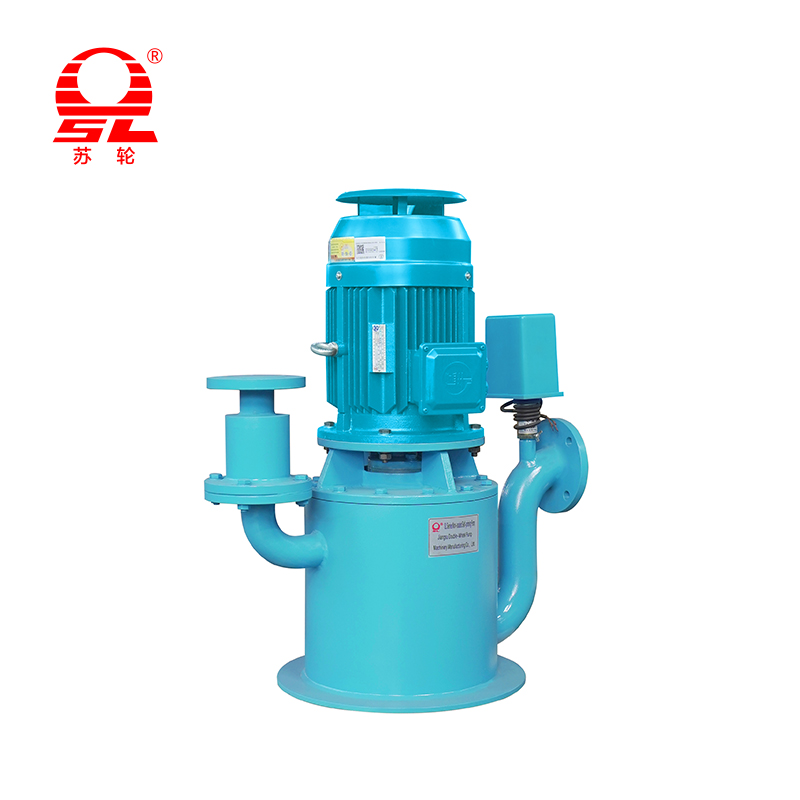 WFB Series Seal-Free Self-Priming Pump for Chemical and Wastewater ServiceThis non-sealed self-priming pump eliminates the mechanical seal failure point, extending maintenance intervals and reducing leakage risk in abrasive or corrosive media. Its self-priming capability suits installations with suction sources below the pump.View Product →
Self-priming pumps are not the right choice for every installation, but there is a clear pattern of applications where they outperform the alternatives. The common thread is a suction source below the pump, intermittent operation, or media that makes manual priming unsafe or impractical.
Lift stations need pumps that can restart automatically after a power failure or a drop in water level. Self-priming pumps handle entrained air and periods of dry suction better than most standard centrifugals.
Emergency response pumps are often deployed to sites with no prepared foundation and no flooded suction. Mobile self-priming units can be lowered near a canal or pit, connected, and started immediately.
Pit dewatering pumps face constantly changing water levels. A self-priming pump continues to re-prime automatically as the water level fluctuates, reducing operator attention and protecting against dry-run damage.
When media is hazardous, pouring liquid into the casing by hand is not an option. Self-priming pumps can be filled remotely and started without exposing personnel to dangerous fluids.
Irrigation pumps draw from canals and ponds where suction height varies through the season. Self-priming designs keep the pump ready to run even after long idle periods between irrigation cycles.
Cooling tower basins, condensate recovery, and general utility water systems benefit from self-priming pumps because they recover from air binding without operator intervention.
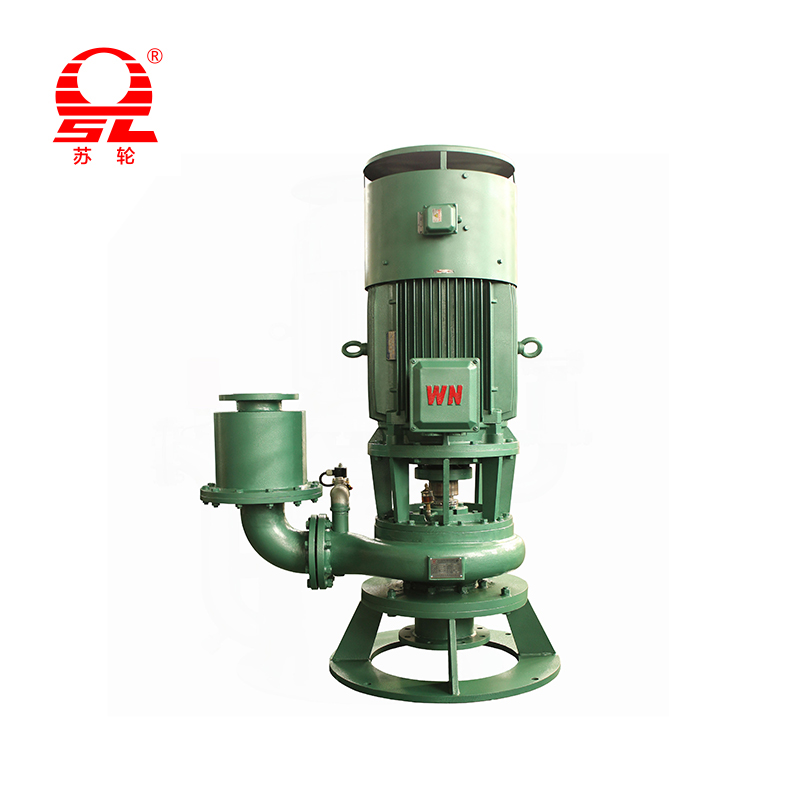
For installations that require sustained efficiency over long operating hours, the GZB series high-efficiency energy-saving self-priming pump is designed to reduce power consumption while maintaining stable flow and head characteristics.
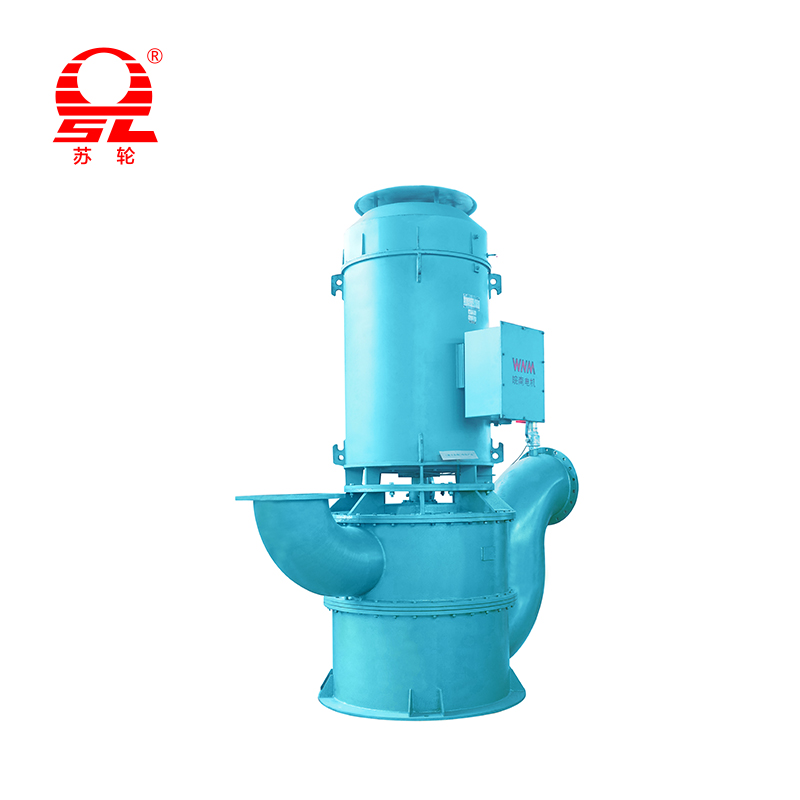 GZB Series High-Efficiency Energy-Saving Self-Priming PumpBuilt for sustained efficiency over long operating hours, this upgraded self-priming pump uses a combined labyrinth centrifugal airflow seal to prevent leakage without mechanical friction, while maintaining stable flow and head characteristics across demanding duties.View Product →
For a closer look at where this pump type fits best, this guide to typical working conditions for self-priming pumps covers operating boundaries and application limits in practical detail.
Selecting a self-priming pump requires more than matching the rated flow and head. The following checklist covers the decisions that determine whether the pump will perform reliably on site.
Flow rate, head, and suction lift define the hydraulic envelope. Materials and seal type define the service life. Both sets of choices should be made together, because replacing a pump after a corrosion failure costs far more than specifying a better material in the first place.
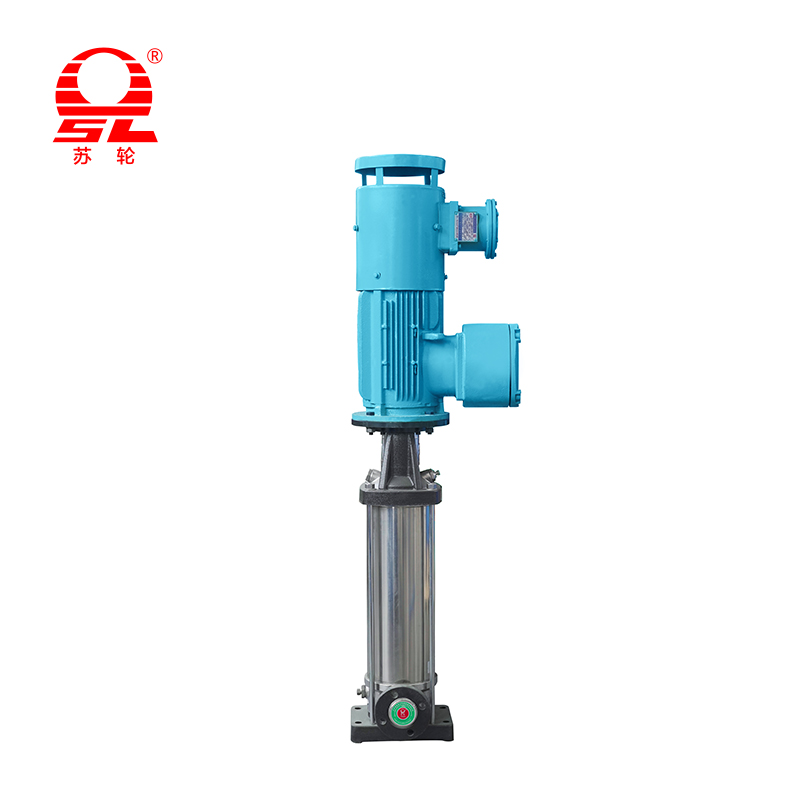
Energy efficiency is another major selection factor, especially for pumps that run continuously. Automatic self-priming pumps such as the GJB high-efficiency energy-saving series integrate optimised hydraulic passages with automatic control, reducing power consumption while maintaining the same flow. In applications like irrigation pumping or wastewater transfer, where pumps run for hundreds of hours per year, the electricity savings can exceed the difference in purchase price within the first year.
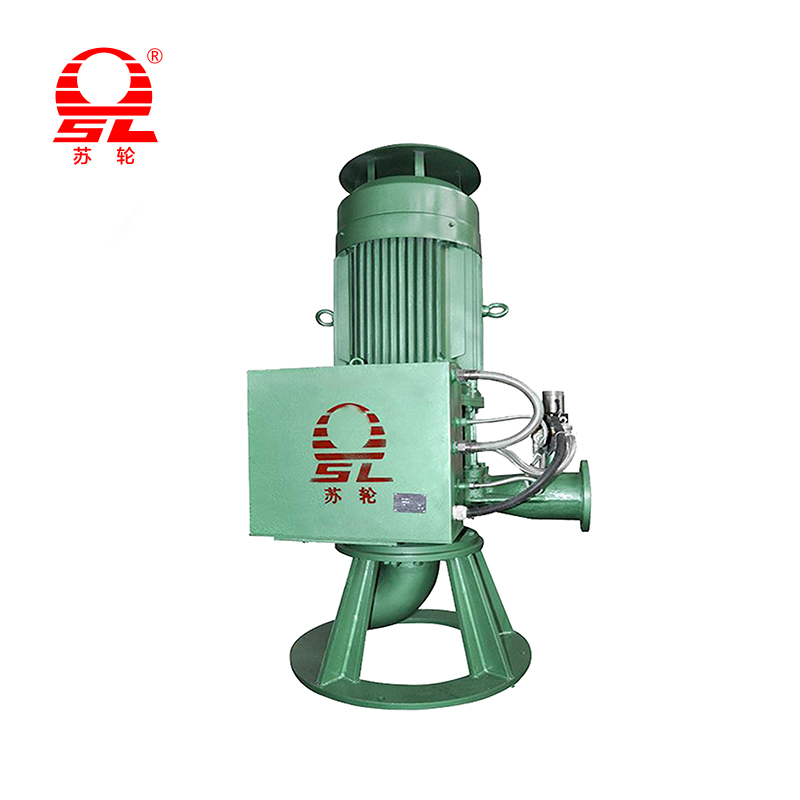 GJB Series High-Efficiency Energy-Saving Automatic Self-Priming PumpFeaturing automatic control and optimised hydraulic passages, this self-priming pump reduces power consumption while sustaining flow. Its compact vertical derrick design saves space and simplifies maintenance, making it suitable for irrigation and wastewater transfer applications.View Product →
Most self-priming pump failures are not pump failures at all. They are suction-side problems that prevent priming, or dry running that damages seals and mechanical parts. These are the most frequent issues:
Most self-priming pumps can operate without a foot valve because the retained liquid in the casing provides the priming charge. However, a foot valve is still recommended for installations with long suction lines or frequent start-stop cycles, because it keeps the suction line full and shortens priming time.
In theory, atmospheric pressure limits a pump's suction lift to about 10 metres at sea level. In practice, most self-priming pumps achieve a reliable lift of 6 to 8 metres. Higher lifts require careful suction line sizing, airtight connections, and a suitable pump model.
No. The pump can tolerate brief periods of air handling during priming, but continuous dry running will damage mechanical seals and may overheat the casing. Use dry-run protection when automatic operation is required.
An automatic self-priming pump combines self-priming capability with an automatic control system such as float switches, pressure sensors, or a control panel. It starts and stops based on liquid level or pressure, without manual operation.
Typical priming time is between 30 seconds and 3 minutes, depending on suction lift, pipe length, and casing design. If the pump takes significantly longer, check for air leaks, a lost priming charge, or a clogged air separation chamber.
It depends on the impeller and casing design. Pumps with a semi-open or vortex impeller can handle small solids and fibrous material. For heavy sludge and debris, a heavy-duty self-priming trash pump with larger internal clearances is the right choice.
A self-priming pump is not a replacement for every centrifugal pump, but it is the most effective answer when suction conditions are unpredictable, access is difficult, or downtime is expensive. Engineers and operators who understand how the priming cycle works, how to size the suction line, and how to protect the pump from running dry will get dependable service for years.
When evaluating a supplier, pay attention not only to the pump's hydraulic ratings but also to the manufacturing quality and the test capability behind those ratings. A pump factory with a full performance test platform can verify flow, head, and efficiency before delivery, which makes the gap between catalogue data and real-site performance much smaller. That level of verification is especially important for custom specifications and large-diameter pumps used in critical drainage and wastewater infrastructure.

+86-0523- 84351 090 /+86-180 0142 8659


Add 1: Hongguang Industrial Park, Jingjiang City, Jiangsu Province, China
Add 2: No.68, Xinyi Road, Industrial Park, Jingjiang City, Jiangsu Province, China
+86-0523- 84351 090
+86-180 0142 8659
+0523-8435 5588