language
  русский
 عربى
عربى Indonesia
Home / Blog / Industry News / Which Pump Is Best for Sewage? Ejector, Grinder & Submersible Compared
News


 2026.07.30
 Industry News
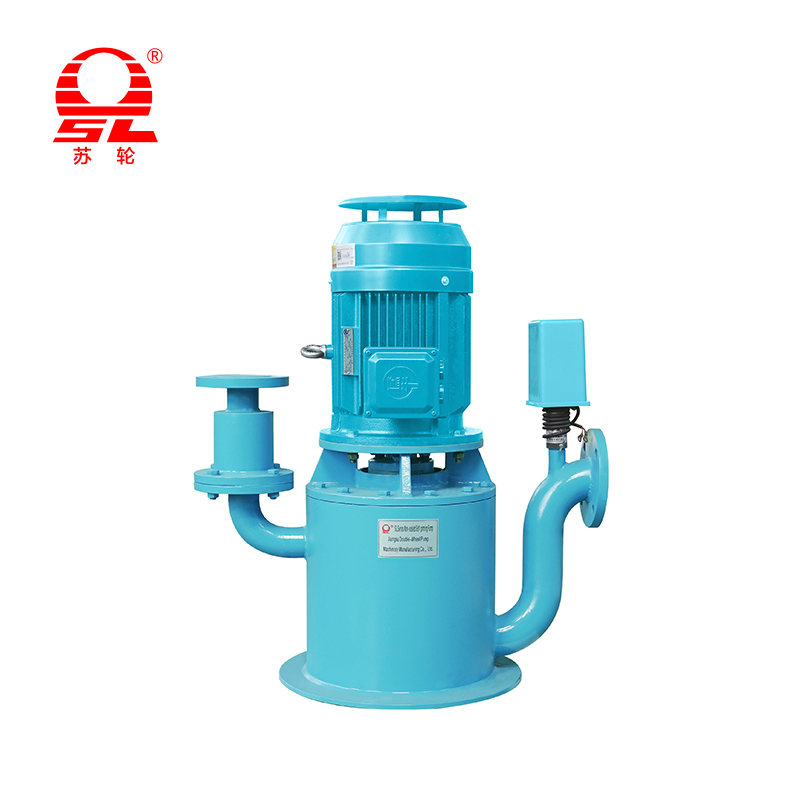
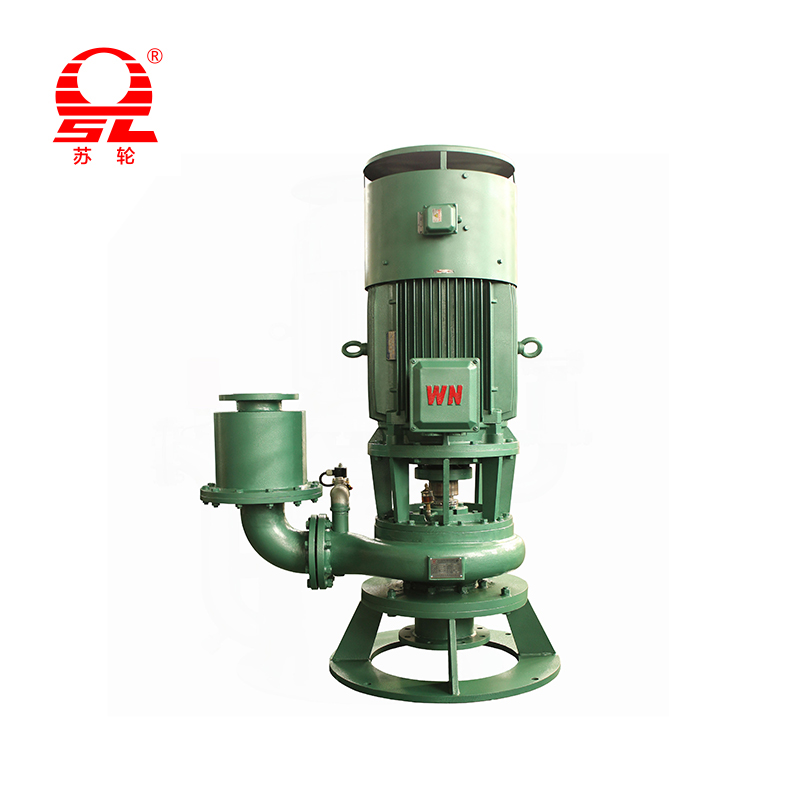
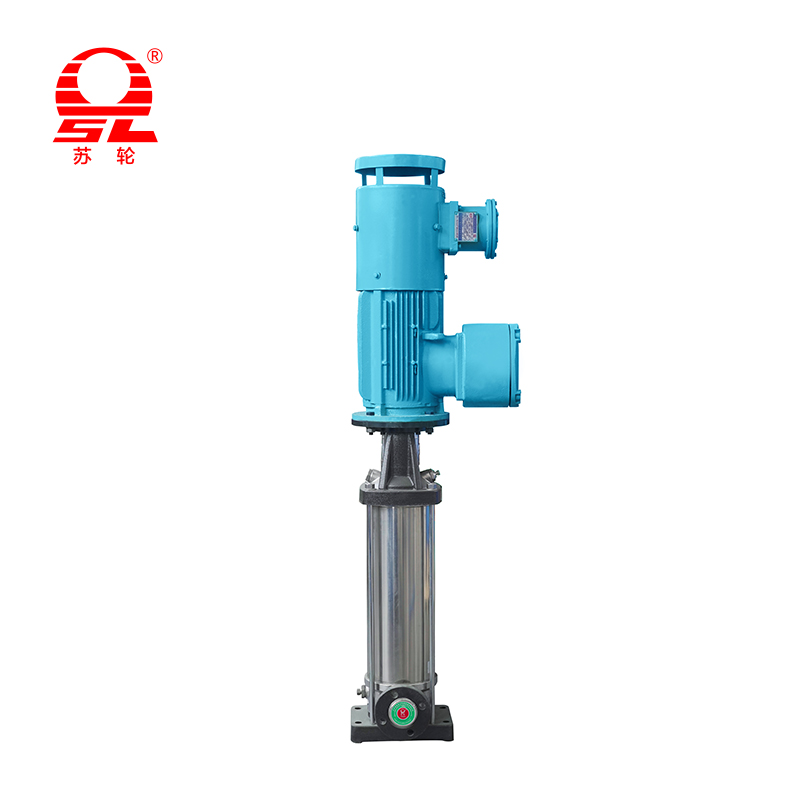
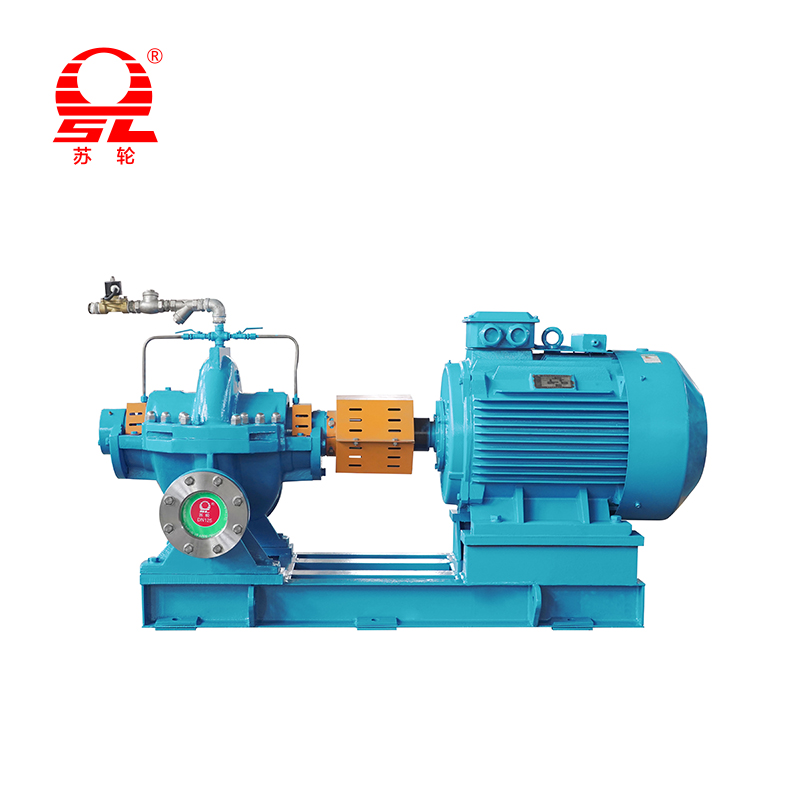
Modern wastewater infrastructure demands equipment that performs under extreme conditions. A Sewage Pump represents the critical link between collection points and treatment facilities, moving raw effluent, solids, and fibrous materials through pipeline networks that gravity alone cannot serve. Whether managing basement drainage in a high-rise hotel or processing municipal influent at a lift station, understanding the distinctions between sewage ejector pump systems, sewage grinder pump units, and submersible sewage pump configurations determines operational reliability and total cost of ownership.
A sewage pump is a centrifugal or positive-displacement machine engineered to transport wastewater containing suspended solids, organic matter, and debris. Unlike standard drainage pumps, sewage pumps feature wide vane impellers, hardened cast-iron volutes, and mechanical seal arrangements capable of handling spherical solids up to 3 inches in diameter. The fundamental purpose is to lift effluent from lower elevations to gravity sewer mains or pressurized collection systems.
A sewage ejector pump is a non-clog centrifugal unit designed for high-volume, low-head applications. Installed within a below-grade basin or sump pit, the ejector pump activates via float switch when wastewater reaches a preset level. It discharges through a 2-inch minimum diameter pipe into a gravity sewer or septic tank. These pumps excel at moving large quantities of raw sewage short distances, typically under 750 feet, with flow rates reaching 200 gallons per minute.
A sewage grinder pump incorporates a hardened stainless-steel cutter assembly ahead of the impeller. This cutting mechanism pulverizes solids, rags, and debris into a fine slurry before entry into the pump chamber. Grinder pumps operate as high-pressure, low-volume systems, capable of pushing waste thousands of feet through small-diameter force mains. They are mandatory for properties connected to pressurized sewer districts or where elevation and distance exceed standard ejector pump capabilities.
Wastewater enters the pump housing through a screened or open suction port. In a submersible sewage pump, the intake sits at the base of the unit, submerged within the wet well. The impeller eye creates a low-pressure zone that draws fluid into the rotating assembly.
The motor drives the impeller at speeds between 1,750 and 3,450 RPM. Vortex, channel, or grinder impeller designs impart kinetic energy to the fluid. Non-clog impellers allow solids to pass without entanglement, while grinder impellers shred material before acceleration.
The volute casing converts velocity into pressure head. Discharge pressure must overcome static lift, friction losses in the piping network, and any backpressure from the receiving sewer. Total dynamic head (TDH) calculations determine the precise operating point on the pump curve.
Effluent exits through the discharge flange, passing a swing-check or spring-loaded check valve that prevents backflow and water hammer. In duplex sewage pump installations, alternating lead-lag control balances runtime between units and provides redundancy during peak flows.
Sewage pumps serve diverse applications across residential, commercial, municipal, and industrial sectors. The specific duty—whether basement drainage, commercial kitchen waste, or raw sewage lift—dictates the pump architecture, materials, and control philosophy.
Homes with bathrooms, laundry facilities, or kitchenettes below the sewer invert rely on a sewage ejector pump installed in a sealed basin. The unit collects gray and black water, then elevates it to the main house drain. Typical specifications include 0.5 to 1.0 horsepower, 60 to 100 GPM capacity, and a vertical float switch for automatic operation.
Hotels, shopping centers, and office complexes generate intermittent high-flow loads. Multiple submersible sewage pump units arranged in duplex or triplex configurations handle peak occupancy events. Stainless-steel hardware resists hydrogen sulfide corrosion common in commercial waste streams.
City-wide collection networks use large-capacity submersible sewage pump installations to move influent from neighborhood sumps to treatment plants. These units range from 10 to 400 horsepower, feature guide-rail auto-coupling systems, and integrate with SCADA monitoring for remote telemetry.
Properties distant from gravity sewers depend on sewage grinder pump systems to macerate waste and force it through small-diameter pressure mains. This technology eliminates the need for septic drain fields in areas with high water tables or impermeable soils.
Manufacturing facilities produce process water mixed with solids, chemicals, and abrasives. Heavy-duty sewage pumps constructed from CD4MCu duplex stainless steel or hardened cast iron withstand pH extremes and particulate loading that would destroy standard drainage equipment.
Ships, offshore platforms, and port facilities utilize explosion-rated submersible sewage pump models to handle marine sanitation device (MSD) effluent. These pumps comply with IMO MARPOL regulations and feature double mechanical seals with oil-filled seal chambers.
Specifying the correct technology requires understanding the hydraulic and mechanical differences between the three primary categories. While the terms are sometimes used interchangeably in casual conversation, engineers recognize distinct operating envelopes for each design.
| Parameter | Submersible Sewage Pump | Sewage Ejector Pump | Sewage Grinder Pump |
| Flow Range | 50 – 6,000 GPM | 50 – 200 GPM | 15 – 80 GPM |
| Head Range | 10 – 250 ft | 10 – 30 ft | 30 – 150 ft |
| Solid Handling | Up to 4 in (vortex impeller) | Up to 2 in spherical | Grinds to <5 mm slurry |
| Discharge Size | 2 – 16 in | 2 – 3 in | 1.25 – 2 in |
| Typical Motor Power | 1 – 500 HP | 0.5 – 2 HP | 1 – 5 HP |
| Installation | Wet-pit submersible | Dry pit or basin | Basin or in-ground tank |
| Best Application | Municipal & large commercial | Basement & short-run gravity | Long-distance pressure sewers |
| Maintenance Profile | Annual seal inspection | Quarterly float testing | Biannual cutter clearance check |
Commercial building drainage represents one of the most demanding applications for sewage pump technology. Incorrect specification leads to premature motor failure, basement flooding, and regulatory non-compliance. A systematic selection protocol ensures long-term reliability.
Determine the total drainage fixture units (DFU) for all connected appliances, restrooms, and kitchen equipment. Apply the Hunter curve or local plumbing code conversion tables to establish peak gallons-per-minute demand. Commercial restaurants with grease-laden waste require additional capacity margins—typically 25% above calculated peak flow.
Measure the vertical lift from the pump invert to the discharge connection. Add friction losses based on pipe diameter, material, length, and fitting equivalents. Apply a 2× safety factor to the calculated TDH when selecting from manufacturer performance curves. A pump operating at the extreme edge of its curve experiences low efficiency, cavitation, and accelerated bearing wear.
Vortex impellers suit applications with high solids and fibrous content, such as public restrooms. Channel impellers offer higher hydraulic efficiency for commercial buildings with predictable waste profiles. Grinder impellers are mandatory when discharging into pressurized mains or when piping runs exceed 750 feet. Never install a sewage grinder pump upstream of a septic tank, as the fine slurry prevents proper solids settling and can destroy the leach field.
Commercial codes often require duplex sewage pump systems with automatic alternation. Specify float switches, ultrasonic level transducers, or pressure-sensing controls based on basin geometry. Integrate high-level alarms, run-time meters, and phase-failure protection. For critical facilities such as hospitals, consider triplex arrangements with variable-frequency drive (VFD) modulation to match flow demand without excessive start-stop cycling.
Cast iron ASTM A48 Class 35 volutes and 316 stainless steel hardware provide standard corrosion resistance. For coastal commercial buildings or facilities processing aggressive industrial waste, specify CD4MCu duplex stainless steel or epoxy-coated cast iron. Mechanical seals should use silicon carbide versus tungsten carbide faces depending on abrasiveness. Oil-filled motor housings with Class F insulation extend thermal tolerance in continuous-duty applications.
The collection basin volume must accommodate at least the flow generated during one pumping cycle while preventing excessive starts—ideally fewer than 10 cycles per hour. Discharge piping requires a full-port check valve within 18 inches of the pump and a shutoff isolation valve for service. Vent the basin independently to atmosphere through a 2-inch minimum vent stack to prevent airlock and odor migration.
One of the most common questions from facility managers and homeowners concerns the ability of sewage pumps to process bathroom tissue, wet wipes, and personal hygiene products. The answer depends on impeller design, solids-passage rating, and operational best practices.
Modern Sewage Pump units with vortex or open-channel impellers can pass soft fibrous materials including toilet paper without clogging. The key specification is the solids-passage diameter—typically 2 inches minimum for residential-grade ejector pumps and up to 4 inches for municipal submersible sewage pump models. Spherical solids clearance ensures that rolled tissue and organic waste transit through the impeller eye without accumulation.
A sewage grinder pump offers superior fiber management by actively cutting tissue and wipes into particles smaller than 5 millimeters. This maceration prevents the formation of rope-like obstructions in narrow discharge pipes. Facilities with high guest turnover—such as hotels and airports—benefit from grinder technology because users may inadvertently flush non-woven wipes that resist breakdown in gravity sewers.
Despite robust impeller designs, certain materials accelerate wear and cause blockages. Avoid introducing wet wipes marketed as "flushable," cotton swabs, dental floss, feminine hygiene products, and paper towels. These items wrap around pump shafts, bind check valves, and accumulate in piping low points. Facility signage and waste receptacles reduce the incidence of improper disposal and extend pump service intervals.
The "best" sewage pump is the one whose performance curve intersects your system requirements at the highest efficiency island while providing adequate solids handling and material compatibility. There is no universal solution, but application-specific recommendations guide proper selection.
Sewage Ejector Pump — Choose a 0.5 to 1.0 HP cast-iron unit with a tethered or vertical float switch. Prioritize models with a 2-inch discharge and a vortex impeller if children or guests may flush unexpected objects. Basin size should hold at least 30 gallons to minimize cycling.
Sewage Grinder Pump — Select a 1.5 to 2.0 HP grinder with hardened 440C stainless steel cutters and a pressure-rated volute. Ensure the unit can generate sufficient head to overcome elevation plus friction across the entire force main. Include a pressure-relief bypass to protect the motor against dead-head conditions.
Submersible Sewage Pump — Specify a non-clog unit with a 4-inch or larger solids passage, guide-rail auto-coupling, and dual mechanical seals. IE3 premium-efficiency motors reduce energy consumption by 15–20% compared to standard units. Integrate vibration and temperature sensors for predictive maintenance.
Submersible Sewage Pump (Special Alloy) — Specify CD4MCu or 316L stainless steel construction with Viton elastomers. Consider chopper impellers that combine grinding and pumping action for process waste containing plastic fragments, wood chips, or abrasive grit. VFD compatibility allows flow matching to batch-process discharge cycles.
The service life of sewage pumps varies significantly based on duty cycle, material quality, maintenance discipline, and the nature of the pumped media. Understanding these variables helps facility managers budget for capital replacement and avoid emergency failures.
Quality sewage ejector pumps are engineered for 7 to 10 years of residential-duty operation. Commercial-grade submersible sewage pump units typically carry a design life of 10 to 15 years under normal loading. Municipal installations with rigorous preventive maintenance programs often achieve 15 to 20 years from large-capacity units before major overhaul becomes necessary.
Continuous cycling without adequate cooling time elevates motor winding temperatures and degrades insulation. Pumping sand, grit, or abrasive industrial slurry accelerates impeller and volute erosion. Improper float-switch calibration causes dry-running or extended overrun, both of which damage mechanical seals. Backward-installed check valves force the pump to re-prime on every cycle, increasing starting torque and bearing stress.
Mechanical seals represent the most common failure point and should be inspected every 2 to 3 years. Float switches require annual cleaning to prevent fouling from grease and debris. Grinder pump cutter assemblies need clearance inspection every 12 months; dull blades increase motor amp draw and reduce flow. Cable entry seals should be checked for wicking moisture, and motor insulation resistance tested with a megohmmeter during annual shutdowns.
| Pump Type | Expected Lifespan | Critical Wear Component | Replacement Interval |
| Residential Sewage Ejector Pump | 7 – 10 years | Float switch, mechanical seal | 3 – 5 years |
| Commercial Sewage Ejector Pump | 8 – 12 years | Impeller, check valve | 4 – 6 years |
| Sewage Grinder Pump | 8 – 12 years | Cutter blades, seal faces | 2 – 4 years |
| Submersible Sewage Pump (Municipal) | 12 – 20 years | Mechanical seal, bearings | 3 – 5 years |
| Industrial Heavy-Duty Unit | 10 – 15 years | Impeller, volute liner | 2 – 3 years |
As a dedicated manufacturer of fluid handling equipment, our engineering philosophy centers on durability, efficiency, and serviceability. Every Sewage Pump leaving our facility undergoes hydrostatic testing, performance curve verification, and electrical insulation validation before shipment.
Our volutes and impellers are precision-machined from ASTM A48 Class 35 cast iron or 316 stainless steel, depending on model specification. Critical wear surfaces receive a proprietary hard-coat treatment that extends service life in abrasive environments by up to 40% compared to untreated castings.
All commercial and municipal submersible sewage pump models integrate IE3-rated motors, meeting EU Ecodesign directives and delivering measurable energy savings. Reduced heat generation extends winding insulation life and allows higher ambient temperature operation without derating.
Mechanical seals are housed in a replaceable cartridge assembly that technicians can swap without disassembling the motor or impeller. This innovation reduces field maintenance time from hours to minutes and eliminates the risk of seal-face contamination during installation.
Motor windings incorporate PT100 temperature sensors and vibration monitoring pads compatible with standard PLC and SCADA architectures. Facilities can transition from reactive repair schedules to predictive maintenance models, reducing unplanned downtime by up to 60%.
We offer application-specific modifications including special discharge orientations, exotic alloy construction for chemical resistance, and explosion-proof certifications for hazardous locations. Our engineering team reviews project specifications and provides pump curve selections validated against your exact TDH and flow requirements.
Products carry CE, ISO 9001, and ANSI/NSF 61 certifications where applicable. Test reports, material mill certificates, and performance verification data accompany every order. Third-party inspection by Lloyd's Register, Bureau Veritas, or SGS is available upon request for mission-critical infrastructure projects.
Accurate project planning requires detailed performance envelopes. The following tables summarize typical operating ranges for our sewage pump product families. Custom curves are available for applications outside these standard parameters.
| Model Series | Flow Range (GPM) | Head Range (ft) | Motor Power (HP) | Solid Passage (in) | Discharge (in) |
| SE-Series Ejector | 50 – 150 | 10 – 30 | 0.5 – 2.0 | 2.0 | 2.0 – 3.0 |
| SG-Series Grinder | 15 – 80 | 30 – 120 | 1.0 – 5.0 | Grind to <5mm | 1.25 – 2.0 |
| SS-Series Submersible | 100 – 1,500 | 15 – 80 | 3.0 – 75.0 | 3.0 – 4.0 | 3.0 – 8.0 |
| SM-Series Municipal | 500 – 6,000 | 10 – 120 | 20 – 400 | 4.0 – 6.0 | 8.0 – 16.0 |
| SI-Series Industrial | 50 – 1,000 | 20 – 150 | 5.0 – 200 | 2.5 – 3.5 | 3.0 – 6.0 |
A sewage pump handles raw wastewater containing solids, tissue, and organic matter. A sump pump manages clear or slightly turbid groundwater, foundation seepage, or storm runoff. Sump pumps lack the solids-passage capacity and hardened components necessary for sewage duty. Using a sump pump in sewage service results in immediate clogging and motor failure.
Operating frequency depends on inflow volume and basin capacity. A properly sized system should cycle no more than 10 times per hour under normal conditions. Excessive cycling—more than 20 starts per hour—indicates an undersized basin or oversized pump, both of which accelerate wear on the motor starter and float switch.
Odor emission usually stems from a dried-out floor drain trap, a cracked basin seal, or a failed check valve allowing sewer gas backflow. Ensure the basin cover gasket is intact and the vent line is unobstructed. Periodically flushing the basin with clean water and enzyme treatment reduces biological buildup that generates hydrogen sulfide.
No. A sewage grinder pump produces a fine slurry that remains suspended in liquid rather than settling in the septic tank. The suspended solids migrate to the drain field, causing biomat clogging and premature system failure. Always use a standard sewage ejector pump with 2-inch solids passage when discharging to septic systems.
Commercial kitchens require a 1.5 to 3 HP sewage pump capable of handling grease-laden waste and food particulates. Specify a grinder or vortex impeller to manage fibrous debris. The basin must include a grease-retention baffle or external grease interceptor to prevent congealed fats from coating the float switch and impeller.
Install the basin below the frost line and insulate discharge piping within unheated spaces. Use heat trace cable on above-ground force mains. For outdoor grinder pump stations, specify a heated pedestal or buried valve vault. Ensure all vent terminations face away from prevailing winds to prevent ice blockage.
Even the highest-quality sewage pump will underperform if installed incorrectly. Adherence to established plumbing and electrical codes ensures safe, efficient operation for the full design life of the equipment.
Dedicate a separate 20-ampere branch circuit for each sewage pump motor. Install a ground-fault circuit interrupter (GFCI) only if code-mandated, recognizing that nuisance tripping can disable critical drainage. Use watertight conduit entries and strain-relief fittings at the junction box. Phase monitors protect three-phase municipal units from reverse-rotation damage.
Pour a 6-inch concrete pad at the base of the excavation to prevent settling. Set the basin level within 1/4 inch per foot. Coat exterior concrete surfaces with bituminous waterproofing. Install a 2-inch minimum vent through the roof or sidewall, independent of the building sanitary vent system. Seal the cover with a bolted gasket rated for hydrogen sulfide exposure.
Support discharge piping independently of the pump to prevent nozzle stress. Install a full-port gate valve on the discharge line outside the basin for isolation during service. Position the check valve horizontally between the pump and gate valve to prevent backflow while allowing easy removal. Use flexible couplings within 18 inches of the pump to absorb vibration.
Connect a high-level audible and visual alarm to a normally closed float positioned above the lead pump on-switch. For critical applications, specify a battery-backed alternating current (AC) alarm or a generator transfer switch. Some commercial installations benefit from a duplex controller with telemetry dial-out to maintenance personnel.
Our engineering team provides complimentary curve analysis and specification review for commercial, municipal, and industrial drainage projects. Submit your flow requirements, TDH calculations, and site conditions to receive a tailored sewage pump recommendation with performance guarantees and delivery timelines.
View Sewage Pump Series
+86-0523- 84351 090 /+86-180 0142 8659


Add 1: Hongguang Industrial Park, Jingjiang City, Jiangsu Province, China
Add 2: No.68, Xinyi Road, Industrial Park, Jingjiang City, Jiangsu Province, China
+86-0523- 84351 090
+86-180 0142 8659
+0523-8435 5588