language
  русский
 عربى
عربى Indonesia
Home / Blog / Industry News / Vertical vs Horizontal Centrifugal Pump Stability: Engineering Analysis
News


 2026.08.13
 Industry News
Are vertical centrifugal pumps more stable than horizontal? Ask three engineers and you may get three different answers, each right for a different site. A maintenance supervisor watching vibration readings climb on a recent installation may hear that switching to a vertical configuration will smooth things out. Sometimes it does. More often, the real problem is a mismatch between pump construction, foundation quality, and operating conditions.
We design and build both orientations at Double-Wheel Pump, with horizontal series including SLW and IH, and vertical series including SLC, SCY, and SLG. Because we manufacture both, we have no incentive to favor one configuration. What our factory testing and field experience show is that "stability" is an engineering property shaped by structure, support, and installation — not a fixed label attached to a pump's orientation. This article defines what stability means for centrifugal pumps, examines the factors that control it, and gives conditional conclusions you can use in a real selection process.
When engineers ask which pump is more stable, they usually mean one of four things:
A pump that performs well on all four is stable in practice, whether the shaft lies flat or stands upright. A pump that fails on any one of them will produce stability complaints no matter how well the other three are handled.
The practical answer is that no pump type is inherently more stable. A vertical long-shaft pump with correctly spaced line-shaft bearings can run very steadily in a deep pit, while the same design with excessive shaft overhang would vibrate violently. Horizontal pumps on flexible or poorly grouted foundations show the same pattern in reverse.
The fundamental difference is shaft orientation and how the pump body is supported.
Horizontal pumps run their shaft parallel to the ground, supported by two bearings at a relatively short span. The casing sits close to the driver, keeping the rotor compact. The center of gravity is low and the weight spreads evenly across a baseplate, which limits shaft deflection at moderate loads and speeds.
Vertical pumps present two distinct cases. A vertical pipeline pump has a short shaft with the motor mounted directly above the casing, structurally similar to a close-coupled horizontal pump. A vertical long-shaft pump runs the shaft perpendicular to the ground, with the impeller at the bottom of a column that may extend several meters into a pit or well. Stability depends on bearings or bushings positioned along the column, including submerged guide bearings near the impeller.
The critical relationship is between bearing span and shaft stiffness, which together define the rotor's first critical speed. A short, stiff shaft raises the critical speed and gives a wider operating range below resonance. Horizontal designs with a short bearing span therefore suit high-speed service naturally. Vertical long-shaft designs achieve similar stability only when the column includes enough intermediate bearings to break the unsupported length into short spans.
For a broader discussion of geometry and maintenance trade-offs, see our comparison of the key differences between horizontal and vertical pumps.
Bearing arrangement is the strongest single factor in pump stability because it determines how the rotor responds to hydraulic forces, imbalance, and transient events.
Most horizontal pumps use either a frame-mounted design with two bearings in a bearing housing or a close-coupled design on the motor flange. The short bearing span makes the shaft behave like a stiff beam, which suits high rotational speeds, high discharge pressures, and variable-speed operation.
Vertical pumps are more varied. Vertical pipeline pumps resemble close-coupled horizontals, with a compact shaft and no long unsupported section. Vertical long-shaft pumps are the real test of bearing engineering. The column must house multiple line-shaft bearings, typically with a guide bearing near the suction bell, to keep the shaft centered along its full length. When the pump runs submerged, the surrounding liquid also damps lateral shaft motion.
This is where the common assumption that vertical pumps are less stable falls apart. A cantilevered shaft with a single top bearing would whip and vibrate. A well-designed long-shaft pump with properly spaced bearings eliminates that long unsupported span, and in a deep pit it can provide better shaft control than a horizontal pump on the floor above, because hydraulic forces act close to the supporting bearings and suction conditions remain consistently favorable.
Vibration is the most visible sign of stability, or the lack of it. Comparing the two configurations fairly means separating pump design from installation quality.
Under ideal ground-level installation, horizontal pumps hold an advantage. A rigid concrete foundation, fully grouted baseplate, and precise shaft alignment create a solid mechanical reference, and re-checking alignment or re-balancing the rotor is straightforward because every component is accessible. That is why horizontal pumps remain the default for most general industrial service.
Under submersion or deep-foundation installation, vertical pumps take the lead in specific areas. A submerged suction bell provides excellent suction conditions, reducing cavitation risk, which is a major vibration source. The column spreads dynamic loads through multiple bearing points over a long vertical span instead of concentrating them at a single bearing housing.
Installation quality decides the rest. Horizontal pumps are sensitive to baseplate flatness and grout quality; a soft foot translates directly into misalignment and vibration. Vertical pumps are sensitive to verticality and guide bearing clearance; excess clearance allows shaft orbit, and an out-of-plumb column causes uneven wear.
Every pump we ship, horizontal or vertical, passes through a performance test platform covering diameters from 32 to 1200 mm, motor powers from 1.1 to 1200 kW, and voltages from 380 V to 10 kV. Vibration and temperature are measured during these tests so rotor balance and assembly quality are verified before shipment. Factory testing does not replace correct installation, but it removes manufacturing variation from the stability equation.
A pump is only as stable as the structure supporting it. Foundation conditions often decide the stability comparison before the pump is even powered up.
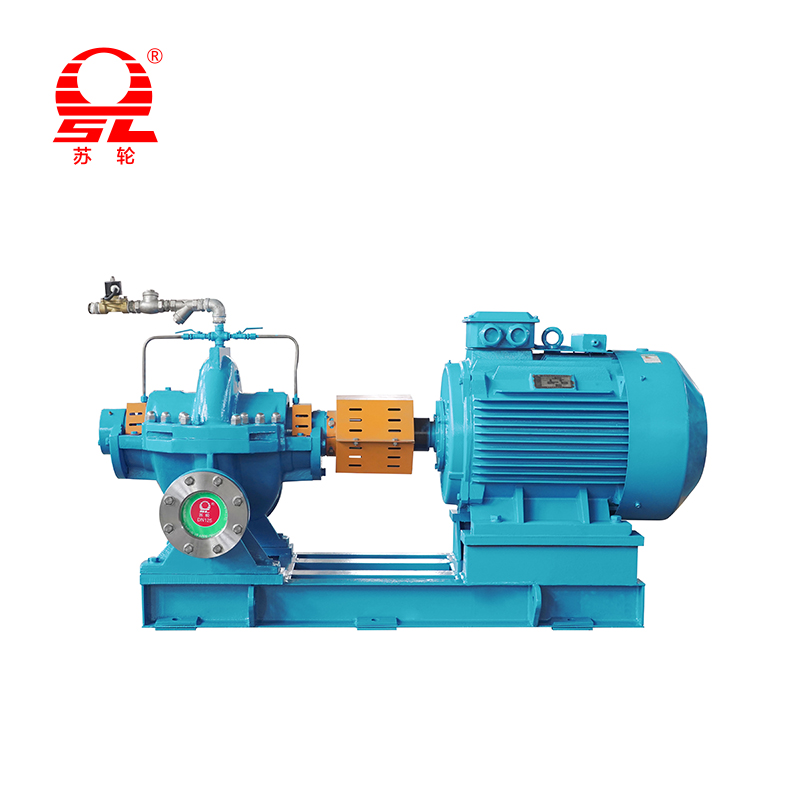
Horizontal pumps need a flat, rigid foundation that absorbs dynamic loads without flexing. The baseplate must be leveled, grouted completely, and isolated from pipe strain through proper flange connections and expansion joints. When floor space and skilled civil contractors are available, horizontal pumps reward that investment with steady long-term operation. For high-capacity stations, split-case designs distribute hydraulic forces across a sturdy casing; our SLOTS horizontal split-case pumps are a typical example.
 Wholesale SLOTS Horizontal Split Case Centrifugal Pump Manufacturers, OEM/ODM FaJiangsu Double Wheel Pump Machinery Manufacturing Co., Ltd. is China SLOTS Horizontal Split Case Centrifugal Pump Manufacturers and OEM F...View Product →
Vertical pumps shift the foundation below grade. A wet pit, well casing, or concrete sump must be sized to the column and maintain vertical alignment. The pump often suspends from a head plate or motor mount at grade level, with hydraulic load carried down the column. The benefit is a much smaller footprint. The risk is that a poorly built pit, with out-of-plumb walls, settling soil, or turbulent inflow, transfers its problems directly to the pump.
Run a quick installation audit before choosing: How much ground floor space is available? Can the foundation meet flatness and rigidity requirements? Is the liquid source below grade? Will the liquid level fluctuate? The answers often point to one configuration before any pump curves are reviewed.
With the engineering factors in place, the conditional answer becomes clear.
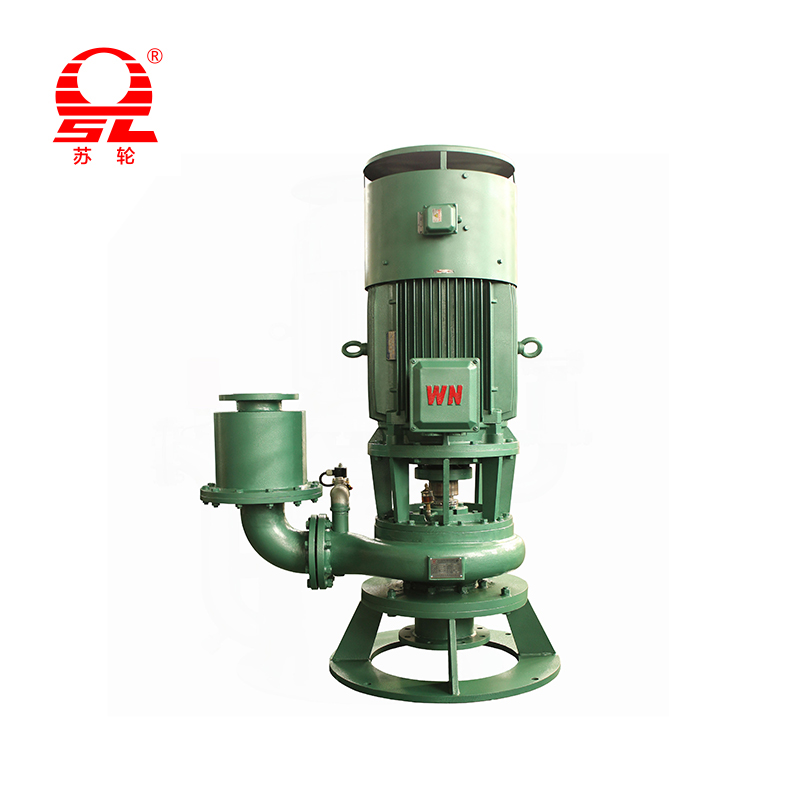
These conditions appear in wastewater lift stations, mine dewatering, cooling water intakes, and stormwater pumping. Our SLC vertical long-shaft pump series provides the multi-bearing support these long rotors need, and the SCY series vertical submersible pumps apply the same logic when the motor and impeller both run below grade.
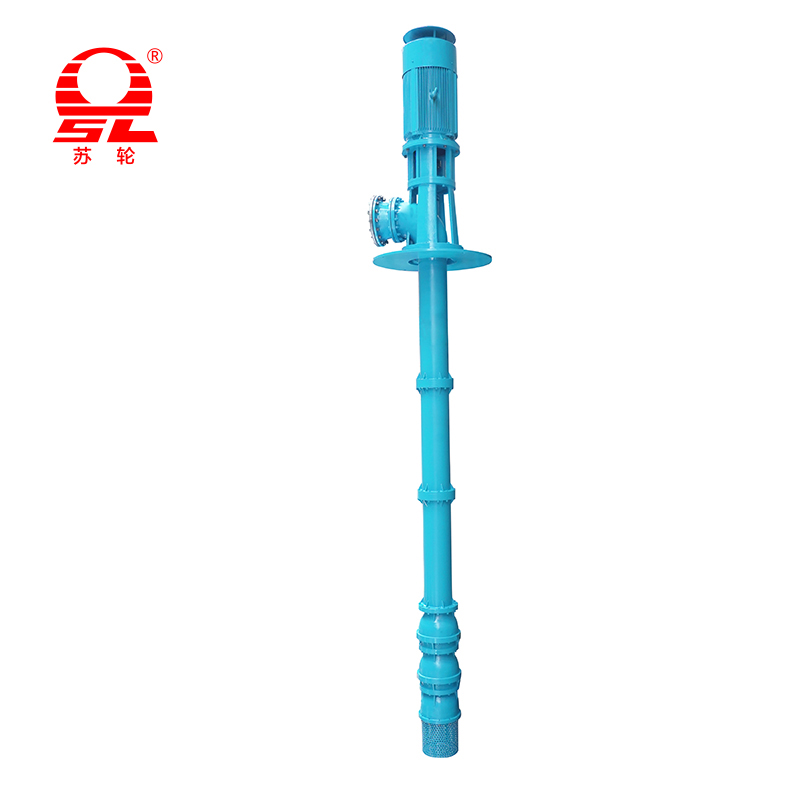 Wholesale SLC Series Compact Vertical Long Shaft Pump Manufacturers, OEM/ODM FacJiangsu Double Wheel Pump Machinery Manufacturing Co., Ltd. is China SLC Series Compact Vertical Long Shaft Pump Manufacturers and OEM Fa...View Product →
General industrial transfer, cooling water circulation, and chemical processing are typical duties. Our SLW series horizontal centrifugal pumps handle clean and slightly contaminated liquids across a broad range of flows, while the IH series horizontal chemical centrifugal pumps are built for corrosive media in process plants.
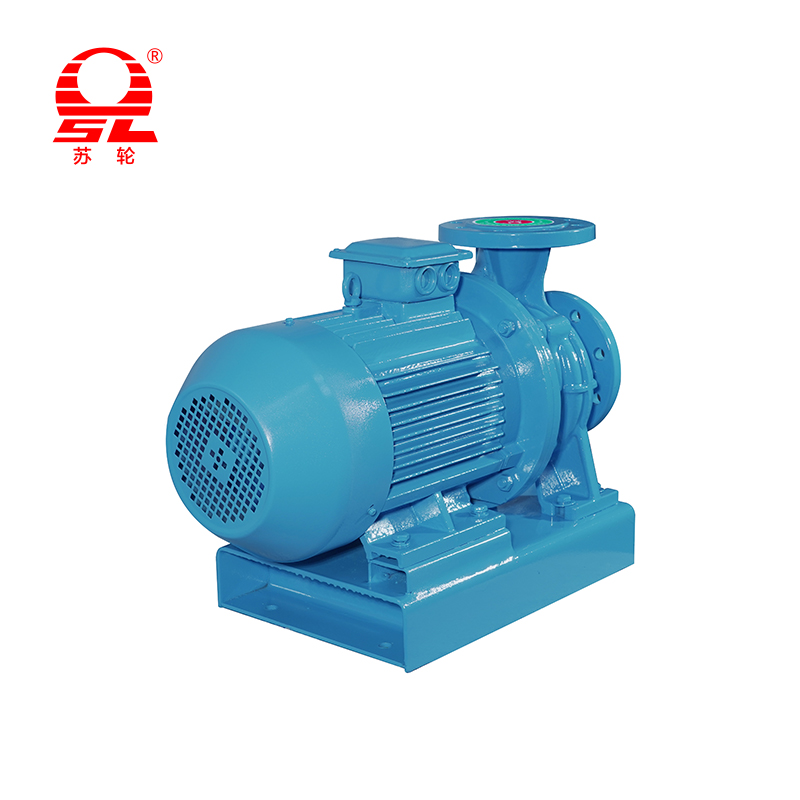 Wholesale SLW Series Horizontal Centrifugal Pump Manufacturers, OEM/ODM Factory Jiangsu Double Wheel Pump Machinery Manufacturing Co., Ltd. is China SLW Series Horizontal Centrifugal Pump Manufacturers and OEM Factory...View Product →
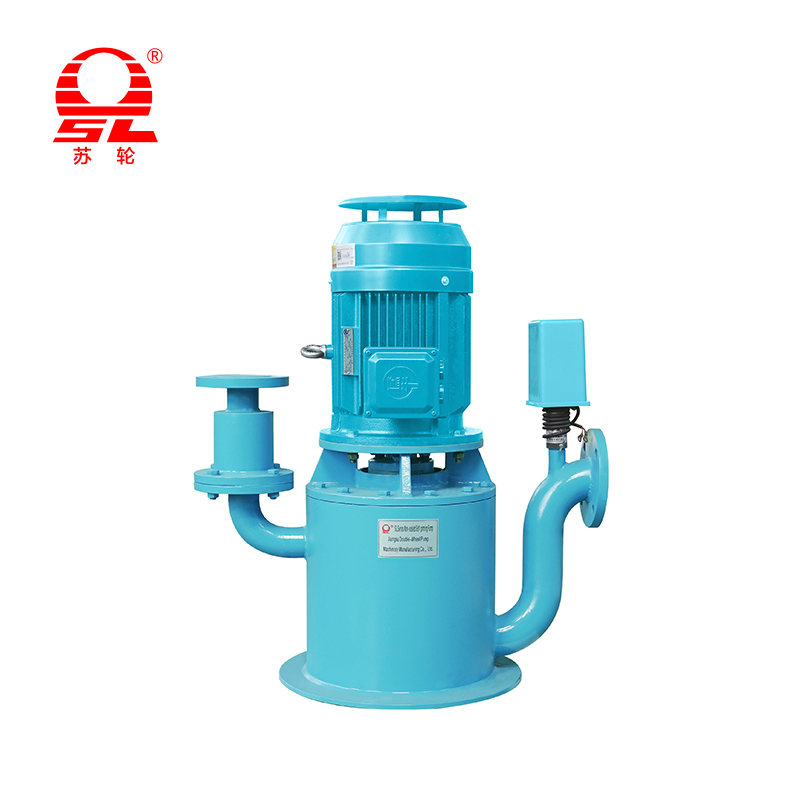
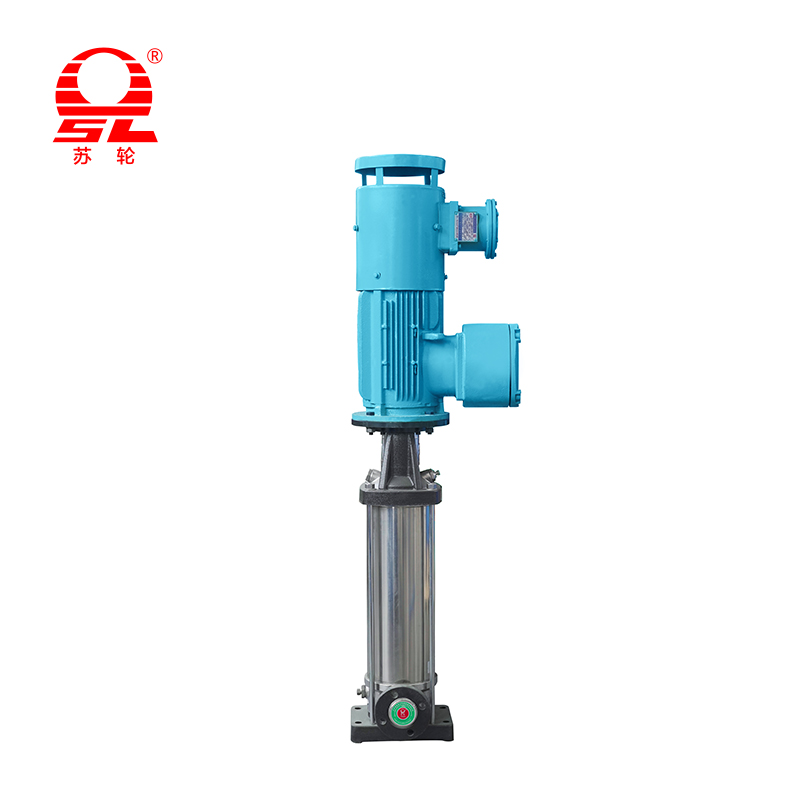
For building water supply and HVAC circulation where mechanical rooms are cramped, SLG vertical pipeline centrifugal pumps keep the rotor close to the driver in a compact vertical stack that suits confined spaces.
When stability is the deciding factor, review these seven criteria with your project team. Each one shifts the balance toward one configuration.
| Selection Criterion | Favors a Vertical Pump | Favors a Horizontal Pump |
|---|---|---|
| Ground-level floor space | Confined mechanical rooms and retrofit sites | Open pump stations with generous floor area |
| Building headroom | Tall spaces that allow column removal for service | Low-ceiling rooms with limited vertical lift |
| Liquid source depth | Deep wells, pits, and tanks below grade | Flooded suction at or above pump centerline |
| NPSH margin | Low-margin suction conditions with a submerged impeller | Ample suction head available at grade level |
| Operating speed | Low-to-moderate speeds with long shaft spans | High speeds requiring short bearing spans |
| Maintenance frequency | Rare overhauls with pit or lift access | Frequent seal and bearing service from grade |
| Civil and foundation cost | Existing pit or well that can host the column | Simple grade-level concrete pad |
These criteria narrow the field but do not replace a full hydraulic and mechanical evaluation. Share your flow rate, head, liquid properties, suction conditions, and site drawings with the pump manufacturer to confirm the recommended orientation before finalizing the order.
Vertical pumps are more stable in deep installations where the suction source sits below grade, the liquid level fluctuates, and multiple line-shaft bearings support the column. Submerged suction reduces cavitation risk, and the multi-point bearing layout controls shaft deflection over long lengths.
Horizontal pumps are more stable at ground level on rigid foundations, especially at high speeds and heavy loads where a short bearing span and straightforward alignment procedures keep vibration low.
In both cases, design and manufacturing quality decide the outcome. A pump with correctly spaced bearings, adequate shaft stiffness, properly selected materials, and verified rotor balance will run steadily in its intended configuration. A poorly specified or badly built pump will vibrate regardless of shaft orientation.
If you are comparing options for a new project or replacing an existing unit, send your duty conditions to our engineering team. Because we build horizontal and vertical pumps in the same facility, we can recommend the orientation that fits your site without bias. For a broader view of the selection trade-offs, read our related discussion of which is better: horizontal or vertical.

+86-0523- 84351 090 /+86-180 0142 8659


Add 1: Hongguang Industrial Park, Jingjiang City, Jiangsu Province, China
Add 2: No.68, Xinyi Road, Industrial Park, Jingjiang City, Jiangsu Province, China
+86-0523- 84351 090
+86-180 0142 8659
+0523-8435 5588