language
  русский
 عربى
عربى Indonesia
Home / Blog / Industry News / Four Types of Centrifugal Pumps Explained: Radial, Axial, Mixed & More
News


 2026.08.17
 Industry News
An engineer selecting a pump for a high-rise booster system starts from a different duty point than a contractor managing stormwater overflow. The first may need 60 m³/h at 180 m head; the second may need 4,000 m³/h at only 4 m. Both jobs can be done with centrifugal pumps, but the impeller design that suits one will not suit the other. This is why the question “what are the four types of centrifugal pumps?” matters in practice: the answer defines the hydraulic limits of the pump before you look at motor power, materials, or vendor specifications.
The four types of centrifugal pumps, classified by impeller flow path, are radial flow pumps, axial flow pumps, mixed flow pumps, and special-purpose/configurational designs. Construction features such as single-stage versus multi-stage, self-priming versus non-self-priming, double suction, and vertical or horizontal layouts are practical variants that support specific duties, but the first decision is usually the impeller family.
Every centrifugal pump uses the same basic physics. A rotating impeller with curved vanes receives liquid at the suction eye and throws it outward. The liquid gains kinetic energy in the impeller, and a volute or diffuser slows it down, converting that kinetic energy into pressure. The shape and angle of the impeller vanes determine the direction in which the liquid leaves the impeller: perpendicular to the shaft for radial flow, along the shaft for axial flow, or at an angle in between for mixed flow. This flow direction is the single most important factor that separates pump types. For a quick refresher on the mechanical process, see how a centrifugal pump impeller works in an industrial setting.
Because impeller geometry also sets the shape of the flow-head (Q-H) curve, the four impeller families naturally divide into different application ranges.
The standard answer to what are the four types of centrifugal pumps is based on impeller flow direction. The four groups are radial flow, axial flow, mixed flow, and special-purpose/configurational designs. The following sections explain how each type behaves, when to use it, and where common industrial product variations fit.
Radial flow pumps, sometimes called centrifugal force pumps, are the most common type in industrial service. Liquid enters the impeller at the eye and exits at roughly 90 degrees to the pump shaft. In a radial flow pump, most of the pressure increase comes from centrifugal force, which makes this family well suited to moderate flow with a relatively high head. Impeller designs include closed, semi-open, and open versions; closed impellers are preferred for clean liquids, while open or semi-open designs handle fluids with some solids.
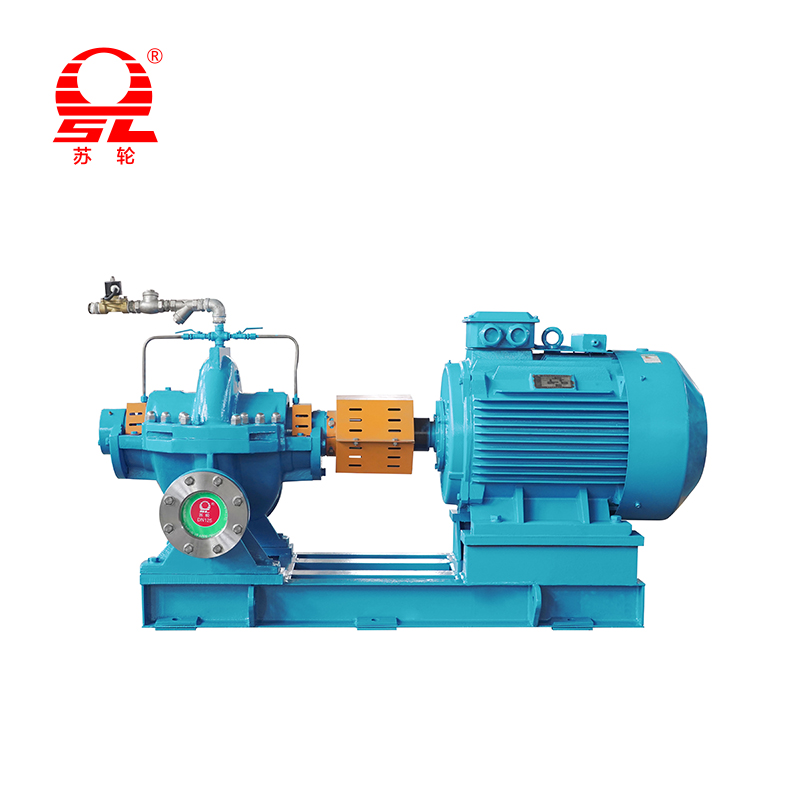
A single-stage radial flow centrifugal pump is the workhorse for water supply, cooling water circulation, boiler feed, chemical transfer, HVAC systems, and general plant services. For clean-water service, a SLW series horizontal centrifugal pump represents a typical single-stage radial flow configuration. When chemical compatibility dominates, an IH series chemical centrifugal pump is a common radial-flow option. In tight piping spaces, a vertical pipeline centrifugal pump delivers the same hydraulic principle in a more compact envelope.
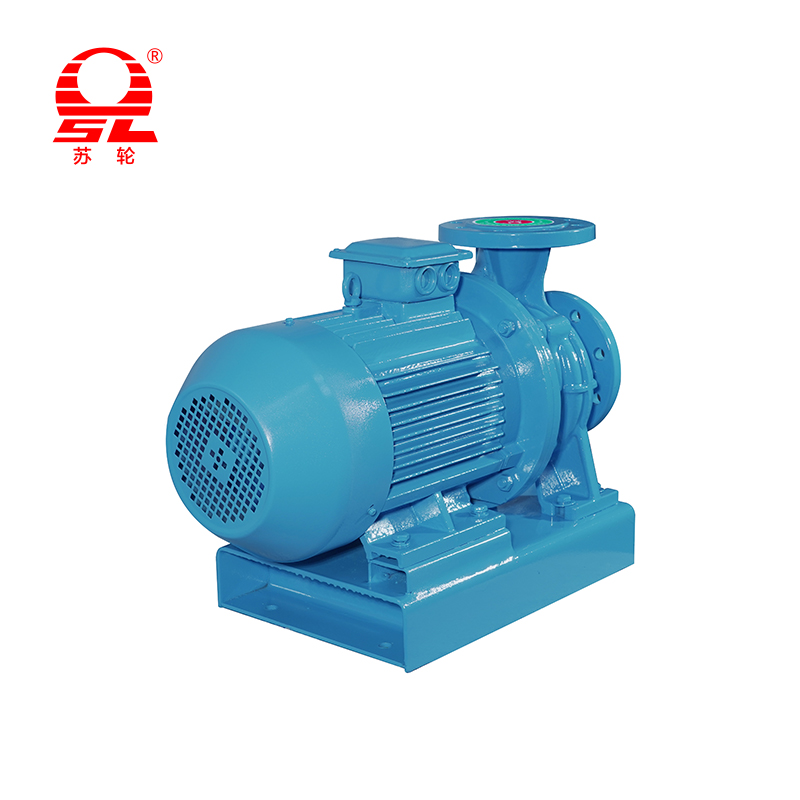 Wholesale SLW Series Horizontal Centrifugal Pump Manufacturers, OEM/ODM Factory Jiangsu Double Wheel Pump Machinery Manufacturing Co., Ltd. is China SLW Series Horizontal Centrifugal Pump Manufacturers and OEM Factory...View Product →
In contrast, axial flow pumps are propeller-like. Liquid enters and leaves along the axis of the pump shaft. Instead of relying mainly on centrifugal force, axial flow pumps generate pressure through the lifting action of the propeller blades. The result is a pump that handles very large flow rates with a low head. Axial flow pumps are often specified for flood control, stormwater pumping, irrigation canals, and condenser cooling water where the fluid is moved horizontally over short elevation changes. At these low-head, high-flow conditions, an axial flow pump can operate far more efficiently than a radial flow pump.
Mixed flow pumps combine the characteristics of radial and axial flow designs. Liquid leaves the impeller at a diagonal angle, somewhere between perpendicular and parallel to the shaft. The impeller uses both centrifugal force and axial lift. A mixed flow pump delivers more flow than a radial flow pump but with a higher head than an axial flow pump, making it a good fit for medium-flow, medium-head duties. Municipal water supply, drainage stations, agricultural irrigation, and coastal stormwater systems commonly use mixed flow pumps when neither radial nor axial pumps match the system curve efficiently.
The fourth group is not a single impeller shape. It includes pumps with special impeller designs, such as vortex impellers for solids handling, and pumps built into configurations that solve a specific hydraulic problem. This is where many industrial selection decisions actually happen.
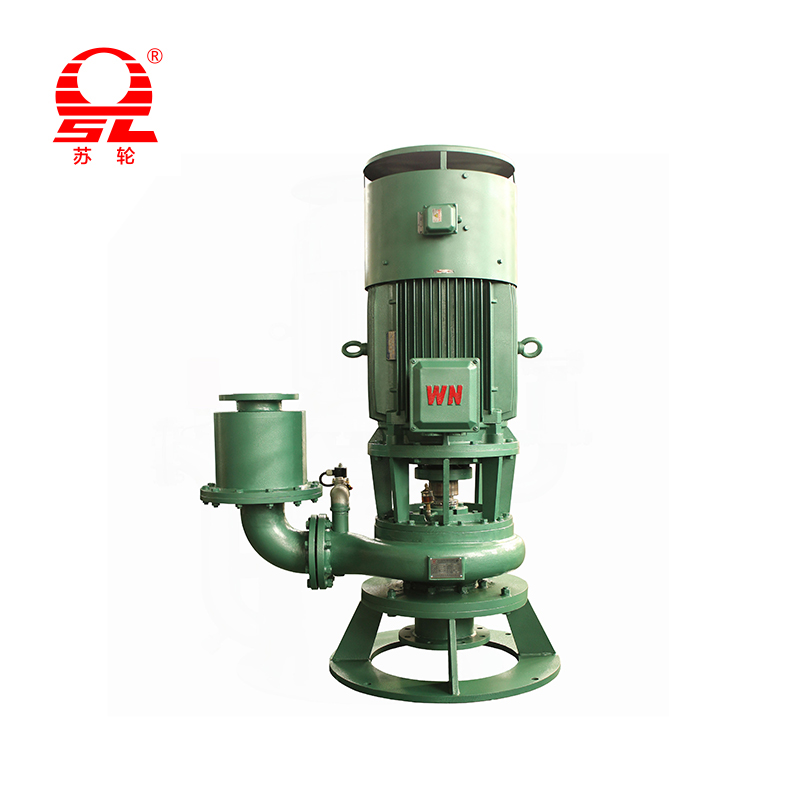
Vortex impellers are recessed in the pump casing. Solids and stringy material pass through the open volute rather than through the impeller vanes, which reduces clogging risk in sewage and wastewater duty. On the construction side, four configuration variants deserve special attention:
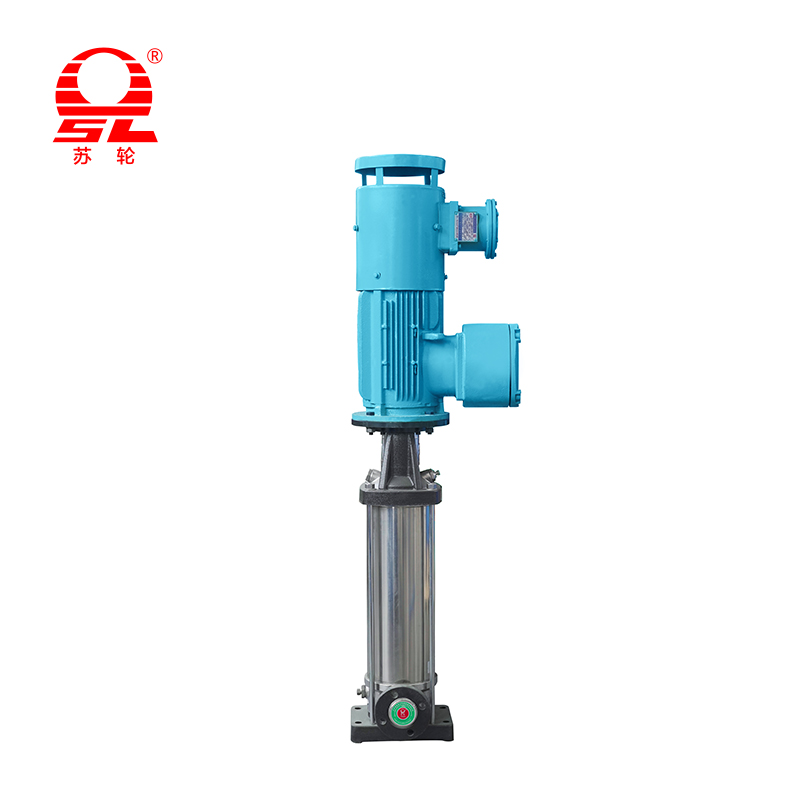
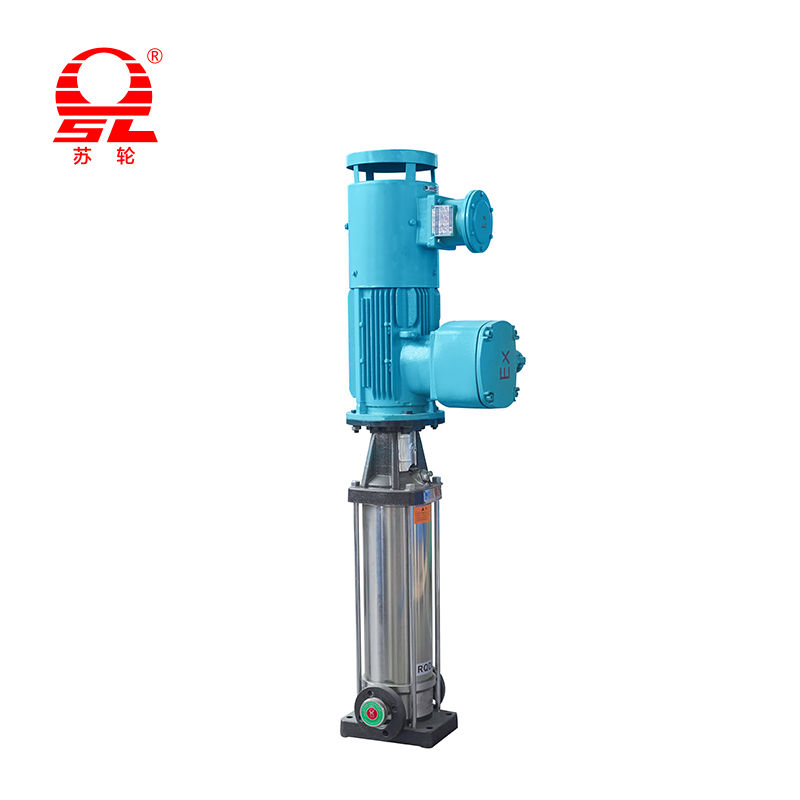 Wholesale SLGD Series Vertical Multistage Centrifugal Pump Manufacturers, OEM/ODJiangsu Double Wheel Pump Machinery Manufacturing Co., Ltd. is China SLGD Series Vertical Multistage Centrifugal Pump Manufacturers and O...View Product → is a practical example of this approach.
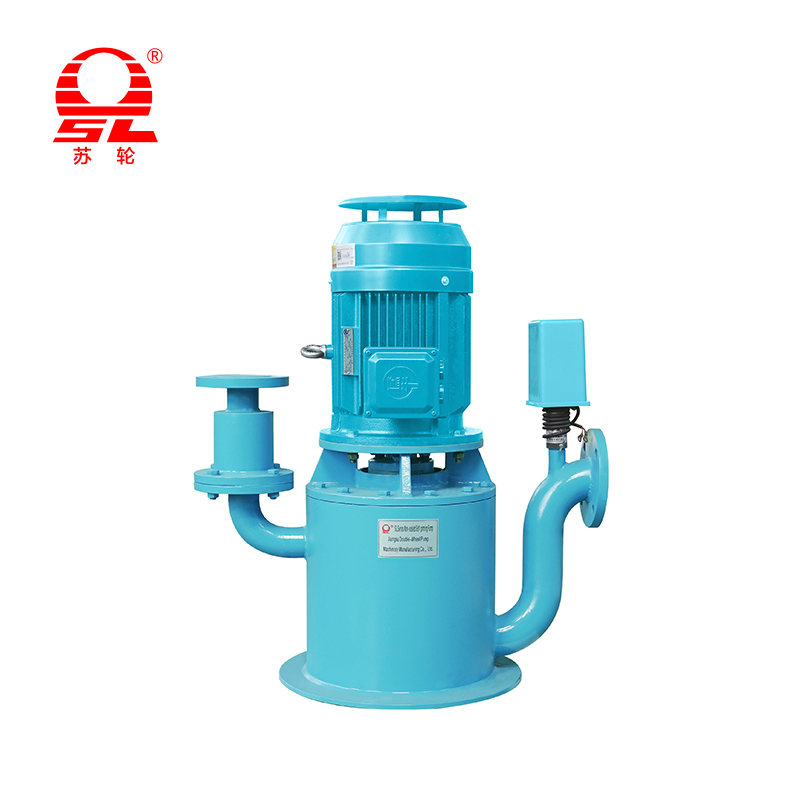
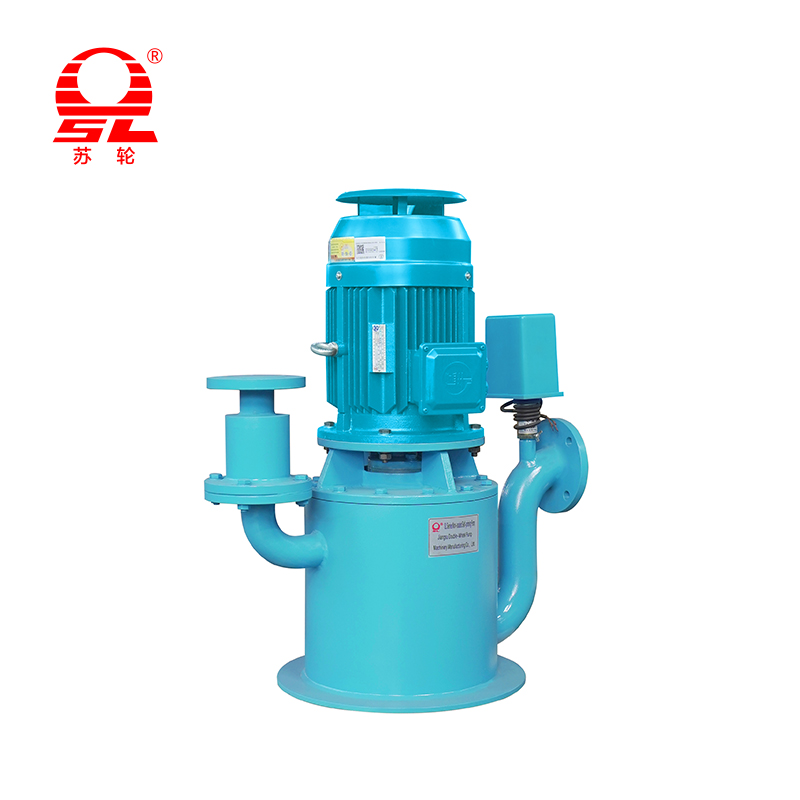 Wholesale WFB Seal-Free Self-Priming Pump Manufacturers, OEM/ODM Factory - JiangJiangsu Double Wheel Pump Machinery Manufacturing Co., Ltd. is China WFB Seal-Free Self-Priming Pump Manufacturers and OEM Factory, detai...View Product → is a sealless, self-priming configuration often used where leakage and maintenance access are concerns.
Before moving to the selection process, compare the four groups by hydraulic profile and typical service:
The boundaries are not absolute, but the hydraulic profile always comes first. If the process needs 80 m head and 60 m³/h, a radial flow pump is the natural starting point. If the process needs 4,000 m³/h at 4 m head, an axial flow pump is nearly always the right choice.
Use the following order of decisions:
For demanding media and environments, review the available guidance on choosing industrial centrifugal pumps for harsh conditions before you finalize the specification.
Making a good selection also means avoiding common errors that lead to field failures:
The four types of centrifugal pumps are radial flow, axial flow, mixed flow, and special-purpose/configurational designs. They differ in how the impeller directs the liquid, and that difference governs the flow and head the pump can deliver. Single-stage and multi-stage versions, self-priming and non-self-priming layouts, double suction impellers, and vertical or horizontal mounting all refine the choice, but the impeller family is your first decision.
When you are considering a new or replacement pump, start with the duty point: flow, head, fluid characteristics, suction conditions, and installation constraints. That process will naturally lead you to one of the four types. Once the type is clear, compare actual product designs within that family to confirm efficiency, material compatibility, and maintainability. A clear understanding of these four centrifugal pump categories will save you time and prevent the most common selection mistakes.

+86-0523- 84351 090 /+86-180 0142 8659


Add 1: Hongguang Industrial Park, Jingjiang City, Jiangsu Province, China
Add 2: No.68, Xinyi Road, Industrial Park, Jingjiang City, Jiangsu Province, China
+86-0523- 84351 090
+86-180 0142 8659
+0523-8435 5588