language
  русский
 عربى
عربى Indonesia
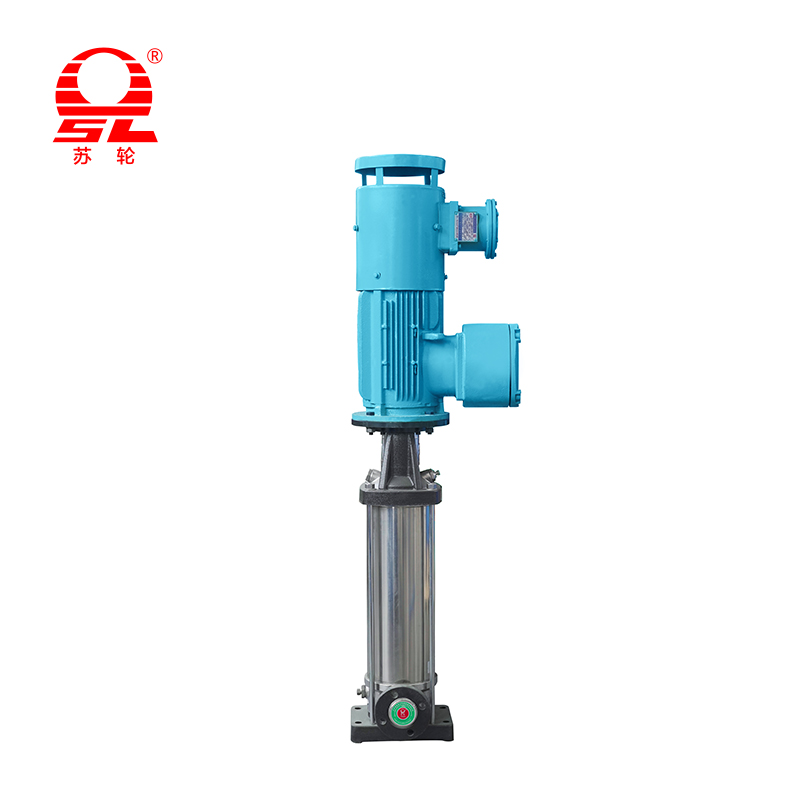
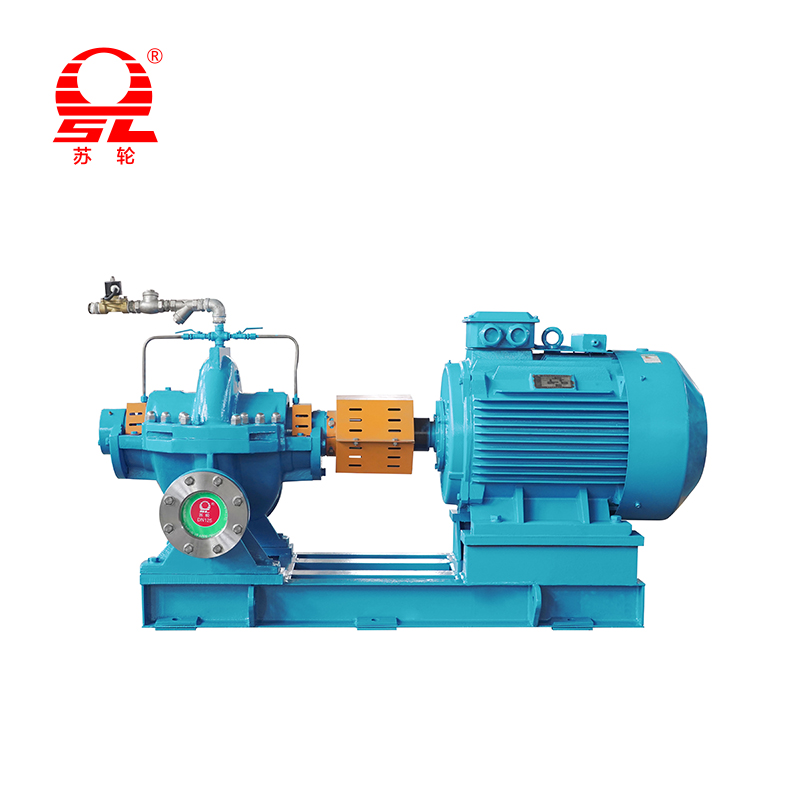
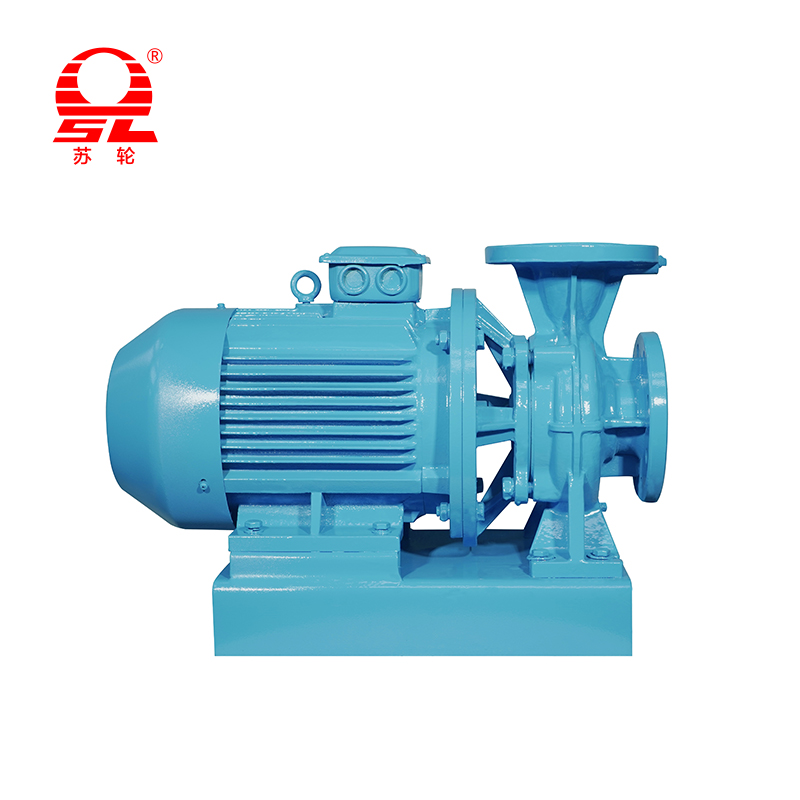
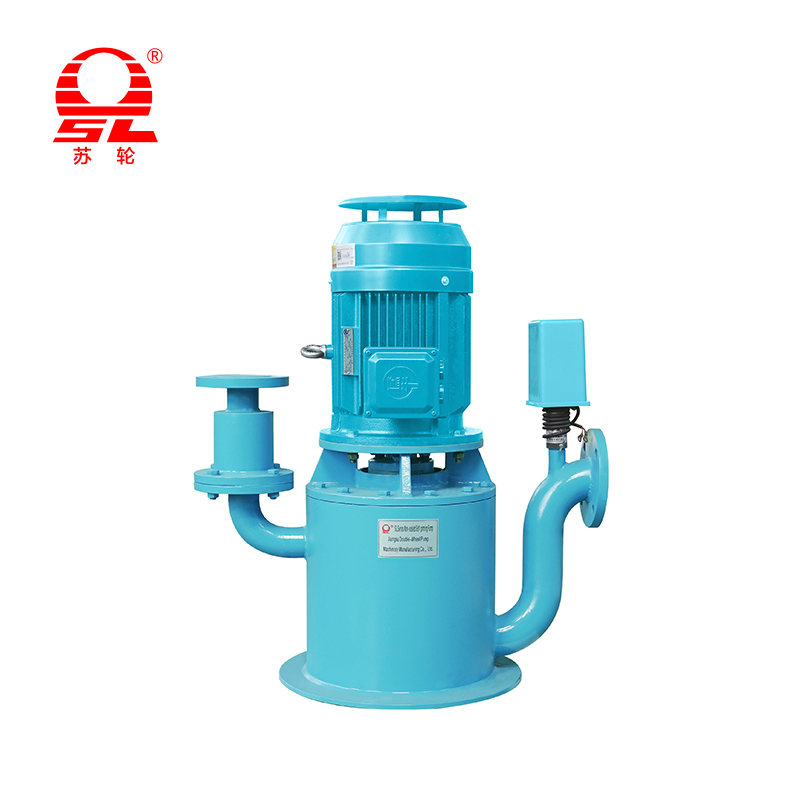
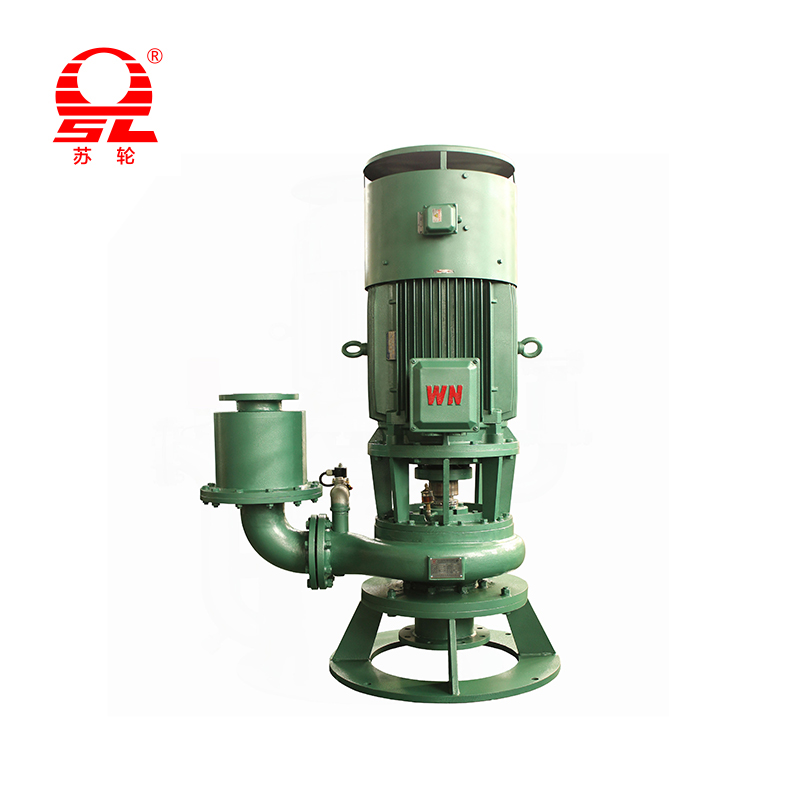
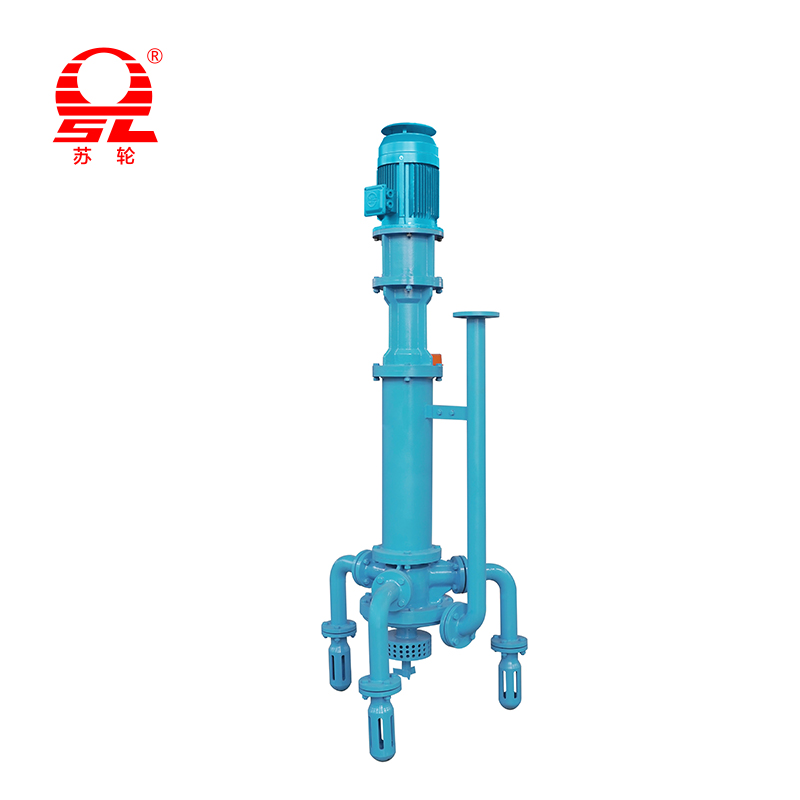
Double Volute Industrial Centrifugal Pump Wholesale








Balanced Radial Load
Large Capacity
ISO 9001:2015
CE Certified
24/7 Continuous Duty
Double Volute Industrial Centrifugal Pump
The DVC series uses a second volute cutwater positioned opposite the first, splitting discharge flow into two symmetric paths that cancel the radial thrust a single-volute casing generates away from its design point. For large-capacity cooling water and industrial process systems that operate across a wide flow range around the clock, the result is measurably longer bearing and seal life.
Product Introduction
Balanced Radial Loads for Large-Capacity Continuous Duty
The engineering case for double volute casing design in the DVC Industrial Centrifugal Pump series, built for large-flow process water and cooling duty that runs 24 hours a day.
The Double Volute Industrial Centrifugal Pump addresses a wear mechanism that is invisible on a performance curve but very visible on a maintenance log: radial thrust on the impeller and shaft when a single-volute pump operates away from its best efficiency point. A conventional single-volute casing produces balanced pressure around the impeller only at one specific flow rate; every other operating point generates a net radial force that bends the shaft slightly and loads the bearings and seal asymmetrically.
The DVC series solves this with a second volute cutwater positioned 180 degrees from the first, splitting the discharge flow into two symmetric paths that each generate an equal and opposite radial force on the impeller. The two forces largely cancel across the pump's full operating range, not just at the design point, dramatically reducing the net radial load transmitted to the shaft and bearings under the off-design conditions that are the reality of most industrial process operation.
This matters most in large-capacity, large-diameter-impeller pumps, where the radial thrust generated by casing pressure imbalance scales with impeller diameter and discharge pressure — exactly the conditions found in power plant cooling water circuits, large industrial process water systems, and municipal water distribution pumping, where the DVC series is most commonly specified.
Beyond the casing geometry itself, the DVC platform uses a heavy-duty shaft sized with generous diametral clearance margin, oversized anti-friction or sleeve bearings depending on frame size, and a bearing housing designed for the sustained radial and axial loading that comes with continuous 24/7 operation across a wide operating range as system demand fluctuates through the day.
Casing construction spans cast iron for standard clean water service, ductile iron for higher pressure and thermal cycling resistance, and stainless steel 304/316 for corrosive water chemistries or where product purity in industrial process water matters. Impellers are dynamically balanced and, on larger frames, individually pressure-tested to confirm casting integrity before final assembly.
The net result for the operator is a pump that tolerates the reality of variable-demand system operation — where flow rate swings well away from the single design point through much of the day — without the accelerated bearing wear, seal leakage, and shaft deflection that a single-volute design would exhibit under the same duty cycle.
Double volute casing balances radial thrust across the operating range
Reduced bearing and seal wear versus single-volute design at off-BEP flow
Cast iron, ductile iron, and SS304/SS316 casing material options
Sized for continuous 24/7 large-flow process and cooling duty
Dynamically balanced, individually pressure-tested impellers
Heavy-duty shaft and bearing housing for sustained radial loading
Suitable for wide operating range under variable system demand
Available in horizontal split-case and end-suction configurations
Technical Data
Technical Specifications
Comprehensive performance parameters across the full product series — from compact units to large-scale industrial installations.
| Parameter | Specification |
|---|---|
Flow Rate Range | 20 m³/h – 1,200 m³/h |
Total Head Range | 8 m – 90 m |
Inlet / Outlet Diameter | DN 50 mm – DN 500 mm |
Motor Power Range | 3 kW – 400 kW |
Supply Voltage | 380 V / 6 kV (50 Hz / 60 Hz) |
Rated Speed | 960 – 2950 rpm |
Casing Material Options | Cast iron, ductile iron, SS304, SS316 |
Casing Design | Double volute — dual cutwater, 180° opposed |
Max Working Pressure | Up to 1.6 MPa (PN16); PN25 on request |
Impeller Type | Closed, double-suction option available on large frames |
Flange Standard | GB / DIN / ANSI / JIS |
Operating Temperature | −10 °C to 105 °C |
Duty Rating | Continuous 24/7 operation, wide flow range |
Noise Level | ≤ 82 dB(A) at 1 m under rated load |
Certifications | ISO 9001:2015 · CE |
Why Choose It
Core Advantages
Six reasons the double volute design outperforms a single-volute casing on large-capacity, wide-operating-range duty.
Balanced Radial Thrust Across the Range
Two symmetric discharge paths generate opposing radial forces that largely cancel at any flow rate, not just at the single best-efficiency-point that a single-volute casing is optimized for.
Extended Bearing and Seal Life
With net radial load reduced across the operating range, shaft deflection is minimized, directly reducing bearing wear and mechanical seal face loading — the two most common wear items in large centrifugal pumps.
Tolerant of Wide Operating Range
Systems with fluctuating demand — cooling towers responding to ambient temperature, process water systems with variable production load — can operate the pump well away from its design point without the wear penalty a single-volute design incurs.
Robust for Continuous Duty
Heavy-duty shaft sizing and oversized bearing housings are matched to the sustained loading of 24/7 operation, avoiding the premature fatigue failures seen when lighter-duty pumps run continuously.
Dynamically Balanced Impellers
Every impeller is dynamically balanced and, on larger frames, individually pressure-tested, minimizing vibration that would otherwise compound with radial thrust to accelerate wear.
Scales to Large Capacity
The double volute benefit becomes more significant as impeller diameter and discharge pressure increase, making this design particularly valuable on the large-frame pumps used in power plant and municipal-scale applications.
Use Cases
Primary Applications
Specified for large-flow, continuous-duty applications where operating range varies significantly from the design point.
Power Plant Cooling Water
Circulating condenser cooling water and auxiliary cooling circuits in thermal and gas-fired power plants, where flow demand varies with plant load and ambient conditions around the clock.
Industrial Process Water
Large-volume process water circulation in steel mills, refineries, and manufacturing plants where continuous operation across variable demand is the norm, not the exception.
Municipal Water Distribution
High-capacity water transfer and distribution pumping stations serving municipal networks with daily demand cycles that swing well away from any single design flow point.
HVAC Chilled and Condenser Water
Large commercial and institutional building central plant circulation, where load-following operation is standard and pump reliability directly affects building comfort systems.
Fire Protection Water Supply
High-capacity fire pump duty for large industrial and institutional facilities requiring sustained high-volume flow during infrequent but critical emergency operation.
Irrigation District Water Supply
Bulk water transfer for agricultural irrigation districts, canal pumping stations, and reservoir transfer systems operating across seasonal demand variation.
Head-to-Head
Performance Comparison
How the DVC double volute design compares with a standard single-volute pump and a diffuser-casing design.
| Feature / Criteria | This Series | Standard Single-Volute Pump | Diffuser-Casing Pump |
|---|---|---|---|
| Radial Thrust at Off-BEP Flow | Balanced — dual opposed cutwaters | High — unbalanced single cutwater | Reduced via diffuser vanes |
| Bearing Life at Variable Demand | Extended | Reduced under wide-range operation | Good, comparable |
| Suitable Operating Range Width | Wide — full curve tolerant | Narrow — best near BEP only | Moderate to wide |
| Casing Complexity / Cost | Moderately higher than single volute | Lower — simpler casting | Higher — precision diffuser vanes |
| Large-Capacity Scalability | Benefit increases with size | Wear penalty increases with size | Good scalability |
| Continuous 24/7 Duty Rating | Standard design intent | Requires oversizing to compensate | Suitable |
| Maintenance Interval | Extended due to reduced wear | Shorter under variable-flow duty | Comparable to double volute |
Expert Tips
Usage Tips and Best Practices
Recommendations for getting the full service-life benefit of a double volute pump under real operating conditions.
1
Verify Operating Range at Selection Time
Confirm your actual expected flow range — not just the design point — when selecting pump size, so the double volute benefit is applied to a correctly sized pump rather than one oversized or undersized for typical operation.
2
Align Coupling Precisely at Commissioning
Even with balanced radial thrust, coupling misalignment introduces its own vibration and bearing loading; verify alignment within manufacturer tolerance at installation and recheck after the first months of operation.
3
Monitor Vibration Trends Over Time
Establish a baseline vibration signature at commissioning and track it during routine maintenance rounds; a gradual increase often indicates developing bearing wear well before audible or visible symptoms appear.
4
Maintain Adequate NPSH Margin
On large-capacity pumps, cavitation from insufficient NPSH margin causes damage that compounds with any residual radial thrust; verify suction conditions meet or exceed the pump's NPSHr across your full flow range.
5
Schedule Bearing Lubrication on a Fixed Interval
Continuous 24/7 operation accumulates run-hours quickly; set bearing lubrication intervals based on actual run-hours rather than calendar time to avoid under- or over-lubrication.
6
Inspect Wear Rings During Major Overhauls
Casing wear rings maintain the close clearance that preserves pump efficiency; measure clearance growth during scheduled overhauls and replace before it significantly erodes head and efficiency.
FAQ
Frequently Asked Questions
Technical questions engineers ask when specifying a large-capacity industrial centrifugal pump.
What exactly does a double volute casing do differently?
A single-volute casing is pressure-balanced around the impeller only at its one design flow point; at any other flow, unequal pressure distribution creates a net radial force on the shaft. The double volute splits discharge into two symmetric paths 180 degrees apart, so the radial forces largely cancel across a much wider flow range, not just at the design point.
Does this design cost more than a standard single-volute pump?
The casing is moderately more complex to cast, so there is a modest cost premium versus a basic single-volute pump. For continuous-duty, wide-operating-range applications, this is typically offset by extended bearing and seal service life and reduced unplanned maintenance over the pump's operating life.
At what pump size does the double volute benefit become significant?
The benefit scales with impeller diameter and discharge pressure, so it becomes increasingly significant on larger frame sizes — this is why the DVC series is most commonly specified for large-capacity cooling water, process water, and municipal applications rather than small utility pumps.
Can this pump handle my system's daily demand swings?
Yes, this is precisely the operating condition the double volute design addresses — systems like cooling towers and municipal distribution networks that see flow vary significantly across a 24-hour cycle are the primary use case for this casing geometry.
What materials are available for the casing and impeller?
Cast iron for standard clean water service, ductile iron for higher-pressure or thermal-cycling applications, and stainless steel 304/316 for corrosive water chemistry or process purity requirements.
Is a double-suction impeller option available?
Yes, on larger frame sizes a double-suction impeller configuration is available, further balancing axial thrust in addition to the radial thrust balancing provided by the double volute casing — a common combination for the largest cooling water and process water applications.
How is this pump configured — horizontal or vertical?
The DVC series is available in horizontal split-case and horizontal end-suction configurations, covering both the large-flow, easy-maintenance-access needs of power and process plants and the more compact footprint requirements of building services applications.
What documentation ships with the pump?
Each unit ships with a hydrostatic test certificate, factory performance curve test data, material test certificates, and a CE Declaration of Conformity.
Company
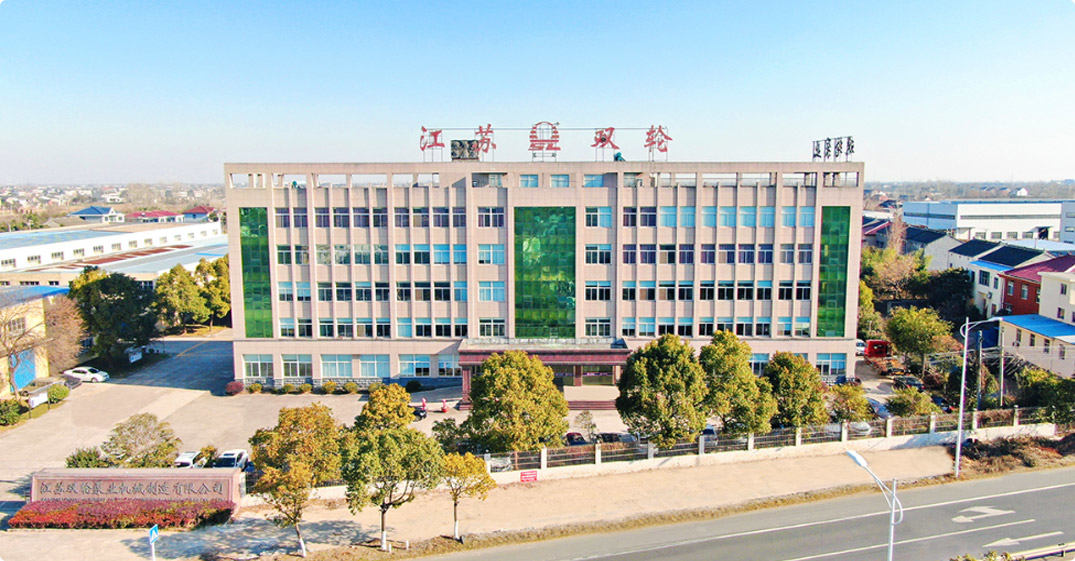
Jiangsu Double-wheel Pump Machinery Manufacting Co.,Ltd.
Jiangsu Double Wheel Pump Machinery Manufacturing Co., Ltd. is China Double Volute Industrial Centrifugal Pump Manufacturers and Wholesale Double Volute Industrial Centrifugal Pump Factory. The company is located in the scenic Yangtze River bank, Jiangyin Bridge, Beijing-Shanghai Expressway, Shanghai-Nanjing Expressway, Ningtong Expressway, Ningjingyan expressway running through the north and south, the traffic is very convenient, the geographical position is esteemed good. It is a production base specializing in non-sealed self-priming pumps, rain pumps, long-axis liquid pumps, chemical centrifugal pumps, positive displacement pumps and environmental protection equipment and mechanical equipment. The company has two production bases, covering an area of nearly 60,000 square meters, of which the eastern base covers an area of 33,000 square meters, the western base covers an area of 27,000 square meters, six modern production workshops, two installation workshops, a professional test workshop, a variety of mechanical processing equipment more than 160 sets, including a pump comprehensive performance test platform, Can test diameter 32-1200mm, motor power 1.1-1200KW, voltage 380V-10KV of various types of pumps, scientific research, development, manufacturing, processing, promotion, application of its own system. In the past two years, the company has closely followed the national industrial policy, made a big deal about environmental protection, and undertaken a large number of sewage treatment projects, which is unique in the environmental protection industry.
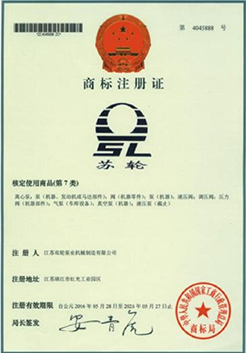
Certificate Of Honor


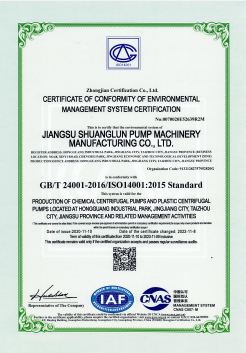
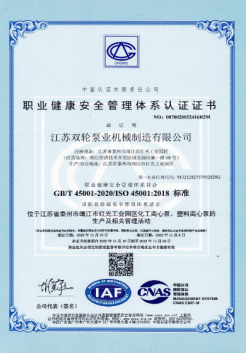
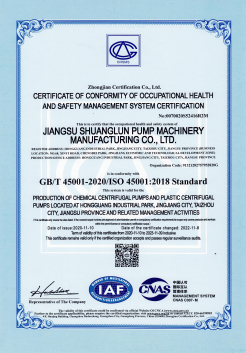
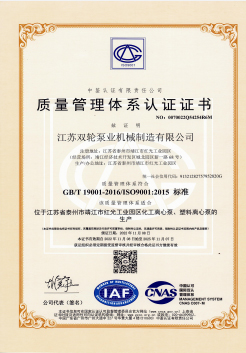
-
0

Be established in
-
0+

Professional personnel
-
0 million

Registered capital
-
0 ㎡

Plant area
After-Sales Service
Maintenance and Technical Support
Support built around the continuous-duty reality of large-capacity process and cooling water systems.
Maintenance and Spare Parts
Designed for extended intervals under continuous operation
- Wear Ring and Bearing Kits: Genuine replacement wear rings and bearings machined to original tolerances, restoring designed clearances and radial thrust balance after major overhaul.
- Impeller Replacement Service: Dynamically balanced replacement impellers, individually pressure-tested on large frame sizes, ensuring vibration performance matches the original installation.
- Split-Case Access Service Kits: Gasket and fastener kits sized for horizontal split-case configurations, supporting in-place maintenance access without full pipeline disconnection.
- 10-Year Spare Parts Commitment: Critical spare parts guaranteed available for a minimum of 10 years from purchase date, with priority stocking for continuous-duty power and municipal customers.
Application Engineering Support
Sizing based on your actual operating range, not just the design point
- System Curve and Range Analysis: Our engineers review your system's full expected flow range — including seasonal and daily demand variation — to confirm correct pump sizing across the entire operating envelope.
- Vibration and Bearing Life Consultation: Guidance on baseline vibration monitoring setup and interpretation to catch developing bearing wear early in continuous-duty installations.
- Multi-Unit Parallel Operation Design: Support for sizing and controlling multiple pumps in parallel to efficiently cover a wide combined demand range in large cooling water and distribution systems.
- Commissioning and Alignment Guidance: Step-by-step commissioning documentation including coupling alignment procedure and acceptance vibration criteria.


+86-0523- 84351 090 /+86-180 0142 8659


Welcome To
Jiangsu Double-Wheel Pump
Add 1: Hongguang Industrial Park, Jingjiang City, Jiangsu Province, China
Add 2: No.68, Xinyi Road, Industrial Park, Jingjiang City, Jiangsu Province, China
Contact
-
Tel:
+86-0523- 84351 090
+86-180 0142 8659 -
FAX:
+0523-8435 5588
- E-mail: