language
  русский
 عربى
عربى Indonesia
Self Priming Centrifugal Drainage Pump Wholesale


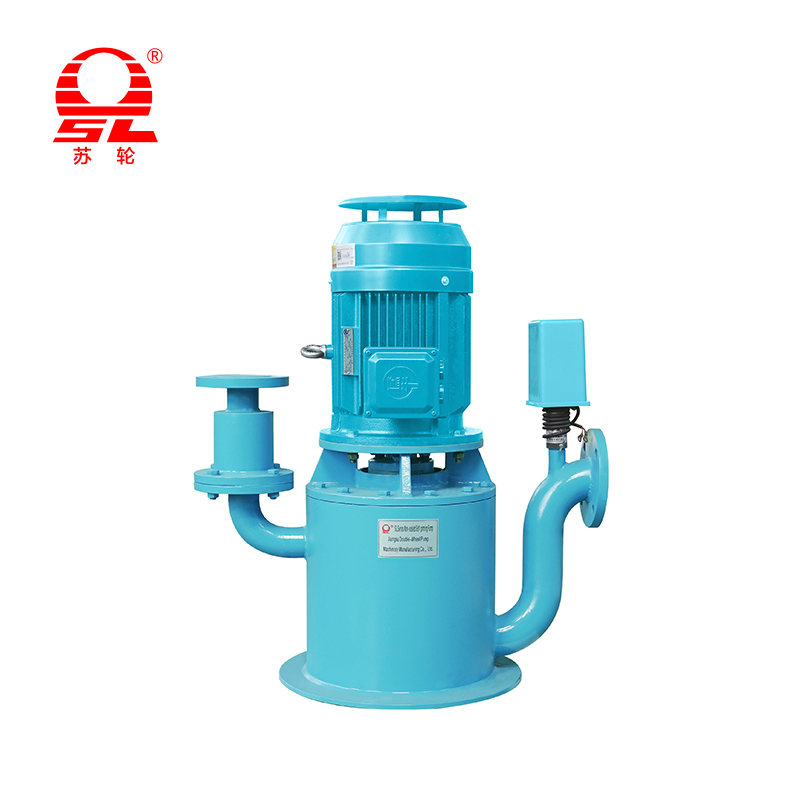

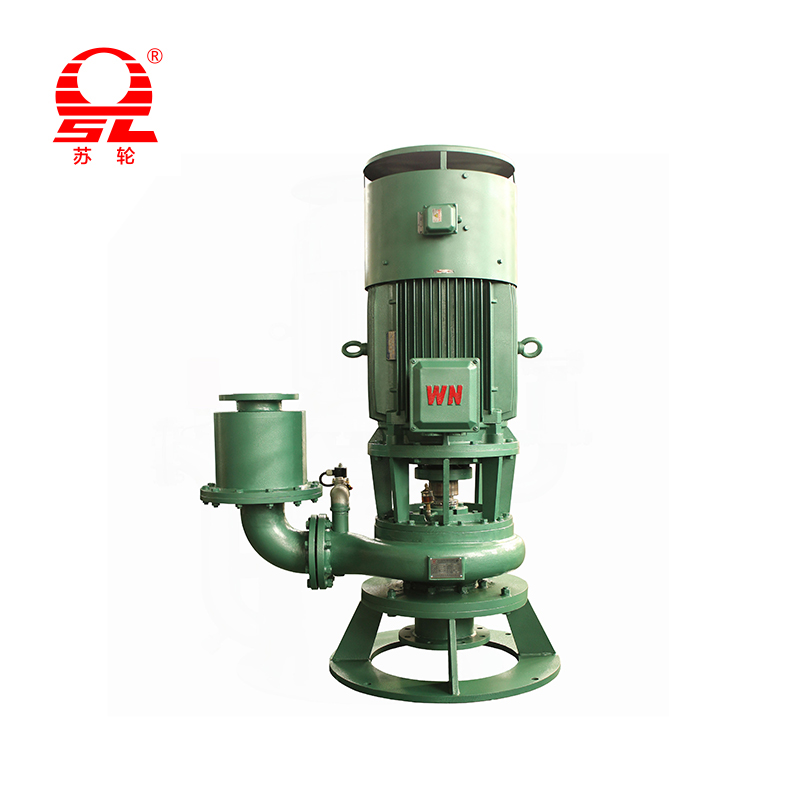

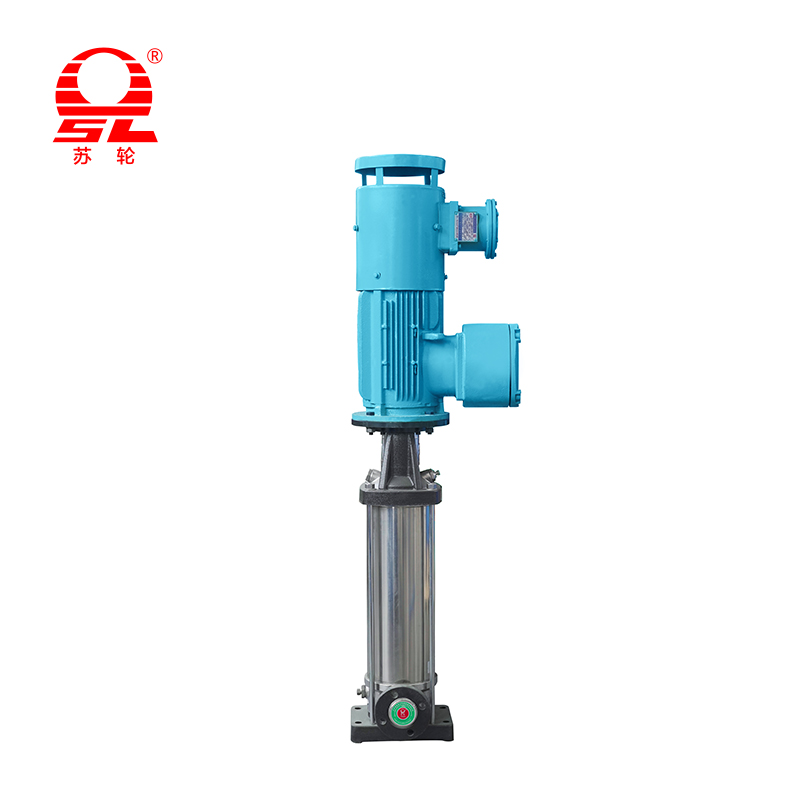
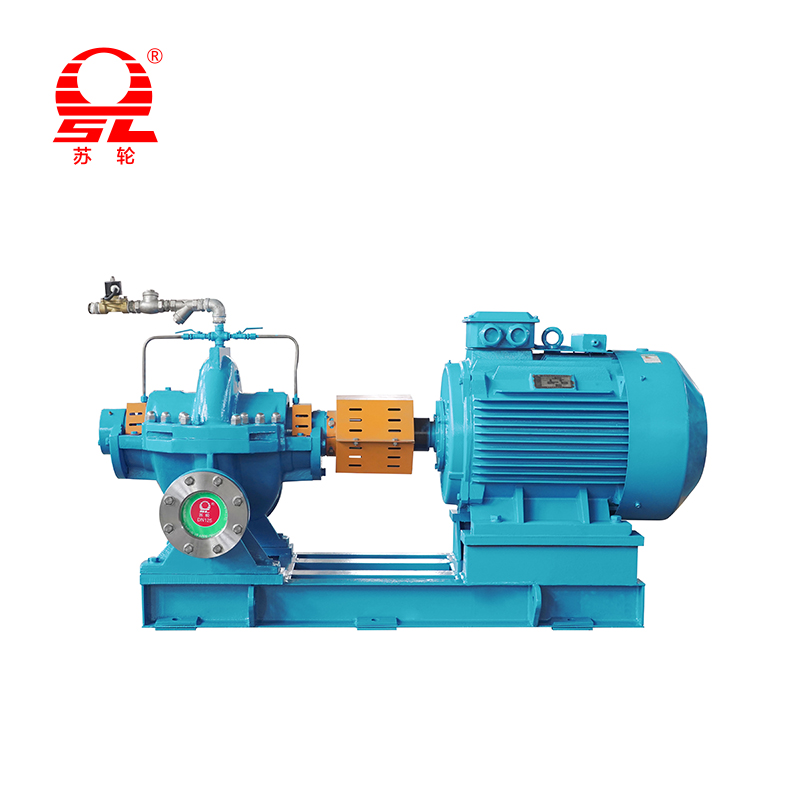
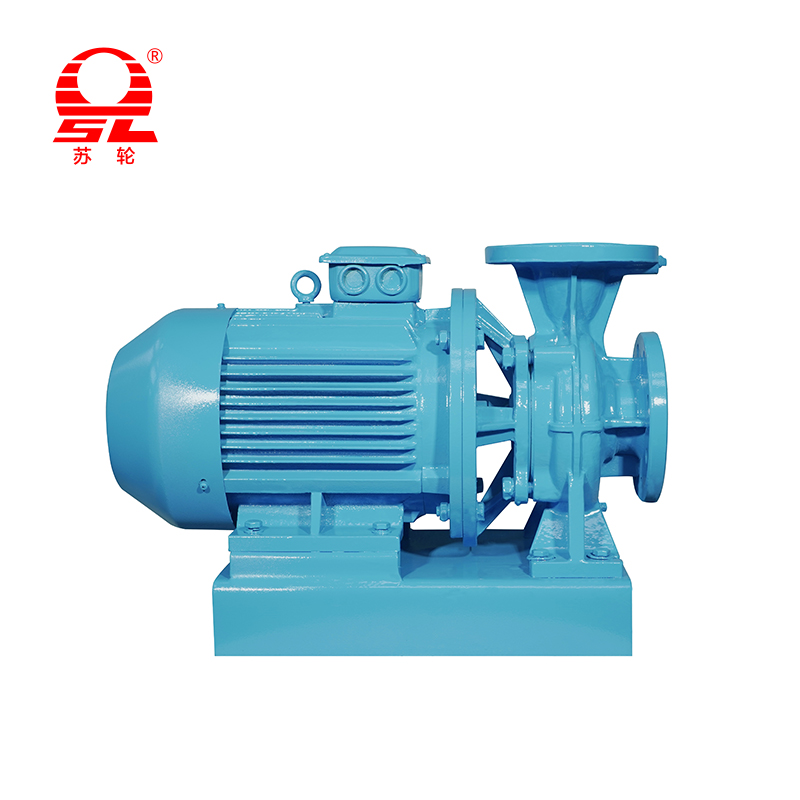


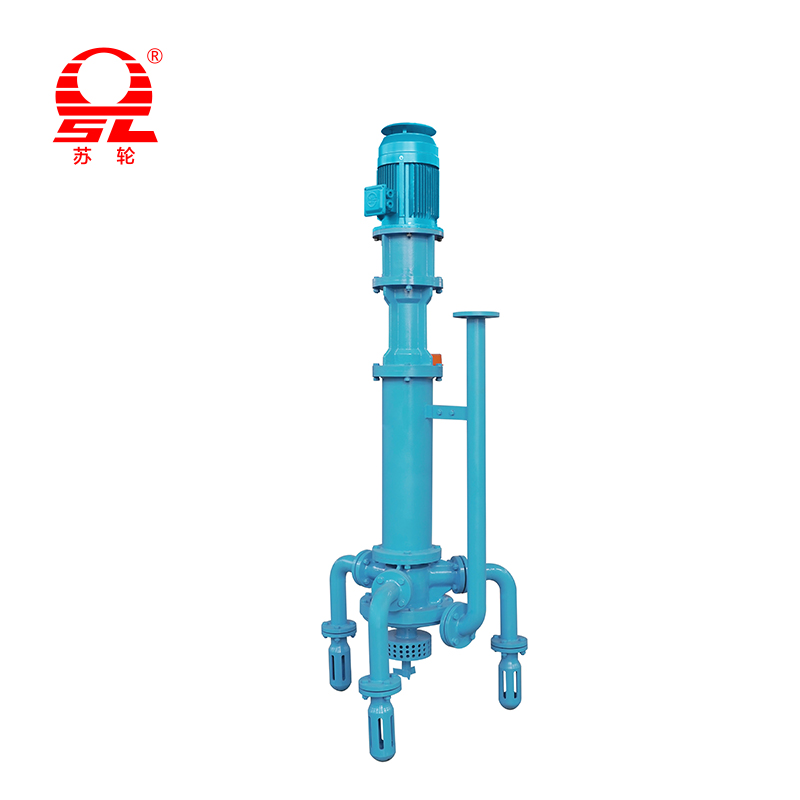

Automatic Self-Priming
Up to 500 m³/h
8m Suction Lift
ISO 9906
Self Priming Centrifugal Drainage Pump
Engineered for reliable drainage applications where the pump is located above the water level. Automatic self-priming capability eliminates foot valves and manual priming. Ideal for construction dewatering, basement drainage, and emergency pumping.
Product Introduction
Self Priming Centrifugal Pump Technology
A comprehensive examination of the engineering, priming mechanism, and application benefits of our self priming drainage pump range.
The Self Priming Centrifugal Drainage Pump solves a common problem in drainage applications: the pump must be located above the water level. Standard centrifugal pumps cannot operate under suction lift conditions because they are not self-priming. They require the pump casing and suction line to be filled with liquid before starting, and they require a foot valve to maintain prime between starts. Foot valves frequently fail due to debris, causing loss of prime and pump downtime. Our self priming pump eliminates these issues entirely. The pump primes itself automatically and re-primes if air enters the suction line, making it ideal for construction dewatering, basement drainage, pit pumping, and emergency flood control.
The self priming mechanism is the key innovation. Inside the pump casing, a specially designed priming chamber separates air from liquid. When the pump starts, the impeller creates a vacuum in the priming chamber, drawing air from the suction line into the chamber. The air is then discharged out the pump outlet along with the liquid. A recirculation port returns a portion of the liquid to the priming chamber to maintain the liquid seal needed for continuous priming. Within 30 to 60 seconds (depending on suction lift and pipe length), all air is evacuated from the suction line and the pump is fully primed. Once primed, the pump operates as a standard centrifugal pump. If air enters the suction line later due to low water level or vortexing, the priming mechanism automatically re-engages and re-primes the pump without operator intervention.
The pump casing is specifically designed for self priming operation. The casing incorporates a large volume priming chamber that stores sufficient liquid to maintain the prime during normal operation. The priming chamber has a volume typically 30 to 50 percent of the pump casing volume. A check valve or recirculation port prevents the primed liquid from draining back into the suction line when the pump stops. For easy maintenance, the priming chamber has a drain plug and a removable cover for inspection and cleaning of debris that may accumulate.
The impeller design is optimized for both priming performance and hydraulic efficiency. The impeller is of the semi-open or enclosed type, with wide passages to pass debris that may be present in drainage water. The impeller vanes are specifically shaped to maximize the vacuum generated during the priming cycle while maintaining good efficiency during normal operation. For drainage applications with debris, we recommend the semi-open impeller with adjustable clearance. The clearance can be adjusted as wear occurs without disassembling the pump.
Materials are selected for drainage water service. Drainage water may contain sand, silt, small debris, and may be slightly acidic or alkaline. The standard material is cast iron with epoxy coating on all wetted surfaces. The epoxy coating (minimum 250 microns) protects against corrosion and abrasion. For more corrosive environments, we offer stainless steel construction. The shaft is stainless steel to resist corrosion at the seal area. The wear plate (for semi-open impellers) is hardened cast iron or stainless steel.
The shaft sealing system must tolerate intermittent operation and potential debris. For most drainage applications, gland packing with split PTFE or graphite rings is recommended. Gland packing tolerates dry running during the priming cycle, which can damage mechanical seals. A small amount of controlled leakage (5 to 10 drops per minute) is normal and provides lubrication and cooling. For applications requiring zero leakage, we offer mechanical seals with silicon carbide faces, but these are not recommended for pumps that may run dry.
The pump is available in multiple configurations. Close-coupled (C-face motor) design mounts the impeller directly on the motor shaft, eliminating the bearing housing and flexible coupling. This compact configuration is ideal for portable and skid-mounted drainage pumps. Frame-mounted design uses a separate bearing housing and flexible coupling, allowing motor replacement without disturbing pump or piping. This configuration is preferred for larger pumps and permanent installations.
The drive options include electric motor, diesel engine, or hydraulic motor. Electric motor drive is suitable for applications with available power. Motors are TEFC (Totally Enclosed Fan Cooled) for outdoor use. Diesel engine drive is ideal for remote construction sites without electrical power. The diesel engine is skid-mounted with the pump, with fuel tank sized for 8 to 24 hours of continuous operation. Hydraulic motor drive is used on construction equipment where hydraulic power is available.
The priming system includes a sight glass for visual verification of prime. A drain plug allows removal of accumulated debris from the priming chamber. For remote monitoring, we offer a priming system control package that includes pressure switches to detect loss of prime and automatic reprime cycles. Alarms are sent to the plant SCADA system or via cellular modem for remote sites.
In summary, the Self Priming Centrifugal Drainage Pump delivers reliable, hands-off operation in suction lift applications, making it ideal for construction, municipal, and industrial drainage.
Automatic self-priming from empty suction line
Priming time: 30 to 60 seconds (8m suction lift)
Suction lift: up to 8 meters
Flow rates: 10 to 500 m³/h
Heads: 10 to 50 meters
Solids passage: up to 50mm spherical (semi-open impeller)
Materials: Cast iron with epoxy coating / Stainless steel
Sealing: Gland packing (standard) / Mechanical seal (optional)
Drive: Electric motor / Diesel engine / Hydraulic motor
Automatic reprime if air enters suction line
Technical Data
Technical Specifications
Complete performance and dimensional parameters for the self priming centrifugal drainage pump range.
| Parameter | Specification |
|---|---|
Pump Configuration | Close-coupled (C-face) / Frame-mounted / Diesel driven |
Flow Rate Range | 10 to 500 m³/h (44 to 2,200 US gpm) |
Total Head Range | 10 to 50 meters (33 to 164 feet) |
Maximum Suction Lift | 8 meters (26 feet) with clean water |
Priming Time | 30 to 60 seconds at maximum suction lift |
Motor Power Range | 1.5 kW to 90 kW (2 to 120 HP) |
Voltage Options | 230V / 400V / 415V / 460V / 690V |
Speed | 1,450 / 2,900 RPM (50Hz); 1,750 / 3,500 RPM (60Hz) |
Port Size | 50 mm to 200 mm (2" to 8") |
Solids Passage | Up to 50 mm spherical solids (semi-open impeller) |
Fluid Temperature | 0°C to 60°C standard; up to 90°C with special seals |
Fluid Types | Clean water / Drainage water / Slightly dirty water / Construction dewatering |
Casing Material | Cast iron GG25 with epoxy coating / SS304 / SS316 |
Impeller Type | Semi-open (adjustable) / Enclosed (clean water) |
Shaft Sealing | Gland packing (standard) / Single mechanical seal (optional) |
Design Standard | ISO 5199 / EN 733 / ISO 9906 Grade 2 |
Why Choose Self Priming Pumps
Core Advantages
Six key engineering benefits that make our self priming centrifugal pump the preferred choice for drainage and dewatering applications.
No Foot Valve Required
Traditional suction lift installations require a foot valve at the bottom of the suction pipe to maintain prime. Foot valves are prone to failure due to debris, corrosion, and wear. Our self priming pump eliminates the foot valve entirely. The pump primes itself from an empty suction line each time it starts.
Automatic Re-Priming Capability
If air enters the suction line during operation (due to low water level, vortexing, or a leaking joint), the pump automatically re-primes itself. No operator intervention required. This feature is critical for unattended installations and applications with varying water levels.
Easy Maintenance Access
The removable cover plate provides access to the impeller and wear plate without disconnecting suction or discharge piping. The priming chamber has a drain plug and removable cover for cleaning debris. Maintenance can be completed in 30 to 60 minutes.
Portable and Skid-Mounted Options
For construction and emergency applications, we offer skid-mounted pumps with diesel engine drive. Units include fuel tank, control panel, and weather protection enclosure. Lifting points and forklift pockets allow easy site-to-site transport.
Solids Handling Capability
The semi-open impeller passes spherical solids up to 50mm in diameter. This capability allows pumping of debris-laden drainage water without clogging. For clean water applications, the enclosed impeller provides higher efficiency.
Electric or Diesel Drive Options
Electric motor drive for applications with available power. Diesel engine drive for remote construction sites without power. Diesel units include automatic start capability based on water level sensors.
Use Cases
Primary Applications
Trusted across construction, municipal, and industrial applications for reliable drainage and dewatering.
Construction Site Dewatering
Removal of groundwater, rainwater, and excavation water from construction sites. Portable diesel-driven units can be moved as the site develops. Self-priming allows pumping from varying water levels.
Basement and Foundation Drainage
Permanent installation in building basements, parking garages, and foundation pits. Automatic start based on water level. Self-priming ensures reliable operation after long idle periods.
Municipal Drainage Pumping
Pumping stations for drainage of low-lying areas, underpasses, and roadways. Automatic operation based on rainfall. Diesel backup for power failure during storms.
Industrial Pit Pumping
Removal of accumulated water from industrial pits, sumps, and collection basins. Corrosion-resistant stainless steel construction for industrial environments.
Agricultural Drainage
Pumping of drainage water from agricultural fields, retention ponds, and irrigation canals. Diesel-driven portable units for remote locations.
Barge and Ship Bilge Pumping
Bilge water removal from barges, ships, and marine vessels. Compact design for confined spaces. Self-priming operation from below water level.
Head-to-Head
Self Priming Pump Comparison
A detailed comparison of self priming versus standard centrifugal pumps for suction lift drainage applications.
| Parameter | Self Priming Pump | Standard Centrifugal Pump |
|---|---|---|
| Priming Required Before Start | Automatic (no operator) | Manual casing filling required |
| Foot Valve Required | No | Yes |
| Foot Valve Failure Risk | No foot valve | Common failure point |
| Unattended Operation | Excellent | Poor (loss of prime requires manual intervention) |
| Dry Running Tolerance | Good (with gland packing) | Poor (mechanical seal damage) |
| Maximum Suction Lift | 8 meters | 6 to 7 meters (with flooded suction) |
| Peak Efficiency | 70 to 78% | 85 to 90% |
| Relative Cost | Higher (priming chamber) | Lower |
| Ideal Application | Suction lift, debris, unattended | Flooded suction, clean liquid |
Expert Tips
Usage Tips and Best Practices
Maximize the priming performance, reliability, and service life of your self priming centrifugal drainage pump.
1
Minimize Suction Pipe Length and Fittings
Priming time increases with suction pipe volume. Keep the suction pipe as short and straight as possible. Use swept bends (45° or long-radius 90°) rather than sharp 90° elbows. A 10m suction pipe with one elbow primes in 30 to 45 seconds; a 30m pipe with three elbows may take 90 to 120 seconds.
2
Install a Suction Strainer for Debris
Large debris can damage the impeller and clog the priming chamber check valve. Install a suction strainer with openings smaller than the pump's solids passage rating. For construction sites, a coarse strainer (25mm openings) prevents large rocks from entering the pump.
3
Fill Priming Chamber Before First Start
Before the first startup, fill the priming chamber completely with water through the priming port. This initial fill is necessary to create the seal needed for priming. After the first start, the pump retains sufficient liquid for subsequent starts.
4
Inspect Priming Chamber Check Valve Annually
The check valve in the priming chamber prevents liquid from draining back to the suction line. Debris can prevent the check valve from sealing, causing loss of prime. Inspect and clean the check valve annually, more frequently in debris-laden applications.
5
Adjust Impeller Clearance for Semi-Open Impellers
Semi-open impellers have an adjustable clearance (typically 0.25 to 0.50mm). As the impeller and wear plate wear, clearance increases, reducing efficiency and priming capability. Check and adjust clearance every 2,000 operating hours or annually.
6
Use Gland Packing for Intermittent Service
For intermittent drainage applications where the pump may run dry, specify gland packing rather than mechanical seals. Packing tolerates dry running and short-term operation without water. A small amount of leakage (5 to 10 drops per minute) is normal and provides lubrication.
FAQ
Frequently Asked Questions
Expert answers to common questions about self priming centrifugal drainage pumps.
How does a self priming pump work?
A self priming pump has a specially designed priming chamber that separates air from liquid. When started, the impeller creates a vacuum that draws air from the suction line into the priming chamber. The air is discharged out the pump outlet. A recirculation port returns liquid to the priming chamber to maintain the seal. Air is expelled, and the pump becomes primed. Once primed, it operates as a standard centrifugal pump.
What is the maximum suction lift for these pumps?
Maximum suction lift is 8 meters (26 feet) with clean water at sea level. This decreases with higher altitude (lower atmospheric pressure) and higher water temperature (increased vapor pressure). At 1,000 meters altitude, maximum lift is approximately 7 meters. Consult our engineering team for specific site conditions.
Can the pump run dry without damage?
With gland packing, the pump can run dry for short periods (30 to 60 seconds) during the priming cycle without damage. With mechanical seals, dry running is not recommended. For applications where the pump may run dry, specify gland packing. Install low level cutoff to prevent extended dry running.
How long does it take to prime?
Priming time depends on suction lift and suction pipe volume. At 5 meters lift with 10 meters of pipe, priming takes 20 to 30 seconds. At 8 meters with 30 meters of pipe, priming may take 60 to 90 seconds. After initial priming, the pump re-primes in 5 to 10 seconds if air enters the suction line.
Can the pump handle sand and grit?
Yes, within limits. For sand and grit, specify the semi-open impeller with hardened wear plate. The adjustable clearance allows compensation for wear. For high sand content, consider a pump with replaceable wear rings and Ni-Hard impeller. Gland packing with water flush extends service life in abrasive conditions.
Do I need a foot valve with a self priming pump?
No. The self priming pump maintains prime without a foot valve. The priming chamber stores sufficient liquid to reprime after each start. Eliminating the foot valve removes a common failure point and reduces maintenance.
What is the difference between self priming and standard centrifugal pumps?
Self priming pumps have a built-in priming chamber that allows them to evacuate air from the suction line and prime themselves. Standard centrifugal pumps have no priming capability and require flooded suction or manual priming. Self priming pumps operate at lower efficiency (70-78%) than standard pumps (85-90%) due to the recirculation port.
Can I use a self priming pump for clean water only?
Yes. For clean water applications, specify the enclosed impeller for higher efficiency (78-82%). The enclosed impeller provides better efficiency but smaller solids passage. Clean water applications do not require the solids handling capability of the semi-open impeller.
What is the typical lead time for a self priming pump?
Standard electric motor driven pumps ship within 2 to 4 weeks. Diesel engine driven pumps require 4 to 6 weeks. Stainless steel construction adds 2 to 4 weeks. For emergency applications, we maintain a stock of popular sizes for immediate shipment.
Can the pump be used for sewage?
For raw sewage containing rags and wipes, we recommend a vortex impeller self priming pump. The vortex impeller provides non-clog operation. For screened sewage or effluent, the semi-open impeller is acceptable. Consult our engineers for sewage applications to select the correct impeller type.
Company
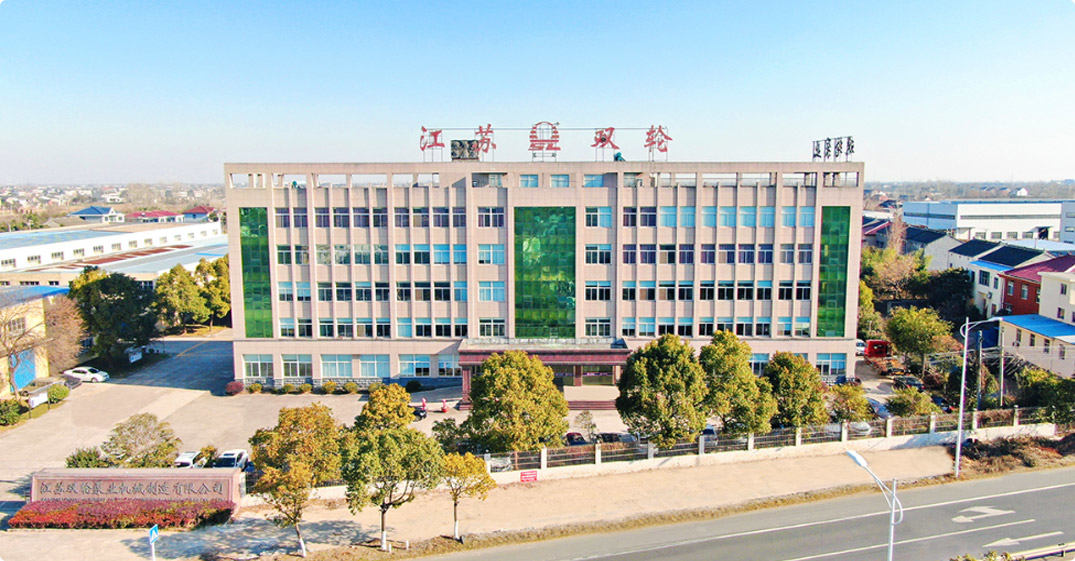
Jiangsu Double-wheel Pump Machinery Manufacting Co.,Ltd.
Jiangsu Double Wheel Pump Machinery Manufacturing Co., Ltd. is China Self Priming Centrifugal Drainage Pump Manufacturers and Wholesale Self Priming Centrifugal Drainage Pump Factory. The company is located in the scenic Yangtze River bank, Jiangyin Bridge, Beijing-Shanghai Expressway, Shanghai-Nanjing Expressway, Ningtong Expressway, Ningjingyan expressway running through the north and south, the traffic is very convenient, the geographical position is esteemed good. It is a production base specializing in non-sealed self-priming pumps, rain pumps, long-axis liquid pumps, chemical centrifugal pumps, positive displacement pumps and environmental protection equipment and mechanical equipment. The company has two production bases, covering an area of nearly 60,000 square meters, of which the eastern base covers an area of 33,000 square meters, the western base covers an area of 27,000 square meters, six modern production workshops, two installation workshops, a professional test workshop, a variety of mechanical processing equipment more than 160 sets, including a pump comprehensive performance test platform, Can test diameter 32-1200mm, motor power 1.1-1200KW, voltage 380V-10KV of various types of pumps, scientific research, development, manufacturing, processing, promotion, application of its own system. In the past two years, the company has closely followed the national industrial policy, made a big deal about environmental protection, and undertaken a large number of sewage treatment projects, which is unique in the environmental protection industry.
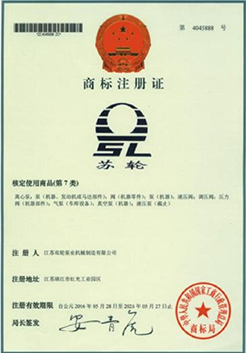
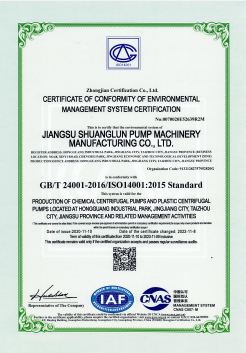
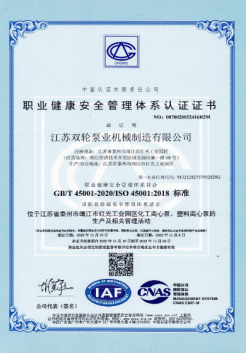
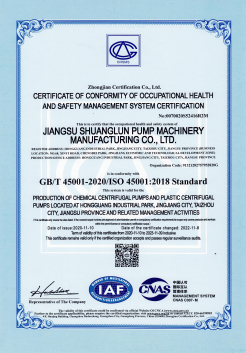
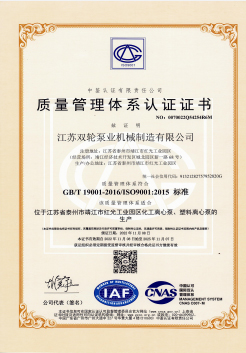
Certificate Of Honor


-
0

Be established in
-
0+

Professional personnel
-
0 million

Registered capital
-
0 ㎡

Plant area
After-Sales Service
Maintenance and Technical Support
Comprehensive lifecycle support for your self priming drainage pump installation.
Maintenance and Spare Parts
Keep your self priming pump operating reliably
- Priming Chamber Service Kit: Includes check valve assembly, cover gasket, sight glass with seal, and drain plug gasket.
- Impeller and Wear Plate Kit: Semi-open impeller with matching wear plate (hardened cast iron or stainless steel). Includes adjustment shims.
- Gland Packing Kit: Complete set of PTFE/graphite packing rings (6 to 8 rings), lantern ring, and gland studs.
- Seal Kit: Mechanical seal assembly (SiC/Carbon) with elastomers for pumps with mechanical seal option.
Professional Technical Support
Expert assistance for drainage and dewatering applications
- Priming System Troubleshooting: Remote diagnosis of priming issues including check valve debris, air leaks, and suction line restrictions.
- Suction Lift Verification: We calculate available suction lift for your site conditions including altitude and water temperature effects.
- Diesel Engine Maintenance Training: We provide training for operators on diesel engine starting, fuel management, and routine maintenance.
- On-Site Commissioning: Factory-trained technicians commission your pump including priming time verification and impeller clearance adjustment.


+86-0523- 84351 090 /+86-180 0142 8659


Welcome To
Jiangsu Double-Wheel Pump
Add 1: Hongguang Industrial Park, Jingjiang City, Jiangsu Province, China
Add 2: No.68, Xinyi Road, Industrial Park, Jingjiang City, Jiangsu Province, China
Contact
-
Tel:
+86-0523- 84351 090
+86-180 0142 8659 -
FAX:
+0523-8435 5588
- E-mail: