language
  русский
 عربى
عربى Indonesia
Low Noise Centrifugal Booster Pump Wholesale



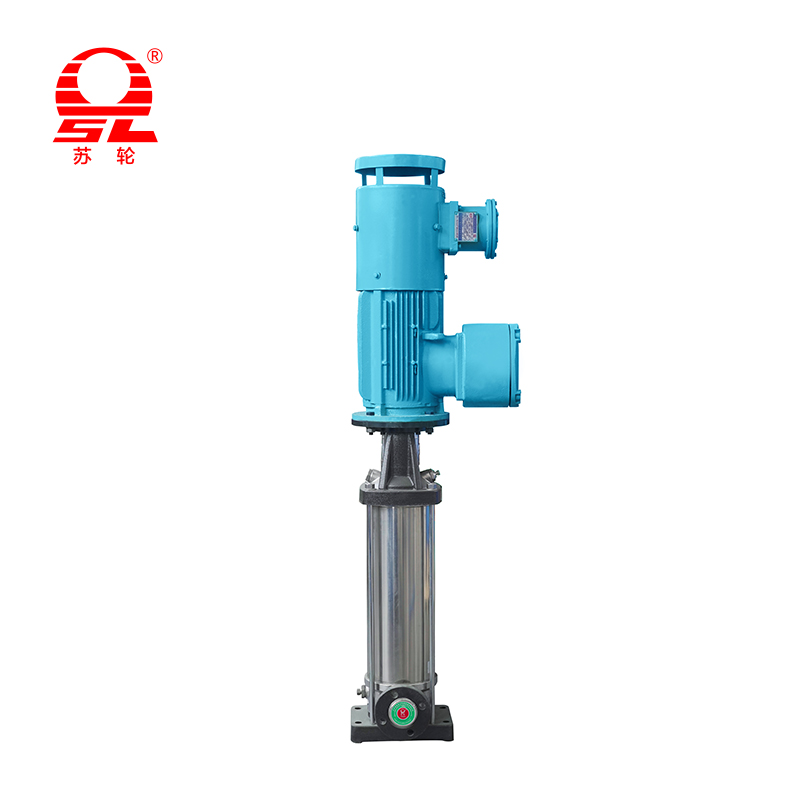
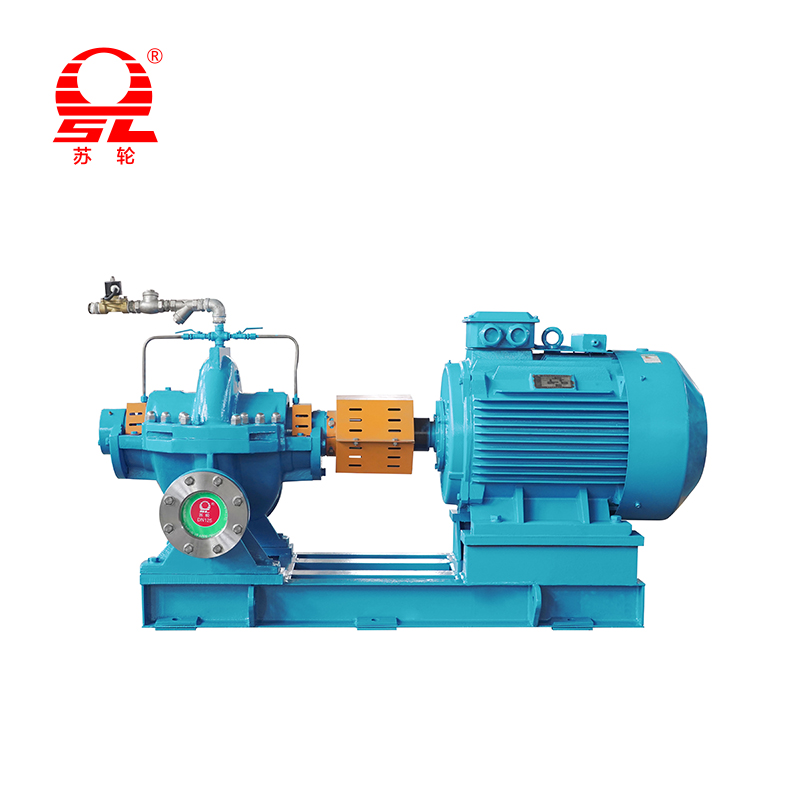
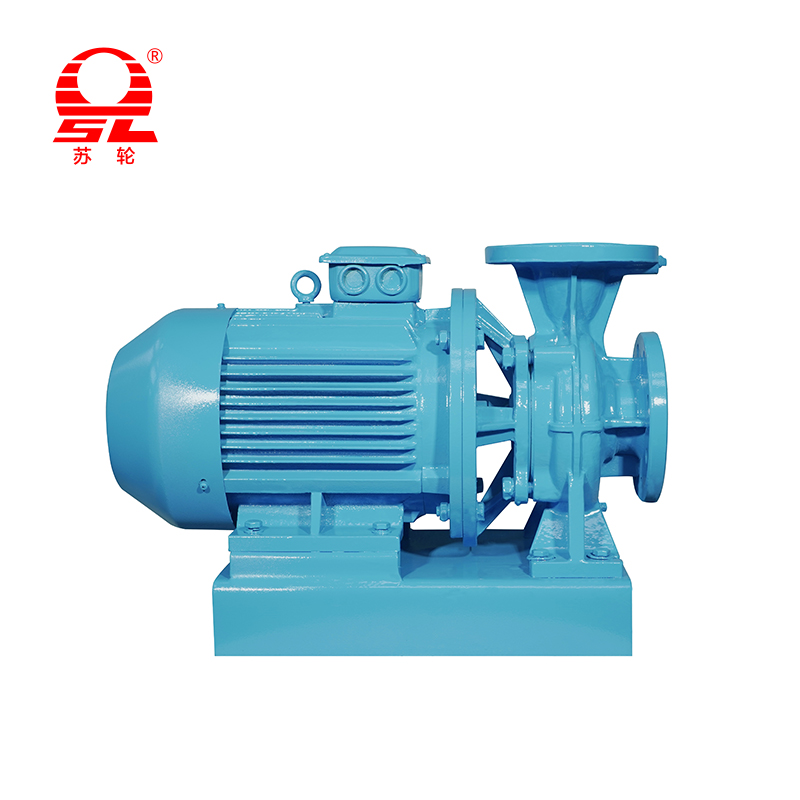

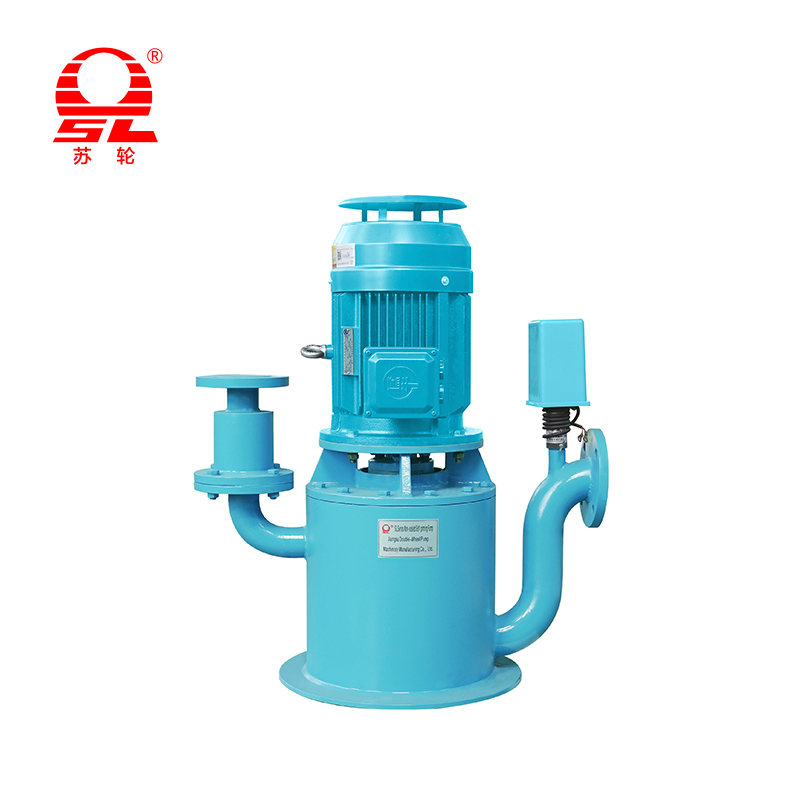

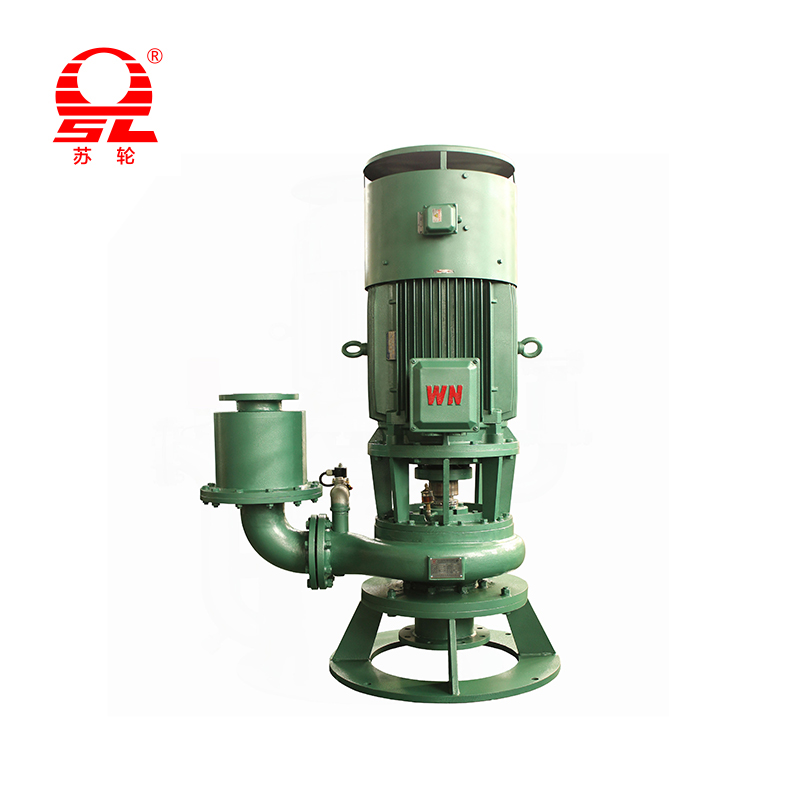


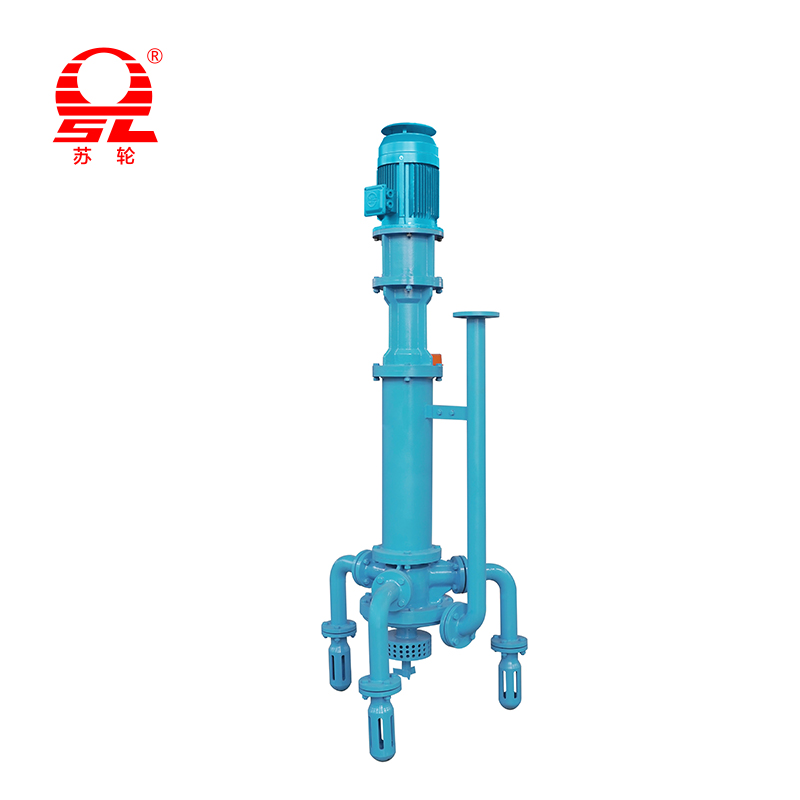

Low Noise Design Up to 200 m³/h Residential / Commercial ISO 20361
Low Noise Centrifugal Booster Pump
Engineered for quiet operation in noise-sensitive environments such as residential buildings, hospitals, hotels, and office complexes. Optimized hydraulics, precision balancing, and vibration isolation deliver noise levels below 65 dBA.
Product Introduction
Low Noise Pump Technology
A comprehensive examination of the engineering, noise reduction features, and application benefits of our low noise centrifugal booster pump range.
The Low Noise Centrifugal Booster Pump is specifically designed for applications where pump noise cannot be tolerated. In residential buildings, hospitals, hotels, schools, and office complexes, pump noise disturbs occupants and may violate local noise ordinances. Our low noise pumps incorporate multiple noise reduction technologies: optimized hydraulic design to eliminate cavitation, precision balancing of rotating components, low-speed operation (1,450 RPM instead of 2,900 RPM), vibration isolation mounts, and acoustically insulated enclosures. The result is noise levels as low as 55 dBA at 1 meter, comparable to a quiet office environment or normal conversation.
The hydraulic design is optimized to minimize cavitation noise. Cavitation occurs when the local pressure drops below the vapor pressure of the liquid, causing vapor bubbles to form and collapse. Bubble collapse produces a characteristic crackling noise and can damage the impeller. Our pumps are designed with low NPSH (Net Positive Suction Head) requirement and smooth inlet passages to prevent cavitation across the operating range. The volute geometry is optimized to eliminate recirculation noise at low flow conditions. CFD (Computational Fluid Dynamics) analysis verified that the pump operates free of cavitation at all points between minimum flow and best efficiency point.
The rotating assembly is precision balanced to ISO 1940 Grade G1.0, which is 2.5 times stricter than the standard G2.5 requirement for industrial pumps. The impeller, shaft, and coupling are dynamically balanced as a complete assembly. Rotor balancing reduces vibration, which is a primary source of structure-borne noise transmitted through the building. The motor rotor is also balanced to the same standard. The result is vibration levels less than 0.5 mm/s RMS, measured per ISO 10816-3.
The pump operates at lower speed to reduce noise. Standard centrifugal pumps operate at 2,900 RPM (50Hz) or 3,500 RPM (60Hz). Our low noise pumps operate at 1,450 RPM (50Hz) or 1,750 RPM (60Hz). The affinity law states that noise is proportional to speed to the fifth power. Reducing speed from 2,900 to 1,450 RPM reduces theoretical noise by 32 dBA (power of 5 ratio of (1450/2900)^5 = 1/32). In practice, the actual noise reduction is 15 to 20 dBA due to other noise sources. The lower speed also reduces mechanical wear and extends bearing life.
The motor is a low-noise design with precision ball bearings and optimized cooling fan. The fan blade profile is designed to minimize aerodynamic noise. The motor enclosure includes acoustic baffles that absorb noise while allowing cooling air flow. For the quietest operation, we offer TEFC (Totally Enclosed Fan Cooled) motors with external fan that operates at reduced speed. For indoor installations, we offer TEBC (Totally Enclosed Blower Cooled) motors with a separate, remotely mounted blower.
Vibration isolation is provided by flexible connectors and resilient mounts. Flexible rubber or stainless steel connectors are installed on the suction and discharge flanges to isolate the pump from the piping system. The pump is mounted on vibration isolators (spring or rubber) that absorb mechanical vibration before it reaches the building structure. The baseplate is isolated from the floor by neoprene pads or spring mounts. For maximum isolation, the pump is mounted on an inertia base (concrete-filled steel frame) that increases the mass and lowers the natural frequency of the system.
For applications where even lower noise is required, we offer an acoustical enclosure. The enclosure is fabricated from sound-absorbing materials (acoustic foam, mineral wool, or mass-loaded vinyl) with a perforated metal facing. The enclosure reduces airborne noise by 10 to 15 dBA. Cooling air is provided by a low-noise fan with intake and discharge silencers. The enclosure includes access doors for maintenance and a viewing window for local gauges.
The pump is available in vertical in-line or horizontal end-suction configurations. Vertical in-line pumps are preferred for space-constrained mechanical rooms. The vertical configuration also has lower vibration transmission to the building structure because the pump weight is carried vertically rather than horizontally.
In summary, the Low Noise Centrifugal Booster Pump delivers quiet, reliable operation in noise-sensitive environments.
Noise level: 55 to 65 dBA at 1 meter (depending on model)
Low speed operation: 1,450 RPM (1,750 RPM) reduces noise
Precision balancing to ISO 1940 Grade G1.0
Flow rates: 5 to 200 m³/h
Heads: 10 to 80 meters
Cavitation-free design verified by CFD analysis
Vibration isolation: Flexible connectors and resilient mounts
Materials: Cast iron (epoxy coated) / SS304 / SS316
IE4 high efficiency motor with low-noise fan
Optional acoustical enclosure (10-15 dBA reduction)
Technical Data
Technical Specifications
Complete performance and noise parameters for the low noise centrifugal booster pump range.
| Parameter | Specification |
|---|---|
|
Pump Configuration
|
Vertical in-line / Horizontal end-suction |
|
Flow Rate Range
|
5 to 200 m³/h (22 to 880 US gpm) |
|
Total Head Range
|
10 to 80 meters (33 to 262 feet) |
|
Noise Level (at 1m)
|
55 to 65 dBA depending on model and operating point |
|
Speed
|
1,450 RPM (50Hz) / 1,750 RPM (60Hz) low speed |
|
Balancing Grade
|
ISO 1940 G1.0 (2.5 times stricter than G2.5) |
|
Vibration Level
|
Less than 0.5 mm/s RMS per ISO 10816-3 |
|
Motor Power Range
|
0.75 kW to 30 kW (1 to 40 HP) |
|
Port Size
|
40 mm to 150 mm (1.5" to 6") |
|
Fluid Temperature
|
-10°C to +60°C standard; up to +90°C with special seals |
|
Fluid Types
|
Clean water / Potable water / Glycol mixtures / Light chemicals |
|
Casing Material
|
Cast iron with epoxy coating / SS304 / SS316 |
|
Shaft Sealing
|
Cartridge mechanical seal (SiC vs. Carbon) |
|
Enclosure Noise Reduction
|
Optional acoustical enclosure: 10 to 15 dBA reduction |
|
Design Standard
|
ISO 5199 / ISO 20361 (noise measurement) / ISO 9906 Grade 2 |
Why Choose Low Noise Pumps
Core Advantages
Six key engineering benefits that make our low noise centrifugal booster pump the preferred choice for noise-sensitive environments.
Quiet Operation (55-65 dBA)
Noise levels as low as 55 dBA at 1 meter, comparable to a quiet office or normal conversation. Meets strict noise ordinances for residential and commercial buildings. No complaints from building occupants.
Low Speed Operation
Operating at 1,450 RPM (1,750 RPM) instead of 2,900 RPM (3,500 RPM) reduces noise by 15 to 20 dBA. Lower speed also reduces mechanical wear, extends bearing life, and improves reliability.
Precision Balanced Rotating Assembly
Impeller, shaft, and coupling balanced to ISO 1940 G1.0 (2.5 times stricter than standard). Reduced vibration reduces structure-borne noise transmitted through the building.
Vibration Isolation Package
Flexible connectors (suction and discharge), resilient spring or rubber mounts, and optional inertia base. Breaks the path of vibration from pump to building structure. Isolates airborne noise from piping.
Optional Acoustical Enclosure
Sound-absorbing enclosure reduces noise by an additional 10 to 15 dBA. Ideal for pumps located near occupied spaces. Includes low-noise cooling fan with silencers. Access doors for maintenance.
VFD Ready for Constant Pressure
Variable frequency drive (VFD) with pressure feedback maintains constant discharge pressure. VFD operation reduces pump speed during low demand, further reducing noise at night when ambient noise is lower.
Use Cases
Primary Applications
Trusted across residential, commercial, and institutional sectors for quiet water pressure boosting.
Residential High-Rise Buildings
Water pressure boosting for apartments and condominiums. Pumps located in basement mechanical rooms directly below living spaces. Low noise essential to prevent resident complaints.
Hospitals and Healthcare Facilities
Pressure boosting for patient care areas, operating rooms, and laboratories. Low noise required for patient comfort and recovery. Quiet operation essential in sensitive care environments.
Hotels and Resorts
Water pressure boosting for guest rooms, restaurants, and spas. Noise from mechanical rooms must not disturb guests. Low noise pumps meet guest expectations for quiet accommodation.
Schools and Universities
Pressure boosting for classrooms, laboratories, and dormitories. Low noise required to avoid disruption of teaching and learning activities. Pumps located near occupied spaces.
Office Buildings
Pressure boosting for HVAC systems and domestic water. Noise from mechanical rooms must not be audible in occupied office space. Low noise pumps maintain a productive work environment.
Luxury Residential Villas
Individual home water pressure boosting. Pumps located in utility rooms near living areas. Low noise essential for homeowner satisfaction.
Head-to-Head
Low Noise vs Standard Pump Noise Comparison
A detailed comparison of noise levels, vibration, and operating characteristics.
| Parameter | Low Noise Booster Pump | Standard Industrial Pump |
|---|---|---|
| Noise Level (dBA at 1m) | 55 to 65 dBA | 75 to 85 dBA |
| Pump Speed | 1,450 / 1,750 RPM | 2,900 / 3,500 RPM |
| Balancing Grade | ISO 1940 G1.0 | ISO 1940 G2.5 |
| Vibration Level | <0.5 mm/s RMS | 1.0 to 2.5 mm/s RMS |
| Acoustical Enclosure | Optional (10-15 dBA reduction) | Not typically available |
| Motor Fan Noise | Low-noise fan blades | Standard fan (higher noise) |
| Relative Cost | Higher (additional features) | Lower |
Expert Tips
Usage Tips and Best Practices
Maximize the noise reduction, performance, and reliability of your low noise centrifugal booster pump.
1
Install Pump on Inertia Base for Maximum Isolation
For the lowest noise transmission, mount the pump on an inertia base (concrete-filled steel frame). The added mass lowers the natural frequency of the system, providing better isolation of low-frequency vibration. Inertia bases are recommended for pumps located directly above occupied spaces.
2
Use Flexible Connectors on Both Suction and Discharge
Install flexible rubber or stainless steel connectors on both pump flanges. Flexible connectors break the path of vibration from the pump to the piping system. Without connectors, vibration travels through the pipes into the building structure, radiating noise at distant locations.
3
Avoid Piping Contact with Building Structure
Support piping on resilient hangers or spring supports. Do not allow pipes to touch walls, floors, or ceilings. Use pipe penetrations through walls with acoustic sealant. Pipe vibration can bypass pump isolation if piping contacts the building.
4
Operate Pump Near Best Efficiency Point
Operating away from BEP (especially below minimum flow) increases cavitation and recirculation noise. Select a pump where the operating point is within 20 percent of BEP. For variable flow, use VFD to maintain BEP across the operating range.
5
Use VFD for Nighttime Noise Reduction
For buildings with reduced water demand at night, install a VFD. The pump speed can be reduced during nighttime hours, further lowering noise. The affinity law: noise is proportional to speed to the power of 5. A 20 percent speed reduction reduces noise by approximately 6 dBA.
6
Install Acoustical Enclosure for Pumps Near Occupied Spaces
If the pump is located in a mechanical room adjacent to occupied space, specify an acoustical enclosure. A well-designed enclosure reduces airborne noise by 10 to 15 dBA. Ensure adequate cooling air flow (low-noise fan with silencers).
FAQ
Frequently Asked Questions
Expert answers to common questions about low noise centrifugal booster pumps.
How loud is a standard pump compared to a low noise pump?
Standard industrial pumps produce 75 to 85 dBA at 1 meter, which is similar to a vacuum cleaner or heavy traffic. Our low noise pumps produce 55 to 65 dBA, comparable to a quiet office or normal conversation. The perceived loudness is significantly lower.
What is the quietest pump configuration?
The quietest configuration is a vertical in-line pump with inertia base, flexible connectors, and acoustical enclosure. Vertical pumps have lower vibration transmission than horizontal pumps. This combination achieves noise levels below 50 dBA.
Can I install the pump in a mechanical room with no noise treatment?
Yes, if the mechanical room is isolated from occupied spaces (e.g., located away from offices, behind thick walls). However, for pumps directly below or adjacent to occupied spaces, noise treatment (vibration isolation, flexible connectors, possible enclosure) is recommended.
How much does a VFD reduce pump noise?
Noise is proportional to speed to the power of 5. A 20 percent speed reduction (from 100 percent to 80 percent) reduces noise by approximately 6 dBA. A 50 percent speed reduction reduces noise by approximately 15 dBA. VFD is very effective for nighttime noise reduction.
What is the source of pump noise?
Pump noise has three sources: hydraulic noise (cavitation, turbulence, recirculation) from fluid flow, mechanical noise (bearings, imbalance) from rotating parts, and motor noise (windage, magnetic) from the motor fan and electromagnetic forces. Low noise designs address all three sources.
Can I add noise isolation to an existing pump?
Yes. Add flexible connectors on the pipes, mount the pump on vibration isolators, and install an acoustical enclosure. However, the pump may still be noisier than a designed low noise pump because the rotating assembly may not be precision balanced. Retrofitting can reduce noise by 10 to 15 dBA.
What is the typical lead time for a low noise pump?
Standard low noise pumps ship within 2 to 4 weeks. Acoustical enclosures add 4 to 6 weeks. Inertia bases add 2 to 3 weeks. Custom stainless steel construction adds 2 to 4 weeks.
Can low noise pumps be used for hot water?
Yes. For hot water up to 90°C, specify high temperature mechanical seals (SiC vs. SiC) and FKM or EPDM elastomers. The low noise design features (low speed, balancing, vibration isolation) are not affected by temperature.
Do low noise pumps have lower efficiency?
Low speed pumps (1,450 RPM) have slightly lower peak efficiency (75 to 82 percent) compared to high speed pumps (2,900 RPM) which achieve 82 to 88 percent. However, the efficiency difference is small (3 to 5 percent). The noise reduction benefit outweighs the slight efficiency penalty for most applications.
Do you provide noise measurement reports?
Yes. Each pump is noise tested before shipment in accordance with ISO 20361 (noise measurement for pumps). We provide a noise test report with the pump documentation. The report includes sound pressure level (dBA) at 1 meter and sound power level (dB) for building acoustic modeling.
Company
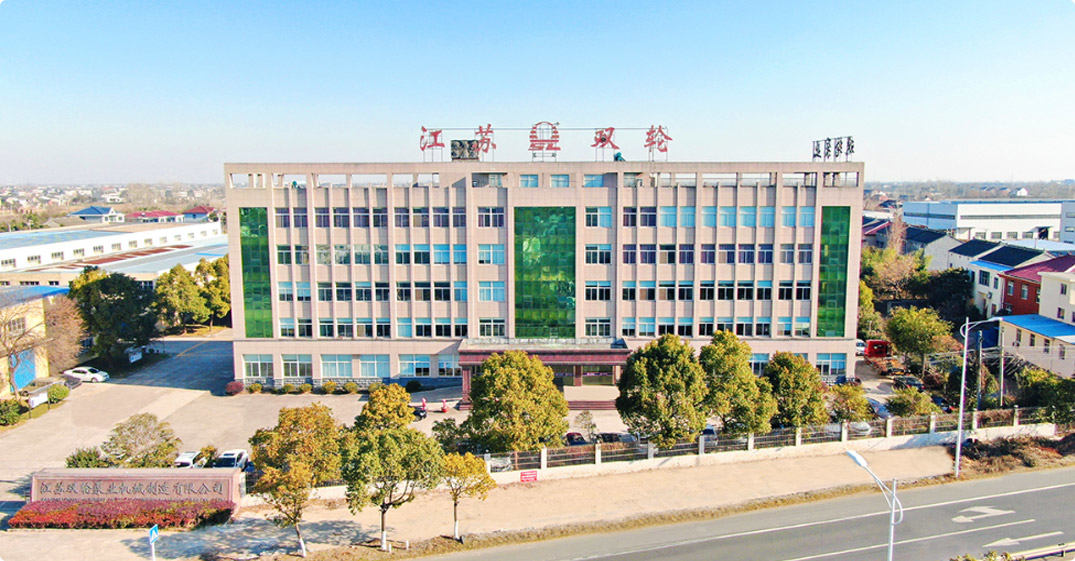
Jiangsu Double-wheel Pump Machinery Manufacting Co.,Ltd.
Jiangsu Double Wheel Pump Machinery Manufacturing Co., Ltd. is China Low Noise Centrifugal Booster Pump Manufacturers and Wholesale Low Noise Centrifugal Booster Pump Factory. The company is located in the scenic Yangtze River bank, Jiangyin Bridge, Beijing-Shanghai Expressway, Shanghai-Nanjing Expressway, Ningtong Expressway, Ningjingyan expressway running through the north and south, the traffic is very convenient, the geographical position is esteemed good. It is a production base specializing in non-sealed self-priming pumps, rain pumps, long-axis liquid pumps, chemical centrifugal pumps, positive displacement pumps and environmental protection equipment and mechanical equipment. The company has two production bases, covering an area of nearly 60,000 square meters, of which the eastern base covers an area of 33,000 square meters, the western base covers an area of 27,000 square meters, six modern production workshops, two installation workshops, a professional test workshop, a variety of mechanical processing equipment more than 160 sets, including a pump comprehensive performance test platform, Can test diameter 32-1200mm, motor power 1.1-1200KW, voltage 380V-10KV of various types of pumps, scientific research, development, manufacturing, processing, promotion, application of its own system. In the past two years, the company has closely followed the national industrial policy, made a big deal about environmental protection, and undertaken a large number of sewage treatment projects, which is unique in the environmental protection industry.
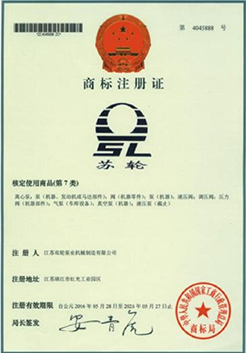
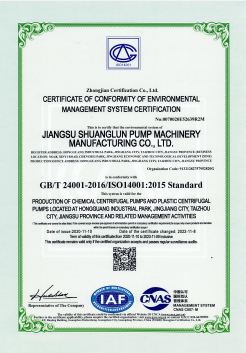
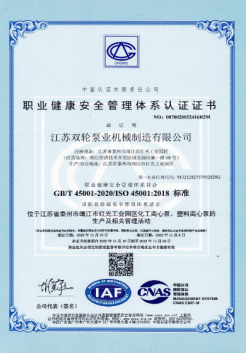
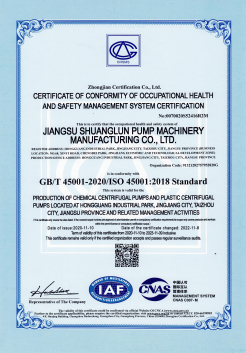
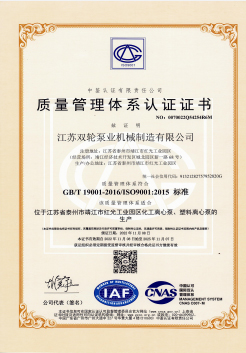
Certificate Of Honor


-
0

Be established in
-
0+

Professional personnel
-
0 million

Registered capital
-
0 ㎡

Plant area
After-Sales Service
Maintenance and Technical Support
Comprehensive lifecycle support for your low noise centrifugal booster pump.
Maintenance and Spare Parts
Keep your quiet pump operating quietly
-
Precision Balanced Impeller Kit: Replacement impeller balanced to ISO 1940 G1.0. Includes key, locknut, and balancing certificate.
-
Low Noise Motor Bearing Kit: Premium grade low-noise bearings (SKF or FAG) with noise certification.
-
Vibration Isolator Set: Replacement spring or rubber vibration isolators for baseplate.
-
Flexible Connector Set: Replacement rubber or stainless steel flexible connectors with flange gaskets.
Professional Technical Support
Expert assistance for quiet pumping systems
-
Noise Analysis Service: We provide acoustic modeling for your mechanical room to predict noise levels in occupied spaces. Recommendations for additional isolation provided.
-
On-Site Vibration Measurement: Our engineers measure pump vibration (ISO 10816-3) and recommend balancing or isolation improvements.
-
Enclosure Retrofit Service: We design and install acoustical enclosures for existing pumps. Field survey and custom fabrication.
-
Operator Training: We train building maintenance staff on proper operation of VFDs, pressure setpoints, and noise monitoring.


+86-0523- 84351 090 /+86-180 0142 8659


Welcome To
Jiangsu Double-Wheel Pump
Add 1: Hongguang Industrial Park, Jingjiang City, Jiangsu Province, China
Add 2: No.68, Xinyi Road, Industrial Park, Jingjiang City, Jiangsu Province, China
Contact
-
Tel:
+86-0523- 84351 090
+86-180 0142 8659 -
FAX:
+0523-8435 5588
- E-mail: