language
  русский
 عربى
عربى Indonesia
Non-Sealed Automatic Self-Priming Pump Wholesale


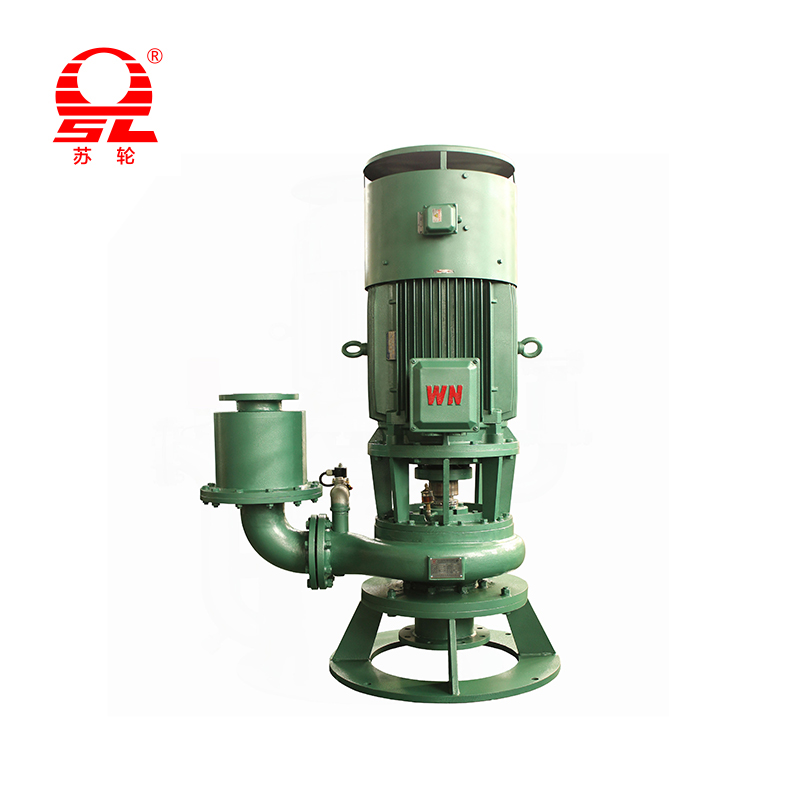
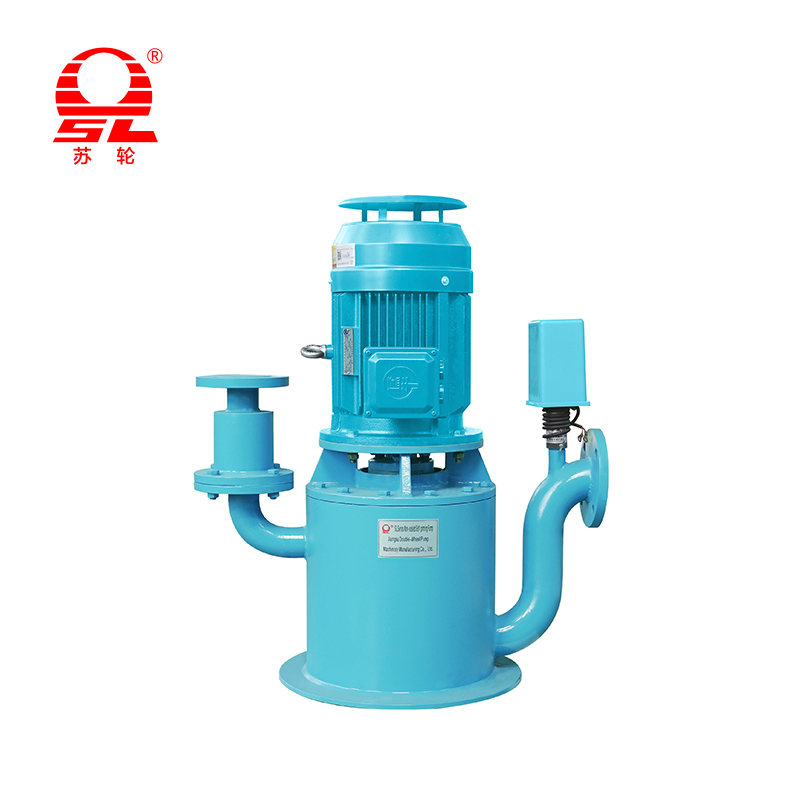


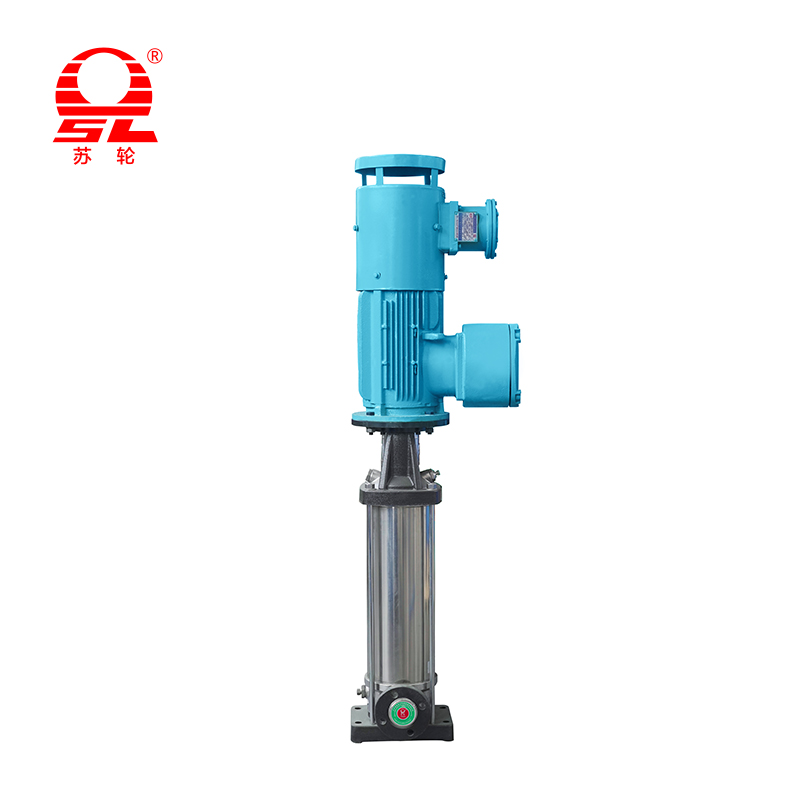
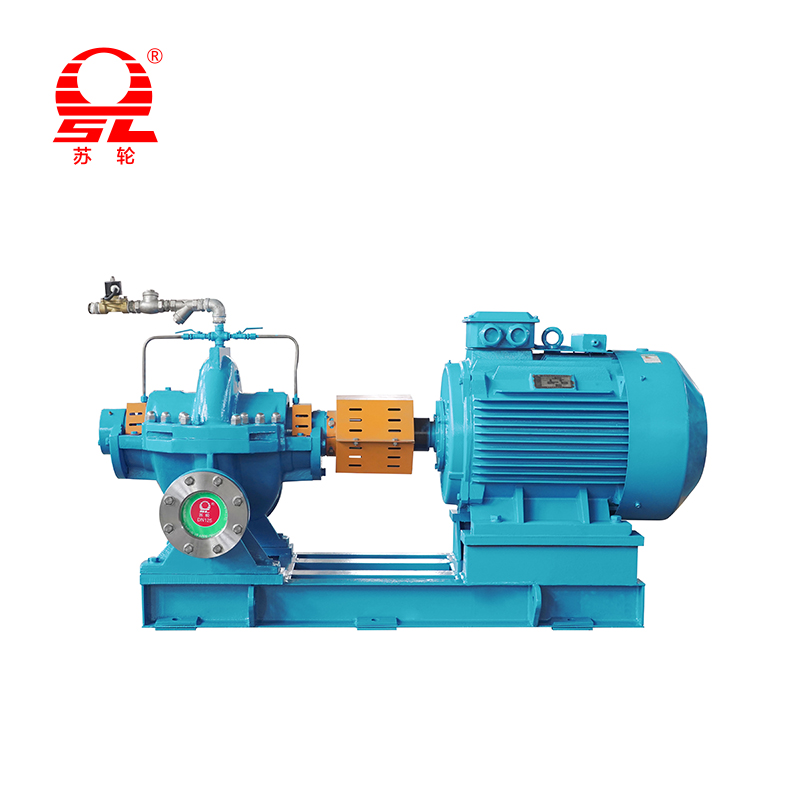
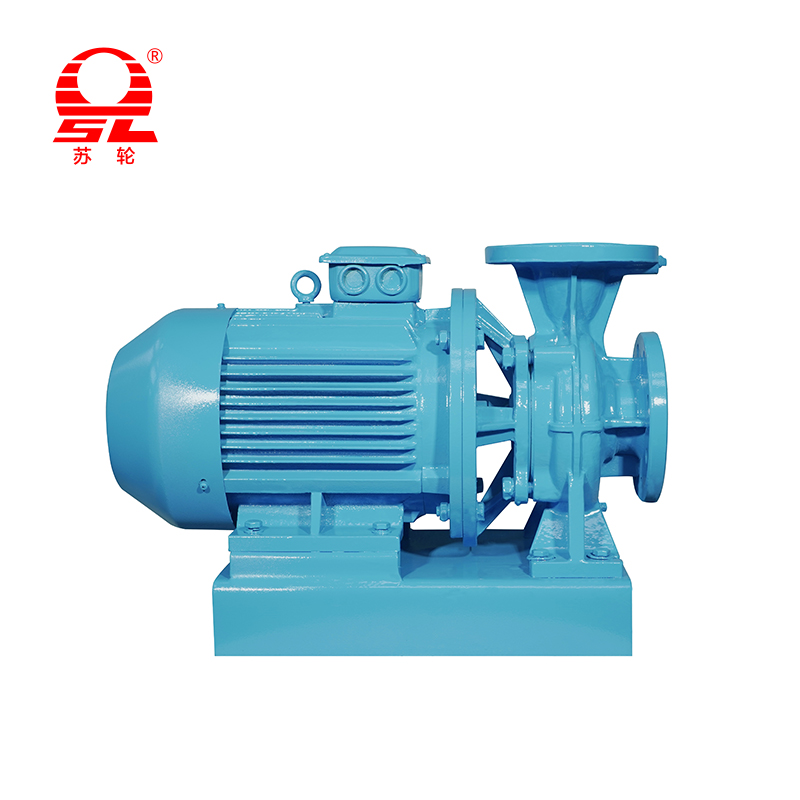


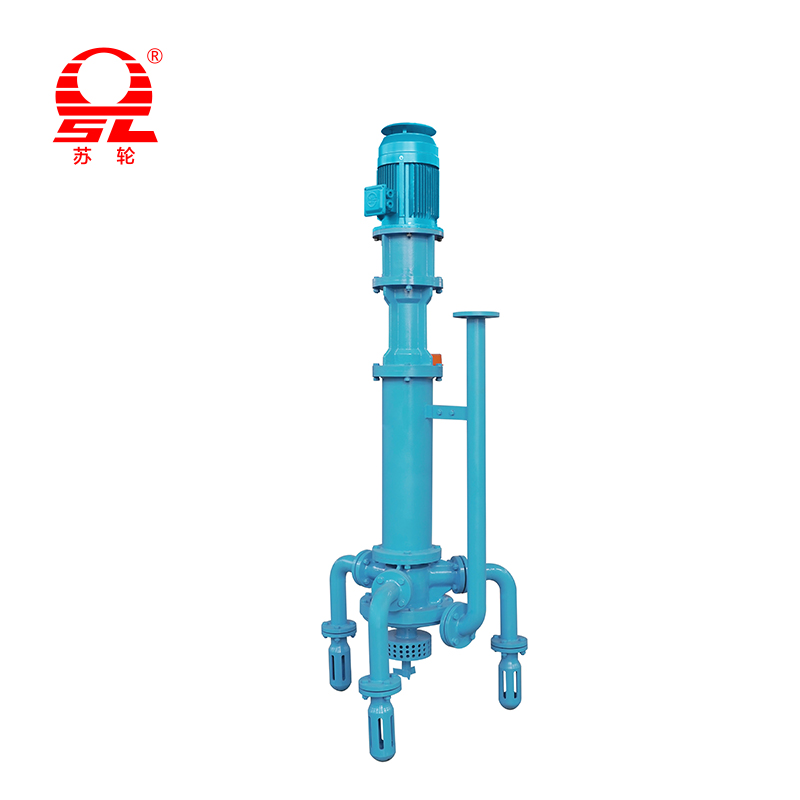

Zero Leakage
Auto Self-Priming
ISO 9001:2015
CE Certified
PLC / SCADA Ready
Non-Sealed Automatic Self-Priming Pump
The WFB series permanently eliminates mechanical seals — the root cause of over 80% of industrial pump failures. Built on a proven vacuum-principle architecture, it delivers leak-free, auto-priming fluid handling for corrosive, volatile, and high-value liquids across the world's most demanding process environments. One fill. Zero seals. Decades of reliability.
Product Introduction
Engineered for Zero Leakage, Built for Decades of Service
A comprehensive look at the engineering principles, material science, and smart-control technology behind the WFB Non-Sealed Automatic Self-Priming Pump series.
The Non-Sealed Automatic Self-Priming Pump is a transformative evolution in industrial fluid-handling technology. Where conventional centrifugal pumps rely on mechanical shaft seals or packing glands to prevent leakage, the WFB series fundamentally eliminates this structural vulnerability by adopting a vacuum-enclosed, seal-free architecture. The result is a pump that cannot leak by design — not by maintenance alone — making it the definitive standard for handling corrosive acids, volatile solvents, flammable liquids, and high-value process fluids in chemical, petrochemical, pharmaceutical, and municipal environments worldwide.
At the heart of the WFB series is a patented liquid-ring vacuum self-priming mechanism. During commissioning, the operator fills the pump chamber once with the working liquid. From that point forward, a dedicated separation chamber retains a permanent liquid reserve. When the pump starts — whether after ten minutes of downtime or ten weeks — the rotating impeller immediately draws a partial vacuum in the suction line, lifting fluid from the source without any manual priming, foot valves, or ejector devices. This "once-filled, perpetually primed" principle is what gives the WFB series its unique operational advantage in automated, remotely operated, or continuously cycling facilities.
From a metallurgical standpoint, every WFB pump begins as a precision casting verified through ultrasonic and dye-penetrant inspection. We collaborate with the Fluid Technology Research Center of Jiangsu University to model and validate each impeller geometry using computational fluid dynamics (CFD), ensuring maximum hydraulic efficiency with minimum turbulence-induced wear. Material selection is equally rigorous: pump bodies are available in SS304, SS316L, Duplex 2205 stainless steel, Fiberglass Reinforced Polypropylene (FRPP), PVDF, and Titanium alloy (Grade 2 / Grade 12), covering the full spectrum of chemical compatibility from mild alkaline solutions to fuming nitric acid and concentrated sulfuric acid.
The thermal envelope of the WFB series spans −20 °C to +150 °C, with high-temperature variants reaching 180 °C using graphite-impregnated PTFE gaskets and heat-resistant bearing housings. This wide operating range allows a single platform to serve cryogenic brine systems in food processing, ambient-temperature reagent transfer in laboratories, and high-temperature hot oil circulation in refinery units — without requiring different pump families.
Intelligent automation is a standard feature, not an optional upgrade. Each pump can be paired with our Electrical Automatic Control System (EACS) module, which interfaces with industry-standard PLC protocols (Modbus RTU/TCP, PROFIBUS, EtherNet/IP). The EACS continuously monitors suction pressure, discharge pressure, motor current, bearing temperature, and flow rate. If pre-cavitation conditions are detected, the system automatically reduces motor speed via the integrated variable-frequency drive (VFD) to protect the impeller and prevent surge damage. Real-time data is streamed to SCADA dashboards, enabling predictive maintenance scheduling before any failure occurs.
Energy efficiency is embedded into the WFB design philosophy. Our CFD-optimized impeller hydraulics reduce recirculation losses by up to 18% compared to legacy self-priming designs, translating directly into lower kilowatt-hour consumption per cubic meter of fluid delivered. For large-scale installations handling thousands of cubic meters daily, this efficiency gain produces measurable reductions in annual electricity cost and carbon footprint — supporting industrial users in meeting increasingly stringent ESG and energy-efficiency mandates.
The WFB series is manufactured under a ISO 9001:2015 quality management framework and carries CE conformity marking for the European market. Each unit undergoes a full hydrostatic pressure test at 1.5× rated pressure, a no-load vibration and noise check, and a performance curve validation at the factory before shipment. Every pump is shipped with a comprehensive documentation package: curve charts, material test certificates (MTC), dimensional drawings, operation and maintenance manual, and a CE declaration of conformity — eliminating paperwork bottlenecks for import customs clearance.
In summary, the Non-Sealed Automatic Self-Priming Pump WFB series delivers an integrated answer to the four greatest challenges in industrial pumping: leakage elimination, priming reliability, chemical compatibility, and smart-factory integration. It is not merely a component — it is a productivity asset that pays for itself through reduced seal replacement costs, eliminated environmental cleanup liability, minimized unplanned downtime, and the operational confidence that comes from running a genuinely maintenance-light system at the core of your most critical processes.
Seal-free vacuum architecture -- zero leak-point design
Once-filled, always-primed liquid-ring mechanism
CFD-validated impeller by Jiangsu University FTR Center
Modbus / PROFIBUS / EtherNet/IP smart integration
SS304 / SS316L / Duplex / FRPP / PVDF / Titanium Grade 2
Operating range −20 °C to +150 °C (HT variant: +180 °C)
ISO 9001:2015 certified; CE marked; factory hydrostatic tested
Up to 18% lower energy consumption vs. legacy self-priming pumps
Technical Data
Technical Specifications
Comprehensive performance parameters across the full WFB Non-Sealed Automatic Self-Priming Pump series — from compact laboratory units to large-scale industrial installations.
| Parameter | Specification |
|---|---|
Max Suction Lift | 4.0 – 8.0 m (fluid- and altitude-dependent) |
Flow Rate Range | 10 m³/h – 1,200 m³/h |
Total Head Range | 10 m – 150 m |
Inlet / Outlet Diameter | DN 32 mm – DN 600 mm |
Motor Power Range | 1.1 kW – 800 kW |
Supply Voltage | 380 V / 6 kV / 10 kV (50 Hz / 60 Hz) |
Rated Speed | 960 – 2,950 rpm (VFD adjustable) |
Wetted Material Options | SS304, SS316L, Duplex 2205, FRPP, PVDF, Titanium Gr.2 / Gr.12 |
Operating Temperature | −20 °C to +150 °C (HT option: +180 °C) |
Max Working Pressure | Up to 1.6 MPa (PN16); PN25 on request |
Seal Type | None — vacuum-principle, seal-free design |
Impeller Type | Closed / Semi-open (solids-handling option) |
Flange Standard | GB / DIN / ANSI / JIS (customizable) |
Explosion-Proof Option | Ex d IIB T4 / Ex d IIC T4 (ATEX / IECEx) |
Noise Level | ≤ 80 dB(A) at 1 m distance under rated load |
Certifications | ISO 9001:2015 · CE · ATEX (optional) · RoHS |
Why Choose WFB
Core Advantages
Eight engineering pillars that make the WFB Non-Sealed Automatic Self-Priming Pump the most reliable, cost-effective, and future-ready pumping platform on the market today.
Zero Leakage by Architecture
Unlike pumps that rely on seals to prevent leakage, the WFB eliminates the seal entirely. A vacuum-enclosed fluid path means there is literally no pathway for liquid to escape, guaranteeing 100% containment of hazardous, precious, and environmentally sensitive fluids — not just in new condition, but throughout the pump's entire service life.
True Automatic Self-Priming
The liquid-ring separation chamber retains working liquid between cycles. At every start — after hours, days, or weeks of downtime — the pump instantly achieves its rated suction lift without operator intervention, foot valves, or external ejectors. This "once-added, always-primed" behavior is indispensable for automated and remote installations.
Dramatically Lower Maintenance
No mechanical seals means no seal face wear, no seal water consumption, no packing replacement, and no gland leakage monitoring. Routine maintenance is reduced to periodic bearing lubrication every 3,000–5,000 hours. Studies across WFB installations confirm an average 40% reduction in maintenance labor time and a 60% reduction in unplanned downtime events.
Industry 4.0 Smart Integration
The EACS control module supports Modbus RTU/TCP, PROFIBUS-DP, and EtherNet/IP protocols, allowing direct connection to any modern PLC or DCS. Real-time monitoring of pressure, flow, current, temperature, and vibration enables predictive maintenance algorithms and supports fully unmanned plant operation goals.
Extreme Chemical & Thermal Resistance
With material options spanning standard SS304 all the way to Titanium Grade 12 and PVDF, the WFB series covers every industrial fluid category: inorganic acids, organic solvents, oxidizers, brines, alkaline solutions, and hydrocarbon mixtures. Temperature tolerance from −20 °C to +180 °C means a single pump platform serves cryogenic, ambient, and high-temperature applications.
Energy-Efficient Hydraulic Design
CFD-optimized impeller profiles developed with Jiangsu University's Fluid Technology Research Center minimize recirculation losses and hydraulic turbulence. The result is up to 18% lower specific energy consumption compared to previous-generation self-priming designs — reducing operating costs and carbon emissions simultaneously.
Wide Flow & Head Coverage
A single WFB product family spans 10 m³/h to 1,200 m³/h flow and 10 m to 150 m head — covering everything from small reagent dosing systems to large cooling water and flood-control installations. This eliminates the need to manage multiple pump platform types in your spare parts inventory.
Export-Grade Quality & Global Compliance
ISO 9001:2015 certified manufacturing, CE marking for Europe, optional ATEX/IECEx explosion-proof certification, and flange options in GB / DIN / ANSI / JIS standards mean WFB pumps integrate seamlessly into projects on every continent — backed by full material traceability and factory test documentation.
Use Cases
Primary Applications
Trusted across eight of the world's most demanding process industries for mission-critical fluid handling — where leakage is not an option and uptime is non-negotiable.
Chemical Processing
Safe transfer of concentrated acids (HCl, H₂SO₄, HNO₃), alkalis (NaOH, KOH), and volatile chemical reagents. The zero-leak architecture eliminates operator exposure risk and environmental liability. FRPP and Titanium variants handle even fuming and oxidizing media.
Petrochemical and Refinery
Handling crude oil derivatives, naphtha, benzene, and oil-water emulsions in upstream and downstream refinery stages. Explosion-proof ATEX-certified versions available for Zone 1 and Zone 2 classified areas.
Pharmaceutical and Fine Chemicals
GMP-compatible SS316L polished-interior versions for transferring solvents, APIs, and sterile liquids. Zero contamination risk from seal materials; full CIP/SIP compatibility for hygienic process requirements.
Municipal Water and Drainage
Integrated into urban rainwater drainage networks, sewage lift stations, and flood-control pump stations where automatic restart after dry periods is critical. High flow variants handle up to 1,200 m³/h for large-scale infrastructure projects.
Power Generation
Condensate recovery, cooling tower make-up water, boiler feed pre-treatment, and chemical dosing in thermal, gas-fired, and nuclear power facilities. Wide temperature range covers both low-temperature condensate and high-temperature recirculation duties.
Mining and Metallurgy
Transferring acidic mine drainage, abrasive slurries, and recycled process water in smelting, leaching, and hydrometallurgical operations. Semi-open impeller option handles small solid particles without blockage.
Environmental and Wastewater
Large-scale industrial effluent treatment plants, leachate transfer at landfills, and heavy-metal wastewater reclamation. Corrosion-resistant materials handle pH extremes from 1 to 14 across the full WFB range.
Food, Beverage and Agriculture
Hygienic liquid transfer, irrigation pumping from open channels, and fertilizer solution dosing. Stainless-steel variants comply with food-grade material requirements; self-priming feature handles variable water table levels in agricultural settings.
Head-to-Head
Performance Comparison
A detailed, feature-by-feature comparison of the WFB Non-Sealed Automatic Self-Priming Pump against conventional mechanical-seal centrifugal pumps and standard self-priming pumps with seals.
| Feature / Criteria | WFB Non-Sealed Pump | Standard Sealed Centrifugal | Sealed Self-Priming Pump |
|---|---|---|---|
| Leakage Risk | Zero — no seal pathway exists | High over pump lifecycle | Moderate — seal ages with use |
| Priming Requirement | One-time fill only — auto thereafter | Manual priming at every start | Auto-priming (but seal still present) |
| Seal Replacement Cost | None — no seals to replace | High — every 3,000–8,000 hrs | High — identical to standard pump |
| Dry-Run Tolerance | Short-term dry run without seal damage | Instant seal face destruction | Seal destroyed immediately |
| Hazardous Fluid Safety | Maximum — no emission path | Risk at every seal wear stage | Risk equivalent to standard pump |
| Maintenance Interval | 3,000–5,000 hrs (bearing lube only) | 500–2,000 hrs (seal + packing) | 500–2,000 hrs (same as above) |
| Smart / PLC Integration | Native EACS module — Modbus / EIP | Aftermarket retrofit only | Limited / aftermarket only |
| Energy Efficiency | CFD-optimized; up to 18% saving | Standard hydraulic efficiency | Lower — re-circulation losses |
| Chemical Compatibility Range | Full — pH 1–14, from SS to Titanium | Limited by seal elastomer choice | Limited by seal elastomer choice |
| ATEX Explosion-Proof Option | Available — Ex d IIB/IIC T4 | Available (standard models) | Limited availability |
Expert Tips
Usage Tips and Best Practices
Maximize the performance, efficiency, and service life of your WFB Non-Sealed Automatic Self-Priming Pump with these field-proven recommendations from our engineering team.
1
Initial Commissioning Fill
Fill the pump chamber and suction pipe completely with the working liquid before the very first start. Ensure all air is purged through the vent plug at the top of the casing. After this one-time procedure, the internal vacuum-retention chamber takes over — no further manual priming is ever required. Attempting to start the pump dry on first use will prevent vacuum formation and extend the priming cycle unnecessarily.
2
Suction Pipe Design Rules
Use suction pipes equal to or one size larger than the pump inlet diameter. Keep suction pipe runs as short and straight as possible. Each 90° elbow adds approximately 1.0–1.5 m of equivalent pipe resistance, directly reducing available suction lift. Install an eccentric reducer (flat side up) at the pump inlet to prevent air pockets. Do not use foot valves — they are unnecessary and add resistance.
3
Bearing Lubrication Protocol
Grease external rolling bearings every 3,000 hours (light duty) to 5,000 hours (normal duty) using a high-temperature lithium-complex grease (NLGI Grade 2). Inject grease slowly while the pump is running at low speed to allow even distribution. Over-lubrication causes as much bearing damage as under-lubrication — use a measured grease gun rather than a bulk grease pump.
4
Cavitation Prevention
Always verify that your available Net Positive Suction Head (NPSHa) exceeds the pump's required NPSHr by a margin of at least 0.5 m (recommended: 1.0 m for hot or volatile liquids). Cavitation manifests as rattling noise, vibration, and rapid impeller erosion. The EACS control module can trigger a pre-cavitation alert by monitoring inlet pressure drop and motor current signature changes before damage occurs.
5
Correct Material Selection
For strong inorganic acids (HCl >20%, H₂SO₄, HNO₃): select FRPP or Titanium Grade 2. For alkalis and bleach: SS316L or PVDF. For organic solvents: SS316L with PTFE gaskets. For mixed acid/solvent at high temperature: Titanium Grade 12 or Hastelloy C276 (custom order). Download our chemical compatibility chart from the product page or contact our application engineers for site-specific confirmation.
6
VFD Speed Control Benefits
Pairing the WFB pump with a Variable Frequency Drive (VFD) allows flow control by speed rather than throttle valve, reducing energy consumption by 20–50% at partial loads (Affinity Law: power ∝ speed³). A VFD also provides soft-start capability, eliminating water hammer and reducing mechanical stress at startup — particularly important in long discharge pipe systems.
7
Long-Term Storage and Seasonal Shutdown
For shutdowns exceeding 30 days, flush the pump with clean water, then drain all liquid from the casing. In freezing climates (below 0 °C), open the drain plug on the lowest point of the casing to prevent cracking. Leave the vacuum chamber sealed. Apply a light rust-preventive oil to the shaft stub. Store with a moisture-absorbing desiccant bag inside the motor terminal box in high-humidity environments.
8
Discharge Valve Startup Procedure
For pumps with high static head or long discharge lines, start with the discharge valve approximately 20–30% open. Once the pump reaches rated speed and stable suction lift, gradually open the valve to the operating position. This avoids excessive current draw at startup (motor overload) and prevents water hammer in long pipelines. The EACS module can automate this valve sequencing via a motorized actuator.
FAQ
Frequently Asked Questions
Clear, technical answers to the most common questions buyers and engineers ask about the WFB Non-Sealed Automatic Self-Priming Pump series.
What exactly makes this pump "non-sealed," and why does that matter?
A standard centrifugal pump uses a rotating mechanical seal (or packing gland) around the shaft to prevent liquid from escaping the pump casing. These seals are the number-one source of pump failures and fugitive emissions, accounting for over 80% of unplanned maintenance events. The WFB series uses a vacuum-enclosed design where the liquid is contained by a permanent low-pressure zone rather than a physical seal. This means there is structurally no path for liquid to exit the pump — eliminating both leakage risk and seal replacement cost entirely.
Does the pump need to be manually primed before every start?
No. Only the very first commissioning start requires a manual liquid fill. After that, the internal vacuum-retention separation chamber holds a reserve of liquid permanently between the impeller and the suction inlet. Every subsequent start — whether 30 seconds or 6 months after the previous run — is fully automatic. This is the defining characteristic of the "once-added, always-primed" WFB technology and makes it uniquely suitable for remote, automated, or infrequently operated installations.
What is the actual suction lift the pump can achieve?
At sea level with cold water (20 °C), the WFB series achieves a maximum suction lift of up to 8.0 meters vertical. Actual achievable lift decreases at higher altitude (lower atmospheric pressure), higher liquid temperature (higher vapor pressure), and with more complex suction pipework (more elbows = more friction loss). For applications requiring consistent performance near the maximum lift, contact our engineering team for a site-specific NPSHa calculation using your exact pipe geometry and fluid conditions.
Can the pump run dry without being damaged?
The WFB pump is tolerant of brief dry-running periods during the priming phase (the initial moments of each start when the pump is evacuating the suction line before liquid arrives). This is a key advantage over conventional sealed pumps, where even a few seconds of dry running destroys the seal faces. However, extended continuous dry running (beyond the vacuum priming cycle) is not recommended and will cause impeller and casing wear. The EACS control module can detect a dry-running condition via inlet pressure monitoring and shut down the pump automatically to protect it.
What materials are available, and how do I choose the right one for my chemical?
We offer SS304, SS316L, Duplex 2205, FRPP, PVDF, and Titanium Grade 2 / Grade 12 as standard wetted-path material options. General guidance: SS316L for most mild acids and alkaline solutions; FRPP for hydrochloric acid, dilute sulfuric acid, and most inorganic acids; Titanium for oxidizing acids (nitric, chromic) and high-temperature chloride environments; PVDF for halogens and strong oxidizers; Duplex 2205 for high-chloride and seawater applications. Please send us your chemical name, concentration, temperature, and pH and our team will provide a formal compatibility confirmation and material recommendation.
Is the pump compatible with our factory's PLC or SCADA system?
Yes. The optional Electrical Automatic Control System (EACS) module supports Modbus RTU (RS-485), Modbus TCP (Ethernet), PROFIBUS-DP, and EtherNet/IP protocols — covering Siemens, Allen-Bradley, Mitsubishi, Schneider, and most other major PLC brands. The module transmits real-time data (flow, pressure, current, temperature, vibration) and accepts remote setpoint commands. Full integration support, including Modbus register maps and wiring diagrams, is provided with the unit.
Can the pump handle liquids containing solid particles?
Yes, with the semi-open impeller option. This configuration handles industrial wastewater and slurries containing suspended solids and fibrous particles. Maximum particle size depends on the specific pump model and impeller clearance. For abrasive slurries (mining, dredging), we also offer hardened alloy impeller and casing liners. Specify your solid content (% by weight), particle size distribution, and hardness when enquiring, and we will recommend the appropriate impeller configuration and liner material.
What certifications does the pump carry?
Standard WFB pumps carry ISO 9001:2015 quality certification and CE marking (EU Machinery Directive 2006/42/EC). Optional certifications available on request include ATEX / IECEx explosion-proof certification (Ex d IIB T4 or Ex d IIC T4), CNEX for China, and EAC for Russia and CIS markets. All units ship with a factory hydrostatic test certificate, material test certificates (MTC) for wetted components, and a signed CE Declaration of Conformity for European import documentation.
What is the expected service life and what are the key wear parts?
The pump body, casing, and impeller are designed for over 10,000 hours of continuous service under rated conditions. Because there are no mechanical seals, the main consumable items are: (1) external rolling bearings — replaced at major overhaul (typically 20,000–30,000 hours depending on load); (2) O-ring gaskets — inspected at every annual maintenance; (3) impeller — wear depends heavily on fluid abrasivity. We maintain a comprehensive spare parts inventory and can supply all internal components with 100% dimensional interchangeability to your original equipment.
What is the minimum order quantity, and what are the lead times?
Minimum order quantity is 1 unit — sample testing and evaluation orders are fully supported. Standard-configuration pumps in stock sizes ship within 15–25 business days. Custom builds (non-standard materials, special flange dimensions, ATEX certification, or high-temperature variants) require up to 35–45 business days. For project orders of 10+ units, dedicated production scheduling and expedited dispatch options are available — contact our sales team with your delivery timeline requirements.
Can your pumps replace imported brands from Europe or North America?
Yes. Our R&D program, conducted in collaboration with Jiangsu University's Fluid Technology Research Center, is specifically focused on developing performance-equivalent or superior alternatives to leading international brands. The WFB series is designed to match or exceed DIN EN ISO 9908 and ANSI/HI 1.1 performance standards. We have supplied direct replacement units for projects originally specified with European and American brands in the chemical, mining, and power sectors. Provide us with the original pump's performance curve and we will supply a validated WFB equivalent configuration with full test documentation.
Company
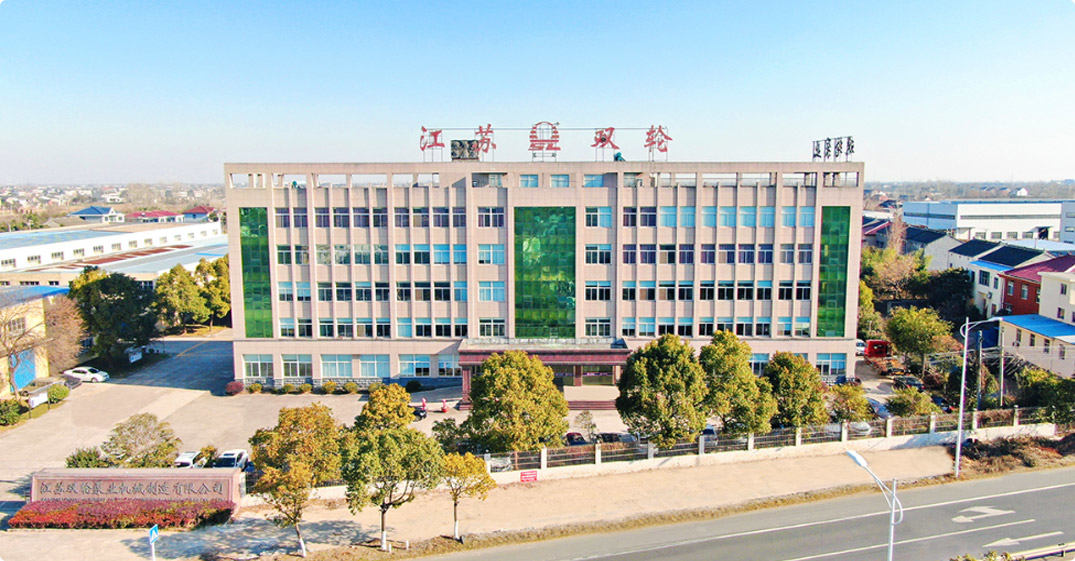
Jiangsu Double-wheel Pump Machinery Manufacting Co.,Ltd.
Jiangsu Double Wheel Pump Machinery Manufacturing Co., Ltd. is China Non-Sealed Automatic Self-Priming Pump Manufacturers and Wholesale Non-Sealed Automatic Self-Priming Pump Factory. The company is located in the scenic Yangtze River bank, Jiangyin Bridge, Beijing-Shanghai Expressway, Shanghai-Nanjing Expressway, Ningtong Expressway, Ningjingyan expressway running through the north and south, the traffic is very convenient, the geographical position is esteemed good. It is a production base specializing in non-sealed self-priming pumps, rain pumps, long-axis liquid pumps, chemical centrifugal pumps, positive displacement pumps and environmental protection equipment and mechanical equipment. The company has two production bases, covering an area of nearly 60,000 square meters, of which the eastern base covers an area of 33,000 square meters, the western base covers an area of 27,000 square meters, six modern production workshops, two installation workshops, a professional test workshop, a variety of mechanical processing equipment more than 160 sets, including a pump comprehensive performance test platform, Can test diameter 32-1200mm, motor power 1.1-1200KW, voltage 380V-10KV of various types of pumps, scientific research, development, manufacturing, processing, promotion, application of its own system. In the past two years, the company has closely followed the national industrial policy, made a big deal about environmental protection, and undertaken a large number of sewage treatment projects, which is unique in the environmental protection industry.
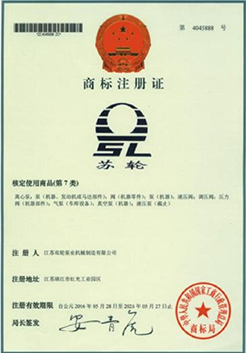
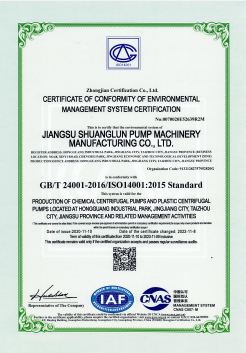
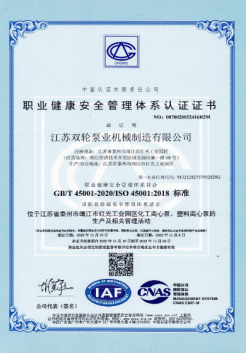
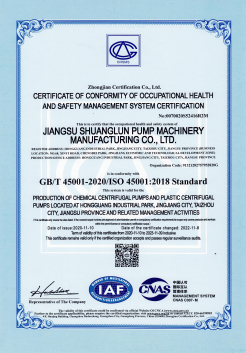
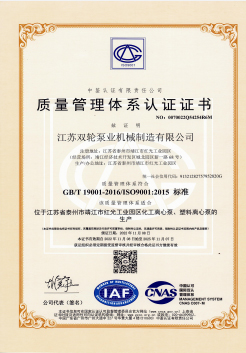
Certificate Of Honor


-
0

Be established in
-
0+

Professional personnel
-
0 million

Registered capital
-
0 ㎡

Plant area
After-Sales Service
Maintenance and Technical Support
Comprehensive lifecycle support — from pre-order selection assistance and factory testing through installation commissioning, long-term spare parts supply, and end-of-life upgrade consultation.
Maintenance and Spare Parts
Designed for minimum Total Cost of Ownership (TCO)
- Seal-Free Maintenance Profile: Elimination of mechanical seals removes the most frequent and costly maintenance task in conventional pump programs. The only scheduled maintenance items are external bearing lubrication and annual gasket inspection — reducing average annual maintenance hours by over 40%.
- Quick-Wear Spare Parts Kit: Each pump ships with a recommended spare parts kit including high-grade fluoroelastomer O-rings, one set of replacement impeller wear rings, and one spare shaft sleeve (where applicable). All components are labeled with part numbers for direct reorder.
- Rear-Pull-Out Casing Design: The WFB rotating assembly can be removed from the rear without disconnecting the suction or discharge piping. This reduces an impeller inspection or replacement job from a half-day operation to under 90 minutes, dramatically reducing downtime during maintenance windows.
- 100% CNC-Machined Interchangeability: All internal components are machined to tight tolerances (typically H7/g6 fit) using CNC turning and milling centers. Any replacement part ordered years after original purchase will fit without hand-fitting or modification.
- Long-Term Spare Parts Commitment: We guarantee availability of all critical spare parts for a minimum of 10 years from purchase date. For project installations, we offer a stocking agreement where agreed spare parts are held at our warehouse and dispatched within 24 hours of notification.
Professional Technical Support
Backed by Jiangsu University Fluid Research Center expertise
- Pre-Purchase Application Engineering: Before you order, our engineers perform a complete system curve analysis — calculating Total Dynamic Head (TDH), NPSHa, pipe friction losses, and operating point — to confirm the selected pump model will operate at its Best Efficiency Point (BEP) in your specific installation.
- Chemical Compatibility Consultation: Submit your fluid composition, concentration, temperature, and any trace contaminants, and our materials team will issue a formal written compatibility recommendation specifying the correct wetted-path material, gasket elastomer, and bearing grease for your application.
- 24/7 Remote Technical Support: For urgent operational issues, our technical team responds within 12 hours via video call, annotated CAD schematics, or detailed written troubleshooting guides. Critical-account customers have access to a dedicated WhatsApp or WeChat engineering support group for real-time assistance.
- Commissioning and Installation Guidance: We provide step-by-step commissioning documentation, installation checklist, first-start procedure video, and pipe stress review. For large projects (10+ units or critical processes), on-site commissioning support by a factory engineer can be arranged at a nominal service fee.
- OEM and ODM Engineering Support: Custom flange dimensions (any ANSI/DIN/JIS/AS standard), non-standard motor configurations (NEMA or IEC frame, special shaft extensions), custom control panel design, and branded private-label options are available for system integrators and OEM equipment builders.


+86-0523- 84351 090 /+86-180 0142 8659


Welcome To
Jiangsu Double-Wheel Pump
Add 1: Hongguang Industrial Park, Jingjiang City, Jiangsu Province, China
Add 2: No.68, Xinyi Road, Industrial Park, Jingjiang City, Jiangsu Province, China
Contact
-
Tel:
+86-0523- 84351 090
+86-180 0142 8659 -
FAX:
+0523-8435 5588
- E-mail: