language
  русский
 عربى
عربى Indonesia
Electrical Automatic Control Pump System Wholesale


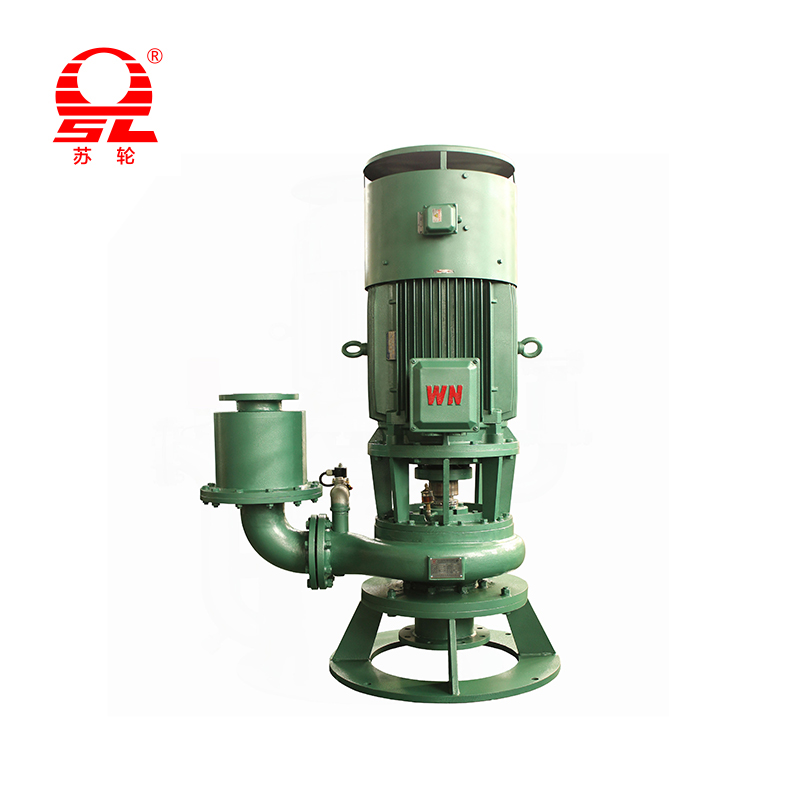
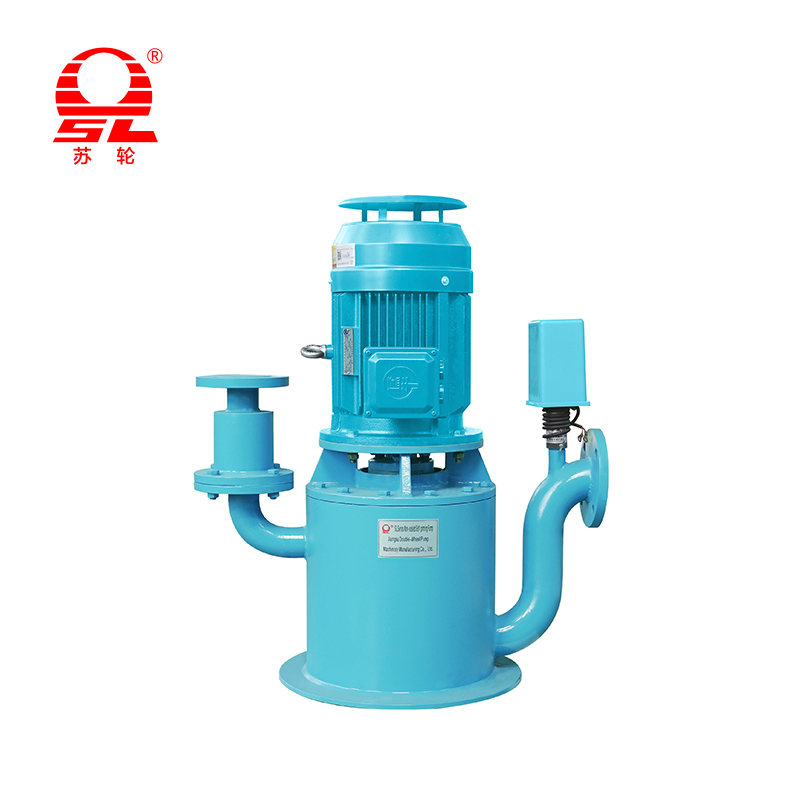


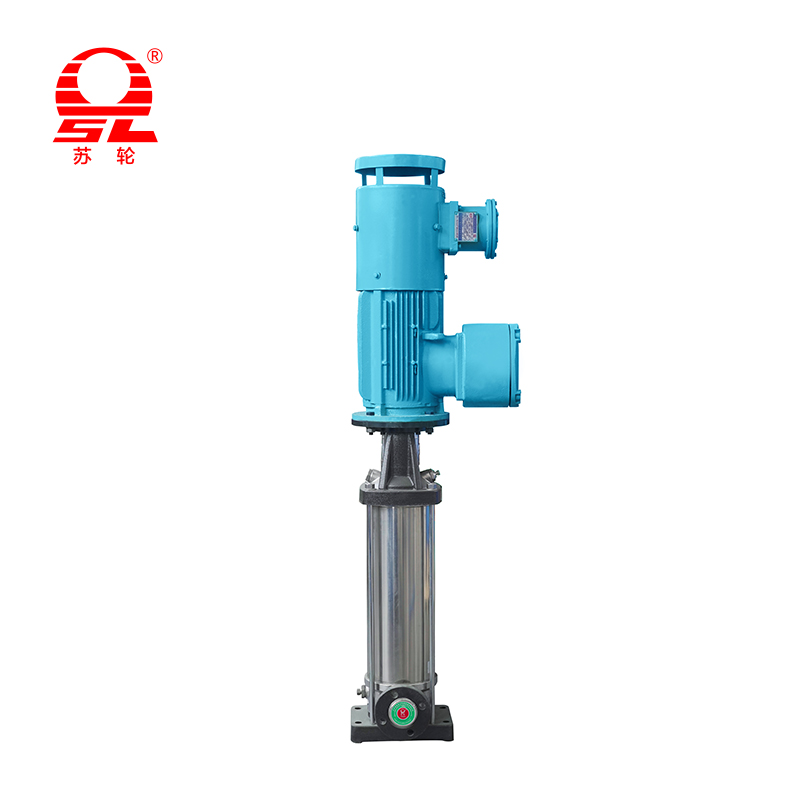
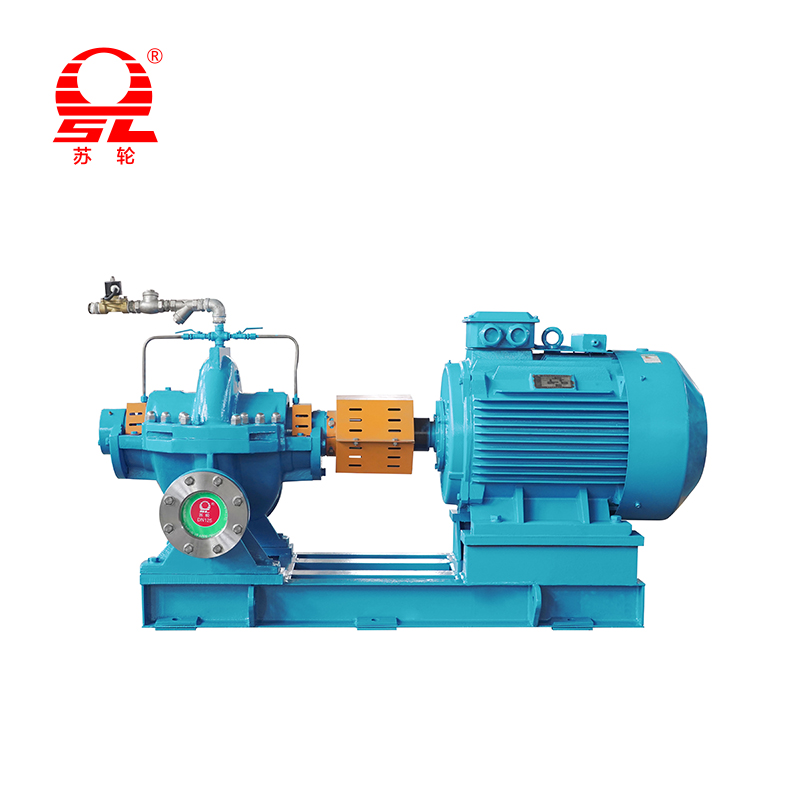
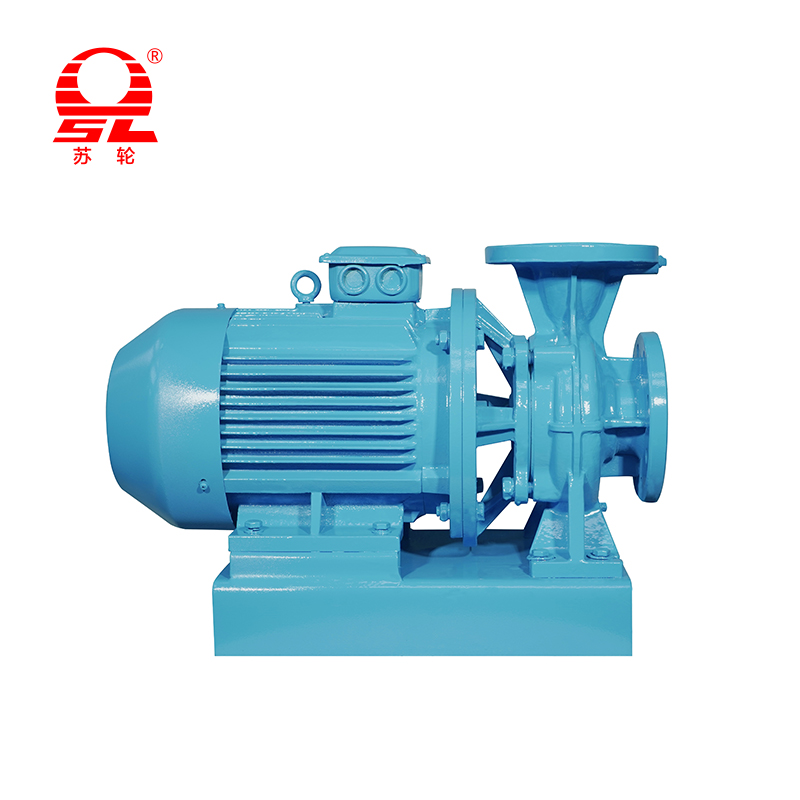


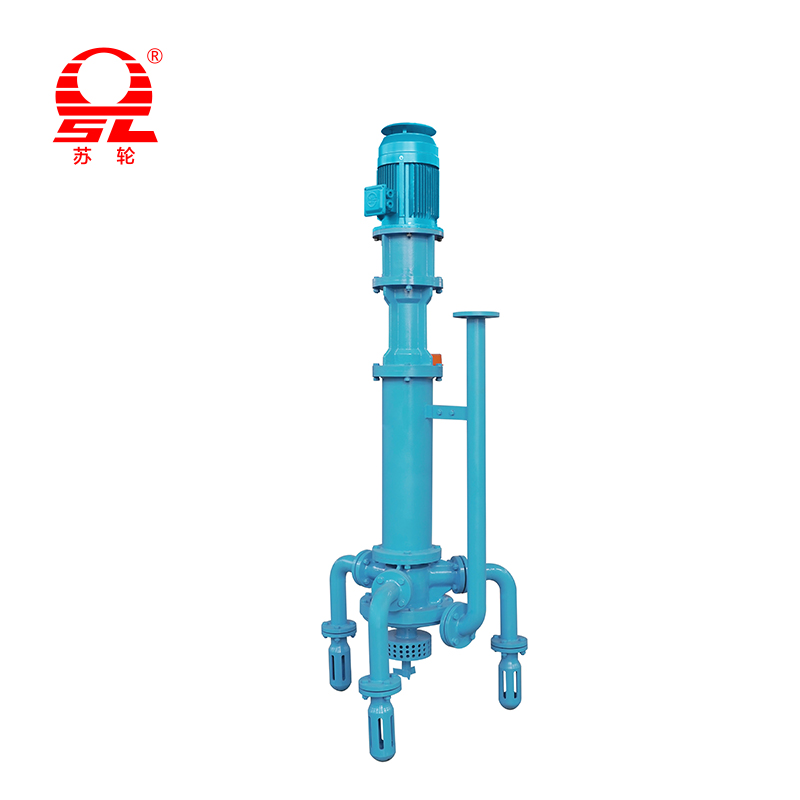

PLC Integrated Real-Time Monitoring SCADA Ready Self-Optimizing Logic
Electrical Automatic Control Pump System
Transform your WFB non-sealed pump into an intelligent Industry 4.0 asset. PLC-based automation, VFD energy savings, remote diagnostics, and full SCADA integration — all in one rugged industrial package.
System Overview
Engineered for Industry 4.0 Pumping
A deep dive into how the Electrical Automatic Control System redefines reliability, efficiency, and intelligence for the WFB series.
The Electrical Automatic Control Pump System is a purpose-built automation layer designed specifically for the WFB non-sealed self-priming pump. Unlike generic pump controllers, this system was developed in parallel with the pump's hydraulic characteristics, ensuring seamless integration between mechanical performance and electronic intelligence. The system continuously samples pressure, flow, temperature, vibration, and motor current at up to 100 Hz, making real-time decisions that protect the pump and optimize energy use.
At the core of the system is a ruggedized industrial PLC (available in Siemens S7-1200, Delta DVP, or Allen-Bradley CompactLogix families). The PLC executes a proprietary adaptive control algorithm that learns the system's dynamic behavior over the first 24 hours of operation. It identifies the pump's best efficiency point (BEP), dead-head pressure, and cavitation margin, then builds an internal performance map. After this learning phase, the system automatically adjusts the VFD output to keep the pump at its optimal operating point, even as tank levels or discharge pressures change.
The control cabinet is built to IP54 or IP65 standards, with forced ventilation and humidity control for high-temperature industrial environments. All internal components are industrial-grade, rated for operation between -20°C and +70°C. The system includes redundant power supplies (AC mains + optional battery backup for PLC memory), surge protection on all I/O lines, and isolated analog inputs to prevent ground loop interference. Every control cabinet undergoes a full 48-hour burn-in test before shipping, with all I/O points validated against simulated pump conditions.
Communication with external systems is handled by a multi-protocol gateway that simultaneously supports Modbus RTU (RS485), Modbus TCP/IP, Profibus DP, and Ethernet/IP. This means the pump can report directly to a central SCADA system, a building management system (BMS), or even a cloud-based IoT platform. Alarms are generated locally on the HMI and remotely via email or SMS (optional GSM module). The data logging capability stores up to 1 million events, including starts, stops, alarms, setpoint changes, and performance parameters — fully timestamped and exportable as CSV files via USB port.
From an operational perspective, the system supports fully unattended runtime. It can be configured to obey external commands (e.g., start at tank low level, stop at high level), hold a constant discharge pressure, or maintain a fixed flow rate. The best feature, however, is the auto-tune cascade mode for multi-pump stations: when demand increases, the system automatically starts a second pump and synchronizes speeds to maintain optimal efficiency, then shuts down the extra pump when demand drops. This eliminates hunting and reduces wear on start/stop cycles.
Safety features include dry-run prevention (pump stops if suction pressure drops below setpoint for more than 3 seconds), overpressure protection (via bypass valve control or VFD slowdown), overtemperature shutdown (both motor and pump body sensors), and phase loss/imbalance detection on the incoming supply. All safety limits are dual-redundant: software limits in the PLC plus hardware limit relays that operate independently.
For maintenance teams, the system's real value lies in its predictive diagnostics. Instead of waiting for a breakdown, the system tracks long-term trends: rising motor current over months indicates impeller wear or partial clogging; increasing vibration levels point to bearing degradation; longer suction recovery times suggest filter clogging or suction line obstruction. These warnings appear as "attention" alerts before becoming critical alarms, allowing planned maintenance during scheduled downtime. Overall, the Electrical Automatic Control Pump System transforms a simple pump into a connected, data-producing asset that reduces energy use, extends pump life, and lowers total cost of ownership.
PLC-based adaptive control (Siemens/Delta/AB)
Integrated VFD for variable speed operation
7" color HMI touchscreen (local or remote web)
Multi-protocol communication gateway
Predictive diagnostics with trend analysis
Automatic cascade for multi-pump systems
1 million event data logging + USB export
IP54/IP65 cabinets, -20°C to +70°C rated
Control System Data
Technical Specifications
Complete automation hardware and performance parameters for the Electrical Automatic Control System.
| Parameter | Specification |
|---|---|
|
PLC Brand Options
|
Siemens S7-1200 / Delta DVP / Allen-Bradley CompactLogix |
|
Analog Inputs
|
8x 4-20mA (pressure/flow/temp/vibration) |
|
Digital I/O
|
16 DI / 16 DO (relay or transistor) |
|
VFD Power Range
|
1.1 kW - 800 kW, 380V/6KV/10KV |
|
Communication Protocols
|
Modbus RTU, Modbus TCP, Profibus DP, Ethernet/IP |
|
HMI Display
|
7" or 10" color touchscreen, IP66 front panel |
|
Data Logging
|
1M events, 2GB internal + USB export |
|
Enclosure Rating
|
IP54 (standard) / IP65 (optional) |
|
Operating Temp
|
-20°C to +70°C (cabinet interior) |
|
Scan Cycle Time
|
<20 ms typical |
Why Automate
Core Advantages
Six compelling reasons to add intelligent automation to your WFB pumping system.
Energy Optimization
VFD automatically matches pump speed to system demand, reducing energy use by 20-40% compared to constant-speed or throttle-valve control.
Remote Visibility
Monitor pressure, flow, power, and status from any SCADA client or optional web portal. No need to walk to the pump house for routine checks.
Predictive Maintenance
Trend analysis detects impeller wear, bearing degradation, and suction blockage weeks before failure, enabling planned repairs.
Cavitation Protection
Continuous NPSH monitoring prevents cavitation damage. System slows pump or alarms before vapor bubbles form.
Noise Reduction
Soft-start VFD ramping eliminates water hammer and reduces mechanical noise, ideal for residential or sensitive areas.
Compliance Reporting
Logs all events and energy data for ISO 50001, environmental permits, and internal efficiency audits.
Automation Use Cases
Primary Applications
Where intelligent pump control delivers the highest return on investment.
Chemical Dosing Skids
Precise flow control for corrosive additives. PLC maintains ±1% accuracy regardless of tank level changes.
Water Booster Stations
Multi-pump cascade for municipal high-rise buildings. Automatically adds/removes pumps to maintain constant pressure.
Industrial Cooling Loops
VFD controls pump speed based on return temperature, reducing energy waste during low thermal load periods.
Wastewater Lift Stations
PLC triggers pumps based on pit level, alternates lead pump, and sends high-level alarms via GSM modem.
Fire Pump Systems
Weekly auto-test cycles with pressure and flow logging. Remote alarm notification and jockey pump control.
Solar-Powered Irrigation
VFD tracks solar array output, adjusts speed to available power, and auto-restarts after cloud passage.
Automation Impact
Performance Comparison
How an automated WFB pump compares to a conventional manually-controlled pump.
| Feature | WFB + Auto Control System | Conventional Manual Pump |
|---|---|---|
| Energy Efficiency | VFD-matched to load (20-40% savings) | Fixed speed + throttle valve losses |
| Operational Labor | Fully unattended, auto start/stop | Manual priming, valve adjustments |
| Fault Response | <1 second, with specific error code | Operator-dependent, often after failure |
| Data Visibility | Real-time trends, historical logs, remote access | Local gauges only, no history |
| Pump Life Extension | Soft-start, cavitation avoidance, lower vibration | Full-voltage starts, frequent cavitation risk |
| Integration with SCADA | Native Modbus/Ethernet/IP | Requires expensive retrofitted monitors |
Best Practices
Usage Tips and Best Practices
Get the most from your Electrical Automatic Control System with these professional recommendations.
1
Auto-Tune After Installation
Run the system in "learning mode" for the first 24 hours. The PLC will map your system curve and set optimal PID gains automatically.
2
Set Realistic Pressure Bands
For constant pressure mode, allow a ±0.5 bar deadband to prevent VFD hunting. Too tight a band causes rapid speed changes and wear.
3
Use Minimum Speed Limits
Set a VFD minimum speed (typically 20-30 Hz) to avoid poor lubrication or overheating at very low RPMs.
4
Configure Alarm Recipients
For unattended sites, enable email or SMS alerts for critical faults. Test the communication path quarterly.
5
Regular Backup of PLC Program
Export the PLC logic and HMI screens to a USB drive every 6 months. This simplifies recovery after any hardware replacement.
6
Calibrate Sensors Annually
Pressure transmitters and flow meters drift over time. Schedule yearly calibration to maintain control accuracy.
Automation FAQs
Frequently Asked Questions
Quick answers about the Electrical Automatic Control Pump System.
Can I add the automatic control system to an existing WFB pump?
Yes. The control system is designed as a retrofit package. We provide a standalone control panel, sensors (pressure, flow, etc.), and a VFD sized to your motor. Installation takes 1-2 days for a qualified electrician.
Does the system work with my existing SCADA?
Almost certainly. The system speaks Modbus RTU, Modbus TCP, Profibus DP, and Ethernet/IP. It provides a standard register map for pressure, flow, speed, alarms, and control commands.
What happens if the PLC fails?
The system includes a hardwired bypass (manual run mode). An electrician can switch to bypass to run the pump at fixed speed until the PLC module is replaced. Replacement modules ship within 24 hours.
Is training required to operate it?
Basic operation (start/stop, setpoint changes) is intuitive from the HMI touchscreen. Advanced configuration and troubleshooting require a short training (we provide free video tutorials and a detailed manual).
Can the system control multiple pumps?
Yes. The cascade controller handles up to 6 pumps. It automatically starts/stop and synchronizes VFD speeds to maintain setpoint while maximizing efficiency.
How does it protect against dry running?
Combination of suction pressure sensor and pump power monitoring. If either drops below dry-run thresholds for more than 3 seconds, the pump stops and shows "Dry Run Fault".
Is remote access secure?
Yes. Optional 4G VPN gateway with encrypted tunnel, user authentication, and activity logs. We do not store any customer data on our cloud servers.
What is the typical payback period?
Between 6 and 18 months, depending on energy costs and labor savings. The energy savings alone (20-40%) typically cover the investment within two years.
Company
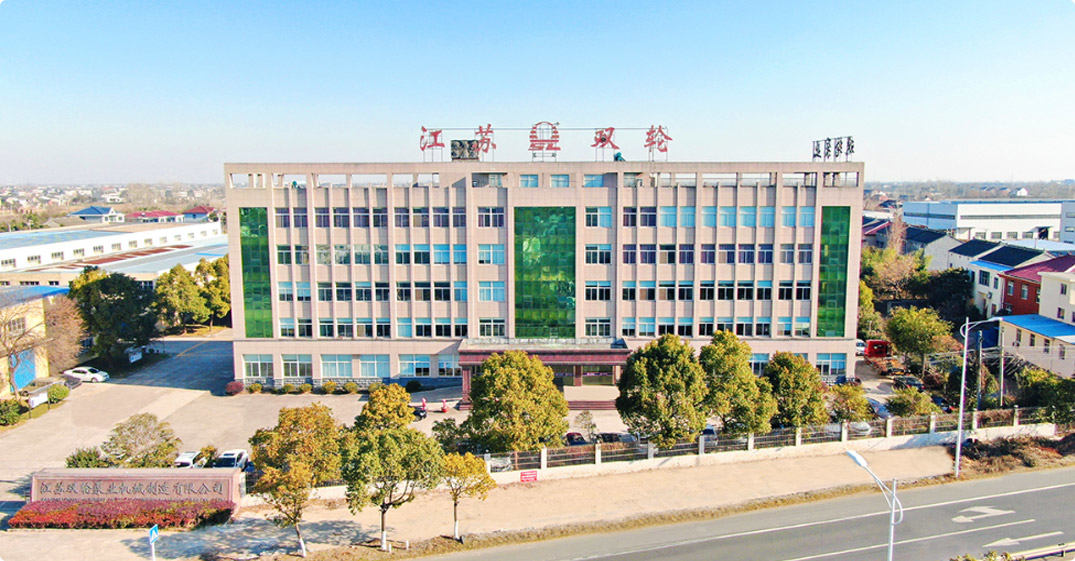
Jiangsu Double-wheel Pump Machinery Manufacting Co.,Ltd.
Jiangsu Double Wheel Pump Machinery Manufacturing Co., Ltd. is China Electrical Automatic Control Pump System Manufacturers and Wholesale Electrical Automatic Control Pump System Factory. The company is located in the scenic Yangtze River bank, Jiangyin Bridge, Beijing-Shanghai Expressway, Shanghai-Nanjing Expressway, Ningtong Expressway, Ningjingyan expressway running through the north and south, the traffic is very convenient, the geographical position is esteemed good. It is a production base specializing in non-sealed self-priming pumps, rain pumps, long-axis liquid pumps, chemical centrifugal pumps, positive displacement pumps and environmental protection equipment and mechanical equipment. The company has two production bases, covering an area of nearly 60,000 square meters, of which the eastern base covers an area of 33,000 square meters, the western base covers an area of 27,000 square meters, six modern production workshops, two installation workshops, a professional test workshop, a variety of mechanical processing equipment more than 160 sets, including a pump comprehensive performance test platform, Can test diameter 32-1200mm, motor power 1.1-1200KW, voltage 380V-10KV of various types of pumps, scientific research, development, manufacturing, processing, promotion, application of its own system. In the past two years, the company has closely followed the national industrial policy, made a big deal about environmental protection, and undertaken a large number of sewage treatment projects, which is unique in the environmental protection industry.
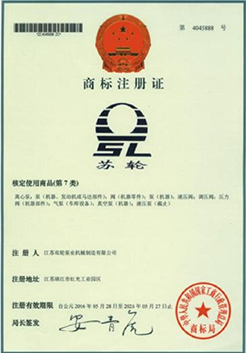
Certificate Of Honor


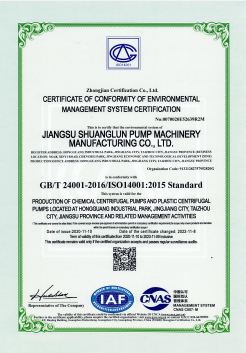
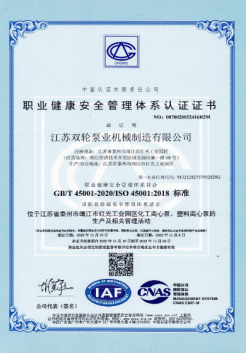
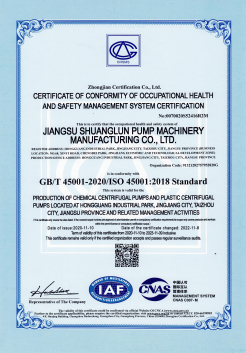
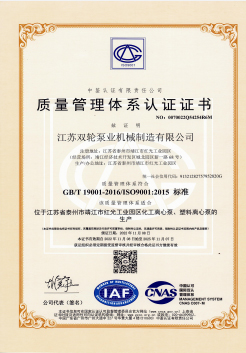
-
0

Be established in
-
0+

Professional personnel
-
0 million

Registered capital
-
0 ㎡

Plant area
Automation Support
Maintenance and Technical Support
Comprehensive lifecycle support for your automated pumping system.
Maintenance & Spare Parts
Keep your automation running
-
Annual Calibration Kit: Includes replacement pressure transmitter, flow sensor, and thermocouple for critical loops.
-
PLC Spares Bundle: Pre-configured backup PLC module for fast swap-out (<15 minutes).
-
HMI Replacement: Same screen size, pre-loaded with your project's screens.
-
Firmware Updates: Released twice per year. Can be applied remotely or via USB.
Technical Support
Expert help when you need it
-
Remote Diagnostics: Secure VPN connection for troubleshooting by our engineers (customer approval required).
-
PLC Logic Review: We can audit your control sequences and suggest optimizations for better efficiency.
-
Integration Assistance: Helpdesk for SCADA engineers to map Modbus registers correctly.
-
On-site Commissioning: Available for large projects (travel & accommodation additional).


+86-0523- 84351 090 /+86-180 0142 8659


Welcome To
Jiangsu Double-Wheel Pump
Add 1: Hongguang Industrial Park, Jingjiang City, Jiangsu Province, China
Add 2: No.68, Xinyi Road, Industrial Park, Jingjiang City, Jiangsu Province, China
Contact
-
Tel:
+86-0523- 84351 090
+86-180 0142 8659 -
FAX:
+0523-8435 5588
- E-mail: