language
  русский
 عربى
عربى Indonesia
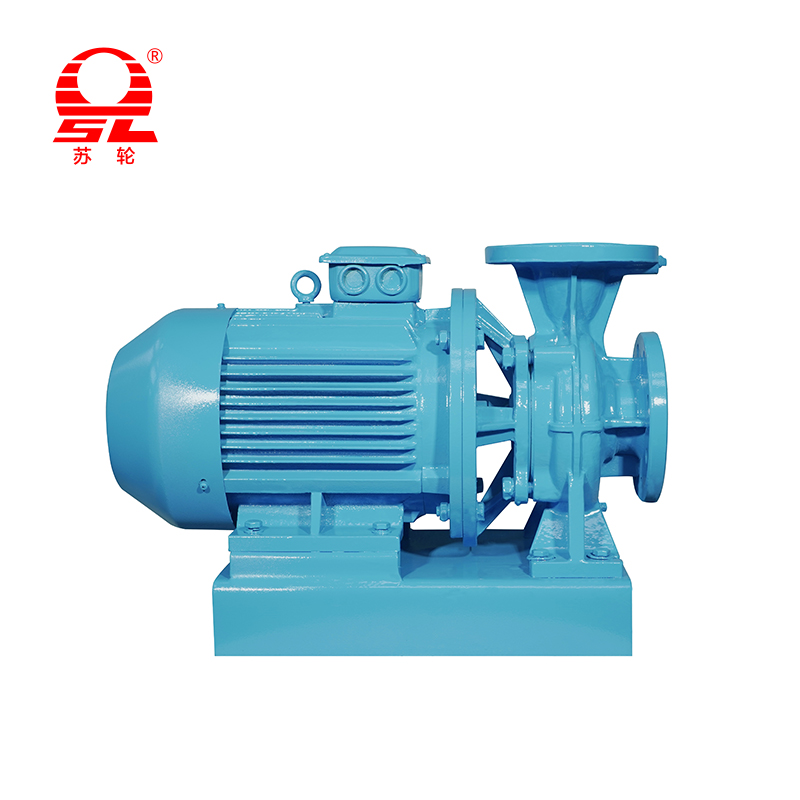
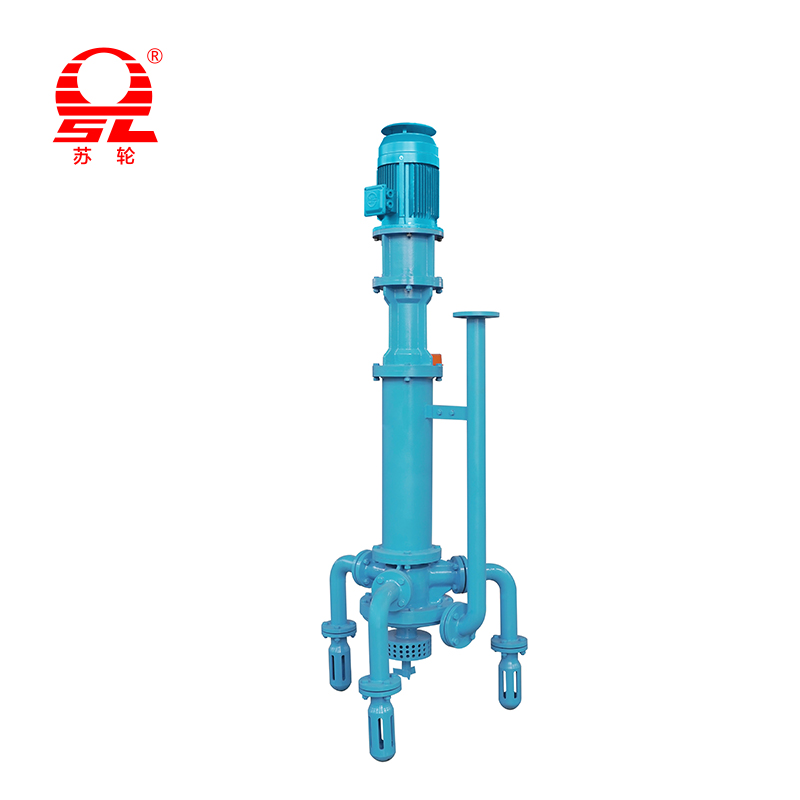
Emergency Flood Control Rain Pump Wholesale


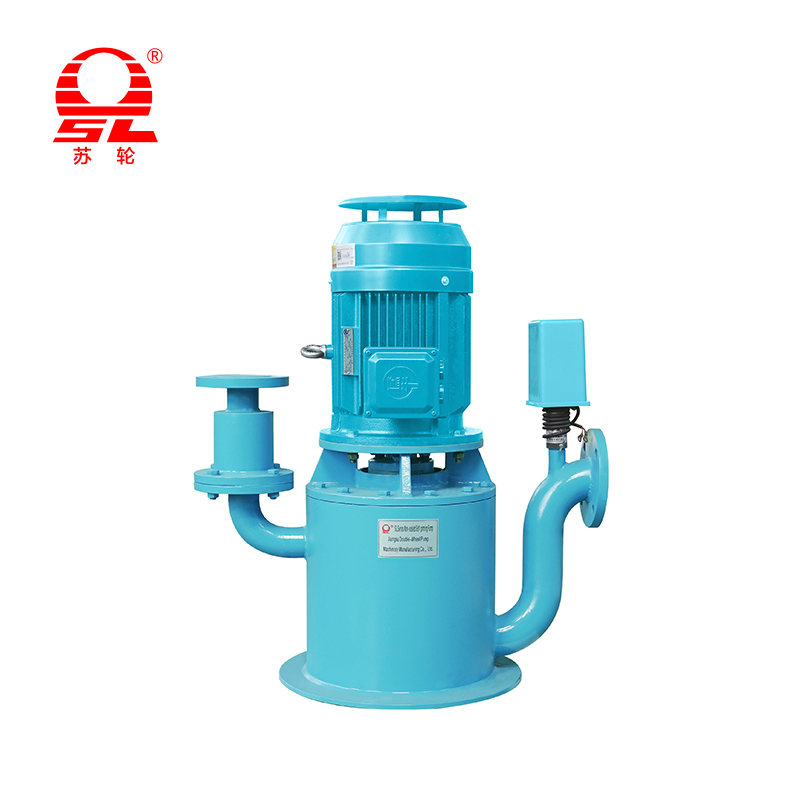

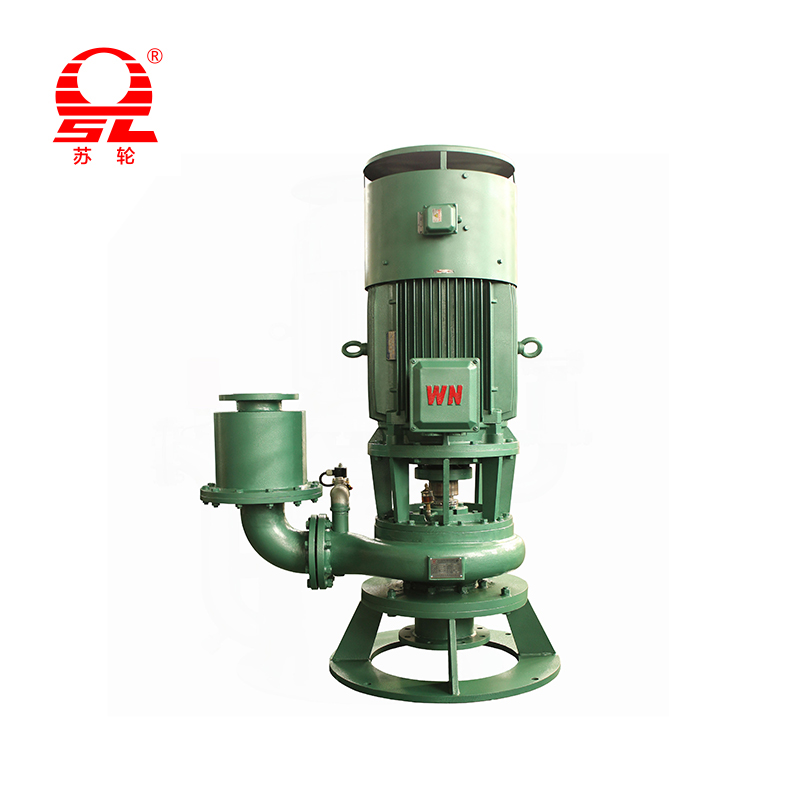

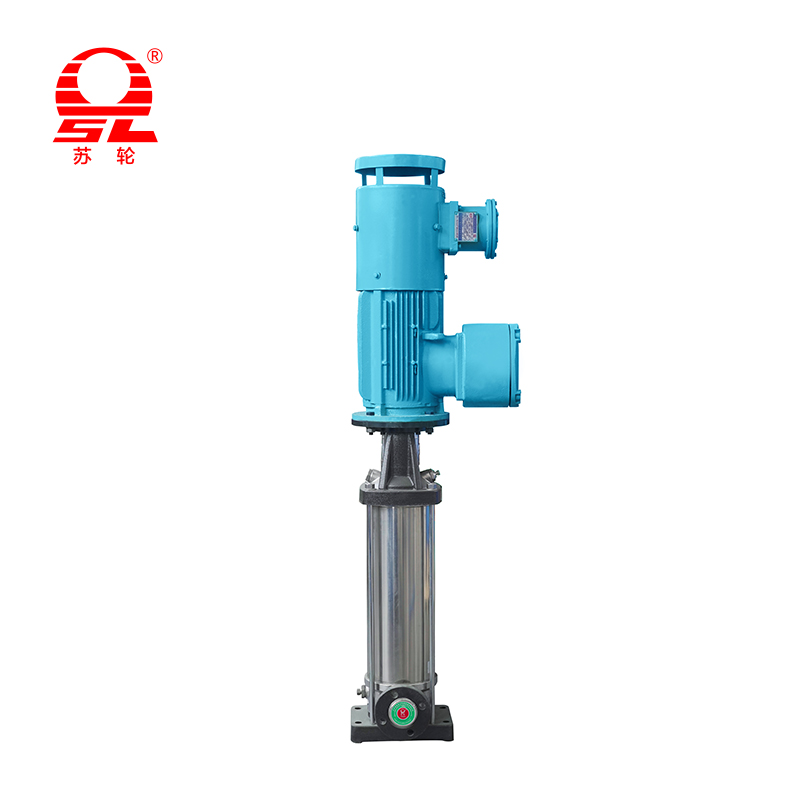
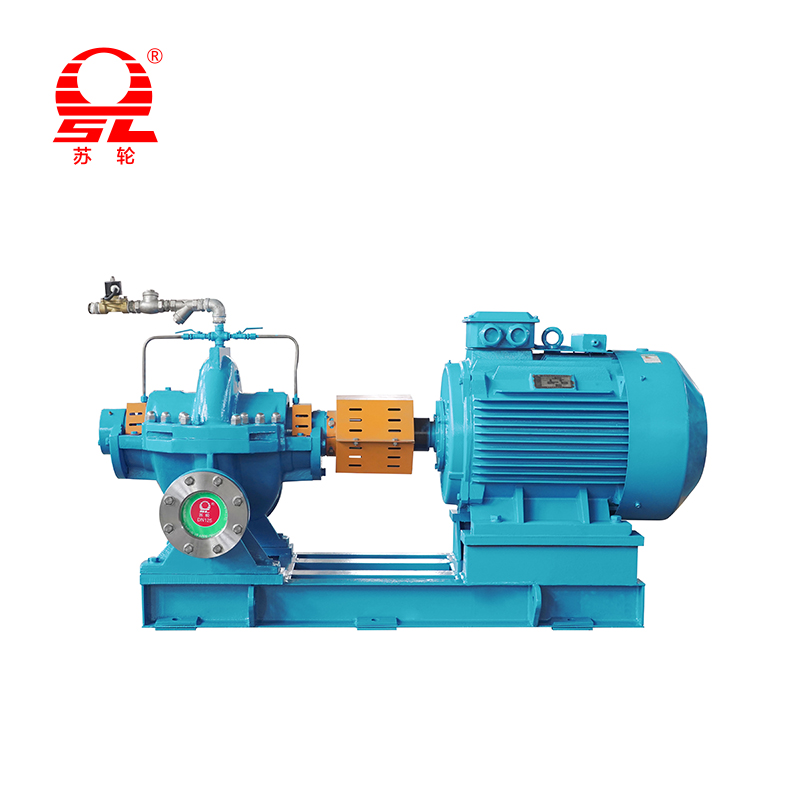



Extreme Rainfall Duty
Up to 10,000 m³/h
Diesel/Electric Drive
NEMA / IEC Certified
Emergency Flood Control Rain Pump
Engineered for rapid deployment and maximum reliability during extreme weather events. High-capacity axial or mixed-flow pumps deliver massive volumes of stormwater to protect critical infrastructure, urban areas, and low-lying regions from catastrophic flooding.
Product Introduction
High-Capacity Stormwater Pumping Technology
A comprehensive examination of the engineering, performance features, and operational capabilities of our emergency flood control rain pump range.
The Emergency Flood Control Rain Pump is purpose-engineered for one of the most critical pumping applications: protecting lives and property from catastrophic flooding during extreme rainfall events. Unlike standard drainage pumps designed for routine operation, flood control pumps must deliver massive volumes of water (up to 10,000 cubic meters per hour or more) on short notice, operate reliably under emergency conditions, and continue running for extended periods (days or weeks) until floodwaters recede. Our pump range is designed specifically for flood control authorities, municipal drainage districts, and critical infrastructure operators.
The pump type is selected based on the head and flow requirements of the specific flood control application. Axial flow (propeller) pumps are ideal for low-head, high-volume applications typical of stormwater pumping stations. These pumps can achieve heads of 3-10 meters with flow rates exceeding 10,000 m³/h, moving massive volumes of water from low-lying areas to rivers or canals. The propeller design features adjustable or fixed blades, with adjustable blades allowing efficiency optimization across varying operating conditions. Mixed flow pumps bridge the gap between axial and centrifugal designs, achieving heads of 10-30 meters with flows up to 8,000 m³/h. These are used when floodwater must be lifted over levees or into higher elevation discharge points. Vertical turbine pumps are used for deep sump applications where the water source is significantly below grade.
The pump drive system is designed for emergency reliability. Electric motor drive is the primary choice for permanent flood control stations with reliable grid power. Motors are high-efficiency IE3 or IE4, totally enclosed fan-cooled (TEFC) or weather-protected Type II (WPII), with space heaters to prevent condensation during long idle periods. For stations with variable flood levels, we offer VFD control to maintain optimal operation across a range of suction conditions. Diesel engine drive is specified for remote stations or as emergency backup when grid power may fail during severe storms. Diesel pumps are equipped with automatic starting systems, fuel tanks sized for 24-72 hours of continuous operation, and remote monitoring for fuel level and engine status.
The pump materials are selected for stormwater service, which typically contains suspended solids (sand, silt, debris) but is not chemically aggressive. Cast iron or ductile iron construction provides strength, abrasion resistance, and corrosion protection at an economical cost. The impeller or propeller is cast in bronze or stainless steel for enhanced erosion resistance where sand or grit is present. The pump shaft is stainless steel (SS410 or SS420) to resist corrosion at the seal and bearing interfaces. For coastal installations subject to saltwater intrusion during storm surge, we specify duplex stainless steel or aluminum bronze for all wetted components.
The sealing system must tolerate operation in debris-laden water while maintaining reliable performance. Stuffing box with split gland packing is the most common and robust solution for flood control pumps, as it tolerates debris, requires minimal maintenance, and can run with some leakage. For higher efficiency and reduced maintenance, we offer mechanical seals with silicon carbide faces, but these require cleaner water and more careful installation. For vertical pumps, we provide line shaft bearings (rubber or bronze) that are water-lubricated by the pumped fluid, eliminating the need for external lubrication.
Pump station design is critical for flood control reliability. The wet well must be sized to provide adequate submergence for the pump(s) and include trash racks or screens to prevent large debris from entering the pump. We provide design guidance for sump geometry to avoid vortex formation (which can cause air ingestion and pump instability). Multiple pump stations typically include 2-6 pumps arranged in parallel, with a lead pump sized for base flow and additional pumps staging on as flood levels rise. Control is automatic based on wet well level sensors (ultrasonic, pressure, or float switches).
Testing and validation are rigorous. Every flood control pump undergoes factory performance testing to ISO 9906 standards, including full flow curve verification (0% to 150% of BEP) and NPSH testing. For diesel-driven pumps, we conduct full-load engine tests with simulated pump loading. All pumps receive a 24-hour continuous run test before shipment to verify reliability. For critical stations, we can provide witnessed factory acceptance testing.
In summary, the Emergency Flood Control Rain Pump delivers the high capacity, rapid response, and continuous-duty reliability essential for protecting communities from flood damage.
Pump types: Axial flow / Mixed flow / Vertical turbine
Flow rates: 500 – 10,000 m³/h
Heads: 3 – 30 meters
Drive options: Electric motor (IE3/IE4) or Diesel engine (Cummins / Perkins / Caterpillar)
Discharge sizes: 300mm – 1,200mm (12" – 48")
Materials: Cast iron / Ductile iron / Bronze / Stainless steel / Duplex (coastal)
Automatic start based on wet well level
24-hour factory run test before shipment
Technical Data
Technical Specifications
Complete performance and dimensional parameters for the emergency flood control rain pump range.
| Parameter | Specification |
|---|---|
Pump Type |
Axial flow (propeller) / Mixed flow / Vertical turbine |
Flow Rate (Q) |
500 – 10,000 m³/h (2,200 – 44,000 US gpm) |
Total Head (H) |
3 – 30 meters (10 – 98 feet) |
Motor Power (Electric) |
30 kW – 800 kW (40 – 1,100 HP) |
Engine Power (Diesel) |
50 kW – 1,000 kW (65 – 1,350 HP) |
Discharge Size (DN) |
300mm – 1,200mm (12" – 48") |
Speed (n) - Electric |
740 / 985 / 1475 RPM (50Hz); 880 / 1180 / 1760 RPM (60Hz) |
Speed (n) - Diesel |
1,000 – 1,800 RPM (variable depending on engine) |
Casing Material |
Cast Iron GG25 / Ductile Iron GGG40 / Cast Steel |
Impeller / Propeller Material |
Cast Iron / Bronze (C95800) / SS316 / Aluminum Bronze |
Fluid Temperature |
0°C to +40°C (stormwater temperature range) |
Solids Handling |
Up to 100mm spherical solids with trash screens |
Why Choose Flood Control Pumps
Core Advantages
Six key engineering benefits that make our emergency flood control rain pump the trusted choice for critical stormwater protection.
Massive Flow Capacity
Single pump capacities up to 10,000 m³/h (2.8 cubic meters per second). For large flood control stations, multiple pumps in parallel achieve total station capacities exceeding 50,000 m³/h. This volume can empty an Olympic swimming pool in less than 3 minutes.
Rapid Emergency Response
Electric pumps start within 5 seconds of receiving the start signal. Diesel pumps with automatic starting systems reach full flow within 30 seconds. No warm-up period required before the pump can handle full load.
Dual Drive Options for Reliability
Choose electric motor drive for lowest operating cost in stations with reliable grid power. Choose diesel engine drive for remote stations or as emergency backup when grid power may fail during severe storms. We also offer dual-drive configurations (electric + diesel) for critical infrastructure.
Remote Monitoring & Control
Full SCADA integration with real-time data: pump status (on/off/standby), flow rate, power consumption (electric) or fuel level (diesel), vibration and bearing temperature, and wet well level. Alarm notifications via SMS or email for fault conditions.
Debris-Tolerant Design
Axial flow pumps feature wide passages that pass debris up to 25% of discharge diameter. Removable trash racks at the pump intake prevent large debris entry while allowing easy cleaning. Wear-resistant bronze propellers resist erosion from sand and silt.
Extended Continuous Duty
Flood events can last for days or weeks. Our pumps are rated for continuous (S1) duty, operating 24 hours per day for the duration of the flood event. Electric motors are Class F insulation with Class B temperature rise. Diesel engines have heavy-duty cooling systems for sustained full-load operation.
Use Cases
Primary Applications
Trusted by flood control authorities, municipalities, and critical infrastructure operators worldwide.
Urban Stormwater Pump Stations
Permanent pump stations protecting low-lying urban areas from river flooding or inadequate drainage capacity. Automatic operation based on rainfall radar or river level forecasts.
Highway & Tunnel Drainage
Pump stations for highway underpasses, tunnels, and sunken roadways that are prone to flash flooding. Rapid-start pumps clear accumulated stormwater within minutes of rain stopping.
Metro & Rail Infrastructure
Flood protection for underground subway stations and rail tunnels. High-reliability pumps prevent water ingress that would disrupt urban transit systems.
Power Plant & Substation Protection
Pumping stations protecting critical electrical infrastructure located in flood-prone areas. Diesel backup ensures operation even during grid power failure.
Agricultural Land Drainage
Large-scale drainage of agricultural land after heavy rainfall, protecting crops from waterlogging and preserving the growing season.
Mine Site Dewatering (Emergency)
Emergency pumps for open-pit mines threatened by flash floods or excessive rainfall, preventing flooding of active mining areas.
Head-to-Head
Flood Pump Technology Comparison
A detailed comparison of axial flow, mixed flow, and centrifugal pumps for flood control applications.
| Parameter | Axial Flow (Propeller) | Mixed Flow | High-Head Centrifugal |
|---|---|---|---|
| Typical Head Range | 3-10m | 10-30m | 30-100m (excessive for flood) |
| Flow Capacity (single pump) | 5,000-20,000 m³/h | 2,000-10,000 m³/h | 500-3,000 m³/h |
| Peak Efficiency | 85-88% | 82-86% | 75-82% |
| Debris Tolerance | Excellent (wide passages) | Good | Poor (narrow impeller) |
| Pump Station Footprint | Larger (requires pit depth) | Moderate | Compact |
| Best Application | Low head, very high flow | Moderate head and flow | High head, low flow (not flood) |
| Relative Cost | Moderate | Moderate-High | Low |
Expert Tips
Usage Tips and Best Practices
Maximize the reliability and flood protection capability of your emergency flood control rain pump.
1
Conduct Monthly No-Load Run Tests
Flood pumps may sit idle for months or years between emergencies. Run each pump (with discharge valve closed or water recirculated) for 10-15 minutes monthly. Verify start time, listen for unusual noise, check seal operation, and confirm that remote alarms function. For diesel pumps, this also maintains fuel system and battery condition.
2
Inspect and Clean Trash Racks Regularly
Debris accumulation on intake trash racks reduces pump flow and can cause cavitation. Inspect racks monthly during dry periods and after every pump operation. Remove accumulated debris, leaves, plastic bags, and sediment. For stations with heavy debris loading, consider automatic trash cleaning equipment.
3
Test Diesel Fuel Quality Monthly
Diesel fuel degrades over time, especially with biological growth (diesel bug) in high-humidity environments. Test water content, microbial growth, and cetane number monthly. Install fuel polishing systems for long-idle stations. Replace fuel that fails specifications. A pump that won't start due to bad fuel offers no flood protection.
4
Verify Level Sensor Calibration Before Rainy Season
Flood pump automatic start depends on accurate wet well level measurement. Calibrate ultrasonic, pressure, or float sensors annually before the wet season. Test the start and stop setpoints with simulated water levels. Verify that alarms (high level, high-high level) function correctly.
5
Maintain Discharge Pipeline Clearance
Discharge pipelines can become blocked by sediment, debris, or even animal nests during dry periods. Inspect the full discharge path annually. For pipelines with flap valves or tide gates, verify they open freely and seal properly when closed.
6
Document Pump Capacity Degradation
During each pump operation, record pump run time, final water level, and total flow (if metered). Compare to initial capacity. A 10-15% reduction in pumping rate over 10 years is normal due to wear. Greater reduction indicates impeller wear or debris accumulation requiring maintenance.
FAQ
Frequently Asked Questions
Expert answers to common questions about emergency flood control rain pumps and stormwater pumping stations.
What is the difference between axial flow and mixed flow flood pumps?
Axial flow (propeller) pumps: Best for low head (3-10m), very high flow (5,000-20,000 m³/h). Similar to a boat propeller, water moves straight through the pump. Higher efficiency (85-88%) but larger pit depth required. Mixed flow pumps: Best for moderate head (10-30m), moderate to high flow (2,000-10,000 m³/h). Water moves diagonally through the pump. More compact station footprint. Choose based on site head conditions.
Should I choose electric motor or diesel engine drive?
Electric motor: Lower operating cost, lower maintenance, cleaner operation, and quieter. Requires reliable grid power that remains available during floods. Best for permanent stations in urban areas. Diesel engine: Operates independently of grid power, ideal for remote stations or areas with frequent power outages during storms. Higher fuel cost, requires fuel storage and management. For critical infrastructure, consider dual-drive (electric + diesel backup).
How many pumps should my flood control station have?
Typical configuration: 3 pumps (lead, lag, standby). The lead pump handles routine flow (small storms). The lag pump starts when inflow exceeds the lead pump capacity. The standby pump provides redundancy in case of pump failure. For larger stations, use 4-6 pumps in parallel. For critical infrastructure, specify N+2 redundancy (two standby pumps). Avoid single-pump stations – there is no backup if that pump fails.
Do I need a trash screen on the pump intake?
Yes, strongly recommended. Stormwater contains debris: branches, leaves, plastic bags, bottles, and sediment. Trash screens prevent large debris from entering the pump, where it could clog the impeller or damage seals. The screen should have openings smaller than the pump's debris passage rating. Provide an access path for cleaning the screen, as debris will accumulate.
What is the typical service life of a flood control pump?
25-35 years for the pump casing and major components (with proper maintenance). Mechanical seals or packing: replace every 5-8 years. Bronze impellers: 15-20 years with moderate wear. Diesel engines: major overhaul at 10,000-15,000 operating hours (may be decades of regular testing plus actual flood events). Electric motors: bearing replacement every 10-15 years.
Can flood pumps handle saltwater in coastal storm surge applications?
Yes, with proper material selection. Specify duplex stainless steel or super duplex for pump shaft and fasteners, aluminum bronze (C95800) for impeller, and epoxy-coated cast iron or solid duplex for casing. Replace standard mechanical seals with silicon carbide vs. silicon carbide faces and specify FKM or FFKM elastomers. Without these upgrades, saltwater will cause rapid corrosion of standard cast iron components.
Company
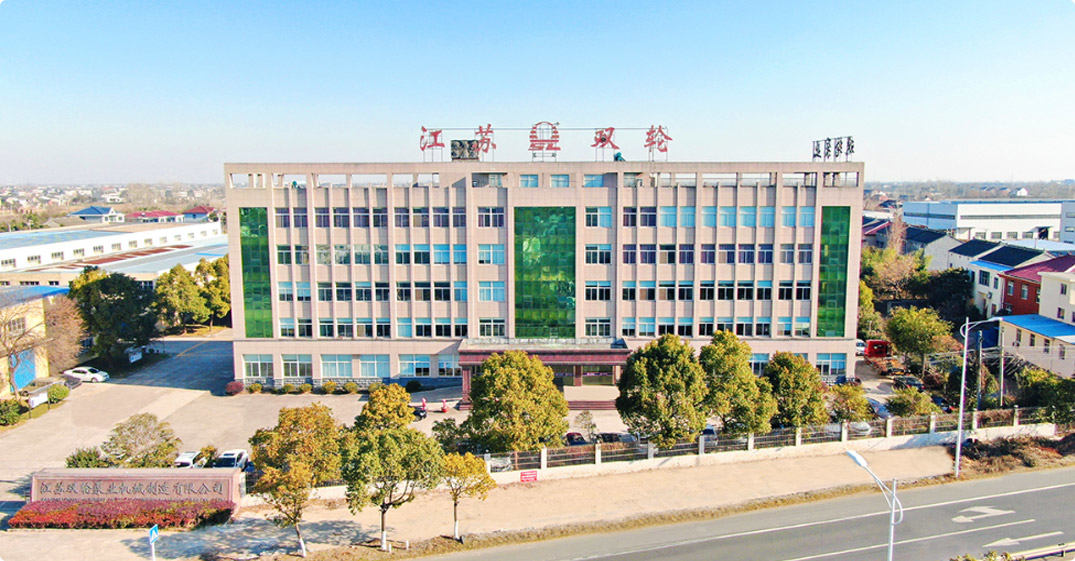
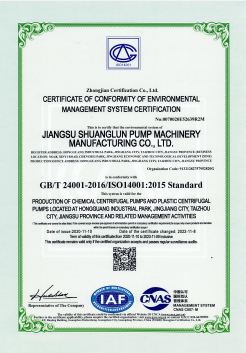
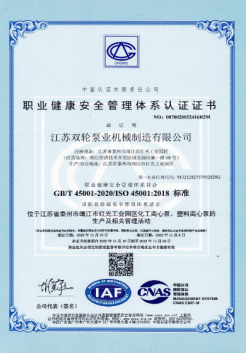
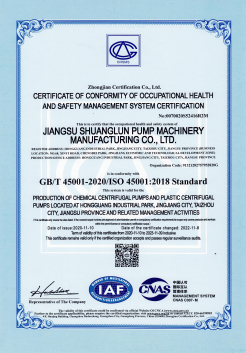
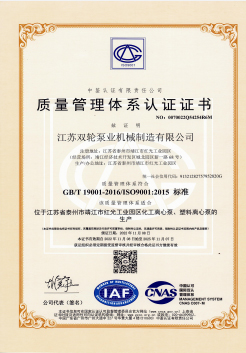
Jiangsu Double-wheel Pump Machinery Manufacting Co.,Ltd.
Jiangsu Double Wheel Pump Machinery Manufacturing Co., Ltd. is China Emergency Flood Control Rain Pump Manufacturers and Wholesale Emergency Flood Control Rain Pump Factory. The company is located in the scenic Yangtze River bank, Jiangyin Bridge, Beijing-Shanghai Expressway, Shanghai-Nanjing Expressway, Ningtong Expressway, Ningjingyan expressway running through the north and south, the traffic is very convenient, the geographical position is esteemed good. It is a production base specializing in non-sealed self-priming pumps, rain pumps, long-axis liquid pumps, chemical centrifugal pumps, positive displacement pumps and environmental protection equipment and mechanical equipment. The company has two production bases, covering an area of nearly 60,000 square meters, of which the eastern base covers an area of 33,000 square meters, the western base covers an area of 27,000 square meters, six modern production workshops, two installation workshops, a professional test workshop, a variety of mechanical processing equipment more than 160 sets, including a pump comprehensive performance test platform, Can test diameter 32-1200mm, motor power 1.1-1200KW, voltage 380V-10KV of various types of pumps, scientific research, development, manufacturing, processing, promotion, application of its own system. In the past two years, the company has closely followed the national industrial policy, made a big deal about environmental protection, and undertaken a large number of sewage treatment projects, which is unique in the environmental protection industry.
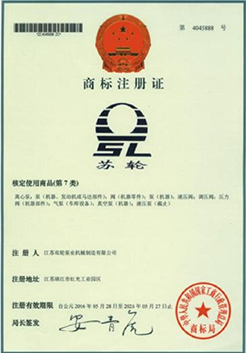
Certificate Of Honor


-
0

Be established in
-
0+

Professional personnel
-
0 million

Registered capital
-
0 ㎡

Plant area
After-Sales Service
Maintenance and Technical Support
Comprehensive lifecycle support for your emergency flood control pump station.
Maintenance and Spare Parts
Keep your flood protection system ready
- Complete Propeller / Impeller Kit: Replacement propeller or impeller (bronze or stainless steel) with key and fasteners. Propellers are pitch-verified for performance matching.
- Line Shaft Bearing Kit: Replacement rubber or bronze bearings for vertical pump line shafts. Includes bearing shells, spacers, and shaft sleeve.
- Packing & Seal Kit: Complete set of gland packing rings (PTFE or graphite), lantern ring, and new gland bolts for stuffing box.
- Diesel Engine Service Kit: Includes fuel filters, oil filters, air filters, belts, and gaskets for Perkins / Cummins / Caterpillar engines. Rebuild kits available for major overhauls.
Professional Technical Support
Expert assistance for flood protection systems
- Pump Station Hydraulic Design: We provide complete wet well design, inlet geometry, pump selection, and control philosophy to ensure reliable operation without vortex formation or air ingestion.
- SCADA Integration & Remote Monitoring: We design and supply control panels with cellular or satellite communication for remote stations. Real-time pump status, level data, and alarms accessible via web portal.
- On-Site Commissioning & Training: Factory engineers commission the complete pump station, including engine starting systems, level controls, and SCADA. We train your operators on maintenance and emergency response procedures.
- 24/7 Emergency Technical Support: Dedicated support line for flood events. Our engineers are available to troubleshoot by phone or video during emergencies.


+86-0523- 84351 090 /+86-180 0142 8659


Welcome To
Jiangsu Double-Wheel Pump
Add 1: Hongguang Industrial Park, Jingjiang City, Jiangsu Province, China
Add 2: No.68, Xinyi Road, Industrial Park, Jingjiang City, Jiangsu Province, China
Contact
-
Tel:
+86-0523- 84351 090
+86-180 0142 8659 -
FAX:
+0523-8435 5588
- E-mail: