language
  русский
 عربى
عربى Indonesia
Coastal Rainwater Drainage Pump Station Wholesale


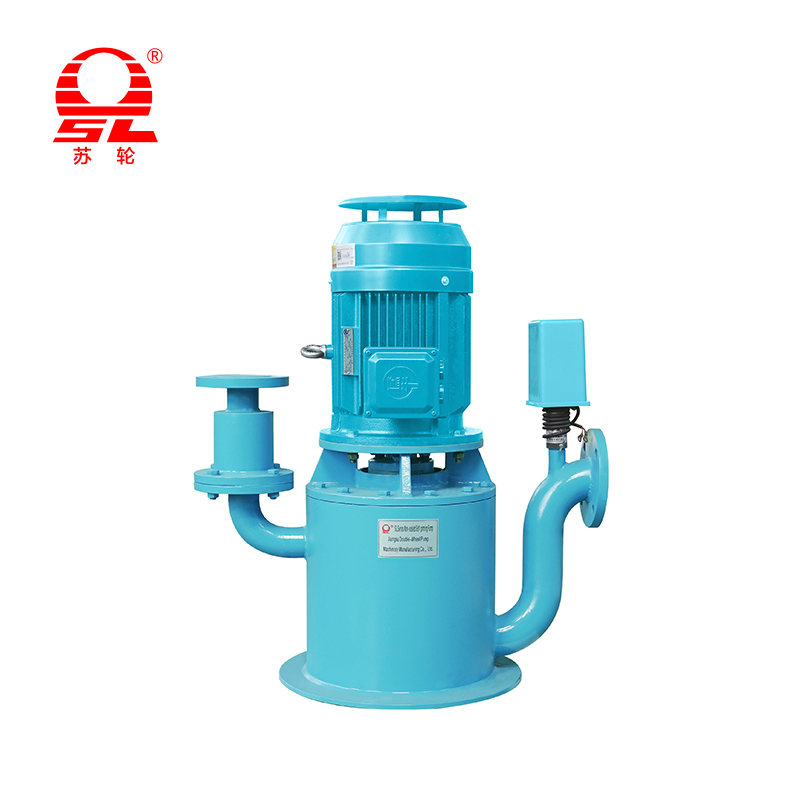

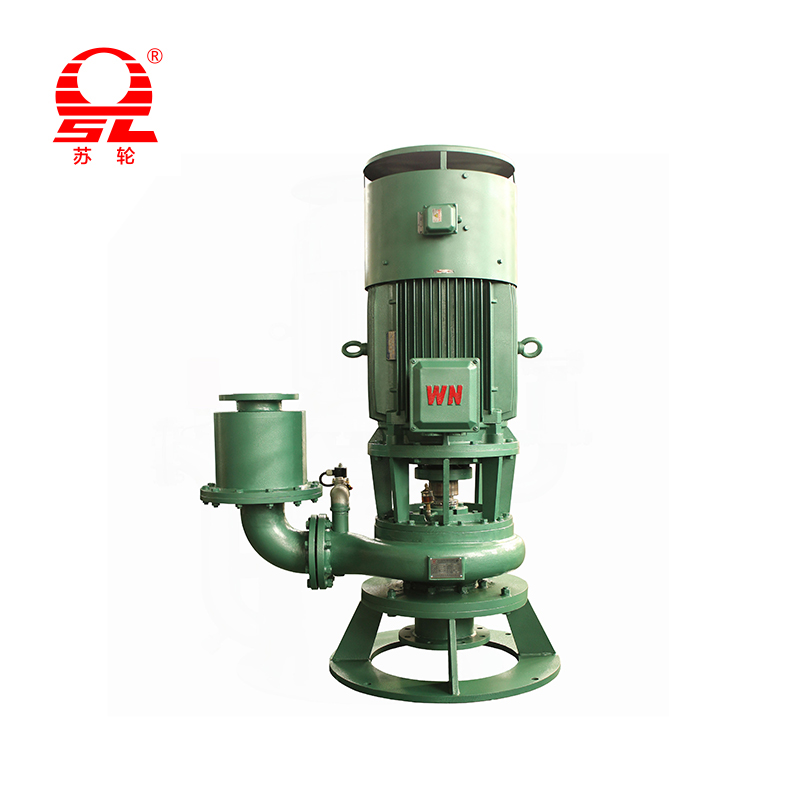

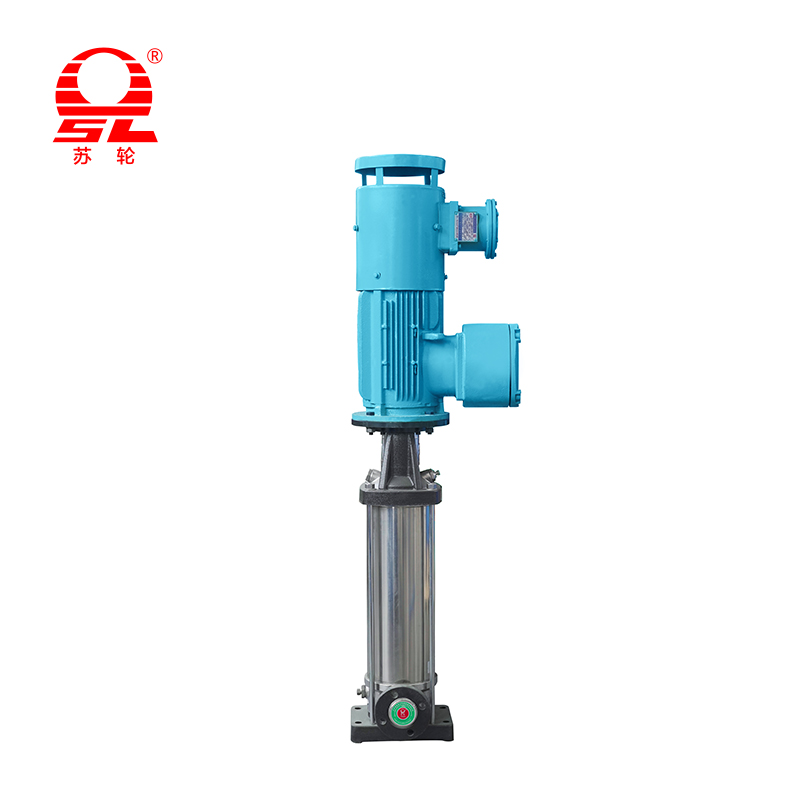
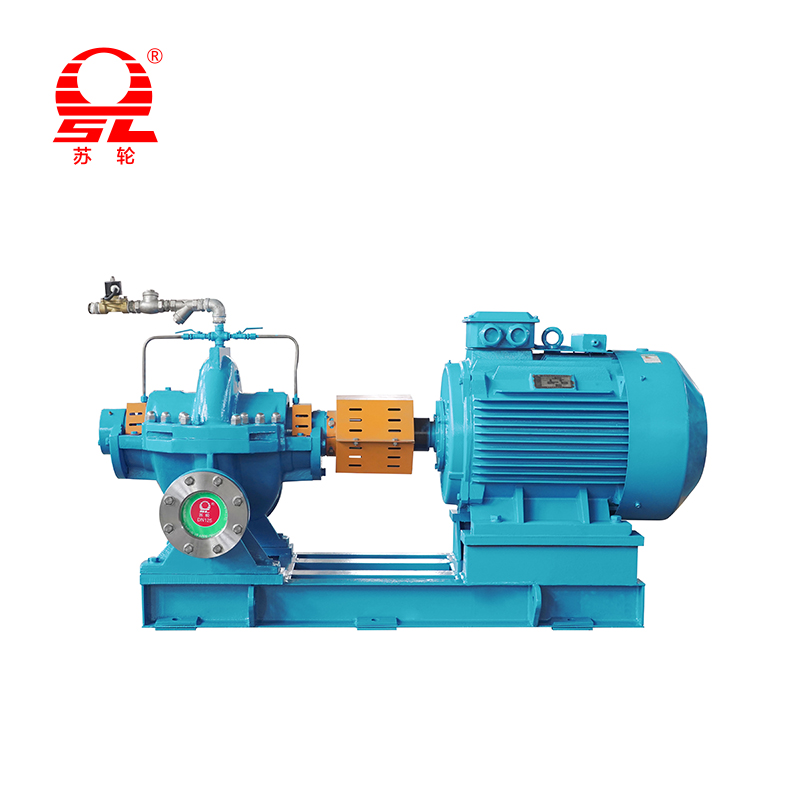
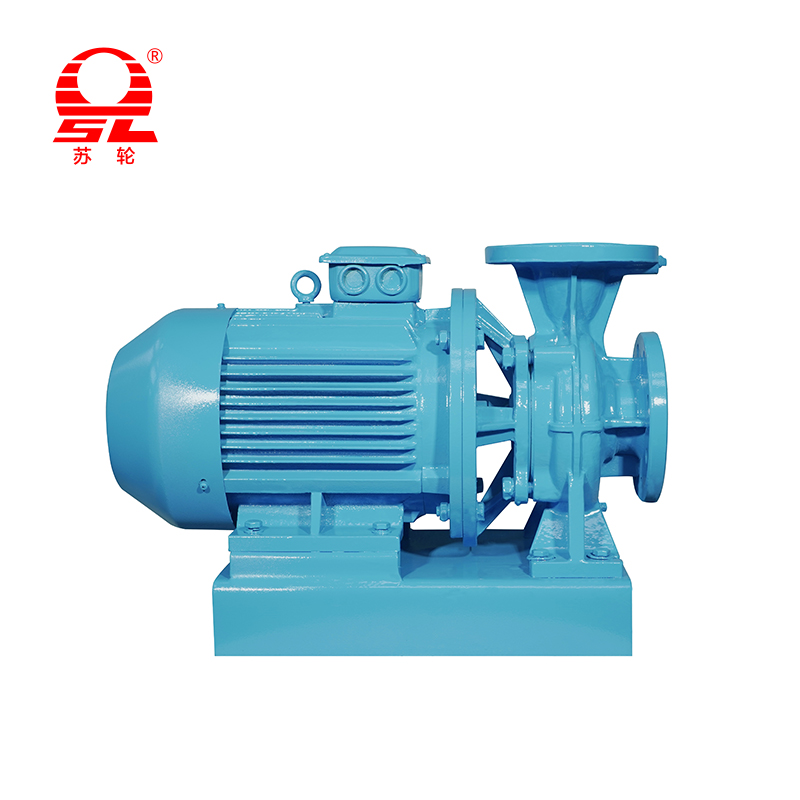


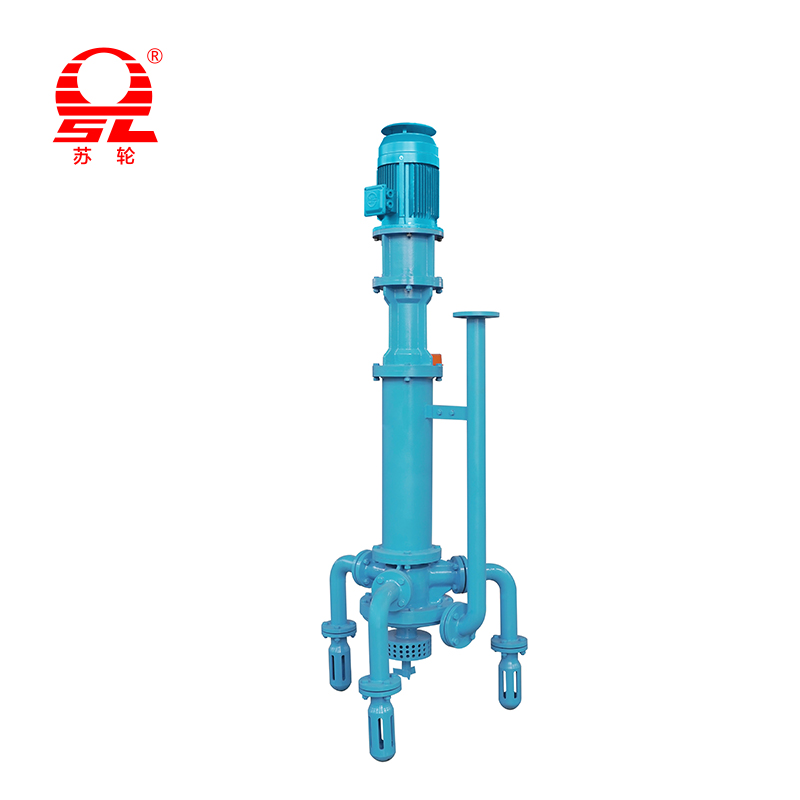

Coastal Environment Up to 30,000 m³/h Duplex Stainless NACE MR0175
Coastal Rainwater Drainage Pump Station
Engineered for severe coastal environments with saltwater exposure, tidal influences, and typhoon conditions. Complete turnkey drainage station with corrosion-resistant materials and flood protection systems.
Product Introduction
Coastal Stormwater Drainage Pump Station Technology
A comprehensive examination of the engineering, corrosion protection, and flood control features of our coastal rainwater drainage pump station range.
The Coastal Rainwater Drainage Pump Station is purpose-engineered for low-lying coastal areas subject to flooding from heavy rainfall, typhoons, and storm surge. These stations must operate in a uniquely challenging environment: the pumped water is brackish or saline (high chloride content causing rapid corrosion), the station may be submerged during extreme events, and reliability is critical as failure leads to property damage and loss of life. Our pump stations incorporate corrosion-resistant materials (duplex stainless steel, FRP, or specially coated carbon steel), flood-proof electrical systems, and multiple layers of redundancy (N+2 pump configuration, dual power feeds, backup generators). Stations are available in capacities from 1,000 to 30,000 cubic meters per hour.
The pumps are selected for high flow, low head drainage service. Axial flow (propeller) pumps are the primary choice, providing flow rates up to 10,000 m³/h per pump with heads from 2 to 10 meters. For deeper discharge conditions (tide gates, outfall pipes), mixed flow pumps are used. All wetted components are manufactured from duplex stainless steel (2205 or 2507) or super austenitic stainless steel (AL-6XN, 254SMO). These grades provide excellent resistance to pitting and crevice corrosion in chloride environments (seawater and brackish water). For the pump exterior (submerged in saltwater), we provide epoxy coating or duplex steel column pipes.
The station building and civil works are designed to withstand coastal conditions. The building is constructed from reinforced concrete with waterproofing membranes and flood vents. Electrical equipment (switchgear, VFDs, control panels) is located above the design flood elevation (typically 500-year flood level + 500mm freeboard). For stations located below grade, submersible electrical equipment or watertight enclosures are provided. Access hatches are watertight with gasketed covers.
The control system is fully automated with remote monitoring. The PLC monitors rainfall radar, tide levels, and sump water level. Pumps start automatically when the water level exceeds the setpoint. For typhoon events, the system can pre-dewater the catchment (lower the sump level before the storm arrives) based on weather forecasts. Tide level monitoring prevents pumping when the tide is higher than the discharge elevation (pump would run but no flow). The SCADA system provides real-time data and alarms to central control rooms.
Corrosion protection is applied to all components. Submerged steel components are protected with sacrificial anodes (zinc or aluminum) or impressed current cathodic protection. Fasteners are titanium or super duplex stainless steel. Electrical enclosures are NEMA 4X (stainless steel) or fiberglass. Cable trays are fiberglass reinforced plastic (FRP). The concrete structure uses epoxy-coated rebar and corrosion-resistant admixtures.
Power supply redundancy is essential for coastal stations. Dual utility feeds from separate substations are provided where available. A diesel standby generator (sized for the full station load) automatically starts on grid power loss. The generator fuel tank is sized for 72 hours of continuous operation. For critical stations, we provide dual generators (N+1 redundancy). Transfer switches are automatic with bypass for maintenance.
The station includes tide gates or flap valves on the discharge line to prevent saltwater intrusion during high tide. The tide gates are fabricated from stainless steel or FRP with rubber seals. For stations with pumped discharge above the high tide level, tide gates may not be required. Additionally, we provide sand traps and debris screens in the intake channel to prevent sediment and debris from entering the pumps.
In summary, the Coastal Rainwater Drainage Pump Station delivers reliable flood protection in the harshest coastal environments.
Station capacity: 1,000 to 30,000 m³/h total
Pump types: Axial flow (low head) / Mixed flow (higher head)
Materials: Duplex stainless steel 2205/2507 / Super austenitic / FRP
Corrosion protection: Sacrificial anodes / Cathodic protection / Epoxy coatings
Power redundancy: Dual utility feeds + diesel standby generator (72 hour fuel)
Flood protection: Watertight building / Electrical above flood level / Submersible options
Control: PLC with tidal monitoring, rainfall radar, and remote SCADA
Tide gates / Flap valves prevent saltwater intrusion
Sand traps and debris screens for intake protection
Seismic and typhoon wind load design available
Technical Data
Technical Specifications
Complete station parameters for coastal rainwater drainage pump stations.
| Parameter | Specification |
|---|---|
|
Station Configuration
|
Dry pit (vertical pumps) / Wet pit (submersible) / Combined |
|
Station Flow Capacity
|
1,000 to 30,000 m³/h (4,400 to 132,000 US gpm) |
|
Station Head Range
|
2 to 15 meters (6 to 49 feet) |
|
Number of Pumps
|
3 to 6 pumps (N+2 redundancy typical) |
|
Pump Motor Power (each)
|
45 kW to 500 kW (60 to 670 HP) |
|
Voltage Options
|
400V / 690V / 3.3kV / 6.6kV / 10kV / 11kV |
|
Corrosion Material Class
|
Duplex 2205 / Super duplex 2507 / Super austenitic 254SMO / AL-6XN |
|
Building Type
|
Reinforced concrete with waterproofing / FRP enclosure / Containerized modular |
|
Standby Generator
|
Diesel generator rated for full station load (72 hour fuel capacity standard) |
|
Control System
|
PLC with rainfall radar interface, tidal monitoring, and remote SCADA |
|
Tide Gate Type
|
Flap valve (stainless steel) / Motorized gate (actuated) / Tide flex (rubber) |
|
Design Standards
|
IEC 61439 (electrical) / AS 2281 (pumps) / NACE MR0175 (materials) |
Why Choose Coastal Drainage Stations
Core Advantages
Six key engineering benefits that make our coastal rainwater drainage pump station the trusted choice for coastal flood protection.
Superior Corrosion Resistance
Duplex stainless steel (2205/2507) wetted components resist pitting and crevice corrosion in seawater and brackish water. Sacrificial anodes and cathodic protection protect submerged steel. FRP enclosures and cable trays eliminate corrosion concerns.
Complete Power Redundancy
Dual utility feeds (where available) plus diesel standby generator (72 hour fuel). Automatic transfer switch with bypass. For critical stations, dual generators (N+1). Ensures operation during grid power failure (common during typhoons).
Smart Control with Weather Integration
PLC integrates with rainfall radar and tidal gauges. Pre-dewatering mode lowers sump level before storm arrival. Tide monitoring prevents pumping against high tide. Remote SCADA with cellular backup.
Flood-Proof Design
Electrical equipment located above design flood elevation (500-year flood + 500mm). Watertight doors and hatches. Submersible equipment options for below-grade installations. Flood vents for building pressure equalization.
Tide Gate Protection
Stainless steel flap valves or motorized tide gates prevent saltwater intrusion during high tide. Rubber seals provide positive shutoff. Manual override for inspection and maintenance.
Redundant Pump Configuration (N+2)
3 to 6 pumps with N+2 redundancy (two standby pumps). Station can lose up to two pumps and still meet design flow. Critical for coastal stations where pump failure during storm surge is unacceptable.
Use Cases
Primary Applications
Complete drainage stations for coastal flood protection and stormwater management.
Coastal Urban Drainage
Stormwater pumping for low-lying coastal cities subject to tidal flooding and typhoon rainfall. Protects residential and commercial areas from inundation. Automatic operation based on tide and rainfall.
Highway and Tunnel Drainage
Pumping stations for coastal highways, tunnels, and underpasses prone to flooding. Rapid response (start within 5 seconds of water detection). Corrosion-resistant construction for salt spray environment.
Metro and Rail Flood Protection
Pumping stations for underground rail systems in coastal areas. Protects tunnels, stations, and ventilation shafts from storm surge and groundwater intrusion. Ultra-reliable with N+2 redundancy.
Industrial Coastal Facilities
Stormwater drainage for refineries, chemical plants, and power plants located in coastal zones. Duplex stainless steel construction resists saltwater corrosion. Explosion-proof options available.
Port and Harbor Drainage
Pumping of rainwater from port facilities, container terminals, and dock areas. Tide gates prevent seawater backflow. Heavy-duty construction for marine environment.
Coastal Reclaimed Land Drainage
Drainage for land reclaimed from the sea (polders, new coastal developments). Stations operate continuously to maintain water table. Energy efficient axial flow pumps.
Head-to-Head
Corrosion Resistant Material Comparison
A detailed comparison of materials for coastal pump station construction.
| Material | PREN Value | Pitting Resistance | Crevice Corrosion | SCC Resistance | Relative Cost | Typical Applications |
|---|---|---|---|---|---|---|
| Carbon Steel (Coated) | 0 | Poor | Poor | Low | 1.0x | Fresh water only |
| SS316L | 23-25 | Poor (pitting>1000 ppm Cl) | Poor | Low | 1.5x | Brackish water (limited) |
| Duplex 2205 | 35-38 | Good | Good | Good | 2.5x | Seawater / Brackish water |
| Super Duplex 2507 | 40-43 | Excellent | Excellent | Excellent | 3.5x | Seawater / High chlorides |
| AL-6XN / 254SMO | 43-48 | Excellent | Excellent | Excellent | 4.5x | Severe seawater / Chemical |
| Titanium Grade 2 | >60 | Excellent | Excellent | Excellent | 8.0x | Extreme seawater / Chemical |
Expert Tips
Usage Tips and Best Practices
Maximize the reliability, flood protection, and service life of your coastal drainage pump station.
1
Test Standby Generator Monthly
Run the diesel generator under load for 30 minutes every month. Verify automatic transfer switch operation. Check fuel level and quality. Degraded fuel is a common failure mode. For critical stations, test weekly.
2
Inspect Sacrificial Anodes Annually
Check sacrificial anodes (zinc or aluminum) on submerged steel components. Replace anodes when 50 percent consumed. Anode consumption rate indicates corrosion activity. Install additional anodes if consumption is rapid.
3
Test Tide Gate Operation Before Typhoon Season
Manually operate tide gates (flap valves or motorized gates) monthly. Verify seals are intact. Remove debris that may prevent sealing. A leaking tide gate allows saltwater intrusion into the drainage system.
4
Clean Debris Screens Regularly
Debris (plastic bags, leaves, branches) accumulates on intake screens, reducing pump flow. Clean screens weekly during wet season. Install self-cleaning screens for stations with high debris loading.
5
Simulate Power Failure Annually
Simulate grid power failure and verify generator start, transfer switch operation, and pump operation on generator power. Test both utility feeds (if dual feed). Verify fuel level for 72 hour run time.
6
Maintain Dehumidification in Electrical Rooms
Coastal humidity causes condensation and corrosion of electrical equipment. Maintain dehumidifiers (or HVAC) to keep relative humidity below 50 percent. Inspect control panels for moisture damage annually.
FAQ
Frequently Asked Questions
Expert answers to common questions about coastal rainwater drainage pump stations.
What is the difference between axial flow and mixed flow pumps for drainage?
Axial flow pumps (propeller) are best for low head (2 to 10 meters) and very high flow (5,000 to 10,000 m³/h per pump). Mixed flow pumps are used for medium head (5 to 15 meters) and medium flow (1,000 to 5,000 m³/h). For coastal drainage, axial flow pumps are more common because total head is typically low (outfall at high tide).
What is PREN and why is it important for coastal pumps?
PREN (Pitting Resistance Equivalent Number) calculates corrosion resistance in chloride environments. PREN = Cr + 3.3Mo + 16N. For seawater, PREN above 40 is recommended. Super duplex (2507) has PREN 43. Standard SS316L has PREN 23 (insufficient for seawater).
How large does the standby generator need to be?
Generator must be sized for the full station load (all pumps plus auxiliary loads). For a station with three 200 kW pumps (600 kW total), generator should be 750 kW (25 percent margin). For motor starting (across-the-line starting), generator may need to be 2 to 3 times the motor running load.
How many pumps should a coastal drainage station have?
Typical configuration is 3 to 6 pumps with N+2 redundancy (two standby pumps). Example: 4 x 50 percent pumps (two operating, two standby). Station can lose two pumps and still meet design flow. For critical stations, 5 to 6 pumps provide additional redundancy.
What is the design flood elevation for coastal stations?
Design flood elevation is typically the 500-year flood level plus 500mm freeboard. For critical infrastructure (power plants, hospitals, rail), 1,000-year flood level plus 1,000mm freeboard. Electrical equipment must be located above this elevation.
What is pre-dewatering and how does it work?
Pre-dewatering lowers the sump water level before a storm arrives (based on rainfall radar or typhoon forecast). Lower initial level increases storage capacity. The PLC automatically initiates pre-dewatering when storm probability exceeds threshold (typically 50 percent).
How do tide gates prevent saltwater intrusion?
Tide gates (flap valves) are installed on the discharge pipe. They open when pump pressure exceeds tide level (pumping out). They close when tide level exceeds pump pressure (gravity flow into station). Rubber seals prevent backflow. Prevents saltwater from entering the freshwater drainage system.
What is the typical lead time for a coastal drainage station?
Complete stations typically require 9 to 15 months. Pump manufacturing (6 to 9 months), generator (4 to 6 months), switchgear (4 to 6 months), building construction (4 to 8 months). We provide project management and schedule coordination.
Do you provide maintenance contracts for coastal stations?
Yes. We offer comprehensive maintenance contracts including: monthly generator testing, annual pump servicing, anode replacement, control system software updates, and 24/7 remote monitoring. Contracts available for 1, 3, or 5 years.
Can the station be operated during a typhoon?
Yes. The station is designed for continuous operation during typhoon conditions. Buildings are designed for typhoon wind loads (typically 200 km/h). Electrical equipment is flood-proof. Generator operates on site fuel supply. Remote SCADA allows operation from central control room.
Company
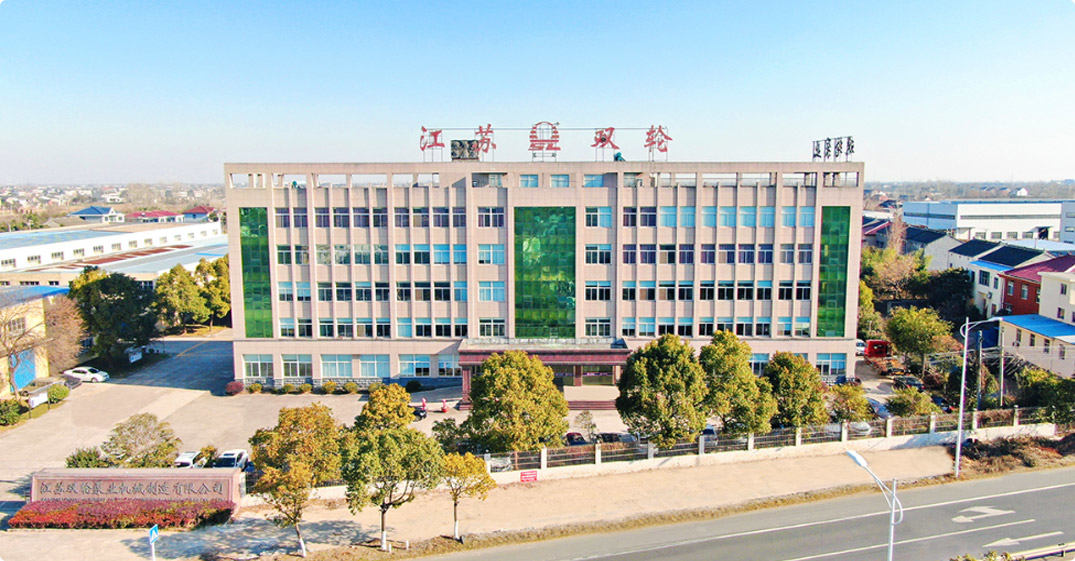
Jiangsu Double-wheel Pump Machinery Manufacting Co.,Ltd.
Jiangsu Double Wheel Pump Machinery Manufacturing Co., Ltd. is China Coastal Rainwater Drainage Pump Station Manufacturers and Wholesale Coastal Rainwater Drainage Pump Station Factory. The company is located in the scenic Yangtze River bank, Jiangyin Bridge, Beijing-Shanghai Expressway, Shanghai-Nanjing Expressway, Ningtong Expressway, Ningjingyan expressway running through the north and south, the traffic is very convenient, the geographical position is esteemed good. It is a production base specializing in non-sealed self-priming pumps, rain pumps, long-axis liquid pumps, chemical centrifugal pumps, positive displacement pumps and environmental protection equipment and mechanical equipment. The company has two production bases, covering an area of nearly 60,000 square meters, of which the eastern base covers an area of 33,000 square meters, the western base covers an area of 27,000 square meters, six modern production workshops, two installation workshops, a professional test workshop, a variety of mechanical processing equipment more than 160 sets, including a pump comprehensive performance test platform, Can test diameter 32-1200mm, motor power 1.1-1200KW, voltage 380V-10KV of various types of pumps, scientific research, development, manufacturing, processing, promotion, application of its own system. In the past two years, the company has closely followed the national industrial policy, made a big deal about environmental protection, and undertaken a large number of sewage treatment projects, which is unique in the environmental protection industry.
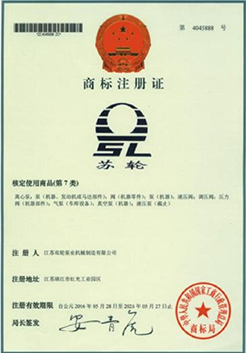
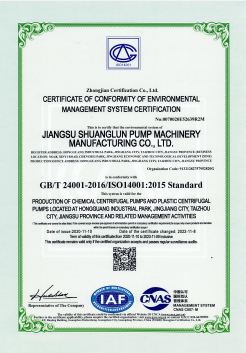
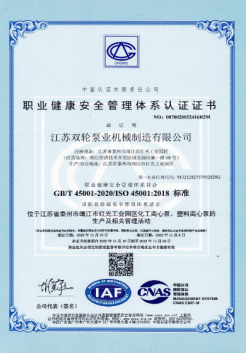
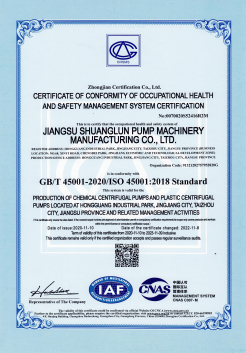
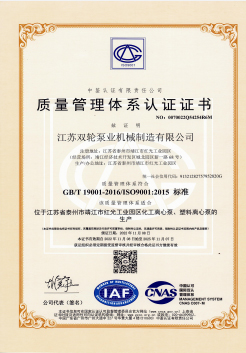
Certificate Of Honor


-
0

Be established in
-
0+

Professional personnel
-
0 million

Registered capital
-
0 ㎡

Plant area
After-Sales Service
Maintenance and Technical Support
Comprehensive lifecycle support for your coastal rainwater drainage pump station.
Maintenance and Spare Parts
Keep your coastal station operating reliably
-
Propeller/Impeller Kit: Complete axial flow propeller or mixed flow impeller in duplex stainless steel. Dynamically balanced. Includes key and hardware.
-
Sacrificial Anode Set: Replacement zinc or aluminum anodes for submerged steel components. Includes mounting hardware and connection cable.
-
Tide Gate Seal Kit: Replacement rubber seals for flap valves. EPDM or silicone for saltwater service.
-
Generator Service Kit: Complete service kit for diesel generator including oil filters, fuel filters, air filters, belts, and gaskets.
Professional Technical Support
Expert assistance for coastal drainage systems
-
Remote Monitoring Service: 24/7 monitoring of pump status, water level, generator status, and tide level. Immediate notification of alarms via SMS/email.
-
Annual Station Audit: Comprehensive inspection of pumps, electrical systems, generator, tide gates, and building. Report with recommendations provided.
-
Corrosion Monitoring Service: We install corrosion coupons and probes to measure corrosion rates in your environment. Annual report with trend analysis.
-
Operator Training: We train your operators on normal operation, emergency procedures, generator management, and tide gate maintenance.


+86-0523- 84351 090 /+86-180 0142 8659


Welcome To
Jiangsu Double-Wheel Pump
Add 1: Hongguang Industrial Park, Jingjiang City, Jiangsu Province, China
Add 2: No.68, Xinyi Road, Industrial Park, Jingjiang City, Jiangsu Province, China
Contact
-
Tel:
+86-0523- 84351 090
+86-180 0142 8659 -
FAX:
+0523-8435 5588
- E-mail: