language
  русский
 عربى
عربى Indonesia
High Head Self Priming Pump Wholesale



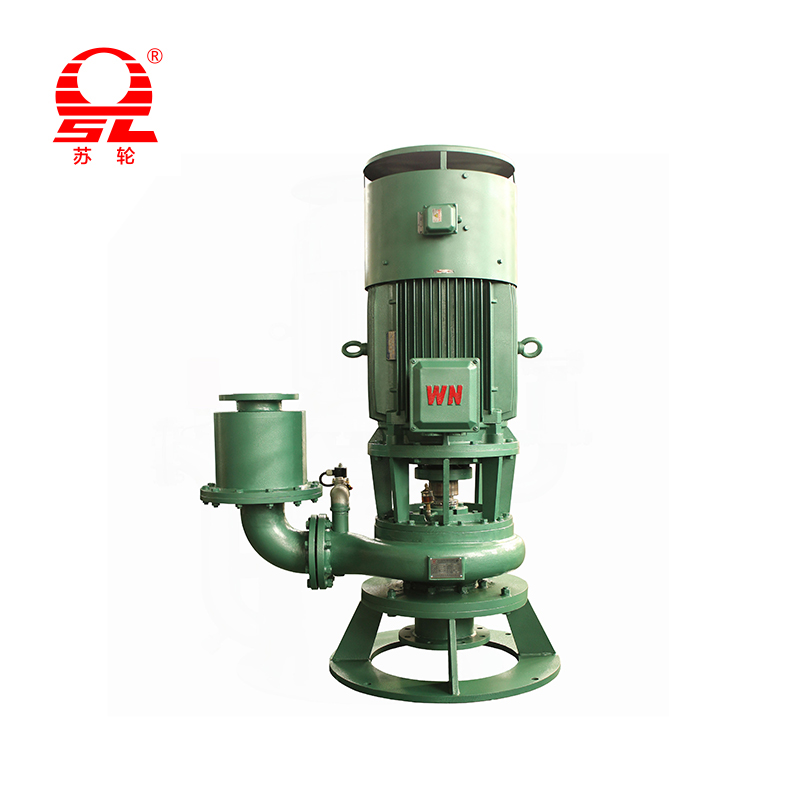
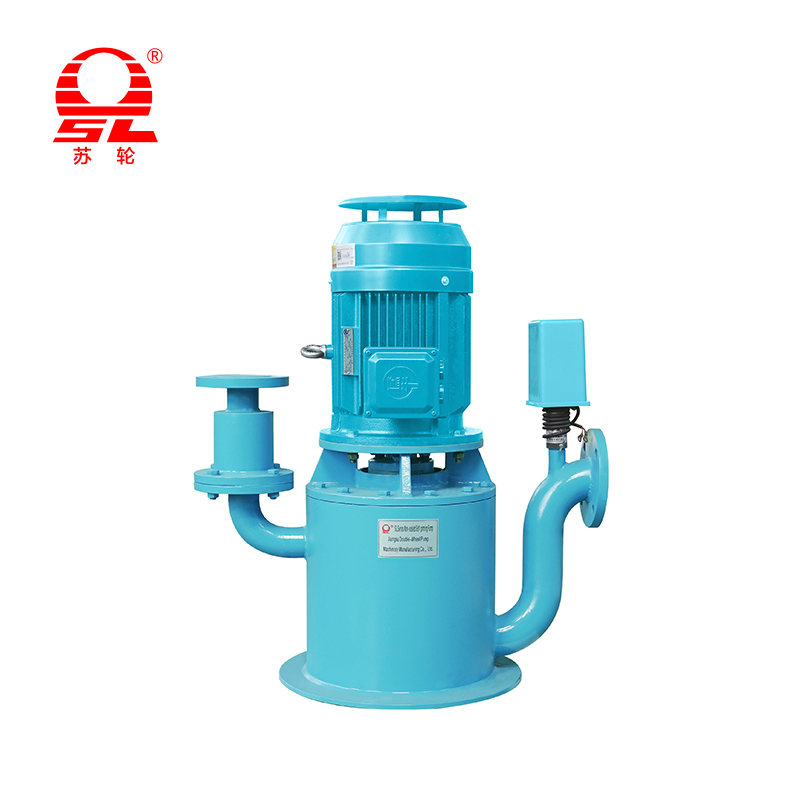

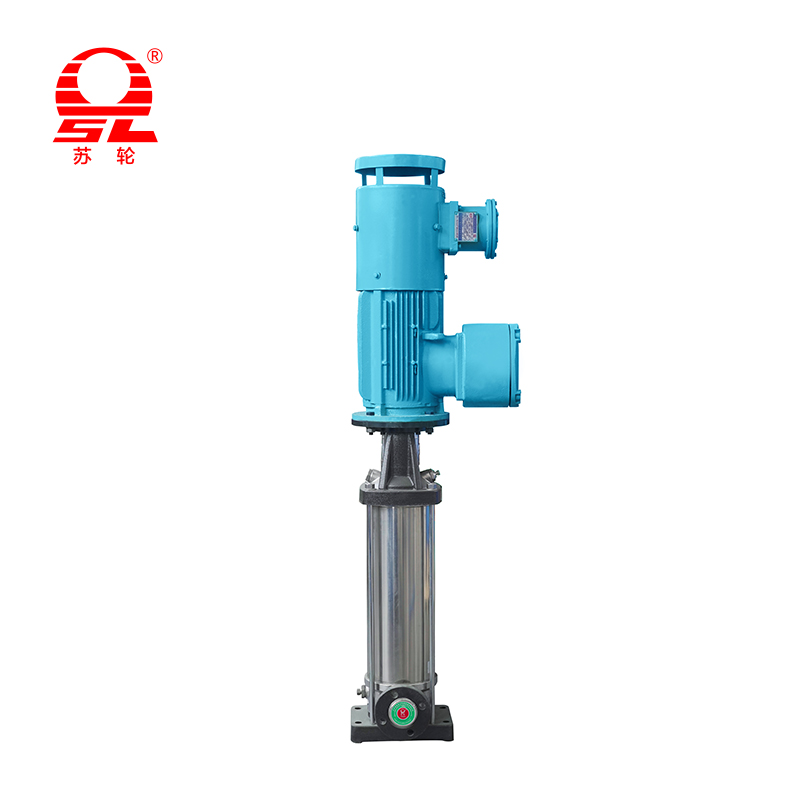
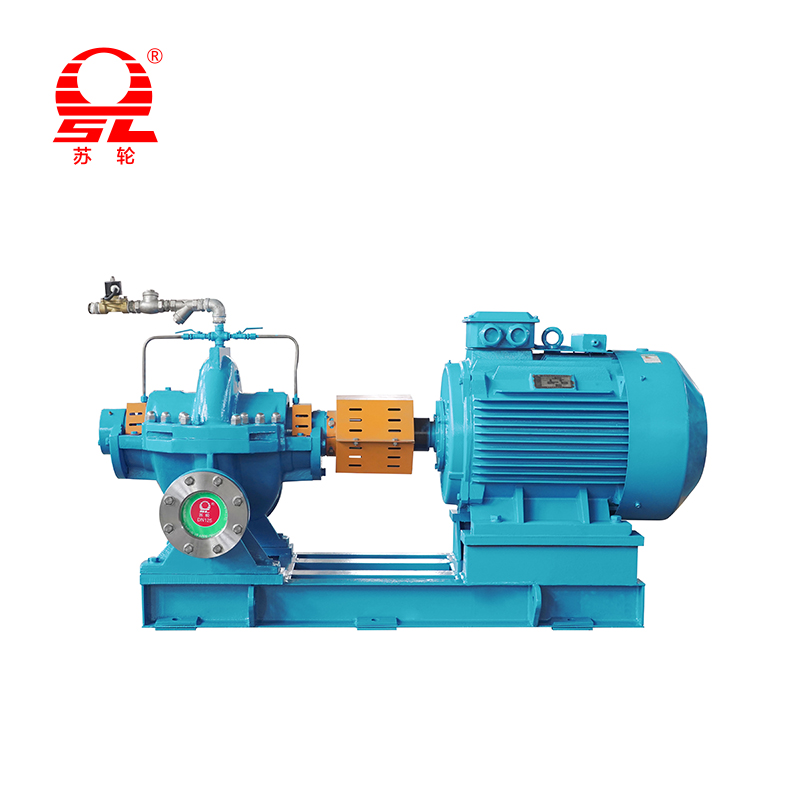
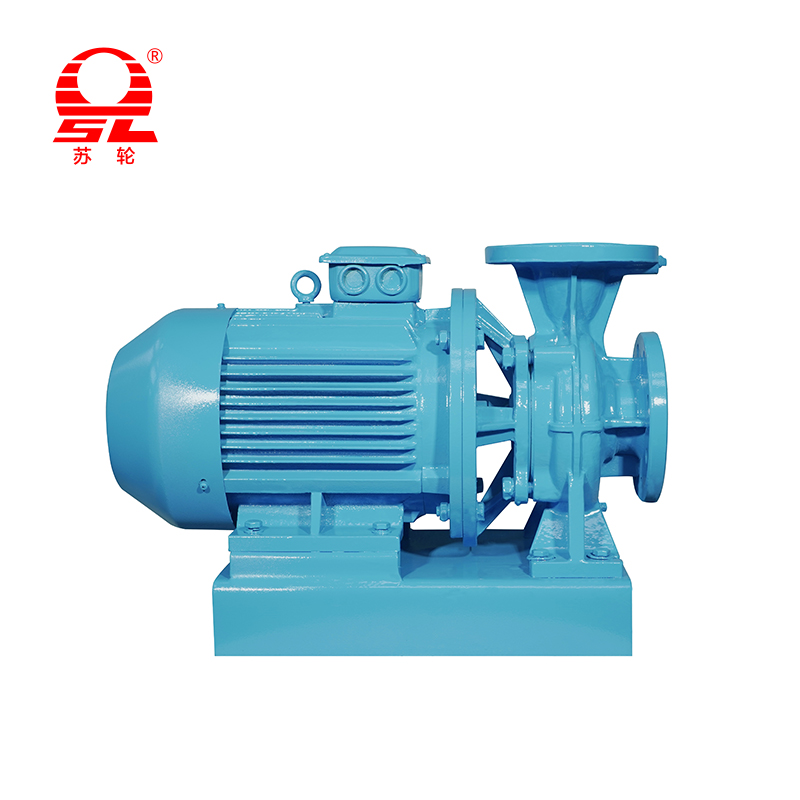


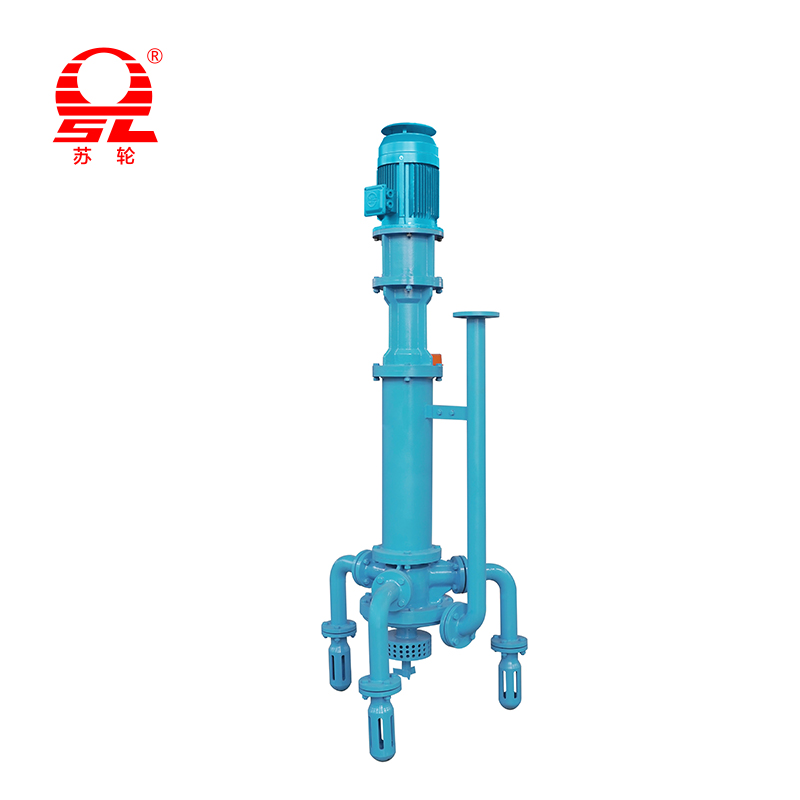

High Pressure Capability
Up to 100m Head
8m Suction Lift
ISO 9906
High Head Self Priming Pump
Engineered for demanding applications requiring both high pressure and self-priming capability. Ideal for remote water supply, booster stations, and industrial systems where pumps are located above the water source.
Product Introduction
High Head Self Priming Pump Technology
A comprehensive examination of the engineering, priming mechanism, and high pressure design of our high head self priming pump range.
The High Head Self Priming Pump combines two critical capabilities: the ability to generate high discharge pressure (heads up to 100 meters) and the ability to automatically prime from a dry suction line. This combination is essential for applications where the pump is located above the water source but must deliver water to elevated tanks or through long pipelines with significant elevation changes. Standard self priming pumps typically achieve heads of 30 to 50 meters. Our high head design, using multistage impellers or high-speed single stage impellers, achieves heads up to 100 meters while maintaining self priming capability. Applications include remote water supply systems, high rise building booster stations, hilltop water storage filling, and industrial pressure boosting.
The self priming mechanism is specifically adapted for high head operation. The priming chamber volume is larger than standard self priming pumps to provide adequate liquid reserve for the higher flow rates. The recirculation port design is optimized to maintain the liquid seal under higher operating pressures. A check valve in the priming chamber prevents discharge pressure from forcing liquid back into the suction line. For multistage configurations, the priming chamber is located on the first stage only, with subsequent stages contributing to pressure generation. The priming mechanism functions independently of the number of stages.
The pump hydraulics are optimized for high head generation. For heads up to 60 meters, a single-stage high-speed impeller (2,900 RPM) provides the required pressure. The impeller is specifically designed for self priming operation, with optimal vane angles for both priming and pumping. For heads from 60 to 100 meters, we offer two-stage or three-stage configurations. In these designs, the first stage impeller is optimized for priming (vacuum generation), while subsequent stages are optimized for pressure generation. The stages are arranged in series within a single casing, providing high head without requiring excessive impeller diameter or speed.
The casing is specifically designed for high pressure self priming service. The casing is manufactured from high strength cast iron (GG25 or GGG40) with reinforcement ribs to withstand the higher internal pressures. The priming chamber is integrated into the upper part of the casing, with sufficient volume to maintain prime during high flow operation. The casing design incorporates a diffuser section between stages that converts velocity energy to pressure energy with minimal loss. For the highest pressure applications, the casing is of the radial split design to contain the internal pressure.
Materials are selected for high pressure water service. The standard casing material is cast iron GG25 with epoxy coating. For higher pressures or corrosive water, ductile iron GGG40 provides superior strength and impact resistance. For potable water, all wetted surfaces are coated with FDA-approved epoxy. Shaft material is stainless steel (SS420 or SS630) for corrosion resistance. Impellers are cast iron or bronze, with bronze recommended for hot water or corrosive water service. Wear rings are replaceable and available in cast iron, bronze, or stainless steel.
The shaft sealing system must withstand higher discharge pressure while operating under suction lift conditions. For most high head self priming applications, we recommend gland packing with split PTFE or graphite rings. Gland packing tolerates the dry running during the priming cycle and can be adjusted to seal against higher discharge pressure. A water flush connection (gland water) is provided to cool and lubricate the packing. For applications requiring zero leakage, we offer double mechanical seals with a barrier fluid, but these must be used with caution as mechanical seals can be damaged by the dry running during priming.
The bearing system is oversized for the higher loads generated by high head operation. For close-coupled designs, the motor bearings are specified with higher load capacity. For frame-mounted designs, the bearing housing is of heavy-duty construction with spherical roller bearings with L10 life exceeding 50,000 hours. Bearing lubrication is oil or grease, with oil preferred for continuous high load operation. Bearing temperature monitoring (RTD sensors) is standard for larger pumps. The bearing housing is isolated from the pump casing by extended spacers to minimize heat transfer from the pumped fluid.
The driver is typically a high efficiency electric motor with TEFC enclosure. For heads above 60 meters, the motor may require higher power than standard self priming pumps. For power ratings above 30 kW, we recommend high-voltage motors (3.3kV, 6.6kV, or 10kV) to reduce current and cable size. For variable flow applications, we offer VFDs with inverter-duty motors. The VFD can be used to adjust pump speed and maintain constant pressure across varying flow rates.
Installation requires attention to suction piping. Because the pump generates high suction lift (up to 8 meters), the suction pipe must be properly sized and sealed. Use eccentric reducers (flat side up) on the suction inlet to prevent air pockets. The suction pipe should have a continuous upward slope toward the pump (minimum 1 cm per meter). For long suction pipes (over 15 meters), consult our engineering team for priming time estimates.
In summary, the High Head Self Priming Pump delivers the unique combination of automatic priming capability and high discharge pressure, making it ideal for challenging water supply applications.
Heads up to 100 meters (330 feet)
Flow rates: 10 to 500 m³/h
Suction lift: up to 8 meters
Single-stage (up to 60m) or multistage (60-100m) configurations
Priming time: 40 to 90 seconds (depending on suction lift)
Materials: Cast iron / Ductile iron / Bronze / Stainless steel
Sealing: Gland packing (recommended) / Double mechanical seal (optional)
Bearings: Oversized with 50,000+ hour L10 life
VFD compatible for constant pressure control
Automatic reprime if air enters suction line
Technical Data
Technical Specifications
Complete performance and dimensional parameters for the high head self priming pump range.
| Parameter | Specification |
|---|---|
Pump Configuration | Single-stage (high speed) / Two-stage / Three-stage |
Flow Rate Range | 10 to 500 m³/h (44 to 2,200 US gpm) |
Total Head Range | 20 to 100 meters (65 to 328 feet) |
Maximum Suction Lift | 8 meters (26 feet) with clean water |
Priming Time (at 8m lift) | 40 to 90 seconds depending on pipe length |
Motor Power Range | 5.5 kW to 160 kW (7 to 215 HP) |
Voltage Options | 400V / 415V / 460V / 690V / 3.3kV / 6.6kV |
Speed | 1,450 / 2,900 RPM (50Hz); 1,750 / 3,500 RPM (60Hz) | Port Size | 65 mm to 200 mm (2.5" to 8") |
Fluid Temperature | 0°C to 60°C standard; up to 90°C with special seals |
Fluid Types | Clean water / Potable water / Irrigation water / Light slurry |
Casing Material | Cast iron GG25 / Ductile iron GGG40 / SS304 / SS316 |
Impeller Material | Cast iron / Bronze / SS304 / SS316 |
Shaft Sealing | Gland packing (standard) / Double mechanical seal (optional) |
Design Standard | ISO 5199 / EN 733 / ISO 9906 Grade 2 |
Why Choose High Head Self Priming Pumps
Core Advantages
Six key engineering benefits that make our high head self priming pump the preferred choice for elevated water supply and pressure boosting.
High Pressure Capability
Heads up to 100 meters, significantly higher than standard self priming pumps (typically 30-50m). This allows pumping to elevated storage tanks, hilltop reservoirs, or through long pipelines with high friction losses. Multistage configurations achieve the highest pressures while maintaining priming capability.
Self Priming from 8 Meter Suction Lift
No foot valve required. The pump automatically primes from a dry suction line, even when the water source is 8 meters below the pump. Automatic reprime if air enters the suction line. Eliminates the maintenance problems associated with foot valves.
VFD Ready for Constant Pressure Control
For variable flow applications, install a VFD with pressure feedback to maintain constant discharge pressure regardless of flow. The PI controller adjusts pump speed to match system demand, saving energy and preventing overpressure.
Heavy Duty Construction
Oversized bearings, reinforced casing, and high strength shafts are standard for high head operation. The pump is built for continuous duty at maximum head. Bearing L10 life exceeds 50,000 hours, even at maximum pressure.
Multistage Option for Highest Heads
For heads above 60 meters, specify the two-stage or three-stage configuration. Each stage contributes to pressure generation while the first stage provides priming capability. The stages are contained in a single, compact casing.
Energy Efficient at High Head
Our multistage design achieves higher efficiency at high head than single-stage high-speed pumps. Peak efficiency of 75 percent at best efficiency point (BEP) reduces energy consumption and operating costs.
Use Cases
Primary Applications
Trusted across water supply, industrial, and agricultural applications requiring high pressure and self priming capability.
Remote Water Supply Systems
Pumping from rivers, lakes, or wells to elevated storage tanks or hilltop reservoirs. Self priming allows the pump to be located above the water source. High head lifts water to high elevation storage.
High Rise Building Booster
Pressure boosting for tall buildings where the pump is in the basement and water must be lifted 50 to 100 meters. Self priming from municipal water mains.
Irrigation Pressure Boosting
Boosting pressure for sprinkler and drip irrigation systems on hillside farms. Pump located at the water source (river or pond) with self priming suction.
Industrial Pressure Boosting
Maintaining adequate pressure in industrial water distribution systems. Self priming capability allows installation above the water supply tank.
Fire Protection Systems
Fire pump applications where the pump is above the water source (river, pond, tank). Self priming ensures the pump is ready for emergency operation.
Marine and Offshore
Bilge pumping, fire fighting, and deck wash systems on ships and offshore platforms where the pump is above the waterline.
Head-to-Head
High Head vs Standard Self Priming Pump Comparison
A detailed comparison of high head multistage self priming pumps versus standard single-stage self priming pumps.
| Parameter | High Head Self Priming (2-3 Stage) | Standard Self Priming (Single Stage) |
|---|---|---|
| Maximum Head | 100 meters | 50 meters |
| Maximum Flow at High Head | Maintains flow at 80-100m | Flow drops significantly above 50m |
| Number of Stages | 2 or 3 stages | Single stage |
| Peak Efficiency at High Head | 75% at 80m head | 55% at 80m head |
| Suction Lift Capability | 8 meters | 8 meters |
| Priming Time (8m lift) | 60-90 seconds | 30-45 seconds |
| Relative Cost per Unit Head | Lower for heads above 60m | Lower for heads below 60m |
| Typical Applications | Elevated storage, high rise booster | General drainage, dewatering |
Expert Tips
Usage Tips and Best Practices
Maximize the performance, reliability, and service life of your high head self priming pump.
1
Size Suction Pipe Correctly for High Lift
For suction lifts above 5 meters, increase the suction pipe size one size larger than the pump inlet. Example: pump inlet 100mm, use 150mm suction pipe. Larger pipe reduces friction losses and improves priming time. Maximum suction pipe length should not exceed 30 meters.
2
Install a Suction Strainer with Adequate Area
Debris can damage the pump and clog the priming chamber. Install a suction strainer with net open area at least 3 times the suction pipe area. For high head pumps, a strainer with mesh smaller than the impeller passages is required. Clean the strainer regularly.
3
Use Check Valve on Discharge for VFD Systems
For VFD-controlled systems, install a check valve on the discharge line to prevent backflow when the pump stops. Without a check valve, backflow can spin the pump backward, causing pressure loss in the barrier fluid seal system. A spring-loaded silent check valve is recommended.
4
Adjust Packing Leakage After First 24 Hours
For pumps with gland packing, the packing will seat and compress after initial operation. Run the pump for 24 hours, then re-torque the gland nuts to achieve 5 to 10 drops per minute leakage. Properly adjusted packing extends shaft sleeve life.
5
Monitor Discharge Pressure for Wear Indication
For constant speed pumps, a gradual drop in discharge pressure at constant flow indicates wear ring erosion or impeller wear. For VFD pumps, a higher speed required to maintain setpoint pressure indicates wear. Track pressure, speed, and motor current monthly.
6
Never Dead Head Against Closed Discharge
Self priming pumps should not be operated against a closed discharge valve for more than 30 seconds. At high heads, the pump generates significant heat that can damage mechanical seals. Install a pressure relief valve or recirculation line for dead head protection.
FAQ
Frequently Asked Questions
Expert answers to common questions about high head self priming pumps.
What is the maximum head for a self priming pump?
Standard self priming pumps achieve heads of 30 to 50 meters. Our high head multistage self priming pumps achieve heads up to 100 meters. For heads above 100 meters, a multistage centrifugal pump with flooded suction is recommended. The limiting factor is the priming chamber's ability to maintain the liquid seal at high discharge pressure.
How does a multistage self priming pump work?
The pump has two or three impellers in series within a single casing. The first stage impeller is optimized for priming (vacuum generation). It draws air from the suction line and expels it through the priming chamber. The second and third stage impellers are optimized for pressure generation. Liquid flows from the first stage through internal passages to the second stage, then to the third stage, gaining pressure at each stage.
Can I use a high head self priming pump for variable flow?
Yes. Install a VFD with pressure feedback to maintain constant discharge pressure. The VFD adjusts pump speed to match flow demand. For booster systems supplying multiple users, VFD control is highly recommended. Ensure the motor is inverter-duty rated. Minimum speed should be 50 percent of rated speed to maintain priming capability.
What is the maximum suction lift for a high head self priming pump?
Maximum suction lift is 8 meters (26 feet) with clean water at sea level. At 1,000 meters altitude, maximum lift is reduced to 7 meters. For water temperatures above 30°C, maximum lift is reduced due to increased vapor pressure. For high altitude or high temperature installations, consult our engineering team for specific limitations.
Do I need a foot valve with a high head self priming pump?
No. The pump maintains prime without a foot valve. The priming chamber stores sufficient liquid to reprime after each start. However, a suction strainer is required to prevent debris from entering the pump. A check valve on the discharge is recommended for VFD systems to prevent backflow when the pump stops.
How long does it take to prime a high head self priming pump?
Priming time depends on suction lift and suction pipe length. At 5 meters lift with 10 meters of pipe: 30 to 45 seconds. At 8 meters lift with 30 meters of pipe: 60 to 90 seconds. Multistage pumps prime slower than single-stage pumps because of the larger priming chamber volume. After initial priming, the pump re-primes in 5 to 10 seconds.
Can the pump handle small amounts of air in the suction line?
Yes. The self priming mechanism continuously separates air from liquid during normal operation. Small air leaks or vortex entrainment are handled automatically. If the air volume exceeds the pump's capacity to separate it, the pump will lose prime and go into reprime mode. Persistent air ingress indicates a suction leak requiring repair.
What is the typical efficiency of a high head self priming pump?
Peak efficiency at best efficiency point (BEP) is 70 to 78 percent for single-stage self priming pumps and 70 to 75 percent for multistage high head designs. This is lower than non-self priming centrifugal pumps (85-90 percent) due to the recirculation passages required for priming. The efficiency penalty is acceptable for the benefit of self priming capability.
What is the typical lead time for a high head self priming pump?
Standard single-stage high head pumps ship within 2 to 4 weeks. Two-stage pumps require 4 to 6 weeks. Three-stage pumps require 6 to 8 weeks. Stainless steel construction adds 2 to 4 weeks. VFD packages add 2 to 4 weeks. We maintain a stock of popular sizes for expedited shipment.
Can I use a high head self priming pump for saltwater?
For saltwater applications, specify SS316 stainless steel construction for casing, impeller, and shaft. Bronze impeller is an alternative for lower cost. Standard cast iron is not suitable for saltwater. Gland packing with PTFE rings is recommended; mechanical seals with silicon carbide faces and FKM elastomers are required if mechanical seals are specified.
Company
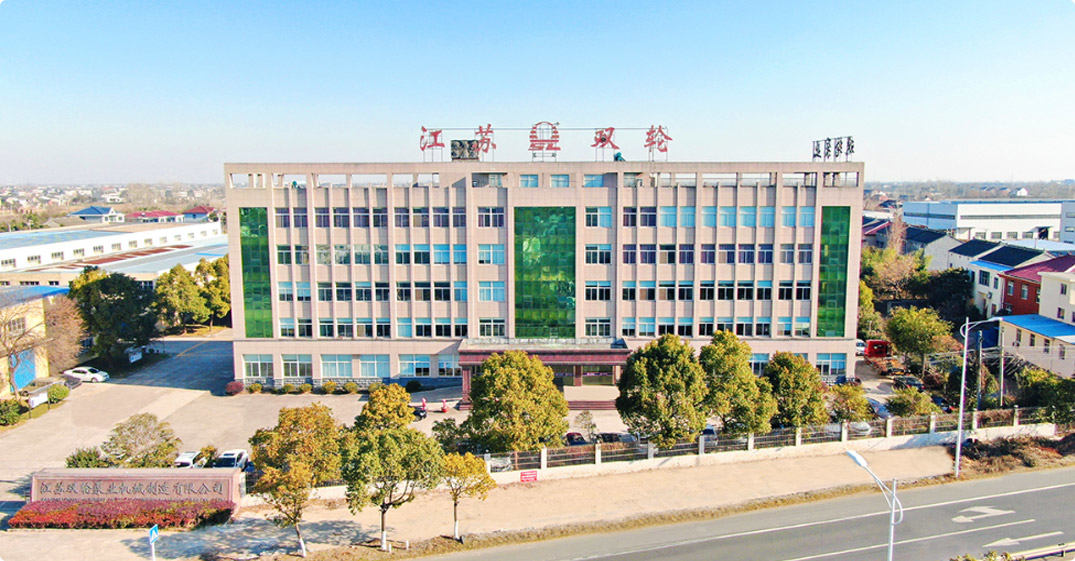
Jiangsu Double-wheel Pump Machinery Manufacting Co.,Ltd.
Jiangsu Double Wheel Pump Machinery Manufacturing Co., Ltd. is China High Head Self Priming Pump Manufacturers and Wholesale High Head Self Priming Pump Factory. The company is located in the scenic Yangtze River bank, Jiangyin Bridge, Beijing-Shanghai Expressway, Shanghai-Nanjing Expressway, Ningtong Expressway, Ningjingyan expressway running through the north and south, the traffic is very convenient, the geographical position is esteemed good. It is a production base specializing in non-sealed self-priming pumps, rain pumps, long-axis liquid pumps, chemical centrifugal pumps, positive displacement pumps and environmental protection equipment and mechanical equipment. The company has two production bases, covering an area of nearly 60,000 square meters, of which the eastern base covers an area of 33,000 square meters, the western base covers an area of 27,000 square meters, six modern production workshops, two installation workshops, a professional test workshop, a variety of mechanical processing equipment more than 160 sets, including a pump comprehensive performance test platform, Can test diameter 32-1200mm, motor power 1.1-1200KW, voltage 380V-10KV of various types of pumps, scientific research, development, manufacturing, processing, promotion, application of its own system. In the past two years, the company has closely followed the national industrial policy, made a big deal about environmental protection, and undertaken a large number of sewage treatment projects, which is unique in the environmental protection industry.
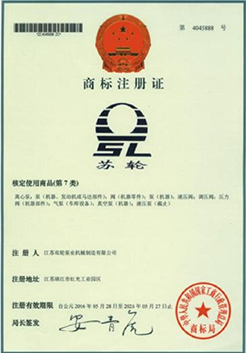
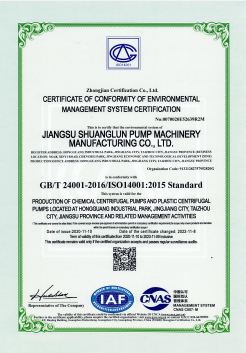
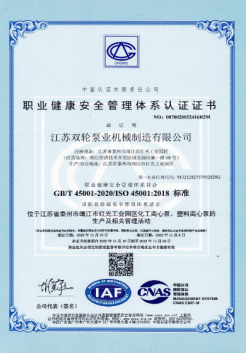
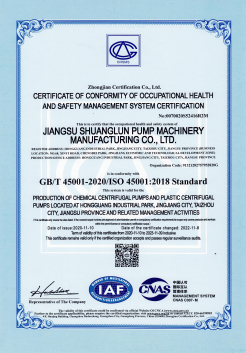
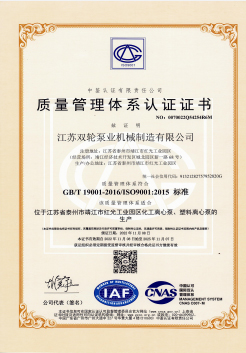
Certificate Of Honor


-
0

Be established in
-
0+

Professional personnel
-
0 million

Registered capital
-
0 ㎡

Plant area
After-Sales Service
Maintenance and Technical Support
Comprehensive lifecycle support for your high head self priming pump installation.
Maintenance and Spare Parts
Keep your high head pump operating reliably
- Complete Stage Assembly: Replacement multistage assembly with impellers, diffusers, and interstage seals for each stage. Precision balanced and assembled.
- Priming Chamber Service Kit: Includes check valve assembly, cover gasket, sight glass with seal, and recirculation port plug.
- Gland Packing Kit: PTFE/graphite packing rings (8 to 10 rings), lantern ring, and gland studs. Includes installation instructions.
- Wear Ring Kit: Replacement casing wear rings and impeller wear rings for each stage. Available in bronze or stainless steel.
Professional Technical Support
Expert assistance for high head pumping systems
- System Curve Analysis: We analyze your system head curve and recommend the optimal number of stages for your required flow and head.
- Suction Lift Verification: We calculate available NPSH for your site conditions including altitude, water temperature, and pipe friction losses.
- VFD Tuning for Constant Pressure: Our control engineers program the VFD PI controller for stable pressure control without hunting or overshoot.
- On-Site Priming Time Verification: We measure actual priming time and recommend suction pipe modifications if priming exceeds expected time.


+86-0523- 84351 090 /+86-180 0142 8659


Welcome To
Jiangsu Double-Wheel Pump
Add 1: Hongguang Industrial Park, Jingjiang City, Jiangsu Province, China
Add 2: No.68, Xinyi Road, Industrial Park, Jingjiang City, Jiangsu Province, China
Contact
-
Tel:
+86-0523- 84351 090
+86-180 0142 8659 -
FAX:
+0523-8435 5588
- E-mail: