language
  русский
 عربى
عربى Indonesia
High Flow Vertical Axial Pump Wholesale



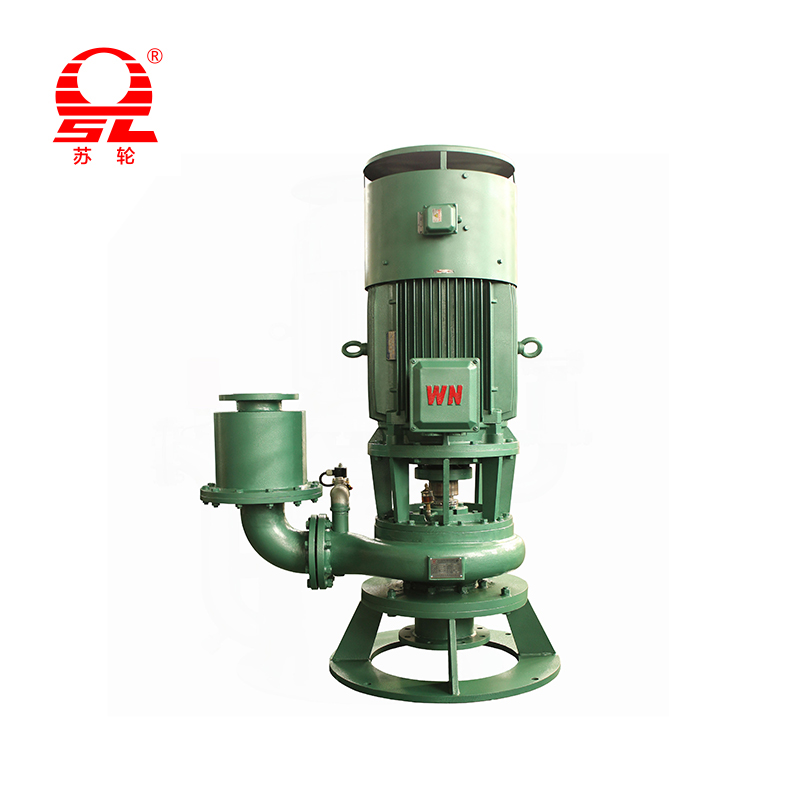

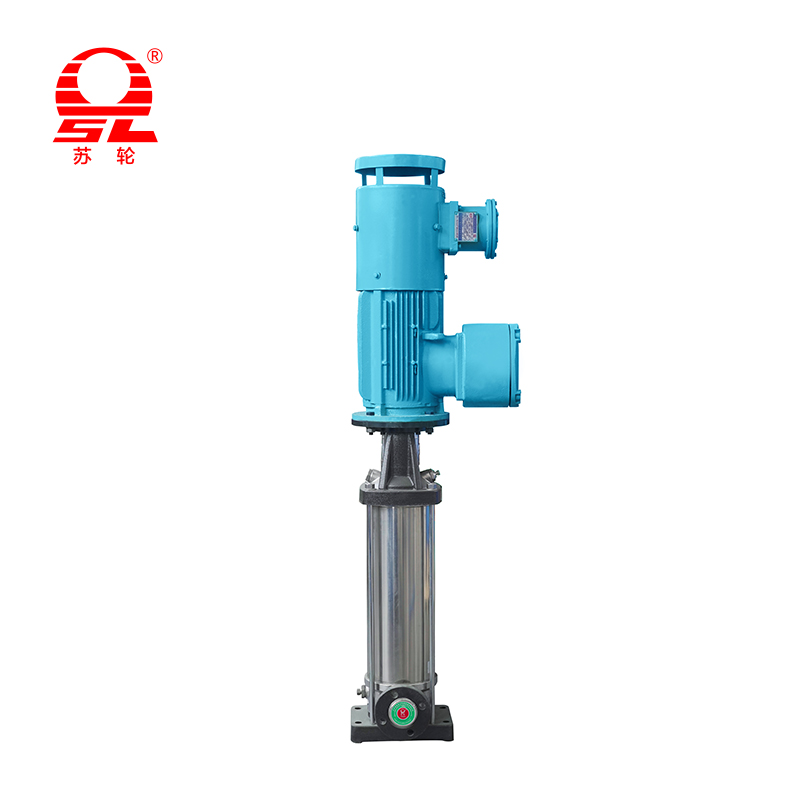


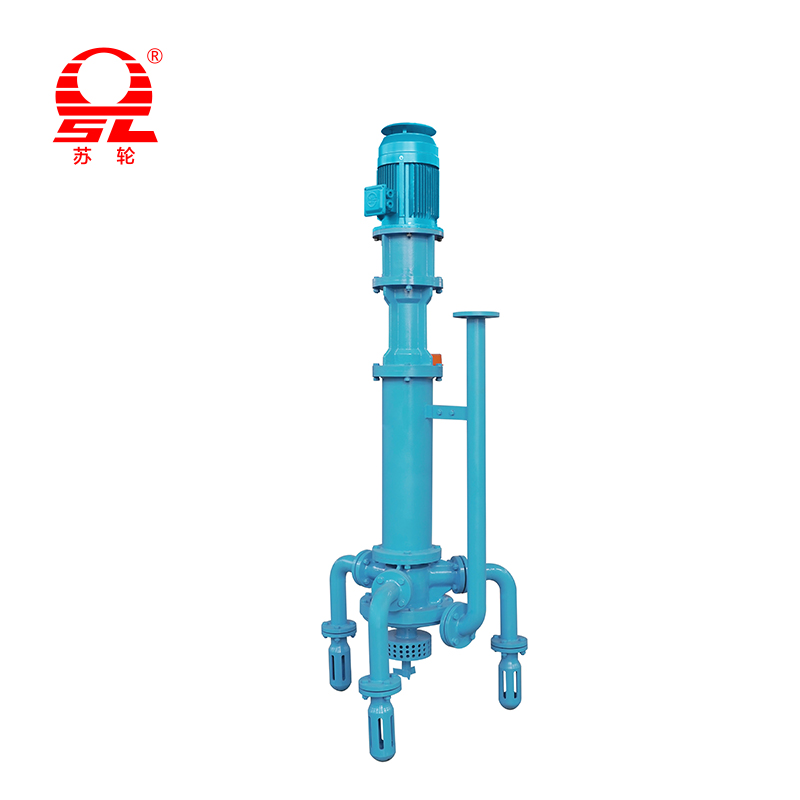
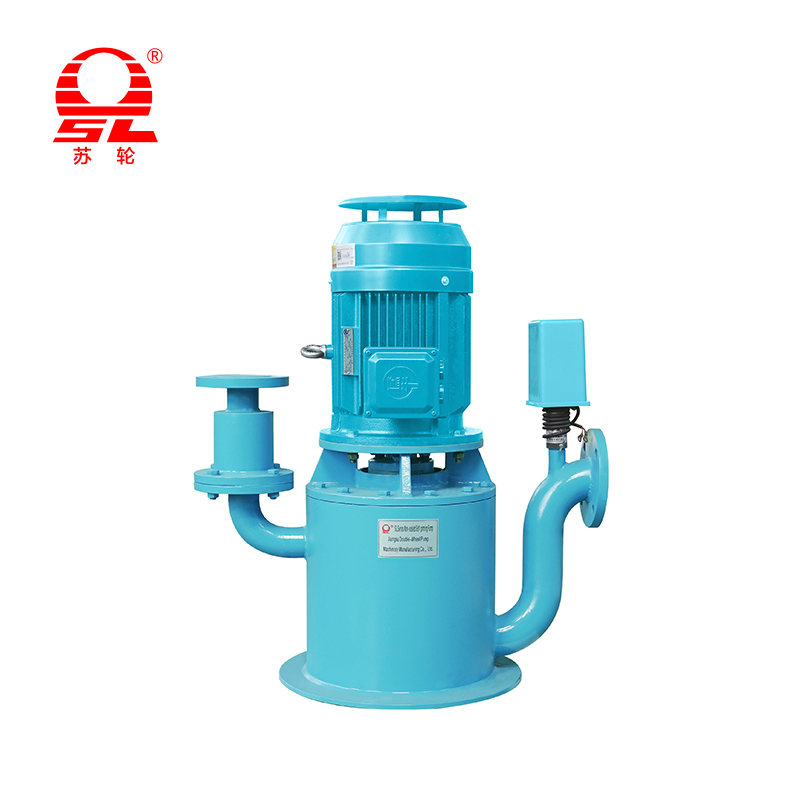
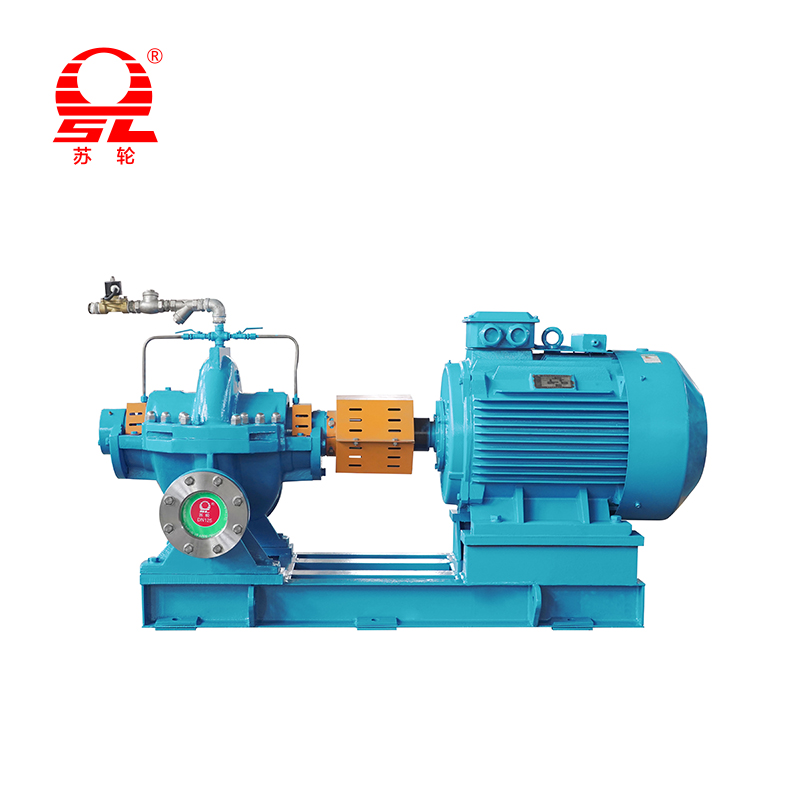
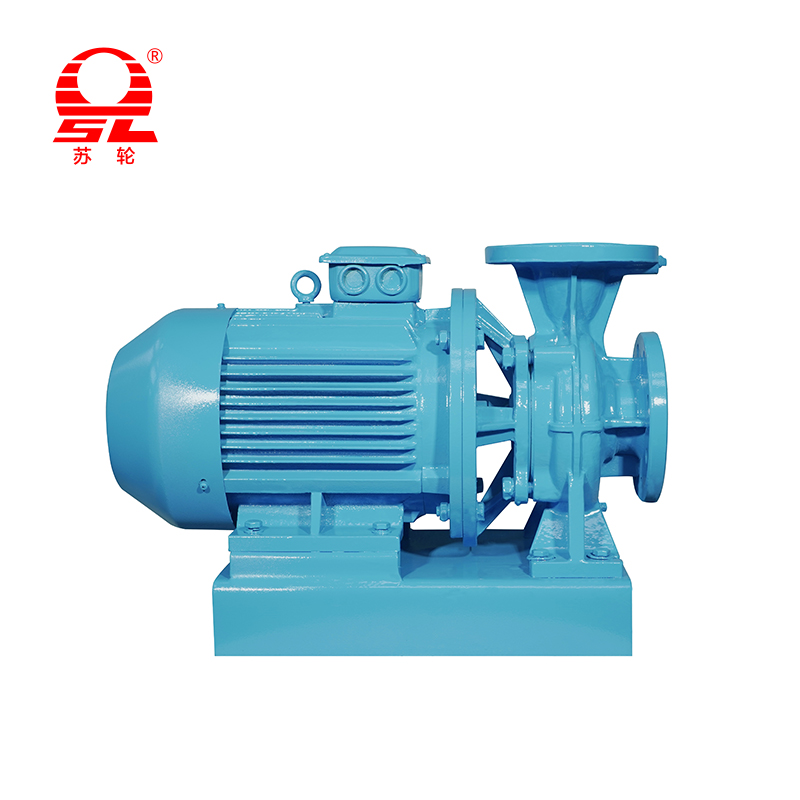


Axial Flow Design
Up to 50,000 m³/h
Low Head / High Flow
ISO 5199
High Flow Vertical Axial Pump
Engineered for ultra-high flow rates at low heads. Ideal for flood control, drainage, irrigation, and cooling water circulation where massive volumes of water must be moved efficiently with minimum energy consumption.
Product Introduction
High Capacity Axial Flow Pump Technology
A comprehensive examination of the engineering, hydraulic design, and application benefits of our high flow vertical axial pump range.
The High Flow Vertical Axial Pump is designed for one specific purpose: moving massive volumes of water at low head with maximum efficiency. Unlike centrifugal pumps that accelerate water radially and convert velocity to pressure, axial flow pumps operate like a ship propeller. Water enters the pump axially and is discharged axially, with the impeller blades imparting a lifting action that moves water in a straight line through the pump. This design is ideal for applications requiring flow rates from 2,000 to 50,000 cubic meters per hour with heads from 2 to 15 meters. Typical applications include flood control pumping stations, large-scale irrigation, cooling water intake for power plants, and stormwater drainage.
The axial flow impeller (propeller) is the key component. The impeller consists of a hub with multiple blades (typically 3 to 6 blades) attached at an angle. As the impeller rotates, the blades push water axially, similar to how a fan moves air. The blade angle can be fixed or adjustable. Fixed blade impellers are economical and suitable for constant flow applications. Adjustable blade impellers allow the blade angle to be changed (manually or hydraulically) to adjust flow rate and efficiency without changing pump speed. For the highest efficiency across varying conditions, we offer variable pitch hydraulically adjustable impellers that can be adjusted while the pump is operating.
The pump configuration is vertical, with the motor mounted above grade and the impeller submerged in the water source. The vertical configuration saves floor space and allows direct suction from the water source without long intake piping. The pump column extends from the motor down to the impeller, with the discharge elbow at the top directing water horizontally into the discharge pipe. For deep installations, the column is supplied in sections with flanged connections. The pump is supported by a mounting plate at grade level, with no foundation required below grade.
The bowl assembly contains the impeller and diffuser vanes. The diffuser (also called guide vanes) straightens the flow exiting the impeller, recovering velocity pressure and increasing efficiency. The diffuser is located immediately downstream of the impeller. For multistage axial pumps (very low flow applications or higher heads), multiple impeller-diffuser stages are stacked vertically. The suction bell at the bottom of the pump is designed to provide smooth flow entry into the impeller with minimum losses and good anti-cavitation characteristics.
Materials are selected for fresh water or seawater service. For fresh water, cast iron or ductile iron construction is standard. The impeller is cast iron or bronze. For seawater, specify duplex stainless steel (2205 or 2507) or aluminum bronze for the impeller and wetted components. The shaft is stainless steel SS420 or SS630. The column pipe is carbon steel with epoxy coating for fresh water, or stainless steel for seawater. Wear rings are replaceable and available in bronze or stainless steel.
The bearing system is specially designed for vertical axial pumps. The main thrust bearing is located in the motor or in a separate bearing housing above grade. The thrust bearing carries the weight of the rotating element plus the hydraulic thrust. For long shafts (over 5 meters), intermediate line shaft bearings are installed at intervals along the column pipe. These bearings are water-lubricated (using the pumped water) or oil-lubricated with an external supply. Water-lubricated rubber bearings are common for fresh water and are maintenance-free for many years.
The drive motor is a vertical hollow-shaft induction motor with thrust bearing capacity. For large pumps (over 500 kW), high-voltage motors (3.3kV, 6.6kV, or 10kV) are used. For variable flow applications, we offer VFDs with inverter-duty motors. However, axial pumps are typically constant speed because the flow-head characteristic is steep (small head change creates large flow change), making VFD control challenging. For adjustable flow, specify variable pitch impellers rather than VFDs.
Installation requires careful attention to the intake structure. The pump must be adequately submerged to prevent vortex formation. The approach flow must be uniform and without swirl. A bellmouth intake or intake bell is recommended. A trash rack is essential to prevent debris from entering the pump and damaging the impeller. The discharge piping should be designed with a gradual expansion and adequate support.
In summary, the High Flow Vertical Axial Pump delivers the highest flow rates at low head with unmatched efficiency for large-scale water moving applications.
Axial flow design for high flow / low head applications
Flow rates: 2,000 to 50,000 m³/h (8,800 to 220,000 US gpm)
Heads: 2 to 15 meters (6 to 49 feet)
Peak efficiency: 85 to 88 percent
Impeller types: Fixed blade / Manually adjustable / Hydraulically adjustable (variable pitch)
Vertical configuration with above-grade motor
Materials: Cast iron / Ductile iron / Bronze / Duplex stainless steel
Bearings: Water-lubricated rubber or oil-lubricated
High-voltage motor with thrust bearing
Ideal for flood control, irrigation, and cooling water intake
Technical Data
Technical Specifications
Complete performance and dimensional parameters for the high flow vertical axial pump range.
| Parameter | Specification |
|---|---|
Pump Configuration | >Vertical axial flow / Single stage / Multistage (high lift) |
Flow Rate Range | >2,000 to 50,000 m³/h (8,800 to 220,000 US gpm) |
Total Head Range | >2 to 15 meters (6 to 49 feet) single stage; up to 30 meters two stage |
Peak Efficiency | >85 to 88 percent at BEP |
Impeller Blade Type | >Fixed / Manually adjustable / Hydraulically adjustable (variable pitch) |
Motor Power Range | >45 kW to 2,500 kW (60 to 3,350 HP) |
Voltage Options | >380V / 415V / 3.3kV / 6.6kV / 10kV / 11kV |
Speed | >370 / 490 / 590 / 740 / 985 RPM (50Hz); 440 / 590 / 710 / 880 / 1,180 RPM (60Hz) |
Discharge Size (DN) | >500 mm to 2,000 mm (20" to 80") |
Fluid Temperature | >0°C to 40°C standard; up to 60°C with special materials |
Fluid Types | >Fresh water / River water / Cooling water / Sea water (with duplex materials) |
Impeller Material | >Cast iron / Bronze / Aluminum bronze / Duplex stainless steel |
Shaft Material | >SS420 / SS630 / Duplex stainless steel |
Line Shaft Bearings | >Water-lubricated rubber / Oil-lubricated bronze |
Design Standard | >ISO 5199 / AS 2281 / HI 1.4 |
Why Choose Axial Flow Pumps
Core Advantages
Six key engineering benefits that make our high flow vertical axial pump the superior choice for large volume water movement.
Unmatched High Flow Capacity
Single pump flow rates up to 50,000 cubic meters per hour (14 cubic meters per second). This flow can fill an Olympic swimming pool in less than 2 minutes. For large pumping stations, multiple axial pumps in parallel can achieve 200,000+ m³/h.
Highest Efficiency for Low Head Service
Axial pumps achieve peak efficiencies of 85 to 88 percent at low head (3 to 10 meters). Centrifugal pumps of equivalent flow capacity would be significantly larger and less efficient.
Variable Pitch Impeller Options
For applications with varying flow requirements (tidal variations, seasonal changes), specify the hydraulically adjustable impeller. Blade angle can be adjusted while the pump is operating, allowing flow to be varied from 60 to 110 percent of design without sacrificing efficiency.
Simple, Robust Construction
Axial pumps have far fewer parts than centrifugal pumps of equivalent capacity. No volute casing, no wear rings, no complex sealing. Maintenance is simple and infrequent. The pump can be disassembled from the top without entering the water.
Low NPSH Requirement
Axial pumps have very low NPSH requirements (typically 1 to 3 meters). They can operate with the impeller partially submerged without cavitation. This is essential for flood control applications where water levels may be low.
Energy Efficient at Design Point
For constant flow applications (irrigation, cooling water intake), the axial pump is the most energy efficient choice. Efficiency is maintained over a narrower range than centrifugal pumps, but at the design point it is superior.
Use Cases
Primary Applications
Trusted across flood control, irrigation, and power generation for high volume water movement.
Flood Control Pump Stations
Large volume stormwater pumping to protect low-lying areas from flooding. Pumps activate when river or sea levels rise. High flow capacity removes water quickly during extreme rainfall events.
Power Plant Cooling Water Intake
Circulating water pumps for thermal and nuclear power plants. Pumps draw cooling water from rivers, lakes, or the sea. Continuous duty at design flow. Duplex stainless steel for seawater service.
Large Scale Irrigation
Main canal pumping stations for agricultural irrigation districts. Pumps lift water from rivers to irrigation canals. High efficiency reduces pumping costs for farming communities.
Drainage Pumping Stations
Removal of excess water from low-lying agricultural land, polders, and reclaimed land. Pumps operate continuously during wet seasons. Low head, high flow ideal for gravity drainage.
Municipal Water Intake
Raw water intake from rivers for municipal water treatment plants. Axial pumps provide the required flow at low head from the river to the treatment plant intake basin.
Industrial Process Water Supply
Large volume process water supply for refineries, chemical plants, and steel mills. Pumps draw from rivers or cooling ponds. High reliability and continuous duty.
Head-to-Head
Axial vs Centrifugal Pump Comparison
A detailed comparison of axial flow pumps versus centrifugal pumps for low head / high flow applications.
| Parameter | Axial Flow Pump | Centrifugal Pump |
|---|---|---|
| Typical Head Range | 2 to 15 meters | 10 to 100+ meters |
| Typical Flow Range | 2,000 to 50,000 m³/h | 10 to 15,000 m³/h |
| Peak Efficiency at Low Head (5m) | 85 to 88% | 65 to 75% |
| Relative Size (same flow) | Smaller and lighter | Larger and heavier |
| NPSH Required | Very low (1 to 3 meters) | Higher (3 to 8 meters) |
| Variable Flow Efficiency | Drops sharply off BEP | Maintains efficiency over wider range |
| Typical Applications | Flood control / Cooling intake / Irrigation | General purpose / High head |
Expert Tips
Usage Tips and Best Practices
Maximize the performance, reliability, and efficiency of your high flow vertical axial pump.
1
Design Intake for Uniform Flow
Axial pumps require uniform, swirl-free flow entering the impeller. Design the intake basin with sufficient length (minimum 5 times the bell diameter) and install flow straightening vanes if necessary. Swirl causes vibration, noise, and efficiency loss.
2
Maintain Minimum Submergence
Submergence is the depth of water above the impeller. Minimum submergence is typically 2 to 3 times the impeller diameter or 1 to 2 meters, whichever is greater. Insufficient submergence causes vortex formation, air ingestion, and cavitation.
3
Install Trash Racks with Adequate Area
Debris can damage impeller blades and clog the intake. Install trash racks with bar spacing of 100 to 150mm. Net open area should be 3 to 5 times the pump bell area. Clean trash racks regularly, especially during flood events.
4
Monitor Shaft Vibration
Axial pumps operate with very low vibration when properly installed. Install proximity probes or accelerometers on the discharge head. Increasing vibration indicates impeller imbalance, blade damage, or bearing wear. Investigate changes promptly.
5
Flush Water Lubricated Bearings Before Start
For water-lubricated line shaft bearings, ensure the pump is fully submerged before starting. Running dry for even a few seconds can damage rubber bearings. For intermittent service, install a priming water connection to lubricate bearings before start.
6
Adjust Blade Pitch for Seasonal Changes
For pumps with adjustable blades, adjust blade angle to match seasonal flow requirements. Lower blade angle reduces flow and power consumption during low demand periods. Record power consumption at each blade angle for future reference.
FAQ
Frequently Asked Questions
Expert answers to common questions about high flow vertical axial pumps.
What is the difference between axial flow and mixed flow pumps?
Axial flow pumps have flow entering and exiting axially (straight through) with blades acting like a propeller. They are ideal for very high flow, very low head (2-15m) applications. Mixed flow pumps have flow entering axially but exiting diagonally, providing higher head (10-30m) at lower flow than axial pumps. For heads above 15m, a mixed flow pump is more efficient than axial.
What is the maximum head for a single stage axial pump?
Axial pumps are efficient only at heads below 15 meters. Above 15 meters, a mixed flow or centrifugal pump is more efficient. For applications requiring head above 15 meters, consider two stage axial pumps or mixed flow pumps.
Can axial pumps be used for seawater?
Yes. For seawater, specify duplex stainless steel (2205 or 2507) or super austenitic stainless steel for the impeller, shaft, and wetted components. Bronze impellers are acceptable for lower salinity. Standard cast iron is not suitable for seawater.
How do variable pitch impellers work?
Variable pitch (hydraulically adjustable) impellers allow blade angle to be changed while the pump is operating. A hydraulic actuator in the hub adjusts blade angle. Flow rate can be varied from 60 to 110 percent of design flow with minimal efficiency loss. Changing blade angle requires 10 to 30 seconds per degree.
What is the typical efficiency of an axial pump?
Axial pumps achieve peak efficiencies of 85 to 88 percent at best efficiency point. This is higher than centrifugal pumps at very low head. Efficiency drops off when operating more than 20 percent away from BEP. For variable flow applications, consider variable pitch impellers or parallel pumps.
How deep can the pump be installed?
Standard column lengths are available up to 15 meters. For deeper installations, intermediate line shaft bearings are required every 3 to 5 meters. Maximum practical depth is 30 meters with multiple bearings. For deeper pits, consider a submersible pump.
Do axial pumps require a foot valve?
No. The pump is always submerged, so no foot valve is required. The water column above the impeller maintains prime when the pump stops. For pumps with long discharge lines, a check valve at the discharge head prevents backflow when the pump stops.
What is the typical lead time for a large axial pump?
Standard axial pumps (1,000mm to 1,500mm discharge) ship within 24 to 36 weeks. Larger pumps (2,000mm+ discharge) require 36 to 52 weeks. Variable pitch hydraulic impellers add 12 to 16 weeks. Stainless steel or duplex construction adds 8 to 12 weeks.
Can axial pumps handle debris?
Axial pumps can pass small debris (leaves, twigs, fish) without damage. Trash racks are required to prevent large debris from entering the pump. For applications with significant debris, specify a debris grinder upstream of the pump or a pump with a shredding impeller.
Can I use a VFD with an axial pump?
Yes, but with limitations. Axial pumps have a steep head-flow characteristic; small speed changes produce large flow changes. This makes PID control challenging. For variable flow, variable pitch impellers are preferred over VFDs. If VFD is used, operate within 80 to 105 percent of rated speed for best efficiency.
Company
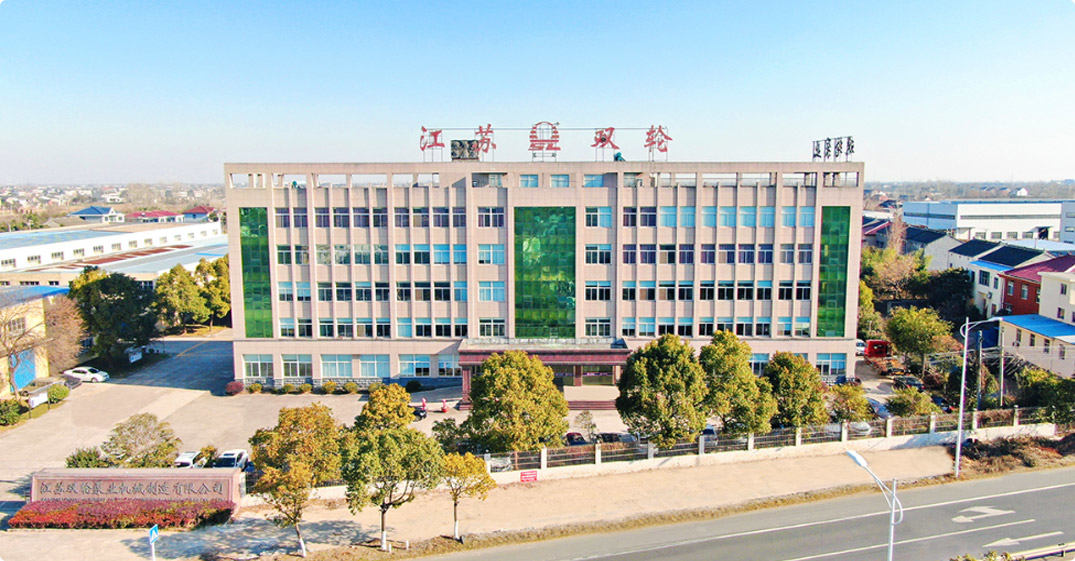
Jiangsu Double-wheel Pump Machinery Manufacting Co.,Ltd.
Jiangsu Double Wheel Pump Machinery Manufacturing Co., Ltd. is China High Flow Vertical Axial Pump Manufacturers and Wholesale High Flow Vertical Axial Pump Factory. The company is located in the scenic Yangtze River bank, Jiangyin Bridge, Beijing-Shanghai Expressway, Shanghai-Nanjing Expressway, Ningtong Expressway, Ningjingyan expressway running through the north and south, the traffic is very convenient, the geographical position is esteemed good. It is a production base specializing in non-sealed self-priming pumps, rain pumps, long-axis liquid pumps, chemical centrifugal pumps, positive displacement pumps and environmental protection equipment and mechanical equipment. The company has two production bases, covering an area of nearly 60,000 square meters, of which the eastern base covers an area of 33,000 square meters, the western base covers an area of 27,000 square meters, six modern production workshops, two installation workshops, a professional test workshop, a variety of mechanical processing equipment more than 160 sets, including a pump comprehensive performance test platform, Can test diameter 32-1200mm, motor power 1.1-1200KW, voltage 380V-10KV of various types of pumps, scientific research, development, manufacturing, processing, promotion, application of its own system. In the past two years, the company has closely followed the national industrial policy, made a big deal about environmental protection, and undertaken a large number of sewage treatment projects, which is unique in the environmental protection industry.
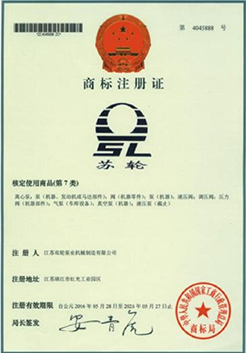
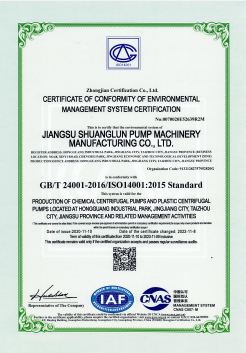
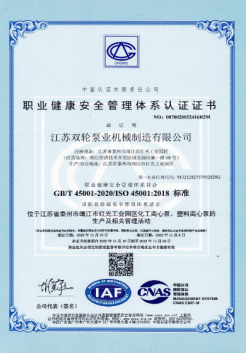
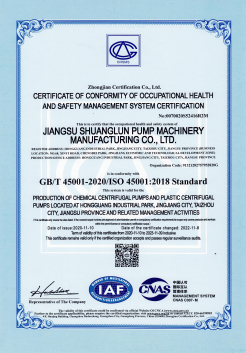
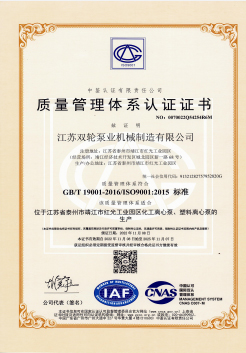
Certificate Of Honor


-
0

Be established in
-
0+

Professional personnel
-
0 million

Registered capital
-
0 ㎡

Plant area
After-Sales Service
Maintenance and Technical Support
Comprehensive lifecycle support for your high flow vertical axial pump installation.
Maintenance and Spare Parts
Keep your axial pump operating at peak efficiency
- Impeller Blade Set: Replacement blades for axial impeller, individually balanced. Available in cast iron, bronze, or duplex stainless steel. Supplied with pitch setting gauge.
- Line Shaft Bearing Kit: Replacement water-lubricated rubber bearings or oil-lubricated bronze bearings with shaft sleeves and spacers for each bearing station.
- Thrust Bearing Kit: Complete thrust bearing assembly for vertical hollow-shaft motor. Includes bearing, housing, oil seals, and RTD sensor.
- Variable Pitch Actuator Service Kit: Hydraulic actuator seals, hoses, and control valve for variable pitch impeller systems.
Professional Technical Support
Expert assistance for high volume pumping systems
- Intake Hydraulic Design: We design the pump intake basin, approach channel, and trash racks to ensure uniform flow and minimize vortex formation.
- Pump Station Efficiency Audit: We measure pump flow, head, and power to verify efficiency. Recommendations for impeller trimming or blade pitch adjustment provided.
- On-Site Vibration Analysis: Our engineers perform field vibration analysis and provide recommendations for balancing or alignment.
- Hydraulic Institute Training: We provide training on axial pump operation, maintenance, and troubleshooting for your operators and maintenance staff.


+86-0523- 84351 090 /+86-180 0142 8659


Welcome To
Jiangsu Double-Wheel Pump
Add 1: Hongguang Industrial Park, Jingjiang City, Jiangsu Province, China
Add 2: No.68, Xinyi Road, Industrial Park, Jingjiang City, Jiangsu Province, China
Contact
-
Tel:
+86-0523- 84351 090
+86-180 0142 8659 -
FAX:
+0523-8435 5588
- E-mail: