language
  русский
 عربى
عربى Indonesia
High Reliability Industrial Pumping Equipment Wholesale



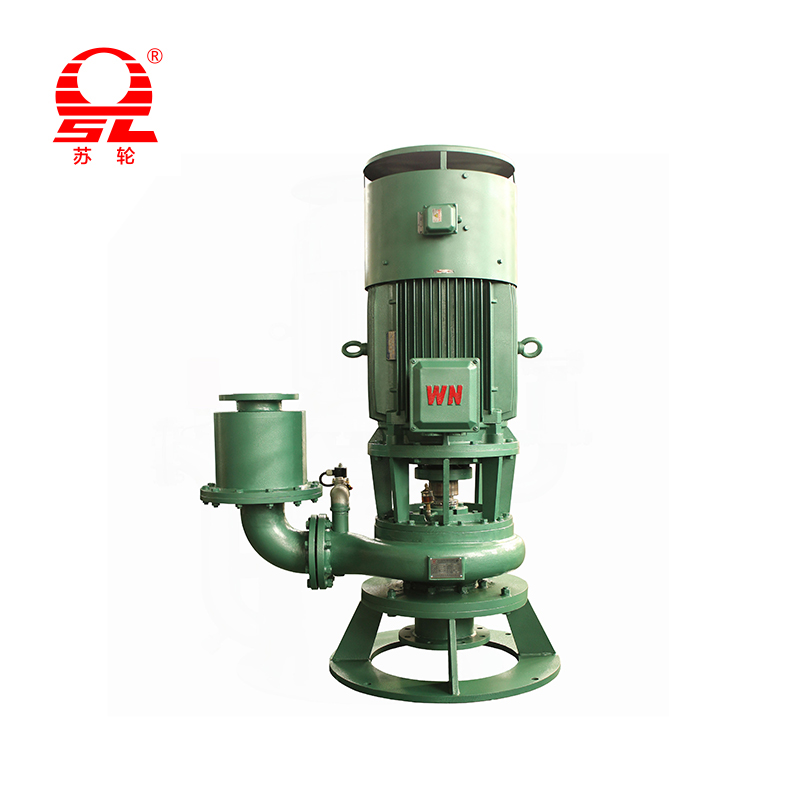
99.9% Uptime Up to 5,000 m³/h Built-in Redundancy API 610
High Reliability Industrial Pumping Equipment
Engineered for mission-critical applications where pump failure is not an option. Redundant components, condition monitoring, and heavy-duty construction deliver 99.9 percent uptime in continuous industrial service.
Product Introduction
High Reliability Pumping Technology
A comprehensive examination of the engineering, redundancy, and condition monitoring features of our high reliability industrial pumping equipment range.
The High Reliability Industrial Pumping Equipment is designed for mission-critical applications where pump failure would cause production loss, safety incidents, or environmental damage. Industries such as oil refining, petrochemical production, power generation, and pharmaceutical manufacturing require pumps that operate continuously for years without failure. Our high reliability equipment incorporates multiple layers of redundancy: dual mechanical seals, auxiliary oil systems, redundant bearings, and integrated condition monitoring. Mean time between failures (MTBF) exceeds 50,000 hours (5.7 years) for the pump assembly and 100,000 hours for bearings. For applications requiring the highest reliability, we provide N+1 pump configurations (one spare pump per operating pump).
The pump construction follows API 610 (American Petroleum Institute) standards, which are the most stringent in the industry. API 610 requires heavy-duty bearing housings, API 682 seal chambers, full material traceability, and rigorous testing. The bearing housing is of the oil mist or forced oil lubrication type, with oversized bearings selected for L10 life of 50,000 hours minimum. The shaft is oversized to maintain critical speed margins of at least 25 percent above operating speed. The casing is of the centerline mount design to accommodate thermal expansion without misalignment.
Condition monitoring is integrated into every pump. Bearing temperature sensors (RTD) are installed in each bearing housing. Vibration sensors (proximity probes or accelerometers) monitor shaft vibration and axial position. Seal chamber sensors detect leakage or loss of barrier fluid. Motor stator temperature sensors (PTC thermistors) monitor winding temperature. All sensors connect to a machinery protection system (MPS) that shuts down the pump before damage occurs. For critical pumps, we provide dual sensors (redundant RTDs) to prevent false trips.
The sealing system is API 682 compliant with multiple options. For non-hazardous fluids, single mechanical seals (Arrangement 1) are sufficient. For hazardous fluids, we specify double mechanical seals (Arrangement 2 or 3) with a pressurized barrier fluid (API Plan 52 or 53). The barrier fluid system includes a reservoir with level and pressure switches, a cooler, and a circulation pump (Plan 53). For the highest reliability, we provide dual barrier fluid pumps (N+1) and a backup nitrogen supply.
The lubrication system for high reliability pumps is critical. For oil ring lubricated bearings, we provide constant level oilers and auxiliary oil reservoirs. For forced oil circulation systems, we provide dual oil pumps (one operating, one standby) with automatic changeover, duplex oil filters, and oil coolers with temperature control. Oil mist lubrication is available for pumps where forced oil circulation is not practical. The oil is sampled and analyzed quarterly for contamination, viscosity, and additive depletion.
Redundancy is provided at the system level. For critical applications, we specify N+1 pump configurations: two pumps (one operating, one standby) for 100 percent capacity, or three pumps (two operating, one standby) for 200 percent capacity. The standby pump starts automatically on loss of flow or pressure from the operating pump. For applications requiring maximum reliability, we specify dual utility feeds and a standby generator for the pump station.
Quality assurance includes 100 percent hydrostatic testing of all pressure-containing castings, radiography of critical welds, and dye penetrant inspection of all machined surfaces. Performance testing is performed to API 610 standards, including a 4-hour mechanical run test and full performance curve verification. For critical pumps, witness testing is performed by the customer or an independent third party.
Documentation includes a complete data book with material certificates (EN 10204 3.1 or 3.2), NDE reports, performance test reports, NPSH test reports, vibration plots, bearing temperature records, and API 682 seal certificates. For nuclear or pharmaceutical applications, we provide additional documentation per ASME Section III or cGMP requirements.
In summary, the High Reliability Industrial Pumping Equipment delivers the uptime, diagnostics, and redundancy required for mission-critical industrial applications.
MTBF: 50,000+ hours (5.7+ years continuous operation)
API 610 construction with heavy-duty bearings and shaft
Integrated condition monitoring: RTD, vibration, seal sensors
Flow rates: 10 to 5,000 m³/h
Heads: 10 to 250 meters
Sealing: API 682 Arrangement 2 or 3 with barrier fluid system
Lubrication: Forced oil circulation with dual pumps / Oil mist / Ring oil
Redundancy: N+1 pump configuration / Dual utility feeds / Backup generator
100% hydrostatic testing and API 610 performance testing
Complete data book with material certificates and NDE reports
Technical Data
Technical Specifications
Complete reliability and performance parameters for high reliability industrial pumping equipment.
| Parameter | Specification |
|---|---|
|
Pump Configuration
|
API 610 OH2 / BB2 / BB3 / BB5 / VS4 |
|
Flow Rate Range
|
10 to 5,000 m³/h (44 to 22,000 US gpm) |
|
Total Head Range
|
10 to 250 meters (33 to 820 feet) |
|
MTBF (Mean Time Between Failures)
|
50,000 hours minimum (pump) / 100,000 hours (bearings) |
|
Motor Power Range
|
7.5 kW to 2,500 kW (10 to 3,350 HP) |
|
Voltage Options
|
380V / 400V / 415V / 3.3kV / 6.6kV / 10kV / 11kV |
|
Speed
|
740 / 985 / 1,480 / 2,950 RPM (50Hz); 880 / 1,180 / 1,780 / 3,550 RPM (60Hz) |
|
Seal Type
|
API 682 Arrangement 2 (tandem) or Arrangement 3 (double) with Plan 52/53 |
|
Bearing L10 Life
|
50,000 to 100,000 hours |
|
Condition Monitoring Sensors
|
Bearing RTD / Proximity probes / Accelerometers / Seal leak sensors / Motor PTC |
|
Redundancy Level
|
N+1 (one spare pump) / N+2 (two spare pumps) as specified |
|
Fluid Types
|
Hydrocarbons / Chemicals / Boiler feed / Heavy oils / Process fluids |
|
Fluid Temperature
|
-40°C to +260°C (-40°F to +500°F) |
|
Design Standard
|
API 610 11th Edition / API 682 4th Edition / ISO 13709 |
Why Choose High Reliability Equipment
Core Advantages
Six key engineering benefits that make our high reliability pumping equipment the preferred choice for mission-critical industrial applications.
Exceptional MTBF (50,000+ Hours)
Mean time between failures exceeds 50,000 hours (5.7 years continuous operation). Heavy-duty API 610 construction, oversized bearings, and conservative shaft sizing contribute to long life. For bearings alone, MTBF exceeds 100,000 hours.
Integrated Condition Monitoring
Bearing RTD sensors (4-20mA), proximity probes (vibration and axial position), accelerometers, and seal leak sensors are standard. All data connects to machinery protection system with automatic shutdown on critical alarms.
Redundant Sealing Systems
API 682 Arrangement 2 or 3 double mechanical seals with pressurized barrier fluid (Plan 52 or 53). Dual barrier fluid pumps (N+1) and backup nitrogen supply available. Zero emissions to atmosphere.
Forced Oil Lubrication with Dual Pumps
For high power pumps, forced oil circulation system with dual oil pumps (operating and standby). Duplex oil filters with automatic changeover. Oil coolers with temperature control. Oil mist lubrication available.
N+1 Pump Redundancy
Standby pump automatically starts on loss of flow or pressure. N+1 configuration ensures process continues during pump maintenance. For highest reliability, specify N+2 (two spare pumps).
Complete Documentation Package
API 610 data book includes: material certificates (EN 10204 3.1/3.2), NDE reports, performance test reports, NPSH curves, vibration plots, bearing temperature records, and API 682 seal certificates.
Use Cases
Primary Applications
Trusted across industries where pump failure is not an option.
Refinery Crude Unit Feed
Crude oil charge pumps to atmospheric distillation column. Continuous operation for 3 to 5 years between turnarounds. API 610 BB5 multistage pumps with 50,000+ hour MTBF.
Power Plant Boiler Feed
High pressure boiler feed pumps for thermal power plants. Redundant pumps (N+1) with automatic start on loss of feed flow. Continuous duty for 8,000+ hours per year.
Petrochemical Reactor Feed
Feed pumps for ethylene crackers, propylene plants, and polymer reactors. Zero downtime acceptable. API 682 double seals with barrier fluid.
Pharmaceutical Critical Processes
API transfer for batch reactors. Pumps must not fail during active pharmaceutical ingredient (API) synthesis. Sanitary construction with 21 CFR Part 11 data logging.
LNG Liquefaction Trains
Circulating pumps for liquefied natural gas (LNG) service. Extreme low temperature (-160°C) construction. Dual mechanical seals with nitrogen purge.
Offshore Platform Water Injection
Seawater injection pumps for oil reservoir pressure maintenance. Corrosion-resistant duplex stainless steel. Redundant pumps with automatic start.
Head-to-Head
High Reliability vs Standard Industrial Comparison
A detailed comparison of high reliability (API 610) pumps versus standard industrial (ISO 5199) pumps.
| Parameter | High Reliability (API 610) | Standard Industrial (ISO 5199) |
|---|---|---|
| MTBF (Mean Time Between Failures) | 50,000+ hours | 15,000 to 25,000 hours |
| Bearing L10 Life | 50,000 to 100,000 hours | 25,000 to 40,000 hours |
| Condition Monitoring | Standard (RTD, vibration, seal) | Optional (extra cost) |
| Seal Type | API 682 double seals with barrier | Single mechanical seal |
| Lubrication System | Forced oil / Oil mist / Dual pumps | Oil ring (standard) |
| Documentation Package | Complete data book (certificates, NDE, tests) | Basic datasheet only |
| Relative Cost | 2 to 3 times higher | Baseline |
Expert Tips
Usage Tips and Best Practices
Maximize the reliability, uptime, and service life of your high reliability industrial pumping equipment.
1
Set Alarm and Trip Levels Appropriately
Do not use default alarm levels. Set alarm at 10 percent above baseline, trip at 20 percent above baseline for bearing temperature. For vibration, alarm at 0.5 mm/s above baseline, trip at 1.0 mm/s above baseline. Baselines are established at commissioning.
2
Test Standby Pumps Weekly
Run standby pumps weekly (automatically or manually) to verify they start and run. Failure of a standby pump to start is a common cause of downtime. For automatic start systems, test with simulated process conditions.
3
Analyze Oil Quarterly
Sample oil from forced oil systems quarterly. Test for viscosity, water content, particle count, and additive depletion. Change oil when water exceeds 0.1 percent or particle count exceeds ISO 16/13.
4
Check Barrier Fluid Reservoir Daily
For double mechanical seals (API Plan 52 or 53), check barrier fluid reservoir level and pressure daily. A drop in level indicates inner seal leakage. A pressure drop indicates outer seal leakage. Address seal issues before they cause environmental release.
5
Maintain Minimum Flow Recirculation
Never operate below minimum continuous flow (20 to 30 percent of BEP). Install minimum flow recirculation line with automatic valve. For VFD pumps, maintain minimum speed corresponding to minimum flow.
6
Document Baseline Vibration Spectrum
Record full FFT vibration spectrum at commissioning. Compare periodic spectra to baseline. Increasing 1x amplitude indicates imbalance (impeller wear). Increasing 2x amplitude indicates misalignment. Specific bearing frequencies indicate bearing wear.
FAQ
Frequently Asked Questions
Expert answers to common questions about high reliability industrial pumping equipment.
What is MTBF and why is it important?
MTBF (Mean Time Between Failures) is the average operating time between equipment failures. Higher MTBF means lower downtime. Our high reliability pumps achieve 50,000+ hours MTBF, meaning less than one failure every 5.7 years. For continuous processes (refineries, power plants), high MTBF is critical.
What is API 610 and why is it important for reliability?
API 610 is the American Petroleum Institute standard for centrifugal pumps for petroleum, petrochemical, and natural gas industries. It requires heavy-duty construction, larger shafts, higher bearing life, and more rigorous testing than industrial standards (ISO 5199). API 610 pumps are designed for 3 to 5 years of continuous operation between turnarounds.
What is the difference between Arrangement 2 and Arrangement 3 seals?
Arrangement 2 (tandem seal) has two seals in series with an unpressurized barrier fluid. If the primary seal leaks, the secondary seal contains the leak. Arrangement 3 (double seal) has two seals with a pressurized barrier fluid. Both seals face opposite directions. Arrangement 3 provides zero emissions to atmosphere and is required for hazardous fluids.
What condition monitoring sensors should I specify?
Minimum recommendation: bearing RTD sensors (4 per pump), proximity probes for shaft vibration and axial position, seal leak sensors, and motor stator RTDs. For critical pumps, add accelerometers for housing vibration and oil mist system sensors.
How much redundancy should I specify?
For critical processes (refinery feed, boiler feed), specify N+1 (one standby pump per operating pump). For most critical applications (emergency systems, nuclear), specify N+2 (two standby pumps). For non-critical applications (transfer, utility), no standby may be acceptable.
What is the typical lead time for a high reliability pump?
API 610 pumps typically require 24 to 52 weeks. Castings (12 to 20 weeks), machining (4 to 8 weeks), assembly (2 to 4 weeks), testing (2 to 4 weeks). For critical materials (duplex, Hastelloy), lead times longer. Plan ahead for turnaround schedules.
Do you provide witnessed factory acceptance testing?
Yes. We host customer witnessed testing at our ISO 9001 certified facility. Testing includes performance curve (8 points), NPSH verification, mechanical run (4 hours minimum), vibration measurement, and bearing temperature monitoring. Witness testing is standard for API 610 pumps.
What documentation is provided with API 610 pumps?
Complete API 610 data book includes: material test certificates (EN 10204 3.1 or 3.2), NDE reports (radiographic, dye penetrant, ultrasonic), performance test reports, NPSH curves, vibration plots (10 to 1,000 Hz), bearing temperature records, seal certificates, and dimensional inspection reports.
Can high reliability pumps be repaired in the field?
Limited field repair is possible (seal replacement, bearing replacement). For major repairs (shaft replacement, casing repair, impeller replacement), return to factory or authorized repair center recommended. Field repair of API 610 pumps should follow the OEM repair manual.
Do you provide training for high reliability pump operation?
Yes. We provide on-site and classroom training for your operators and maintenance staff. Training covers: condition monitoring data interpretation, seal barrier fluid management, minimum flow protection, standby pump testing, and emergency procedures.
Company
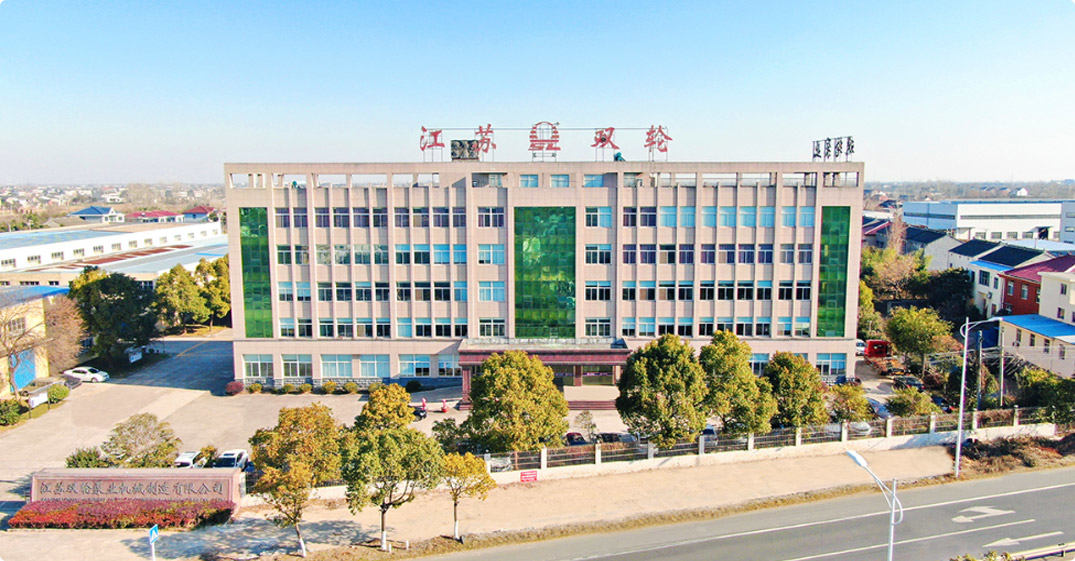
Jiangsu Double-wheel Pump Machinery Manufacting Co.,Ltd.
Jiangsu Double Wheel Pump Machinery Manufacturing Co., Ltd. is China High Reliability Industrial Pumping Equipment Manufacturers and Wholesale High Reliability Industrial Pumping Equipment Factory. The company is located in the scenic Yangtze River bank, Jiangyin Bridge, Beijing-Shanghai Expressway, Shanghai-Nanjing Expressway, Ningtong Expressway, Ningjingyan expressway running through the north and south, the traffic is very convenient, the geographical position is esteemed good. It is a production base specializing in non-sealed self-priming pumps, rain pumps, long-axis liquid pumps, chemical centrifugal pumps, positive displacement pumps and environmental protection equipment and mechanical equipment. The company has two production bases, covering an area of nearly 60,000 square meters, of which the eastern base covers an area of 33,000 square meters, the western base covers an area of 27,000 square meters, six modern production workshops, two installation workshops, a professional test workshop, a variety of mechanical processing equipment more than 160 sets, including a pump comprehensive performance test platform, Can test diameter 32-1200mm, motor power 1.1-1200KW, voltage 380V-10KV of various types of pumps, scientific research, development, manufacturing, processing, promotion, application of its own system. In the past two years, the company has closely followed the national industrial policy, made a big deal about environmental protection, and undertaken a large number of sewage treatment projects, which is unique in the environmental protection industry.
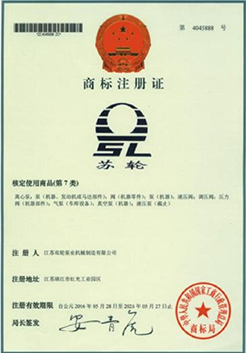
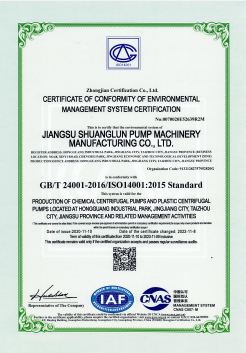
Certificate Of Honor


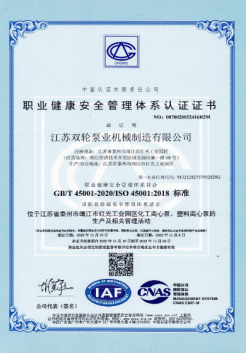
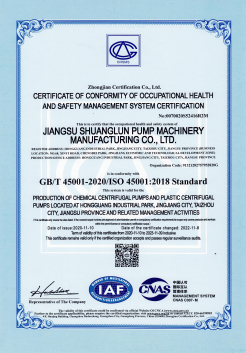
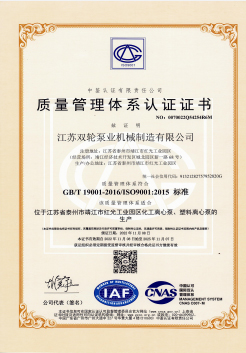
-
0

Be established in
-
0+

Professional personnel
-
0 million

Registered capital
-
0 ㎡

Plant area
After-Sales Service
Maintenance and Technical Support
Comprehensive lifecycle support for your high reliability industrial pumping equipment.
Maintenance and Spare Parts
Keep your critical pumps operating with zero downtime
-
Complete Spare Rotating Assembly: Pre-assembled shaft, impeller, wear rings, and balance drum. Dynamically balanced and certified. Allows 4-hour pump repair vs 2-week rebuild.
-
API 682 Seal Cartridge Kit: Complete double mechanical seal cartridge with barrier fluid connections. Arrangement 2 or 3 as specified. Certified to API 682 4th Edition.
-
Bearing Kit: Matched set of bearings (SKF or FAG) with certification. Includes locknuts, washers, and labyrinth seals.
-
Full Data Book: Re-issue of original API 610 documentation package for replacement parts.
Professional Technical Support
Expert assistance for critical pumping systems
-
24/7 Emergency Support: Our rotating equipment engineers available by phone 24/7. Remote access to condition monitoring data for troubleshooting.
-
Vibration Analysis Service: We collect and analyze vibration data monthly. Reports provided with recommendations for balancing or alignment.
-
On-Site Commissioning: Factory-trained engineers supervise installation, alignment, piping strain verification, and performance testing.
-
Spare Parts Management Program: We maintain consignment stock of critical spares at your facility. Monthly inventory audit and replenishment. Guaranteed availability.


+86-0523- 84351 090 /+86-180 0142 8659


Welcome To
Jiangsu Double-Wheel Pump
Add 1: Hongguang Industrial Park, Jingjiang City, Jiangsu Province, China
Add 2: No.68, Xinyi Road, Industrial Park, Jingjiang City, Jiangsu Province, China
Contact
-
Tel:
+86-0523- 84351 090
+86-180 0142 8659 -
FAX:
+0523-8435 5588
- E-mail: