language
  русский
 عربى
عربى Indonesia
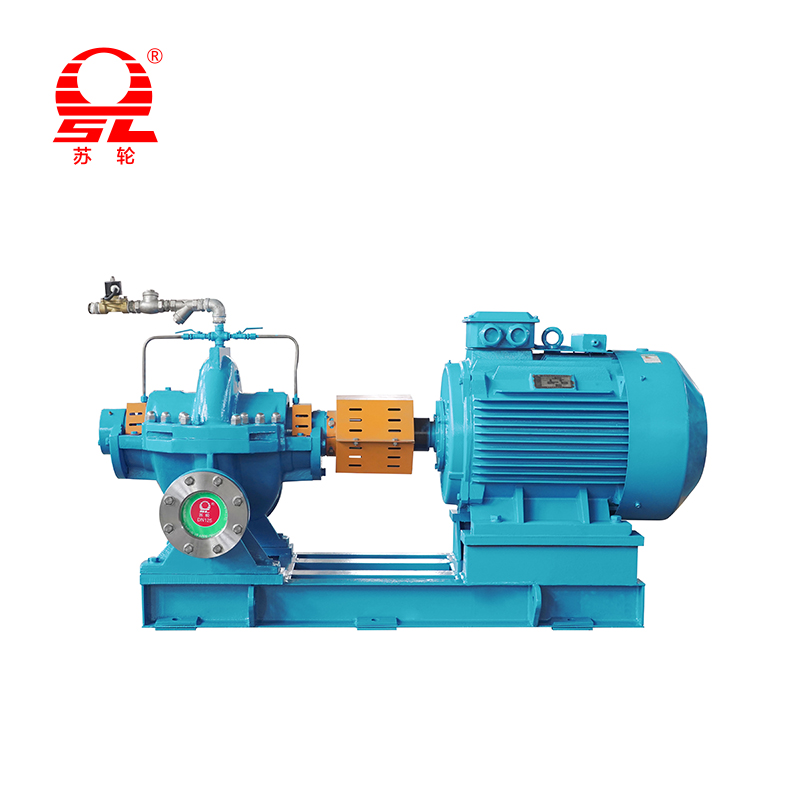
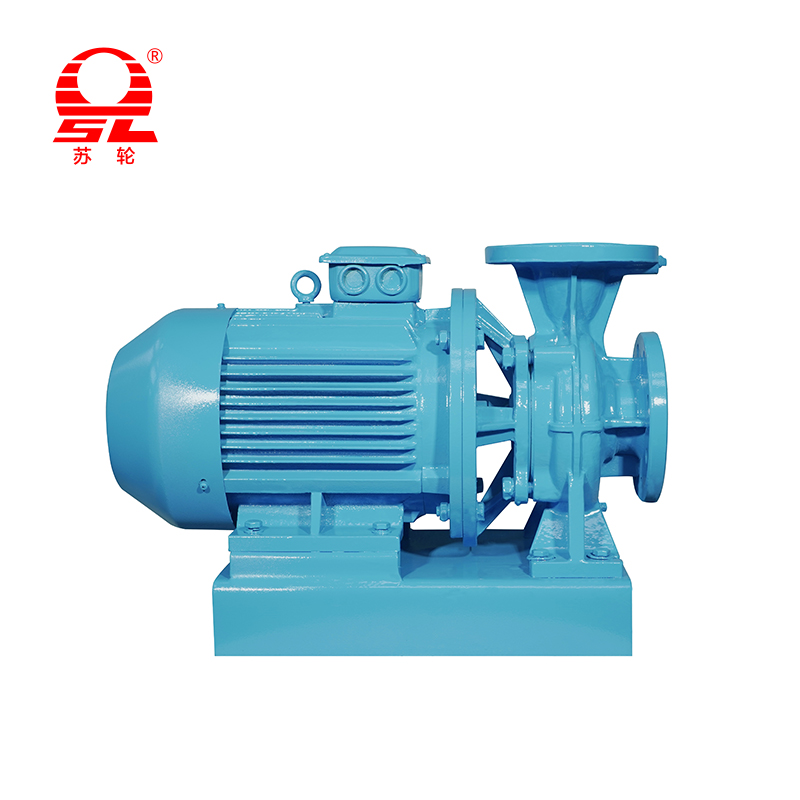
Industrial Grade Sewage Treatment Pump Wholesale







Non-Clog Design
Dual Seal-in-Oil
Anti-Ragging Auto-Reverse
ISO 9001:2015
SCADA / PLC Ready
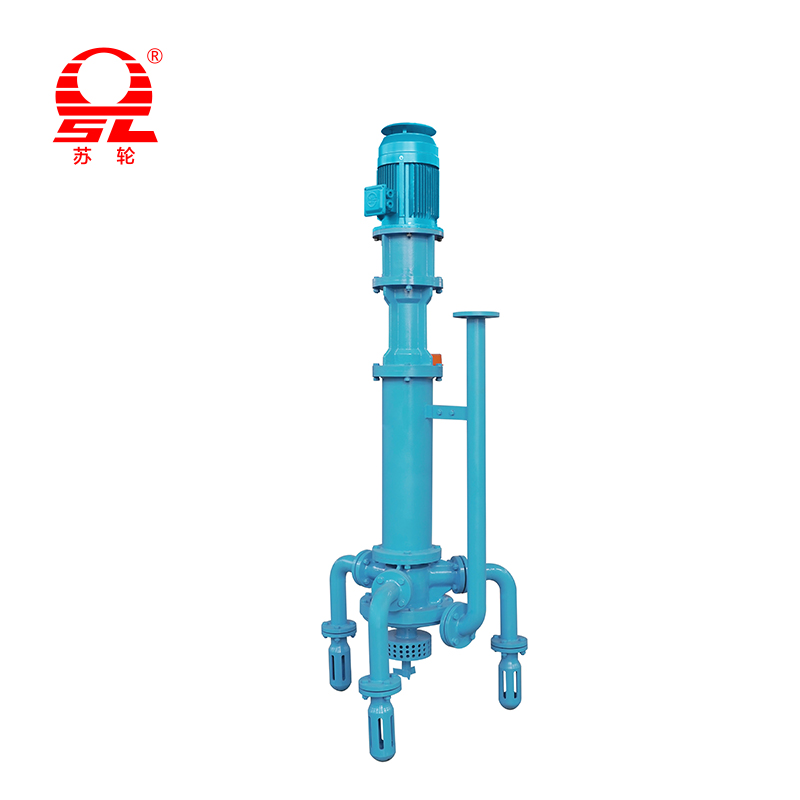
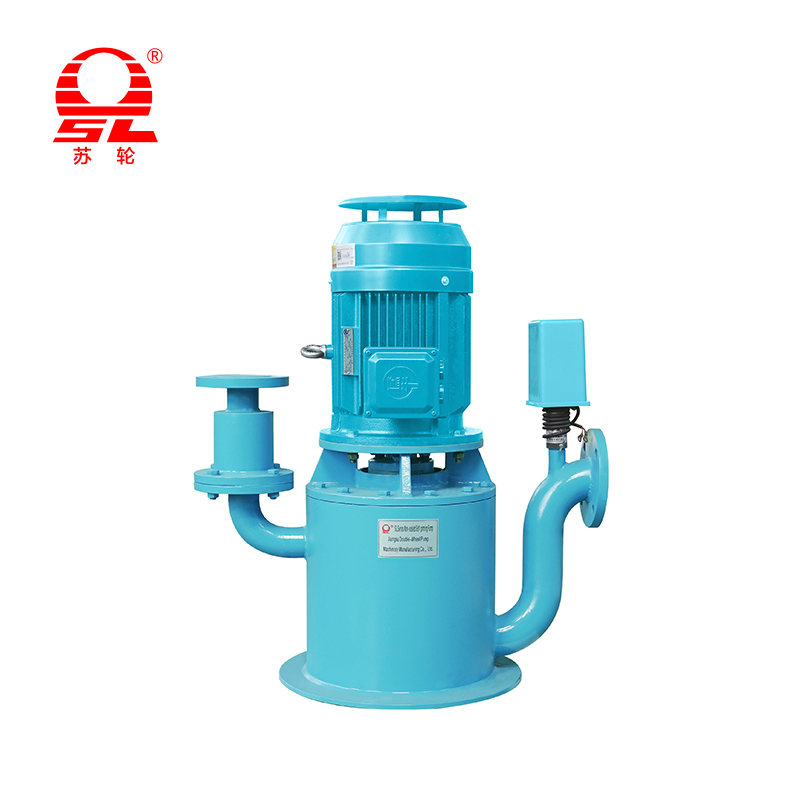
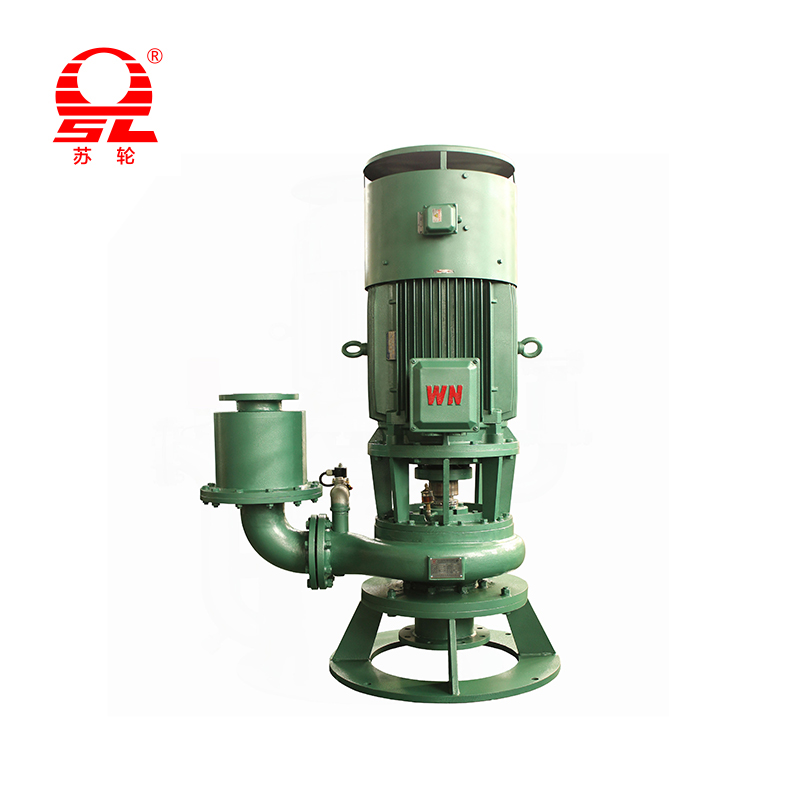
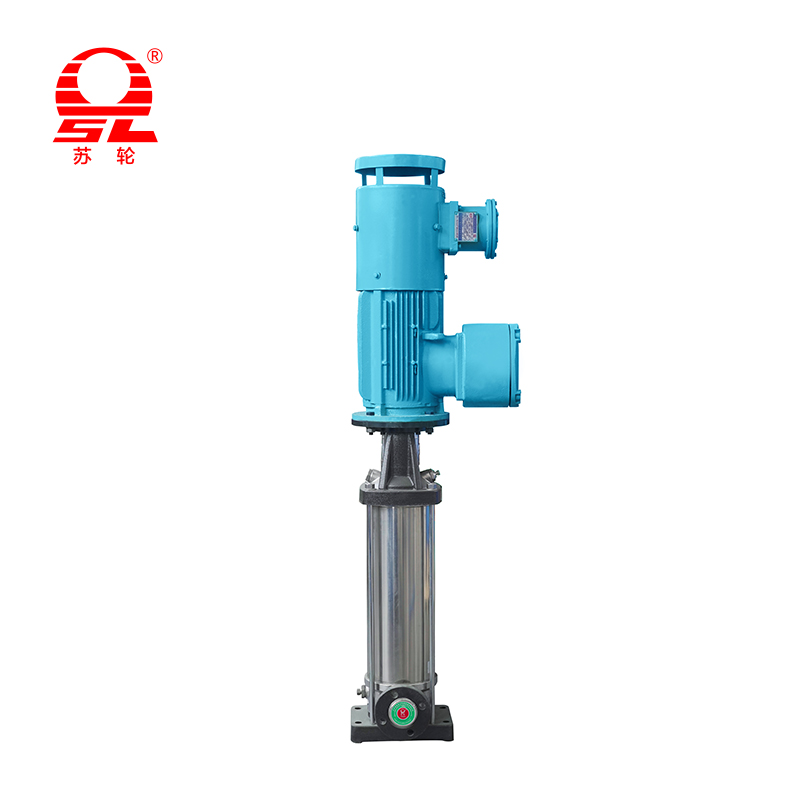
Industrial Grade Sewage Treatment Pump
The STP series handles what other pumps refuse — raw sewage laden with rags and grit, primary sludge at 6% solids, biologically active activated sludge, and digested biosolids — reliably, continuously, and with a maintenance interval measured in years rather than weeks. Dual seal-in-oil protection, anti-ragging auto-reverse, and a Smart Pump Controller that monitors every critical parameter around the clock. Built for the realities of industrial wastewater treatment, not just the idealized lab conditions of a pump catalogue.
Product Introduction
Engineered for the Toughest Effluent. Built to Run Without Compromise.
A comprehensive technical overview of the STP series Industrial Grade Sewage Treatment Pump — purpose-built for the continuous, high-reliability transfer of raw sewage, industrial wastewater, activated sludge, digested sludge, and chemically complex effluent streams across the full spectrum of municipal and industrial wastewater treatment operations.
The Industrial Grade Sewage Treatment Pump occupies a uniquely demanding position in the pumping world. Unlike clean water or chemical process pumps — which handle relatively uniform, predictable fluid streams — a sewage treatment pump must reliably transfer some of the most complex, aggressive, and variable fluid mixtures that industrial and municipal operations generate. Raw sewage arriving at a treatment plant influent pump station contains grit, rags, plastics, fibrous organic material, fats, oils, and grease in concentrations that vary dramatically by time of day, season, and catchment characteristics. Further into the treatment process, the fluid streams become progressively more challenging: primary sludge is thick, odoriferous, and abrasive; secondary activated sludge is biologically active and shear-sensitive; digested sludge has high solids content and non-Newtonian flow behaviour; and dewatered cake recycle streams can approach the consistency of wet concrete. The STP series is specifically engineered to handle all of these streams, reliably, continuously, and without the chronic maintenance burden that makes poorly specified sewage pumps one of the highest maintenance cost items in a wastewater treatment plant.
The foundation of the STP series is a family of non-clog hydraulic designs that provides the solids-handling capability required for raw and partially treated sewage streams. The signature design is the single-channel (vortex passage) impeller, in which a single large, unobstructed curved passage through the impeller body allows solids up to the full impeller diameter to pass without blockage — combined with the pump's ability to pass a sphere of diameter equal to 80–100% of the pump inlet bore. For high-solids sludge streams where passage of large solid objects is not required but solids concentration and viscosity are the primary challenges, we offer the open-channel screw centrifugal impeller, which uses a helical leading edge to pull viscous sludge into the impeller without the shear-induced degradation of biological floc that closed impeller designs produce — critical for activated sludge recirculation where sludge settleability is directly related to floc integrity.
For the most demanding high-solids streams — primary sludge at 3–6% total solids, thickened waste activated sludge at 4–8% TS, and digested sludge at 2–4% TS — the STP series offers a progressive cavity (PC) pump module as an alternative to centrifugal hydraulics. The PC pump's gentle, pulsation-free pumping action handles high-viscosity sludges without the turbulence-induced phase separation and pipeline surging that centrifugal pumps produce when operating outside their hydraulic stability range on viscous non-Newtonian fluids. The choice between centrifugal and PC technology within the STP platform is guided by the sludge total solids concentration, the required pipeline pressure, and the acceptable level of flow pulsation in the downstream process.
Material durability is engineered at every level of the STP series. Pump casings are manufactured from high-chrome white iron (27% Cr) for maximum abrasion resistance in grit-laden influent applications, or ductile cast iron EN-GJS-400-18 for general sewage service where corrosion resistance rather than abrasion is the primary concern. Impellers are available in high-chrome iron, ductile iron, or duplex stainless steel SS2205 for facilities handling industrial wastewater with elevated chloride content or pH extremes. Internal pump passages are coated with solvent-free epoxy lining (minimum 300 µm DFT) compliant with WRAS and NSF/ANSI 61 for potable water adjacent applications, providing a smooth, chemical-resistant surface that reduces biological growth adhesion and facilitates clean-in-place (CIP) flushing between different sludge streams.
Shaft sealing in sewage service is the perennial weak point of conventional pump designs. The STP series addresses this through a dual-seal philosophy: an outer mechanical seal in a pressurized oil-bath seal chamber (the "seal-in-oil" system) protects the inner process seal from direct contact with the grit and fibrous material that destroy conventional single mechanical seals in sewage service within weeks of installation. The seal oil chamber is monitored by an oil level sensor and an oil contamination sensor — if the inner seal begins to leak, contaminated process liquid enters the oil chamber and triggers an alarm before any liquid reaches the bearings or motor. This two-barrier sealing system is the defining reason why STP series pumps achieve bearing and seal lives measured in years rather than months in continuous sewage service, versus the weeks-to-months seal life of conventional centrifugal pumps with single mechanical seals installed in the same applications.
The STP electrical and automation interface is designed for the modern wastewater treatment plant's SCADA and PLC environment. Each STP pump unit is available with an integrated Smart Pump Controller (SPC) module that monitors motor current, winding temperature, bearing vibration, seal integrity (via oil contamination sensor), and differential pressure across the pump, transmitting all data via Modbus TCP or PROFIBUS to the plant's SCADA system. The SPC module performs automatic motor overload protection, dry-run detection via current monitoring, and anti-ragging automatic reversing cycles — a patented feature that briefly reverses the impeller rotation to dislodge any fibrous material that may have wrapped around the shaft or impeller leading edges, before re-starting in the forward direction. This anti-ragging feature is estimated to prevent over 70% of the mechanical blockage events that would otherwise require manual operator intervention to clear.
Every STP series pump is manufactured under ISO 9001:2015 quality certification and tested on our sewage simulation test stand — which uses a standardized synthetic sewage slurry at controlled solids concentration to verify hydraulic performance, non-clog passage capability, and seal system integrity before delivery. Factory test reports per ISO 9906 Grade 2 (appropriate for sewage pumps where Grade 1 tolerances are not warranted by the variable nature of the pumped fluid) are provided with every unit, along with material test certificates, dimensional inspection records, and a complete O&M documentation package tailored to the specific pump configuration supplied.
Single-channel vortex impeller — passes solids up to 100% of inlet bore
Screw centrifugal impeller — shear-free activated sludge recirculation
Progressive cavity module — high-solids sludge up to 8% TS
27% high-chrome iron or Duplex SS2205 abrasion-resistant construction
Seal-in-oil dual barrier system — years of seal life in grit-laden sewage
Anti-ragging automatic impeller reversal — 70% fewer manual blockage clears
Smart Pump Controller (SPC) — Modbus TCP / PROFIBUS SCADA integration
ISO 9001:2015 certified; ISO 9906 Grade 2 factory performance test
Technical Data
Technical Specifications
Full performance and construction parameters across the STP series Industrial Grade Sewage Treatment Pump — covering all three hydraulic configurations: non-clog centrifugal, screw centrifugal, and progressive cavity.
| Parameter | Specification |
|---|---|
Flow Rate Range | 5 m³/h – 3,000 m³/h |
Total Head Range | 3 m – 80 m (centrifugal); up to 120 m (PC pump) |
Inlet / Outlet Diameter | DN 50 mm – DN 700 mm |
Motor Power Range | 1.5 kW – 1,200 kW |
Supply Voltage | 380 V / 6 kV / 10 kV (50 Hz / 60 Hz) |
Rated Speed | 720 – 1,480 rpm (VFD adjustable) |
Max Solids Free-Passage | Up to 100% of inlet bore diameter |
Max Sludge Solids Content | Up to 8% TS (progressive cavity); up to 4% TS (centrifugal) |
Impeller / Rotor Options | Single-channel vortex · Screw centrifugal · Open channel · PC rotor/stator |
Casing Material Options | 27% High-Chrome Iron · Ductile Iron EN-GJS-400 · Duplex SS2205 |
Internal Lining | Solvent-free epoxy, 300 µm DFT min (WRAS / NSF 61 compliant) |
Shaft Seal System | Dual mechanical seal — seal-in-oil pressurized chamber (standard) |
Anti-Ragging Feature | Automatic impeller reversal cycle — programmable interval |
Smart Controller (SPC) | Modbus RTU/TCP · PROFIBUS-DP · EtherNet/IP |
Operating Temperature | 0 °C to +80 °C (fluid temp); −20 °C ambient |
Max Working Pressure | Up to 1.6 MPa centrifugal; up to 2.4 MPa PC pump |
Motor Protection Class | IP55 standard; IP65 available; Class F insulation |
Explosion-Proof Option | Ex d IIB T4 / ATEX Zone 1 and Zone 2 |
Flange Standard | GB / DIN / ANSI / JIS (customizable) |
Certifications | ISO 9001:2015 · CE · WRAS · NSF/ANSI 61 lining |
Why Choose STP
Core Advantages
Eight engineering innovations that make the STP series Industrial Grade Sewage Treatment Pump the most reliable, lowest-maintenance, and most operationally intelligent solution for the full spectrum of wastewater treatment pumping duties.
True Non-Clog Single-Channel Hydraulics
The single-channel vortex impeller provides a single, unobstructed curved passage from inlet to outlet with no internal blade edges for rags or fibrous material to catch against. Unlike multi-vane impellers where fibrous debris bridges between adjacent vanes to form a blockage, the single-channel design has no bridge points — solids up to 100% of the inlet bore diameter pass through freely, continuously, without intervention, regardless of rag and fibrous content.
Shear-Free Screw Centrifugal for Biological Sludge
The screw centrifugal impeller uses a helical leading-edge blade to gently pull activated sludge and biological floc into the impeller without the high-shear zones that conventional impeller designs create at their blade tips. Preserving floc integrity is critical — shear-damaged floc settles poorly in secondary clarifiers, leading to elevated effluent suspended solids and potential regulatory permit exceedances. The STP screw centrifugal design is the correct engineering choice for return activated sludge (RAS), waste activated sludge (WAS), and mixed liquor recirculation duties.
Anti-Ragging Automatic Impeller Reversal
Fibrous material — wipes, rags, synthetic textiles — is the leading cause of pump mechanical blockage in modern municipal wastewater systems, where the increasing use of non-dispersible wipes has dramatically worsened rag load on influent pumps. The STP anti-ragging system detects the signature current rise caused by fibrous material wrapping on the shaft and triggers an automatic brief impeller reversal cycle to dislodge it — returning to normal forward pumping within seconds. This automated self-clearing capability reduces manual intervention events by an estimated 70% compared to conventional pumps in the same duty.
Dual Seal-in-Oil Protection System
The pressurized oil-bath dual seal chamber is the STP's most important reliability feature. The outer mechanical seal faces contact clean oil rather than abrasive sewage — extending seal face life from weeks (typical for single mechanical seals in grit-laden sewage) to years. The inner process seal provides a second containment barrier. Oil contamination monitoring provides early warning of inner seal degradation — allowing planned maintenance during a convenient shutdown rather than emergency response to a seal failure.
Smart Pump Controller — Predictive Intelligence
The integrated SPC module monitors motor current (blockage detection, dry-run detection, overload protection), winding temperature (thermal protection), bearing vibration (early bearing wear detection), seal oil condition (inner seal integrity monitoring), and differential pressure (performance degradation tracking). All data is logged, trended, and transmitted to plant SCADA — enabling predictive maintenance decisions weeks before a potential failure event, rather than reactive emergency response after it occurs.
27% High-Chrome Iron for Maximum Abrasion Life
Grit in municipal sewage is a major abrasive that destroys standard cast iron and stainless steel pump impellers within months in high-grit applications. High-chrome white iron (27% Cr) has a hardness of 600–700 HBW — approximately three times the hardness of standard cast iron — providing abrasion resistance measured in years rather than months for influent pump station and grit-laden industrial wastewater applications. This material is used for both impellers and casing wear plates in the highest-abrasion STP configurations.
Progressive Cavity for High-Solids Sludge
When centrifugal hydraulics reach their practical limit at around 4% total solids, the STP progressive cavity module takes over — handling primary sludge at 3–6% TS, thickened WAS at 4–8% TS, and digested sludge at 2–4% TS with the gentle, pulsation-free, pressure-proportional pumping action that high-solids non-Newtonian sludges demand. The PC rotor and stator materials are selected for each specific sludge chemistry — providing corrosion and abrasion resistance matched to the actual digested sludge or industrial effluent composition.
VFD Energy Optimisation for Variable Influent Flow
Sewage treatment plants experience highly variable influent flow — the diurnal flow pattern typically sees peak flows 2–3× the average, with minimum flows at night less than 50% of average. VFD speed control allows the influent pump speed — and therefore flow — to precisely track the incoming sewage flow rate, maintaining constant wet well level without the energy waste and hydraulic surging of fixed-speed on/off operation. Across a typical 25-year plant life, VFD operation on influent pumps delivers measurable reductions in energy consumption and mechanical wear.
Use Cases
Primary Applications
The STP series Industrial Grade Sewage Treatment Pump is specified for every pumping duty station within the wastewater treatment process — from raw sewage influent through final effluent discharge — as well as for industrial process effluent and biosolids management applications where conventional pumps fail to deliver acceptable reliability.
Municipal WWTP Influent Pump Station
The most demanding sewage pumping duty — raw municipal sewage containing rags, wipes, plastics, grit, fats, oils, and grease in continuously varying composition and flow rate. STP single-channel non-clog impellers with anti-ragging auto-reverse and seal-in-oil dual shaft seals are the engineering benchmark for reliable, low-maintenance influent pumping. Multiple units in duty-standby-assist configuration with VFD control maintain constant wet well level across the full diurnal flow cycle.
Return Activated Sludge (RAS) Pumping
Secondary clarifier underflow recirculation to the biological aeration tank is the highest-flow-rate sludge stream in a conventional activated sludge treatment plant — typically 50–100% of plant influent flow rate. STP screw centrifugal impellers deliver the required high flow rate while preserving biological floc integrity, maintaining settleability, and preventing the sludge bulking that results from shear-damaged floc. VFD control allows RAS rate to be precisely adjusted in response to mixed liquor suspended solids (MLSS) concentration measurements.
Primary and Secondary Sludge Transfer
Primary sludge withdrawn from primary clarifiers (1–4% TS, high putrescibility and odour) and waste activated sludge (WAS) from secondary clarifiers (0.5–1.5% TS as wasted, up to 4% after gravity thickening) must be transferred reliably to thickening and digestion facilities. STP non-clog centrifugal pumps handle these streams at low to moderate solids concentrations; STP progressive cavity pumps handle the thickened streams at higher TS concentrations where centrifugal pumps lose hydraulic stability.
Digested Sludge and Biosolids Pumping
Anaerobic digester feed and digested biosolids recirculation and transfer are among the most mechanically challenging sludge duties — digested sludge at 2–4% TS has non-Newtonian viscous behaviour, evolves biogas that can create two-phase flow conditions, and contains abrasive mineral residue from the digestion process. STP progressive cavity pumps with sealed bearing housings, high-torque drives, and gas-purge flushing connections handle all aspects of digester feed, recirculation, and biosolids transfer to dewatering facilities.
Industrial Wastewater and Process Effluent
Food processing, pulp and paper, textile, pharmaceutical, and petrochemical plants generate complex industrial effluents that combine the solids-handling challenges of sewage with the chemical aggression of process fluids. Duplex SS2205 or high-chrome iron STP units handle acidic, alkaline, or high-chloride industrial effluents with abrasive suspended solids — streams that destroy conventional sewage pump materials within months. ATEX-certified motor options for petrochemical effluent sumps in classified hazardous areas.
Lift Stations and Intermediate Pump Stations
Sewage collection network lift stations that transfer raw sewage between gravity sewer sections — operating unattended, 24 hours a day, in wet wells exposed to corrosive hydrogen sulfide atmospheres. STP pumps with duplex stainless steel shaft and seal components, H₂S-resistant motor paint systems, and full remote monitoring via GSM/4G telemetry provide the reliability and corrosion resistance needed for unmanned sewer lift station service across years of continuous operation.
Leachate and Landfill Drainage
Landfill leachate is one of the most chemically aggressive liquids that a sewage pump is asked to handle — high COD, high ammonia, variable pH, chlorides, heavy metals, and complex organic compounds in concentrations that are lethal to standard pump materials. STP pumps in Duplex SS2205 or high-chrome iron with FFKM seal elastomers and double mechanical seal protection handle leachate transfer to on-site treatment or off-site disposal with the chemical resistance and seal reliability that this aggressive fluid demands.
Sludge Dewatering Feed and Filtrate Return
Feeding centrifuges, belt filter presses, and screw presses with conditioned sludge at controlled flow rate and pressure — and returning filtrate, centrate, and leachate from the dewatering process back to the plant influent — are precision-flow sludge duties where VFD-controlled STP progressive cavity pumps excel. The PC pump's linear flow-vs-speed characteristic (unlike centrifugal pumps, which vary flow non-linearly with speed and backpressure) provides the accurate, repeatable volumetric dosing that polymer conditioning systems and dewatering equipment performance require.
Head-to-Head
Performance Comparison
A detailed comparison of the STP Industrial Grade Sewage Treatment Pump against standard submersible sewage pumps and conventional centrifugal pumps with single mechanical seals — across the performance dimensions that determine real-world reliability and total cost of ownership in sewage treatment service.
| Feature / Criteria | STP Industrial Grade Pump | Standard Submersible Sewage Pump | Conventional Centrifugal (Single Seal) |
|---|---|---|---|
| Solids Free-Passage | Up to 100% of inlet bore diameter | Typically 50–80% of inlet bore | Typically 30–60% — multi-vane blocks |
| Anti-Ragging Capability | Auto-reverse cycle — self-clearing | Manual intervention required — wet well entry | Manual disassembly required to clear blockage |
| Shaft Seal System | Dual seal-in-oil — years of seal life | Single or dual seal — no oil chamber | Single mechanical seal — weeks to months life |
| Seal Life in Grit-Laden Sewage | Years — outer seal contacts clean oil only | 6–18 months typical — grit abrades faces | 3–12 months — direct grit contact on seal |
| High-Solids Sludge Capability | Up to 8% TS (PC module); 4% TS centrifugal | Max ~2% TS before performance degrades | Max ~1.5% TS — instability at higher solids |
| Shear-Free Biological Sludge Handling | Screw centrifugal — floc-preserving design | Standard impeller — floc shear damage | High shear at blade tips — floc destruction |
| SCADA Integration | Native SPC module — Modbus/PROFIBUS standard | Basic motor protection only — no data output | Add-on instruments required — no native protocol |
| Motor Maintenance Access | Above wet well — no confined space entry | Must hoist from wet well — confined space risk | Above ground — accessible |
| Abrasion-Resistant Material Option | 27% High-Chrome Iron — 600–700 HBW | Cast iron or SS — limited abrasion resistance | Standard cast iron only in most designs |
| H₂S Corrosion Resistance | Duplex SS2205 option — full H₂S resistance | Standard cast iron corrodes rapidly in H₂S | Standard materials degrade in H₂S atmosphere |
Expert Tips
Usage Tips and Best Practices
Maximize the operational reliability, maintenance intervals, and process performance of your STP series Industrial Grade Sewage Treatment Pump with these field-proven recommendations from our wastewater engineering team.
1
Match Impeller Type to the Specific Duty Stream
The single most important selection decision for a sewage treatment pump is impeller type — and the wrong choice is far more costly than a wrong size selection. Use the single-channel vortex impeller for raw sewage with high rag and fibrous content (influent pump stations, sewer lift stations). Use the screw centrifugal impeller for return activated sludge, mixed liquor, and any biological sludge where floc integrity must be preserved. Use the progressive cavity configuration for primary sludge above 2% TS, thickened sludge, digested sludge, and dewatering machine feed. Matching impeller type to duty stream is the foundation of long pump life and process performance — contact our application team if uncertain.
2
Seal Oil Level and Contamination — Check Monthly
The seal-in-oil system is only effective if the oil chamber is maintained correctly. Check seal oil level monthly through the sight glass on the bearing housing. Top up with the correct grade of white mineral oil (ISO VG 46 or as specified in the pump O&M manual) if below the minimum mark. Check the oil colour — clean oil is clear to light amber; milky or grey-tinted oil indicates water or sewage ingress through the inner process seal, requiring immediate planned maintenance. The oil contamination sensor in the SPC module will also alarm in this condition, but a monthly visual check is a valuable additional confirmation of seal health between sensor readings.
3
Configure Anti-Ragging Interval for Your Catchment Rag Load
The anti-ragging impeller reversal cycle interval should be configured based on the observed rag load of your specific sewage catchment. In catchments with high wipes and textile contamination (urban residential areas with poor public awareness), set the auto-reverse interval to every 2–4 hours as a preventive measure, regardless of whether current blockage is detected. In cleaner catchments with low wipes contamination, a current-trigger only configuration (reverse only when motor current rises above the blockage threshold) may be sufficient. Review the SPC data log of auto-reverse activations monthly — a trend of increasing activation frequency signals worsening rag load in the catchment and may prompt a public engagement campaign on "flushable" wipes disposal.
4
H₂S Corrosion Protection in Wet Wells
Hydrogen sulfide (H₂S) generated by septic sewage in collection networks creates a highly corrosive atmosphere in pump station wet wells that attacks concrete, cast iron pump components, electrical conduit, and even stainless steel under some conditions. Protect your STP installation with: Duplex SS2205 shaft, impeller, and seal gland components (specify at order stage); H₂S-resistant motor terminal box paint (epoxy coal tar); sealed conduit entries and cable gland seals on all electrical penetrations into the wet well; and forced ventilation of the wet well with fresh air at minimum six air changes per hour to keep H₂S concentration below occupational exposure limits. Install H₂S gas detectors with alarm outputs to the plant SCADA system and linked to the ventilation system control.
5
Progressive Cavity Pump — Never Run Dry
For STP progressive cavity modules, dry running — even for a few seconds — destroys the elastomer stator through frictional heat, requiring a complete stator replacement at significant cost. Always interlock PC pump start with a suction vessel level switch set at the minimum liquid level, ensuring the pump cannot start or continue running without liquid available. Install a flow switch or motor power monitoring relay as a second dry-run protection layer. Fit a bypass recirculation line with a pressure relief valve sized for full pump flow — this prevents dead-heading if the discharge valve is accidentally closed while the pump is running, which produces the same destructive heat as dry running in a PC pump.
6
Bearing Vibration Trending — The Early Warning System
The SPC module records bearing vibration continuously. Set up a monthly vibration trend report from the SPC data log and graph the vibration velocity (mm/s RMS) against time. A healthy pump shows stable, low vibration — typically below 2.5 mm/s for sewage pumps per ISO 10816. A sustained upward trend of more than 0.5 mm/s per month indicates developing bearing wear, impeller erosion-induced imbalance, or impeller wear ring clearance growth — all of which should be investigated at the next planned maintenance opportunity, before vibration reaches alarm levels and risks bearing failure, shaft seal damage, and unplanned downtime. Vibration trending is far more valuable than vibration alarm limits alone.
7
Sludge Pipeline Flushing at Shutdown
When shutting down a sludge transfer pump for maintenance or extended standby, always flush the sludge pipeline with clean water or plant effluent before closing isolation valves. Sludge allowed to sit in a pipeline will dewater, compact, and set — creating a partial or complete pipeline blockage that requires high-pressure jetting or physical rodding to clear. On the STP PC pump, flush the rotor-stator cavity with clean water at low speed before stopping to prevent sludge from cementing in the tight clearances between the rubber stator and the metal rotor — a blockage that can make it impossible to restart the pump without disassembly.
8
Duty-Standby Rotation and Lead-Lag Sequencing
For pump stations with duty-standby (or duty-duty-standby) STP pump arrangements, configure the control system to automatically rotate the duty designation weekly, ensuring that all pump units accumulate equal running hours and receive equal exercise over the station's operating life. Program the control system's lead-lag sequence so that when a second pump is needed during peak flow, the lag pump starts after a pre-set time delay (typically 30–60 seconds) rather than simultaneously with the lead pump — preventing the voltage dip and mechanical shock of simultaneous starts, particularly in medium-voltage (6 kV / 10 kV) pump installations where motor starting current can be a significant fraction of the transformer rating.
FAQ
Frequently Asked Questions
Detailed, engineering-level answers to the questions most frequently asked by wastewater plant operators, municipal engineers, and industrial facility managers about the STP series Industrial Grade Sewage Treatment Pump.
What is the difference between the three impeller types and how do I choose?
Each impeller type is optimised for a different sewage or sludge stream: Single-channel vortex impeller — for raw sewage with high rag, fibrous, and solid content (influent pump stations, lift stations). The single unobstructed passage passes objects up to 100% of inlet bore with no blockage points. Screw centrifugal impeller — for biological sludge streams (RAS, WAS, mixed liquor) where preserving floc integrity is required. The helical leading edge pulls sludge into the impeller without high-shear zones. Progressive cavity (PC) module — for high-solids sludges (primary sludge at 2–6% TS, thickened WAS at 4–8% TS, digested sludge) where centrifugal hydraulics lose stability. The PC delivers gentle, pulsation-free, pressure-proportional pumping of viscous non-Newtonian sludges. Tell us your fluid stream — we will confirm the right selection immediately.
How does the anti-ragging auto-reverse system work?
The Smart Pump Controller (SPC) monitors motor current in real time. When fibrous material (rags, wipes, textile waste) wraps around the pump shaft or impeller leading edges, the motor must work harder to maintain speed — producing a characteristic sustained rise in motor current above the normal operating band. When the SPC detects this signature, it initiates an automatic sequence: (1) ramp the motor down to stop over 2–3 seconds; (2) reverse motor rotation for a pre-set duration (typically 3–5 seconds at reduced speed); (3) stop; (4) restart in the forward direction at normal speed. The reverse rotation dislodges fibrous material wound around the shaft, allowing it to pass through the single-channel impeller as the pump resumes normal operation. The entire auto-reverse sequence takes less than 15 seconds. If three consecutive auto-reverse attempts fail to restore normal current, the SPC generates a blockage alarm for operator attention.
How often does the seal-in-oil system need maintenance?
Under normal operating conditions with the seal-in-oil system correctly maintained, outer seal face life typically exceeds 3 years in continuous sewage service — compared to 3–12 months for a conventional single mechanical seal in the same application. Maintenance requirements are: monthly visual check of oil level (through sight glass) and oil colour (clear/amber = good; milky = inner seal leakage); annual oil change even if appearance is acceptable, to remove any dissolved or suspended contamination that has accumulated; and outer seal replacement at the first indication of oil contamination from the inner seal, or at 3-year scheduled intervals as a proactive measure. The SPC oil contamination sensor provides continuous automated monitoring between manual checks and generates an alarm if inner seal leakage is detected between scheduled maintenance visits.
Can the STP pump handle hydrogen sulfide-laden sewage without rapid corrosion?
Yes, with the correct material specification. H₂S in solution (sulfide) attacks standard cast iron and most grades of stainless steel through pitting corrosion. For H₂S-rich sewage (septic sewage from long rising mains, industrial effluents with sulfate reduction), specify: Duplex SS2205 for the pump shaft, impeller, seal gland plate, and fasteners; H₂S-resistant epoxy internal lining on cast iron casing components; FFKM (Kalrez) or EPDM elastomers for seal and gasket materials (FKM is attacked by H₂S at high concentrations); and H₂S-resistant paint on the motor and external pump surfaces if the unit is installed in a wet well with H₂S atmosphere above the liquid surface. Provide your measured or estimated dissolved sulfide concentration and we will confirm the correct material specification for your specific installation conditions.
What SCADA protocols does the Smart Pump Controller support?
The STP Smart Pump Controller (SPC) supports Modbus RTU (RS-485), Modbus TCP/IP (Ethernet), PROFIBUS-DP, and EtherNet/IP as standard communication protocols — covering the full range of PLCs and SCADA systems used in modern wastewater treatment plants (Siemens, Allen-Bradley, Schneider, ABB, Yokogawa, and others). The SPC transmits real-time data including motor current, winding temperature, bearing vibration, seal oil condition, differential pressure, run status, fault codes, and auto-reverse activation history. It accepts remote setpoint commands for start/stop, speed reference (for VFD-equipped units), and auto-reverse interval configuration. Full Modbus register maps and PROFIBUS GSD files are provided in the SPC documentation package for integration with your plant SCADA or DCS.
What is the maximum sludge solids concentration the pump can handle?
Maximum solids handling depends on the hydraulic configuration: the screw centrifugal and single-channel centrifugal configurations operate reliably up to approximately 4% total solids (TS) — above this concentration, the sludge non-Newtonian viscosity increasingly impairs centrifugal pump hydraulic stability, causing surging and reduced flow. The progressive cavity (PC) module handles sludge up to 8% TS reliably — above 8% TS, the material approaches a semi-solid paste consistency that is better handled by a positive displacement pump with higher torque capability (screw pump or piston pump). Provide us with your sludge stream's measured or estimated TS concentration, flow rate, and required discharge pressure for a definitive configuration recommendation.
Can the pump be installed as a direct replacement for an existing submersible sewage pump?
The STP series is primarily a dry-installation (above-wet-well) pump with the motor and shaft seal above the liquid level — a fundamentally different installation configuration from a submersible pump. Replacing a submersible pump with an STP unit typically requires: a pump support structure at wet well floor level (for the pump casing), a column pipe or pump column from casing to the installation floor level (where the motor and seal assembly sit), and suction/discharge piping modifications to match the STP flange locations. For wet wells where installation space is limited, we offer a close-coupled wet-pit vertical configuration of the STP that minimises the above-wet-well footprint. Provide us with your existing wet well dimensions, current submersible pump make/model, and suction/discharge pipe sizes — our engineers will assess the most practical replacement approach and provide a dimensional compatibility drawing.
Is an ATEX explosion-proof version available for industrial wastewater applications?
Yes. ATEX-certified explosion-proof motors in Ex d IIB T4 (Zone 1 and Zone 2) are available for STP pumps deployed in petrochemical wastewater sumps, refinery effluent collection, landfill leachate applications, and any industrial wastewater duty where the pumped liquid or the atmosphere above the wet well contains flammable vapors or gases. For biogas-blanketed anaerobic digester sump applications, Ex d IIC T4 (hydrogen gas group) certification is available. Specify the hazardous area zone classification, gas or vapor group, and temperature class from your area classification drawing at the time of enquiry, and we will specify the correct certified motor for your application.
How does the STP pump compare in total cost of ownership to a submersible sewage pump?
The STP series typically has a higher initial purchase price than a comparable-rated submersible sewage pump. However, total cost of ownership (TCO) over a 10-year operational period strongly favours the STP in continuous industrial sewage duty. The key TCO advantages are: (1) Seal life — 3+ years between seal service events versus 6–18 months for submersible pumps; (2) Blockage frequency — auto-ragging reduces intervention events dramatically; (3) Motor maintenance — motor above wet well eliminates the hoisting, decontamination, and confined space entry requirements of submersible motor maintenance, reducing labor cost per maintenance event by 60–80%; (4) Abrasion life — 27% chrome iron impellers last 3–5× longer than standard cast iron in grit-laden sewage. For a 10-unit pump station with continuous duty, a formal 10-year TCO analysis consistently shows STP total lifecycle cost 20–35% lower than equivalent submersible installations despite the higher purchase price. We provide a customised 10-year TCO model for major project procurement decisions on request.
What is the lead time and what is the minimum order quantity?
Minimum order quantity is 1 unit. Standard STP centrifugal configurations in ductile iron with single-channel impeller and dual seal-in-oil system ship within 25–35 business days. High-chrome iron abrasion-resistant configurations and screw centrifugal impeller variants require 35–50 business days. Progressive cavity module configurations and Duplex SS2205 material variants require 45–60 business days. ATEX-certified units add 10–15 business days for certified motor sourcing. For large wastewater treatment plant projects with multiple pump configurations, we provide a project-specific manufacturing schedule with milestone reporting. For emergency pump replacements at operating wastewater plants, contact our urgent supply team — we maintain stock of standard centrifugal casing assemblies and impellers that can significantly reduce lead time for the most common sizes in ductile iron construction.
Company
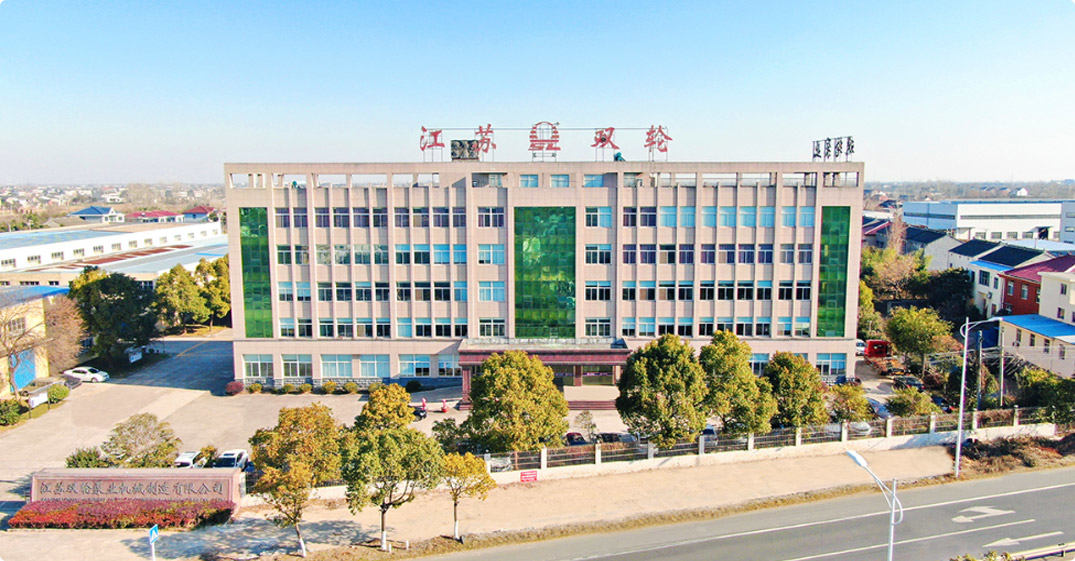
Jiangsu Double-wheel Pump Machinery Manufacting Co.,Ltd.
Jiangsu Double Wheel Pump Machinery Manufacturing Co., Ltd. is China Industrial Grade Sewage Treatment Pump Manufacturers and Wholesale Industrial Grade Sewage Treatment Pump Factory. The company is located in the scenic Yangtze River bank, Jiangyin Bridge, Beijing-Shanghai Expressway, Shanghai-Nanjing Expressway, Ningtong Expressway, Ningjingyan expressway running through the north and south, the traffic is very convenient, the geographical position is esteemed good. It is a production base specializing in non-sealed self-priming pumps, rain pumps, long-axis liquid pumps, chemical centrifugal pumps, positive displacement pumps and environmental protection equipment and mechanical equipment. The company has two production bases, covering an area of nearly 60,000 square meters, of which the eastern base covers an area of 33,000 square meters, the western base covers an area of 27,000 square meters, six modern production workshops, two installation workshops, a professional test workshop, a variety of mechanical processing equipment more than 160 sets, including a pump comprehensive performance test platform, Can test diameter 32-1200mm, motor power 1.1-1200KW, voltage 380V-10KV of various types of pumps, scientific research, development, manufacturing, processing, promotion, application of its own system. In the past two years, the company has closely followed the national industrial policy, made a big deal about environmental protection, and undertaken a large number of sewage treatment projects, which is unique in the environmental protection industry.
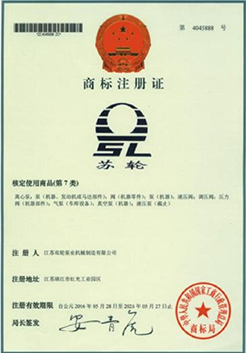
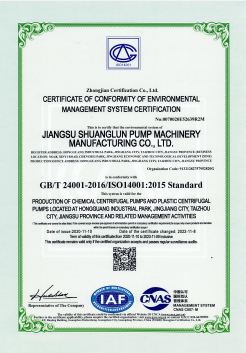
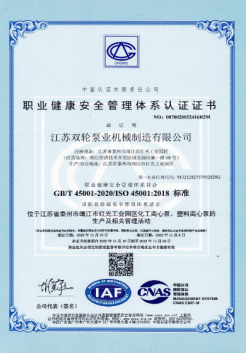
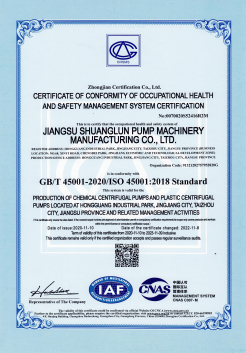
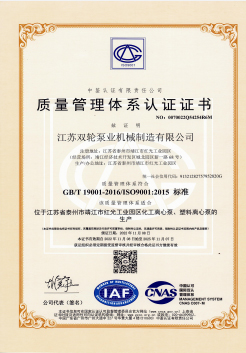
Certificate Of Honor


-
0

Be established in
-
0+

Professional personnel
-
0 million

Registered capital
-
0 ㎡

Plant area
After-Sales Service
Maintenance and Technical Support
Comprehensive lifecycle support for industrial sewage treatment pump installations — from application engineering consultation and factory testing through commissioning, annual service programs, emergency response, spare parts management, and long-term asset upgrade planning across the full treatment plant operational life.
Maintenance and Spare Parts
Minimising total cost of ownership across the full 20+ year plant life
- Annual Planned Maintenance Program: We offer a structured annual maintenance contract for STP pump stations, covering: seal oil level and condition check, outer seal face inspection and replacement if required, bearing vibration and temperature verification, impeller clearance measurement and adjustment, SPC parameter and alarm threshold review, anti-ragging system function test, and motor insulation resistance test. A written maintenance report is provided after each visit, suitable for asset management records and regulatory inspection documentation.
- Impeller and Wear Component Replacement: High-chrome iron impellers and casing wear plates are the primary wear components in abrasive sewage applications. We supply replacement impellers and wear plates pre-machined to precise dimensional tolerances, with hardness certificates confirming the 27% Cr composition and 600+ HBW hardness specification. The back-pull-out casing design allows impeller replacement without disturbing the suction and discharge piping — a complete impeller change can be accomplished by a two-person team in a single maintenance shift.
- Seal Kit and Bearing Service Pack: We supply pre-assembled seal-in-oil service kits containing all components required for a complete outer seal and oil chamber service: replacement outer seal faces (stationary and rotating, matched material pair), oil chamber O-rings and gaskets, fresh mineral oil (correct volume and grade), and the oil change procedure card. This turnkey kit eliminates the risk of incorrect component selection during emergency maintenance — every component in the kit is factory-verified for compatibility with the STP seal-in-oil system.
- PC Stator and Rotor Replacement Program: For STP progressive cavity modules, the elastomer stator is the primary wear component — stator life depends on sludge abrasivity, chemical compatibility, and operating temperature. We maintain a stator material inventory across the full range of STP PC module sizes in NBR (standard), EPDM (for alkaline/chemical-resistant service), and FKM (for high-temperature or hydrocarbon-containing sludge). Replacement stators are supplied with a press-fit installation guide specific to each STP PC module size to ensure correct stator fit and avoid distortion during installation.
- SPC Firmware Support and Data Analytics: The Smart Pump Controller firmware is updated periodically with improvements to blockage detection algorithms, seal oil condition monitoring sensitivity, and SCADA protocol compatibility. Contracted customers receive firmware updates at no charge with step-by-step installation instructions. We also offer a data analytics service in which we review six months of SPC operational data from your pump station and provide a written pump health assessment — identifying trend deviations, optimising anti-ragging interval settings, and recommending preventive maintenance actions specific to your operational conditions.
Professional Technical Support
Wastewater engineering expertise at every stage of the pump lifecycle
- Application Engineering — Sludge Characterisation Consultation: Correct pump selection for sewage and sludge duties requires detailed knowledge of fluid characteristics that are rarely fully defined in procurement specifications. Our application engineers will help you characterise your sludge streams — estimating or measuring total solids, volatile solids, specific gravity, viscosity, particle size distribution, chemical composition, and rag/fibrous content — and use this characterisation to select the correct STP configuration, material, impeller type, and seal specification for each duty point in your treatment plant.
- Hydraulic System Design Review: We review the complete suction and discharge pipework design for each STP pump installation, checking: pipe sizing for correct velocity range (too slow causes sludge settlement; too fast causes excessive abrasion); pipe material selection for the sludge chemistry; valve selection and location for operational flexibility; provision for pipeline flushing at pump shutdown; and surge protection requirements for long sludge rising mains. A written hydraulic review report with specific recommendations is provided for each installation design submitted.
- SCADA Integration Engineering Support: Our controls engineering team provides full SCADA integration support — including Modbus register mapping documentation, PROFIBUS GSD files, sample PLC function blocks for SPC integration (available for Siemens S7, Allen-Bradley ControlLogix, and Schneider Premium/Quantum PLC platforms), SPC parameter setting guidance, and remote commissioning support for the SCADA integration testing phase. We can also design and supply a complete pump station MCC panel with integrated VFDs, SPC interfaces, and SCADA communications for projects requiring a turnkey electrical package.
- 24/7 Emergency Technical Support for Operating Plants: For sewage treatment plants where pump failure directly impacts discharge permit compliance, our emergency technical support line provides round-the-clock response. Within 2 hours of a critical pump fault report, our engineers provide remote diagnostic guidance — reviewing SPC alarm data, identifying probable fault cause, and guiding plant operators through safe isolation, blockage clearance, or emergency bypass procedures. Where physical attendance is required, our field service engineers are available for emergency site deployment within 24 hours for contracted plant accounts anywhere in our service region.
- Plant Upgrade and Capacity Extension Engineering: When a wastewater treatment plant's hydraulic or organic load increases beyond its original design — due to catchment growth, industrial trade effluent acceptance, or regulatory standard tightening — the pumping systems are usually the first process elements that must be upgraded. Our engineering team conducts pump station capacity audits, assesses whether existing STP pump units can be re-rated or re-impellered to higher duty, designs additional pump units to supplement existing installations, and develops upgrade execution plans that minimise disruption to continuous plant operation during the construction and installation phase.


+86-0523- 84351 090 /+86-180 0142 8659


Welcome To
Jiangsu Double-Wheel Pump
Add 1: Hongguang Industrial Park, Jingjiang City, Jiangsu Province, China
Add 2: No.68, Xinyi Road, Industrial Park, Jingjiang City, Jiangsu Province, China
Contact
-
Tel:
+86-0523- 84351 090
+86-180 0142 8659 -
FAX:
+0523-8435 5588
- E-mail: