language
  русский
 عربى
عربى Indonesia
Large Diameter Submersible Sewage Pump Wholesale



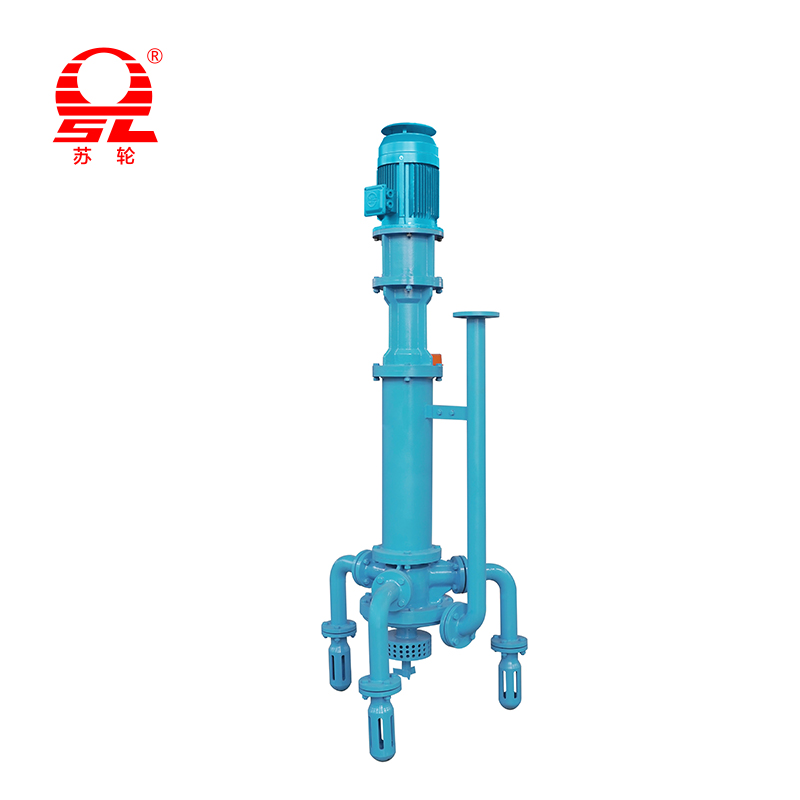

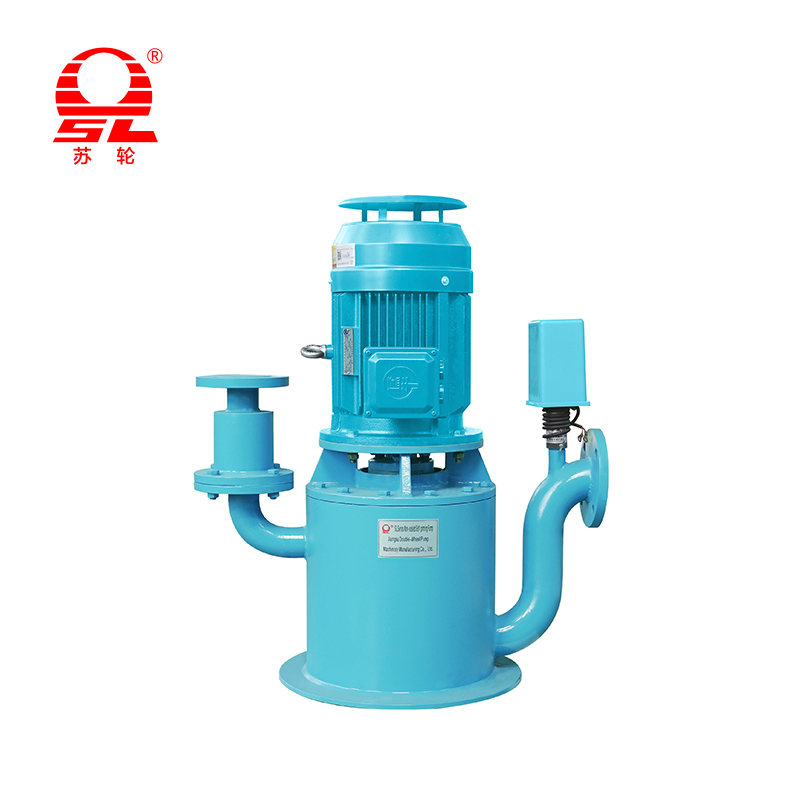

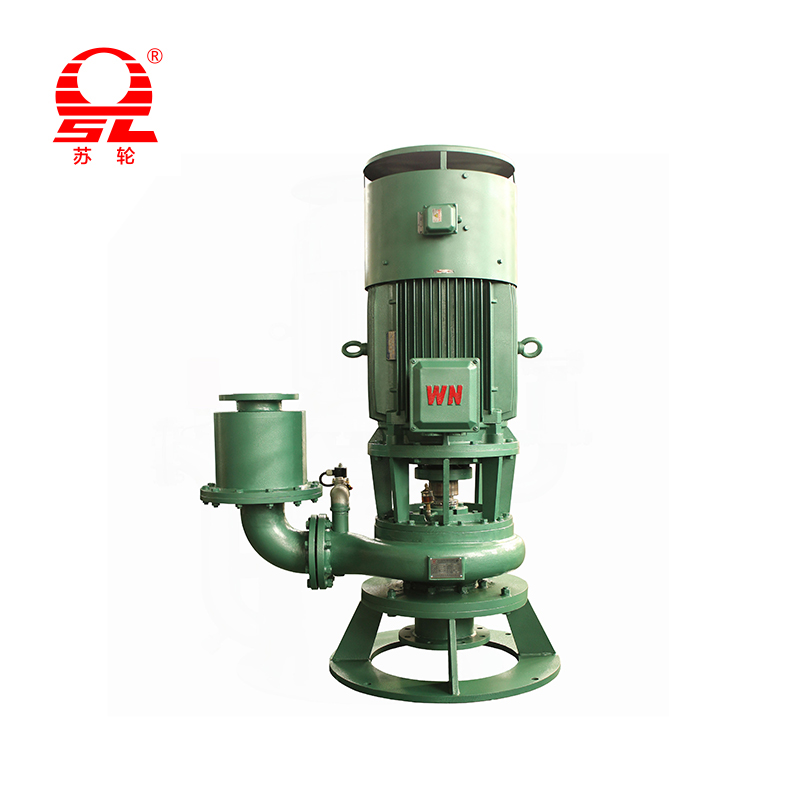

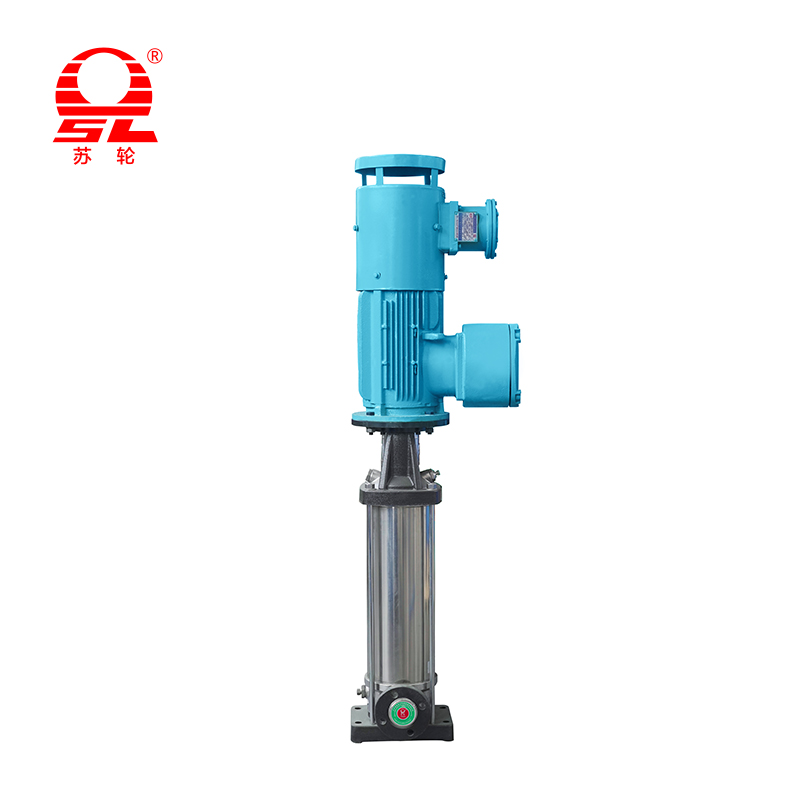
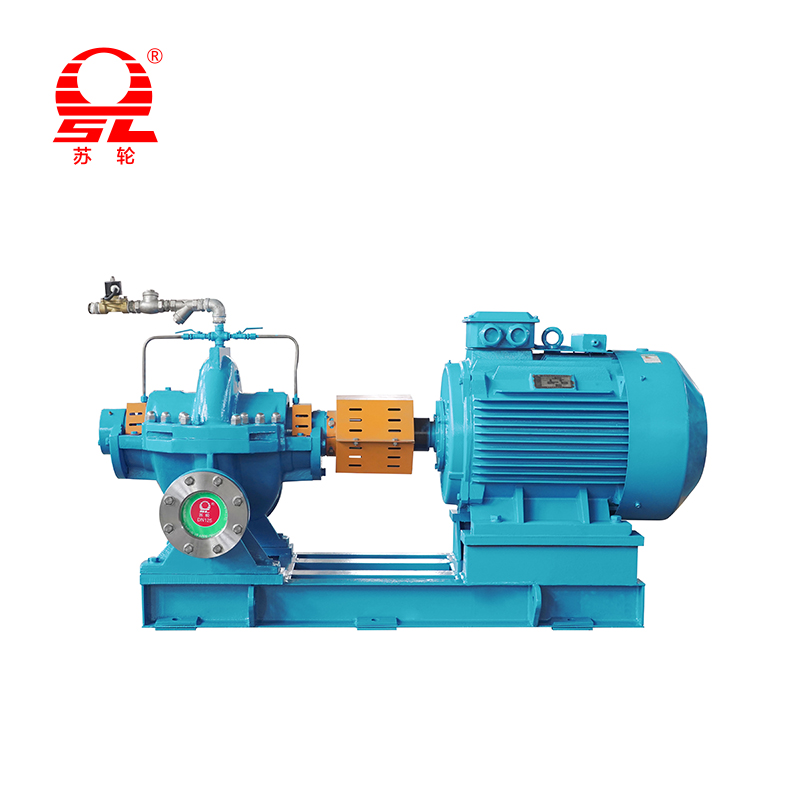
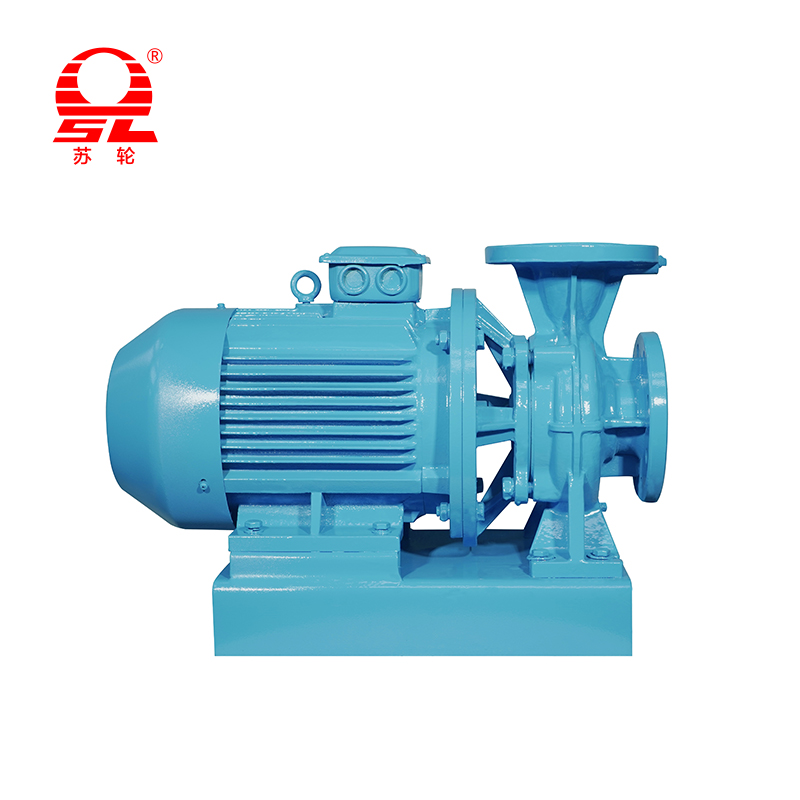


Up to 800mm Discharge Handle 150mm Solids Fully Submersible IP68 Rated
Large Diameter Submersible Sewage Pump
Engineered for the toughest wastewater and sewage applications. Large-diameter discharge, vortex or channel impeller designs, and heavy-duty submersible motor construction deliver reliable performance in raw sewage, stormwater, and industrial effluent pumping stations.
Product Introduction
Heavy-Duty Submersible Sewage Technology
A comprehensive examination of the engineering, hydraulics, and reliability features of our large diameter submersible sewage pump range.
The Large Diameter Submersible Sewage Pump is purpose-built for the most demanding wastewater applications—municipal sewage lift stations, stormwater pumping stations, industrial effluent treatment, and flood control systems. Unlike standard clear water pumps, sewage pumps must contend with raw, untreated wastewater containing sand, grit, rags, plastics, and other debris that can clog or damage conventional pump designs. Our large-diameter pumps are engineered specifically to handle these challenging conditions reliably and efficiently.
The defining feature of this pump is its large-diameter discharge configuration, available from 200mm (8 inches) up to 800mm (32 inches). This large discharge size is directly matched to the pump's solids-handling capability. The hydraulic design incorporates either a single-channel or vortex impeller, depending on the application requirements. For standard sewage applications, the single-channel impeller provides the best efficiency while passing spherical solids up to 150mm in diameter. For applications with high concentrations of fibrous materials (rags, stringy materials, plastics), the vortex impeller creates a swirling action that moves solids through the volute without any risk of clogging, as the impeller is recessed away from the main flow path.
The motor is a fully submersible, water-cooled squirrel cage induction motor, rated for continuous duty (S1) operation. The motor housing is constructed from high-grade cast iron (GG25 or better) and sealed with double mechanical seals (silicon carbide vs. silicon carbide) arranged in tandem. The lower seal is positioned at the impeller end, exposed to the pumped fluid, while the upper seal protects the motor from any leakage past the lower seal. An intermediate oil chamber contains a dielectric oil that lubricates the seals and provides a barrier. The motor and seal chambers are equipped with moisture sensors (electrode-type probes) that send an alarm to the control panel if any water ingress is detected, allowing planned maintenance before motor damage occurs.
For cooling, the pump utilizes the surrounding pumped fluid. The motor housing is jacketed with cooling channels, and for installations where the pump is not fully submerged, an external cooling jacket or cooling shroud can be provided. The pump can operate continuously with the motor at least 70% submerged in the pumped fluid. For dry-pit installations (horizontal or vertical dry mounting), a separate cooling system is required.
The pump casing and impeller are available in multiple material grades. Standard construction uses high-chrome cast iron (Ni-Hard or equivalent) for excellent abrasion resistance. For corrosive sewage (industrial effluent with low pH), stainless steel options include SS304, SS316, and duplex grades. For abrasive applications (sand-laden sewage, grit-laden stormwater, mining dewatering), we offer hardened alloy impellers and replaceable wear plates that can be replaced without removing the pump from the pit.
Installation is typically via an automatic coupling system (guide rail system). A discharge elbow is permanently fixed to the pit floor and connected to the discharge pipe. The pump is lowered down stainless steel guide rails using a lifting chain or cable. When the pump reaches the bottom, it automatically engages with the discharge elbow, creating a watertight seal. This arrangement allows a single operator to remove the pump for inspection or maintenance without entering the pit or draining the wet well. For larger pumps (above 200kW), we offer a self-cleaning guide rail system with a redundant lifting mechanism.
The control system includes a motor protection relay (MPR) that monitors motor temperature (PTC thermistors embedded in stator windings and bearings), seal leakage, and moisture in the oil chamber. The MPR integrates with the pump station PLC, allowing remote monitoring and automatic pump shutdown to prevent damage. For critical applications, we offer a redundant control system with dual MPRs and backup power for the seal monitoring circuit.
In terms of maintenance access, the pump features a modular design. The motor, seal assembly, and hydraulics can be separated using standard tools. For pumps with replaceable wear rings, these can be replaced without any special tooling. The cable entry is protected by a silicone rubber boot and epoxy sealing compound, rated for submersion to 30 meters depth. For deeper installations, we offer a reinforced cable entry with additional strain relief and water-blocking tape.
Overall, the Large Diameter Submersible Sewage Pump is a workhorse for municipal and industrial wastewater infrastructure. It combines large solids-handling capability, corrosion/abrasion resistance, and intelligent monitoring to provide reliable service with minimal maintenance intervention in one of the harshest pumping environments.
Discharge sizes: DN200 to DN800 (8" to 32")
Spherical solids passage up to 150mm diameter
Single-channel or vortex impeller options
Double mechanical seals with oil chamber barrier
PTC thermistors + seal leakage + moisture sensors
Automatic guide rail coupling system
Materials: Ni-Hard, SS304, SS316, Duplex, Hardened Alloys
IP68 rated — continuous submersion to 30m
Technical Data
Technical Specifications
Complete performance, dimensional, and material parameters for the large diameter submersible sewage pump range.
| Parameter | Specification |
|---|---|
|
Discharge Size (DN)
|
200mm / 300mm / 400mm / 500mm / 600mm / 800mm (8" to 32") |
|
Solids Passage (Spherical)
|
75mm to 150mm depending on model (single-channel impeller) |
|
Flow Rate (Q)
|
50 – 6,000 m³/h (220 – 26,400 US gpm) |
|
Total Head (H)
|
5 – 50 meters (16 – 164 feet) |
|
Motor Power (P2)
|
15 kW – 315 kW (20 – 420 HP) |
|
Voltage / Frequency
|
380V/400V/415V/460V/690V / 3 phase / 50Hz or 60Hz |
|
Speed (n)
|
740 / 985 / 1475 / 2950 RPM (50Hz); 880 / 1180 / 1760 / 3550 RPM (60Hz) |
|
Impeller Type
|
Single-channel (standard) / Vortex (recessed) / Multi-vane (open) |
|
Fluid Temperature
|
0°C to +40°C (standard sewage); up to +90°C with special seals |
|
Max Submersion Depth
|
30 meters (standard cable entry) |
|
Casing Material
|
Cast Iron (GG25) / Ni-Hard / SS304 / SS316L / Duplex 2205 |
|
Seal Type
|
Double mechanical seals (SiC/SiC) in tandem with oil chamber |
Why Choose This Pump
Core Advantages
Six key engineering benefits that make our large diameter submersible sewage pump the industry's preferred choice for challenging wastewater applications.
Superior Solids Handling
The combination of large-diameter discharge (up to 800mm) and optimized single-channel or vortex impeller designs allows passage of spherical solids up to 150mm in diameter. Fibrous materials, rags, and plastic bags pass through without clogging, dramatically reducing maintenance calls for cleared blockages.
No Pit Entry Required for Maintenance
The automatic guide rail coupling system allows a single operator to raise the pump from the wet well using a lifting chain and winch. Inspection and seal replacement are performed at grade level — no confined space entry, no pumping out the pit, and no costly specialized contractors.
Intelligent Condition Monitoring
Embedded PTC thermistors in stator windings and bearings, seal leakage probes, and moisture sensors feed data to a motor protection relay. The system provides early warning of seal wear, overheating, or flooding, allowing corrective action before catastrophic failure occurs.
Abrasion & Corrosion Resistance
Wetted parts available in high-chrome Ni-Hard (650 BHN hardness), stainless steel (316L or duplex), or hardened alloys — selected to match your specific sewage characteristics. Replaceable wear plates extend pump life in abrasive applications.
Energy Efficient Hydraulics
Computational Fluid Dynamics (CFD) optimized impeller and volute designs achieve peak efficiencies of 78-83% — exceptional for a solids-handling sewage pump. Lower power consumption translates directly to reduced operating costs.
Cooling in Partially Submerged Conditions
Motor cooling jackets and optional external cooling shrouds allow continuous operation even when the pump is not fully submerged — critical for lift stations with widely varying water levels.
Use Cases
Primary Applications
Trusted across municipal, industrial, and commercial sectors for critical wastewater and stormwater pumping.
Municipal Sewage Lift Stations
Raw sewage transfer from low-lying areas to treatment plants. Handles screenings, grit, sand, and all solids found in municipal wastewater. Designed for continuous, unattended operation with remote monitoring via SCADA.
Stormwater Pump Stations
Large-volume stormwater removal during heavy rainfall events. Handles debris, leaves, sediment, and urban runoff. Available in high-flow configurations up to 6,000 m³/h for major drainage districts.
Industrial Effluent Treatment
Pumping of industrial wastewater from manufacturing plants, food processing facilities, tanneries, textile mills, and chemical plants. Corrosion-resistant SS316 or duplex construction available for aggressive industrial effluents.
Mine Dewatering
Deep pit dewatering in mining operations. Handles abrasive mine water with high suspended solids content. Hardened impeller and replaceable wear plates provide extended service life in this demanding environment.
Port & Marine Facilities
Dock drainage, shipyard dewatering, and marina pump-out stations. Corrosion-protected construction resists saltwater exposure.
Power Plant Sump Pumping
Coal yard runoff, ash handling sumps, and miscellaneous plant drainage. Handles solids-laden water with high pH or temperature variations.
Head-to-Head
Performance Comparison
A detailed comparison between our large diameter submersible sewage pump and competing technologies for wastewater applications.
| Feature / Metric | Large Diameter Submersible Sewage Pump | Conventional Dry-Pit Sewage Pump | Small Diameter Submersible Pump |
|---|---|---|---|
| Solids Passage Diameter | Up to 150mm (6") | Limited to 75mm typical | Typically 50-80mm |
| Maintenance Access | Above-grade via guide rails | Above-grade in dry pit | Requires pit entry or pump lift-out |
| Wet Well Footprint | Minimal — pump sits in pit | Large — requires dry pit adjacent to wet well | Minimal |
| Capital Cost (installed) | Moderate | High (civil works + building) | Low to moderate |
| Clogging Resistance | Excellent (vortex or large channel) | Good but smaller passages | Fair to poor with rags/plastics |
| Energy Efficiency @ BEP | 78-83% | 82-87% | 70-78% |
| Motor Cooling in Partial Submergence | Excellent (cooling jacket) | N/A (dry motor) | Poor — requires full submersion |
| Max Flow Rate per Pump | Up to 6,000 m³/h | >10,000 m³/h possible | Up to 1,500 m³/h |
| Typical Service Life (sewage duty) | 15-20 years with proper maintenance | 20-30 years | 8-12 years |
Expert Tips
Usage Tips and Best Practices
Maximize the reliability, service life, and efficiency of your large diameter submersible sewage pump with these professional recommendations.
1
Design Wet Well for Self-Cleaning Velocity
Size the wet well and inlet piping to maintain self-cleaning velocities (minimum 0.75 m/s at design low flow). This prevents solids from settling in the wet well, which can cause septicity, odor, and H2S corrosion. For variable flow installations, consider a smaller duty pump for low flow periods.
2
Verify Guide Rail Alignment Annually
Misaligned guide rails can prevent proper sealing at the discharge elbow, causing recirculation, efficiency loss, and erosion. Check rail verticality and plumbness every 12 months. Re-tighten all mounting brackets and check for corrosion build-up that may interfere with pump seating.
3
Monitor Seal Chamber Oil Quarterly
Visually inspect the oil in the seal chamber (if equipped with a sight glass or sampling port). Clean, clear oil indicates good seals. Milky or water-contaminated oil means a seal leak — schedule seal replacement soon. Dark or blackened oil suggests overheating — check pump run-dry protection.
4
Implement Pump Alternation for Parallel Units
For multi-pump stations, alternate the lead pump daily to equalize wear. Program your PLC to rotate the pump start sequence. A pump that sits idle for weeks may experience seal sticking, corrosion, and bearing false brinelling.
5
Inspect Cable Entry and Junction Box
The cable entry point is the most common failure location in submersible pumps. Inspect the cable where it enters the motor for cuts, cracks, or pull-out. Check the junction box (if used) for moisture ingress. Use cable support to prevent strain on the motor terminals.
6
Conduct Megger Testing on Submerged Installations
Perform insulation resistance (megger) testing on the motor leads annually, even while the pump is installed. Use a 500V or 1000V megger. A reading below 2 megohms indicates moisture ingress. A reading below 500 kilohms requires immediate pump removal and inspection.
FAQ
Frequently Asked Questions
Expert answers to common technical and operational questions about large diameter submersible sewage pumps.
How do I choose between single-channel and vortex impeller?
Single-channel impeller: Best for raw sewage with typical solids and some fibrous material. Provides higher efficiency (78-83%) and lower power consumption. Vortex (recessed) impeller: Best for high-fibrous content (rags, wipes, plastics, stringy materials). Provides nearly 100% clog-free operation but lower efficiency (65-72%). Select vortex if you've had previous clogging issues.
What is the maximum submersion depth for these pumps?
Standard cable entry and motor seals are rated for continuous submersion to 20 meters (65 feet). With reinforced cable entry and upgraded shaft seals, we can extend this to 50 meters (164 feet). For deeper installations, consider special-order high-depth submersible construction.
Can the pump run out of water?
No. Running dry will quickly destroy the mechanical seals (due to overheating) and damage the lower bearing. Install a low-level cut-off switch (float switch, pressure sensor, or ultrasonic level sensor) set to shut down the pump when the water level drops below the top of the motor housing or the minimum submergence level specified in the manual.
How often should mechanical seals be replaced?
Under normal sewage conditions (no abrasives, temperature <40°C), mechanical seals typically last 3-5 years of continuous operation. With seal monitoring (leakage probes in the oil chamber), you can replace seals at the first sign of leakage rather than on a fixed schedule. In abrasive applications, seal life may be 1-2 years.
What materials are best for aggressive industrial effluent?
For low pH (acidic) effluent: SS316L or Duplex 2205. For high pH (caustic) effluent: SS316L. For abrasive (sand/silt-laden) effluent: Ni-Hard (hardened white iron). For seawater or high-chloride environments: Duplex 2205 or Super Duplex. We provide a material compatibility chart upon request.
Do you provide pumps for explosive atmospheres?
Yes. We offer ATEX-certified (Zone 1, Zone 2) and IECEx-certified submersible sewage pumps for hazardous areas where methane or other explosive gases may be present in the wet well. These pumps feature increased safety (Ex e) or flameproof (Ex d) motor enclosures and special cable glands.
Company
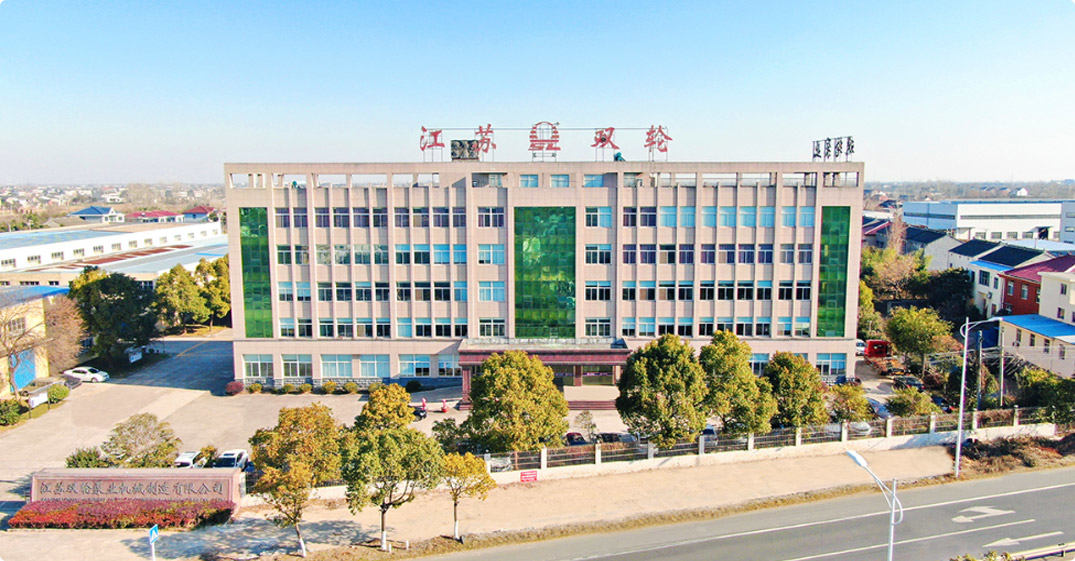
Jiangsu Double-wheel Pump Machinery Manufacting Co.,Ltd.
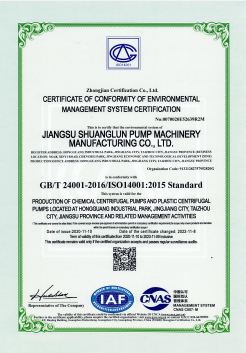
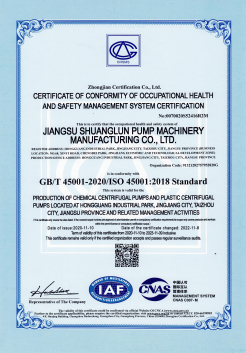
Jiangsu Double Wheel Pump Machinery Manufacturing Co., Ltd. is China Large Diameter Submersible Sewage Pump Manufacturers and Wholesale Large Diameter Submersible Sewage Pump Factory. The company is located in the scenic Yangtze River bank, Jiangyin Bridge, Beijing-Shanghai Expressway, Shanghai-Nanjing Expressway, Ningtong Expressway, Ningjingyan expressway running through the north and south, the traffic is very convenient, the geographical position is esteemed good. It is a production base specializing in non-sealed self-priming pumps, rain pumps, long-axis liquid pumps, chemical centrifugal pumps, positive displacement pumps and environmental protection equipment and mechanical equipment. The company has two production bases, covering an area of nearly 60,000 square meters, of which the eastern base covers an area of 33,000 square meters, the western base covers an area of 27,000 square meters, six modern production workshops, two installation workshops, a professional test workshop, a variety of mechanical processing equipment more than 160 sets, including a pump comprehensive performance test platform, Can test diameter 32-1200mm, motor power 1.1-1200KW, voltage 380V-10KV of various types of pumps, scientific research, development, manufacturing, processing, promotion, application of its own system. In the past two years, the company has closely followed the national industrial policy, made a big deal about environmental protection, and undertaken a large number of sewage treatment projects, which is unique in the environmental protection industry.
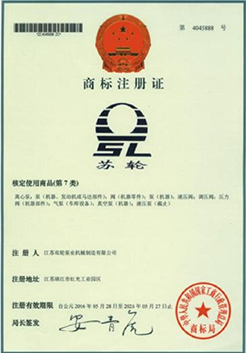
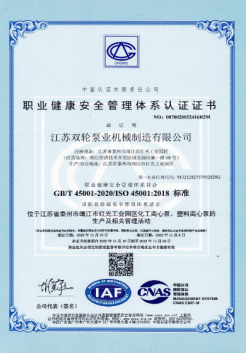
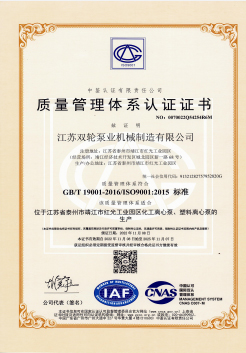
Certificate Of Honor


-
0

Be established in
-
0+

Professional personnel
-
0 million

Registered capital
-
0 ㎡

Plant area
After-Sales Service
Maintenance and Technical Support
Comprehensive lifecycle support from installation through long-term spare parts supply and expert technical assistance.
Maintenance and Spare Parts
Minimize downtime with ready access to genuine parts
-
Complete Seal & Bearing Kit: Includes double mechanical seals (SiC/SiC), oil chamber gaskets, O-rings, upper and lower bearings, and bearing housing seals. All components are OEM-specified for exact replacement.
-
Impeller & Wear Plate Assembly: Replacement impeller (single-channel or vortex) in cast iron, Ni-Hard, or SS316. Includes matching wear plate (lower casing ring) if applicable.
-
Motor Winding Repair Service: For stator burnout, we provide replacement stator cores or complete motor section exchange (exchange program reduces downtime).
-
Sensor Replacement Kit: Includes PTC thermistors, seal leakage probes, and moisture sensor (complete set for one pump).
Professional Technical Support
Expert assistance for your most critical pumping applications
-
Pumping Station Design Review: Our engineers review wet well sizing, inlet piping geometry, pump selection, and control philosophy to ensure reliable operation without clogging or sedimentation.
-
Guide Rail System Alignment: We provide detailed installation drawings and can supply laser alignment verification tools for large-diameter guide rail systems.
-
On-Site Commissioning: Factory-trained technicians available for commissioning of large sewage pump stations, including control system integration and operational testing.
-
24/7 Emergency Technical Support: Phone and email support for troubleshooting seal alarms, motor overloads, and control system issues. We maintain a library of diagnostic procedures for common fault codes.


+86-0523- 84351 090 /+86-180 0142 8659


Welcome To
Jiangsu Double-Wheel Pump
Add 1: Hongguang Industrial Park, Jingjiang City, Jiangsu Province, China
Add 2: No.68, Xinyi Road, Industrial Park, Jingjiang City, Jiangsu Province, China
Contact
-
Tel:
+86-0523- 84351 090
+86-180 0142 8659 -
FAX:
+0523-8435 5588
- E-mail: