language
  русский
 عربى
عربى Indonesia
Chemical Composition Control Alloy Pump Wholesale



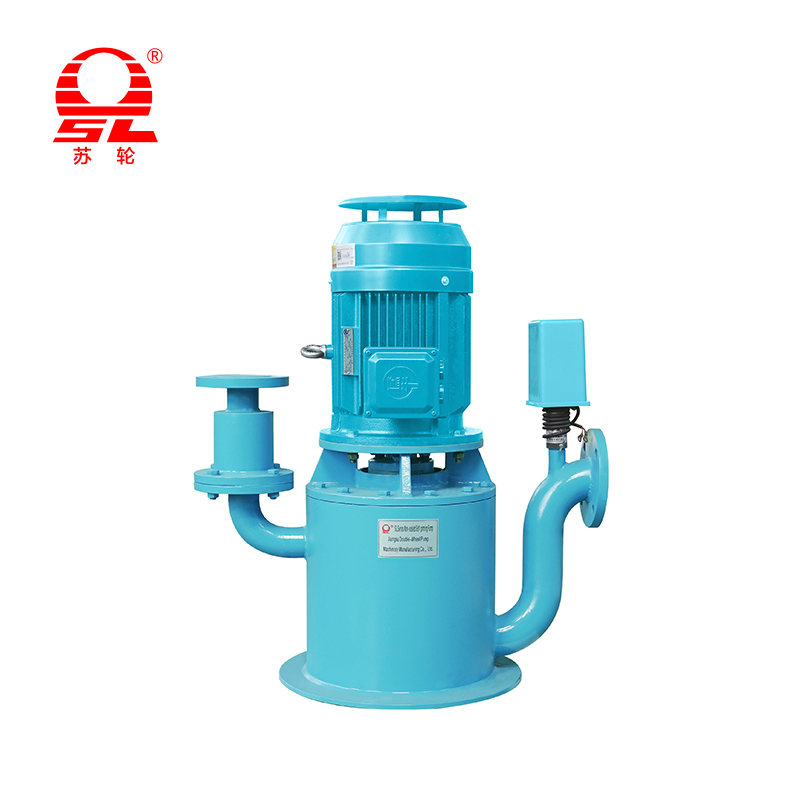

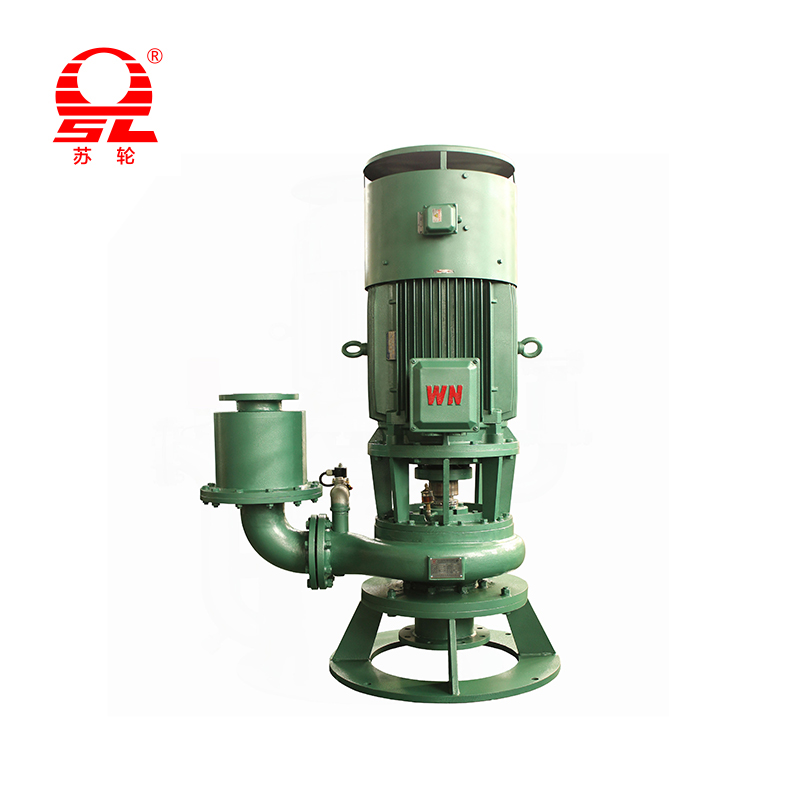

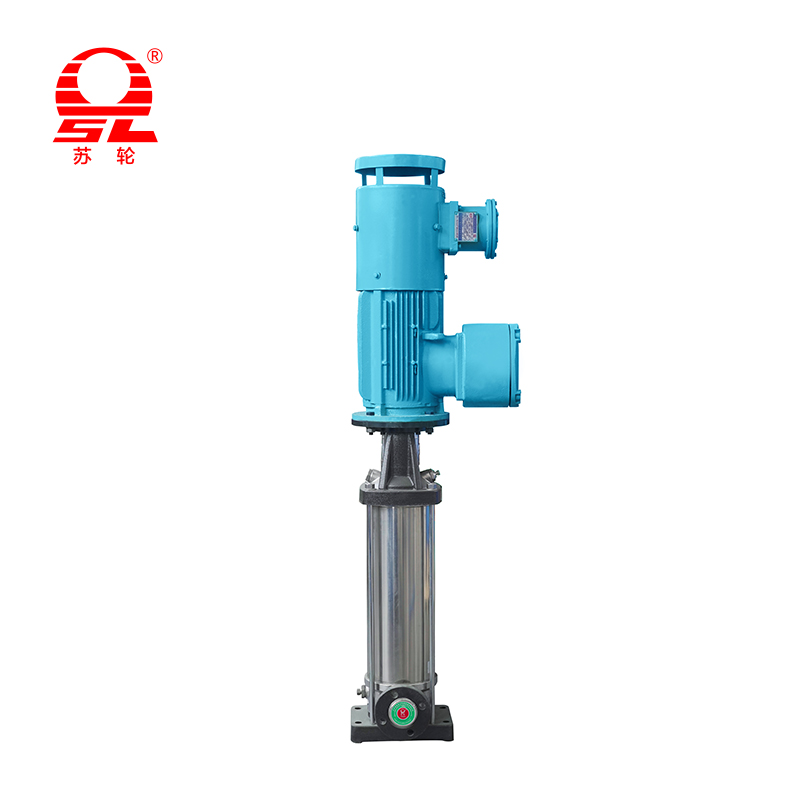
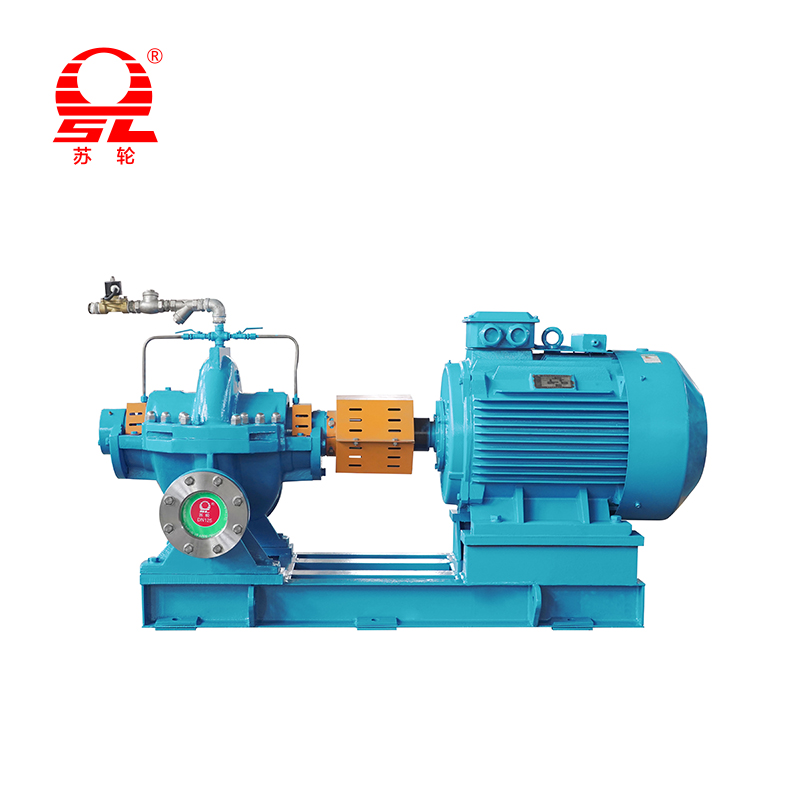



High Purity Alloys
Up to 600 m³/h
PMI Certified
NACE MR0175
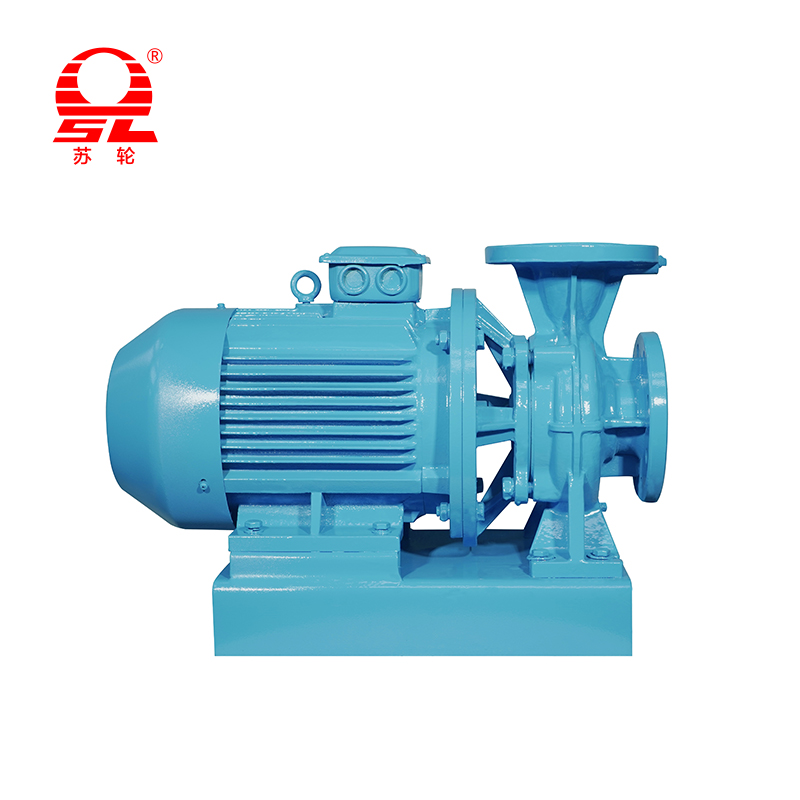
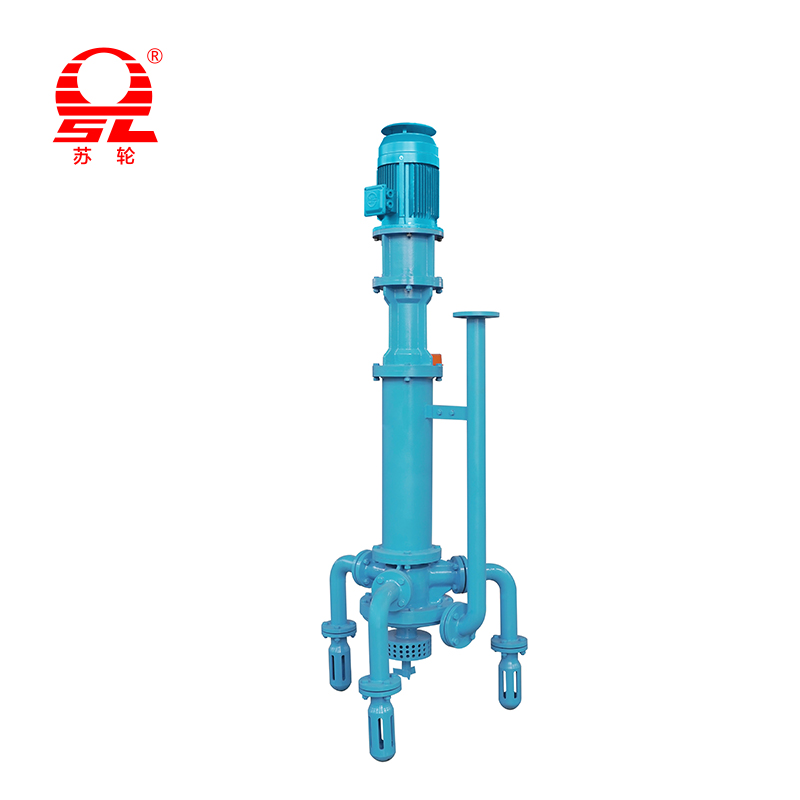
Chemical Composition Control Alloy Pump
Engineered for critical chemical processing where material composition and corrosion resistance are paramount. Full traceability from melt to finished pump with Positive Material Identification (PMI) certification for every alloy component.
Product Introduction
High Performance Alloy Pump Technology
A comprehensive examination of the metallurgy, material science, and quality control processes for our chemical composition control alloy pump range.
The Chemical Composition Control Alloy Pump is designed for the most demanding chemical processing applications where material integrity is critical. In industries such as pharmaceutical manufacturing, specialty chemical production, semiconductor fabrication, and nuclear processing, even trace contamination from pump materials can ruin product batches or cause process safety incidents. Our alloy pumps are manufactured from premium alloys with documented chemical composition, mechanical properties, and corrosion resistance. Every component is traceable from the original melt to the finished pump. Positive Material Identification (PMI) is performed on every alloy component before acceptance. This level of material control ensures that the pump will perform as specified for the life of the process.
The alloy selection process is methodical and documentation-intensive. For each pump application, we analyze the fluid chemistry, temperature, pressure, and operating cycle. Based on this analysis, we recommend a specific alloy grade. All recommended alloys are backed by corrosion test data from NACE, ASTM, or manufacturer literature. For critical applications, we can perform coupon testing with your actual process fluid to verify corrosion rates. Alloy options include austenitic stainless steels (304L, 316L, 317L), super austenitic stainless steels (904L, AL-6XN), duplex and super duplex stainless steels (2205, 2507), nickel-based alloys (Hastelloy C276, C22, B3, Alloy 20, Inconel 625, Monel 400), titanium and titanium alloys (Grade 2, Grade 7, Grade 12), and zirconium (702, 705).
Material traceability is documented at every stage. The mill test certificate (MTC) from the original alloy manufacturer provides chemical composition (percent element by weight) and mechanical properties (tensile strength, yield strength, elongation, hardness). Our foundry uses only certified heats. During casting, the heat number is stamped on each component. After machining, the heat number is transferred to a permanent tag. For critical applications, we provide EN 10204 3.2 certification with independent third-party verification. All test records are archived for the life of the pump.
Positive Material Identification (PMI) is performed on all alloy components. PMI uses X-ray fluorescence (XRF) or optical emission spectroscopy (OES) to verify the chemical composition of the finished component. We test 100 percent of casing, impeller, shaft, wear rings, and fasteners. PMI confirms that the component matches the specified alloy grade and that no mix-up occurred during manufacturing. PMI reports are provided with the pump documentation package. For nuclear and pharmaceutical applications, we provide additional PMI testing after final assembly.
The pump hydraulic design is optimized for alloy construction. The impeller is of the enclosed type for maximum efficiency. The volute casing is designed with smooth, crevice-free surfaces to prevent product accumulation and corrosion initiation. For sanitary and pharmaceutical applications, we offer electropolished surface finishes (Ra 0.4μm or better). For high temperature alloys, the casing is centerline-mounted to accommodate thermal expansion. For the most corrosive services, we offer magnetic drive (sealless) construction to eliminate dynamic seals and potential leakage points.
Non-destructive examination (NDE) is performed on all pressure-retaining castings. Radiographic testing (RT) or ultrasonic testing (UT) detects internal defects such as porosity, shrinkage, or inclusions. Dye penetrant testing (PT) detects surface defects. Castings meeting ASME Section VIII or NACE MR0175 requirements are certified accordingly. For critical nuclear applications, we provide ASME Section III certification with full NDE documentation and third-party inspection.
Welding procedures are qualified to ASME Section IX. All welders are certified for the specific alloy and process. Welds are examined by visual inspection (VT), dye penetrant testing (PT), and radiographic testing (RT) as required. For duplex stainless steel, ferrite content is measured and documented to ensure proper phase balance (typically 40 to 60 percent ferrite). Welding procedure qualification records (WPQR) and welder performance qualifications (WPQ) are available upon request.
Heat treatment is performed as required by the alloy specification. Austenitic stainless steels may require solution annealing to restore corrosion resistance after welding. Duplex stainless steels require solution annealing and water quenching to achieve the correct phase balance. Precipitation hardening alloys (17-4PH, Inconel 718) require age hardening to achieve specified mechanical properties. All heat treatment cycles are recorded on time-temperature charts, and the charts are included in the documentation package.
In summary, the Chemical Composition Control Alloy Pump delivers the material integrity, traceability, and corrosion resistance required for critical chemical processing applications.
Premium alloys: Stainless steel / Duplex / Hastelloy / Titanium / Zirconium
Full material traceability from melt to finished pump
100% Positive Material Identification (PMI) on all alloy components
EN 10204 3.1 or 3.2 material certificates
Flow rates: 1 to 600 m³/h
Heads: 10 to 100 meters
Temperatures: -100°C to +260°C
NDE: Radiographic / Ultrasonic / Dye penetrant as required
ASME Section VIII or Section III certification available
NACE MR0175 sour service compliance available
Technical Data
Technical Specifications
Complete material, performance, and certification parameters for the chemical composition control alloy pump range.
| Parameter | Specification |
|---|---|
Pump Configuration | >End-suction centrifugal / Magnetic drive (sealless) / API 610 OH2 |
Flow Rate Range | >1 to 600 m³/h (4.4 to 2,600 US gpm) |
Total Head Range | >10 to 100 meters (33 to 328 feet) |
Temperature Range | >-100°C to +260°C depending on alloy | Motor Power Range | >0.55 kW to 110 kW (0.75 to 150 HP) |
Speed | >1,450 / 2,900 RPM (50Hz); 1,750 / 3,500 RPM (60Hz) |
Port Size | >25 mm to 200 mm (1" to 8") |
Austenitic Stainless | >304L / 316L / 317L (UNS S30403, S31603, S31703) |
Super Austenitic | >904L / AL-6XN / 254SMO (UNS N08904, N08367, S31254) |
Duplex / Super Duplex | >2205 (UNS S31803) / 2507 (UNS S32750) |
Nickel Alloys | >Hastelloy C276/C22/B3 / Alloy 20 / Inconel 625 / Monel 400 |
Titanium / Zirconium | >Titanium Gr2 / Gr7 / Gr12 / Zirconium 702 / 705 |
Material Certification | >EN 10204 3.1 or 3.2 / ASME Section II |
NDE Requirements | >RT / UT / PT / MT as specified by customer |
NACE Compliance | >MR0175 / MR0103 sour service (optional) |
Why Choose Alloy Pumps
Core Advantages
Six key quality and material integrity benefits that make our chemical composition control alloy pump the preferred choice for critical chemical processing.
Full Material Traceability
Every alloy component is traceable to its original melt heat number. Material test certificates document chemical composition and mechanical properties. Traceability is maintained from casting through machining to final assembly.
100% Positive Material Identification (PMI)
Every alloy component is PMI tested before acceptance using XRF or OES. PMI confirms that the component matches the specified alloy grade. PMI reports are provided for every component.
Application-Specific Alloy Selection
Our metallurgists select the optimal alloy based on your fluid chemistry, temperature, and operating conditions. Corrosion testing with your actual process fluid is available for critical applications.
Non-Destructive Examination (NDE)
All pressure-retaining castings undergo radiographic or ultrasonic examination. Dye penetrant examination is performed on all machined surfaces. NDE reports are included in the documentation package.
NACE MR0175 Sour Service Compliance
For oil and gas applications in sour service (H2S environment), we supply pumps fully compliant with NACE MR0175/ISO 15156. Hardness limits, material selection, and NDE requirements are strictly followed.
ASME Section III Nuclear Certification
For nuclear applications, we provide ASME Section III certified pumps with full documentation, NDE, and third-party inspection. Material certifications include traceability to certified heats.
Use Cases
Primary Applications
Trusted across critical industries requiring material integrity and corrosion resistance.
Pharmaceutical Manufacturing
Transfer of active pharmaceutical ingredients (APIs), solvents, and intermediates. 316L stainless steel with electropolished surfaces (Ra 0.4μm). Full material traceability for regulatory compliance (FDA, cGMP).
Specialty Chemical Production
Pumping of high-purity chemicals, catalysts, and intermediates. Hastelloy or titanium construction for aggressive chemistries. Zero contamination critical for product quality.
Semiconductor Manufacturing
Ultra-pure chemical delivery for wafer fabrication. High-purity 316L or PTFE-lined construction. Ultrasonic cleaning and particle count certification available.
Nuclear Processing
ASME Section III certified pumps for radioactive fluid handling. Full material traceability with certified heats. NDE and documentation per NQA-1 requirements.
Oil & Gas Sour Service
Hydrocarbon processing with H2S (sour gas). NACE MR0175 compliant materials with hardness limits. Duplex or super duplex stainless steel construction.
Aerospace Fuel Systems
Pumping of jet fuel, hydraulic fluids, and specialty chemicals. Titanium or Inconel construction for high strength and corrosion resistance at extreme temperatures.
Head-to-Head
Alloy Material Comparison
A detailed comparison of high-performance alloys for chemical processing applications.
| Alloy | Corrosion Resistance | Chloride Resistance | Max Temp | Relative Cost | Typical Applications |
|---|---|---|---|---|---|
| 316L Stainless | Moderate | Poor (pitting above 1000 ppm) | 150°C | 1.0x | Pharmaceutical, general chemical |
| 904L Super Austenitic | Good | Moderate (pitting above 5000 ppm) | 120°C | 1.5x | Sulfuric acid, phosphoric acid |
| Duplex 2205 | Good | Good (pitting above 10,000 ppm) | 230°C | 2.0x | Seawater, chlorides, sour gas |
| Hastelloy C276 | Excellent | Excellent | 260°C | 5.5x | HCl, wet chlorine, mixed acids |
| Titanium Gr2 | Excellent | Excellent | 230°C | 8.0x | Seawater, brine, oxidizing acids |
| Zirconium 702 | Excellent | Excellent | 260°C | 12.0x | Acetic acid, formic acid, strong acids |
Expert Tips
Usage Tips and Best Practices
Maximize the corrosion resistance, material integrity, and service life of your alloy pump.
1
Verify PMI Before Installation
Before installing the pump, perform Positive Material Identification (PMI) on the casing flange, impeller, and shaft. This verifies that the correct alloy was supplied. Visual inspection alone cannot distinguish between 316L and Hastelloy or between 316L and 304L.
2
Passivate After Any Weld or Repair
Any welding, grinding, or machining removes the passive chromium oxide layer and may leave embedded iron. After any modification, the affected area must be passivated (citric or nitric acid treatment) to restore corrosion resistance.
3
Control Chloride Concentration for Stainless Steel
For 316L stainless steel, chloride concentration above 1000 ppm combined with temperatures above 60°C can cause pitting and stress corrosion cracking. For higher chloride levels, specify duplex or super duplex stainless steel.
4
Prevent Galvanic Corrosion in Mixed Alloy Systems
When connecting alloy pumps to piping of different materials, use insulated flanges to prevent galvanic corrosion. Dissimilar metals in contact with conductive fluid create a battery that corrodes the less noble metal.
5
Store Pumps in Clean, Dry Conditions
Alloy pumps can still suffer surface corrosion (tea staining) if stored in damp, chloride-laden environments. Store indoors with humidity below 60 percent. Cover pumps with breathable fabric covers; do not use plastic.
6
Maintain Documentation in Controlled File
Keep all material certificates, PMI reports, and NDE reports in a controlled file. For regulatory compliance (FDA, cGMP, NQA-1), these documents must be available for audit for the life of the pump (typically 15 to 25 years).
FAQ
Frequently Asked Questions
Expert answers to common questions about chemical composition control alloy pumps.
What is Positive Material Identification (PMI) and why is it important?
PMI is a non-destructive testing method (X-ray fluorescence or optical emission spectroscopy) that verifies the chemical composition of metal alloys. PMI is critical because visual inspection cannot distinguish between alloy grades (e.g., 316L vs 304L, or 316L vs Hastelloy). PMI ensures that the correct alloy was supplied and that no mix-up occurred during manufacturing.
What is the difference between EN 10204 3.1 and 3.2 material certificates?
EN 10204 3.1 certificates are issued by the manufacturer (foundry) and certify that the material meets the specification. EN 10204 3.2 certificates include independent third-party verification (inspection body) of the test results. 3.2 is required for many pressure vessel and nuclear applications.
What NDE methods are used on alloy pump castings?
Radiographic testing (RT) or ultrasonic testing (UT) detects internal defects (porosity, shrinkage, inclusions). Dye penetrant testing (PT) detects surface defects (cracks, porosity). Magnetic particle testing (MT) is used on ferritic alloys. NDE is performed in accordance with ASME Section V or customer specifications.
What is NACE MR0175 and when is it required?
NACE MR0175/ISO 15156 is the standard for materials for sour service (H2S-containing environments). It limits material hardness, specifies alloy composition, and requires NDE. It is required for oil and gas applications in sour (H2S) service. Material compliance is documented in the certificate.
What is the difference between 316L and 316L Stainless Steel?
316L is a specific grade with 2-3% molybdenum for chloride resistance and carbon content below 0.03% to prevent intergranular corrosion. There is no difference between 316L and 316L. Ensure the material certificate specifies ASTM A351 CF3M (cast) or A182 F316L (wrought).
Can alloy pumps be repaired by welding?
Yes, but with qualified procedures. Welding must use filler metal matching the base alloy. Post-weld heat treatment may be required. After welding, the area must be examined by PT or RT. Welder must be certified for the specific alloy. For critical applications, repair welding may not be permitted.
What is the typical lead time for an alloy pump?
Standard 316L stainless steel pumps ship within 8 to 12 weeks. Duplex stainless steel requires 12 to 16 weeks. Hastelloy or titanium requires 16 to 24 weeks. Nuclear-certified (ASME Section III) pumps require 24 to 36 weeks.
What is the difference between cast and wrought alloy pumps?
Cast pumps have casings and impellers manufactured by investment or sand casting. They are less expensive for complex shapes. Wrought pumps are machined from bar stock or forgings. Wrought material has better mechanical properties and is preferred for high pressure or nuclear applications.
Do you provide ASME Section III nuclear certification?
Yes. We are ASME authorized to provide Section III Class 1, 2, and 3 pumps. Certification includes full material traceability to certified heats, NDE per ASME Section V, and third-party inspection. Documentation includes NQA-1 compliant records.
How do I select the right alloy for my application?
Provide us with your fluid composition, concentration, temperature, pH, and any impurities. Our metallurgists will review corrosion references and recommend the optimal alloy. For critical applications, we can perform coupon testing with your process fluid to verify corrosion rates before manufacturing.
Company
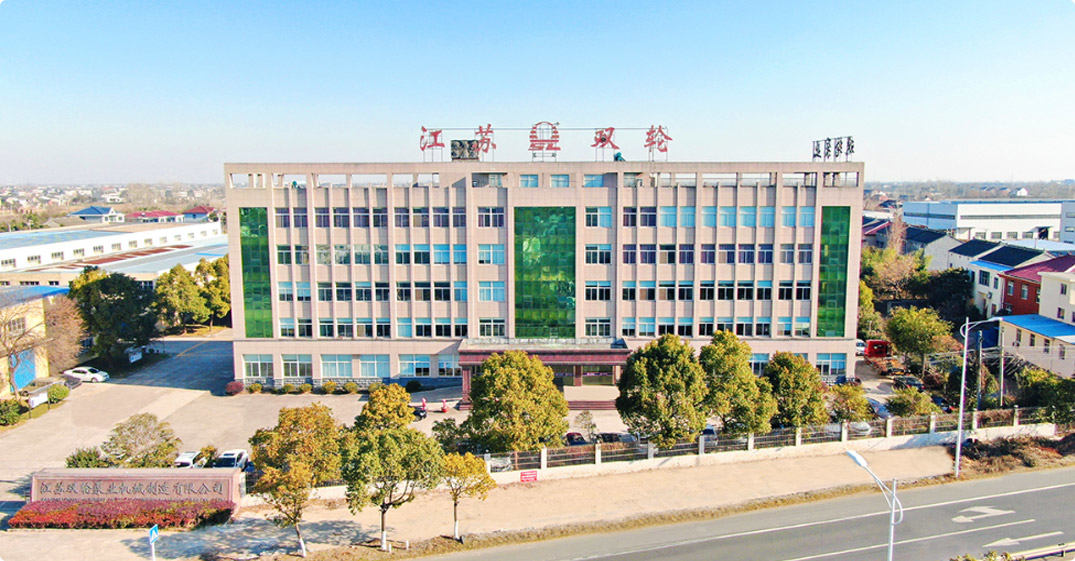
Jiangsu Double-wheel Pump Machinery Manufacting Co.,Ltd.
Jiangsu Double Wheel Pump Machinery Manufacturing Co., Ltd. is China Chemical Composition Control Alloy Pump Manufacturers and Wholesale Chemical Composition Control Alloy Pump Factory. The company is located in the scenic Yangtze River bank, Jiangyin Bridge, Beijing-Shanghai Expressway, Shanghai-Nanjing Expressway, Ningtong Expressway, Ningjingyan expressway running through the north and south, the traffic is very convenient, the geographical position is esteemed good. It is a production base specializing in non-sealed self-priming pumps, rain pumps, long-axis liquid pumps, chemical centrifugal pumps, positive displacement pumps and environmental protection equipment and mechanical equipment. The company has two production bases, covering an area of nearly 60,000 square meters, of which the eastern base covers an area of 33,000 square meters, the western base covers an area of 27,000 square meters, six modern production workshops, two installation workshops, a professional test workshop, a variety of mechanical processing equipment more than 160 sets, including a pump comprehensive performance test platform, Can test diameter 32-1200mm, motor power 1.1-1200KW, voltage 380V-10KV of various types of pumps, scientific research, development, manufacturing, processing, promotion, application of its own system. In the past two years, the company has closely followed the national industrial policy, made a big deal about environmental protection, and undertaken a large number of sewage treatment projects, which is unique in the environmental protection industry.
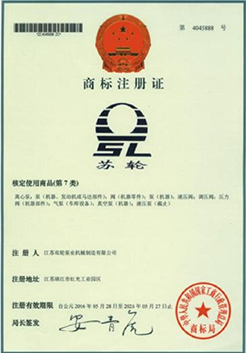
Certificate Of Honor


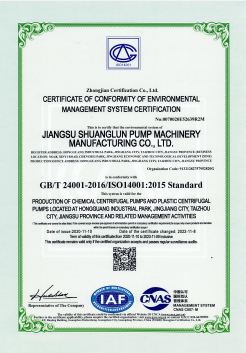
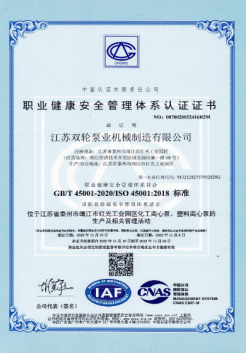
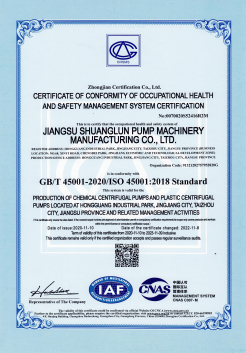
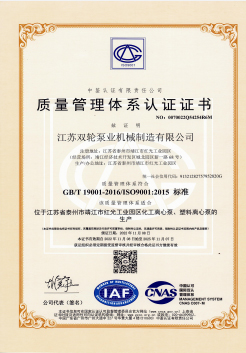
-
0

Be established in
-
0+

Professional personnel
-
0 million

Registered capital
-
0 ㎡

Plant area
After-Sales Service
Maintenance and Technical Support
Comprehensive lifecycle support for your chemical composition control alloy pump.
Maintenance and Spare Parts
Keep your alloy pump operating with certified replacement parts
- Certified Replacement Impeller: Dynamically balanced impeller from same alloy heat as original. Includes material certificate and PMI report.
- Seal Kit with Certified Elastomers: Mechanical seal assembly with certified elastomers (FKM, EPDM, FFKM, Kalrez). Seal faces silicon carbide or tungsten carbide.
- Bearing Kit: Premium grade bearings (SKF or FAG) with certification.
- Fastener Kit: Replacement bolts and nuts from same alloy as original. Certified to ASTM spec.
Professional Technical Support
Expert assistance for critical alloy applications
- Material Compatibility Database: Access to our comprehensive alloy selection guide covering over 1,500 chemicals with recommended materials.
- Corrosion Coupon Testing: We provide corrosion test coupons of recommended alloys for in-situ testing in your process fluid.
- Documentation Retention: We maintain copies of all material certificates, PMI reports, and NDE records for the life of the pump.
- Field Passivation Service: Our technicians can passivate your alloy pump on-site using validated citric acid procedures with surface verification.


+86-0523- 84351 090 /+86-180 0142 8659


Welcome To
Jiangsu Double-Wheel Pump
Add 1: Hongguang Industrial Park, Jingjiang City, Jiangsu Province, China
Add 2: No.68, Xinyi Road, Industrial Park, Jingjiang City, Jiangsu Province, China
Contact
-
Tel:
+86-0523- 84351 090
+86-180 0142 8659 -
FAX:
+0523-8435 5588
- E-mail: