language
  русский
 عربى
عربى Indonesia
Explosion Proof Chemical Process Pump Wholesale



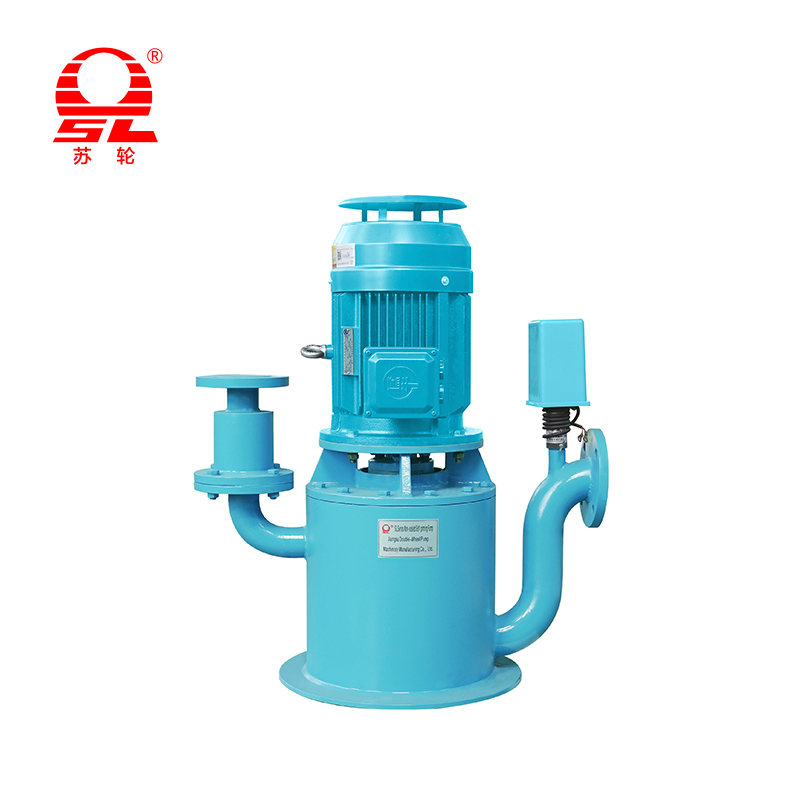

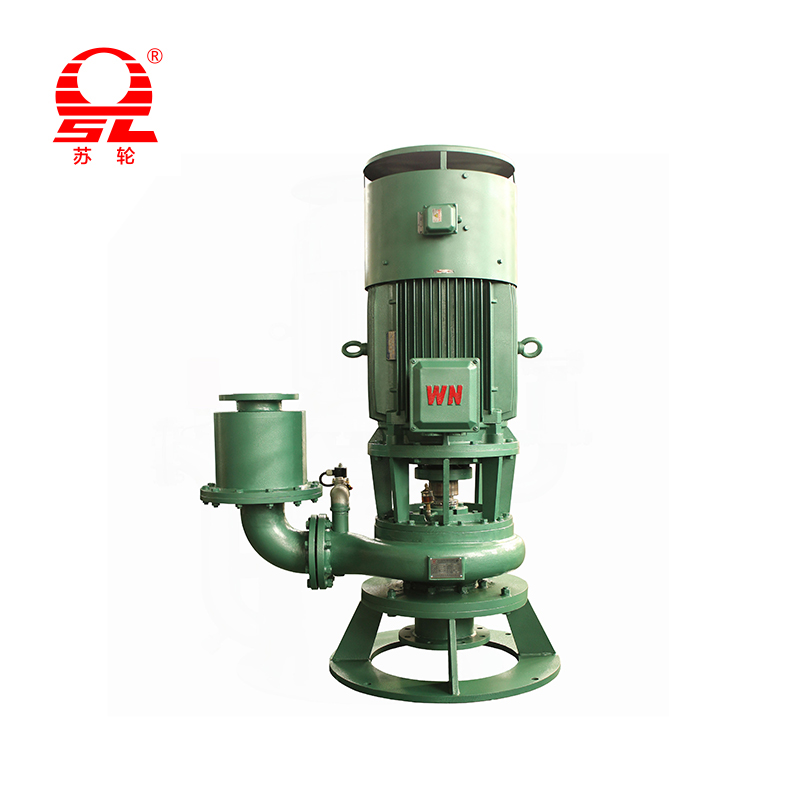

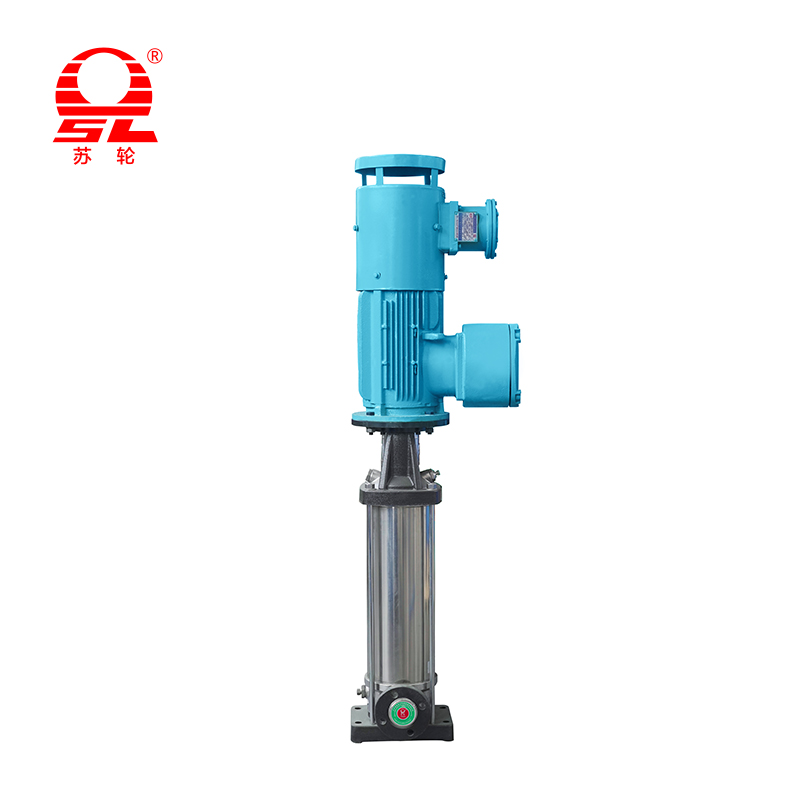
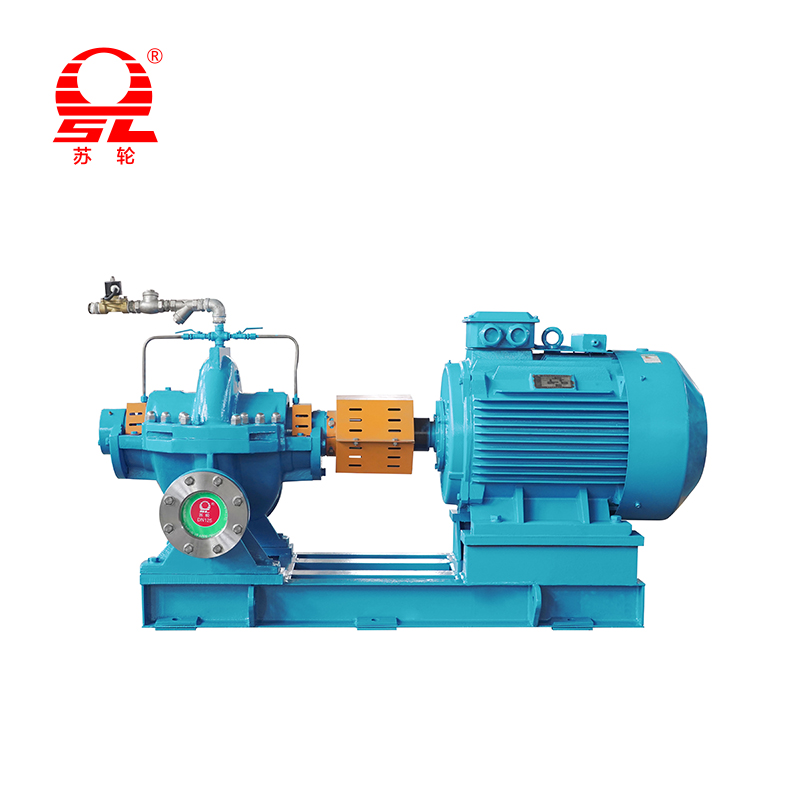
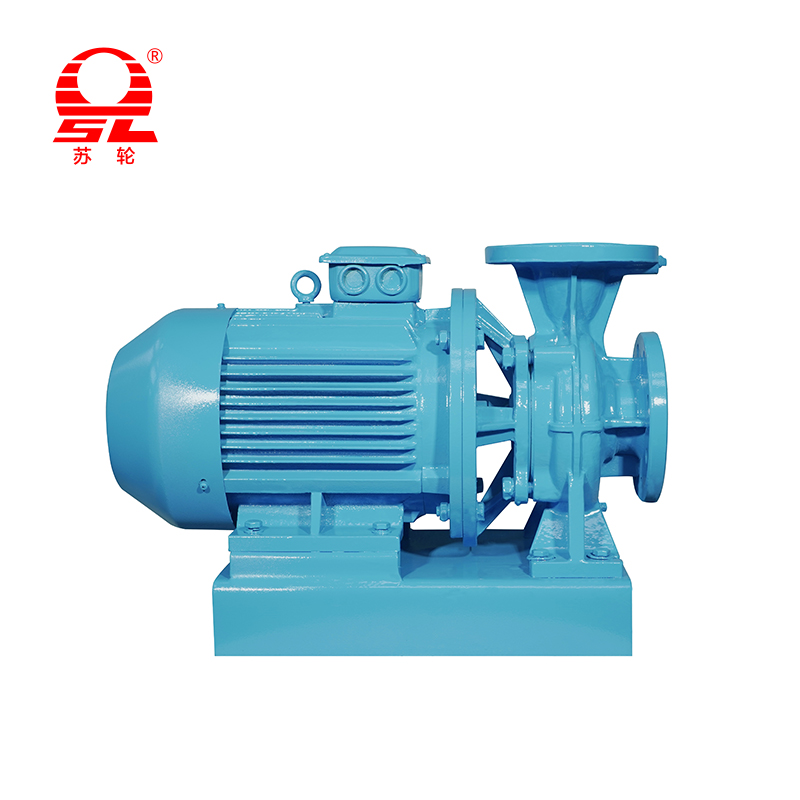


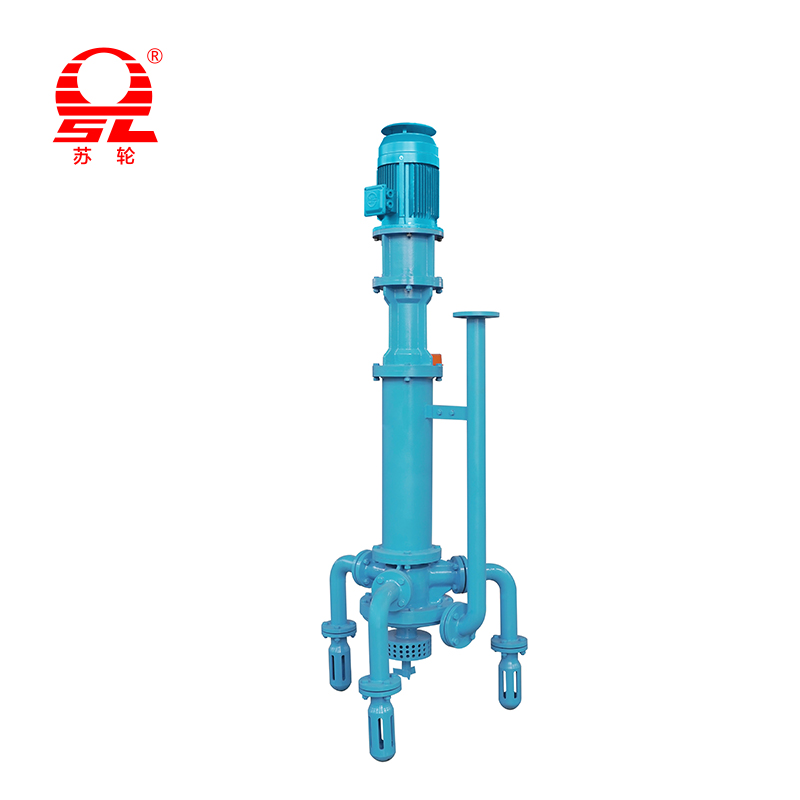

ATEX / IECEx Certified
Up to 600 m³/h
Zone 1 / Zone 2
API 685
Explosion Proof Chemical Process Pump
Engineered for safe operation in hazardous atmospheres containing flammable gases, vapors, or dust. ATEX and IECEx certified for Zone 1 and Zone 2 locations with explosion-proof motor and sealed construction to prevent ignition sources.
Product Introduction
Explosion Proof Chemical Process Pump Technology
A comprehensive examination of the engineering, safety features, and certification requirements for explosion proof pumps in hazardous chemical processing.
The Explosion Proof Chemical Process Pump is designed for safe operation in hazardous atmospheres where flammable gases, vapors, or combustible dust may be present. Industries such as petrochemical refining, solvent handling, paint manufacturing, pharmaceutical production, and fuel transfer require pumps that will not ignite the surrounding atmosphere. Our explosion proof pumps are certified to ATEX (European Union) and IECEx (International) standards for Zone 1 (gases present during normal operation) and Zone 2 (gases present only under abnormal conditions) locations. The pump incorporates multiple safety features including an explosion proof motor, sealed electrical connections, grounding systems, and temperature monitoring to prevent ignition sources.
The certification standards are rigorous. ATEX 2014/34/EU and IECEx 60079 series standards classify hazardous areas by zone, gas group, and temperature class. The motor and any electrical component within the hazardous area must be certified for the specific classification. Our explosion proof pumps are certified for Gas Group IIA, IIB, and IIC (hydrogen and acetylene), and Temperature Class T1 through T4. For dust hazards, we offer Ex tD (dust ignition protection) certification. Each pump is supplied with a certificate of conformity and is marked with the applicable classification code.
The motor is the primary ignition source requiring protection. For Zone 1 applications, we specify Ex d (flameproof) motors. The motor enclosure is designed to contain an internal explosion without propagating to the outside atmosphere. The flame path (flameproof joints) between the enclosure and shaft is precisely machined to quench escaping hot gases. For Zone 2 applications, we can use Ex e (increased safety) motors, which prevent arcs, sparks, or high temperatures during normal operation. Motor temperature class (T1 to T6) ensures that maximum surface temperature stays below the auto-ignition temperature of the surrounding gas. Standard motor is T4 (135°C) for most applications, with T3 (200°C), T5 (100°C), and T6 (85°C) available for lower ignition temperature gases.
The pump casing and hydraulic components are manufactured from materials that will not create sparks upon impact. For non-metallic components (gaskets, seals, elastomers), we select anti-static materials with surface resistance below 1 gigohm to prevent static charge accumulation. The pump is grounded through the motor and piping system. A dedicated grounding lug is provided on the pump casing for connection to the plant grounding system. For magnetic drive (sealless) pumps, the containment shell is constructed from non-sparking alloy (Hastelloy or titanium) with wall thickness designed for pressure containment.
The shaft sealing system must prevent leakage of hazardous fluid to the atmosphere. For most explosion proof applications, we specify double mechanical seals (API 682 Arrangement 2 or 3) with a pressurized barrier fluid (API Plan 52 or 53). The barrier fluid reservoir is located outside the hazardous area. Leakage sensors on the seal chamber and barrier fluid reservoir send alarms to the control system. For the highest safety, we offer magnetic drive (sealless) pumps with containment shell monitoring. The secondary containment (inner magnet housing) provides an additional barrier against leakage.
Temperature monitoring is required for explosion proof classification. The motor has embedded thermistors (PTC) that trip at the temperature class limit. The pump bearing housing is equipped with RTD sensors to monitor bearing temperature. For seal chambers, we provide temperature monitoring of the barrier fluid. All temperature sensors are connected to a certified safety relay that shuts down the pump before temperatures reach the ignition point of the surrounding gas.
Material selection must consider both the pumped fluid and the hazardous atmosphere. For the process fluid, we select alloys (SS316, Hastelloy, Titanium) based on chemical compatibility. For the pump exterior (exposed to the hazardous atmosphere), we use non-sparking materials. Aluminum components are forbidden in some applications due to the risk of sparking upon impact. External fasteners are stainless steel rather than plated carbon steel to prevent rust (rust can be an ignition source when flaking off).
Installation requirements are specified in the certification. The pump must be installed with proper grounding, conduit seals, and cable glands. Explosion proof conduit seals prevent the propagation of flame through the conduit system. Cable glands must be certified Ex d or Ex e as appropriate. Flexible couplings between pump and motor must be of non-sparking construction. The pump baseplate must be grounded to the plant grounding system.
Documentation requirements include the ATEX/IECEx certificate of conformity, the user manual with installation instructions, and a hazardous area classification drawing. The pump is marked with the certification logo (Ex) and classification code (e.g., Ex d IIB T4 Gb). The marking is stamped on a corrosion-resistant nameplate attached to the pump casing.
In summary, the Explosion Proof Chemical Process Pump delivers safe, certified operation in hazardous chemical processing environments.
ATEX and IECEx certified for Zone 1 and Zone 2 hazardous areas
Gas groups IIA, IIB, IIC / Temperature classes T1 to T4 (T5/T6 optional)
Flow rates: 1 to 600 m³/h
Heads: 10 to 100 meters
Motor types: Ex d (flameproof) or Ex e (increased safety)
Sealing: Double mechanical seals with barrier fluid / Magnetic drive (sealless)
Materials: Stainless steel / Hastelloy / Titanium / Duplex
Temperature monitoring: PTC thermistors and RTD sensors with safety relay
API 685 magnetic drive (sealless) available for zero leakage
Complete certification documentation package included
Technical Data
Technical Specifications
Complete performance and certification parameters for the explosion proof chemical process pump range.
| Parameter | Specification |
|---|---|
Pump Configuration | End-suction centrifugal / Magnetic drive (sealless) / API 685 |
Flow Rate Range | 1 to 600 m³/h (4.4 to 2,600 US gpm) |
Total Head Range | 10 to 100 meters (33 to 328 feet) |
ATEX Certification | II 2G Ex db IIB T4 Gb / II 2G Ex db IIC T4 Gb |
IECEx Certification | Ex db IIB T4 Gb / Ex db IIC T4 Gb (Zone 1) |
Temperature Class | T4 (135°C) standard / T3 (200°C) / T5 (100°C) / T6 (85°C) optional |
Motor Type | Ex d (flameproof) or Ex e (increased safety) / Ex nA (Zone 2) |
Motor Power Range | 0.75 kW to 110 kW (1 to 150 HP) |
Voltage Options | 230V / 400V / 415V / 460V / 690V / 3.3kV / 6.6kV |
Speed | 1,450 / 2,900 RPM (50Hz); 1,750 / 3,500 RPM (60Hz) |
Port Size | 25 mm to 200 mm (1" to 8") |
Fluid Temperature | -20°C to +150°C (depending on seal and materials) |
Fluid Types | Solvents / Fuels / Hydrocarbons / Paint / Adhesives / Flammable chemicals |
Wetted Materials | SS304 / SS316 / Duplex / Hastelloy C276 / Titanium / PTFE lined |
Shaft Sealing | Double mechanical seals (API 682 Plan 52/53) / Magnetic drive (sealless) |
Temperature Sensors | PTC thermistors (motor) / RTD sensors (bearings/seal chamber) |
Design Standard | ATEX 2014/34/EU / IECEx 60079 / API 685 (magnetic drive) |
Why Choose Explosion Proof Pumps
Core Advantages
Six key safety and reliability benefits that make our explosion proof chemical process pump the preferred choice for hazardous area applications.
Full ATEX / IECEx Certification
Certified to Zone 1 and Zone 2 hazardous area classifications. Gas groups IIB and IIC (hydrogen) covered. Temperature classes T1 through T4. Complete certification documentation included. Pump markings in accordance with ATEX/IECEx requirements.
Zero Leakage Options for Flammable Fluids
Double mechanical seals with pressurized barrier fluid (API Plan 52 or 53) provide secondary containment. For absolute zero leakage, specify magnetic drive (sealless) pump. No dynamic shaft seal eliminates potential leak paths for flammable chemicals.
Comprehensive Temperature Monitoring
Motor PTC thermistors trip at temperature class limit. Bearing RTD sensors monitor for overheating. Seal chamber temperature sensors detect barrier fluid loss. All sensors connected to certified safety relay with shutdown output.
Explosion Proof Motor with Flameproof Enclosure
Ex d flameproof motor contains internal explosion without propagating. Flamepath machined to precise tolerances. Certified for gas groups IIB and IIC. Thermal overload protection included. Suitable for direct-on-line or VFD starting.
Non-Sparking Construction
Pump casing materials selected to avoid spark generation on impact. Anti-static gaskets and seals with surface resistance below 1 gigohm. Dedicated grounding lug for plant grounding connection. External fasteners stainless steel to prevent rust ignition.
Complete Documentation Package
ATEX/IECEx certificate of conformity. User manual with hazardous area installation instructions. Hazardous area classification drawing. Temperature sensor calibration certificates. Nameplate with certification marking.
Use Cases
Primary Applications
Trusted across industries handling flammable and explosive chemicals in hazardous atmospheres.
Petrochemical and Refinery Pumping
Transfer of gasoline, diesel, jet fuel, crude oil, and other flammable hydrocarbons. Zone 1 hazardous area classification. Ex d motors with double mechanical seals. API 685 magnetic drive pumps for zero leakage.
Solvent Transfer and Handling
Pumping of acetone, toluene, xylene, methanol, ethanol, and other flammable solvents. ATEX Zone 1 or Zone 2 depending on vapor pressure. PTFE-lined pumps for aggressive solvents.
Paint and Coating Manufacturing
Transfer of paints, coatings, inks, and resin solutions containing flammable solvents. Zone 2 hazardous area (sealed equipment). Stainless steel construction with double seals.
Pharmaceutical Solvent Handling
Transfer of ethanol, isopropanol, acetone, and other solvents used in API manufacturing. ATEX Zone 1 with magnetic drive (sealless) pumps to prevent contamination and leakage.
Chemical Processing with Flammable Gases
Pumping of chemicals where the process area contains flammable gas (e.g., hydrogen, ethylene). Zone 1 classification with Ex d IIC motors for hydrogen service.
Lithium Battery Electrolyte Transfer
Pumping of flammable electrolyte solutions for lithium battery production. Clean room compatible with magnetic drive pumps. Dry nitrogen purge containment.
Head-to-Head
Explosion Proof Protection Method Comparison
A detailed comparison of Ex d (flameproof) versus Ex e (increased safety) versus magnetic drive (sealless) for hazardous areas.
| Protection Method | How It Works | Zone | Gas Groups | Temp Class | Leakage | Applications |
|---|---|---|---|---|---|---|
| Ex d (Flameproof) | Contains explosion, quenches through flamepath | Zone 1, Zone 2 | IIA, IIB, IIC | T1-T6 | Low risk | Most common (motors, lights, pumps) |
| Ex e (Increased Safety) | Prevents arcs/sparks/hot surfaces | Zone 1, Zone 2 | IIA, IIB, IIC | T1-T6 | Low risk | Motors, junction boxes, sensors |
| Magnetic Drive (Sealless) | Elimination of shaft seal (zero leakage) | Zone 1, Zone 2 | All groups | T1-T6 | Zero (with containment) | Toxic, flammable, hazardous fluids |
| Ex nA (Non-Sparking) | No arcs/sparks in normal operation | Zone 2 only | IIA, IIB, IIC | T1-T6 | Low risk | Zone 2 (lower cost than Ex d) |
Expert Tips
Usage Tips and Best Practices
Maximize the safety, reliability, and compliance of your explosion proof chemical process pump.
1
Verify Zone Classification Before Installation
The pump's ATEX/IECEx certification specifies the zone, gas group, and temperature class. Ensure these match your site's hazardous area classification. Installing a Zone 2 pump (Ex nA) in a Zone 1 area is a safety violation. Consult your site's hazardous area drawing.
2
Use Certified Explosion Proof Seals and Glands
Conduit seals and cable glands must be certified Ex d or Ex e as appropriate. Improper seals can allow flame propagation through the conduit system. Use only certified components from approved manufacturers. Maintain seal integrity documentation.
3
Maintain Proper Grounding
The pump must be grounded to the plant grounding system to prevent static charge accumulation. Measure ground resistance annually (should be less than 1 ohm). Check grounding lug connection for corrosion. For magnetic drive pumps, verify containment shell grounding.
4
Test Temperature Sensors Monthly
Test the safety relay and temperature sensor circuit monthly. Simulate high temperature condition and verify pump shutdown. Failed sensors must be replaced with certified components of the same temperature class. Record test results for compliance audits.
5
Maintain Barrier Fluid for Double Seals
For double mechanical seals (API Plan 52 or 53), check barrier fluid level and pressure daily. A drop in level indicates inner seal leakage. A pressure drop indicates outer seal leakage. Address seal issues promptly to prevent environmental release.
6
Keep Certification Documentation Accessible
Maintain the ATEX/IECEx certificate of conformity, user manual, and hazardous area drawing in a readily accessible location. These documents are required for regulatory audits. Provide copies to maintenance personnel and operators.
FAQ
Frequently Asked Questions
Expert answers to common questions about explosion proof chemical process pumps.
What is the difference between Zone 1 and Zone 2 hazardous areas?
Zone 1: Flammable gas or vapor is present during normal operation (e.g., around open process equipment). Zone 2: Flammable gas or vapor is not normally present and only occurs under abnormal conditions (e.g., equipment leak). Zone 1 requires higher protection level (Ex d or Ex e) than Zone 2 (Ex nA).
What do the gas groups IIA, IIB, and IIC mean?
Gas groups classify the ignition energy of gases. IIA: Propane (lowest hazard). IIB: Ethylene. IIC: Hydrogen and acetylene (highest hazard, most easily ignited). A pump certified for IIB can be used in IIA but not in IIC. For hydrogen service, specify Ex d IIC certified pump.
What is the temperature class and why is it important?
Temperature class is the maximum surface temperature of the equipment. T1 (450°C), T2 (300°C), T3 (200°C), T4 (135°C), T5 (100°C), T6 (85°C). The pump's temperature class must be lower than the auto-ignition temperature of the surrounding gas (e.g., hydrogen auto-ignites at 560°C, so T1 is acceptable; carbon disulfide auto-ignites at 90°C, so T6 required).
Should I choose single or double mechanical seals for hazardous fluids?
For hazardous and flammable fluids, double mechanical seals (API 682 Arrangement 2 or 3) are required. The barrier fluid provides secondary containment. Single seals are not permitted for toxic or flammable fluids in most jurisdictions. For highest safety, specify magnetic drive (sealless) pump.
Can I use a standard VFD with an explosion proof motor?
Yes, but the VFD must be located outside the hazardous area or be certified Ex e or Ex d. The motor must be inverter-duty rated with reinforced insulation. Additional filtering (dV/dt filters) may be required to prevent voltage spikes that could cause insulation failure. Consult motor manufacturer for VFD compatibility.
What is the difference between ATEX and IECEx certification?
ATEX is mandatory for equipment sold in the European Union. IECEx is an international certification recognized in many countries outside the EU. The technical requirements are similar. For global projects, we recommend IECEx certification. For EU projects, ATEX is required.
What is the typical lead time for an explosion proof pump?
Standard Ex e (increased safety) pumps ship within 8 to 12 weeks. Ex d (flameproof) pumps require 12 to 16 weeks. Magnetic drive (sealless) pumps require 14 to 18 weeks. API 685 certified pumps require 16 to 20 weeks. Certification documentation adds 2 to 4 weeks.
Can I repair an explosion proof pump in the field?
Field repair of explosion proof components is not recommended. The flameproof joints (Ex d) must be machined to precise tolerances. Replacement parts must be certified. We recommend returning the pump to a certified repair facility. For non-safety components (impeller, bearings), field repair is acceptable if proper procedures are followed.
Do explosion proof pumps require special installation?
Yes. Installation must follow ATEX/IECEx requirements including: proper grounding, sealed conduit entries, certified cable glands, temperature sensor connection to safety relay, and barrier fluid reservoir located outside hazardous area. Installation must be performed by certified electricians familiar with hazardous area requirements.
Can I use a PTFE-lined pump in a hazardous area?
Yes, with proper precautions. The motor must be explosion proof (Ex d or Ex e). The PTFE lining must be anti-static (conductive carbon-filled) to prevent static charge accumulation. The pump must be grounded. The containment shell (if magnetic drive) must be non-sparking alloy. Consult our engineers for PTFE-lined hazardous area applications.
Company
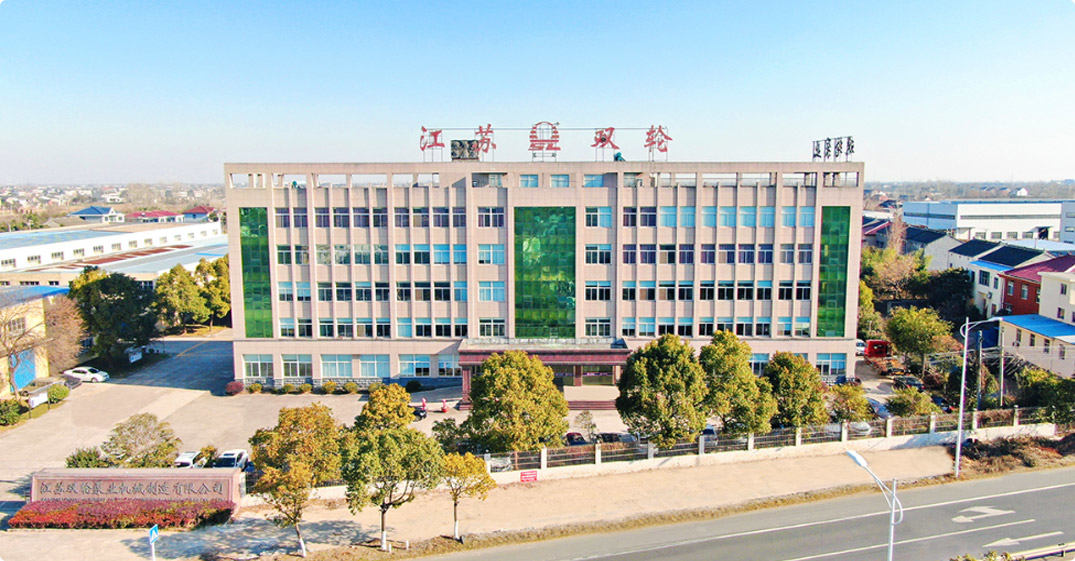
Jiangsu Double-wheel Pump Machinery Manufacting Co.,Ltd.
Jiangsu Double Wheel Pump Machinery Manufacturing Co., Ltd. is China Explosion Proof Chemical Process Pump Manufacturers and Wholesale Explosion Proof Chemical Process Pump Factory. The company is located in the scenic Yangtze River bank, Jiangyin Bridge, Beijing-Shanghai Expressway, Shanghai-Nanjing Expressway, Ningtong Expressway, Ningjingyan expressway running through the north and south, the traffic is very convenient, the geographical position is esteemed good. It is a production base specializing in non-sealed self-priming pumps, rain pumps, long-axis liquid pumps, chemical centrifugal pumps, positive displacement pumps and environmental protection equipment and mechanical equipment. The company has two production bases, covering an area of nearly 60,000 square meters, of which the eastern base covers an area of 33,000 square meters, the western base covers an area of 27,000 square meters, six modern production workshops, two installation workshops, a professional test workshop, a variety of mechanical processing equipment more than 160 sets, including a pump comprehensive performance test platform, Can test diameter 32-1200mm, motor power 1.1-1200KW, voltage 380V-10KV of various types of pumps, scientific research, development, manufacturing, processing, promotion, application of its own system. In the past two years, the company has closely followed the national industrial policy, made a big deal about environmental protection, and undertaken a large number of sewage treatment projects, which is unique in the environmental protection industry.
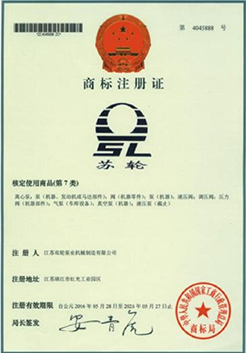
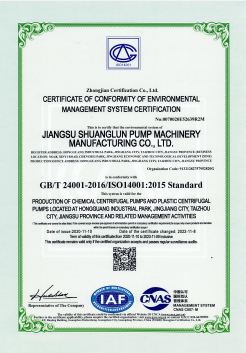
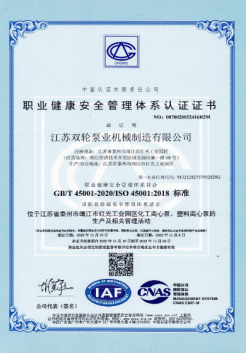
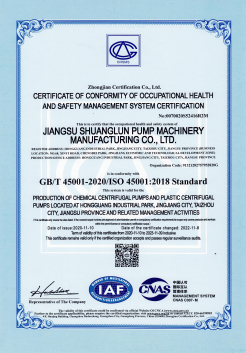
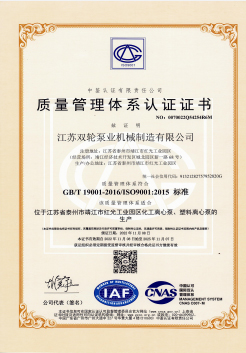
Certificate Of Honor


-
0

Be established in
-
0+

Professional personnel
-
0 million

Registered capital
-
0 ㎡

Plant area
After-Sales Service
Maintenance and Technical Support
Comprehensive lifecycle support for your explosion proof chemical process pump.
Maintenance and Spare Parts
Keep your explosion proof pump operating safely
- Certified Replacement Motor: ATEX/IECEx certified Ex d or Ex e motor with same gas group and temperature class. Includes certification documentation.
- Double Mechanical Seal Cartridge: API 682 Arrangement 3 seal with pressurized barrier fluid. Certified for hazardous fluids. Includes seal flush plan components.
- Magnetic Drive Retrofit Kit: Conversion from mechanical seal to sealless operation. Includes containment shell, inner/outer magnets, and monitoring system.
- Temperature Sensor Kit: Replacement PTC thermistors and RTD sensors with same temperature class certification. Includes safety relay.
Professional Technical Support
Expert assistance for hazardous area pumping systems
- Hazardous Area Classification Review: We review your site's hazardous area drawing and recommend pump certification requirements (zone, gas group, temperature class).
- Installation Supervision: Our certified engineers supervise installation of explosion proof pumps, including grounding verification and seal integrity testing.
- Safety Relay Testing Service: Annual testing of temperature sensor circuits and safety relay function. Documentation provided for regulatory compliance.
- Certification Document Retention: We maintain copies of ATEX/IECEx certificates for all pumps supplied. Available for download via customer portal.


+86-0523- 84351 090 /+86-180 0142 8659


Welcome To
Jiangsu Double-Wheel Pump
Add 1: Hongguang Industrial Park, Jingjiang City, Jiangsu Province, China
Add 2: No.68, Xinyi Road, Industrial Park, Jingjiang City, Jiangsu Province, China
Contact
-
Tel:
+86-0523- 84351 090
+86-180 0142 8659 -
FAX:
+0523-8435 5588
- E-mail: