language
  русский
 عربى
عربى Indonesia
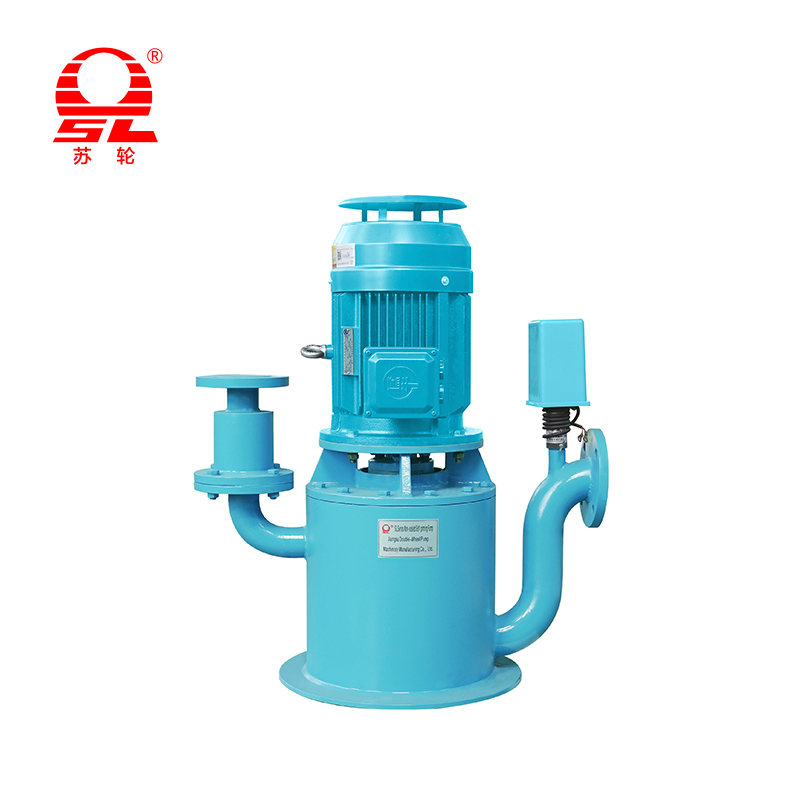
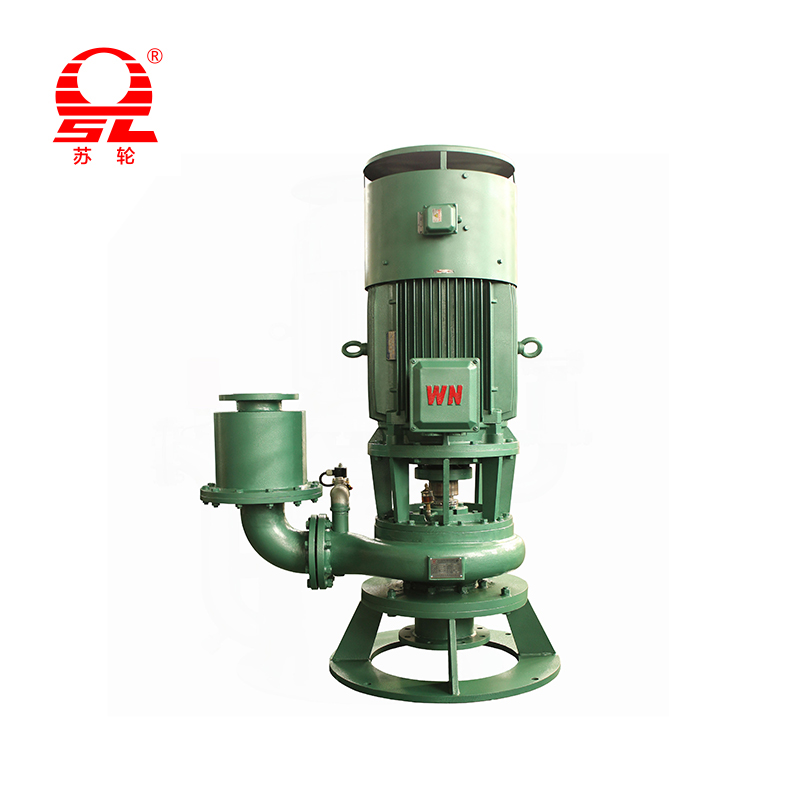
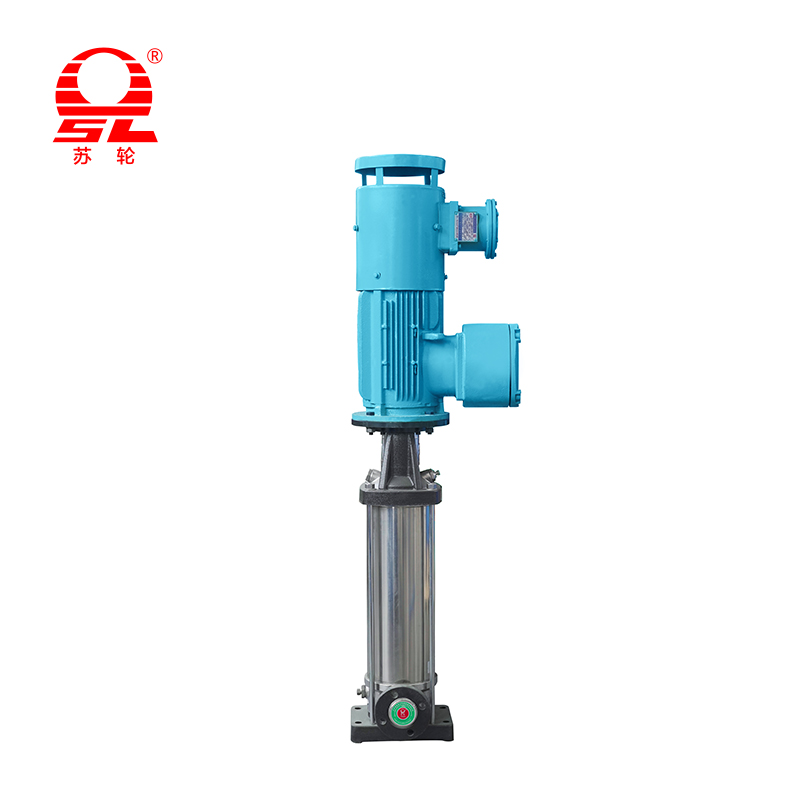
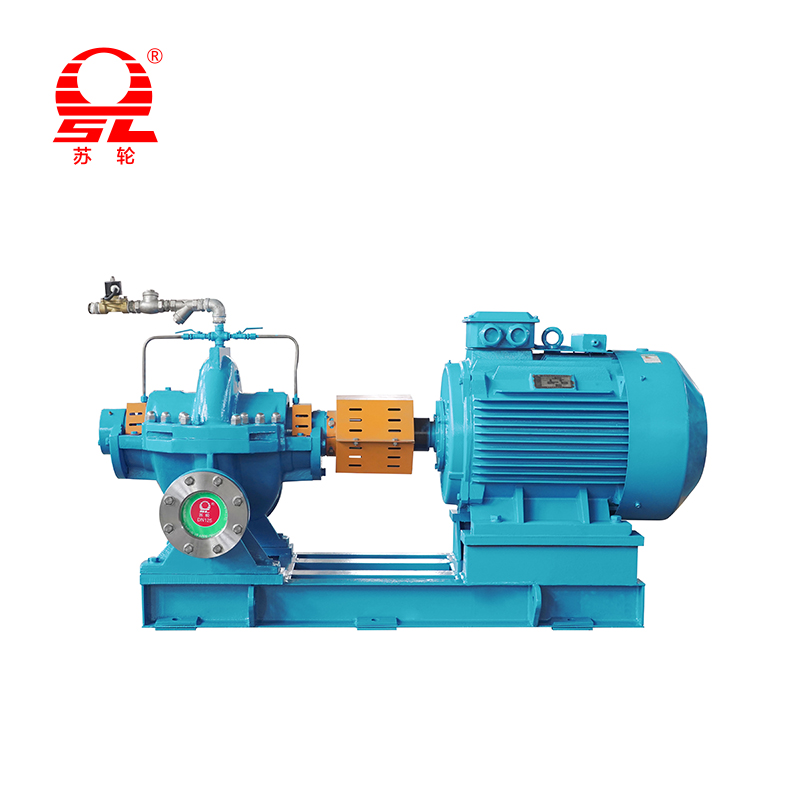
Corrosion Resistant Chemical Transfer Pump Wholesale





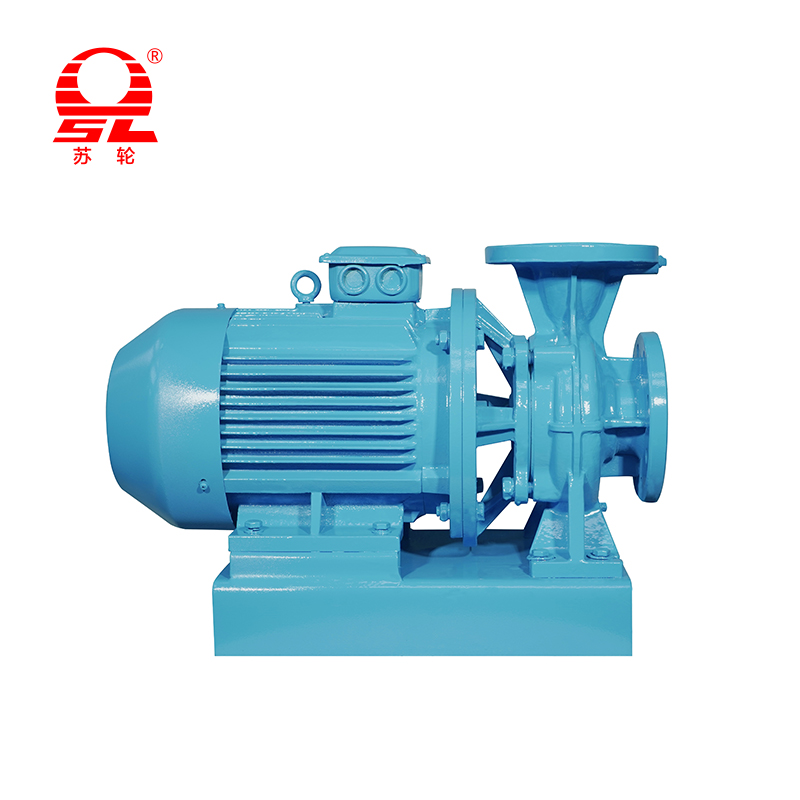


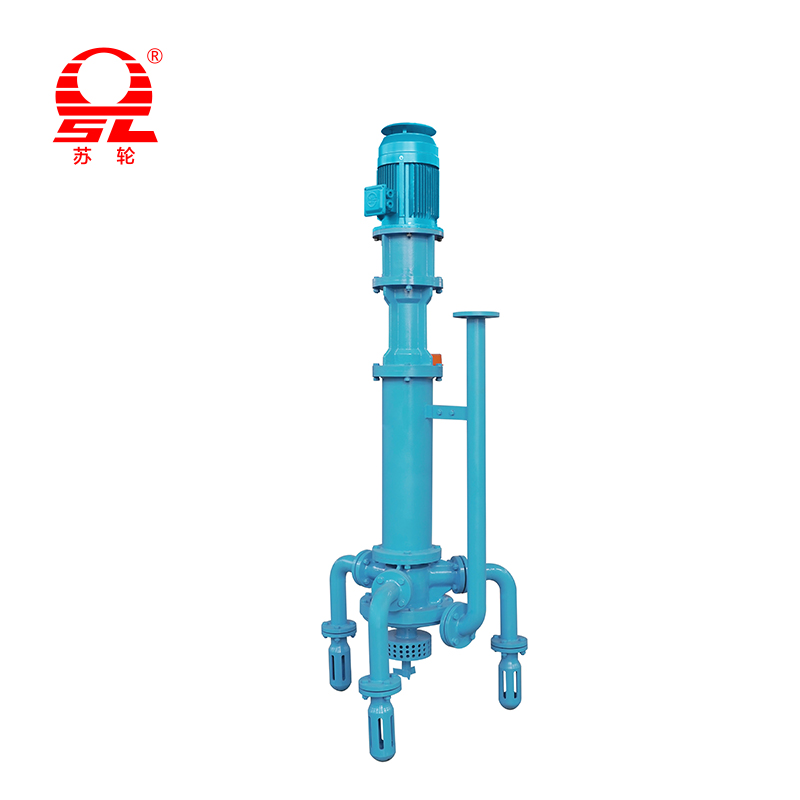

Acid / Alkali Resistant Up to 1000 m³/h SS304 / SS316 / PTFE Lined ISO / CE Certified
Corrosion Resistant Chemical Transfer Pump
Engineered for the safe, reliable transfer of aggressive chemicals including acids, alkalis, solvents, and corrosive industrial fluids. Available in stainless steel, Hastelloy, titanium, and fluoropolymer-lined constructions for maximum chemical compatibility.
Product Introduction
Advanced Materials for Aggressive Chemical Service
A comprehensive examination of the engineering, material science, and design features of our corrosion resistant chemical transfer pump range.
The Corrosion Resistant Chemical Transfer Pump is purpose-engineered for one of the most demanding pumping environments: the transfer of aggressive, corrosive, and hazardous chemicals. Unlike standard industrial pumps that rely on cast iron or basic stainless steel, our chemical pumps are constructed from advanced alloys and fluoropolymer linings selected specifically for resistance to a wide range of corrosive media, including sulfuric acid, hydrochloric acid, nitric acid, caustic soda (sodium hydroxide), organic solvents, and aggressive chemical intermediates. The pump design prioritizes safety, leak prevention, and long-term reliability in continuous chemical processing service.
The heart of corrosion resistance is material selection. Our pumps are available in five primary material grades, each suited to different chemical environments. Stainless Steel 304 (SS304) provides good resistance to nitric acid, organic acids, and mild alkalis at moderate temperatures – suitable for less aggressive chemical service. Stainless Steel 316 (SS316) adds molybdenum, improving resistance to chlorides, sulfuric acid, and many industrial chemicals; it is the standard choice for most chemical transfer applications. Stainless Steel 316L (low carbon) provides enhanced resistance to intergranular corrosion after welding, essential for welded piping systems.
For the most aggressive chemical environments, we offer high-performance alloys. Hastelloy C276 provides exceptional resistance to wet chlorine, hypochlorite, ferric chloride, and mixed acids – it is virtually immune to pitting and crevice corrosion in most aggressive environments. Titanium (Grade 2 or Grade 12) offers outstanding resistance to chlorides (including seawater), oxidizing acids (nitric, chromic), and wet chlorine; it is the material of choice for chlor-alkali and desalination applications. Duplex and Super Duplex (2205, 2507) provide high strength and good chloride resistance at a lower cost than titanium.
For extreme chemical resistance combined with economy, we offer fluoropolymer-lined (PTFE, PFA, or PVDF) construction. In this design, a carbon steel or ductile iron outer casing provides structural strength, while an internal lining of fluoropolymer (typically 3-5mm thick) provides chemical resistance. PTFE (polytetrafluoroethylene) is chemically inert to virtually all chemicals except molten alkali metals and fluorine gas at high temperatures. PFA (perfluoroalkoxy) provides similar chemical resistance but is more suitable for higher temperatures and has a smoother surface. PVDF (polyvinylidene fluoride) offers excellent resistance to acids, alkalis, and solvents at a lower cost than PTFE.
The pump hydraulic design is a single-stage, centrifugal type with an enclosed impeller. The impeller is of the open or semi-open type for lined pumps, as the thickness of the lining affects internal clearances. For alloy pumps, enclosed impellers with close-clearance wear rings provide maximum efficiency. All wetted components – casing, impeller, wear rings, and fasteners – are manufactured from the selected corrosion-resistant material. Non-wetted components (bearing housing, motor adapter, baseplate) are constructed from painted carbon steel or stainless steel.
Shaft sealing is critical in chemical service to prevent leakage of hazardous fluids. We offer multiple sealing options. Single mechanical seals with silicon carbide faces and FKM or FFKM elastomers are suitable for many chemicals at moderate pressures and temperatures. Double mechanical seals (API 682 Arrangement 2 or 3) with a pressurized barrier fluid (Plan 53) provide zero leakage to the atmosphere and are mandatory for toxic, carcinogenic, or highly hazardous chemicals. Magnetic drive (sealless) construction eliminates all dynamic seals entirely – the impeller is driven by a magnetic coupling through a containment shell. This provides absolute zero leakage and is ideal for volatile organic compounds (VOCs), toxic chemicals, and expensive fluids where any loss cannot be tolerated. For lined pumps, we also offer gland packing as a low-cost option for non-hazardous chemicals.
The pump's bearing system is isolated from the pumped fluid by the mechanical seals. Bearings are housed in a separate bearing bracket with oil or grease lubrication. For high-temperature service (above 120°C), we provide an air-cooled or water-cooled bearing housing to maintain bearing temperatures within acceptable limits. For pumps handling hot acids or hot caustic (up to 150°C), we recommend water-cooled stuffing boxes and high-temperature mechanical seals with suitable elastomers (FFKM or Kalrez).
Drive options include direct-coupled (C-face motor) or baseplate-mounted (flexible coupling) configurations. For hazardous areas, we supply explosion-proof motors (Ex d or Ex e) certified for Zone 1 or Zone 2 locations. For variable flow requirements, we offer VFD-ready designs with inverter-duty motors and reinforced insulation. For corrosive fume environments, we provide totally enclosed fan-cooled (TEFC) motors with special epoxy coatings (IEC 60092) to resist corrosion of the motor exterior.
Safety features include a integral drain port to allow complete pump draining before maintenance, a connection for a flush line to purge the seal chamber before seal replacement, and lifting lugs for safe maintenance access. For lined pumps, we incorporate a conductive carbon-filled PTFE layer in the lining to dissipate static electricity, essential for pumping flammable solvents.
Quality assurance includes 100% hydrostatic testing of all pressure-containing castings, positive material identification (PMI) of all alloy components to verify material grade, dye penetrant inspection of all welds, and performance testing to ISO 9906 standards. For fluoropolymer-lined pumps, we perform spark testing of the lining to detect pinholes or voids.
In summary, the Corrosion Resistant Chemical Transfer Pump provides safe, reliable, and long-lived service in the most aggressive chemical environments. With a wide range of alloys and lined constructions, we can offer a pump optimized for your specific chemicals, temperature, and concentration.
Materials: SS304 / SS316 / SS316L / Duplex / Hastelloy C276 / Titanium
Lined options: PTFE / PFA / PVDF / PP (polypropylene)
pH range: 0-14 (full range)
Temperature range: -20°C to +150°C (alloy); to +180°C (PFA lined)
Sealing: Single mechanical / Double mechanical / Magnetic drive (sealless)
Flow rates: 5 – 1,000 m³/h
Heads: up to 120 meters
API 685 magnetic drive pumps available
Explosion-proof motors for hazardous areas
Technical Data
Technical Specifications
Complete performance and material parameters for the corrosion resistant chemical transfer pump range.
| Parameter | Specification |
|---|---|
|
Flow Rate (Q)
|
2 – 1,000 m³/h |
|
Total Head (H)
|
5 – 150 meters |
|
Motor Power
|
0.75 kW – 250 kW (1 – 335 HP) |
|
Voltage Options
|
380V/400V/415V/460V/690V / 3 phase / 50Hz or 60Hz |
|
Fluid Temperature (Alloy)
|
-20°C to +150°C (SS316); -20°C to +230°C (Hastelloy) |
|
Fluid Temperature (Lined)
|
-20°C to +100°C (PP); -20°C to +180°C (PFA/PTFE) |
|
pH Range
|
0-14 (full range with appropriate alloy) |
|
Wetted Materials (Alloy)
|
SS304 / SS316 / SS316L / CD4MCu / Duplex 2205 / Hastelloy C276 / Titanium Gr2 |
|
Wetted Materials (Lined)
|
PTFE / PFA / PVDF / PP over CS or DI |
|
Seal Type
|
Single mechanical / Double mechanical (API 682) / Gland packing / Magnetic drive |
|
NPSH Required
|
2.0 m – 6.0 m depending on model and speed |
|
Standards
|
ISO 5199 / ISO 2858 / EN 22858 / API 610 (optional) |
Why Choose Our Chemical Pumps
Core Advantages
Six key engineering benefits that make our corrosion resistant chemical transfer pump the preferred choice for aggressive chemical service.
Application-Specific Material Selection
We don't offer a one-size-fits-all solution. Our material selection process matches the alloy or lining to your specific chemical, concentration, temperature, and any impurities. We provide a detailed material compatibility chart and work with you to select the optimal material for longest service life.
Zero-Leakage Options for Hazardous Chemicals
For toxic, carcinogenic, or environmentally hazardous chemicals, we offer magnetic drive (sealless) pumps that provide absolute zero leakage to the atmosphere. API 685-compliant designs available for the most critical applications, eliminating emissions and enhancing worker safety.
High-Temperature Chemical Handling
Our alloy pumps handle aggressive chemicals up to 230°C (Hastelloy) – essential for hot acid transfer, concentrated caustic at high temperature, and many chemical processes where cooling is not possible. High-temperature mechanical seals and water-cooled bearing housings maintain reliability.
Energy Efficient Hydraulics
CFD-optimized impeller and volute designs achieve efficiencies up to 85% at best efficiency point (BEP) – significantly higher than many corrosion-resistant pump designs. Lower power consumption reduces operating costs and carbon footprint.
Easy Maintenance Design
Back pull-out design allows removal of the rotating assembly (impeller, shaft, bearing housing, mechanical seal) without disconnecting pump casing from piping. For lined pumps, we provide spacer couplings to allow seal replacement without disturbing the motor alignment.
Superior Corrosion Margins
We design with corrosion allowances (typically 3mm additional thickness on castings) to provide long service life even in the presence of unexpected chemical attack. For lined pumps, the fluoropolymer lining provides an impervious barrier – corrosion is physically impossible as the chemical never contacts the metal substrate.
Use Cases
Primary Applications
Trusted across the chemical processing industry for safe, reliable transfer of aggressive corrosive fluids.
Acid Transfer
Sulfuric acid (H₂SO₄) – all concentrations; hydrochloric acid (HCl); nitric acid (HNO₃); phosphoric acid (H₃PO₄); hydrofluoric acid (HF – special alloys required); acetic acid; citric acid; and many organic acids.
Alkali & Caustic Transfer
Sodium hydroxide (NaOH / caustic soda) – all concentrations; potassium hydroxide (KOH); ammonium hydroxide; sodium carbonate; and other alkaline solutions.
Solvent & Organic Chemical Transfer
Methanol, ethanol, isopropanol, acetone, toluene, xylene, methyl ethyl ketone (MEK), ethyl acetate, and many other organic solvents. Magnetic drive pumps for VOC containment.
Fertilizer & Agricultural Chemical Transfer
Phosphoric acid, sulfuric acid, ammonia solutions, liquid fertilizers, and agricultural chemicals. Corrosion-resistant materials for aggressive fertilizer blends.
Metal Finishing & Plating
Acid transfer for pickling lines, electroplating baths (nickel, chrome, zinc), anodizing solutions, and metal surface treatment. PTFE-lined pumps for mixed acid chemistries.
Wastewater & Effluent Treatment
Acidic or alkaline industrial effluent transfer, neutralization system feed pumps, chemical dosing for pH adjustment, and hazardous waste transfer.
Head-to-Head
Material Performance Comparison
A detailed comparison of corrosion resistant materials for aggressive chemical service.
| Material | Best Chemical Resistance | Limitations | Relative Cost | Max Temp |
|---|---|---|---|---|
| SS304 | Nitric acid, organic acids, mild alkalis, potable water | Poor chloride resistance (pitting), not for saltwater or reducing acids | 1x (baseline) | 120°C |
| SS316 / SS316L | Sulfuric acid (dilute), phosphoric acid, chlorides (moderate), many industrial chemicals | Poor in high-concentration reducing acids (HCl, HF), limited chloride resistance vs. duplex | 1.3x | 150°C |
| Duplex 2205 | Excellent chloride resistance (pitting, SCC), seawater, brackish water, mild acids | Limited in highly reducing acids, requires careful welding | 2.0x | 120°C |
| Hastelloy C276 | Wet chlorine, hypochlorite, ferric chloride, mixed acids, reducing acids (HCl, HF) | Less effective in strongly oxidizing conditions (hot nitric, chromic acids) | 5-6x | 230°C |
| Titanium Gr2 | Seawater, chlorides, wet chlorine, oxidizing acids (nitric, chromic), bleach | Not for dry chlorine (fires), not for reducing acids (HCl, H₂SO₄ dilute) without alloys | 8-10x | 150°C (water), 230°C (dry) |
| PTFE Lined | Chemically inert: virtually all chemicals except molten alkali, fluorine, and some fluorinated solvents at high temp | Lower efficiency, temperature limited, strength from metal casing | 2-3x | 180°C |
Expert Tips
Usage Tips and Best Practices
Maximize the performance, service life, and safety of your corrosion resistant chemical transfer pump.
1
Verify Chemical Compatibility Before Startup
Even small changes in concentration, temperature, or trace impurities can dramatically affect chemical compatibility. Always consult the material compatibility chart for your specific chemical, concentration, and operating temperature before selecting materials. When in doubt, choose a higher-grade alloy – the incremental cost is small compared to premature pump failure.
2
Never Run Carbon Steel Flush Lines on Alloy Pumps
If you use a flush line to cool the seal or dilute the fluid, ensure the flush line material is compatible with the chemical. Mixing a carbon steel flush line with an SS316 pump pumping acid will introduce rust contamination and accelerate corrosion. Use the same alloy for all wetted components, including flush lines and instrumentation.
3
Flush Lined Pumps Before Extended Shutdown
For fluoropolymer-lined pumps: before extended shutdowns (more than 2 weeks), flush the pump with a neutral liquid (water or compatible solvent). Some chemicals can permeate the fluoropolymer lining over time; flushing removes the chemical and prevents permeation-blistering or swelling of the lining.
4
Install Proper Piping Support
Corrosion resistant alloy pumps often have thinner wall sections than carbon steel pumps (to reduce cost). Excessive piping loads can distort the casing, causing misalignment, seal failure, and reduced efficiency. Install independent pipe supports and flexible connectors (bellows or rubber expansion joints) near the pump to minimize pipe strain.
5
Monitor Seal Flush Flow for Double Seals
For double mechanical seals with a pressurized barrier fluid (API Plan 53), monitor the barrier fluid reservoir level and pressure daily. A drop in level indicates the inner seal is leaking into the pump; a drop in pressure indicates the outer seal is leaking. Prompt maintenance prevents cross-contamination and catastrophic seal failure.
6
Use Positive Material Identification (PMI) for Critical Alloys
For Hastelloy, titanium, and duplex pumps, perform PMI (X-ray fluorescence) testing on the pump casing and impeller before installation. This verifies that the supplier delivered the correct alloy – a critical step as visual inspection cannot distinguish between SS316 and Hastelloy. We provide PMI certificates with every alloy pump.
FAQ
Frequently Asked Questions
Expert answers to common questions about corrosion resistant chemical transfer pumps.
What is the difference between SS304, SS316, and SS316L for chemical pumps?
SS304: Basic stainless, good for nitric acid and mild chemicals. SS316: Adds molybdenum for chloride resistance and better performance in sulfuric and phosphoric acids. SS316L: Low carbon version, resists intergranular corrosion after welding – essential for welded piping systems. For most chemical transfer applications, SS316 or SS316L is recommended over SS304.
When should I choose a lined pump versus an alloy pump?
Lined pump (PTFE/PFA): Best for highly corrosive chemicals that would require expensive alloys (e.g., hydrochloric acid, mixed acids). Lower initial cost than Hastelloy or titanium. Alloy pump: Best for higher temperatures (above 180°C), higher operating pressures, and when maximum efficiency is required. Alloy pumps have better heat transfer, which helps cool the mechanical seals.
Do I need a double mechanical seal for all chemical applications?
Not for all, but yes for hazardous chemicals. Single mechanical seal: Suitable for non-toxic, non-hazardous chemicals where a small leak to atmosphere is acceptable (e.g., dilute acids, mild alkalis). Double mechanical seal with barrier fluid: Mandatory (by regulation in many countries) for toxic, carcinogenic, flammable, or environmentally hazardous chemicals. For absolute zero leakage, specify a magnetic drive (sealless) pump.
Can I use a standard SS316 pump for seawater?
For intermittent seawater service (e.g., occasional washdown), SS316 may be acceptable but expect some pitting over time. For continuous seawater service, SS316 is not recommended – chlorides cause pitting and crevice corrosion. Use Duplex 2205, Super Duplex, or Titanium for seawater applications.
How do I select a pump for hydrochloric acid (HCl)?
Hydrochloric acid is highly corrosive to most stainless steels. Recommended solutions: PTFE-lined pumps (most economical, good to 100°C), Hastelloy C276 (excellent resistance, high cost, to 150°C), or Polypropylene (PP) lined pumps (lowest cost, limited to 60°C). Never use SS304 or SS316 for HCl – rapid corrosion will occur.
Do you provide API 610 compliant chemical pumps?
Yes. We manufacture API 610 (11th edition) compliant overhung process pumps (OH1, OH2 configurations) for refinery and petrochemical service. These pumps feature heavy-duty bearing housings, API 682 seal chambers, and full material traceability.
Company
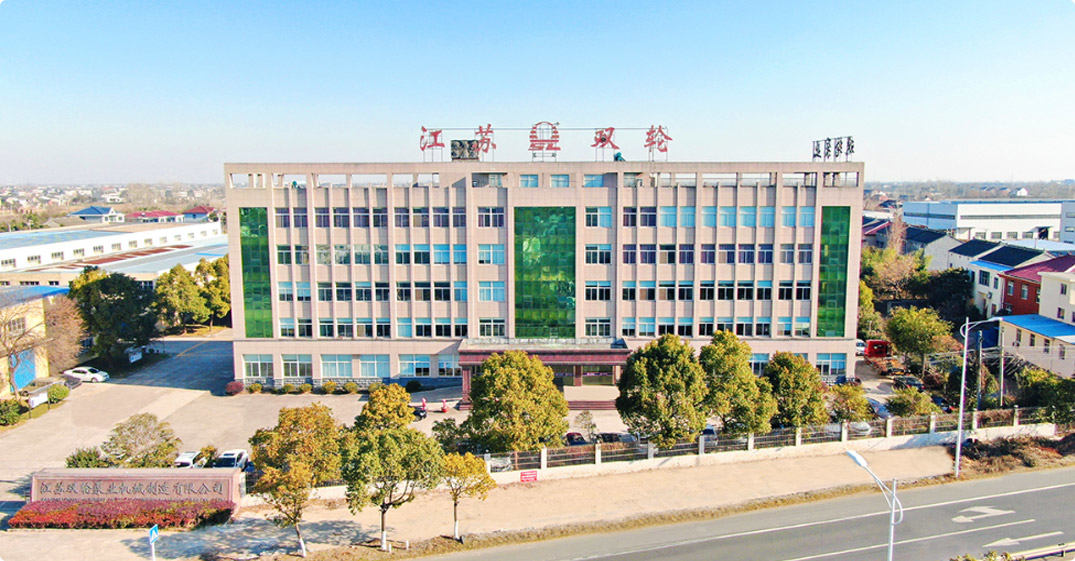
Jiangsu Double-wheel Pump Machinery Manufacting Co.,Ltd.
Jiangsu Double Wheel Pump Machinery Manufacturing Co., Ltd. is China Corrosion Resistant Chemical Transfer Pump Manufacturers and Wholesale Corrosion Resistant Chemical Transfer Pump Factory. The company is located in the scenic Yangtze River bank, Jiangyin Bridge, Beijing-Shanghai Expressway, Shanghai-Nanjing Expressway, Ningtong Expressway, Ningjingyan expressway running through the north and south, the traffic is very convenient, the geographical position is esteemed good. It is a production base specializing in non-sealed self-priming pumps, rain pumps, long-axis liquid pumps, chemical centrifugal pumps, positive displacement pumps and environmental protection equipment and mechanical equipment. The company has two production bases, covering an area of nearly 60,000 square meters, of which the eastern base covers an area of 33,000 square meters, the western base covers an area of 27,000 square meters, six modern production workshops, two installation workshops, a professional test workshop, a variety of mechanical processing equipment more than 160 sets, including a pump comprehensive performance test platform, Can test diameter 32-1200mm, motor power 1.1-1200KW, voltage 380V-10KV of various types of pumps, scientific research, development, manufacturing, processing, promotion, application of its own system. In the past two years, the company has closely followed the national industrial policy, made a big deal about environmental protection, and undertaken a large number of sewage treatment projects, which is unique in the environmental protection industry.
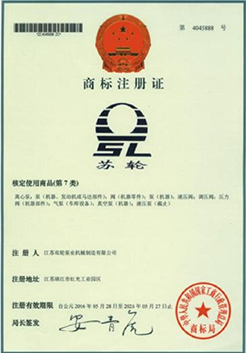
Certificate Of Honor


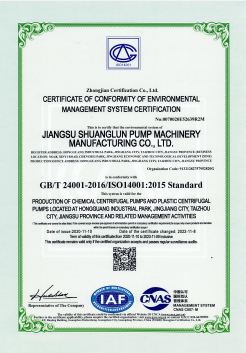
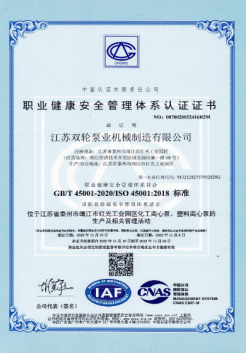
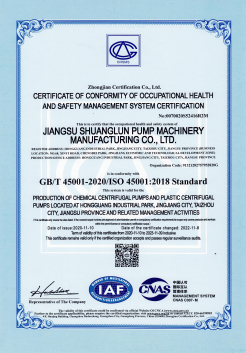
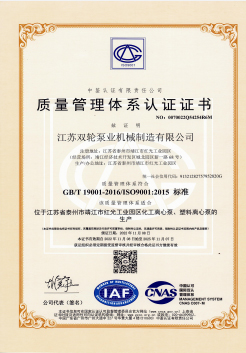
-
0

Be established in
-
0+

Professional personnel
-
0 million

Registered capital
-
0 ㎡

Plant area
After-Sales Service
Maintenance and Technical Support
Comprehensive lifecycle support for your corrosion resistant chemical transfer pump.
Maintenance and Spare Parts
Keep your chemical pump running safely
-
Seal Replacement Kit: Complete mechanical seal assembly (stationary and rotating faces) in the correct material grade (SiC/SiC, TC/TC, etc.) plus all elastomers (FKM, EPDM, FFKM, or Kalrez as specified).
-
Impeller & Casing Wear Parts: Replacement impeller and wear rings in selected alloy. For lined pumps, factory re-lining service is available.
-
Bearing & Shaft Assembly: Complete rotating assembly including shaft, bearings, bearing housing, and shaft sleeve (for seal protection).
-
Lined Pump Spares: Replacement PTFE/PFA casing and impeller – can only be replaced at factory due to specialized lining process.
Professional Technical Support
Expert assistance for chemical pumping challenges
-
Material Compatibility Database: Access to our comprehensive compatibility guide covering over 1,500 chemicals with all available alloys and lining materials, including concentration and temperature limits.
-
NPSH Analysis for Low-Vapor Pressure Liquids: Many chemicals have high vapor pressure (e.g., solvents) – we calculate NPSHa and NPSHr to prevent cavitation.
-
Seal Flush Plan Design: We design API 682 seal flush plans (Plan 11, 13, 23, 52, 53A/B/C, 54) for optimal seal life in chemical service.
-
On-Site Failure Analysis: Our engineers can inspect failed components to identify corrosion mechanisms (uniform, pitting, crevice, SCC, galvanic) and recommend material upgrades.


+86-0523- 84351 090 /+86-180 0142 8659


Welcome To
Jiangsu Double-Wheel Pump
Add 1: Hongguang Industrial Park, Jingjiang City, Jiangsu Province, China
Add 2: No.68, Xinyi Road, Industrial Park, Jingjiang City, Jiangsu Province, China
Contact
-
Tel:
+86-0523- 84351 090
+86-180 0142 8659 -
FAX:
+0523-8435 5588
- E-mail: