language
  русский
 عربى
عربى Indonesia
Wear Resistant Slurry Handling Pump Wholesale


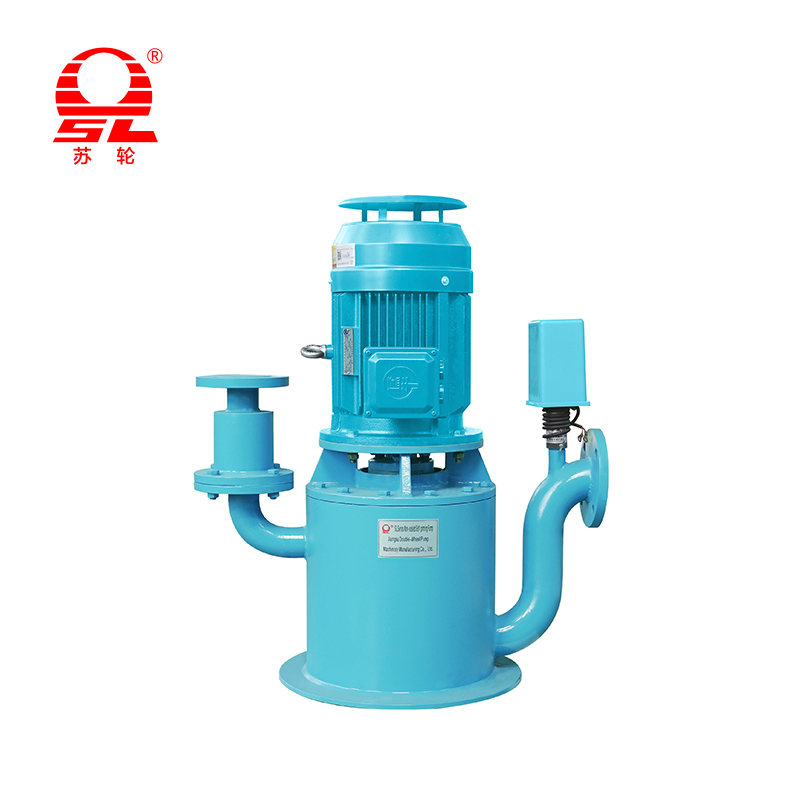

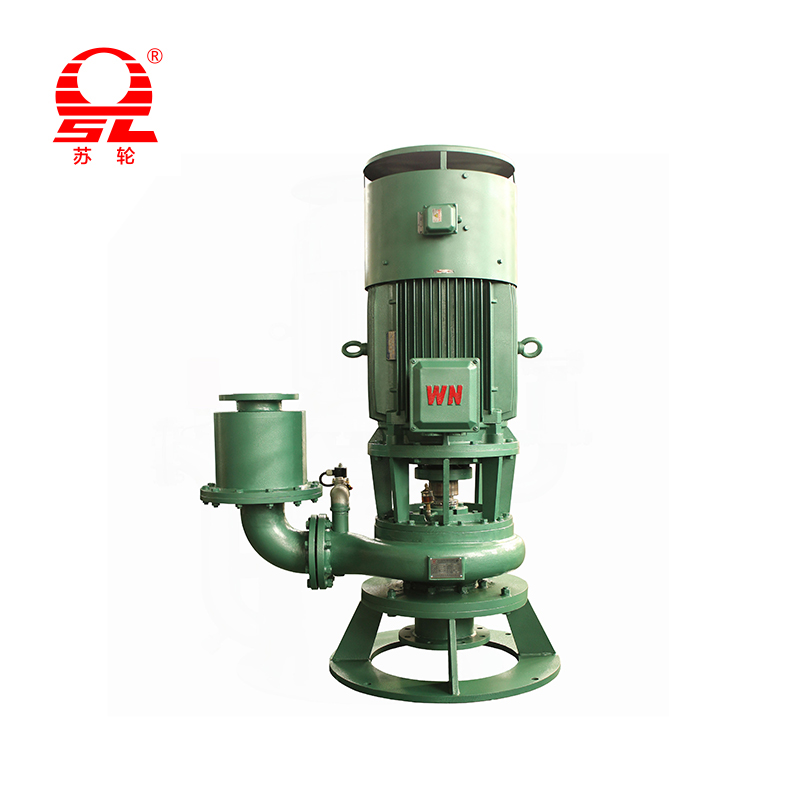

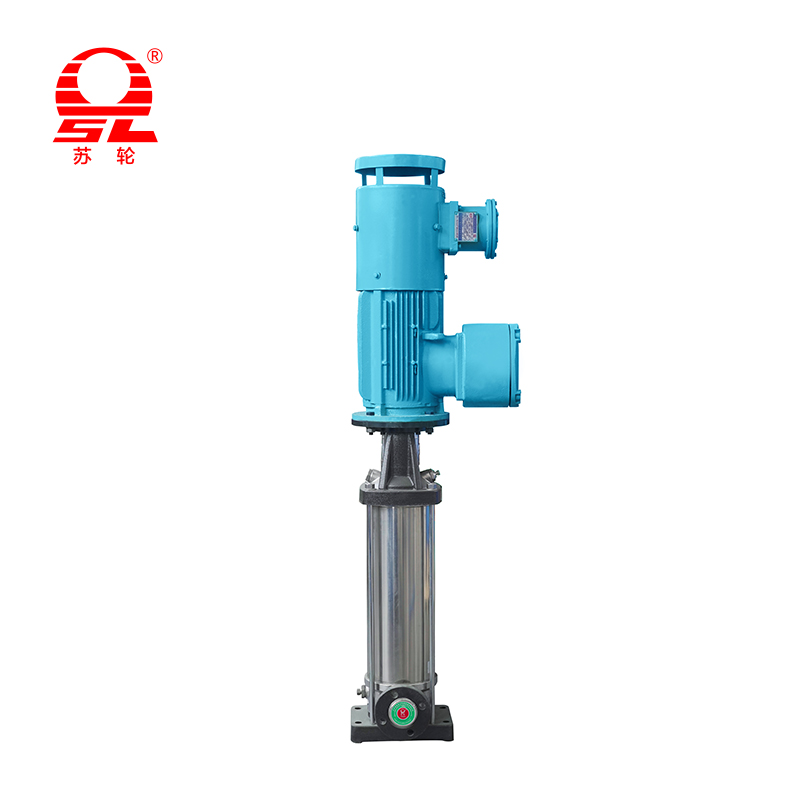
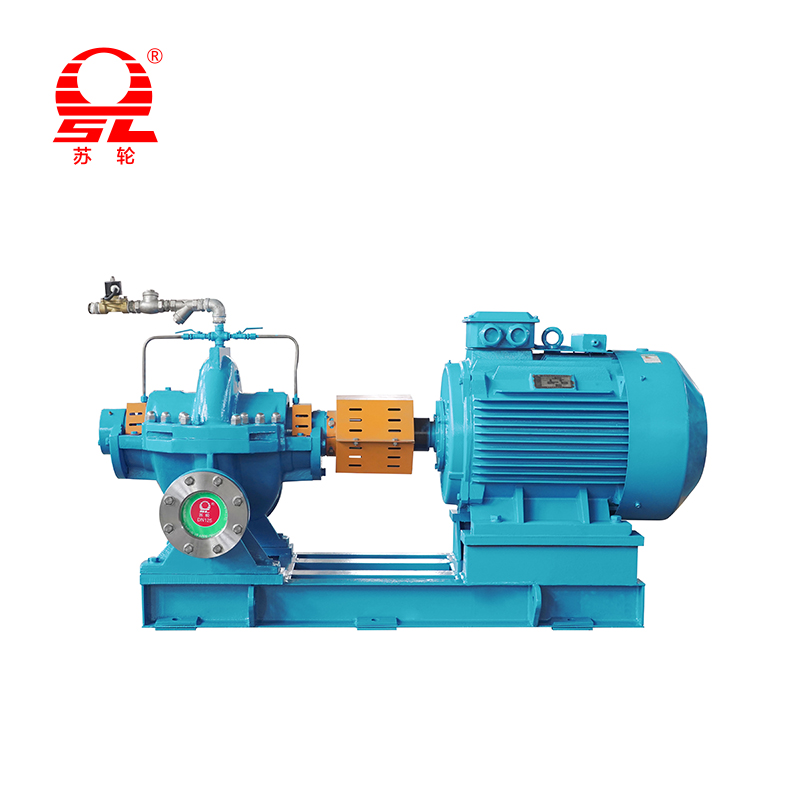
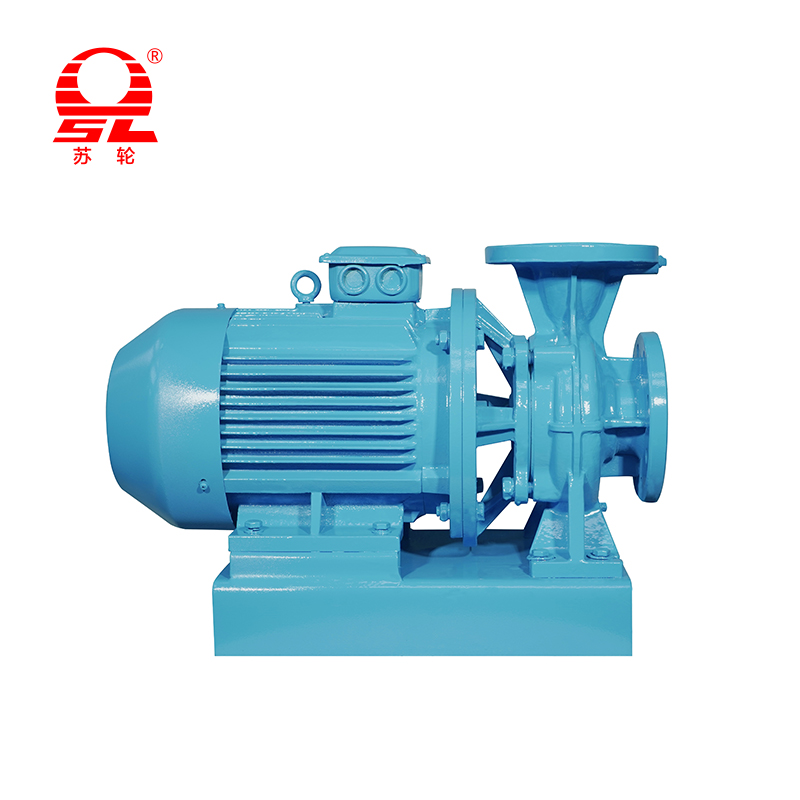


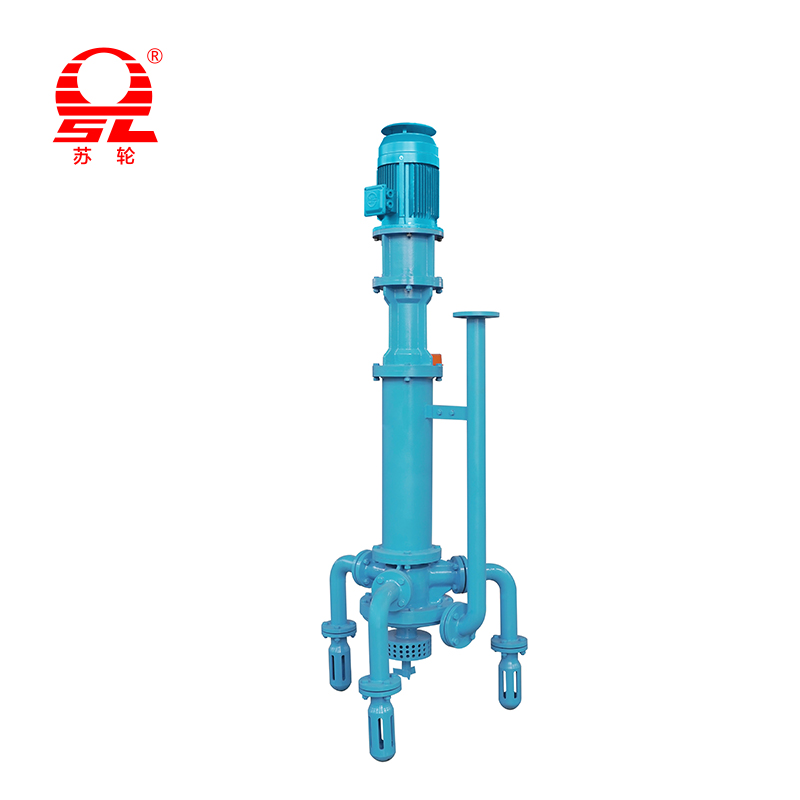

650–700 HBW Hardness Zero Flush Water Option Metal or Rubber Lined ISO 9001:2015 DPM Slurry CFD Optimised
Wear Resistant Slurry Handling Pump
The WRS series stops the wear cycle that makes conventional pumps an endless maintenance drain in mining, mineral processing, and heavy industrial slurry service. Proprietary 28–32% Cr white iron at 650–700 HBW, discrete phase model CFD-optimised impeller geometry for uniform wear distribution, natural rubber lining for fine-particle duties, and three sealing configurations including a zero-flush-water expeller seal — delivering component lives measured in thousands of hours, not hundreds. Built for the slurry. Built for the long run.
Product Introduction
Built Harder. Lasting Longer. Engineered for the Abrasive Reality of Industrial Slurry.
A comprehensive technical overview of the WRS series Wear Resistant Slurry Handling Pump — purpose-engineered for the continuous, high-reliability transfer of abrasive slurries, mineral pulps, tailings, fly ash, coal washery effluent, and chemically aggressive particle-laden process streams across mining, mineral processing, power generation, dredging, and heavy industrial applications worldwide.
The Wear Resistant Slurry Handling Pump addresses the single greatest operational cost driver in industries that move particle-laden fluids: premature pump wear. Every tonne of abrasive mineral slurry that passes through a pump imposes a measurable wear toll on the impeller, casing liners, and throatbush — eroding hydraulic geometry, reducing pump efficiency, increasing energy consumption, and eventually forcing unplanned shutdowns for component replacement. In high-tonnage mining and mineral processing operations, a poorly specified slurry pump can require impeller replacement every 300–500 hours of operation and complete pump overhaul every 1,000–1,500 hours — consuming maintenance resources, generating enormous spare parts costs, and imposing production losses that dwarf the original pump purchase price many times over. The WRS series is engineered from first principles to defeat this wear cycle, delivering component lives measured in thousands of operating hours rather than hundreds, through the application of the most advanced wear-resistant materials science, hydraulic design optimisation, and mechanical engineering available in the slurry pump industry today.
The material science foundation of the WRS series is a proprietary high-chrome white iron alloy (28–32% Cr, 2.5–3.5% C) developed through our alloy research programme in collaboration with materials science institutions. This alloy achieves a macro-hardness of 650–700 HBW — more than double the hardness of standard cast iron and significantly harder than the 600 HBW specification of conventional 27% chrome iron used in standard slurry pumps — through a carefully controlled heat treatment process that produces a uniform distribution of primary chromium carbides (Cr₇C₃) in a martensitic matrix. The chromium carbides, with their own hardness exceeding 1,700 HV, provide the abrasion resistance that defeats sharp mineral particles; the martensitic matrix provides the toughness that prevents brittle fracture under the impact loading that slurry particles impose. This combination of hardness and toughness — which standard high-chrome iron achieves only as a compromise between the two properties — is the defining metallurgical achievement of the WRS alloy.
For applications where chemical corrosion accompanies abrasive wear — acid mine drainage, phosphate slurry, copper leach solutions, and coal preparation plant effluent — the WRS series offers a corrosion-resistant white iron (CRWI) alloy that adds chromium content to 30–35% and adjusts the carbon-to-chromium ratio to maximise the proportion of chromium in solid solution (providing corrosion resistance) while maintaining sufficient chromium carbide precipitation for abrasion resistance. This dual-function alloy resists simultaneous abrasive and corrosive attack — the synergistic degradation mode where corrosion strips the protective passivation layer from freshly abraded metal surfaces, accelerating metal loss far beyond what either wear mechanism alone would produce. For the most severely corrosive slurries (concentrated sulfuric acid leach circuits, fluoride-containing mineral processing streams), Duplex SS2205 and Super Duplex SS2507 wetted components are offered as premium alternatives, combining excellent corrosion resistance with acceptable abrasion resistance where the corrosion component of wear dominates the abrasion component.
The WRS hydraulic design is developed through a dedicated slurry pump CFD methodology that differs fundamentally from clean water pump design practice. In slurry service, the solid particles do not follow fluid streamlines — they have inertia, density higher than the carrier fluid, and a tendency to concentrate along the outer radius of impeller passages and the outer wall of curved pipe sections. This particle trajectory behaviour creates localised high-wear zones on the impeller suction side, the casing liner at the 12 o'clock and 6 o'clock positions relative to the cutwater, and the throatbush face adjacent to the impeller eye. The WRS slurry CFD model uses a discrete phase model (DPM) that tracks individual particle trajectories through the pump hydraulic passages, predicting these localised wear zones and allowing the impeller and liner geometry to be optimised — through blade angle, passage width, and surface curvature adjustments — to minimise particle impact velocity and impact angle at the highest-wear locations. The result is a more uniform wear distribution across the entire wetted surface area, extending the time to first replacement and producing a more predictable and manageable replacement schedule.
The WRS series impeller is available in three configurations matched to different slurry characteristics: the closed two-vane impeller for high-head, fine-particle slurry duties where hydraulic efficiency is important; the open three-vane recessed impeller for coarse, high-specific-gravity slurries where the larger passage width prevents coarse particle bridging and the recessed geometry reduces back-plate wear from coarse particle impact; and the expeller-sealed design — a rear expeller integrated with the impeller hub that generates a centrifugal pressure field at the rear of the impeller, reducing the leakage path pressure that drives slurry into the rear seal chamber and dramatically extending shaft seal life in high-specific-gravity slurry service. All three impeller configurations are available in both the high-chrome white iron and rubber-lined variants, with the rubber liner option providing superior wear resistance for fine, low-specific-gravity slurries where particle impact energy is insufficient to cut the rubber elastomer but sufficient to abrade metal.
The shaft sealing system in slurry pump service is perhaps the most consequential maintenance challenge — slurry intrusion past the shaft seal causes rapid bearing contamination, bearing failure, and shaft wear that converts a routine seal replacement into a major overhaul. The WRS series addresses this through three sealing options matched to application severity: a gland packing seal with flush water (simplest, lowest cost, requires a clean water supply for flushing); a cartridge mechanical seal with API Plan 32 external flush (no gland water to slurry product contamination, longer service life, higher capital cost); and the patented WRS expeller seal (zero flush water required — the rear expeller creates a pressure barrier that prevents slurry from reaching the seal faces, ideal for remote installations where clean flush water is scarce or expensive). The choice between these three options depends on the availability and cost of flush water at the installation site, the slurry pH and chemical aggressiveness, the particle size distribution, and the acceptable maintenance interval.
Rubber lining is offered as an alternative to metal construction for fine particle slurries where wear is dominated by sliding abrasion rather than impact erosion. The WRS rubber-lined range uses natural rubber (NR) hardness Shore A 40–60 for most mineral processing slurries — a material that provides superior wear resistance to high-chrome iron for fine, low-density particles because the rubber deforms elastically under particle impact, absorbing the impact energy rather than being cut by it. For slurries containing hydrocarbons, solvents, or oils that would swell natural rubber, neoprene (CR) and nitrile (NBR) rubber compounds are offered. The rubber liners are vulcanised directly onto the cast iron casing shell and impeller hub in our controlled-temperature vulcanisation chambers, achieving a bond strength that prevents liner separation even under the pressure fluctuations and vibration of high-solids slurry service.
Every WRS series pump is manufactured under ISO 9001:2015 quality management certification, with hardness testing of every impeller and liner casting before machining to verify alloy specification compliance, and dimensional inspection of all critical hydraulic clearances after assembly. Factory performance testing on a slurry simulation test stand — using a standardised synthetic slurry at specified solids concentration — verifies hydraulic performance and provides the head-capacity and efficiency data for the delivery documentation package. Full material test certificates, dimensional inspection records, and hardness test reports are included in the project data book shipped with every unit.
Proprietary 28–32% Cr white iron — 650–700 HBW hardness
Corrosion-resistant white iron (CRWI) for combined abrasion-corrosion service
Discrete phase model (DPM) slurry CFD — optimised wear distribution
Three impeller configurations: closed / open recessed / expeller-sealed
Natural rubber lining option — superior fine-particle sliding wear resistance
Three seal options: gland packing / cartridge mechanical / expeller (zero flush water)
Duplex SS2205 / Super Duplex SS2507 for corrosion-dominant applications
ISO 9001:2015 certified; hardness-verified castings; slurry simulation performance test
Technical Data
Technical Specifications
Full performance, material, and construction parameters for the WRS series Wear Resistant Slurry Handling Pump — covering all configurations from small process slurry units to large-diameter tailings and dredging pump installations.
| Parameter | Specification |
|---|---|
|
Flow Rate Range
|
10 m³/h – 5,000 m³/h |
|
Total Head Range
|
5 m – 90 m per stage (multi-stage series configuration available) |
|
Inlet Diameter Range
|
DN 40 mm – DN 900 mm |
|
Motor Power Range
|
2.2 kW – 2,500 kW |
|
Supply Voltage
|
380 V / 6 kV / 10 kV (50 Hz / 60 Hz) |
|
Rated Speed
|
200 – 1,480 rpm (slow-speed for large impellers) |
|
Max Solids Concentration
|
Up to 70% by weight (specific gravity dependent) |
|
Max Particle Size
|
Up to 300 mm (dredge pump configuration) |
|
Metal Liner Hardness
|
650–700 HBW (28–32% Cr white iron) |
|
Wetted Material Options
|
28–32% Cr White Iron · CRWI · Duplex SS2205 · Super Duplex SS2507 · Natural Rubber · NBR · Neoprene |
|
Impeller Configurations
|
Closed 2-vane · Open 3-vane recessed · Expeller-sealed |
|
Shaft Seal Options
|
Gland packing · Cartridge mechanical seal (API Plan 32) · Expeller seal (zero flush water) |
|
Operating Temperature
|
−10 °C to +90 °C (rubber); up to +120 °C (metal lined) |
|
pH Range Handled
|
pH 2–12 (metal); pH 3–11 (rubber); full range (Duplex / Super Duplex) |
|
Max Working Pressure
|
Up to 1.6 MPa single stage; higher in series configuration |
|
Drive Options
|
Direct coupled · V-belt · Hydraulic coupling · VFD-controlled |
|
Explosion-Proof Option
|
Ex d IIB T4 (ATEX Zone 1 / Zone 2) |
|
Frame Configuration
|
Horizontal cantilever · Vertical sump · Submersible dredge |
|
Certifications
|
ISO 9001:2015 · CE · Hardness certification per cast |
Why Choose WRS
Core Advantages
Eight materials science, hydraulic engineering, and operational advantages that make the WRS series the most durable, lowest-maintenance, and most economically efficient slurry pump for continuous heavy-duty industrial service.
Proprietary 650–700 HBW Chrome Iron Alloy
Our 28–32% Cr white iron alloy achieves 650–700 HBW macro-hardness through a controlled heat treatment process that maximises primary chromium carbide precipitation in a martensitic matrix. At 650–700 HBW, the alloy is over twice as hard as standard cast iron and measurably harder than the 600 HBW 27% Cr iron used in conventional slurry pumps — translating directly into extended component life in high-abrasion mineral slurry duties. Every impeller and liner casting is hardness-tested before machining, with the hardness result recorded in the unit's quality certificate.
DPM Slurry CFD — Uniform Wear Distribution
Conventional pump CFD uses single-phase (liquid only) flow simulation — ignoring the solid particles that actually cause wear in slurry service. The WRS discrete phase model (DPM) CFD tracks individual particle trajectories through the impeller and casing, predicting localised high-wear zones and allowing geometry optimisation to reduce peak impact velocity and redistribute wear more uniformly across the wetted surfaces. This approach produces a pump that wears more evenly and more slowly — extending time between overhauls and making wear progression more predictable for maintenance planning.
Metal and Rubber Lining — Right Material for Every Slurry
No single liner material provides maximum wear life across all slurry types. High-chrome iron excels at resisting coarse, high-specific-gravity, high-impact slurries — the impact energy of large mineral particles exceeds the elastic absorption limit of rubber, causing rubber cutting. Natural rubber excels at resisting fine-particle, low-specific-gravity slurries — the low-impact-energy particles cannot cut rubber but abrade metal by repeated contact. The WRS range covers both regimes in the same pump frame sizes, allowing the correct liner material to be selected for each specific slurry without platform change.
Zero Flush Water Expeller Seal
The WRS expeller seal uses a rear impeller-mounted expeller that generates a centrifugal pressure field at the back of the main impeller. This pressure field exceeds the slurry pressure at the impeller rear, preventing slurry from migrating toward the shaft seal — protecting the seal faces from abrasive particle contact without any external flush water supply. For mining and remote installations where clean flush water is scarce, expensive, or operationally impractical, the expeller seal delivers significantly extended seal life without the infrastructure and operating cost of a continuous flush water system.
Corrosion-Resistant White Iron (CRWI) for Combined Attack
In acidic or chemically aggressive slurries, wear and corrosion act synergistically — each mechanism accelerates the other, producing metal loss rates far greater than either would alone. The WRS CRWI alloy is formulated at 30–35% Cr with a tuned C:Cr ratio that maximises chromium in solid solution (for passivation corrosion resistance) while maintaining chromium carbide precipitation (for abrasion resistance). This dual-function alloy directly addresses the combined wear-corrosion regime that destroys standard alloys in phosphate slurry, acid mine drainage, and copper leach applications within months.
Split-Case Access for Minimum Maintenance Downtime
The WRS horizontal cantilever design features a split-casing architecture that allows the complete wet end (impeller, front liner, throatbush, and back liner) to be removed from the rear without disconnecting the suction or discharge piping. The entire wet end replacement — the most frequent maintenance task in slurry pump service — can be completed by a two-person crew in under 3 hours using the standard maintenance trolley supplied with each WRS pump. Compared to conventional slurry pump designs requiring full pipe disconnection and mechanical disassembly, this represents a 60–70% reduction in maintenance downtime per wet end change.
Wide Slurry Capability — Fine Tailings to Coarse Dredge
The WRS series spans the full spectrum of industrial slurry duty from fine tailings at 15–30% solids concentration to coarse dredge material with particles up to 300 mm. This coverage — achieved through three impeller configurations, two liner material families, and a wide range of pump sizes from DN 40 to DN 900 — means that a single WRS pump platform can serve all slurry duties across a mineral processing plant, from classification cyclone feed to tailings disposal to coarse crushing plant sump drainage, reducing supplier and spare parts complexity.
Predictable Wear — Plannable Maintenance
The DPM CFD-optimised uniform wear distribution of the WRS series produces a more linear and predictable wear progression than conventional pumps, where localised hot-spots wear through catastrophically while adjacent surfaces are still serviceable. Predictable wear allows maintenance teams to schedule wet end replacements during planned production maintenance windows — replacing components before failure rather than in emergency response mode. The WRS engineering team provides wear life estimates for specific slurry conditions based on our operational database, supporting the development of accurate maintenance budgets and spare parts stocking plans.
Use Cases
Primary Applications
The WRS series Wear Resistant Slurry Handling Pump is specified for the most abrasive, most corrosive, and highest-solids process streams across mining, mineral processing, power generation, dredging, and heavy industrial sectors — wherever conventional pump materials fail within months and extended wear life directly translates to reduced operational cost and improved production continuity.
Hard Rock Mining and Mineral Processing
Cyclone feed, ball mill discharge, classification overflow, hydrocyclone underflow, and concentrate transfer in gold, copper, iron ore, and hard rock mineral processing circuits. The WRS 28–32% Cr white iron at 650–700 HBW provides extended wear life in the highly abrasive quartz, magnetite, and silica mineral slurries that characterise hard rock processing — reducing the chronic impeller and liner replacement burden that is the dominant maintenance cost in most processing plant operations. Multi-stage WRS series configurations serve high-head concentrate pipeline pumping duties.
Tailings Transport and Disposal
Long-distance tailings pipeline transport from processing plants to tailings storage facilities (TSFs) is one of the highest-tonnage, longest-running slurry pumping duties in the mining industry. WRS series pumps in series configuration deliver the high system pressure needed for long-distance tailings transport, while the extended component life of the 28–32% Cr alloy minimises the frequency of wet end changeouts in pump stations that may be installed at remote pipeline booster stations where maintenance access is difficult and costly. Both metal and rubber lined variants serve different tailings mineralogy types.
Phosphate, Potash and Fertiliser Production
Phosphate rock slurry, phosphoric acid process slurry, phosphogypsum tailings, and potash brine-slurry handling in mineral fertiliser production. The WRS CRWI alloy is specifically formulated for the combined abrasion-corrosion environment of phosphate slurry — where fluorosilicic acid and sulfuric acid combine with highly abrasive phosphate rock particles to produce one of the most aggressive combined-wear environments in the chemical processing industry. CRWI alloy delivers 2–3× the service life of standard 27% Cr iron in verified phosphate slurry installations.
Power Plant Fly Ash and Bottom Ash Handling
Hydraulic ash transport systems at coal-fired power plants handle fly ash slurry (fine, mildly abrasive, mildly alkaline) and bottom ash slurry (coarse, angular, highly abrasive) through dedicated ash transport pipelines. The WRS series provides matched material specifications for both streams: natural rubber lining for fly ash (fine particle, sliding wear mode) and 28–32% Cr white iron for bottom ash (coarse, angular, high-impact wear mode). High pump availability is critical in ash handling — plant output regulation often depends on the ability to maintain continuous ash removal from electrostatic precipitators.
Dredging and Marine Sand and Gravel
Cutter suction dredger (CSD) main pump, booster pump station, and sand and gravel washing plant slurry transfer duties where particle sizes can reach 100–300 mm and slurry specific gravity exceeds 1.5. The WRS dredge pump configuration features an oversized impeller passage with maximum free-passage diameter, extra-heavy impeller vane profiles for impact resistance, and 28–32% Cr white iron at maximum chrome content for resistance to the quartz sand and gravel that destroys standard impellers within weeks in active dredging service. Submersible dredge pump configurations available for below-waterline installation on dredge pontoons.
Coal Preparation and Washery
Dense medium cyclone (DMC) feed, magnetite recovery circuit, coarse coal spirals feed, and coal tailings transport in coal preparation plants. Coal washing slurries combine fine coal particles with dense medium (magnetite) and clay minerals — creating a complex multi-component abrasive mixture that causes both sliding abrasion and occasional impact wear. Natural rubber WRS pumps serve the fine-particle circuit; 28–32% Cr metal WRS pumps serve the coarse reject and reject thickener underflow circuits where particle size and specific gravity exceed rubber's impact tolerance limit.
Steel Mill Scale Pit and Rolling Mill
Scale pit drainage, mill scale slurry transfer, hot rolling mill descaling water recycling, and continuous casting cooling water scale removal — all involve extremely abrasive iron oxide scale particles in hot process water. The WRS 28–32% Cr white iron impellers and liners withstand the angular, hard iron scale particles at elevated temperatures (up to 80–90 °C) that destroy standard cast iron impellers in days. High-temperature seal options (high-temperature gland packing or cartridge mechanical seal with HT elastomers) are specified for above-60 °C service.
Hydrometallurgical Leach and CIP/CIL Circuits
Carbon-in-pulp (CIP) and carbon-in-leach (CIL) slurry transfer, heap leach process solution handling, and counter-current decantation (CCD) circuit inter-stage transfer in gold, copper, and nickel hydrometallurgical operations. These circuits combine mildly abrasive mineral pulp with cyanide, sulfuric acid, or ammonia process solutions — creating a combined abrasion-corrosion environment. The WRS CRWI alloy or Duplex SS2205 options are specified based on the dominant wear mechanism (abrasion-dominant vs. corrosion-dominant) determined by slurry chemical analysis and temperature measurement.
Head-to-Head
Performance Comparison
A rigorous, parameter-by-parameter comparison of the WRS Wear Resistant Slurry Handling Pump against standard 27% Cr iron slurry pumps and rubber-lined slurry pumps with conventional elastomer compounds — across every dimension that determines real-world wear life, operational cost, and maintenance burden in continuous industrial slurry service.
| Feature / Criteria | WRS Wear Resistant Pump | Standard 27% Cr Iron Pump | Conventional Rubber Pump |
|---|---|---|---|
| Impeller / Liner Hardness | 650–700 HBW — verified per casting | 550–620 HBW — lower hardness ceiling | Not applicable — hardness not the wear mechanism |
| Wear Life vs. Std. Cast Iron | 3× longer in verified hard rock applications | 2–2.5× standard cast iron | Superior for fine-particle slurry only |
| Coarse Particle Handling (>6mm) | Excellent — metal resists impact cutting | Good — adequate for most coarse duties | Poor — rubber cut by coarse particles |
| Fine Particle Slurry (<1mm) | Good — DPM-optimised sliding wear geometry | Moderate — not optimised for fine abrasion | Excellent — rubber absorbs fine particle impact |
| Combined Abrasion + Corrosion | CRWI alloy — purpose-designed for synergistic attack | Rapid degradation at pH below 4 | Rubber swells / degrades in strong acids/solvents |
| Zero Flush Water Seal Option | Expeller seal — no flush water required | Gland packing requires continuous flush water | Same — flush water required for most seal types |
| DPM Slurry CFD Optimisation | Standard — particle trajectory wear mapping | Rarely used — clean water CFD only | Not standard — geometry sized empirically |
| High-Temperature Slurry (above 60°C) | Fully rated to 120 °C (metal lined) | Rated to 90–120 °C | Max 60–80 °C — rubber degrades above this |
| Hardness Certificate per Casting | Standard — Brinell test every impeller/liner | Batch testing only — individual not certified | Not applicable — Shore hardness of rubber only |
| Wet End Pull-Back Access | Full rear access — no pipe disconnection | Most designs require pipe disconnection | Variable — depends on manufacturer design |
Expert Tips
Usage Tips and Best Practices
Maximise the wear life, operational reliability, and maintenance interval of your WRS series Wear Resistant Slurry Handling Pump with these field-proven recommendations from our slurry pump engineering and application team — covering material selection, installation, operation, and maintenance planning.
1
Select Metal or Rubber Based on Particle Size and Specific Gravity
The single most important WRS selection decision is metal versus rubber liner — and the decision rule is based on particle characteristics, not personal preference. The critical threshold is particle size approximately 6 mm and slurry specific gravity approximately 1.4. Above both thresholds, particle impact energy is sufficient to cut rubber — metal lining is required. Below both thresholds, rubber provides superior wear life by elastically absorbing fine-particle sliding impacts that would progressively abrade metal. For intermediate cases (large particle, low SG, or small particle, high SG), submit your slurry particle size distribution and SG data to our application team for a material selection recommendation supported by our installation database for similar slurry types.
2
Operate at Optimal Slurry Velocity — Avoid Both Extremes
Slurry pipeline and pump wear are strongly influenced by slurry velocity. Too low — below the critical deposition velocity (typically 1.5–2.5 m/s for most mineral slurries) — and particles settle in the pipeline, causing blockage, pump starvation, and catastrophic surge wear when the settled slug re-mobilises. Too high — above approximately 4–5 m/s for coarse slurries — and impingement wear rate increases with velocity to the power of 2.5–3.5. The optimal operating velocity range for most mineral slurries in steel or HDPE pipeline is 2.5–4.0 m/s at the pump discharge. Use VFD pump speed control to maintain velocity within this range as slurry density and flow rate vary through the production cycle.
3
Implement a Wear Monitoring and Trending Programme
The most cost-effective slurry pump maintenance strategy is not calendar-based replacement but condition-based replacement using wear measurement trending. At 500-hour intervals, measure the key wear indicators: impeller outer diameter (reduces as the vane tips wear back), impeller-to-throatbush axial clearance (increases as both surfaces wear), liner wall thickness at the cutwater region (reduces as cutwater abrades), and pump performance (head and efficiency at rated speed — both decline as internal clearances open up). Plot these measurements against operating hours and fit a linear or exponential wear rate trend line. Replace components when the trend line predicts imminent performance failure — not when a component physically fails in service.
4
Gland Packing — Correct Adjustment is Critical
For WRS pumps with gland packing shaft seals, the packing adjustment is critical to both seal performance and pump life. The correct adjustment allows a small, controlled drip of flush water from the gland — approximately 20–40 drops per minute. This drip provides lubrication and cooling to the packing rings and carries away fine particles that migrate toward the shaft. Too tight — the packing runs dry, overheats, burns onto the shaft sleeve, and causes rapid sleeve wear. Too loose — excessive flush water dilutes the slurry process and fails to prevent slurry ingress to the packing. Check and adjust the gland packing follower by one flat of the gland nut daily during the first week of operation after each new packing installation.
5
Never Start Against a Closed Discharge Valve with Settled Slurry
When a slurry pump has been stopped for more than 15–20 minutes, particles in the impeller passages and surrounding pipework may have settled under gravity. Starting the pump at full speed against this settled material imposes extreme torque demand on the motor and creates severe impingement wear on the impeller vane leading edges as they attempt to re-suspend the settled plug. Always open the discharge valve slowly before starting, allow a minimum 30-second priming period with flush water flowing through the seal at reduced pressure, and start the pump at reduced speed (using VFD) if settling is suspected. If the motor trips on overcurrent at start-up, the pump is partially blocked — do not attempt repeated restarts; investigate and clear the blockage manually before the next start.
6
Impeller-to-Throatbush Clearance — Check and Adjust Monthly
The axial clearance between the impeller front face and the throatbush (front liner) is the most critical dimensional parameter in a slurry pump — it directly controls the internal recirculation leakage path from high-pressure discharge back to the low-pressure eye. As both surfaces wear, clearance opens up, recirculation increases, flow rate drops, and specific energy consumption rises. The WRS series bearing housing includes an axial adjustment mechanism that allows the impeller position to be moved toward the throatbush to restore the factory clearance specification without removing the wet end. Check clearance monthly; adjust if it has grown more than 50% above the factory setting. Record clearance measurements at each check to build a wear rate trend for maintenance planning.
7
Slurry Flush Before Extended Shutdown
Before shutting down a WRS slurry pump for any period exceeding 4 hours, flush the pump and connecting pipework with clean water to remove settled slurry solids from the wet end. Slurry allowed to dry and cement inside the casing, impeller passages, and pipeline can make pump restart impossible without disassembly and manual cleaning — and the mineralisation process of drying slurry can permanently bond settled particles to the chrome iron surfaces, creating a rough internal surface that accelerates future wear. Flush until the discharge water runs clear. For rubber-lined pumps, the flush also prevents the rubber from drying out and developing surface cracking, which reduces the elastomeric energy-absorption performance of the liner.
8
Bearing Lubrication and Temperature Monitoring
The WRS heavy-duty bearing housing is the mechanical foundation of the pump — it must maintain shaft position accuracy to within the impeller clearance specification throughout its service life. Bearing failure through inadequate lubrication or contamination causes rapid shaft deflection that opens impeller clearances and dramatically accelerates wet end wear. Grease-lubricate external bearings every 500 hours (half the interval of clean-service pumps — the vibration and shock loading of slurry service accelerates grease deterioration). Monitor bearing housing temperature continuously using the vibration/temperature monitoring port provided on each WRS bearing housing — a temperature rise of more than 15 °C above the ambient baseline is an early warning of bearing distress requiring immediate investigation before catastrophic failure occurs.
FAQ
Frequently Asked Questions
Engineering-level answers to the most common questions from mining engineers, process metallurgists, maintenance managers, and procurement teams about the WRS series Wear Resistant Slurry Handling Pump — covering material selection, wear life estimation, seal selection, and operational best practices.
How do I choose between the 28–32% Cr white iron, CRWI alloy, Duplex SS2205, and rubber lining options?
The selection matrix is based on two primary variables — dominant wear mechanism and slurry chemistry. Use 28–32% Cr white iron when abrasion dominates (high solids SG, coarse angular particles, neutral to mildly acidic pH above 4). Use CRWI alloy when both abrasion and corrosion are significant (pH 2–4, fluoride-containing slurries, phosphate and acid mine drainage). Use Duplex SS2205 or Super Duplex SS2507 when corrosion dominates over abrasion (low solids concentration, fine particles, highly acidic or high-chloride solutions where passivation corrosion resistance is the priority). Use natural rubber lining when fine particles dominate (D₅₀ below 1–2 mm), slurry SG is below 1.4, temperature is below 60 °C, and no hydrocarbons or strong oxidising agents are present. Submit your slurry analysis (particle size distribution, specific gravity, pH, temperature, and chemical composition) to our application team for a formal written material recommendation.
What wear life can I expect from the WRS series in my specific slurry application?
Wear life prediction for specific slurry conditions requires application of an abrasion index model — the most widely used being the Miller Number (MN) or SAR (Slurry Abrasion Response) Number for metal liners, and the Rubber Wheel Abrasion Test (RWAT) index for rubber liners. We calculate predicted impeller wear life from: MN or SAR number of your slurry (determined from mineralogy, particle size, hardness, and angularity data), the pump peripheral tip speed (a critical variable — doubling tip speed roughly quadruples wear rate), and our calibrated wear rate model validated against the WRS operational database of over 2,000 installed pump records. Provide us with your slurry mineralogy (dominant mineral species), particle size distribution (D₅₀ and D₉₅), solids concentration (% by weight or volume), slurry SG, pH, and temperature — and we will provide a written wear life estimate with our uncertainty range, which can be used for maintenance budgeting and spare parts planning.
How does the expeller seal work, and when should I specify it instead of gland packing or mechanical seal?
The expeller seal uses a set of backward-curved vanes on the rear face of the main impeller hub. As the impeller rotates, these expeller vanes generate a centrifugal pressure field at the back of the impeller — a pressure that increases with the square of rotational speed. This generated pressure counteracts the slurry pressure at the impeller rear and prevents slurry from migrating toward the shaft seal, providing a dynamic seal barrier without any moving seal faces or external flush water. Specify the expeller seal when: clean flush water is not available or is very expensive at the installation location; the slurry is mildly corrosive (flush water would neutralise but not eliminate chemical attack); or the flush water dilution of the process slurry is unacceptable. Key limitation: the expeller seal is only effective when the pump is running at or near rated speed — it provides no protection when the pump is stopped. For applications with frequent stop-start cycles, a gland packing or mechanical seal with flush provides better protection during stopped periods. Specify gland packing for the lowest capital cost and simplest maintenance when flush water is available. Specify a cartridge mechanical seal for the longest seal service life and most consistent sealing performance when flush water is available and capital cost is not the primary driver.
Can the WRS pump be used in series for high-head tailings pipeline applications?
Yes. The WRS series is routinely configured in series (multiple pumps in sequence on a common pipeline) for high-head tailings transport, mine dewatering discharge, and long-distance slurry pipeline applications where the required system pressure exceeds the maximum single-stage head of one pump. In series configuration, each pump adds its head to the downstream pressure, with the total system head distributed across all pumps. Key design considerations for series operation: each pump casing and shaft seal must be rated for the cumulative discharge pressure at its location in the series string (not just its own differential head); the first pump in the series (highest pressure on its discharge flange) must be specified with a heavier-duty casing pressure rating than downstream units; and all pumps must be protected by check valves to prevent reverse flow and reverse rotation through stopped units when the string is shut down. We provide a complete series pump station hydraulic design service as part of our tailings pipeline engineering support offering.
What is the maximum particle size the WRS pump can handle?
Maximum particle size handling capability depends on the pump size (inlet diameter) and impeller configuration. As a general guide: in the open 3-vane recessed impeller configuration, the WRS can typically pass particles up to 30–40% of the pump inlet bore diameter. For the largest WRS dredge pump configurations (DN 800–900 inlet), this translates to particle sizes up to 250–300 mm. For standard mineral processing duties (DN 100–400 inlet), maximum particle size is typically 30–120 mm. Particles larger than the maximum free-passage size must be screened or crushed before the pump suction. Providing the maximum particle size in your slurry, the expected frequency of oversized particles, and the pump inlet size you are considering will allow our application team to confirm free-passage adequacy or recommend an impeller configuration adjustment.
Does higher chrome content always mean better wear resistance?
Not unconditionally. In white iron alloys, increasing chrome content above approximately 28% increases the volume fraction of chromium carbides (which provide abrasion resistance) but also requires a more precisely controlled heat treatment to achieve the correct martensitic matrix — a harder matrix that complements the carbide hardness. Above approximately 35% Cr, further chrome addition produces diminishing returns in abrasion resistance while increasing alloy cost significantly and reducing castability. The WRS alloy at 28–32% Cr is specifically formulated to achieve the optimal balance of carbide volume fraction, matrix hardness, and casting quality — the combination that delivers maximum verified wear life in installation data, not maximum chrome percentage on a specification sheet. Very high chrome irons (35%+) are actually less tough than 28–32% Cr alloys, making them more susceptible to brittle fracture under the impact loading of coarse slurry service — a failure mode that can destroy an expensive impeller far faster than gradual abrasive wear would.
Can the WRS pump handle slurries above 60% solids by weight?
The WRS centrifugal slurry pump configurations can handle slurries up to approximately 60–70% solids by weight for fine mineral slurries (D₅₀ below 300 µm) and up to approximately 40–50% by weight for coarser slurries. Above these concentrations, the non-Newtonian rheological behaviour of the slurry (yield stress, shear thinning, laminar flow transition) causes centrifugal pump performance to deviate significantly from water-based H-Q curves, and the risk of pipeline settling and in-pump blockage during start-up and shutdown becomes significant. For slurries consistently above 60% solids by weight, or for non-Newtonian slurries with measurable yield stress (confirmed by viscosity testing), we recommend evaluation of positive displacement pump technology (piston or diaphragm pump) rather than centrifugal technology — and our application engineering team can assist with this evaluation using rheological data from your slurry characterisation programme.
What spare parts should I stock on-site for a continuous-duty WRS installation?
For a continuous-duty WRS slurry pump installation in a mining or mineral processing plant, we recommend a three-tier on-site spare parts strategy: Immediate (in maintenance workshop, ready to install): one complete assembled wet end (impeller, front liner, throatbush, back liner — pre-assembled and ready for wet end change-out); one complete shaft seal assembly (packing, mechanical seal, or expeller — matched to installed configuration); one set of bearing assemblies for the bearing housing; one shaft sleeve. Near-term (available within 48 hours from our regional warehouse): one additional wet end set; one spare shaft. Long-term (available within 2–4 weeks from our factory): casing half (if casing external wear is significant). The on-site complete wet end is the most critical spare — it allows a wet end changeout to be completed in under 3 hours, returning the pump to service during a planned maintenance shutdown rather than waiting for spare parts delivery.
Is there a vertical sump or submersible configuration available?
Yes. The WRS series is available in three installation configurations: horizontal cantilever (the standard configuration — pump wet end cantilevered from the bearing housing, motor side-mounted or top-mounted via right-angle gearbox); vertical sump pump (motor above sump level, vertical column pipe to the wet end submerged in the sump — ideal for mill discharge sumps, hydrocyclone overflow collection sumps, and any application where a suction pipe to a horizontal pump would be impractical); and submersible dredge pump (complete pump and motor assembly designed for permanent submersion in a dredge pond or slurry sump — motor sealed to IP68, wear-resistant diffuser and discharge system, cable entry with mechanical protection). Specify your installation geometry (sump depth, surface access, motor location preference) at enquiry stage and we will confirm the most appropriate configuration.
What is the lead time and minimum order quantity for WRS series pumps?
Minimum order quantity is 1 unit. Standard WRS horizontal cantilever configurations in 28–32% Cr white iron with gland packing seal in common sizes (DN 40–200) ship within 25–40 business days. Larger sizes (DN 200–500) in standard specification require 40–55 business days. Large-diameter units (DN 500–900), rubber-lined configurations, CRWI or Duplex SS2205 material variants, and vertical sump or submersible dredge configurations require 55–80 business days. For urgent replacement requirements in operating mining or processing plants where the failed pump is a production bottleneck, contact our urgent supply team immediately — we maintain a stock of standard-size wet end assemblies (impellers and liners in 28–32% Cr white iron) in the most commonly used sizes for accelerated dispatch. Series pump station projects and large multi-unit plant orders receive a dedicated manufacturing schedule with milestone reporting.
Company
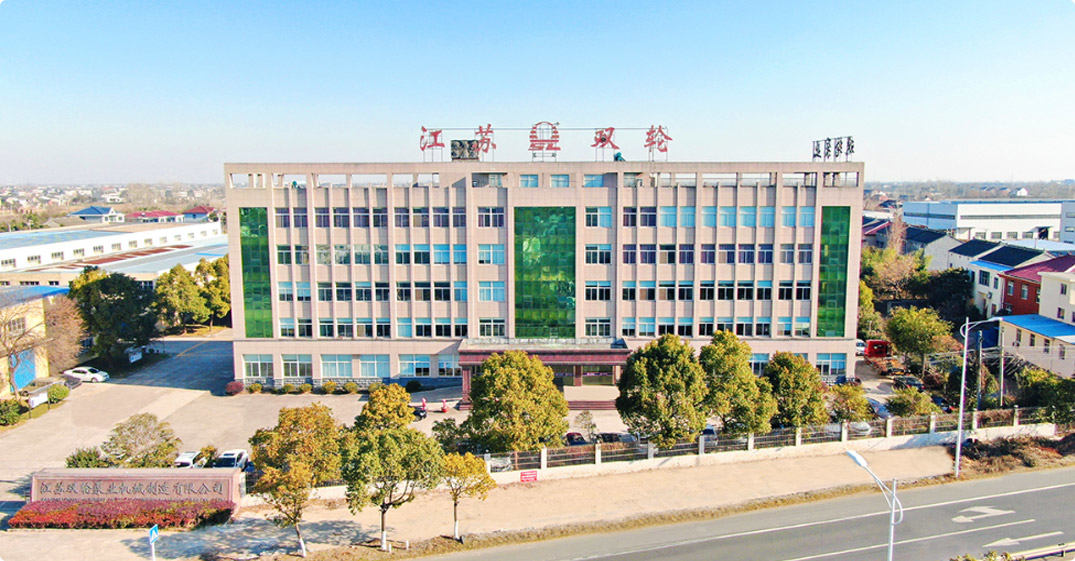
Jiangsu Double-wheel Pump Machinery Manufacting Co.,Ltd.
Jiangsu Double Wheel Pump Machinery Manufacturing Co., Ltd. is China Wear Resistant Slurry Handling Pump Manufacturers and Wholesale Wear Resistant Slurry Handling Pump Factory. The company is located in the scenic Yangtze River bank, Jiangyin Bridge, Beijing-Shanghai Expressway, Shanghai-Nanjing Expressway, Ningtong Expressway, Ningjingyan expressway running through the north and south, the traffic is very convenient, the geographical position is esteemed good. It is a production base specializing in non-sealed self-priming pumps, rain pumps, long-axis liquid pumps, chemical centrifugal pumps, positive displacement pumps and environmental protection equipment and mechanical equipment. The company has two production bases, covering an area of nearly 60,000 square meters, of which the eastern base covers an area of 33,000 square meters, the western base covers an area of 27,000 square meters, six modern production workshops, two installation workshops, a professional test workshop, a variety of mechanical processing equipment more than 160 sets, including a pump comprehensive performance test platform, Can test diameter 32-1200mm, motor power 1.1-1200KW, voltage 380V-10KV of various types of pumps, scientific research, development, manufacturing, processing, promotion, application of its own system. In the past two years, the company has closely followed the national industrial policy, made a big deal about environmental protection, and undertaken a large number of sewage treatment projects, which is unique in the environmental protection industry.
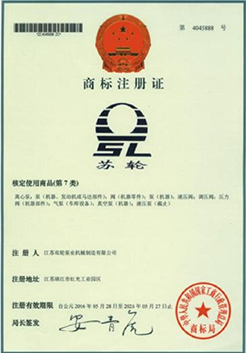
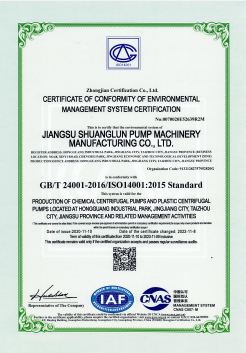
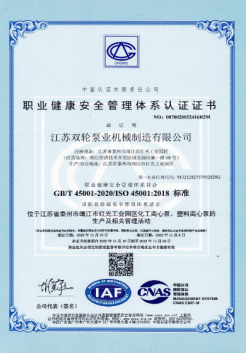
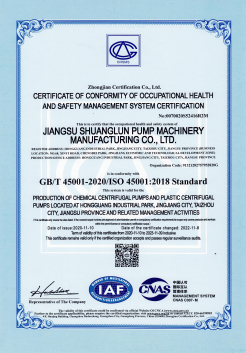
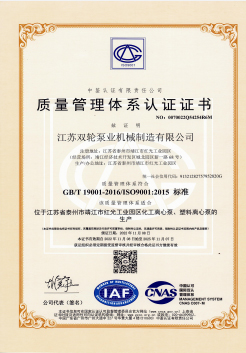
Certificate Of Honor


-
0

Be established in
-
0+

Professional personnel
-
0 million

Registered capital
-
0 ㎡

Plant area
After-Sales Service
Maintenance and Technical Support
Comprehensive lifecycle support for WRS slurry pump installations — from pre-purchase slurry characterisation and wear life estimation through commissioning, periodic wear monitoring, wet end supply programmes, emergency response, and long-term pump station optimisation across the full operational life of your processing facility.
Maintenance and Spare Parts
Planned replacement strategy to eliminate unplanned failures and minimise production loss
-
Wet End Exchange Programme: For processing plants with continuous WRS pump duty, we offer a wet end exchange programme — a standing arrangement where a pre-assembled wet end (impeller + front liner + throatbush + back liner) in the correct alloy and size is held at our regional warehouse, ready for same-day dispatch when a wear replacement is due. The worn wet end is returned to our factory after exchange for rebuilding and inspection, creating a sustainable rotational spare that minimises the capital tied up in on-site spare parts while guaranteeing availability when needed.
-
Wear Measurement and Reporting Service: At agreed intervals (typically every 1,000–2,000 operating hours), our field engineers visit site to perform a structured wear measurement programme on each WRS pump: impeller outer diameter measurement, impeller-to-throatbush clearance, liner wall thickness at critical locations using ultrasonic thickness gauge (without disassembly), and pump performance verification (head and flow at rated speed). Measurements are compiled into a wear trending report with predicted remaining component life and recommended replacement window — enabling maintenance to be scheduled proactively rather than reactively.
-
Certified Hardness Replacement Components: Every replacement impeller and liner set shipped for WRS series pumps is individually hardness-tested (Brinell hardness test on each casting) and supplied with a hardness certificate confirming the achieved HBW value and the tested alloy chemistry. This individual-casting certification — rather than batch sampling — ensures that every replacement component you install meets the WRS alloy specification, not just the average of the batch. Replacement parts with hardness below the WRS minimum specification are rejected before shipment.
-
Seal Maintenance and Upgrade Service: Shaft seal system performance is tracked through the regular wear monitoring visits. If gland packing consumption rate is increasing (indicating shaft sleeve wear), or if mechanical seal mean time between replacements is declining (indicating changing slurry conditions or installation issues), our field engineers diagnose the root cause and recommend corrective action — which may include sleeve replacement, flush water quality improvement, impeller clearance correction (to reduce slurry pressure at the seal face), or seal system upgrade from gland packing to expeller seal or mechanical seal.
-
10-Year Spare Parts Availability Commitment: All WRS series wet end components — impellers, front liners, throatbushes, back liners, shaft sleeves, and bearing assemblies — in all standard alloy specifications are guaranteed available for a minimum of 10 years from original delivery. For processing plants where the WRS pump is a critical production bottleneck, a site-specific consignment stock agreement can be established — guaranteeing agreed quantities of critical spare components are held at our warehouse and dispatched same-day on order, eliminating lead time in emergency situations.
Professional Technical Support
Slurry pump engineering expertise from selection through full operational life optimisation
-
Slurry Characterisation and Material Selection Engineering: Before recommending a WRS alloy or rubber lining specification, our application engineers request and analyse your slurry characterisation data — particle size distribution, mineralogy (XRD analysis preferred), slurry SG, pH, temperature, solids concentration, and any chemical analysis of the carrier liquid. We apply our validated abrasion index models and installation database to calculate predicted wear rates for each material option and present a formal written material selection recommendation with the supporting data and reasoning — giving your engineering team the technical justification needed for internal procurement approval.
-
Pipeline Hydraulic Design and Series Pump Station Engineering: For tailings transport, long-distance slurry pipeline, and high-head pump station projects, our hydraulic engineering team provides complete system design: slurry rheology characterisation, critical deposition velocity calculation, pipeline pressure drop model (using the Durand-Condolios-Worster or Wilson heterogeneous flow model as appropriate for the slurry type), pump station layout with series pump arrangement, surge analysis for pump trip events, and wear life prediction for each pump position in the series string. A complete hydraulic design report is provided as the basis for detailed engineering.
-
Commissioning and First-Start Support: Factory-trained application engineers attend site for WRS pump station commissioning — verifying correct mechanical installation (coupling alignment, bearing housing levelness, suction pipe configuration), wet end clearance setting and verification, seal system setup and initial adjustment, motor direction check (critical — reverse rotation of a slurry pump impeller unscrews the impeller from the shaft), and performance verification at commissioning slurry conditions. A commissioning report is provided confirming each pump's installed performance against the design duty specification.
-
24/7 Emergency Technical Support for Critical Plant Duties: For processing plants where WRS pump failure stops production — a single pump station serving a ball mill circuit or a tailings disposal system — our emergency technical support line is staffed around the clock. Within 2 hours of a critical pump fault notification, our engineers provide remote diagnostic guidance and initiate emergency spare parts dispatch. For contracted plant accounts, we guarantee field engineer attendance within 48 hours of notification for critical pump failures anywhere in our regional service network — minimising production loss from unplanned slurry pump failures.
-
Pump Station Optimisation and Efficiency Improvement: Over time, slurry characteristics change as ore body mineralogy shifts, grinding circuit configurations change, or production throughput targets are revised. Our engineering team provides periodic pump station optimisation reviews — re-evaluating whether the installed WRS pump sizes and impeller configurations remain optimal for current operating conditions, identifying opportunities to reduce specific energy consumption by adjusting operating speed or impeller trim, and recommending wear life improvements through installation modifications (suction pipe geometry, pump spacing, liner rotation for wear distribution). This ongoing optimisation relationship ensures that the WRS installation continues to deliver maximum performance and minimum maintenance cost throughout its full operational life.


+86-0523- 84351 090 /+86-180 0142 8659


Welcome To
Jiangsu Double-Wheel Pump
Add 1: Hongguang Industrial Park, Jingjiang City, Jiangsu Province, China
Add 2: No.68, Xinyi Road, Industrial Park, Jingjiang City, Jiangsu Province, China
Contact
-
Tel:
+86-0523- 84351 090
+86-180 0142 8659 -
FAX:
+0523-8435 5588
- E-mail: