language
  русский
 عربى
عربى Indonesia
Mining Industry Slurry Suction Pump Wholesale


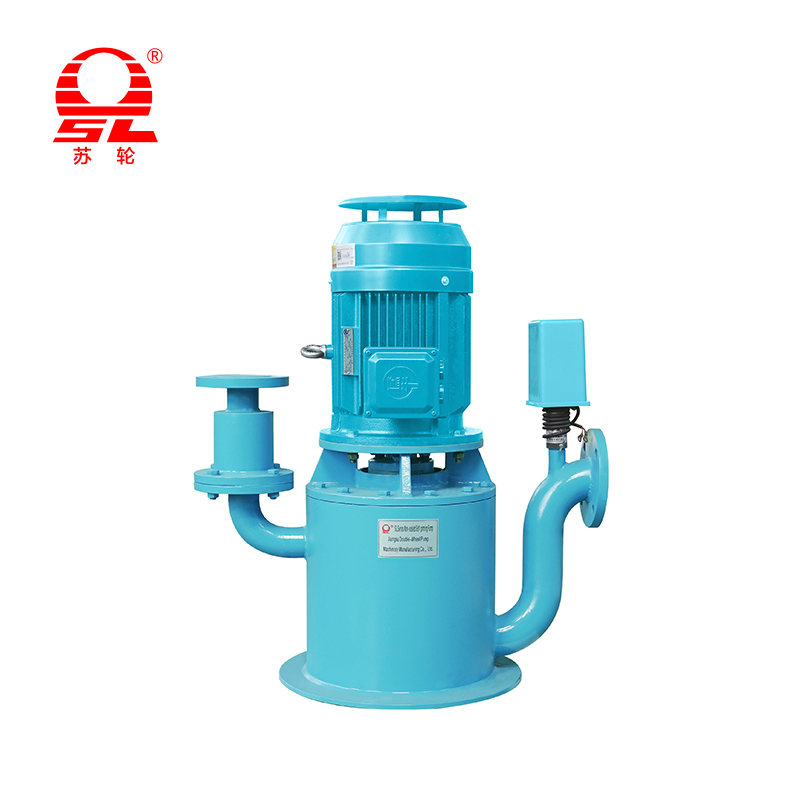

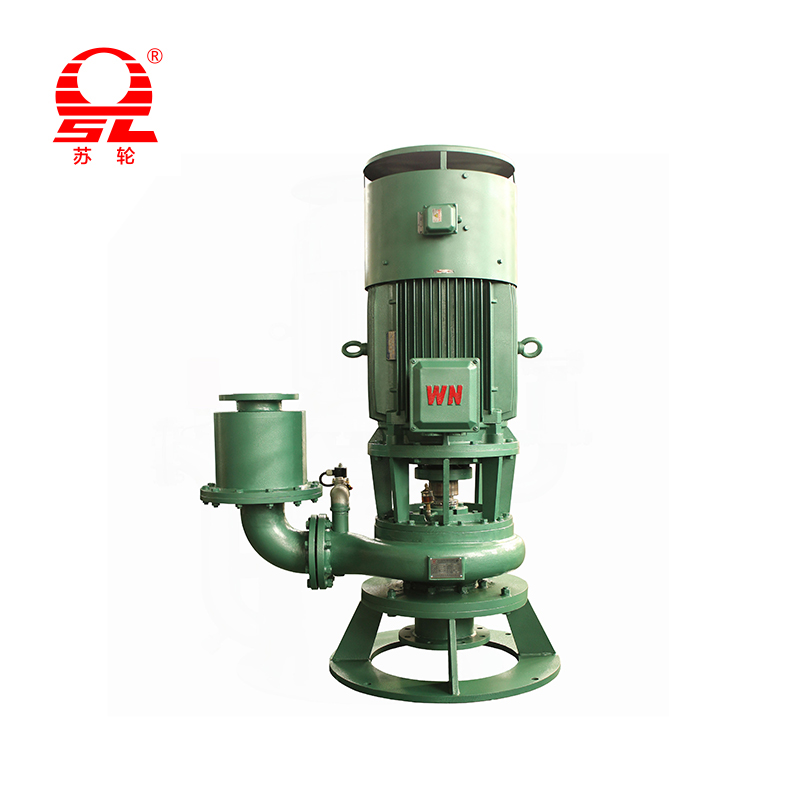

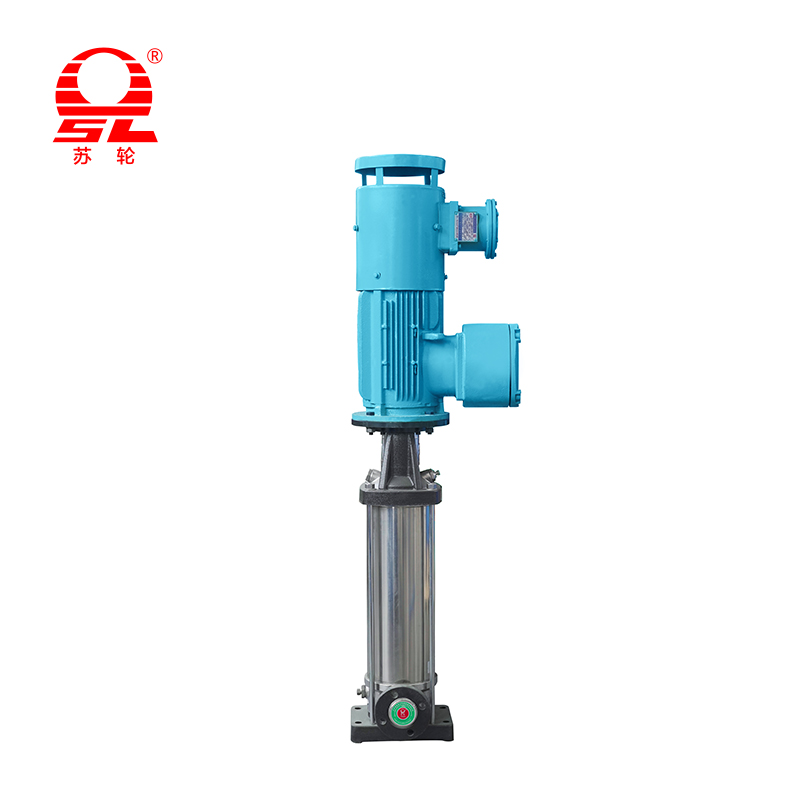
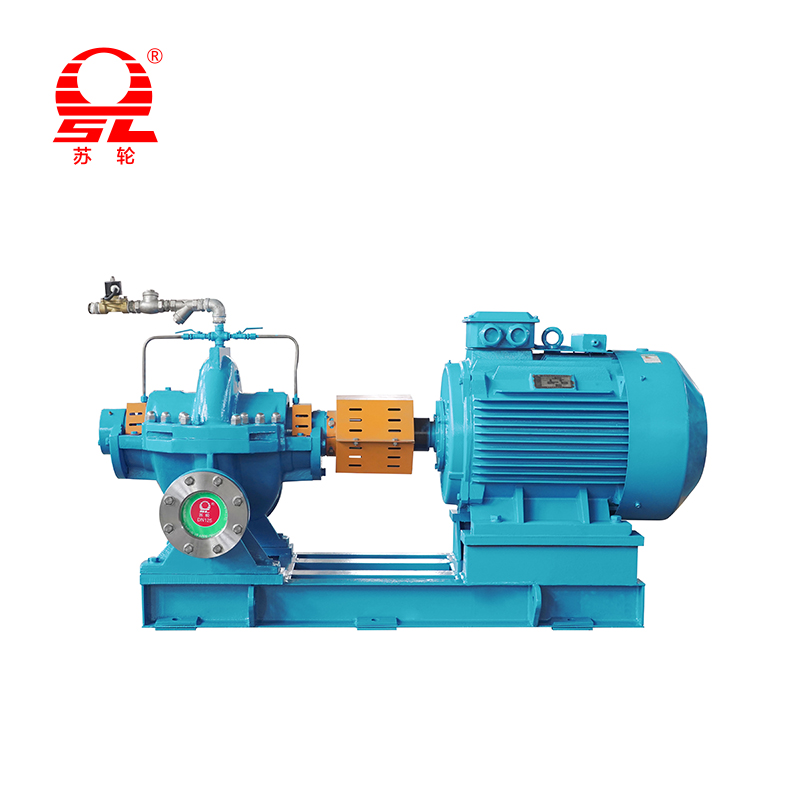
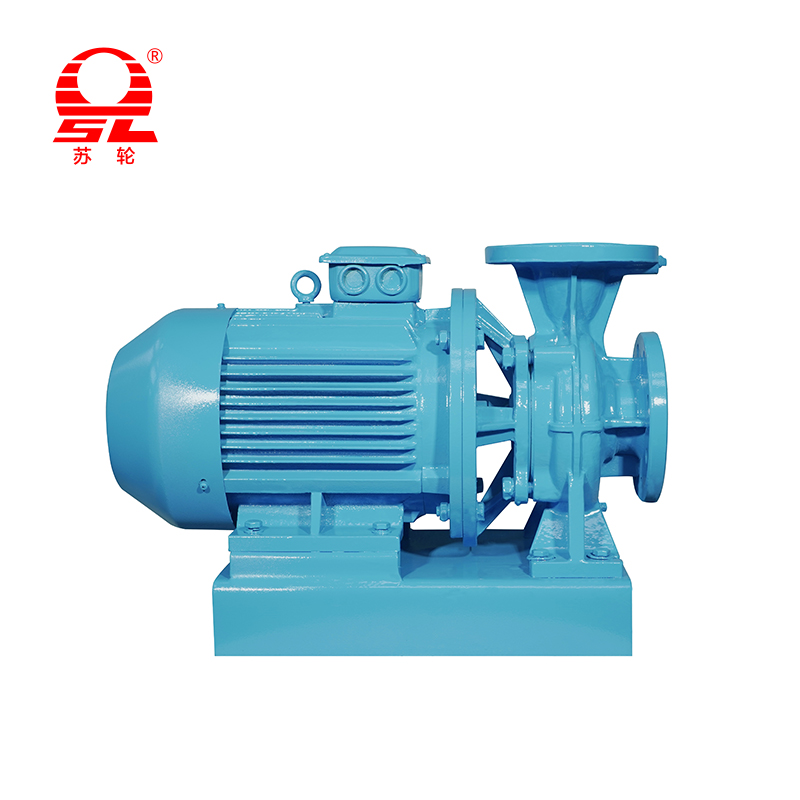


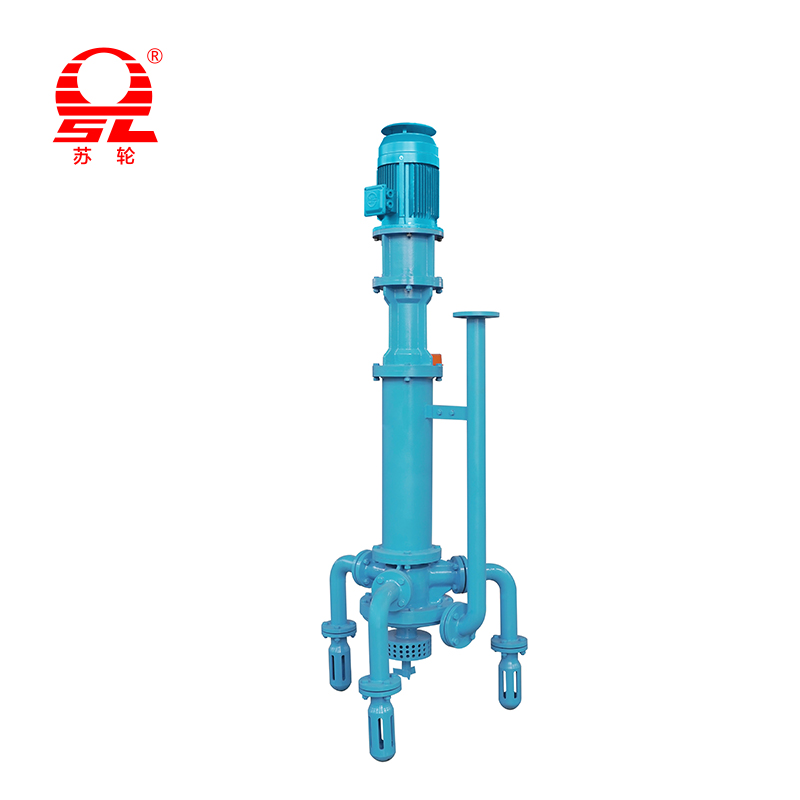

Heavy Duty Slurry Service
Up to 2,500 m³/h
Ni-Hard / Chrome Alloy
API 610 / ISO 5199
Mining Industry Slurry Suction Pump
Engineered for the most abrasive and demanding slurry applications in mining and mineral processing. Heavy-duty construction with high-chrome alloys, replaceable wear parts, and large internal passages deliver reliable service in mill discharge, tailings, cyclone feed, and sand slurry transfer.
Product Introduction
Heavy Duty Slurry Pump Technology
A comprehensive examination of the engineering, wear-resistant materials, and application-specific design of our mining slurry pump range.
The Mining Industry Slurry Suction Pump is purpose-engineered for the most demanding abrasive applications in mineral processing and mining operations. Slurry pumps differ fundamentally from standard water pumps – they must handle mixtures of water and solid particles (sand, ore, tailings, coal, ash) that rapidly erode standard pump materials. Our slurry pump range features heavy-duty construction with replaceable wear parts, wide internal passages to prevent clogging, and high-chrome alloy wetted components that resist erosion and corrosion. Applications include mill discharge, cyclone feed, tailings transport, sand and gravel processing, and coal preparation plants.
The wear-resistant material selection is critical for slurry pump life. Our standard material for abrasive slurry service is high-chrome white iron (ASTM A532 Class III Type A), with a hardness of 550-650 BHN. This alloy contains 25-30% chromium carbide, providing exceptional resistance to erosion from sharp particles. For highly corrosive slurries (acids present in some mining processes), we offer stainless steel or duplex wetted components. For rubber-lined applications (fine slurries with less abrasives), we offer natural rubber or synthetic rubber linings that provide good abrasion resistance and lower cost. For the most extreme abrasion service (hard rock, sharp particles), we offer ceramic wear plates bonded to the casing.
The hydraulic design is optimized for solids handling with minimal wear. The impeller is of the semi-open or enclosed type, with wide fluid passages (large vane spacing) to allow solids up to 60mm to pass without clogging. The number of vanes is reduced (typically 3-5 vanes) compared to water pumps (5-7 vanes), providing larger passages. The volute casing features tangential discharge to reduce turbulence and erosion. The impeller and volute design have been developed using Computational Fluid Dynamics (CFD) to minimize localized high-velocity zones that accelerate wear. The pump casing is of the double-casing (split case) design, with an outer casing providing structural strength and an inner casing that contains the replaceable wear parts.
The expeller (dynamic seal) is a key innovation for slurry pumps. Instead of a conventional mechanical seal that would rapidly wear due to abrasive particles, an expeller uses a secondary set of vanes on the back of the impeller to create a centrifugal seal. The expeller prevents leakage along the shaft by creating a reverse pressure gradient. A small amount of clean water (gland seal water) is injected into the seal chamber to flush abrasive particles away from the shaft. This expeller + gland water arrangement provides reliable sealing with much longer wear life than mechanical seals in abrasive service. For applications where gland water is not available, we offer mechanical seals with silicon carbide vs. tungsten carbide faces, designed for abrasive service.
The bearing system is oversized to handle the heavy loads encountered in slurry service. The bearing housing is a heavy-walled cast iron or fabricated steel construction with a large oil reservoir (typically 4-8 liters) for extended bearing life. Bearings are spherical roller bearings with high load-carrying capacity, selected for L10 life of 50,000+ hours. For large slurry pumps (above 200 kW), we provide forced oil circulation or oil mist lubrication to ensure proper bearing cooling. Bearing temperature monitoring (RTD sensors) is standard, with alarms for high temperature. The bearing housing is equipped with labyrinth seals to prevent ingress of abrasive dust and slurry.
The pump drive is typically a high-power electric motor with VFD (Variable Frequency Drive) for speed control. Slurry pumps often operate in variable flow conditions as the mill feed rate or cyclone feed pressure varies. VFD speed control provides energy savings and allows the pump to operate at the optimal speed for the current slurry concentration and particle size. For remote mining sites without reliable grid power, we offer diesel engine drive with hydraulic or mechanical variable speed control.
The pump configuration is typically horizontal end-suction for mill discharge and transfer applications, or vertical (cantilever) for sump pumping. Horizontal pumps are mounted on heavy-duty baseplates with grout-in foundation bolts. Vertical pumps (cantilever design) have no submerged bearings – the shaft is supported only at the top above the liquid level, eliminating the need for submerged bearings that would wear rapidly in slurry.
In summary, the Mining Industry Slurry Suction Pump delivers the wear resistance, solids handling capability, and reliability required for continuous heavy-duty mining service.
High-chrome white iron (550-650 BHN) for extreme abrasion resistance
Flow rates: 50 – 2,500 m³/h
Heads: 10 – 80 meters
Solids passage: up to 75mm spherical
Bearings: Spherical roller (50,000+ hour life)
Sealing: Expeller (dynamic) + gland water / Mechanical seal (SiC vs. TC)
Replaceable wear parts: impeller, casing liner, throatbush, frame liner
VFD compatible for speed control
Technical Data
Technical Specifications
Complete performance and material parameters for the mining slurry suction pump range.
| Parameter | Specification |
|---|---|
|
Configuration
|
Horizontal end-suction / Vertical cantilever (sump) |
|
Flow Rate (Q)
|
50 – 2,500 m³/h (220 – 11,000 US gpm) |
|
Total Head (H)
|
10 – 80 meters (33 – 262 feet) |
|
Solids Passage
|
50mm – 75mm spherical particles |
|
Motor Power
|
15 kW – 600 kW (20 – 800 HP) |
|
Speed (n)
|
740 / 985 / 1480 RPM (50Hz); 880 / 1180 / 1760 RPM (60Hz) |
|
Discharge Size (DN)
|
80mm – 400mm (3" – 16") |
|
Suction Size (DN)
|
100mm – 500mm (4" – 20") |
|
Fluid Temperature
|
0°C to +80°C (standard); up to +120°C with special seals |
|
Max Solids Concentration
|
30-50% by weight (depending on particle size and specific gravity) |
|
Wetted Material (Abrasion)
|
High-chrome white iron (25-30% Cr, 550-650 BHN) ASTM A532 |
|
Wetted Material (Corrosion)
|
SS316 / Duplex 2205 / Hastelloy C276 / Rubber lined (natural or synthetic) |
|
Shaft Seal Type
|
Expeller (dynamic) + gland water / Mechanical seal (SiC vs. TC) |
|
Design Standard
|
ISO 5199 / API 610 (OH3 vertical, OH2 horizontal) / AS 2281 |
Why Choose Slurry Pumps
Core Advantages
Six key engineering benefits that make our mining slurry pump the preferred choice for abrasive mineral processing applications.
High-Chrome Alloy Wear Resistance
High-chrome white iron (25-30% Cr) provides exceptional erosion resistance for sharp, hard particles. Wear life is 3-5 times longer than standard cast iron and 10-20 times longer than rubber. Hardness of 550-650 BHN resists gouging and abrasion from quartz, magnetite, and other hard minerals.
Fully Replaceable Wear Parts
All wetted components including casing liner, impeller, throatbush, and frame liner are replaceable. When wear occurs, only the worn part is replaced – the outer casing remains in place. This reduces spare parts cost by 60-70% compared to pumps with integral casings.
Expeller Dynamic Seal System
The expeller (centrifugal seal) creates a reverse pressure gradient that prevents slurry leakage along the shaft. A small amount of gland water (10-20 L/min) flushes abrasive particles from the seal area. No mechanical seal to replace – dramatically lower maintenance cost in abrasive service.
VFD Ready for Process Control
Slurry pumps often operate in variable flow conditions as mill feed varies. VFD speed control allows the pump to match process requirements, reducing energy consumption and wear. The affinity law: 20% speed reduction = 50% power reduction and longer wear life.
Easy Maintenance (Back Pull-Out)
The rotating assembly (impeller, shaft, bearing housing) can be removed without disconnecting suction or discharge piping. For vertical cantilever pumps, the entire pump can be lifted from the sump without disconnecting piping below grade.
Heavy-Duty Bearing System
Oversized spherical roller bearings with large oil reservoir (4-8 liters) provide L10 life exceeding 50,000 hours – 3-5 times longer than standard industrial bearings. Forced oil circulation or oil mist lubrication available for large pumps.
Use Cases
Primary Applications
Trusted across mining and mineral processing operations worldwide for abrasive slurry handling.
Mill Discharge (Ball Mill / SAG Mill / Rod Mill)
Pumping of milled ore slurry from ball mills, SAG mills, and rod mills to cyclones or classifiers. High-chrome alloy construction withstands the extremely abrasive particles (quartz, magnetite) at high velocities.
Cyclone Feed Pumping
Feed pumps for hydrocyclone classifiers. Requires consistent flow rate and pressure to maintain correct cut point. VFD control for process optimization.
Tailings Transport
Long-distance pumping of mine tailings to tailings storage facilities. Large pumps (up to 2,500 m³/h) with high heads for pipeline transport. Low-speed operation to reduce wear and extend pipeline life.
Sand & Gravel Processing
Pumping of sand, gravel, and aggregate slurries in wet processing plants. Rubber-lined pumps suitable for rounded particles. High-chrome alloy for sharp particles.
Coal Preparation Plants
Pumping of coal slurry, magnetite medium, and tailings in coal washing plants. Low-speed operation to minimize particle degradation.
Mine Dewatering (Abrasive Water)
Pumping of groundwater containing sand and silt from open pit mines. Vertical cantilever pumps with no submerged bearings.
Head-to-Head
Slurry Pump Material Comparison
A detailed comparison of high-chrome alloy, rubber-lined, and standard cast iron for slurry service.
| Parameter | High-Chrome Alloy | Rubber Lined | Standard Cast Iron |
|---|---|---|---|
| Abrasion Resistance (Sharp Particles) | Excellent | Poor (rubber is cut) | Very poor |
| Abrasion Resistance (Rounded Particles) | Good | Excellent | Very poor |
| Corrosion Resistance | Poor (acid attack) | Good (chemical-resistant rubber) | Poor |
| Maximum Solids Size | 75mm | 50mm | 50mm |
| Maximum Temperature | 120°C | 70°C (natural rubber) | 120°C |
| Relative Wear Life (Sharp Quartz Sand) | Baseline (1.0x) | 0.3-0.5x (rapid cutting) | 0.1-0.2x |
| Relative Wear Life (Rounded River Sand) | 0.7x | Baseline (1.0x) | 0.2x |
| Relative Cost (pump only) | High | Moderate | Low |
Expert Tips
Usage Tips and Best Practices
Maximize the wear life, reliability, and efficiency of your mining slurry suction pump.
1
Maintain Gland Water Pressure and Flow
For expeller-sealed pumps, gland water (clean water) is essential to prevent slurry ingress into the bearing housing. Maintain gland water pressure at 1-2 bar above pump discharge pressure. Flow rate should be 10-30 L/min depending on pump size. Loss of gland water leads to rapid bearing failure – install a flow switch with pump shutdown.
2
Operate at Best Efficiency Point (BEP) or Near BEP
Operating more than 20% away from BEP increases velocity and turbulence, dramatically accelerating wear. For variable flow applications, use VFD speed control to maintain BEP operation across the flow range. Avoid operating below 30% of BEP for extended periods.
3
Monitor Bearing Temperature and Vibration
Bearing failure is the most common slurry pump failure mode. Install RTD sensors for bearing temperature monitoring. Normal operating temperature: 50-70°C. Shut down for inspection at 85°C. Monitor vibration (ISO 10816-3). Increasing vibration indicates impeller imbalance (wear) or bearing wear.
4
Measure Wear Part Thickness Regularly
Slurry pumps have replaceable wear parts with limited life. Measure casing liner and impeller thickness monthly. Create a wear rate chart (mm per operating hour). Replace liners and impellers before they wear completely through. A worn-through liner will damage the outer casing, requiring expensive replacement.
5
Use Correct Suction Piping Geometry
Long radius elbows (10D radius) reduce turbulence and wear. Avoid concentric reducers at pump suction – use eccentric reducers (flat side up) to prevent air pockets. Maintain suction pipe velocity at 3-5 m/s to keep solids in suspension without excessive wear.
6
Reduce Speed for Less Abrasive Slurries
Wear rate is proportional to velocity to the power of 2.5 to 4. Operating at lower speed extends wear part life dramatically. For a given flow rate, select a larger pump operating at lower speed rather than a smaller pump at high speed. The capital cost increase is quickly recovered in reduced spare parts cost.
FAQ
Frequently Asked Questions
Expert answers to common questions about mining slurry pumps and abrasive service.
What is the difference between high-chrome alloy and rubber-lined slurry pumps?
High-chrome alloy: Best for slurries with sharp, hard particles (quartz, magnetite, hard rock). Excellent erosion resistance. Higher cost but longest wear life. Rubber lined: Best for slurries with rounded particles (river sand, gravel) or fine particles. Excellent abrasion resistance for rounded particles. Lower cost. Not suitable for sharp particles or high temperatures >70°C.
What is an expeller seal and how does it work?
An expeller (centrifugal seal) uses a set of auxiliary vanes on the back of the impeller. When the pump rotates, the expeller vanes create a centrifugal force that pushes slurry away from the shaft and back into the pump casing. A small amount of clean gland water is injected to flush abrasive particles from the seal area. The expeller seal has no wearing parts and provides excellent reliability in abrasive service – much better than mechanical seals.
How do I select the right slurry pump size for my application?
Key selection parameters: 1) Flow rate and head. 2) Slurry characteristics: particle size, shape (sharp vs. rounded), concentration (% solids by weight), specific gravity, pH, temperature. 3) Pump speed: lower speed = longer wear life. 4) Available NPSH. Provide a complete slurry sample for proper size selection. Oversizing reduces pump speed and extends wear life – often the most economical choice.
Can I run a slurry pump at variable speed?
Yes, slurry pumps are excellent for VFD operation. The affinity laws apply (flow proportional to speed, head proportional to speed squared, power proportional to speed cubed). VFD speed control provides: 1) Energy savings when flow demand is less. 2) Extended wear life (lower speed reduces erosion). 3) Process control for cyclone feed or pipeline transport.
What is the typical wear life of a high-chrome impeller?
Wear life varies dramatically based on slurry characteristics and operating speed. Typical ranges: Hard rock slurry (quartz, 50% solids, high speed): 1,000-3,000 hours. Soft ore slurry (10-20% solids, moderate speed): 5,000-10,000 hours. Sand slurry (rounded particles, low speed): 8,000-15,000 hours. Provide continuous wear monitoring to establish site-specific wear life.
Do you offer vertical slurry pumps for sump applications?
Yes. Our vertical cantilever slurry pumps are designed for sump and pit applications. The shaft is supported only at the top, above the liquid level – no submerged bearings that would wear rapidly in abrasive slurry. Submerged depth up to 5 meters. Available in high-chrome alloy or rubber-lined construction.
Company
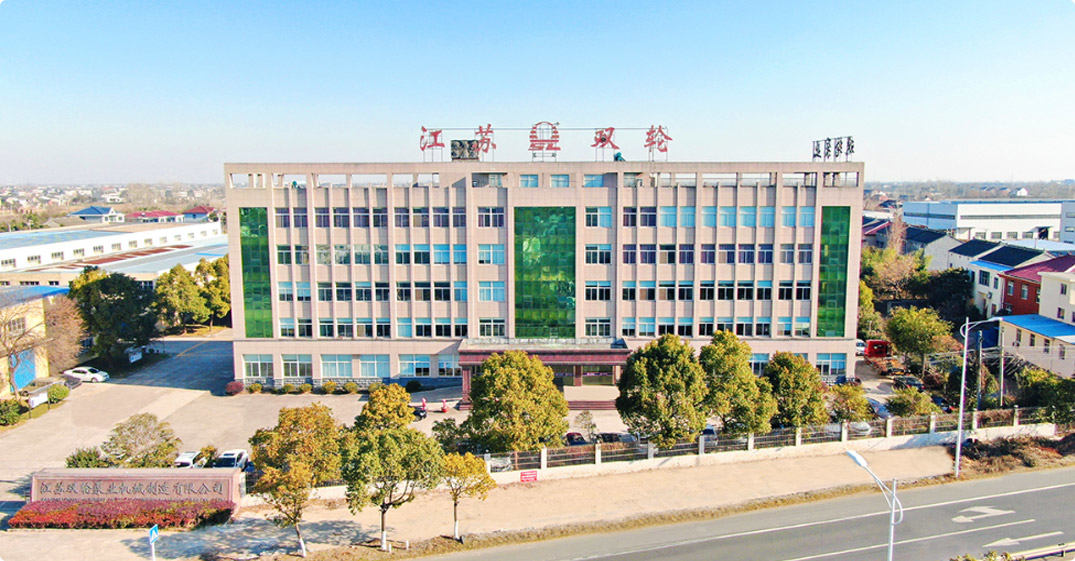
Jiangsu Double-wheel Pump Machinery Manufacting Co.,Ltd.
Jiangsu Double Wheel Pump Machinery Manufacturing Co., Ltd. is China Mining Industry Slurry Suction Pump Manufacturers and Wholesale Mining Industry Slurry Suction Pump Factory. The company is located in the scenic Yangtze River bank, Jiangyin Bridge, Beijing-Shanghai Expressway, Shanghai-Nanjing Expressway, Ningtong Expressway, Ningjingyan expressway running through the north and south, the traffic is very convenient, the geographical position is esteemed good. It is a production base specializing in non-sealed self-priming pumps, rain pumps, long-axis liquid pumps, chemical centrifugal pumps, positive displacement pumps and environmental protection equipment and mechanical equipment. The company has two production bases, covering an area of nearly 60,000 square meters, of which the eastern base covers an area of 33,000 square meters, the western base covers an area of 27,000 square meters, six modern production workshops, two installation workshops, a professional test workshop, a variety of mechanical processing equipment more than 160 sets, including a pump comprehensive performance test platform, Can test diameter 32-1200mm, motor power 1.1-1200KW, voltage 380V-10KV of various types of pumps, scientific research, development, manufacturing, processing, promotion, application of its own system. In the past two years, the company has closely followed the national industrial policy, made a big deal about environmental protection, and undertaken a large number of sewage treatment projects, which is unique in the environmental protection industry.
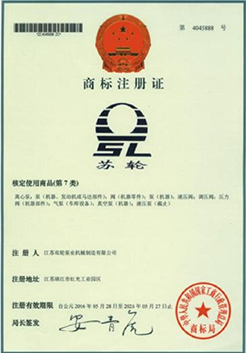
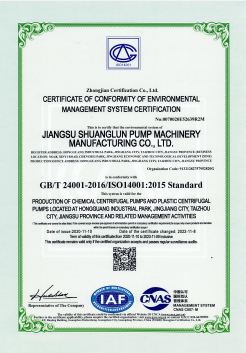
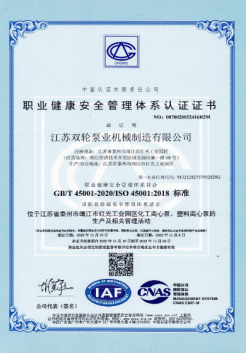
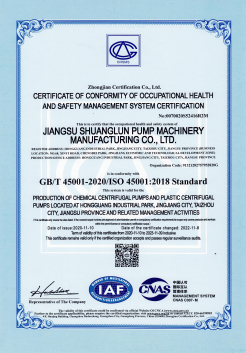
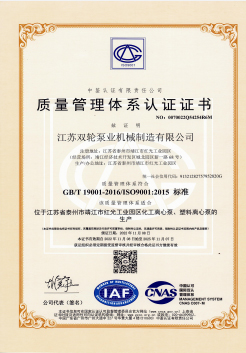
Certificate Of Honor


-
0

Be established in
-
0+

Professional personnel
-
0 million

Registered capital
-
0 ㎡

Plant area
After-Sales Service
Maintenance and Technical Support
Comprehensive lifecycle support for your mining slurry pump installation.
Maintenance and Spare Parts
Keep your slurry pump operating reliably
- Wear Part Kit: Complete set includes impeller, casing liner, throatbush, frame liner, and suction liner – all in high-chrome alloy (ASTM A532). Hardness tested and certified.
- Bearing Assembly Kit: Spherical roller bearings (SKF or FAG), bearing housing seals, labyrinth rings, and oil seals. Complete set for one pump.
- Expeller & Gland Packing Kit: Replacement expeller, shaft sleeve, and gland packing rings (PTFE/graphite impregnated).
- Mechanical Seal Kit (Alternative): Silicon carbide vs. tungsten carbide faces with FKM elastomers – for applications requiring mechanical seals.
Professional Technical Support
Expert assistance for mining slurry systems
- Slurry Testing & Wear Analysis: We test your slurry sample (particle size distribution, shape, concentration, pH) and provide wear rate prediction and optimal material selection.
- System Curve & NPSH Analysis: We calculate pipeline friction losses and NPSHa for your specific slurry (viscosity adjusted for solids).
- On-Site Wear Measurement: Our technicians measure wear part thickness using ultrasonic testing and provide remaining life prediction.
- Vibration & Temperature Monitoring Service: Remote monitoring of bearing health with weekly reports and alert notification.


+86-0523- 84351 090 /+86-180 0142 8659


Welcome To
Jiangsu Double-Wheel Pump
Add 1: Hongguang Industrial Park, Jingjiang City, Jiangsu Province, China
Add 2: No.68, Xinyi Road, Industrial Park, Jingjiang City, Jiangsu Province, China
Contact
-
Tel:
+86-0523- 84351 090
+86-180 0142 8659 -
FAX:
+0523-8435 5588
- E-mail: