language
  русский
 عربى
عربى Indonesia
Metallurgical Industry High Temperature Pump Wholesale



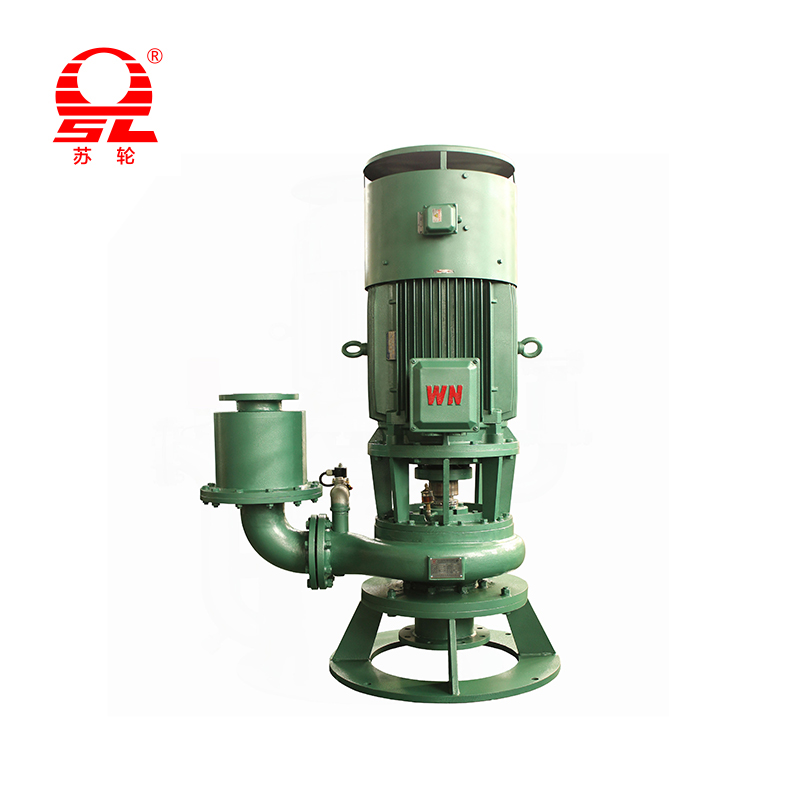
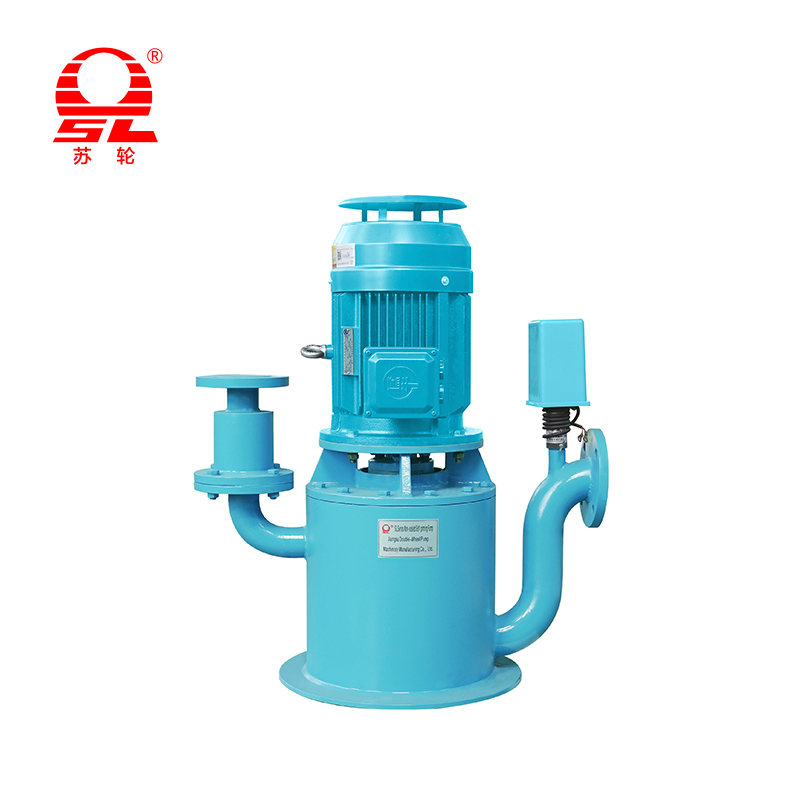

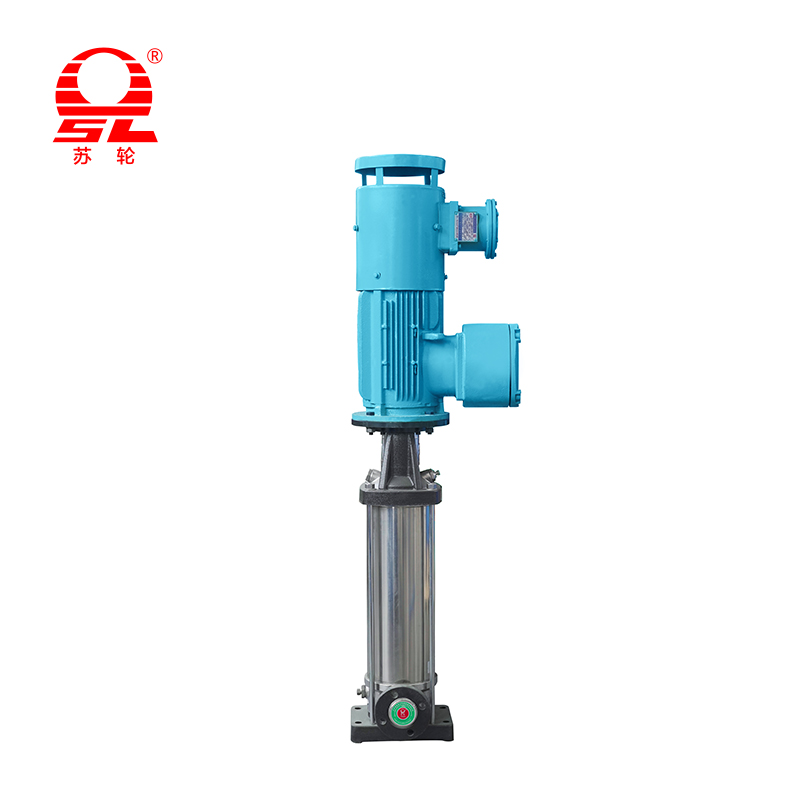
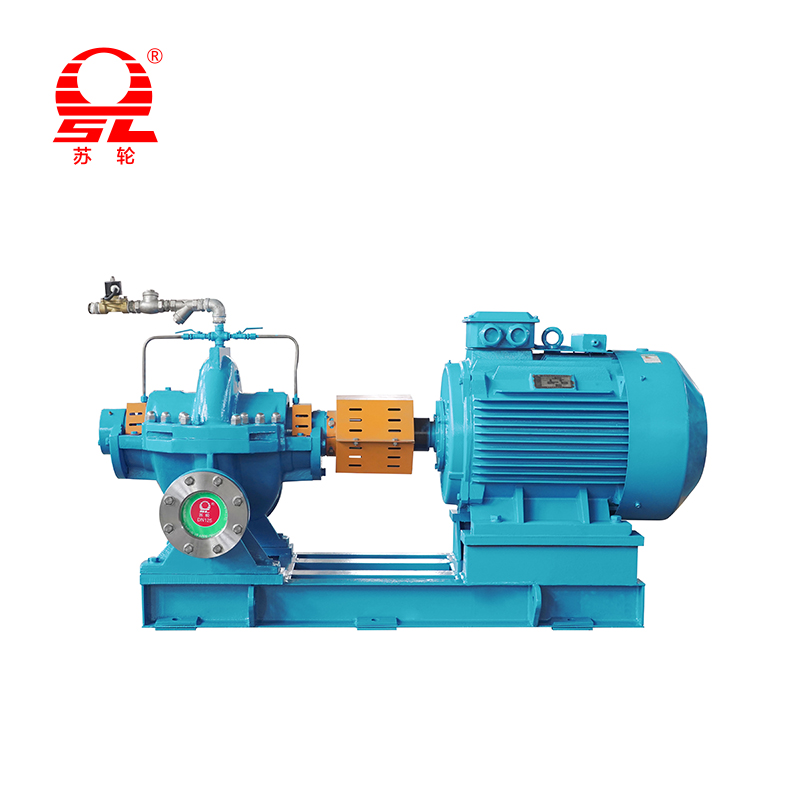



Up to 450°C
Up to 2,000 m³/h
Steel Mill Duty
ISO 13709 / API 610
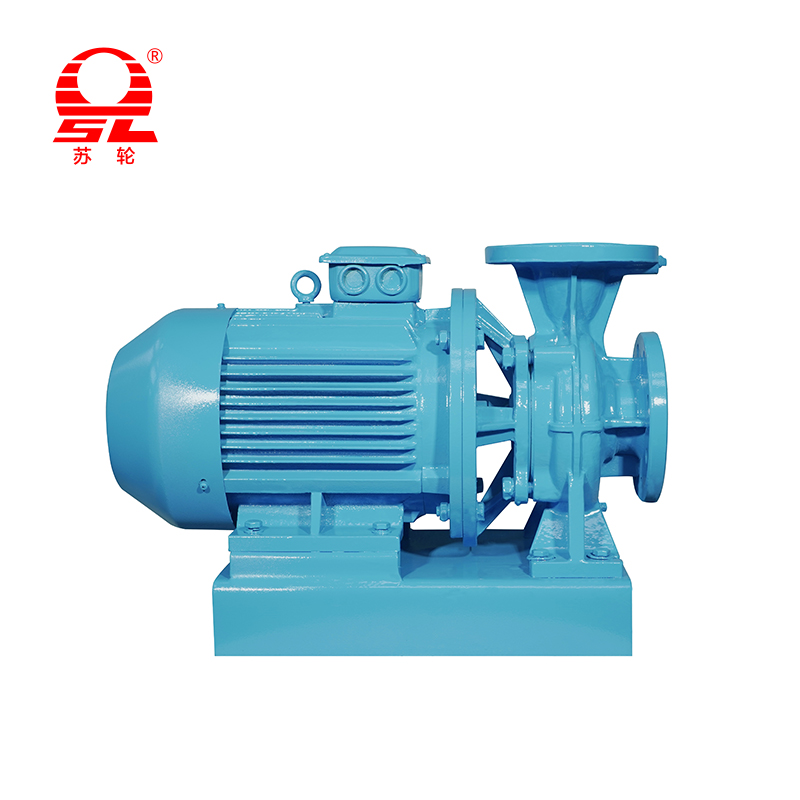
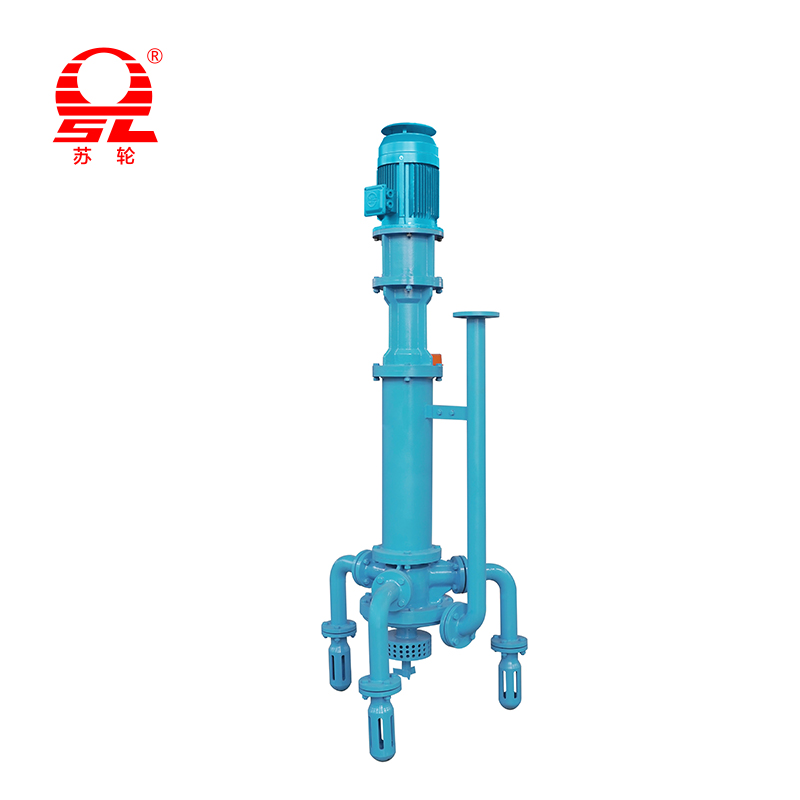
Metallurgical Industry High Temperature Pump
Engineered for extreme heat transfer applications in steel mills, foundries, and metal processing plants. Handles molten salts, heat transfer oils, boiler feed water, and other high-temperature fluids up to 450°C with special materials and thermal management systems.
Product Introduction
High Temperature Pump Technology for Metallurgical Applications
A comprehensive examination of the engineering, thermal management, and material science behind our high temperature pump range for the metallurgical industry.
The Metallurgical Industry High Temperature Pump is purpose-engineered for the most demanding heat transfer applications in steel mills, aluminum smelters, foundries, and metal processing facilities. These pumps handle fluids at temperatures far beyond the capabilities of standard industrial pumps, including heat transfer oils, molten salts, boiler feed water, quench water, and various process fluids. Operating at temperatures from 150°C to 450°C, these pumps require specialized materials, thermal expansion management, cooling systems, and sealing arrangements to maintain reliability and safety. Our high temperature pump range delivers continuous-duty performance in the extreme thermal environments of metallurgical plants.
The pump configuration is selected based on the specific high temperature application. Single-stage centrifugal pumps are suitable for most heat transfer and circulation applications with moderate head requirements. Multistage pumps are used for boiler feed and high-pressure applications. Vertical pumps are employed for sump and tank applications where the pump must be mounted above the hot fluid. The pump casing is designed with thermal expansion joints or centerline mounting to accommodate the significant thermal growth experienced during start-up and shutdown cycles. For fluids above 200°C, the pump casing and piping must be designed with expansion loops to prevent excessive stress on flanges and supports.
Material selection is critical for high temperature service. For temperatures up to 260°C, carbon steel (ASTM A216 WCB) is suitable for clean fluids. For temperatures from 260°C to 400°C, we specify alloy steel (ASTM A217 WC6 or WC9) which provides higher creep resistance and oxidation resistance. For temperatures from 400°C to 450°C, chrome-moly alloys (ASTM A217 C5, C12, or C12A) are required. For the most demanding applications with corrosive high temperature fluids, we offer stainless steel grades (SS304H, SS316H, SS310, or Inconel 625) that maintain strength and corrosion resistance at elevated temperatures. Impeller materials match the casing material or are upgraded to stainless steel for improved high temperature strength.
The bearing system must be isolated from the high temperature fluid. The pump features an extended bearing housing with cooling fins or water cooling jackets. For fluids above 200°C, water cooling of the bearing housing is mandatory to maintain bearing temperatures below 80°C. The bearing housing is separated from the pump casing by a spacer or throat bushing that reduces heat transfer. A fan or finned surface on the bearing housing provides additional cooling for moderate temperature applications. Bearings are oversized and specified for high temperature operation, with high-temperature grease or oil circulating systems. Bearing temperature monitoring with RTD sensors is standard, with alarms for high temperature conditions that could cause bearing seizure.
The expansion properties of high temperature pumps require special attention. The pump and motor are mounted on a common baseplate with provisions for thermal growth. For horizontal pumps, the casing is centerline-mounted, meaning the centerline of the pump is at the same elevation as the baseplate mounting feet. This design allows the casing to expand equally upward and downward as temperature increases, maintaining alignment with the driver. For vertical pumps, the discharge head is designed with sufficient rigidity to accommodate shaft expansion. The coupling between pump and motor must accommodate axial growth, with flexible diaphragm or gear couplings sized for the expected thermal movement.
Sealing high temperature fluids is one of the most challenging aspects of these pumps. Gland packing remains common for high temperature service, with graphite or carbon fiber packing rings that can withstand temperatures up to 450°C. Packing is water-cooled through a lantern ring connection to maintain acceptable temperatures at the shaft surface. For applications requiring zero leakage or where the fluid is hazardous, we offer high temperature mechanical seals. These seals feature metal bellows instead of elastomer secondary seals, as elastomers would degrade at high temperatures. Seal faces are silicon carbide vs. carbon or tungsten carbide vs. carbon, with the stationary face mounted in a water-cooled gland. For the highest temperature applications, we offer double mechanical seals with a circulating cooling fluid that maintains the seal environment below 80°C.
The stuffing box and seal chamber are designed with cooling jackets. Cooling water flows through passages in the stuffing box, removing heat conducted from the pump casing. For air-cooled designs, extended fins or a fan on the shaft provide cooling without requiring water connections. The cooling system is sized to maintain the seal environment temperature below the maximum rating of the seal components. For applications where cooling water is not available, we offer radiant heat shields and forced air cooling.
The motor drive must be rated for the power requirements at operating temperature, accounting for the lower viscosity of high temperature fluids (which reduces power) but the potential for higher density. Motors are typically TEFC (Totally Enclosed Fan Cooled) or TEWAC (Totally Enclosed Water Air Cooled) for high ambient temperature environments. For variable flow applications, we offer VFDs with inverter-duty motors, but note that VFD operation at very low speeds may reduce cooling air flow over the motor. For high temperature ambients, we offer motors with Class H insulation (rated for 180°C) or thermistor protection.
Safety features are critical for high temperature pumps. Thermal guards prevent accidental contact with hot surfaces. Drip shields contain any fluid leakage and direct it away from personnel. The pump casing and piping are insulated with high temperature insulation to reduce heat loss and protect personnel. Shutdown systems include high bearing temperature trip, high stuffing box temperature trip, and low cooling water flow trip. For flammable heat transfer fluids, we offer nitrogen purged seal chambers to prevent oxidation and fire risk.
In summary, the Metallurgical Industry High Temperature Pump delivers reliable, safe performance in the most extreme thermal environments, with special attention to materials, cooling, expansion, and sealing.
Temperature range: 150°C to 450°C
Flow rates: 10 to 2,000 m³/h
Heads: 10 to 150 meters
Materials: Carbon steel / Alloy steel WC6/WC9 / Chrome-moly C5/C12 / SS304H/SS316H/SS310
Centerline mounting for thermal expansion
Water-cooled bearing housings and stuffing boxes
Sealing: Graphite gland packing / Metal bellows mechanical seals
High temperature insulation and thermal guards
VFD compatible for variable flow
Technical Data
Technical Specifications
Complete performance and dimensional parameters for the metallurgical industry high temperature pump range.
| Parameter | Specification |
|---|---|
Pump Configuration | Single-stage centrifugal / Multistage barrel / Vertical turbine |
Fluid Temperature Range | 150°C to 260°C (carbon steel) / 260°C to 400°C (WC6/WC9) / 400°C to 450°C (C12/C12A) |
Flow Rate Range | 10 to 2,000 m³/h (44 to 8,800 US gpm) | Total Head Range | 10 to 150 meters (33 to 492 feet) |
Motor Power Range | 5 kW to 500 kW (7 to 670 HP) |
Speed | 1,450 / 2,950 RPM (50Hz); 1,750 / 3,550 RPM (60Hz) |
Suction Size | 50 mm to 300 mm (2" to 12") |
Discharge Size | 40 mm to 250 mm (1.5" to 10") |
Fluid Types | Heat transfer oils / Molten salts / Boiler feed water / Quench water / Process fluids |
Casing Material (150-260°C) | Carbon steel ASTM A216 WCB |
Casing Material (260-400°C) | Alloy steel ASTM A217 WC6 or WC9 |
Casing Material (400-450°C) | Chrome-moly ASTM A217 C5, C12, or C12A |
Impeller Material | Same as casing or upgraded to SS304H/SS316H/SS310 | Shaft Sealing | Graphite gland packing / Metal bellows mechanical seal / Double mechanical seal with cooling |
Bearing Cooling | Finned housing (150-260°C) / Water-cooled housing (260-450°C) |
Seal Cooling | Water-cooled stuffing box / Water-cooled gland (required above 260°C) |
Design Standard | ISO 13709 / API 610 (OH2, BB2, BB3, VS1 configurations) |
Why Choose High Temperature Pumps
Core Advantages
Six key engineering benefits that make our high temperature pump the preferred choice for metallurgical industry heat transfer applications.
Extreme Temperature Capability
Our pumps are engineered for continuous operation at fluid temperatures up to 450°C. Special material selections including chrome-moly alloys and high temperature stainless steels maintain strength and resist creep, oxidation, and thermal fatigue at extreme temperatures.
Thermal Expansion Management
Centerline mounting design allows the pump casing to expand uniformly as temperature increases, maintaining alignment with the driver. Thermal expansion joints in the bearing housing accommodate shaft growth. Cold alignment targets are calculated for hot alignment at operating temperature.
Integrated Cooling Systems
Water-cooled bearing housings, water-cooled stuffing boxes, and water-cooled seal glands maintain bearing and seal temperatures below 80°C while the pump handles 450°C fluid. Cooling water flow switches and temperature alarms protect against cooling failure.
High Temperature Sealing Solutions
Graphite gland packing withstands temperatures up to 450°C without degradation. For zero leakage applications, metal bellows mechanical seals eliminate elastomer components that would fail at high temperatures. Double seals with cooling circulation available for hazardous fluids.
Extended Bearing Life at High Temperature
Oversized bearings with high-temperature grease or oil circulation maintain L10 life exceeding 50,000 hours even at elevated bearing housing temperatures. Forced oil circulation with external coolers available for the most demanding applications.
Safety Features for Hot Fluids
Thermal guards prevent contact burns. Insulated casings reduce heat loss and surface temperature. Drip shields contain any leakage. Nitrogen purged seal chambers for flammable heat transfer fluids. High temperature alarms and automatic shutdown systems.
Use Cases
Primary Applications
Trusted across the metallurgical industry for critical high temperature fluid handling operations.
Heat Transfer Oil Circulation
Circulation of synthetic and mineral heat transfer oils in steel mill heat treatment furnaces, aluminum solution heat treatment, and die casting temperature control systems. Temperatures up to 350°C with thermal stability requirements.
Molten Salt Transfer
Pumping of molten nitrate salts for heat treatment and thermal storage applications. Temperatures from 260°C to 450°C. Special materials resistant to salt oxidation and corrosion. Jacketed pumps for freeze protection.
Boiler Feed Water
High pressure feed water pumping for industrial boilers in steel mills and metal processing plants. Temperatures from 100°C to 210°C. Multistage barrel pumps with high pressure capability.
Quench Water Circulation
High flow circulation of quench water for steel heat treatment and aluminum extrusion quenching. Temperatures from 20°C to 90°C but with thermal cycling duty. High flow capacity and rapid response.
Process Fluid Transfer
Transfer of hot process fluids including sulfuric acid pickling solutions, caustic cleaning solutions, and various chemical baths used in metal processing. Corrosion-resistant high temperature alloys required.
Hot Water Heating Systems
Circulation of hot water for plant heating and process heating in metallurgical facilities. Temperatures from 80°C to 150°C. High efficiency pumps for continuous duty.
Head-to-Head
High Temperature Pump Material Comparison
A detailed comparison of casing materials for high temperature service in metallurgical applications.
| Material Grade | Max Temp | Creep Rupture Strength | Oxidation Resistance | Relative Cost | Typical Applications | |
|---|---|---|---|---|---|---|
| Carbon Steel WCB | 260°C | Low | Poor | 1.0x | Hot water to 260°C | |
| Alloy Steel WC6 | 400°C | Moderate | Good | 1.5x | Heat transfer oil to 350°C | |
| Alloy Steel WC9 | 450°C | Good | Good | 1.7x | Heat transfer oil to 400°C | |
| Chrome-Moly C12 | 500°C | High | Excellent | 2.2x | Molten salts to 450°C | |
| SS304H / SS316H | 650°C | Good | Excellent | 3.0x | Corrosive high temp fluids | |
| SS310 | 800°C | High | Excellent | 4.0x | Extreme high temp corrosive | |
| Inconel 625 | 950°C | Very High | Excellent | 8.0x | Special applications |
Expert Tips
Usage Tips and Best Practices
Maximize the reliability, safety, and service life of your metallurgical industry high temperature pump.
1
Warm Up Slowly Before Operation
High temperature pumps must be warmed up gradually before starting. Temperature rise should not exceed 50°C per hour. Rapid heating causes thermal shock to the casing, impeller, and seals. Circulate hot fluid through the pump with the discharge valve partially closed until the pump casing reaches within 30°C of operating temperature before full operation.
2
Verify Cooling Water Flow Before Starting
Never start a high temperature pump without cooling water flow to the bearing housing and stuffing box. Install flow switches with pump start interlock. Loss of cooling water during operation should trigger an alarm and automatic pump shutdown after a short delay. Bearing and seal damage can occur in minutes without cooling.
3
Set Cold Alignment Targets for Hot Operation
Pumps expand as they heat up. Alignment at cold conditions must account for thermal growth of the pump casing and driver. Our installation manual provides cold alignment target values calculated from the pump's thermal expansion characteristics. Failure to set correct cold alignment leads to misalignment at operating temperature, causing vibration and bearing failure.
4
Monitor Bearing Temperature Continuously
RTD sensors in the bearing housing provide continuous temperature monitoring. Normal operating temperature for water-cooled bearings is 50°C to 70°C. Alarm at 85°C. Shutdown at 95°C. A gradual temperature rise over time indicates cooling water flow reduction or bearing wear. A sudden temperature spike indicates imminent bearing seizure.
5
Adjust Gland Packing Leakage Properly
For pumps with gland packing, a small amount of leakage (5 to 10 drops per minute) is necessary to provide cooling and lubrication. Too tight packing causes overheating and shaft scoring. Too loose packing allows excessive leakage and air ingress. Check packing leakage daily. Allow packing to run with controlled leakage for the first 24 hours before final adjustment.
6
Use Proper Bolt Torque for Hot Bolting
Flange bolts and casing bolts must be torqued at operating temperature (hot bolting) for high temperature pumps. Gaskets compress and bolts stretch as temperature increases. Cold torque values are not sufficient. Our maintenance manual provides hot torque values and sequences. Re-torque all flange connections 24 hours after reaching operating temperature.
FAQ
Frequently Asked Questions
Expert answers to common questions about metallurgical industry high temperature pumps.
What is the maximum continuous operating temperature for these pumps?
Maximum continuous operating temperature depends on material selection. Carbon steel WCB pumps handle up to 260°C. Alloy steel WC9 pumps handle up to 450°C. Chrome-moly C12 pumps handle up to 500°C. Stainless steel SS310 pumps handle up to 800°C. For each pump, we provide a certified maximum temperature rating based on the casing and internals material.
Do I need cooling water for high temperature pump operation?
For fluid temperatures above 200°C, water cooling of the bearing housing and stuffing box is required. For fluids from 150°C to 200°C, air cooling with finned housings may be sufficient depending on ambient conditions. We provide cooling water flow rate requirements in the pump manual. Minimum cooling water flow is typically 5 to 20 liters per minute per pump.
What is centerline mounting and why is it important?
Centerline mounting means the pump casing feet are located at the same elevation as the pump centerline. When the pump heats up, the casing expands equally upward and downward, so the shaft centerline elevation remains constant relative to the baseplate. This maintains alignment with the driver. Pumps without centerline mounting experience shaft centerline rise as they heat up, causing misalignment and vibration.
Can I use a standard mechanical seal for high temperature service?
No. Standard mechanical seals use elastomer O-rings that degrade above 150°C. For high temperature service, you must use metal bellows mechanical seals without elastomer components. For the highest temperature applications, use graphite gland packing which can withstand up to 450°C. Double mechanical seals with barrier fluid cooling are also available.
How do I prevent heat transfer oil coking in the pump?
Heat transfer oil coking is prevented by maintaining minimum oil velocity through the pump to avoid localized overheating. Never operate below minimum continuous flow. Maintain proper system pressure to prevent oil boiling. Use nitrogen blanket on expansion tank to prevent oxidation. Follow oil manufacturer recommendations for maximum film temperature.
What is the typical warm-up time for a high temperature pump?
Warm-up time depends on pump size and temperature. A typical warm-up from cold to 350°C takes 6 to 10 hours at a maximum heating rate of 50°C per hour. Never exceed the manufacturer's recommended warm-up rate. Rapid heating causes differential expansion between casing and internal components, leading to contact and seizure.
Can these pumps handle molten salt?
Yes, with special design features. Molten salt requires chrome-moly C12 or stainless steel casing material resistant to salt oxidation. Jacketed pumps with electric or steam tracing are required to prevent salt freezing during shutdown. Double mechanical seals with cooled barrier fluid are required. The pump must be drained flushed and dried before any shutdown.
What is the difference between WC6 and WC9 casing material?
WC6 contains 0.5 percent chromium and 0.5 percent molybdenum, rated for 400°C maximum. WC9 contains 2.25 percent chromium and 1.0 percent molybdenum, rated for 450°C maximum. WC9 provides higher creep strength and oxidation resistance at elevated temperatures suitable for heat transfer oil service above 350°C. For most heat transfer oil applications, WC6 is sufficient.
How often should packing or seals be replaced?
Gland packing typically requires replacement every 12 to 24 months depending on operating temperature and fluid cleanliness. Graphite packing gradually wears and requires periodic adjustment. When adjustment range is exhausted, replace packing. Metal bellows mechanical seals typically last 3 to 5 years. Regular monitoring of leakage rates and temperatures determines replacement schedule.
Can I install a VFD on a high temperature pump?
Yes, with considerations. VFD operation at low speeds reduces cooling water pump flow if the pump is used as the cooling water source. For variable flow applications, use a separate cooling water supply. Ensure minimum flow recirculation is maintained at all speeds. Motor cooling at low speeds may require external fan or TENV motor. Consult our engineers for VFD application on high temperature pumps.
Company
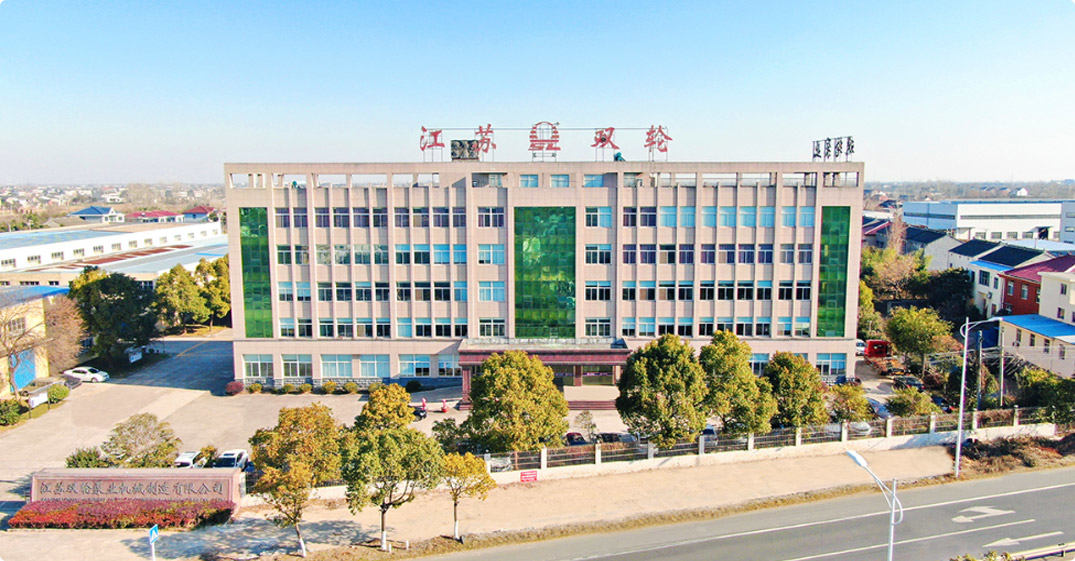
Jiangsu Double-wheel Pump Machinery Manufacting Co.,Ltd.
Jiangsu Double Wheel Pump Machinery Manufacturing Co., Ltd. is China Metallurgical Industry High Temperature Pump Manufacturers and Wholesale Metallurgical Industry High Temperature Pump Factory. The company is located in the scenic Yangtze River bank, Jiangyin Bridge, Beijing-Shanghai Expressway, Shanghai-Nanjing Expressway, Ningtong Expressway, Ningjingyan expressway running through the north and south, the traffic is very convenient, the geographical position is esteemed good. It is a production base specializing in non-sealed self-priming pumps, rain pumps, long-axis liquid pumps, chemical centrifugal pumps, positive displacement pumps and environmental protection equipment and mechanical equipment. The company has two production bases, covering an area of nearly 60,000 square meters, of which the eastern base covers an area of 33,000 square meters, the western base covers an area of 27,000 square meters, six modern production workshops, two installation workshops, a professional test workshop, a variety of mechanical processing equipment more than 160 sets, including a pump comprehensive performance test platform, Can test diameter 32-1200mm, motor power 1.1-1200KW, voltage 380V-10KV of various types of pumps, scientific research, development, manufacturing, processing, promotion, application of its own system. In the past two years, the company has closely followed the national industrial policy, made a big deal about environmental protection, and undertaken a large number of sewage treatment projects, which is unique in the environmental protection industry.
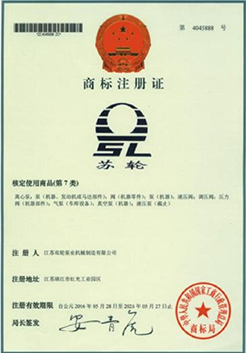
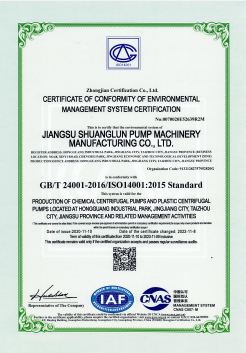
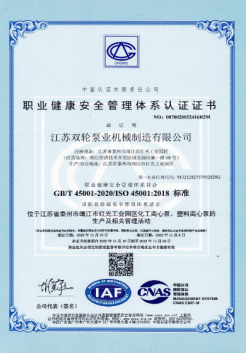
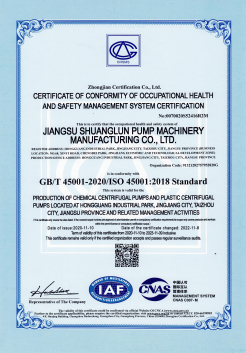
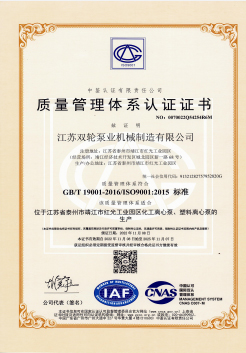
Certificate Of Honor


-
0

Be established in
-
0+

Professional personnel
-
0 million

Registered capital
-
0 ㎡

Plant area
After-Sales Service
Maintenance and Technical Support
Comprehensive lifecycle support for your metallurgical industry high temperature pump installation.
Maintenance and Spare Parts
Keep your high temperature pump operating reliably
- High Temperature Gland Packing Kit: Complete set of graphite packing rings (6 to 8 rings per pump), lantern ring, and gland studs. Packing grade suitable for 450°C service. Includes packing extractor tool for safe removal.
- Metal Bellows Seal Cartridge: Complete high temperature mechanical seal assembly with metal bellows instead of elastomer O-rings. Silicon carbide or tungsten carbide faces. Water-cooled gland included. Drop-in replacement pre-assembled.
- Bearing & Cooling Kit: High temperature bearings (C4 internal clearance), bearing housing gaskets, water cooling jacket seals, and RTD temperature sensors.
- Thermal Expansion Joint Kit: Replacement expansion joint for suction and discharge piping, rated for 450°C service. Includes flange gaskets and bolting.
Professional Technical Support
Expert assistance for high temperature fluid handling
- Thermal Analysis & Material Selection: We analyze your fluid temperature, pressure, and chemistry to select the optimal casing material, impeller material, and sealing arrangement for longest service life.
- Hot Alignment Verification Service: Our technicians measure alignment at operating temperature using laser alignment tools. Hot alignment targets are calculated from cold alignment measurements.
- Cooling Water System Design: We design complete cooling water systems including flow switches, temperature sensors, and cooling towers or heat exchangers sized for your pump installation.
- On-Site Commissioning & Operator Training: Factory technicians supervise installation, warm-up, and start-up. We train your operators on safe warm-up procedures, packing adjustment, and emergency shutdown.


+86-0523- 84351 090 /+86-180 0142 8659


Welcome To
Jiangsu Double-Wheel Pump
Add 1: Hongguang Industrial Park, Jingjiang City, Jiangsu Province, China
Add 2: No.68, Xinyi Road, Industrial Park, Jingjiang City, Jiangsu Province, China
Contact
-
Tel:
+86-0523- 84351 090
+86-180 0142 8659 -
FAX:
+0523-8435 5588
- E-mail: