language
  русский
 عربى
عربى Indonesia
Heat Resistant Alloy Material Pump Wholesale


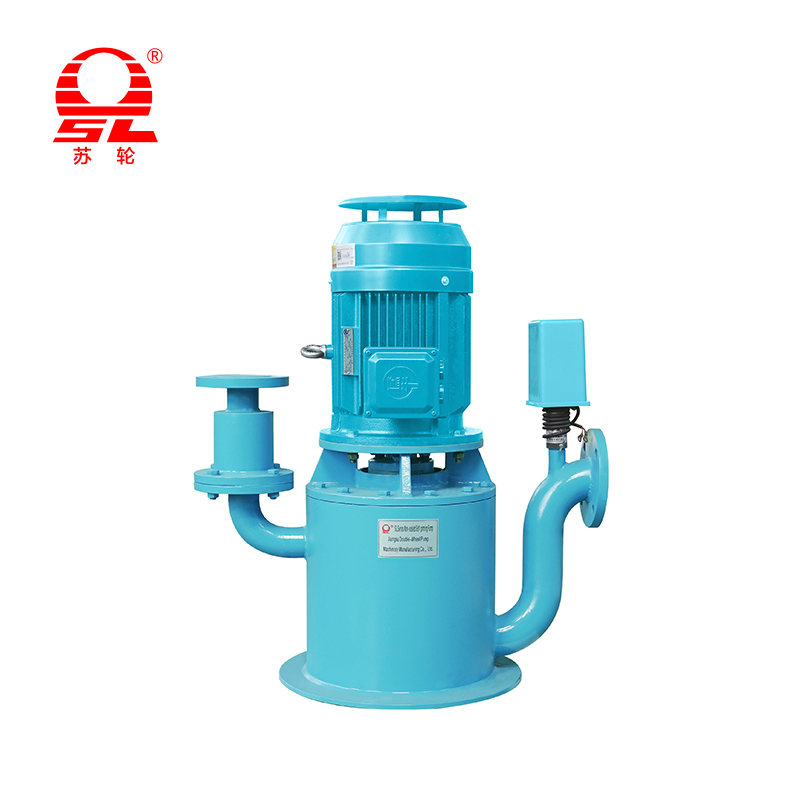

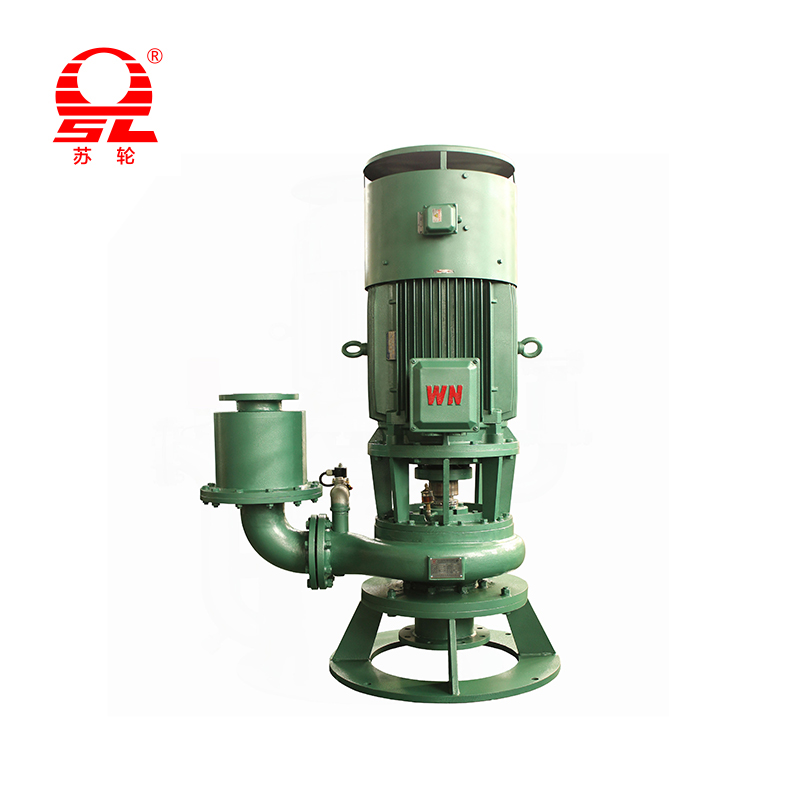

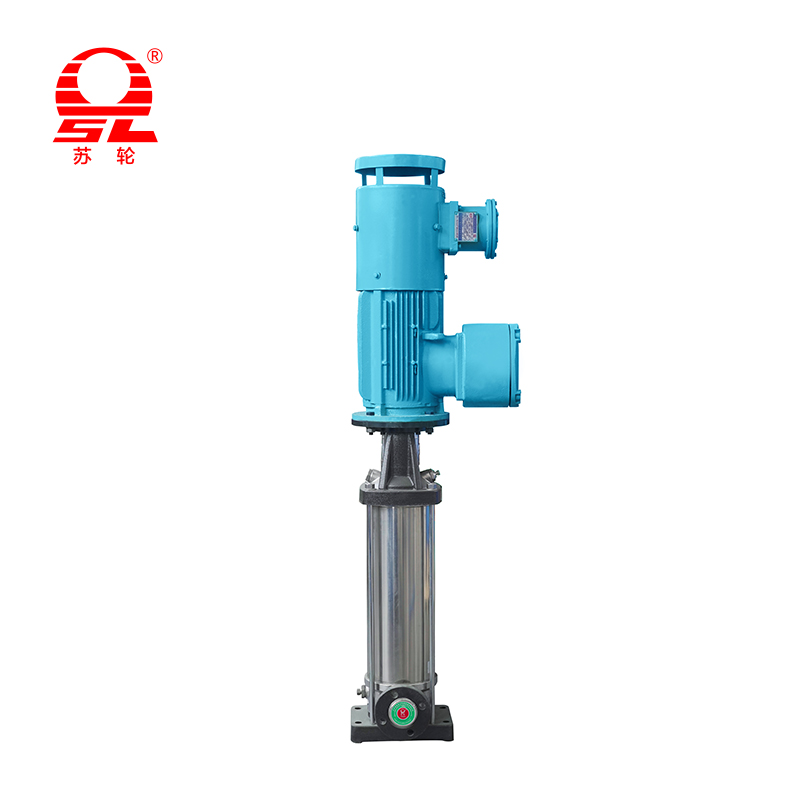
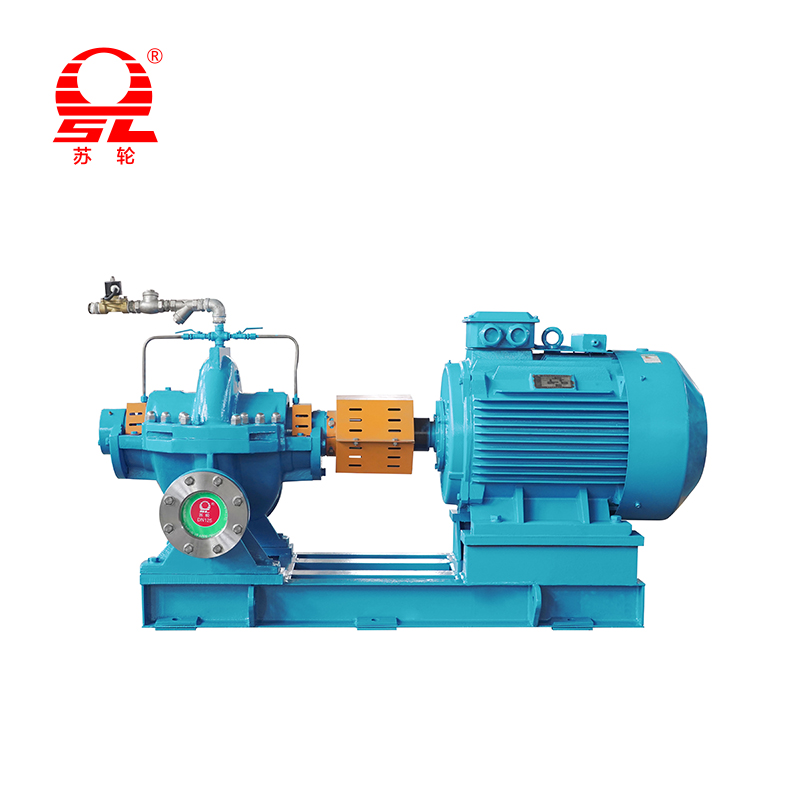



150 – 550 °C
Inconel / Hastelloy Option
API 610 Compliant
ISO 9001:2015
Mag-Drive Sealless Option
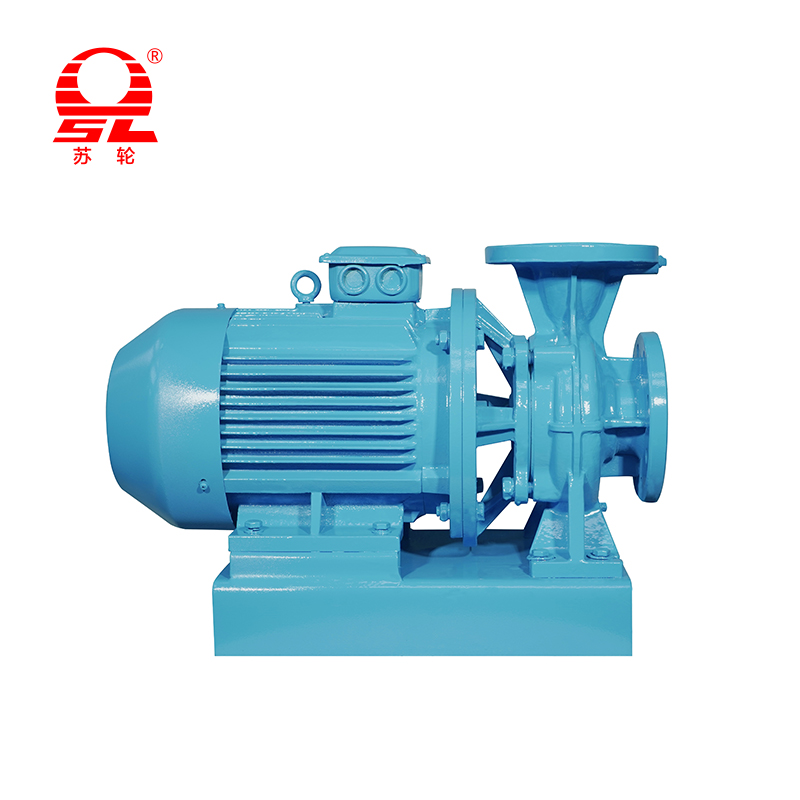
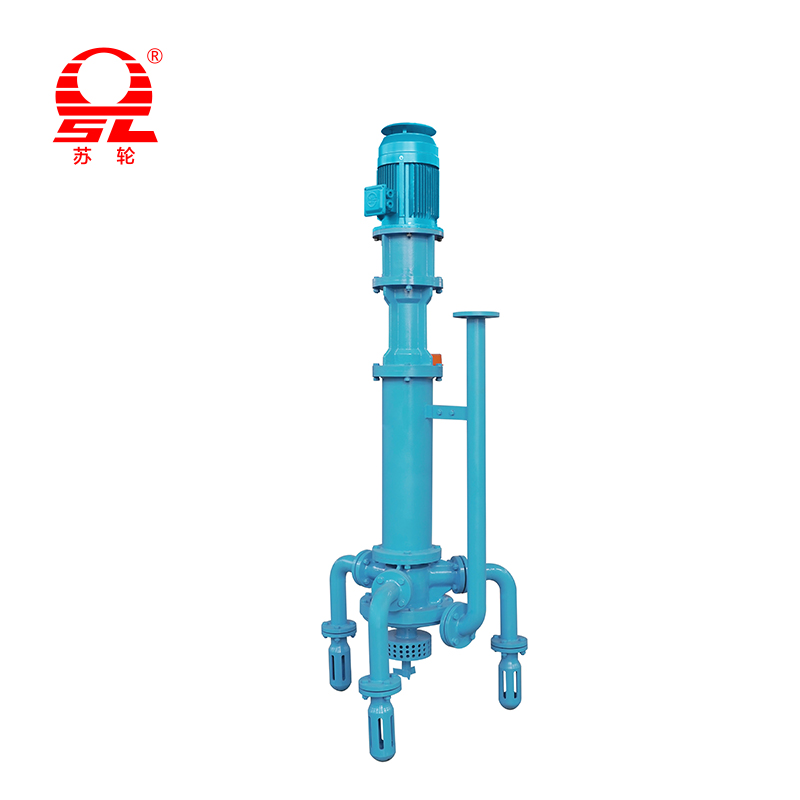
Heat Resistant Alloy Material Pump
The HRA series is engineered for the temperatures that destroy conventional pumps — 150 °C to 550 °C continuous service, across petrochemical hot oil circuits, concentrating solar power molten salt loops, high-temperature chemical reactors, and refinery vacuum residue handling. Matched alloy selection from A217 WC9 to Inconel 625 and centrifugally cast HP alloy, centreline-mounted symmetric thermal expansion design, API Plan 53 cooled dual seal or zero-emission mag-drive, and bearing systems that stay cool when the process is anything but. Built to operate where temperature is not a challenge — it is the specification.
Product Introduction
Where Temperature Defeats Conventional Materials — HRA Series Performs Without Compromise.
A comprehensive technical overview of the HRA series Heat Resistant Alloy Material Pump — purpose-engineered for the continuous, high-reliability transfer of high-temperature process fluids, thermal oils, molten salts, hot condensate, superheated water, heat transfer media, and thermally aggressive chemical streams across petrochemical, power generation, metallurgical, solar thermal, glass, ceramic, and high-temperature chemical processing industries.
The Heat Resistant Alloy Material Pump addresses a fundamental materials engineering challenge that conventional pump designs cannot overcome: the progressive degradation of mechanical properties, dimensional stability, and chemical resistance that all standard pump materials undergo as operating temperature rises above 150 °C. At 200 °C, standard grey cast iron begins to lose structural integrity; at 250 °C, standard carbon steel fasteners require special torquing procedures to account for thermal expansion; at 300 °C, conventional mechanical seal elastomers fail rapidly; at 400 °C, most stainless steels begin to exhibit creep under sustained stress; and above 500 °C, only specially formulated high-temperature alloys retain the combination of strength, oxidation resistance, and dimensional stability required for reliable pump operation. The HRA series is specifically engineered to operate continuously and reliably across this entire high-temperature spectrum — from 150 °C to over 550 °C in the highest-grade configurations — through the systematic application of high-temperature metallurgy, thermal engineering, and seal technology that most pump manufacturers simply do not possess or offer.
The material science foundation of the HRA series is a carefully structured alloy selection matrix that matches casing, impeller, shaft, and seal materials to the actual operating temperature, fluid chemistry, and thermal cycling profile of each specific application. For the temperature range of 150–300 °C — encompassing the majority of petrochemical process pump duties, hot condensate recovery, and thermal oil circulation — the HRA series uses carbon steel (ASTM A216 WCB) with upgraded austenitic stainless steel SS316 impellers and SS316 shafting, maintaining dimensional stability and chemical resistance while managing thermal differential expansion between dissimilar materials through engineered clearance specifications. For the demanding range of 300–450 °C — covering refinery hot oil duties, bitumen handling, heat transfer fluid systems, and high-temperature chemical reactor feed — carbon steel or Cr-Mo alloy steel (ASTM A217 WC6, WC9) casing provides superior creep resistance compared to cast iron or standard carbon steel, while the impeller and wetted internals are upgraded to SS321 or SS347 stabilised austenitic stainless steel to prevent sensitisation-induced intergranular corrosion at sustained high temperatures.
For the most extreme temperature range of 450–550 °C — encountered in refinery vacuum residue service, asphalt and pitch handling, molten salt heat transfer circuits in concentrating solar power (CSP) plants, and high-temperature glass melt ancillary fluid systems — the HRA series deploys nickel-based superalloy components (Inconel 625, Hastelloy C276, and Alloy 20) for impellers and wear rings, with centrifugally cast heat-resistant stainless steel (HH, HK, HN, or HP alloy grades) casings. These centrifugally cast high-alloy materials — containing 19–35% Cr and 12–65% Ni — retain useful tensile strength and creep resistance at temperatures that would render standard austenitic stainless steel completely unreliable, while providing the oxidation and sulfidation resistance required for high-temperature refinery and process environments where combustion gas contamination of the fluid stream is a risk.
Thermal expansion management is perhaps the most technically demanding aspect of high-temperature pump design — and one that is consistently underestimated in pumps designed for ambient-temperature service and then up-rated for hot service by simply changing materials. The HRA series pump casings are designed with centreline-mounted, top-centreline discharge configurations — ensuring that thermal expansion occurs symmetrically from the pump centreline rather than distorting shaft alignment as the casing heats up from ambient to operating temperature. Thermal expansion of the casing is calculated for each specific operating temperature, and the pump hold-down bolt configuration, sole plate design, and pipe connection flexibility requirements are engineered accordingly. The suction and discharge flange faces are machined at operating temperature thermal expansion to ensure correct flange-to-pipe alignment at operating temperature — not just at ambient installation temperature.
Shaft sealing in high-temperature pump service is the most technically differentiated aspect of the HRA design. Conventional mechanical seals using elastomeric secondary sealing elements (O-rings, bellows) fail rapidly above 200 °C as elastomers soften, extrude, and lose sealing force. The HRA series provides three sealing options matched to temperature range and fluid characteristics: high-temperature graphite-packed gland seals using expanded graphite packing rings (Slade or equivalent grade) rated to 500 °C for services where controlled leakage is acceptable; API Plan 52/53 dual pressurised mechanical seal systems with high-temperature silicon carbide or tungsten carbide seal faces and PTFE or graphite secondary seals, combined with a cooled seal pot that maintains seal face temperature below 200 °C regardless of process temperature; and magnetic coupling (mag-drive) sealless technology with high-temperature containment shells in Hastelloy C276 for applications where zero emission at high temperature is mandatory and the fluid is within the magnetic coupling power transmission limit.
The bearing system of the HRA series is engineered for the thermal environment of hot pump service. Standard rolling element bearings lubricated with NLGI 2 lithium grease fail rapidly when bearing housing temperatures exceed 80–100 °C due to grease oxidation and viscosity loss. The HRA bearing housing features an integrated forced lubrication oil system (for large units above 200 kW) or a high-temperature synthetic grease specification (NLGI 2 perfluoropolyether PFPE grease, rated to 260 °C) for smaller units, maintaining correct lubricant viscosity at elevated bearing housing temperatures. The bearing housing is also fitted with an oil cooling coil connected to a cooling water supply — reducing bearing housing temperature to acceptable limits regardless of the heat conducted through the shaft from the hot pump casing. Bearing temperature monitoring via PT100 RTD sensors is standard, with a high-temperature alarm interlock wired to the pump motor starter to prevent bearing damage from cooling water failure.
The HRA series is designed in full compliance with API 610 (12th Edition) for petroleum and petrochemical service, including OH2 (overhung impeller, frame-mounted) and BB2 (between-bearings, single-stage, axially split) configurations for refinery hot service duties. For solar thermal, industrial heating, and high-temperature utility service, the HRA is also available to ISO 2858 and ANSI B73.1 dimensional standards — providing direct replacement capability for existing installed high-temperature pumps without piping or foundation modification. Every HRA unit undergoes a factory hydrostatic pressure test at 1.5× rated working pressure at ambient temperature and, for critical refinery duties, an optional hot alignment check at operating temperature using our heated test facility that can simulate process temperatures up to 400 °C during factory acceptance testing.
Operating temperature 150 °C to 550 °C — matched alloy selection matrix
A216 WCB / A217 WC6/WC9 / HH-HK-HN-HP centrifugally cast casing options
Inconel 625 / Hastelloy C276 / SS321 / SS347 impeller and internals
Centreline-mounted top-discharge — symmetric thermal expansion design
Three seal options: HT graphite packing / API 52/53 cooled dual seal / mag-drive
PFPE high-temperature synthetic grease or forced oil lubrication bearing system
API 610 OH2 / BB2 compliant; ISO 2858 / ANSI B73.1 available
ISO 9001:2015; ISO 9906 Grade 1 test; hot alignment check option at 400 °C
Technical Data
Technical Specifications
Full performance, material, thermal, and construction parameters for the HRA series Heat Resistant Alloy Material Pump — across the full temperature operating range from 150 °C to 550 °C and all API 610, ISO 2858, and ANSI B73.1 configurations.
| Parameter | Specification |
|---|---|
Operating Temperature Range | 150 °C – 550 °C continuous (material-grade dependent) |
Flow Rate Range | 5 m³/h – 3,000 m³/h |
Total Head Range | 10 m – 200 m |
Inlet / Outlet Diameter | DN 25 mm – DN 500 mm |
Motor Power Range | 1.5 kW – 2,000 kW |
Supply Voltage | 380 V / 6 kV / 10 kV (50 Hz / 60 Hz) |
Max Working Pressure | Up to 2.5 MPa (PN25); PN40 on request |
Casing Material — 150–300 °C | ASTM A216 WCB carbon steel (ISO 2858 / ANSI B73.1 / API 610) |
Casing Material — 300–450 °C | ASTM A217 WC6 (1.25Cr-0.5Mo) / WC9 (2.25Cr-1Mo) Cr-Mo alloy steel |
Casing Material — 450–550 °C | Centrifugally cast HH / HK / HN / HP heat-resistant stainless (19–35% Cr, 12–65% Ni) |
Impeller / Internals Materials | SS316 · SS321 · SS347 · Inconel 625 · Hastelloy C276 · Alloy 20 |
Shaft Seal Options | HT graphite gland packing (to 500 °C) · API Plan 52/53 cooled dual seal · Mag-drive sealless |
Bearing Lubrication | PFPE synthetic grease (to 260 °C) or forced oil system with cooling coil (large units) |
Bearing Temp Monitoring | PT100 RTD standard — alarm and trip interlock |
Thermal Design | Centreline top-discharge; thermal expansion calculated per duty temp |
Design Standard | API 610 OH2 / BB2 · ISO 2858 · ANSI B73.1 (configuration dependent) |
Explosion-Proof Option | Ex d IIB T4 / Ex d IIC T4 (ATEX / IECEx) |
Thermal Test Option | Hot alignment check at up to 400 °C in heated factory test facility |
Certifications | ISO 9001:2015 · CE · PED 2014/68/EU · API 610 data sheets · ATEX (optional) |
Why Choose HRA
Core Advantages
Eight engineering and materials science advantages that make the HRA series the most thermally capable, most mechanically reliable, and most comprehensively engineered heat resistant alloy pump platform for demanding high-temperature industrial service.
Structured Alloy Selection Matrix — 150 °C to 550 °C
Rather than using a single "high-temperature" material across the full temperature range — accepting performance compromises at both ends — the HRA series applies a structured alloy selection matrix that precisely matches casing, impeller, shaft, and seal materials to the actual operating temperature. A217 WC6 for 300–400 °C; WC9 for 400–450 °C; centrifugally cast HK or HP alloy for 450–550 °C. Each alloy is selected for its measured high-temperature tensile strength, creep rupture life, and oxidation rate at the specific operating temperature — not its ambient-temperature specification or catalogue description.
Centreline-Mounted Symmetric Thermal Expansion
Thermal expansion of a pump casing is not a problem — it is an unavoidable physical reality. The engineering question is whether the expansion is managed or unmanaged. The HRA centreline-mounted, top-centreline discharge design ensures that as the casing expands thermally from ambient to operating temperature, the expansion occurs symmetrically from the pump shaft centreline — maintaining shaft-to-impeller alignment and casing-to-pipe flange alignment throughout the thermal transient. This eliminates the distortion-induced shaft misalignment, bearing overloading, and seal face distortion that occur in pumps designed without thermal expansion management.
Nickel Superalloy Internals for Extreme Temperatures
Above 450 °C, standard austenitic stainless steels (SS304, SS316) begin to exhibit creep — time-dependent deformation under sustained stress at elevated temperature that progressively reduces impeller-to-casing clearances, changes blade geometry, and eventually causes component seizure or fatigue failure. Inconel 625 and Hastelloy C276 retain their mechanical properties to over 650 °C — providing a substantial safety margin at 550 °C service — while also offering superior oxidation and sulfidation resistance compared to iron-based alloys at these extreme temperatures.
Cooled Dual Seal — Process Temperature, Ambient Seal Face
The API Plan 52/53 cooled dual seal system is the engineering solution to the fundamental problem of sealing hot process fluids: the seal faces must operate at a temperature the seal face materials and elastomers can tolerate, regardless of the process temperature. The HRA cooled seal pot system circulates cool barrier fluid between the inner and outer seal faces, removing heat conducted through the shaft, and maintaining seal face temperature below 200 °C even when the process fluid is at 450 °C. The barrier fluid pressure exceeds process pressure, ensuring zero process fluid reaches the atmosphere.
PFPE Bearing Lubrication — No Grease Failure at 260 °C
Standard lithium-complex grease fails above 150–180 °C through oxidation and viscosity loss — the most common bearing failure mechanism in high-temperature pump service. The HRA series uses perfluoropolyether (PFPE) synthetic grease, which maintains its viscosity characteristics and does not oxidise at temperatures up to 260 °C bearing housing temperature, providing reliable bearing lubrication across the full HRA operating range without the maintenance burden of a forced oil lubrication system in smaller units. For large units where bearing housing temperatures exceed 200 °C, a forced oil system with integral oil cooling coil maintains oil temperature within specification.
API 610 Full Data Sheet Compliance
For refinery, petrochemical, and LNG service where API 610 compliance is a mandatory engineering specification, the HRA series provides full API 610 12th Edition compliance in OH2 (overhung, frame-mounted) and BB2 (between-bearings, axially split) configurations. Our engineering department prepares and signs the complete API 610 data sheet package — pump data sheet, seal data sheet, API seal flush plan drawing, performance curve, coupling data sheet, baseplate drawing, and noise data — satisfying the documentation requirements of international EPC contractors and owner-operator purchase requisitions.
Molten Salt and Thermal Oil Specialist Design
Concentrating solar power (CSP) plants require pumps specifically engineered for molten nitrate salt service (KNO₃/NaNO₃ mixtures at 290–565 °C) — a uniquely demanding application combining very high temperature, high fluid density, aggressive oxidising chemistry, and the requirement for rapid startup from solid salt conditions. The HRA molten salt variant features a heated pump casing jacket for preheating from solid to liquid salt before startup, Inconel 625 wetted components for salt chemistry resistance, and a low-speed design that minimises erosive wear from particulate contamination in the salt circuit — addressing the specific technical requirements of utility-scale CSP thermal storage systems.
Factory Hot Alignment Test at 400 °C
Most pump manufacturers test at ambient temperature only, accepting that thermal expansion at operating temperature may introduce misalignment that only becomes apparent during plant commissioning — after installation is complete and correction is expensive. The HRA heated factory test facility simulates process temperatures up to 400 °C, allowing shaft alignment, bearing temperature, seal system performance, and hydraulic output to be verified at actual operating temperature before the pump leaves our factory. For critical refinery and petrochemical duties, this hot alignment test provides the commissioning confidence that ambient-temperature testing cannot.
Use Cases
Primary Applications
The HRA series Heat Resistant Alloy Material Pump is specified across the world's most thermally demanding process industries — wherever operating temperature pushes conventional pump materials beyond their reliable performance limits and where unplanned pump failure in hot service carries the highest safety, environmental, and production cost consequences.
Refinery Hot Oil and Vacuum Residue Service
Crude distillation unit (CDU) hot crude feed, atmospheric residue transfer, vacuum residue (VR) and vacuum gas oil (VGO) pumping at 300–420 °C, and heavy fuel oil recirculation in refinery hot sections. A217 WC6 and WC9 casing construction provides the creep resistance required for sustained hot refinery service; API 610 OH2 or BB2 compliant construction satisfies refinery engineering specifications; API Plan 53B pressurised barrier seal prevents volatile hydrocarbon emission from the pump shaft seal into the process area atmosphere. ATEX Zone 1 certified motor options for classified refinery process areas.
Concentrating Solar Power (CSP) Molten Salt
Utility-scale parabolic trough and power tower CSP plants use molten nitrate salt (60% NaNO₃ / 40% KNO₃, "Solar Salt") as the primary heat transfer and thermal storage medium at 290–565 °C. The HRA molten salt configuration — with Inconel 625 wetted components, heated casing jacket for salt preheating and freeze protection, low-speed large-impeller design for reduced erosive wear, and high-temperature graphite packing seals — addresses the unique operating profile of CSP salt pumps: daily thermal cycles from ambient to 565 °C, extended overnight shutdown in solid salt, and the corrosive chemistry of nitrate salt at high temperature.
Thermal Oil and Heat Transfer Fluid Circulation
Industrial heat transfer systems using synthetic thermal oils (Therminol, Dowtherm, Syltherm) at 200–400 °C for process heating in chemical manufacturing, food processing, pharmaceutical production, and rubber vulcanisation. HRA pumps in A216 WCB and A217 WC6 construction provide long-term reliability in thermal oil service where the combination of high temperature, low fluid viscosity (requiring close clearances for hydraulic efficiency), and the fire hazard of hot organic fluid leakage makes reliable shaft sealing a safety-critical requirement. API Plan 52 unpressurised buffer fluid mechanical seal provides secondary containment.
Power Plant Boiler Feed and Hot Condensate
High-pressure boiler feed water supply at 150–250 °C for industrial boilers and power plant steam generators, and hot condensate return at temperatures up to 200 °C in steam distribution systems. Multi-stage HRA-BB2 configurations provide the high head required for boiler feed duty. The combination of high temperature, high pressure, and the requirement for suction conditions near the fluid saturation pressure (high NPSHa sensitivity) makes boiler feed pumps among the most technically demanding high-temperature pump applications — and the HRA series low-NPSH impeller designs accommodate the demanding suction conditions of hot condensate and boiler feed water service.
High-Temperature Chemical Reactor Feed and Transfer
Petrochemical and specialty chemical reactor feed, hot process solvent recirculation, high-temperature polymerisation reactor monomer feed, and tar and pitch handling in coal tar distillation and carbon black production. The HRA's broad alloy matrix — from SS321 for moderately aggressive chemical media at 300–400 °C to Hastelloy C276 for strongly corrosive hot process streams at temperatures that defeat standard stainless steel — covers the full spectrum of high-temperature chemical reactor service. Zero-emission mag-drive sealless configurations are available for the most hazardous high-temperature chemical duties.
Steel, Metallurgy and High-Temperature Quench
Hot rolling mill quench water recirculation at 80–150 °C, blast furnace cooling water, continuous casting secondary cooling water, and annealing furnace cooling circuit circulation. While the lower end of these temperatures can be served by standard materials, the scaling and corrosion-depositing chemistry of steel plant cooling water — combined with the high flow rates and demanding continuous duty profile — justifies HRA alloy construction for extended service life without the chronic maintenance burden of standard cast iron pumps in the chemically aggressive steel mill environment.
Glass and Ceramic High-Temperature Fluid Handling
Combustion air preheating circuit fluid transfer, glass tempering quench water recirculation, kiln cooling water distribution, and high-temperature grinding wheel coolant supply in glass and ceramic manufacturing. The intermittent but extreme thermal cycling that characterises glass manufacturing operations — from cold startup to full operating temperature and back — demands pump casing materials with low thermal fatigue susceptibility and dimensional stability during thermal transients. The HRA A217 WC9 casing, with its superior high-temperature toughness compared to cast iron, provides reliable performance under these demanding cyclic thermal conditions.
Nuclear and Advanced Energy Systems
Primary and secondary coolant circulation in small modular reactor (SMR) and research reactor cooling systems, liquid metal coolant transfer in Generation IV reactor concepts, and high-temperature molten chloride salt circulation in advanced nuclear thermal storage. The HRA series' combination of high-temperature alloy materials, rigorous quality documentation (material traceability, dimensional inspection, performance testing), and ASME compliance capability provides the engineering foundation for adaptation to nuclear-adjacent high-temperature fluid handling applications with project-specific additional quality requirements.
Head-to-Head
Performance Comparison
A detailed comparison of the HRA Heat Resistant Alloy Material Pump against standard cast iron hot-rated pumps and basic stainless steel high-temperature pumps — across every engineering dimension that determines reliability, safety, and service life in continuous high-temperature industrial service.
| Feature / Criteria | HRA Heat Resistant Alloy Pump | Standard Cast Iron Hot-Rated Pump | Basic SS316 High-Temp Pump |
|---|---|---|---|
| Max Reliable Operating Temp | 550 °C continuous — grade-specific alloys | Max 230–260 °C — growth and cracking above this | Max 350–400 °C — creep and sensitisation above this |
| Casing Material at 400 °C | A217 WC9 Cr-Mo — rated and certified at 400 °C | Cast iron — graphitisation and growth risk above 300 °C | SS316 — sensitisation risk at 400 °C in corrosive media |
| Thermal Expansion Management | Centreline-mounted symmetric design — engineered | Bottom-foot mounted — asymmetric distortion at temp | Often bottom-foot — misalignment risk at high temp |
| Shaft Seal at 350 °C+ | HT graphite packing or API 53 cooled dual seal | Standard mechanical seal — elastomer failure above 200 °C | Single mechanical seal — limited high-temp elastomer options |
| Bearing Lubrication at High Temp | PFPE grease to 260 °C or forced oil with cooling coil | Standard lithium grease — fails above 150–180 °C | Standard grease — not specified for HT bearing housing |
| API 610 Compliance | Full OH2 and BB2 — complete data sheet package | Not API 610 compliant — process pump only | Partial at best — not full API 610 data sheet coverage |
| Molten Salt Capability | Dedicated CSP molten salt variant — Inconel 625 | Not suitable — far below required temperature | Not suitable — SS316 corrodes rapidly in molten nitrate salt |
| Factory Hot Alignment Test | Available — heated test facility to 400 °C | Ambient test only — no hot alignment verification | Ambient test only — not available |
| Alloy Chemistry Traceability | EN 10204 3.1 MTC for all pressure components | EN 10204 2.2 only — no independent inspection | Batch MTC only — not per-component traceability |
| Superalloy Impeller Option | Inconel 625 / Hastelloy C276 — standard options | Not available | Not available in most catalogue products |
Expert Tips
Usage Tips and Best Practices
Maximise the service life, thermal performance, and operational safety of your HRA series Heat Resistant Alloy Material Pump with these engineering best practices — covering warm-up procedures, thermal shock prevention, seal management, bearing care, and shutdown protocols for high-temperature pump installations.
1
Always Follow the Controlled Warm-Up Procedure
Introducing high-temperature process fluid to a cold HRA pump casing creates severe thermal shock — differential thermal expansion between the hot fluid contact surfaces and the cooler outer casing wall induces thermal stress that can crack high-alloy iron and initiate fatigue damage in Cr-Mo steel casings. The correct procedure is to warm up the pump gradually by opening the bypass or recirculation valve slowly over 30–60 minutes, allowing the casing temperature to rise uniformly before the pump is started at full operating temperature. The warm-up rate should not exceed 50 °C per 15 minutes for carbon and Cr-Mo steel casings. For molten salt service, a casing heating jacket must bring the pump to above the salt solidification temperature (approximately 220 °C for Solar Salt) before the salt circuit is opened. Document the warm-up procedure in the plant operating manual and enforce it as a mandatory pre-start check.
2
Pipe Stress and Nozzle Load Management
High-temperature piping systems generate significant thermal expansion forces at pipe-to-pump flange connections as the pipeline heats up from ambient to operating temperature. These thermal nozzle loads must be calculated by the piping stress engineer and verified to be within the allowable nozzle loads specified in the HRA pump data sheet (per API 610 Table 2 for refinery service, or our general nozzle load table for non-API service). Excessive nozzle loads distort the pump casing, misalign the shaft, accelerate bearing and seal wear, and ultimately cause casing cracking. Install pipe expansion loops, flexible bellows, or spring hangers in the piping system to absorb thermal expansion without transmitting forces to the pump nozzles. Verify nozzle loads by dial indicator measurement at the pump flanges during the initial plant heat-up — nozzle deflection above 0.05 mm requires corrective piping action before continuing to full operating temperature.
3
Seal Barrier Fluid System — Check Daily During First Month
For HRA pumps equipped with API Plan 52/53 cooled dual mechanical seal systems, the barrier fluid level, temperature, and pressure are the most critical operational parameters in the first 30 days of operation — before the seal faces have run in and stabilised their thermal equilibrium. Check barrier fluid level daily during the first month: a declining level indicates inner seal face leakage (process fluid into barrier fluid) or outer seal face leakage (barrier fluid to atmosphere). Check barrier fluid temperature at the seal pot — it should stabilise within 20–30 °C of the cooling water supply temperature. If barrier fluid temperature is rising toward the process fluid temperature, the cooling coil or cooling water supply has partially failed. Check barrier fluid pressure (Plan 53B): verify it remains 1.5–2.0 bar above the process pressure at all times — falling barrier pressure indicates barrier fluid leakage past the outer seal.
4
PFPE Grease — Never Substitute with Standard Grease
The PFPE (perfluoropolyether) synthetic grease used in HRA bearing lubrication is incompatible with all standard hydrocarbon-based greases — including lithium, calcium, and polyurea greases. Mixing PFPE grease with any hydrocarbon grease causes the PFPE to lose its film-forming properties and the mixture to become a non-lubricating paste that accelerates bearing failure rather than preventing it. Always use only the PFPE grease grade specified in the HRA O&M manual, and dedicate a separate grease gun exclusively to the HRA bearings — never use a grease gun that has previously contained standard grease, even if it appears cleaned. Label the dedicated PFPE grease gun and store it adjacent to the pump to prevent incorrect grease application during emergency maintenance when time pressure may lead to substitution errors.
5
Monitor Hot Alignment After First Temperature Cycle
Even with centreline-mounted pump design and careful piping stress management, the first full temperature cycle from ambient to operating temperature and back reveals any residual installation misalignment that was not apparent at ambient conditions. Perform a shaft coupling alignment check (using dial indicators or laser alignment tool) when the pump and driver have returned to ambient temperature after the first heat-up and cool-down cycle. Compare the measured alignment to the cold installation alignment — a change greater than 0.05 mm parallel offset or 0.03 mm/100 mm angular misalignment indicates that thermal pipe nozzle loads or pump hold-down bolt differential thermal growth is causing in-service misalignment that requires correction. Record the post-first-cycle alignment as the reference for all subsequent alignment checks.
6
High-Temperature Flange Bolting — Controlled Re-Torquing
Flange bolts in high-temperature pump installations are subject to relaxation and creep — the thermal cycling from ambient to operating temperature and back causes the bolts to gradually lose clamping force over the first several heat-up cycles, with the gasket material also experiencing thermal consolidation. This bolt relaxation can lead to flange leakage at high temperature even if the flange was correctly torqued at ambient installation. After the first heat-up to operating temperature, allow the system to cool to ambient, then re-torque all pump casing and pipe flange bolts to the hot-bolting specification in the HRA installation manual — typically 85–95% of the ambient cold torque value for high-temperature alloy bolts. Repeat after the second heat-up cycle. Most flanges reach stable bolt load after two to three cycles and require no further re-torquing unless the joint is disturbed for maintenance.
7
Controlled Cool-Down for Thermal Oil and Molten Salt Duties
At shutdown, high-temperature pump cool-down must be as controlled as warm-up. For thermal oil service: circulate the oil at reduced pump speed (using VFD) until the oil temperature drops below 150 °C before allowing the pump to stop, preventing oil from carbonising and solidifying on hot internal surfaces during the slow natural cooling period. For molten salt service: the pump must be drained and heated-gas purged before the salt cools below its solidification temperature, or the casing must remain electrically heat-traced above the solidification point at all times. Solidified salt in the pump casing causes catastrophic damage at restart as the impeller tries to rotate through solid salt. Develop and enforce a written salt pump shutdown and preservation procedure before first startup.
8
Vibration Monitoring — Especially Through Thermal Transients
High-temperature pumps are most vulnerable to vibration-induced mechanical damage during thermal transients — the heat-up and cool-down periods when differential thermal expansion temporarily introduces misalignment, changes bearing clearances, and modifies the natural frequency of the rotor-bearing system. Install continuous vibration monitoring on the HRA bearing housing (velocity sensor, mm/s RMS) with a data logger that captures the full thermal transient, not just steady-state running. An increase in vibration above 2 mm/s RMS during steady-state operation, or a vibration peak during thermal transient that exceeds 4 mm/s, warrants investigation before the next heat-up cycle. Common causes include developing bearing wear (accelerated by incorrect grease or thermal cycling), pipe nozzle load-induced misalignment, or impeller-to-casing contact from insufficient thermal clearance specification.
FAQ
Frequently Asked Questions
Detailed, engineering-level answers to the questions most frequently asked by process engineers, mechanical engineers, plant managers, and procurement teams about the HRA series Heat Resistant Alloy Material Pump — covering alloy selection, thermal engineering, seal systems, API compliance, and molten salt specialisation.
How do I select the correct casing alloy for my operating temperature?
Casing alloy selection is based primarily on operating temperature, with fluid chemistry as a secondary consideration. Our structured selection guide: 150–300 °C — ASTM A216 WCB carbon steel (standard for most hot water, condensate, and light petroleum duties); 300–400 °C — ASTM A217 WC6 (1.25Cr-0.5Mo) providing improved creep strength over carbon steel; 400–450 °C — ASTM A217 WC9 (2.25Cr-1Mo) with superior high-temperature tensile and creep properties for demanding refinery hot oil duties; 450–550 °C — centrifugally cast HH (25Cr-12Ni), HK (25Cr-20Ni), HN (20Cr-25Ni), or HP (25Cr-35Ni) heat-resistant stainless alloy, selected based on the sulfur content and oxidising potential of the service environment. For corrosive high-temperature fluids, a corrosion allowance is added to the pressure calculation and the alloy grade may be upgraded beyond what temperature alone would require. Submit your operating temperature, fluid identity, and any known corrosive contaminants and we will provide a formal alloy selection recommendation.
What is graphitisation, and why does it make cast iron unsuitable above 300 °C?
Graphitisation is a metallurgical degradation process in which the iron carbide (cementite) phase in grey cast iron slowly decomposes into free graphite and ferrite at temperatures above approximately 300 °C over extended exposure time. This transformation is irreversible and progressive — it does not become apparent until the material has been at elevated temperature for hundreds or thousands of hours. The consequences are severe: graphitised cast iron loses up to 30–40% of its tensile strength and becomes extremely brittle, unable to withstand the mechanical stresses of a pump casing under pressure. The failure mode is sudden and catastrophic — a pressurised graphitised cast iron casing may fracture without warning during a pressure excursion or thermal transient, with obvious safety consequences. This is why API 610 and most refinery engineering specifications prohibit cast iron in hot petroleum service above specific temperature limits — and why the HRA series uses Cr-Mo alloy steel and centrifugally cast heat-resistant stainless steel for operating temperatures above 300 °C.
What is sensitisation, and why does it affect SS316 at high temperature?
Sensitisation is a metallurgical phenomenon in standard austenitic stainless steels (SS304, SS316) exposed to temperatures in the range of 450–850 °C for extended periods. In this temperature range, chromium migrates from the bulk of the austenite grain to the grain boundaries, where it precipitates as chromium carbide. This depletes the chromium concentration adjacent to the grain boundaries below the minimum level needed for passivation (approximately 11% Cr), making the grain boundary zones susceptible to intergranular corrosion attack. In service, sensitised stainless steel exposed to even mildly corrosive fluids experiences preferential grain boundary corrosion — producing a distinctive "sugar cube" or "knife line" attack pattern that can cause catastrophic rapid failure in a component that appears visually intact. For HRA duties above 400 °C in corrosive service, we specify stabilised grades SS321 (titanium-stabilised) or SS347 (niobium-stabilised) — these grades contain elements that preferentially combine with carbon, preventing chromium depletion at grain boundaries and eliminating sensitisation susceptibility at high temperature.
What are the specific technical requirements for molten salt (CSP) pump service?
Molten nitrate salt (Solar Salt: 60% NaNO₃ / 40% KNO₃) at 290–565 °C imposes a unique combination of technical requirements that differentiates CSP pump service from all other high-temperature applications: (1) Freeze protection — the salt solidifies at approximately 220 °C; the pump casing must be continuously heat-traced (electrical resistance heating or steam jacketing) to keep all salt-wetted surfaces above this temperature during standby and shutdown; (2) Salt corrosion chemistry — molten nitrate salt is mildly oxidising and attacks standard carbon and Cr-Mo steels at operating temperature; Inconel 625 is the recommended wetted material for long-term compatibility; (3) Thermal cycling fatigue — daily temperature cycles from 290 °C (cold tank) to 565 °C (hot tank) impose significant low-cycle fatigue on all structural components; casing geometry must be designed to minimise thermal stress concentration; (4) Low NPSH requirement — the hot salt operates close to its decomposition temperature, making the pump suction conditions sensitive; low-NPSH impeller designs are required; (5) Startup from solid salt — after any unplanned cool-down to below solidification temperature, the pump must be restored using a defined salt dissolution and heat-up procedure before restart. We provide a comprehensive CSP molten salt pump application engineering guide on request.
Can the mag-drive sealless option be used at temperatures above 300 °C?
The magnetic coupling (mag-drive) sealless configuration for the HRA series can operate reliably to approximately 350 °C with Hastelloy C276 containment shell and a high-temperature rear bearing arrangement. Above 350 °C, the permanent magnet materials in the inner and outer rotor begin to approach their Curie temperature — the temperature above which permanent magnets lose their magnetic properties permanently. The Curie temperature of the rare earth magnets (SmCo — samarium cobalt) used in high-temperature mag-drive applications is approximately 350–400 °C, providing a limited operating margin. Above 350 °C, the API Plan 52/53 cooled dual mechanical seal is the preferred sealing solution — maintaining seal face temperature below 200 °C regardless of process temperature. For temperatures from 350 °C to 550 °C where zero emission is still required, the HTA high-temperature graphite gland seal with flush to a vapour recovery system provides controlled, documented emission management rather than the hermetic containment of mag-drive, but at a significantly lower capital cost than a complex high-temperature seal pot system.
What API 610 configurations are available, and when do I need API 610 compliance?
The HRA series is available in two API 610 compliant configurations: OH2 (overhung impeller, frame-mounted bearing housing) — the most common configuration for single-stage hot oil duties up to approximately 400 m³/h; and BB2 (between-bearings, single-stage, radially split) — for higher flow rates and duties where the higher radial load stability of between-bearings construction is required. API 610 compliance is required (or strongly recommended) when: your project specification or owner engineering standard mandates it (common for any petroleum, petrochemical, or LNG project); the fluid is a hydrocarbon at elevated temperature and pressure (flammable fluid risk); the pump is in continuous refinery or chemical plant service where API 610's L10 bearing life specification (25,000 hours minimum), shaft deflection limits, and documented qualification requirements provide meaningful reliability assurance. For industrial heating, solar thermal, and non-petroleum high-temperature duties, ISO 2858 or ANSI B73.1 construction with HRA alloy upgrades is typically sufficient and more cost-effective than full API 610 compliance.
What material test certificates (MTC) are provided for high-temperature alloy components?
For all HRA series pressure-retaining components — casing, impeller, shaft, and seal gland — we provide EN 10204 Type 3.1 Material Test Certificates issued by an authorised inspector at the alloy manufacturer. The 3.1 certificate includes: chemical composition (spectrometer analysis of the actual heat supplied), mechanical properties at ambient temperature (tensile strength, yield strength, elongation, impact energy), and for Cr-Mo steel and heat-resistant stainless alloy grades, high-temperature tensile and stress rupture data confirming the alloy's performance at operating temperature. For API 610 projects, PMI (Positive Material Identification) using an XRF spectrometer is performed on all wetted components after machining and before assembly — verifying that the alloy grade specified is the alloy actually installed. The PMI certificates are included in the API 610 documentation package. For Inconel and Hastelloy components, chemistry verification against the UNS alloy specification is mandatory and is always included in the MTC package.
Can the HRA pump replace an existing API 610 pump from another manufacturer?
Yes — this is a frequent application for the HRA series. We have supplied direct replacements for API 610 OH2 and BB2 pumps from Flowserve, KSB, Sulzer, Goulds (ITT), and other major brands in hot refinery and petrochemical service. Because API 610 specifies dimensional standards for flange locations, base plate bolt patterns, and coupling hub dimensions, an API 610 compliant HRA replacement pump installs on the existing foundation and connects to the existing piping and coupling without modification — subject to confirmation that the replacement pump's API 610 dimension sets are compatible with the existing installation. To confirm replaceability, provide us with the existing pump's datasheet (API 610 pump data sheet) and dimensional outline drawing, and we will issue a formal HRA replacement pump dimensional comparison drawing before order placement. Our engineering department completes the full API 610 data sheet package for the replacement pump in the format required for your engineering records and inspection authority files.
What is the lead time for HRA series pumps and what is the minimum order quantity?
Minimum order quantity is 1 unit. Lead times vary significantly with alloy grade and configuration: standard HRA units in A216 WCB carbon steel (150–300 °C range) with single mechanical seal or gland packing, ISO 2858 or ANSI B73.1 compliant: 30–45 business days. A217 WC6 / WC9 Cr-Mo alloy steel configurations (300–450 °C): 45–65 business days. Centrifugally cast HH/HK/HN/HP heat-resistant stainless configurations (450–550 °C) and full API 610 OH2 / BB2 compliant units with complete data sheet package: 65–90 business days. Inconel 625 or Hastelloy C276 impeller configurations and CSP molten salt specialist variants: 75–105 business days. ATEX-certified motor and API Plan 53B pressurised seal pot system add 15–20 business days. For urgent replacement of a failed hot pump in a running refinery or process plant, contact our emergency supply team — we maintain a limited stock of standard-size A216 WCB and A217 WC6 casing and impeller assemblies for accelerated dispatch.
Company
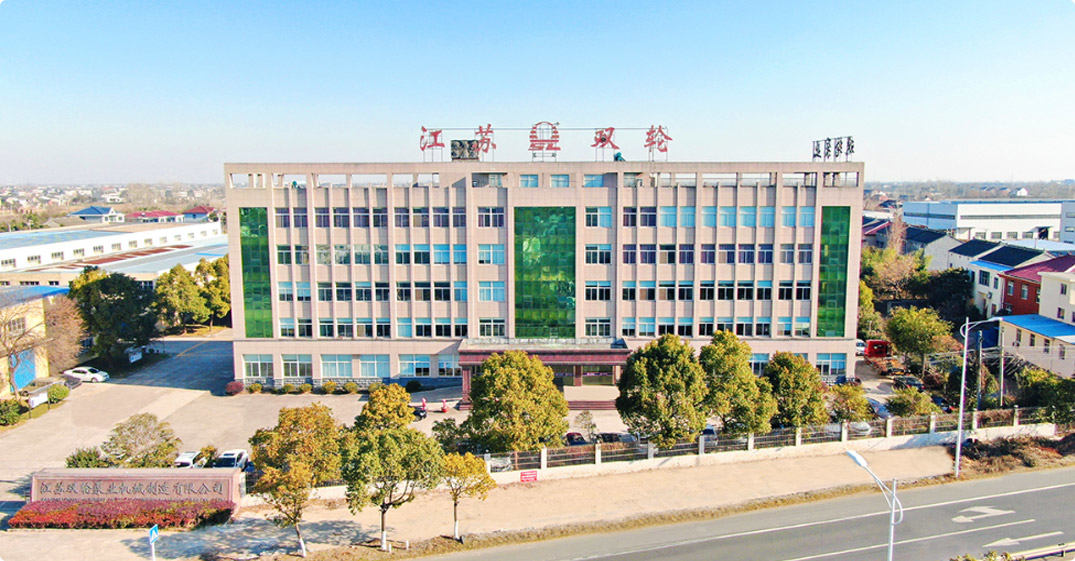
Jiangsu Double-wheel Pump Machinery Manufacting Co.,Ltd.
Jiangsu Double Wheel Pump Machinery Manufacturing Co., Ltd. is China Heat Resistant Alloy Material Pump Manufacturers and Wholesale Heat Resistant Alloy Material Pump Factory. The company is located in the scenic Yangtze River bank, Jiangyin Bridge, Beijing-Shanghai Expressway, Shanghai-Nanjing Expressway, Ningtong Expressway, Ningjingyan expressway running through the north and south, the traffic is very convenient, the geographical position is esteemed good. It is a production base specializing in non-sealed self-priming pumps, rain pumps, long-axis liquid pumps, chemical centrifugal pumps, positive displacement pumps and environmental protection equipment and mechanical equipment. The company has two production bases, covering an area of nearly 60,000 square meters, of which the eastern base covers an area of 33,000 square meters, the western base covers an area of 27,000 square meters, six modern production workshops, two installation workshops, a professional test workshop, a variety of mechanical processing equipment more than 160 sets, including a pump comprehensive performance test platform, Can test diameter 32-1200mm, motor power 1.1-1200KW, voltage 380V-10KV of various types of pumps, scientific research, development, manufacturing, processing, promotion, application of its own system. In the past two years, the company has closely followed the national industrial policy, made a big deal about environmental protection, and undertaken a large number of sewage treatment projects, which is unique in the environmental protection industry.
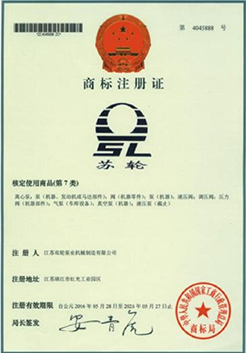
Certificate Of Honor


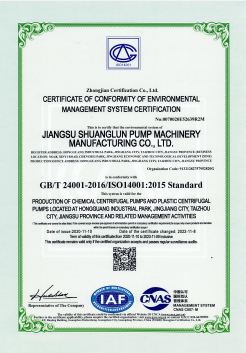
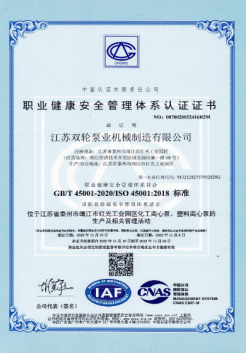
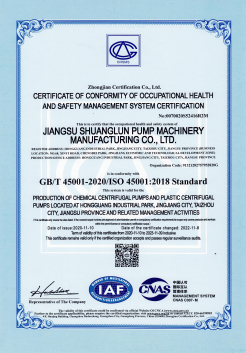
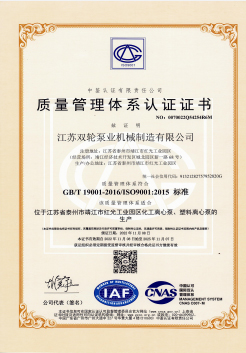
-
0

Be established in
-
0+

Professional personnel
-
0 million

Registered capital
-
0 ㎡

Plant area
After-Sales Service
Maintenance and Technical Support
Comprehensive lifecycle support for HRA heat resistant alloy pump installations — from pre-order alloy selection engineering and thermal design review through factory hot alignment testing, commissioning supervision, periodic inspection, seal system maintenance, and long-term metallurgical integrity monitoring across the full high-temperature service life of your critical process equipment.
Maintenance and Spare Parts
Sustaining thermal integrity and mechanical reliability across the full high-temperature service life
- High-Temperature Seal System Maintenance Kits: We supply application-specific seal maintenance kits for every HRA seal configuration: API Plan 52/53 dual seal kits contain matched SiC-SiC or WC-SiC seal faces, PTFE or graphite secondary seals, cooling coil O-rings, and barrier fluid filling instructions; graphite gland packing kits contain temperature-rated expanded graphite rings in the correct cross-section for the pump shaft diameter, with installation and compression instructions; API Plan 53B bladder accumulator service kits for the barrier fluid pressurisation system. Each kit is assembled specifically for the HRA pump serial number and seal configuration — eliminating the risk of incorrect component selection during hot plant maintenance shutdowns.
- High-Temperature Impeller and Wear Ring Replacement: Replacement impellers and wear rings for the HRA series are manufactured in the same alloy grade as the original — with full EN 10204 3.1 MTC confirming chemistry and mechanical properties, PMI verification after machining, and dynamic balance to ISO 1940 G2.5. For A217 WC9 and higher-grade alloy components, PWHT (post-weld heat treatment) records are included where any welding repair has been performed, satisfying the metallurgical integrity requirements of pressure vessel and refinery inspection authorities for hot-service replacement components.
- PFPE Grease Supply and Bearing Service Programme: PFPE perfluoropolyether grease in the correct NLGI grade and consistency for HRA bearing service is supplied as a dedicated item — in quantities matched to the re-greasing interval and bearing pack volume of each specific HRA bearing housing size, with a calibrated grease gun. Annual bearing inspection and re-greasing service visits are available, during which our engineers also check bearing housing temperature with an infrared thermometer (comparing to the installed PT100 reading for instrument calibration verification), inspect the cooling water coil connection integrity, and record vibration levels for trending.
- Metallurgical Integrity Inspection Service: For HRA pumps in long-term high-temperature refinery and process plant service, we offer a periodic metallurgical integrity inspection — typically at 5-year intervals or at each major plant turnaround. The inspection includes: visual and magnetic particle inspection (MPI) of casing external surfaces for thermal fatigue cracking; ultrasonic thickness measurement of casing walls at critical locations (comparing to original drawing dimensions to measure any high-temperature erosion or corrosion loss); hardness testing of casing material to detect any graphitisation (for carbon steel) or sigma-phase embrittlement (for high-alloy stainless); and a written inspection report with fitness-for-service assessment and recommended corrective actions. This inspection satisfies the high-temperature plant inspection requirements of most national pressure system safety regulations.
- Spare Parts Availability — 12-Year Commitment: All HRA series critical spare components — impellers, wear rings, shaft sleeves, seal assemblies, bearing sets, and casing gaskets in all alloy grades — are guaranteed available for a minimum of 12 years from original delivery. For critical continuous-duty hot process duties (refinery, CSP, heat transfer fluid) where pump unavailability causes immediate production loss, we maintain a consignment stock of the most critical spare components in our regional warehouse, available for same-day emergency dispatch. Alloy material for emergency manufacture of non-stocked components is pre-sourced from certified material suppliers and can be machined to order within an accelerated lead time for urgent situations.
Professional Technical Support
High-temperature metallurgy and thermal engineering expertise at every project stage
- Alloy Selection and Thermal Design Engineering: Before manufacturing commences, our materials engineering team reviews the complete service conditions — fluid identity, temperature (normal, maximum, upset), pressure, thermal cycling profile, fluid chemistry (pH, dissolved oxygen, chloride, sulfur compounds), and expected service life. We issue a formal written alloy selection recommendation with supporting high-temperature materials data (tensile strength at temperature, creep rupture life, oxidation rate) and identify any special manufacturing requirements (PWHT, NDT methods, heat treatment documentation) that apply to the selected alloy grade for the operating conditions.
- Thermal Expansion and Pipe Stress Review: We provide a thermal expansion calculation for the HRA pump at the specified operating temperature — calculating the expected growth of the casing in all three axes from ambient to operating temperature, and the resulting displacement of the suction and discharge nozzles from their cold installation positions. This data is provided to the project piping stress engineer to confirm that the pipe flexibility design adequately accommodates the nozzle displacements without exceeding the allowable nozzle loads. We also review the hold-down bolt and sole plate design to confirm that the pump can slide freely on the baseplate during thermal growth without binding or generating distorting constraint forces.
- Factory Hot Alignment Test — Optional but Recommended: For critical refinery and high-temperature process duties, we recommend the factory hot alignment test — running the HRA pump in our heated test facility at the specified operating temperature, verifying shaft alignment, bearing temperature, seal system performance, and hydraulic output at actual process conditions. The test report confirms that no unexpected thermal distortion or misalignment occurs at operating temperature, providing commissioning confidence that cannot be obtained from ambient-temperature testing alone. Third-party inspection witness of the hot alignment test is available for API 610 and major project quality plan requirements.
- Commissioning and Warm-Up Supervision: Factory-trained application engineers attend site for HRA pump station commissioning — supervising the controlled warm-up procedure, verifying pipe nozzle loads by dial indicator during initial heat-up, checking seal barrier fluid system performance during first heat-up cycle, recording vibration and bearing temperature during steady-state operation at full operating temperature, and confirming hydraulic performance against the design duty specification. A commissioning report with all recorded data is provided for the plant handover documentation file, satisfying the requirements of pressure system safety regulations and refinery inspection authority documentation systems.
- 24/7 Emergency Technical Support for Hot Process Failures: Failure of a high-temperature pump in a running refinery, CSP plant, or continuous chemical process creates an immediate production and potentially safety emergency. Our emergency technical support line — staffed around the clock for contracted plant accounts — provides immediate remote diagnostic guidance, identifies the likely failure cause from operational data (vibration history, seal barrier fluid pressure log, bearing temperature trend), and initiates emergency spare parts dispatch or coordinates emergency site attendance. For pump failures involving hot fluid release or potential fire hazard, our response also includes guidance on safe isolation, depressurisation, and cool-down procedures before any maintenance access is attempted.


+86-0523- 84351 090 /+86-180 0142 8659


Welcome To
Jiangsu Double-Wheel Pump
Add 1: Hongguang Industrial Park, Jingjiang City, Jiangsu Province, China
Add 2: No.68, Xinyi Road, Industrial Park, Jingjiang City, Jiangsu Province, China
Contact
-
Tel:
+86-0523- 84351 090
+86-180 0142 8659 -
FAX:
+0523-8435 5588
- E-mail: