language
  русский
 عربى
عربى Indonesia
Chemical Resistant Centrifugal Process Pump Wholesale




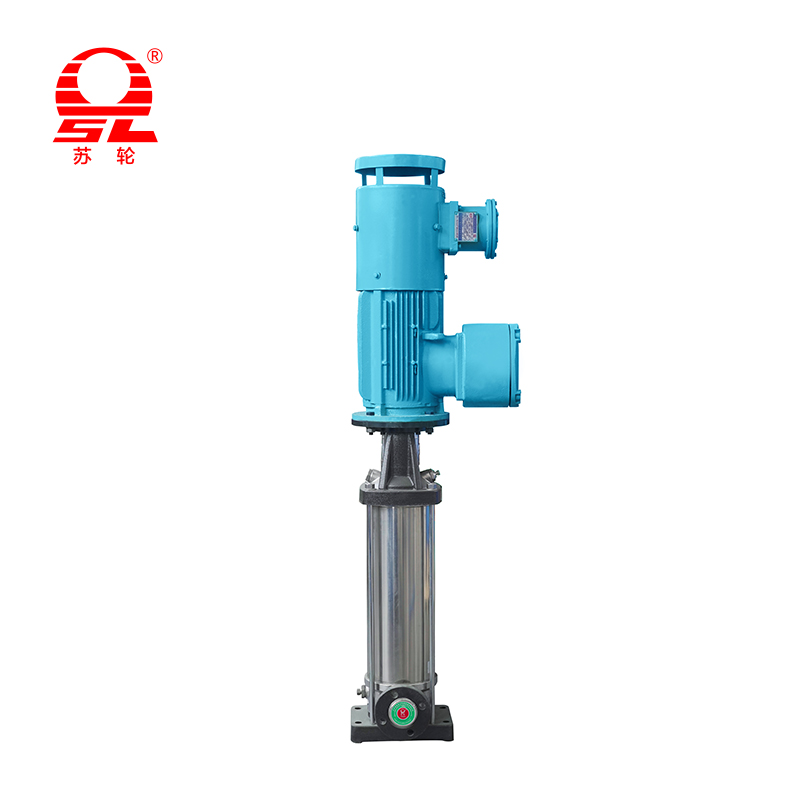
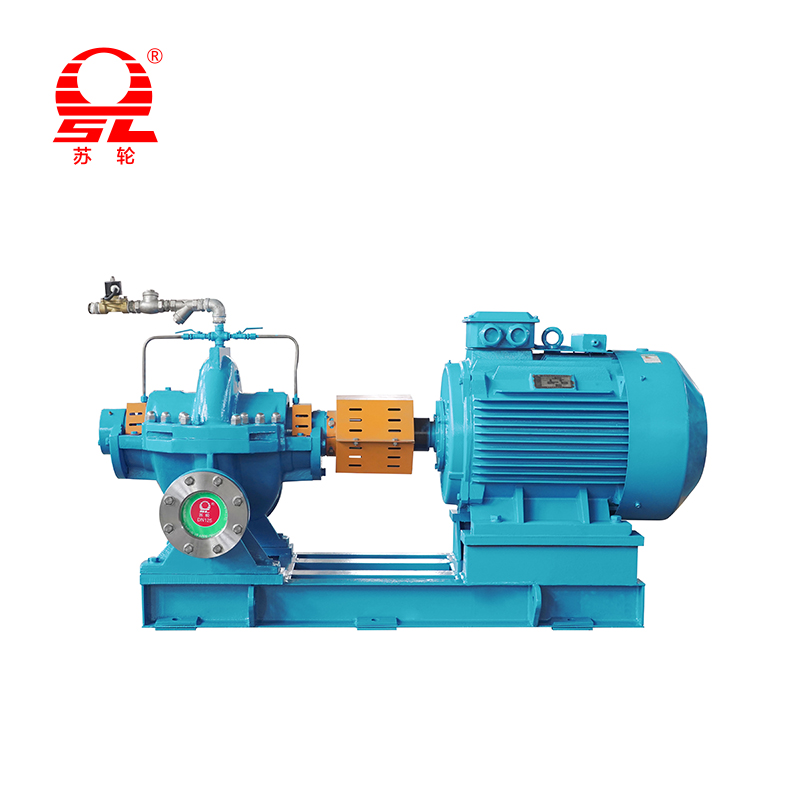
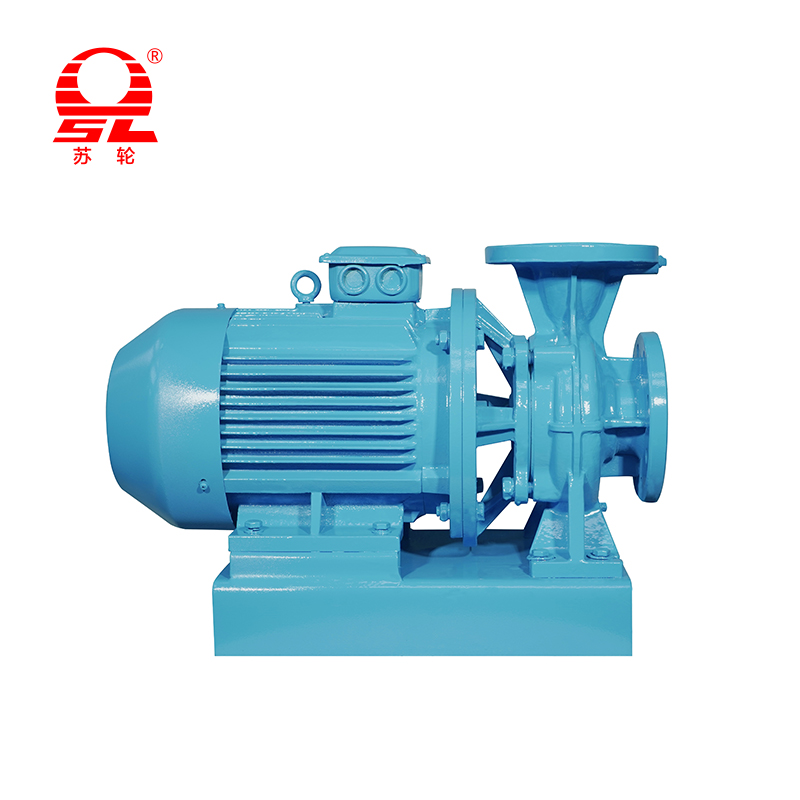
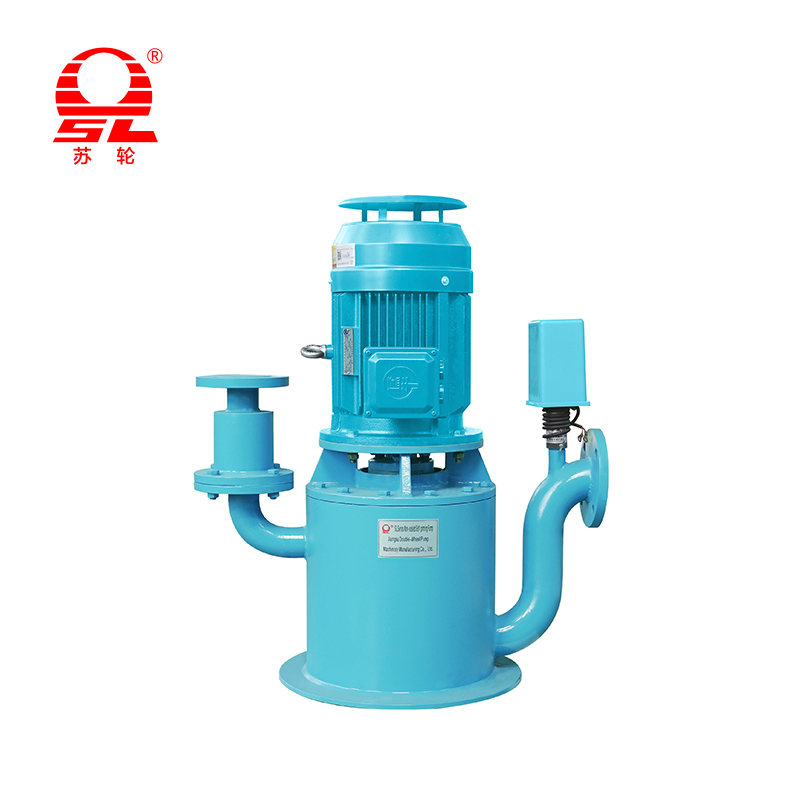

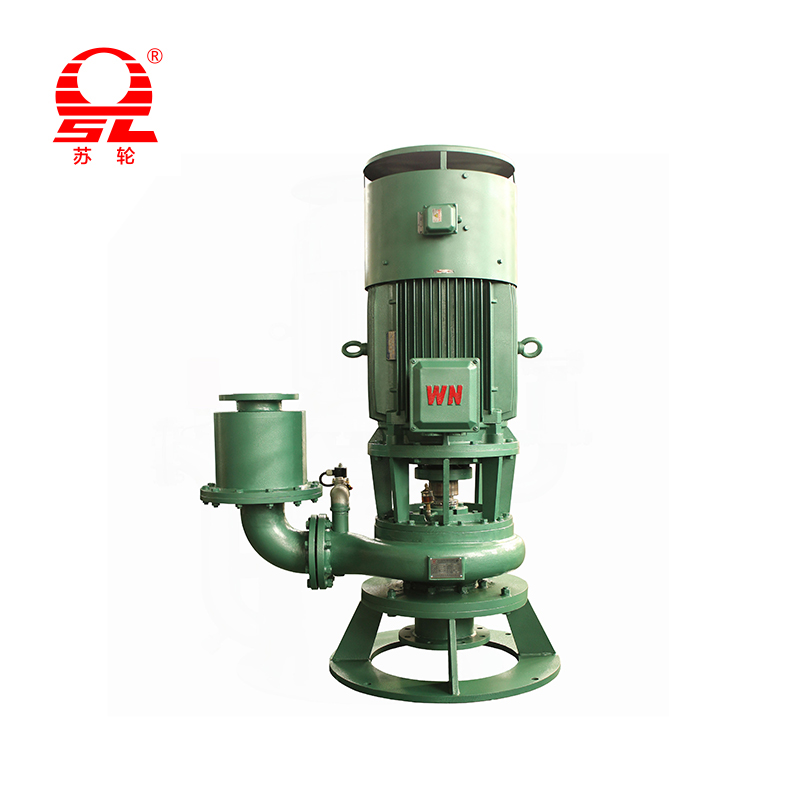


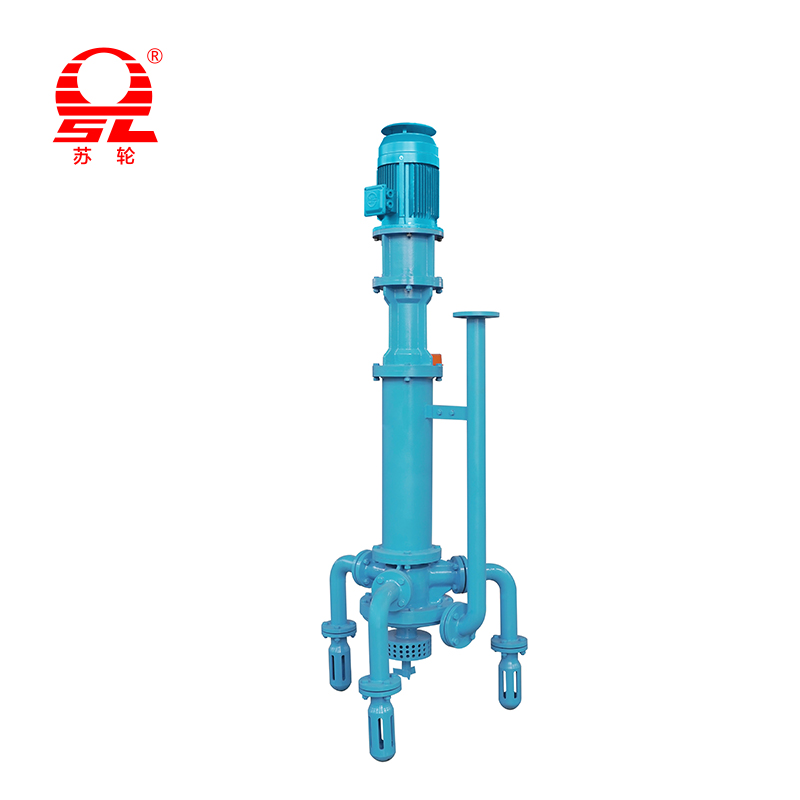

Full Chemical Resistance
ISO 2858 / ANSI B73.1
ISO 9001:2015
CE Certified
API 610 OH2 Option
Chemical Resistant Centrifugal Process Pump
The CRP series delivers certified chemical resistance across the broadest material matrix in its class — SS316L, Duplex 2205, Hastelloy C276, FRPP, and Titanium — combined with ISO 2858 / ANSI B73.1 dimensional compliance for drop-in replacement of any installed chemical process pump. Choose your fluid. We have the material. Choose your sealing philosophy — single seal, double seal, or hermetic mag-drive. Every CRP pump is factory-tested to ISO 9906 Grade 1 and fully documented for your process safety files.
Product Introduction
Built to Resist. Engineered to Perform. Designed to Last.
A deep technical overview of the CRP series Chemical Resistant Centrifugal Process Pump — purpose-built for the transfer of corrosive, aggressive, and chemically complex fluids across the full spectrum of modern process industries.
The Chemical Resistant Centrifugal Process Pump represents the engineering answer to one of the most persistent and costly problems in industrial fluid handling: the degradation and failure of pump wetted components when exposed to aggressive chemical media. Conventional pump materials — standard cast iron, carbon steel, and generic stainless steel — perform adequately for clean water and neutral fluids, but degrade rapidly when subjected to strong acids, oxidizing agents, halogenated solvents, alkalis, and high-temperature chemical mixtures. The CRP series is specifically designed and constructed to eliminate this vulnerability by selecting, engineering, and qualifying every wetted-path component for maximum chemical resistance across the broadest possible range of industrial process fluids.
The CRP series is built on a back-pull-out process pump architecture compliant with ISO 2858 (metric) and ANSI B73.1 (inch) dimensional standards, ensuring dimensional interchangeability with the world's most widely installed process pump platforms. This means that a CRP series pump can replace any ISO 2858 or ANSI B73.1 compliant pump currently installed in your facility without modifying the pipe connections, foundation bolt pattern, or motor adapter — eliminating the civil and mechanical modification costs that typically add 30–50% to pump replacement projects. The back-pull-out feature allows the rotating assembly (impeller, shaft, bearings, and seal) to be withdrawn from the rear of the pump casing for inspection or maintenance without disturbing the suction and discharge piping — dramatically reducing downtime during maintenance events.
Material selection is the defining engineering decision in a chemical process pump, and the CRP series offers the widest material matrix in its class. Pump casings, impellers, and all wetted components are available in SS316L austenitic stainless steel for general chemical service and mild acids; Duplex 2205 and Super Duplex 2507 for high-chloride environments, seawater, and chlorine-containing process streams; Hastelloy C276 and C22 for the most demanding oxidizing acid and mixed acid service including hydrochloric acid, sulfuric acid above 60%, and wet chlorine gas scrubber liquors; PTFE-lined and FRPP (Fiberglass Reinforced Polypropylene) construction for highly corrosive acid transfer at moderate temperatures; and Titanium Grade 2 and Grade 12 for nitric acid, chromic acid, and seawater desalination brine applications. This material breadth means a single pump platform — the CRP series — covers the vast majority of chemical industry fluid transfer requirements without requiring multiple pump families from multiple suppliers.
The shaft sealing system is the second most critical engineering element in a chemical process pump. The CRP series is designed to accommodate the full range of mechanical seal configurations: single mechanical seals (API Plan 11 flush) for clean chemical service; double mechanical seals with barrier fluid systems (API Plan 53A/53B) for toxic, carcinogenic, or environmentally regulated fluids where zero fugitive emission is mandatory; and dry-running gas-lubricated mechanical seals (API Plan 74) for the highest purity and zero-emission requirements in pharmaceutical and fine chemical manufacturing. For applications where any seal-based leakage is unacceptable, the CRP series is also available in a magnetically coupled (mag-drive) sealless configuration — eliminating the shaft seal entirely and providing hermetic fluid containment equivalent to a closed vessel.
Hydraulic performance is optimized through CFD-validated impeller designs that balance efficiency against the wide operating ranges typical of batch chemical processes. Unlike continuous-duty utility pumps that operate at a single duty point, chemical process pumps frequently cycle through varying flow conditions as batch reactions proceed and tank levels change. The CRP impeller hydraulics are designed for a broad efficiency plateau — maintaining high efficiency across 70–120% of best efficiency point (BEP) flow — minimizing heat input to temperature-sensitive chemical streams during off-design operation. Closed impeller designs provide maximum efficiency and pressure capability for most services; semi-open impellers are available for slurry and crystallizing media where closed impeller passages would block.
The CRP series is engineered and documented in full compliance with ISO 5199 (Technical requirements for centrifugal pumps — Class II) and ASME B73.1 chemical pump standards, and carries CE marking, ISO 9001:2015 certification, and optional ATEX explosion-proof classification for Zone 1 and Zone 2 hazardous areas. Every pump undergoes a complete factory acceptance test (FAT) per ISO 9906 Grade 1 acceptance criteria before shipment, with certified head-capacity, power, efficiency, and NPSHr data provided in the factory test report. Material traceability is maintained through the full supply chain, with mill test certificates (MTC) provided for all pressure-retaining components, enabling customers to verify material compliance with their process safety requirements.
For large-scale chemical plant projects, the CRP series is available with full API 610 (OH2 overhung impeller) compliant construction for refinery and petrochemical service — including heavy-duty bearing housing, double-row angular contact thrust bearings, API-compliant seal chambers, and engineered baseplate with sole plates and precision-machined motor mounting pads. This API-grade construction provides the long bearing life, low vibration, and shaft deflection limits required by international refinery engineering specifications and owner-operator purchase requisitions.
ISO 2858 / ANSI B73.1 dimensional compliance — drop-in replacement
SS316L / Duplex 2205 / Hastelloy C276 / FRPP / Titanium wetted options
Single seal / double seal / mag-drive sealless configurations
API 610 OH2 compliant construction available for refinery service
ISO 5199 / ASME B73.1 engineering compliance
ISO 9906 Grade 1 factory acceptance test — certified performance data
ATEX Ex d IIB/IIC T4 explosion-proof motor option
Full MTC material traceability for all pressure-retaining components
Technical Data
Technical Specifications
Full performance and construction parameters for the CRP series Chemical Resistant Centrifugal Process Pump — from standard chemical duty to API 610 refinery-grade configurations.
| Parameter | Specification |
|---|---|
Flow Rate Range | 1 m³/h – 3,000 m³/h |
Total Head Range | 5 m – 160 m |
Inlet / Outlet Diameter | DN 25 mm – DN 500 mm |
Motor Power Range | 0.37 kW – 1,500 kW |
Supply Voltage | 220 V / 380 V / 6 kV / 10 kV (50 / 60 Hz) |
Rated Speed | 960 – 3,000 rpm (VFD compatible) |
Operating Temperature | −40 °C to +200 °C (material-dependent) |
Max Working Pressure | Up to 2.5 MPa (PN25); PN40 on request |
Casing / Impeller Materials | SS316L · Duplex 2205 · Super Duplex 2507 · Hastelloy C276/C22 · FRPP · PVDF · Titanium Gr.2/12 |
Shaft Seal Options | Single mech. seal · Double seal (API Plan 53) · Gas seal (API Plan 74) · Mag-drive sealless |
Impeller Type | Closed / Semi-open / Vortex (for slurry / crystallizing media) |
Dimensional Standard | ISO 2858 (metric) / ANSI B73.1 (inch) — interchangeable |
Flange Standard | GB / DIN / ANSI / JIS (customizable) |
Design Standard | ISO 5199 · ASME B73.1 · API 610 OH2 (optional) |
Fluid pH Range | pH 0 – 14 (material selection dependent) |
Explosion-Proof Option | Ex d IIB T4 / Ex d IIC T4 (ATEX / IECEx) |
Noise Level | ≤ 82 dB(A) at 1 m under rated load |
Test Standard | ISO 9906 Grade 1 factory acceptance test (FAT) |
Certifications | ISO 9001:2015 · CE · ATEX (optional) · PED 2014/68/EU |
Why Choose CRP
Core Advantages
Eight engineering and commercial advantages that make the CRP series the most versatile, compliant, and cost-effective chemical resistant centrifugal process pump platform for modern process industries.
Widest Material Matrix in Class
No other single pump platform offers the CRP's breadth of wetted-path material options — from SS316L for general chemical service through Duplex 2205 for chloride environments, Hastelloy C276 for the most aggressive mixed acids, FRPP and PVDF for halogenated solvents and strong oxidizers, to Titanium Grade 12 for nitric and chromic acid. One platform, virtually unlimited chemical coverage.
ISO 2858 / ANSI B73.1 Drop-In Replacement
Full dimensional compliance with both ISO 2858 (metric) and ANSI B73.1 (inch) standards means the CRP pump replaces any existing ISO or ANSI chemical pump without pipe modification, foundation work, or motor adapter changes. This dramatically reduces replacement project cost and downtime — turning what would be a major shutdown job into a direct bolt-in swap.
Three Sealing Philosophies — One Platform
The CRP seal chamber accommodates single mechanical seals for standard chemical service, API Plan 53 pressurized double seals for toxic and regulated fluids, API Plan 74 dry gas seals for ultra-clean pharmaceutical service, and a hermetic mag-drive sealless configuration for absolute zero-emission requirements. Changing the sealing system does not require changing the hydraulic casing or impeller.
ISO 9906 Grade 1 Factory Acceptance Test
Every CRP pump is tested on our calibrated pump test stand to the most stringent acceptance grade of ISO 9906. The certified test report includes H-Q curve (minimum 5 operating points), shaft power curve, efficiency curve, and NPSHr curve. This data is your contractual guarantee that the delivered pump performs exactly as specified — critical for HAZOP-reviewed process safety files and engineering contractor acceptance documentation.
Back-Pull-Out for Minimum Downtime
The back-pull-out design allows the entire rotating assembly — impeller, shaft, mechanical seal, and bearing housing — to be withdrawn from the rear of the pump without disconnecting the suction or discharge flanges, without disturbing pipe alignment, and without requiring foundation bolt removal. A complete seal replacement on a CRP pump takes less than two hours with standard tools, compared to a full day or more for non-back-pull-out designs.
API 610 OH2 Refinery-Grade Construction
For refinery and petrochemical service where API 610 compliance is a mandatory engineering specification, the CRP series is available in full API 610 OH2 construction — including heavy-duty bearing housing with L10 bearing life exceeding 25,000 hours, API seal chamber geometry, precision-machined sole plates, and engineered baseplate with grout holes. Full API 610 data sheets completed and signed by our engineering department are provided with every API-grade unit.
Wide Temperature Range
CRP material options cover an operating temperature envelope from −40 °C (cryogenic chemical service with SS316L at low carbon content) to +200 °C (high-temperature heat transfer fluid and hot acid service with Hastelloy or PTFE-lined construction). This breadth means the CRP platform serves both cold-process pharmaceutical manufacturing and high-temperature reactor feed and product service in the same chemical plant.
Full Process Safety Documentation
CRP pumps ship with a complete documentation package specifically assembled for chemical plant process safety requirements: certified factory test report (ISO 9906 Gr.1), material test certificates (EN 10204 3.1) for all pressure-retaining components, CE Declaration of Conformity, PED 2014/68/EU pressure equipment compliance, ATEX certificate (when specified), dimensional inspection report, and hydrostatic test certificate — everything required for your HAZOP, PSSR, and engineering handover files.
Use Cases
Primary Applications
The CRP series Chemical Resistant Centrifugal Process Pump is specified across the world's most chemically intensive industries — wherever fluid corrosivity, process safety, regulatory compliance, and operational continuity are simultaneously non-negotiable.
Inorganic Chemical Manufacturing
Transfer of concentrated sulfuric acid (H₂SO₄), hydrochloric acid (HCl), nitric acid (HNO₃), phosphoric acid (H₃PO₄), and sodium hydroxide (NaOH) in large-scale inorganic chemical plants. Hastelloy C276 and FRPP material options cover even fuming and mixed acid services. Double mechanical seals with API Plan 53B barrier fluid systems prevent any fugitive emission of toxic acid vapors to the plant atmosphere.
Pharmaceutical and Fine Chemical
Polished SS316L or Hastelloy C276 impellers and casings for transferring APIs, solvents, reaction mixtures, and process liquors in pharmaceutical manufacturing. Mag-drive sealless versions provide zero-contamination, zero-emission fluid transfer critical for GMP compliance. FDA-compliant elastomer seal materials (PTFE, EPDM, FFKM) available for product contact applications.
Petrochemical and Refinery
API 610 OH2 compliant CRP units for hydrocarbon, amine, caustic, and corrosive process stream service in refinery units including crude distillation, hydrotreating, reforming, and amine gas treating. ATEX-certified motors for Zone 1 classified areas. Heavy-duty bearing housing provides API-specified L10 bearing life exceeding 25,000 hours in continuous refinery service.
Semiconductor and Electronics
Ultra-high-purity PVDF and PTFE-lined CRP pumps for transferring HF (hydrofluoric acid), H₂O₂ (hydrogen peroxide), slurry CMP chemicals, and ultra-pure rinse water in semiconductor wafer fabrication. Mag-drive sealless construction eliminates any contamination risk from seal face materials. Electropolished wetted surfaces minimize particle generation and chemical contamination of process streams.
Flue Gas Desulfurization (FGD)
Duplex 2205 and rubber-lined CRP variants for handling abrasive limestone slurry, gypsum slurry, and acidic scrubber liquor in power plant FGD systems. The combination of corrosion resistance (pH 4–6 scrubber environment) and abrasion resistance (15–30% solids limestone slurry) is uniquely addressed by the CRP's broad material matrix and semi-open/vortex impeller options.
Water Treatment and Desalination
Duplex 2205 and Super Duplex 2507 CRP pumps for seawater reverse osmosis (SWRO) high-pressure feed, brine recirculation, and chemical dosing (sodium hypochlorite, antiscalant, acid) in municipal and industrial desalination plants. Super Duplex material provides superior pitting resistance in high-chloride, high-pressure brine service compared to standard stainless steel.
Battery and New Energy Materials
Hastelloy C276 and Titanium CRP pumps for lithium battery electrolyte handling, lithium hydroxide (LiOH) solution transfer, NMC precursor slurry, and sulfuric acid in battery-grade lithium sulfate processing. The rapidly growing new energy materials sector requires chemical pump solutions that can handle both strongly corrosive and highly pure process streams — exactly the CRP's engineering brief.
Chlor-Alkali and Electrochemical
Titanium Grade 2 and Hastelloy C22 CRP pumps for wet chlorine gas scrubber liquor, sodium hypochlorite, and chlorinated brine handling in chlor-alkali electrolysis plants. These highly oxidizing, high-temperature, chloride-saturated streams destroy standard stainless steel in weeks — but are fully within the CRP's Titanium and Hastelloy material capabilities. Double seals with nitrogen barrier prevent chlorine vapor emission.
Head-to-Head
Performance Comparison
A detailed comparison of the CRP Chemical Resistant Centrifugal Process Pump against standard chemical pumps with limited material options and non-compliant construction — across the criteria that matter most in chemical process applications.
| Feature / Criteria | CRP Chemical Resistant Pump | Standard Chemical Pump (SS316 only) | Plastic / FRPP Pump |
|---|---|---|---|
| Material Range | 8+ options: SS316 to Hastelloy, Titanium, FRPP | SS316 only — limited chemical range | FRPP/PVDF only — no metal option |
| Operating Temperature | −40 °C to +200 °C | Up to +180 °C (SS316) | Max 80–100 °C (plastic limitation) |
| Max Working Pressure | Up to 2.5 MPa (PN25/PN40) | Up to 1.6 MPa (PN16) | Max 0.6 MPa — low pressure only |
| Sealing Options | Single / Double / Gas / Mag-drive — all in one platform | Single or double seal only | Usually single seal only; mag-drive rare |
| ISO 2858 / ANSI B73.1 Compliance | Full compliance — direct drop-in replacement | Often non-standard dimensions | Non-standard — pipe modification required |
| API 610 Compliance Option | Full API 610 OH2 available | Rarely available at this price range | Not available — plastic construction |
| Factory Performance Test | ISO 9906 Grade 1 — certified data sheet | Often ISO 9906 Grade 2 or no test | Typically no certified test data |
| Material Traceability (MTC) | EN 10204 3.1 MTC for all wetted parts | Limited — often EN 10204 2.2 only | Not applicable to plastic construction |
| ATEX Certification | Ex d IIB/IIC T4 — Zone 1 and Zone 2 | Available but often at extra lead time | Limited — static charge risk with plastic |
| Back-Pull-Out Maintenance | Standard — <2 hours seal replacement | Design varies — not always back-pull-out | Typically requires full pump disassembly |
Expert Tips
Usage Tips and Best Practices
Maximize the service life, chemical integrity, and process safety performance of your CRP series Chemical Resistant Centrifugal Process Pump with these expert recommendations from our chemical process engineering team.
1
Confirm Chemical Compatibility Before Ordering
Never assume that because your fluid is called "dilute acid" it is compatible with SS316L. Compatibility depends on exact chemical identity, concentration, temperature, and the presence of trace contaminants (especially chlorides, fluorides, and oxidizers). Request our chemical compatibility chart or submit your fluid specification to our application engineering team for a written material recommendation before specifying. The cost of a material recommendation consultation is zero; the cost of specifying the wrong material can be catastrophic.
2
Mechanical Seal Flush Plan Selection
The correct API seal flush plan is as important as the correct impeller material. For clean chemical fluids, API Plan 11 (pump discharge recirculation to seal face) is usually adequate. For slurries or crystallizing fluids, use API Plan 32 (external clean flush) to keep abrasives away from the seal faces. For toxic or carcinogenic media, specify API Plan 53B (pressurized barrier fluid bladder accumulator) to ensure the barrier fluid pressure always exceeds the process pressure, preventing any process fluid ingress to the seal faces or outward emission to atmosphere.
3
Preventing Corrosion Under Insulation (CUI)
If your CRP pump operates with a heated or cooled casing (heat-tracing or jacketing), ensure that the insulation is properly sealed at all flanges and valve connections to prevent moisture ingress. Corrosion under insulation (CUI) is the most insidious corrosion mechanism in chemical plants — it is invisible until severe damage has occurred. Apply a high-temperature corrosion-inhibiting coating under all insulation on carbon steel components of the pump installation (baseplate, motor frame) and use stainless steel banding and saddle supports rather than carbon steel for casing insulation jacketing.
4
Thermal Expansion Management
Chemical process pumps operating at elevated temperatures (above 80 °C) experience significant thermal expansion of the casing, pipework, and baseplate. Always provide expansion loops or flexible pipe connections in both suction and discharge piping to prevent thermal pipe stress from being transmitted to the pump casing flanges — which can distort the casing, mis-align the mechanical seal, and cause premature seal failure. The CRP ISO 2858 casing features a centreline-discharge design that minimizes casing distortion from pipe loads, but pipe stress mitigation is still the responsibility of the installation piping engineer.
5
Avoid Dead-Heading the Pump
Dead-heading — running the pump with the discharge valve fully closed — causes all the motor energy to be converted to heat in the recirculating fluid. In chemical service, this temperature rise can cause vaporization, seal damage, or chemical decomposition of the pumped medium within minutes. Always install a minimum flow bypass line sized for at least 25% of BEP flow rate, returning back to the suction vessel. The CRP EACS control module can monitor discharge pressure and automatically open a motorized bypass valve if dead-heading is detected.
6
Mag-Drive Pump Dry-Run Prevention
For mag-drive (magnetic coupling) sealless CRP pumps, dry running causes catastrophic and rapid damage to the containment shell and inner magnet rotor — far more severe than conventional mechanical seal pump dry running. Always interlock the mag-drive pump start with a level switch on the suction vessel, and install a flow switch or power-monitoring relay in the motor circuit (reduced power draw is a reliable dry-run indicator for mag-drive pumps). Never start a mag-drive pump without verifying that the suction pipe and pump casing are fully flooded with liquid.
7
Pump Flushing and Decontamination Protocol
Before any mechanical maintenance on a CRP pump handling toxic, corrosive, or flammable chemicals, establish a written decontamination procedure: isolate suction and discharge valves, depressurize the casing through a drain point to a contained system, flush with a compatible neutralizing or cleaning agent (specified by your process safety team), verify safe atmosphere with a gas detector, then lock-out / tag-out before opening any casing bolts. Never assume the pump is "empty" based on valve position alone — crystallized or viscous residues can remain in the casing and release hazardous vapors when the casing is opened.
8
Baseline and Trend Vibration Analysis
Record vibration velocity (mm/s RMS) at the bearing housing in both horizontal and vertical axes immediately after commissioning at the rated operating point. Repeat measurements every 3 months as part of your predictive maintenance program. A rising vibration trend — even before reaching ISO 10816 alarm limits — indicates developing bearing wear, impeller erosion, or cavitation onset. In chemical service, impeller corrosion and erosion can alter the impeller geometry and hydraulic balance over time, causing a gradual vibration increase that is detectable months before catastrophic failure. Trending catches this early; alarm-only monitoring misses it.
FAQ
Frequently Asked Questions
Detailed, engineering-level answers to the questions most frequently asked by chemical plant engineers, procurement teams, and project managers about the CRP series Chemical Resistant Centrifugal Process Pump.
How do I select the right material for my specific chemical fluid?
Material selection depends on four factors: chemical identity, concentration, temperature, and the presence of trace contaminants. General guidance: SS316L for dilute acids (below 10%), neutral pH organics, and alkaline solutions below 60 °C; Duplex 2205 for chloride-containing streams, seawater, and phosphoric acid; Hastelloy C276 for hydrochloric acid at all concentrations, sulfuric acid above 60%, wet chlorine, and mixed acid streams; FRPP for strong inorganic acids at moderate temperature (below 90 °C); PVDF for halogens, hydrogen peroxide, and strong oxidizers; Titanium Grade 2 for nitric acid, chromic acid, and seawater. Submit your full fluid specification — name, concentration, temperature, pH, and any trace components — and our application engineering team will issue a written material recommendation with corrosion rate data where available.
What is the difference between a mag-drive pump and a conventional mechanical seal pump?
A conventional mechanical seal pump uses a rotating seal face pressed against a stationary seal face to prevent leakage around the shaft. There is always a microscopic film of liquid at the seal face — which means there is always a small amount of fugitive emission (vapor or liquid) to the atmosphere. A mag-drive (magnetic coupling) pump has no shaft penetration through the casing at all. The motor drives an outer magnet rotor, which magnetically drives an inner magnet rotor inside the hermetically sealed fluid casing — with the fluid space completely sealed from the atmosphere by a metallic or non-metallic containment shell. The result is absolute zero fugitive emission — the pump is hermetically sealed like a closed vessel. Mag-drive is specified for highly toxic, carcinogenic, environmentally regulated, or ultra-pure fluids where even vapor-phase leakage is unacceptable. The trade-off is sensitivity to dry running and limited maximum power transmission through the magnetic coupling.
Can the CRP pump directly replace my existing ANSI B73.1 or ISO 2858 pump?
Yes — this is one of the CRP's primary commercial advantages. Full compliance with both ISO 2858 (metric) and ANSI B73.1 (inch) dimensional standards means that all pipe connection centerline locations, pipe flange dimensions, foundation bolt hole pattern, motor adapter (IEC or NEMA frame), and baseplate dimensions match the original pump exactly. To confirm direct replaceability, provide us with the existing pump's make, model number, and size designation (e.g., "50-32-200" for ISO or "2×3-8" for ANSI), and we will confirm the CRP replacement size and issue a dimensional comparison drawing before you commit to purchase.
What does API 610 OH2 compliance mean, and do I need it?
API 610 is the American Petroleum Institute standard for centrifugal pumps in petroleum, petrochemical, and natural gas industries. OH2 is the overhung impeller, frame-mounted bearing housing configuration. API 610 compliance imposes requirements beyond ISO 5199 — including: minimum L10 bearing life of 25,000 hours, maximum shaft deflection at the seal face of 0.05 mm, specific seal chamber geometry, heavy-duty baseplate with sole plates, and precision-machined motor mounting pads. You need API 610 if your project engineering specification or owner-operator purchase requisition mandates it (common in refinery, LNG, and petrochemical projects), or if you require the guaranteed long bearing life and low vibration for a high-criticality, continuous-duty pump that cannot be taken offline for unplanned maintenance. For general chemical plant service, ISO 5199 or ASME B73.1 construction is usually sufficient and more cost-effective.
What is ISO 9906 Grade 1, and why does the test grade matter?
ISO 9906 is the international standard for rotodynamic pump performance testing. It defines three acceptance grades — Grade 1 (tightest tolerance), Grade 2 (standard), and Grade 3 (widest). Grade 1 allows maximum ±4.5% deviation on head and ±8% deviation on efficiency from the published curve at the specified duty point. Grade 2 allows up to ±9% on head. In practical terms, a Grade 1 tested pump at 100 m rated head is guaranteed to deliver at least 95.5 m; a Grade 2 pump is only guaranteed to 91 m. For chemical process applications where pump duty point determines reactor residence time, heat transfer rate, or downstream pressure — Grade 1 testing is the contractual guarantee that the process will function as designed. All CRP pumps are tested to Grade 1 as standard, not as an option.
Can the CRP pump handle fluids with entrained solids or crystallizing media?
Yes, with the correct impeller configuration. For fluids with light to moderate suspended solids, the semi-open impeller with adjustable front wear plate provides good solids passage and allows field adjustment of the impeller-to-wear-plate clearance to compensate for wear over time. For crystallizing media (where dissolved salts may crystallize in narrow flow passages and block closed impeller vanes), the vortex (recessed) impeller rotates in a pocket behind the fluid stream, creating a vortex that moves fluid through the casing without the fluid passing through the impeller itself — greatly reducing the risk of crystallization blocking the impeller passages. Specify solids content (% by weight), particle size, and crystallization tendency in your enquiry for a definitive impeller recommendation.
What material test certificates (MTC) do you provide?
We provide EN 10204 Type 3.1 material test certificates for all pressure-retaining wetted components — casing, impeller, shaft, and seal gland plate. Type 3.1 is a certificate issued by an authorized inspector from the material manufacturer, certifying that the actual material composition and mechanical properties of the specific heat/batch supplied have been tested and conform to the specification. This is the highest standard of MTC traceability for process equipment, required by most HAZOP-reviewed projects and European Pressure Equipment Directive (PED) compliance. EN 10204 Type 2.2 test reports are available for non-pressure-retaining components. Copies of all MTCs are included in the project data book shipped with every unit.
Does the pump comply with the European Pressure Equipment Directive (PED)?
Yes. CRP pumps supplied for the European market are designed and documented in compliance with EU Pressure Equipment Directive 2014/68/EU (PED). Depending on the fluid category (Group 1 for hazardous chemicals, Group 2 for non-hazardous) and the DN × PN product, pumps are classified to PED Category I, II, or III and CE marked accordingly. For Group 1 Category III equipment, a notified body (NB) assessment is required — we work with approved NB organizations (TÜV, Bureau Veritas) to complete this assessment and include the NB certificate number in the CE Declaration of Conformity. Provide the fluid classification (Group 1 or 2 per PED Annex II) in your enquiry for an upfront PED category determination.
What seal elastomer materials are available for high-temperature chemical service?
Standard seal elastomer (O-ring and bellows) options include: EPDM for alkaline and dilute acid service up to 150 °C; FKM (Viton) for aliphatic hydrocarbons and many acids up to 200 °C; FFKM (Kalrez / Chemraz) for the broadest chemical resistance including strong acids, strong bases, and solvents at elevated temperature — the premium choice for chemical process service where other elastomers fail; PTFE encapsulated O-rings for universal chemical resistance where compression seal is not required; and PTFE bellows secondary seals for ultra-high-purity and aggressive chemical service. Specify your fluid and temperature and we will recommend the correct elastomer with its expected service life estimate.
What is the typical lead time and what is the minimum order quantity?
Minimum order quantity is 1 unit. Standard CRP pumps in SS316L with single mechanical seal and stock motor sizes ship within 20–30 business days. Duplex 2205 and Hastelloy C276 material variants require 35–50 business days. PVDF, FRPP-lined, Titanium, and mag-drive configurations require 45–60 business days. API 610 compliant units with third-party inspection and ATEX certification require 60–80 business days. For urgent replacement projects (unplanned pump failure in a running plant), contact our emergency supply team — we maintain a stock of standard-size CRP casings, impellers, and rotating assemblies that can significantly reduce lead time for the most common sizes and materials.
Can you supply the pump with a complete skid package including motor, baseplate, coupling, and instrumentation?
Yes — complete pump skid packages are available and preferred for project installations. A standard CRP skid includes: CRP pump and motor factory-aligned on a common baseplate, flexible disc coupling with guard, suction and discharge isolation valves (ball or butterfly), pressure gauges on suction and discharge, mechanical seal flush system (as specified by API plan), motor junction box and cable gland, lifting lugs, and all internal piping between components. VFD, control panel, flow meter, and ATEX instrumentation can be added to create a fully instrumented, ready-to-connect pump skid unit that minimizes on-site installation time and ensures all components are factory-aligned and tested together before shipment.
Company
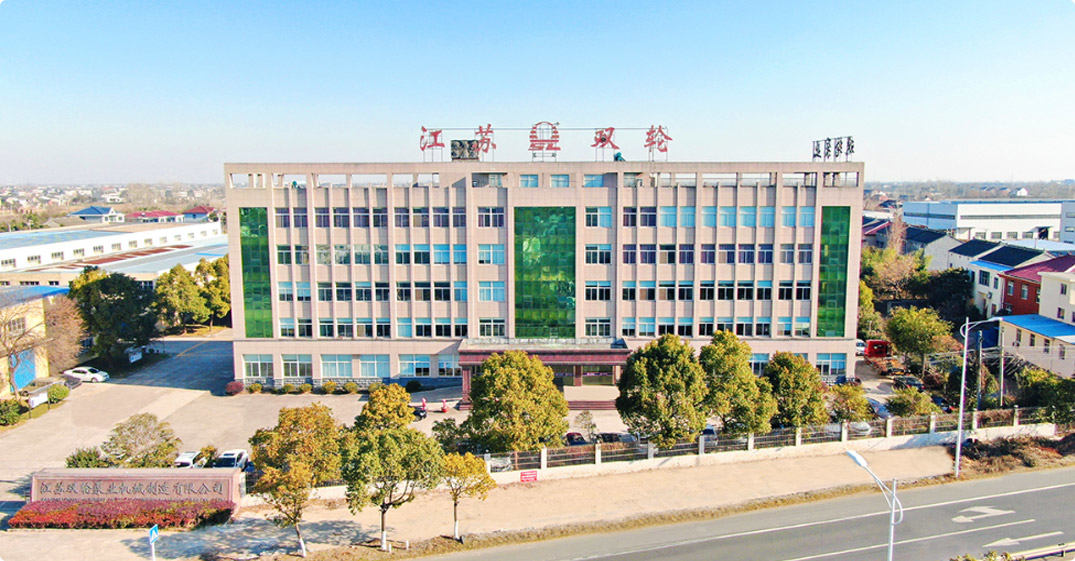
Jiangsu Double-wheel Pump Machinery Manufacting Co.,Ltd.
Jiangsu Double Wheel Pump Machinery Manufacturing Co., Ltd. is China Chemical Resistant Centrifugal Process Pump Manufacturers and Wholesale Chemical Resistant Centrifugal Process Pump Factory. The company is located in the scenic Yangtze River bank, Jiangyin Bridge, Beijing-Shanghai Expressway, Shanghai-Nanjing Expressway, Ningtong Expressway, Ningjingyan expressway running through the north and south, the traffic is very convenient, the geographical position is esteemed good. It is a production base specializing in non-sealed self-priming pumps, rain pumps, long-axis liquid pumps, chemical centrifugal pumps, positive displacement pumps and environmental protection equipment and mechanical equipment. The company has two production bases, covering an area of nearly 60,000 square meters, of which the eastern base covers an area of 33,000 square meters, the western base covers an area of 27,000 square meters, six modern production workshops, two installation workshops, a professional test workshop, a variety of mechanical processing equipment more than 160 sets, including a pump comprehensive performance test platform, Can test diameter 32-1200mm, motor power 1.1-1200KW, voltage 380V-10KV of various types of pumps, scientific research, development, manufacturing, processing, promotion, application of its own system. In the past two years, the company has closely followed the national industrial policy, made a big deal about environmental protection, and undertaken a large number of sewage treatment projects, which is unique in the environmental protection industry.
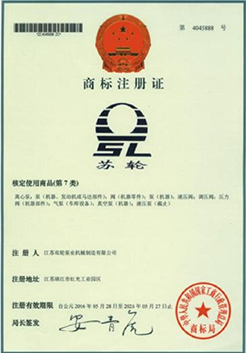
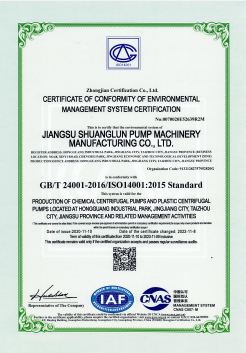
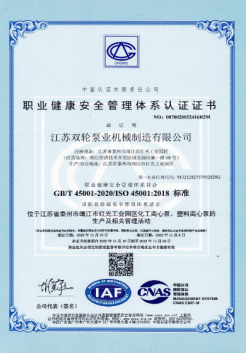
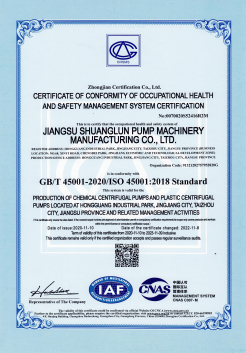
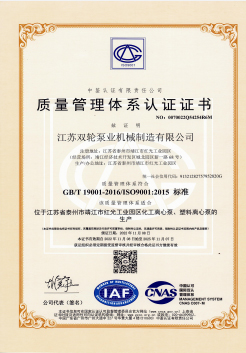
Certificate Of Honor


-
0

Be established in
-
0+

Professional personnel
-
0 million

Registered capital
-
0 ㎡

Plant area
After-Sales Service
Maintenance and Technical Support
Comprehensive chemical process pump lifecycle support — from pre-order material selection engineering through installation commissioning, predictive maintenance programs, spare parts supply, and performance upgrade consultation — backed by our chemical engineering and fluid mechanics team.
Maintenance and Spare Parts
Designed for minimum plant downtime in chemical process environments
- Back-Pull-Out Seal Replacement in Under 2 Hours: The CRP back-pull-out design allows the complete rotating assembly to be withdrawn and the mechanical seal replaced without disturbing pipe flanges or re-aligning the pump. A trained operator with standard tools can complete a seal change in under two hours, returning the pump to service within the same maintenance shift — minimizing production interruption.
- Chemical Plant Spare Parts Strategy: We recommend a site-level spare parts strategy based on criticality classification. For Tier 1 (single-pump critical service): one complete assembled rotating assembly (impeller, shaft, bearings, seal) kept on-site in a clean storage bag. For Tier 2 (spared service with standby pump): a seal kit, bearing set, and impeller set kept on-site. We supply a formal spare parts list with part numbers and recommended quantities at the time of pump delivery.
- Decontamination-Safe Maintenance Design: All CRP drain and vent connections are located and sized to allow complete casing drainage before maintenance — reducing chemical exposure risk to maintenance personnel. The casing drain port connects to a contained drainage system (pump-to-sump or to a chemical waste collection drum) for safe, clean decontamination before casing opening.
- 10-Year Spare Parts Availability Guarantee: All CRP internal components remain available for a minimum of 10 years from original delivery date. For long-term plant maintenance contracts, we offer a consignment stock arrangement where agreed components are held at our warehouse and dispatched same-day on receipt of purchase order — eliminating lead time in emergency maintenance situations.
- Seal Upgrade and Retrofit Services: If your current single mechanical seal installation needs upgrading to a double seal or mag-drive configuration (due to regulatory changes, new chemical service requirements, or recurring seal failures), we provide a retrofit engineering assessment. In most cases the CRP casing can be retained while the seal housing, gland plate, and seal components are upgraded to the new configuration without requiring a new pump purchase.
Professional Technical Support
Chemical engineering expertise behind every pump, every application
- Pre-Order Chemical Compatibility Engineering: Submit your complete fluid specification — including fluid name, CAS number, concentration range, operating temperature range, pH, specific gravity, and any trace contaminants — and our materials engineering team will issue a formal written material recommendation with supporting corrosion data, specifying both the pump material and the seal elastomer, face material, and flush plan for your specific chemical service.
- Full API 610 Datasheet Preparation: For refinery and petrochemical projects requiring API 610 compliant data sheets, our engineering team prepares and signs the complete API 610 data sheet package including: pump data sheet, seal data sheet, seal flush plan drawing, baseplate drawing, performance curve, and coupling data sheet. This documentation package satisfies the requirements of international engineering contractors (EPC) and owner-operator purchase requisitions.
- HAZOP Support Documentation: We prepare application-specific safety data to support your process HAZOP review — including failure mode analysis for the pump and seal system, consequence of seal failure for the specific chemical service, recommended safety instrumented system (SIS) interlocks (high temperature, low flow, low suction pressure), and process safety information (PSI) for the pump as a process component.
- 24/7 Emergency Technical Response: For unplanned failures in running chemical plants, our emergency response team is available around the clock. Response within 6 hours for critical pump failures includes: remote troubleshooting guidance, accelerated spare parts dispatch from our warehouse, and where required, coordination of urgent alternative supply from our manufacturing facility. We maintain 24/7 contact via dedicated emergency phone line and engineering WhatsApp group for contracted plant accounts.
- Performance Monitoring and Predictive Maintenance Consultation: Our application engineers can review your pump operating data (pressure, flow, current, temperature, vibration trends) remotely and provide a written condition assessment with maintenance recommendations — identifying developing problems such as impeller corrosion-induced performance degradation, seal wear, or cavitation onset before they result in unplanned failure. This service is particularly valuable for pumps in aggressive chemical service where corrosion rates are difficult to predict from laboratory data alone.


+86-0523- 84351 090 /+86-180 0142 8659


Welcome To
Jiangsu Double-Wheel Pump
Add 1: Hongguang Industrial Park, Jingjiang City, Jiangsu Province, China
Add 2: No.68, Xinyi Road, Industrial Park, Jingjiang City, Jiangsu Province, China
Contact
-
Tel:
+86-0523- 84351 090
+86-180 0142 8659 -
FAX:
+0523-8435 5588
- E-mail: