language
  русский
 عربى
عربى Indonesia
Energy Saving Centrifugal Cooling Pump Wholesale



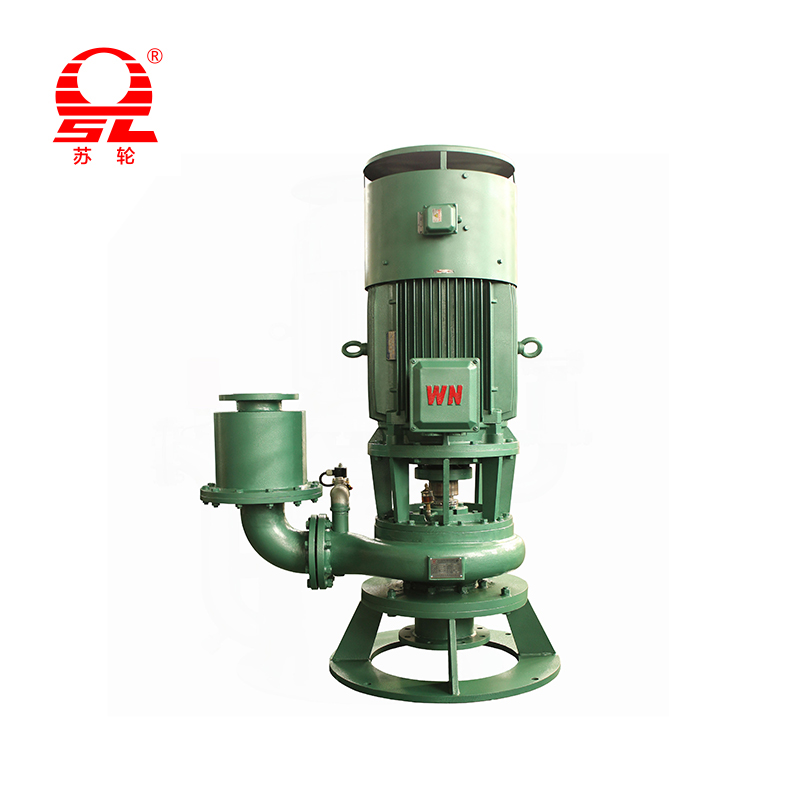

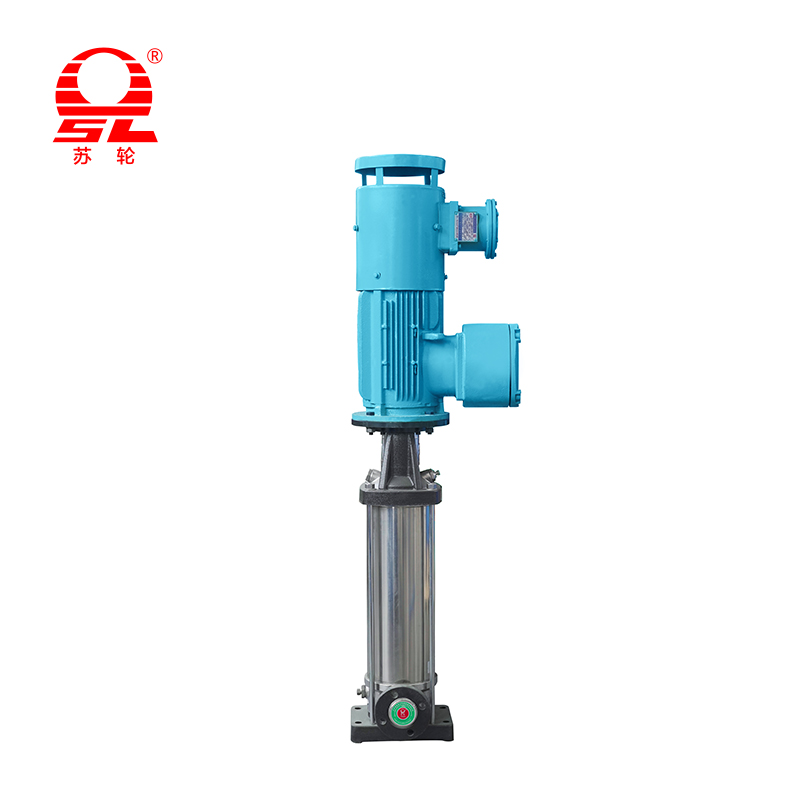
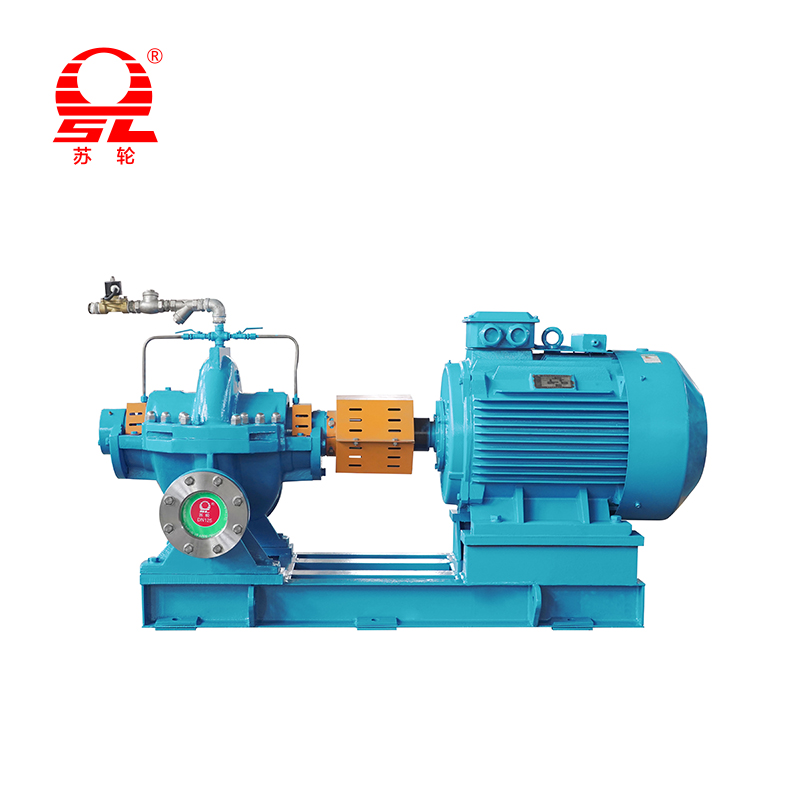
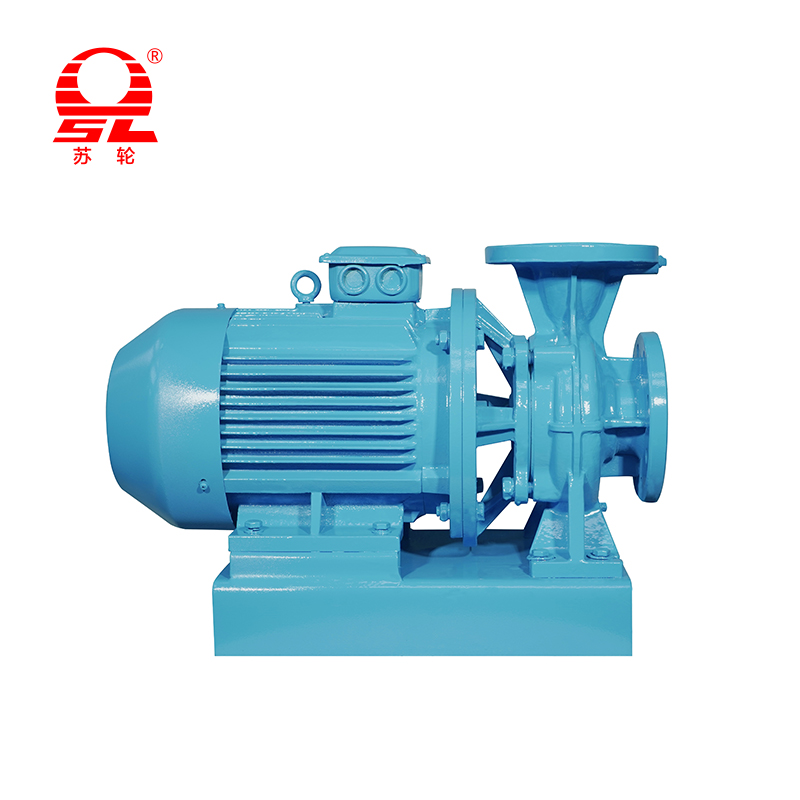

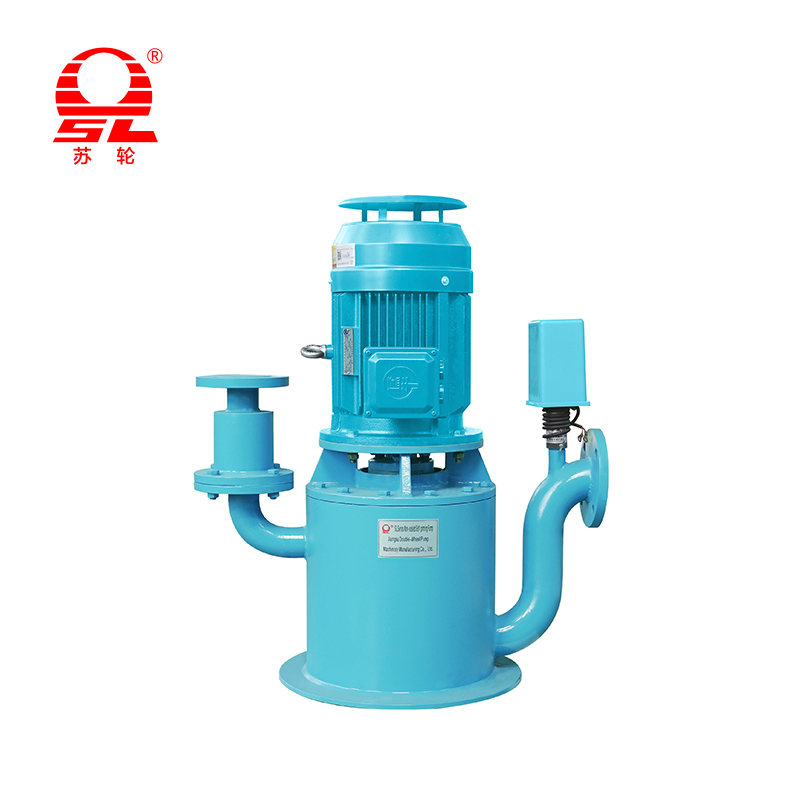


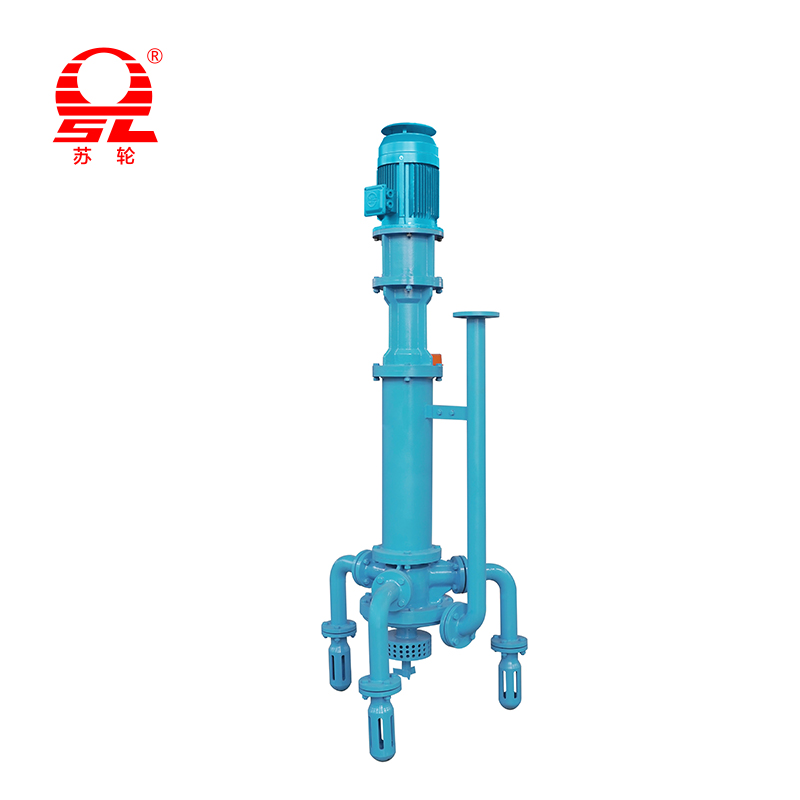

IE3 / IE4 Motor
Up to 88% Efficiency
Cooling Tower Duty
ERP Lot 11 Compliant
Energy Saving Centrifugal Cooling Pump
Engineered for maximum efficiency in cooling water circulation. Optimized hydraulics, high-efficiency motors, and intelligent control reduce energy consumption by 20-35% compared to standard pumps. The sustainable choice for HVAC, industrial cooling, and data center thermal management.
Product Introduction
High Efficiency Cooling Pump Technology
A comprehensive examination of the engineering, efficiency features, and performance benefits of our energy saving centrifugal cooling pump range.
The Energy Saving Centrifugal Cooling Pump represents the next generation of cooling water circulation technology, specifically designed to minimize energy consumption while maintaining reliable performance in HVAC systems, industrial cooling towers, process cooling, and data center thermal management. In typical facilities, cooling pumps account for 15-25% of total electricity consumption, making them a prime target for energy efficiency improvements. Our pump range achieves MEI (Minimum Efficiency Index) values of 0.7 or higher, exceeding the European ERP Lot 11 requirements and delivering the lowest total cost of ownership in its class.
The foundation of energy efficiency is optimized hydraulic design. Our cooling pumps feature CFD-optimized impellers and volutes that minimize hydraulic losses at the best efficiency point (BEP). The impeller is of the enclosed, single-suction or double-suction type, depending on the flow range. Double-suction impellers are hydraulically balanced, eliminating axial thrust and reducing bearing loads, which further improves efficiency and extends bearing life. The volute casing is designed with a circular cross-section that matches the impeller outlet flow angle, reducing turbulence and recirculation losses. Computational Fluid Dynamics (CFD) analysis is performed on every new hydraulic design, with up to 20 iterations to achieve the optimal blade angle, wrap angle, and volute throat area.
The pump is driven by a high-efficiency IE3 or IE4 motor (IEC 60034-30-1). IE3 (Premium Efficiency) motors have losses approximately 20% lower than IE2 (Standard Efficiency) motors. IE4 (Super Premium Efficiency) motors reduce losses by an additional 15-20% compared to IE3. For new installations, we strongly recommend IE4 motors for the shortest payback period. For variable flow applications, we supply IE4 inverter-duty motors with reinforced insulation (for VFD compatibility) and independent cooling fans to maintain cooling at low speeds.
Cooling pumps rarely operate at a single, constant flow rate. Most systems experience significant flow variation due to changing cooling loads (time of day, season, production rates). Our pumps are designed for VFD compatibility and we offer complete VFD packages (drive, bypass, controls) for variable speed operation. The affinity laws state that pump power is proportional to the cube of speed: reducing speed by 20% reduces power consumption by nearly 50%. For cooling pumps that operate at reduced flow for a significant portion of the year, VFD energy savings typically pay back the VFD investment in 12-24 months.
Mechanical losses are minimized through several design features. The pump uses low-friction bearing isolators instead of traditional contact seals on the bearing housing, reducing drag and preventing contamination ingress. Bearings are oversized (L10 life >50,000 hours) and use high-quality grease that requires no re-lubrication for up to 5 years of continuous operation. The mechanical seal is a low-friction design with a carbon vs. silicon carbide face combination, optimized for water service. For gland packing, we offer low-leakage PTFE chevron rings that reduce friction and water loss.
The pump casing is available in materials selected for cooling water service. Cast iron (GG25) is suitable for closed-loop cooling water with proper treatment. Ductile iron (GGG40) provides higher strength and better impact resistance for larger pumps. For open cooling towers (where the water is exposed to air), we recommend bronze or stainless steel impellers to resist corrosion from oxygen and potential biological activity. For seawater cooling or brackish water, we offer duplex stainless steel, aluminum bronze, or titanium materials.
The pump mounting configuration is flexible. Horizontal end-suction (overhung) pumps are the most common for cooling applications, suitable for flow rates up to 1,500 m³/h. Horizontal split-case (between-bearing) pumps handle higher flow rates (2,000-6,000 m³/h) and allow impeller access without disturbing piping. Vertical inline (VIL) pumps are designed for space-constrained mechanical rooms, with the motor mounted directly above the pump and suction/discharge flanges in a straight line.
System integration features include: Pressure and temperature sensors pre-installed on the pump casing (optional), flow measurement ports for differential pressure flow calculation, insulation kits for the pump casing to reduce heat loss in hot water systems or condensation in chilled water systems, and communication interfaces (Modbus, BACnet, LonWorks) for integration with building management systems (BMS).
All pumps are factory performance tested to ISO 9906 Grade 2 standards. Efficiency is verified at BEP, and the MEI value is calculated and reported. For VFD packages, we perform harmonic analysis and provide filter recommendations to ensure compliance with IEEE 519 power quality standards. In summary, the Energy Saving Centrifugal Cooling Pump delivers industry-leading efficiency, reducing both energy bills and carbon footprint while providing reliable cooling water circulation for the life of the facility.
CFD-optimized hydraulics for peak efficiency up to 88%
IE3 / IE4 high-efficiency motors (0.75-315 kW)
VFD-ready design for variable speed operation
MEI ≥ 0.7 exceeding ERP Lot 11 requirements
Low-friction bearing isolators and seals
Configurations: end-suction, split-case, vertical inline
Materials: cast iron, ductile iron, bronze, SS316, duplex
BMS integration: Modbus, BACnet, LonWorks
Technical Data
Technical Specifications
Complete performance and efficiency parameters for the energy saving cooling pump range.
| Parameter | Specification |
|---|---|
Flow Rate (Q) | 10 – 6,000 m³/h (44 – 26,400 US gpm) |
Total Head (H) | 5 – 120 meters (16 – 394 feet) |
Pump Efficiency (η) |
Up to 88% at BEP (depends on model and size) |
MEI (Minimum Efficiency Index) |
≥ 0.70 (ERP Lot 11 compliant) |
Motor Efficiency Class |
IE3 (Premium) standard / IE4 (Super Premium) optional / IE5 (Ultra Premium) on request |
Motor Power |
0.75 kW – 315 kW (1 – 420 HP) |
Speed (n) |
1450 / 2900 RPM (50Hz); 1750 / 3500 RPM (60Hz) |
Discharge Size (DN) |
50mm – 600mm (2" – 24") |
Fluid Temperature |
-10°C to +120°C (standard); -20°C to +140°C (special) |
Fluid Type |
Clean water, glycol mixtures (up to 50%), treated cooling water, seawater (with special materials) |
Casing Material |
Cast Iron GG25 / Ductile Iron GGG40 / Cast Steel (high temp) / Bronze / SS316 |
Impeller Material |
Cast Iron / Bronze / SS304 / SS316 / SS316L |
Shaft Seal Type |
Mechanical seal (carbon vs. SiC) / Gland packing (economy) / Cartridge seal (easy replacement) |
Why Choose Energy Saving Cooling Pumps
Core Advantages
Six key engineering benefits that make our energy saving centrifugal cooling pump the most efficient choice for cooling water circulation.
Up to 35% Energy Savings vs. Standard Pumps
Combined effect of: CFD-optimized hydraulics (5-8% improvement), IE4 high-efficiency motor (3-5% improvement over IE2), and VFD speed control (15-25% savings for variable flow systems). Typical payback period: 1-3 years, with energy savings continuing for the 15+ year life of the pump.
VFD Ready with Inverter-Duty Motors
All motors are inverter-ready with reinforced insulation (phase-to-phase and phase-to-ground) per NEMA MG1 Part 31. Independent cooling fans (TENV or TEFC) maintain motor cooling at low speeds. We supply complete VFD packages sized to the pump motor with integrated bypass and harmonic filters.
BMS Integration for Smart Building Control
Pump-mounted pressure and temperature sensors communicate directly with building management systems via Modbus, BACnet, or LonWorks. Automatically adjust pump speed to maintain setpoint pressure or temperature, optimizing energy use based on real-time cooling demand.
Low Carbon Footprint
Every kWh saved reduces CO2 emissions by approximately 0.5 kg (grid average). A 100 kW cooling pump operating 8,000 hours per year with 20% energy savings reduces CO2 emissions by 80 metric tons annually – equivalent to removing 17 cars from the road.
Lowest Total Cost of Ownership (TCO)
Energy costs typically account for 85-90% of a pump's total cost of ownership over 10 years, compared to 5% for purchase price and 5-10% for maintenance. Our energy-saving design minimizes the dominant energy cost, delivering the lowest TCO in the cooling pump market.
Quiet Operation for Noise-Sensitive Environments
CFD-optimized volutes reduce hydraulic noise (cavitation, turbulence). Precision-balanced impellers (ISO 1940 G2.5) and low-vibration operation (ISO 10816-3 Class A) keep noise levels below 75 dBA at 1 meter – ideal for hospitals, hotels, office buildings, and residential complexes.
Use Cases
Primary Applications
Trusted across commercial, industrial, and institutional facilities for efficient cooling water circulation.
HVAC Chilled Water Systems
Primary and secondary chilled water circulation for commercial buildings, hospitals, hotels, shopping malls, and airports. High efficiency reduces HVAC system operating costs significantly.
Cooling Tower Circulation
Condenser water pumps for cooling tower systems. Handles treated water with biocides and corrosion inhibitors. Available in corrosion-resistant materials for open tower service.
Industrial Process Cooling
Cooling water circulation for plastic injection molding, extrusion, welding equipment, hydraulic systems, compressors, and other industrial heat-generating equipment.
Data Center Cooling
Chilled water pumps for data center HVAC systems. High reliability and efficiency critical for 24/7/365 operation. Redundant pump configurations available.
Power Plant Auxiliary Cooling
Cooling water for generator bearings, lube oil coolers, and auxiliary systems. Designed for continuous heavy-duty operation in thermal and combined cycle power plants.
District Cooling Systems
Large-scale central chilled water distribution for city districts, university campuses, airports, and industrial parks. High flow rate double-suction pumps available.
Head-to-Head
Energy Efficiency Comparison
A detailed comparison of our energy saving cooling pump versus standard efficiency pumps.
| Feature / Metric | Energy Saving Cooling Pump | Standard Efficiency Pump |
|---|---|---|
| Peak Pump Efficiency (η) | 82-88% | 70-78% |
| Motor Efficiency Class | IE3 or IE4 | IE2 or IE1 |
| Minimum Efficiency Index (MEI) | ≥ 0.70 | 0.40 – 0.60 |
| VFD Capability | Standard (inverter-duty) | Requires motor upgrade |
| Energy Consumption (75kW pump, 6,000 hr/yr) | 395,000 kWh | 520,000 kWh |
| Annual Energy Cost (@ $0.12/kWh) | $47,400 | $62,400 |
| 10-Year Energy Cost | $474,000 | $624,000 |
| 10-Year Energy Savings | Baseline (best) | $150,000 more |
| Payback Period (vs. standard pump) | 1-3 years | Not applicable |
| Operating Noise (dBA at 1m) | <75 dBA | 78-85 dBA |
Expert Tips
Usage Tips and Best Practices
Maximize the energy savings, performance, and service life of your energy saving centrifugal cooling pump.
1
Operate at or Near Best Efficiency Point (BEP)
The pump is most efficient within ±15% of BEP flow. If your system operates significantly away from BEP (e.g., oversized pump throttled back), either trim the impeller (for constant flow) or install a VFD (for variable flow). Operating far from BEP wastes energy and increases bearing and seal wear.
2
Apply VFDs for Variable Flow Systems
If your cooling load varies by time of day or season (most systems do), install a VFD. The affinity law: 20% speed reduction = 49% power reduction. Energy savings pay for the VFD in 12-24 months. For constant flow systems, a fixed-speed pump with impeller trim is more cost-effective.
3
Maintain Proper Water Treatment
Poor water quality causes scale buildup on impellers and volutes, reducing efficiency by 5-15% over time. Maintain proper pH (7.0-8.5), total dissolved solids (<1,500 ppm), and biocide levels. For open cooling towers, use side-stream filtration to remove airborne debris.
4
Use Parallel Pump Configuration for Wide Flow Ranges
If your flow requirement varies from 25% to 100% of peak, consider two or three smaller pumps in parallel rather than one large pump with VFD. Run one pump at low demand, two at medium demand, three at peak. Each pump operates closer to BEP, improving overall system efficiency.
5
Monitor Pump Efficiency Annually
Track motor current, flow rate, and discharge pressure. Calculate hydraulic power (Q × H × ρ × g) and compare to electrical input power. A 5% or greater drop in efficiency from baseline indicates wear, scale, or recirculation issues requiring maintenance.
6
Insulate Piping and Pump Casing for Chilled Water
Chilled water systems operate below ambient dew point, causing condensation that drips onto floors and wastes cooling energy. Install closed-cell foam insulation on all wetted surfaces – including the pump casing, flanges, and valve bodies – to prevent condensation and reduce heat gain.
FAQ
Frequently Asked Questions
Expert answers to common questions about energy saving cooling pumps, efficiency, and VFD operation.
How much energy can I really save with an energy-efficient cooling pump?
Energy savings come from three sources: 1) High-efficiency hydraulics (5-8% vs standard pumps). 2) High-efficiency IE3/IE4 motor (3-5% vs IE1/IE2). 3) VFD speed control for variable load (15-25% vs constant speed with control valves). Total savings typically range from 20-35% compared to standard fixed-speed pumps. For a 75 kW pump operating 6,000 hours/year, 20% savings = 90,000 kWh/year = $10,800/year at $0.12/kWh.
Can I add a VFD to my existing standard pump?
Yes, but with precautions. Standard motors may not have inverter-duty insulation and can fail due to voltage spikes from the VFD. Also, constant-speed pumps are often oversized – the minimum speed may be limited by bearing lubrication or vibration. We recommend replacing the motor with an inverter-duty motor (IE3 or IE4) and having a professional analyze the pump's minimum safe speed.
What is MEI and why does it matter?
MEI (Minimum Efficiency Index) is a European standard (ERP Lot 11) that rates pump efficiency independent of motor. MEI ≥ 0.70 is required for new pumps sold in EU since 2015. MEI accounts for hydraulic design only. Our pumps achieve MEI ≥ 0.70, ensuring compliance for EU projects and demonstrating best-in-class hydraulic efficiency for all markets.
What is the difference between IE3, IE4, and IE5 motors?
IE1 (Standard): 78-82% efficiency (75kW). IE2 (High): 82-85% efficiency. IE3 (Premium): 85-88% efficiency – minimum for new installations in many regions. IE4 (Super Premium): 88-90% efficiency – recommended for energy-saving projects. IE5 (Ultra Premium): 90-92% efficiency – synchronous reluctance or permanent magnet motors, longer payback but ultimate efficiency.
Can I use a cooling pump for hot water heating as well?
Yes, with material upgrades. For hot water heating systems (60-90°C), standard cast iron and EPDM elastomers are acceptable. For high-temperature heating (up to 120°C), specify high-temperature mechanical seals (Viton or FFKM elastomers) and water-cooled stuffing boxes. For steam condensate (120-140°C), specify cast steel casing and special seals.
What is the typical payback period for an energy-saving cooling pump?
For new installations, the incremental cost of IE3/IE4 motors and CFD-optimized hydraulics pays back in 1-3 years (depending on local electricity rates and operating hours). For retrofit projects replacing standard pumps with our energy-saving pumps, payback is typically 2-4 years. Adding a VFD to a variable-load system pays back in 1-2 years.
Company
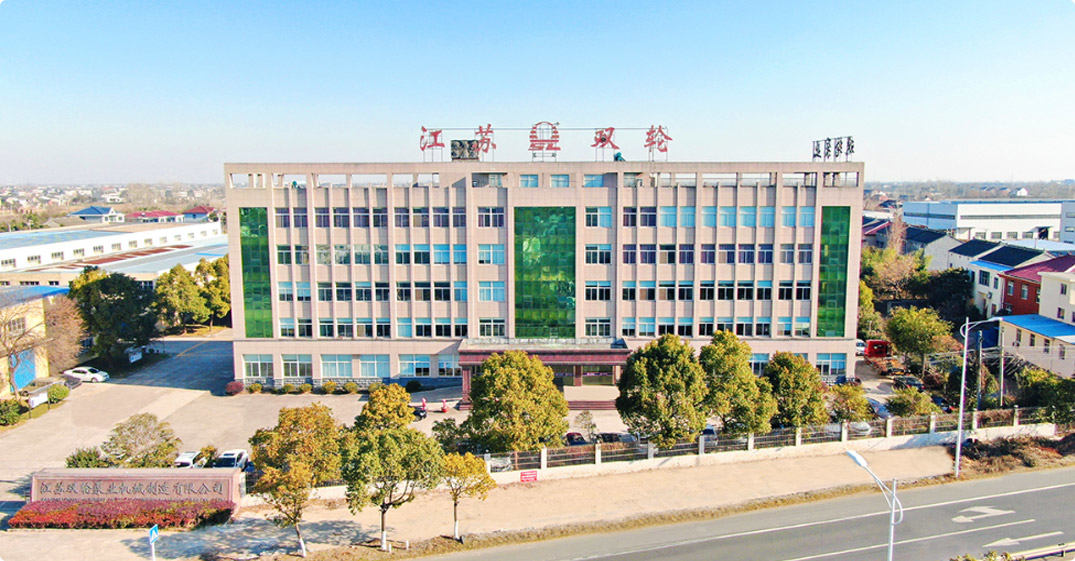
Jiangsu Double-wheel Pump Machinery Manufacting Co.,Ltd.
Jiangsu Double Wheel Pump Machinery Manufacturing Co., Ltd. is China Energy Saving Centrifugal Cooling Pump Manufacturers and Wholesale Energy Saving Centrifugal Cooling Pump Factory. The company is located in the scenic Yangtze River bank, Jiangyin Bridge, Beijing-Shanghai Expressway, Shanghai-Nanjing Expressway, Ningtong Expressway, Ningjingyan expressway running through the north and south, the traffic is very convenient, the geographical position is esteemed good. It is a production base specializing in non-sealed self-priming pumps, rain pumps, long-axis liquid pumps, chemical centrifugal pumps, positive displacement pumps and environmental protection equipment and mechanical equipment. The company has two production bases, covering an area of nearly 60,000 square meters, of which the eastern base covers an area of 33,000 square meters, the western base covers an area of 27,000 square meters, six modern production workshops, two installation workshops, a professional test workshop, a variety of mechanical processing equipment more than 160 sets, including a pump comprehensive performance test platform, Can test diameter 32-1200mm, motor power 1.1-1200KW, voltage 380V-10KV of various types of pumps, scientific research, development, manufacturing, processing, promotion, application of its own system. In the past two years, the company has closely followed the national industrial policy, made a big deal about environmental protection, and undertaken a large number of sewage treatment projects, which is unique in the environmental protection industry.
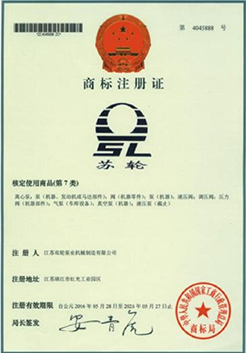
Certificate Of Honor


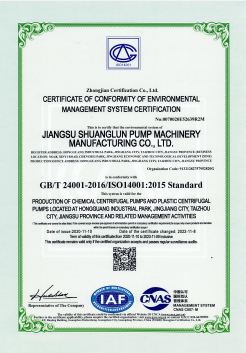
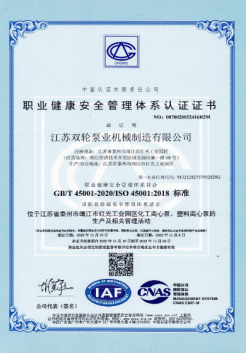
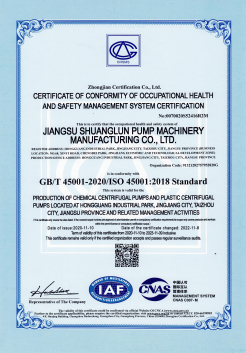
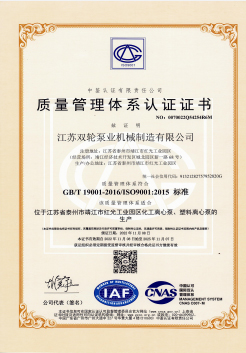
-
0

Be established in
-
0+

Professional personnel
-
0 million

Registered capital
-
0 ㎡

Plant area
After-Sales Service
Maintenance and Technical Support
Comprehensive lifecycle support for your energy saving cooling pump installation.
Maintenance and Spare Parts
Keep your cooling pump operating at peak efficiency
- Mechanical Seal Kit: Complete cartridge-style mechanical seal assembly (carbon vs. silicon carbide) with pre-installed elastomers (EPDM for water, FKM for glycol). Drop-in replacement requires no seal setting.
- Bearing Replacement Kit: Includes drive-end and non-drive-end bearings (SKF or FAG), bearing locknuts and lock washers, and bearing housing gaskets.
- Impeller Trim Service: For pumps operating below BEP, we offer factory impeller trimming to new diameter, restoring BEP operation and reducing energy waste.
- VFD Service & Programming: Replacement VFD units pre-programmed with your pump's parameters (speed limits, PID setpoints, fault settings). Plug-and-play replacement.
Professional Technical Support
Expert assistance for cooling system optimization
- System Curve Analysis: We measure your actual system head curve (static head + friction losses) and compare to pump curve. Recommendations for impeller trim, VFD scheduling, or parallel pump staging.
- Energy Audit & Payback Calculation: We calculate current pump energy consumption and projected savings from VFD installation or pump replacement. Detailed report with payback period and ROI.
- BMS Integration: Our control engineers assist with Modbus/BACnet/LonWorks integration. We provide tag lists, register maps, and sample control logic.
- On-Site VFD Tuning: For VFD installations, we provide on-site PID loop tuning to optimize response speed without hunting, maximizing energy savings.


+86-0523- 84351 090 /+86-180 0142 8659


Welcome To
Jiangsu Double-Wheel Pump
Add 1: Hongguang Industrial Park, Jingjiang City, Jiangsu Province, China
Add 2: No.68, Xinyi Road, Industrial Park, Jingjiang City, Jiangsu Province, China
Contact
-
Tel:
+86-0523- 84351 090
+86-180 0142 8659 -
FAX:
+0523-8435 5588
- E-mail: