language
  русский
 عربى
عربى Indonesia
Steel Mill Cooling System Pump Wholesale




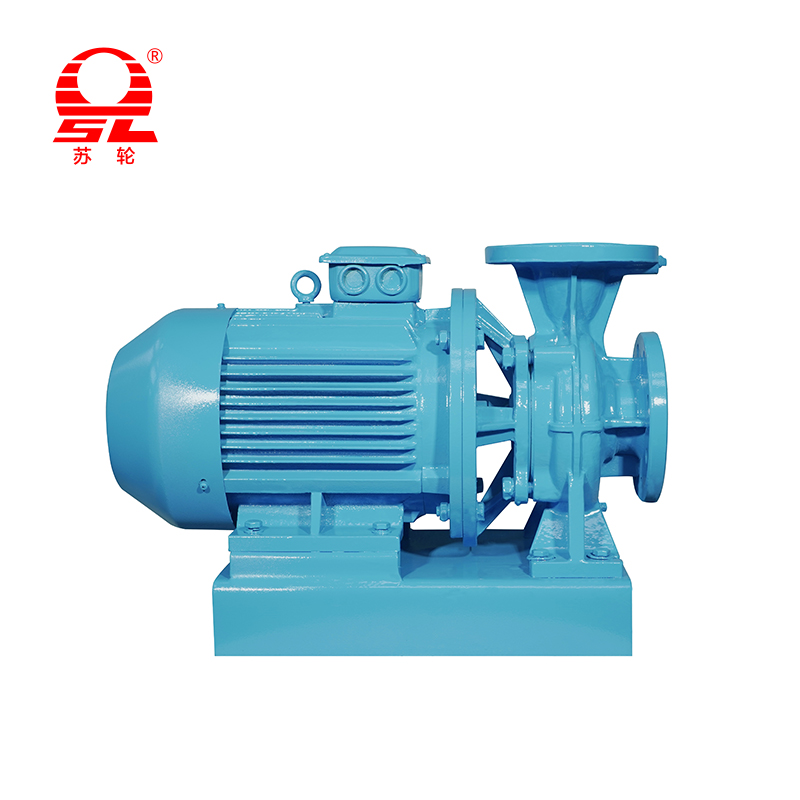


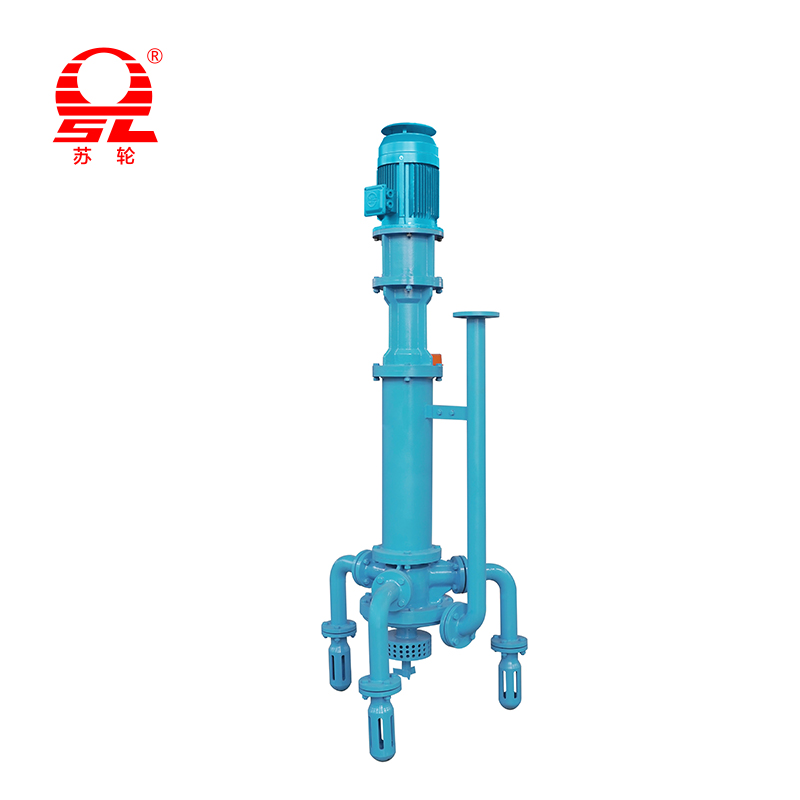

Steel Mill Duty
Up to 10,000 m³/h
Scale Handling
ISO 5199
Steel Mill Cooling System Pump
Engineered for the demanding cooling water circulation requirements of steel mills. Handles scale-laden water, high temperatures, and continuous duty in rolling mills, continuous casting lines, and furnace cooling applications. Heavy-duty construction with replaceable wear parts for extended service life.
Product Introduction
High Capacity Steel Mill Cooling Pump Technology
A comprehensive examination of the engineering, scale handling capability, and durability features of our steel mill cooling system pump range.
The Steel Mill Cooling System Pump is purpose-engineered for the extreme demands of steel production facilities. Steel mills require massive volumes of water for cooling: rolling mills, continuous casting machines, furnaces, scale breakers, and quench tanks all depend on reliable water circulation. However, steel mill cooling water is not clean. It contains mill scale (oxide flakes), oil, grease, fine particulates, and can reach elevated temperatures. Standard pumps rapidly wear out in this environment. Our pumps feature heavy-duty construction with replaceable wear parts, wide internal passages, and materials selected for abrasion resistance and corrosion protection. The result is extended service life and reduced maintenance in one of the most challenging pumping environments in heavy industry.
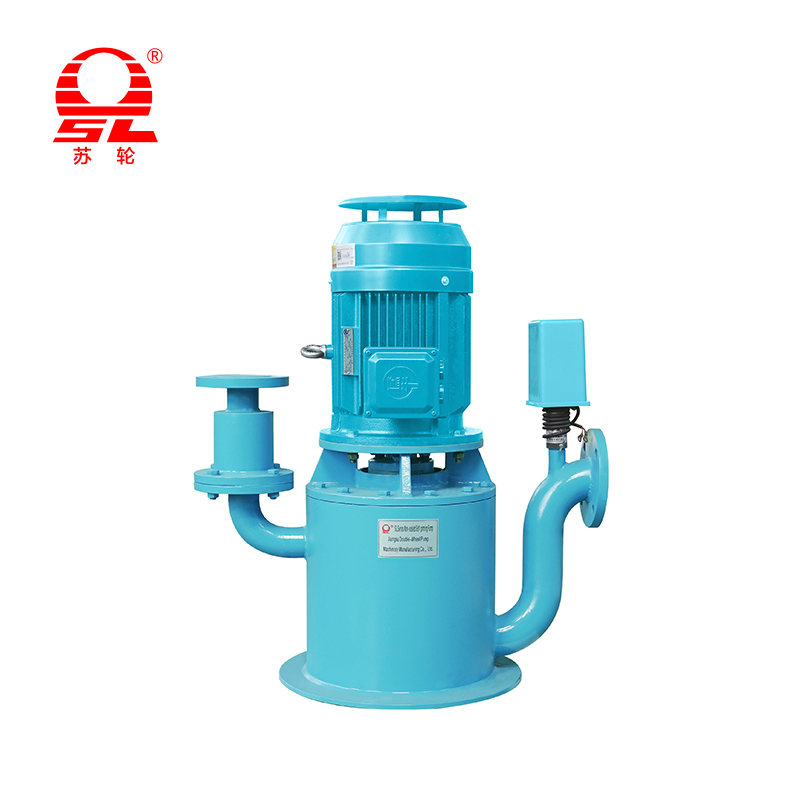
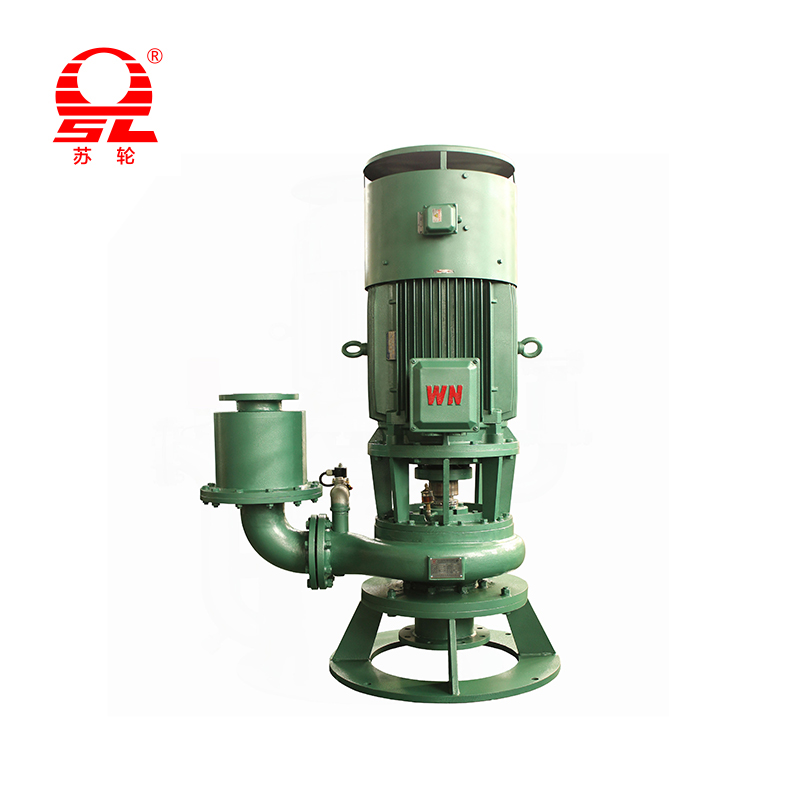
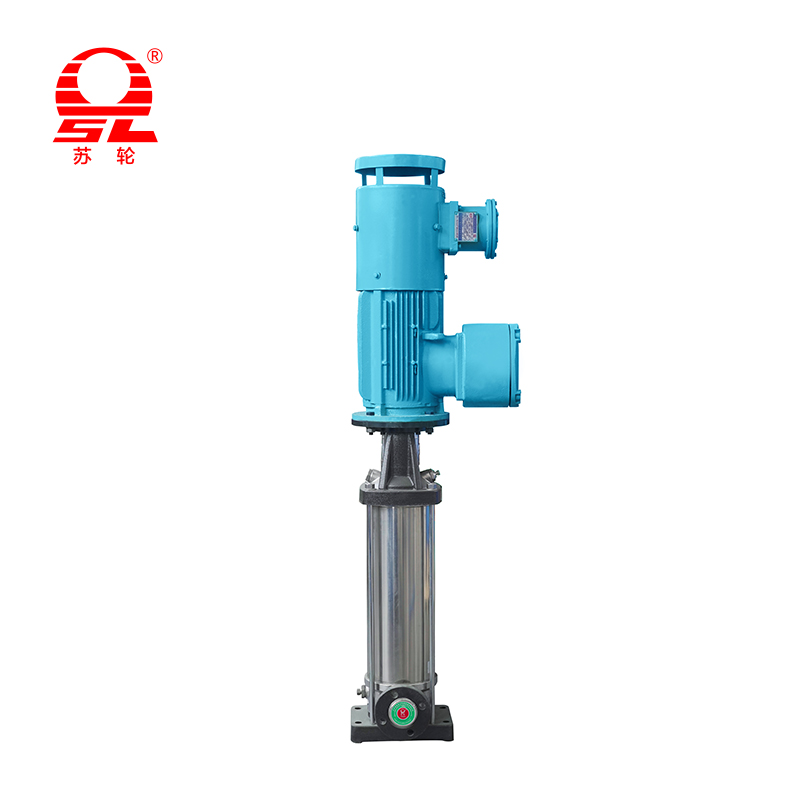
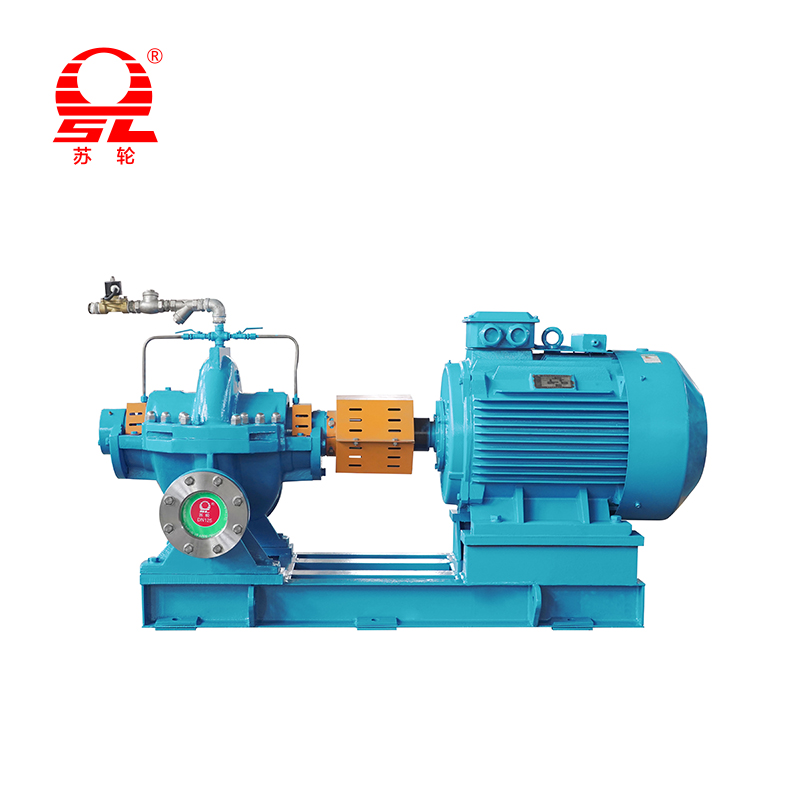
The pump configuration is selected based on the specific cooling system. For large volume main cooling water circulation, we offer double-suction split-case pumps with flow rates up to 10,000 cubic meters per hour. The axially split casing design allows removal of the top half for impeller inspection without disturbing suction or discharge piping, a critical maintenance advantage when downtime is measured in thousands of dollars per hour. The double-suction impeller is hydraulically balanced, eliminating net axial thrust and dramatically extending bearing and seal life. For media flow applications, we offer single-stage end-suction pumps. For descaling applications requiring high pressure, we offer multistage pumps.
Scale handling is the most critical design feature for steel mill cooling pumps. Mill scale consists of iron oxide flakes that are sharp and abrasive. As these flakes pass through the pump, they cause erosion of the impeller, casing, and seal components. Our pumps incorporate several features to resist scale erosion. The impeller is manufactured from hardened materials (Ni-Hard, hardness 550-650 BHN) or bronze for moderate scale service. The casing includes replaceable wear rings and throatbushes that can be replaced when worn, without replacing the entire casing. The volute geometry is designed with generous radii to minimize areas of high velocity where scale would cause the most damage. The pump operates at lower speeds (740 or 985 RPM) where possible, as lower velocities dramatically reduce erosion rates.
The shaft sealing system must tolerate scale-laden water. For most steel mill cooling applications, gland packing with split carbon or PTFE/graphite rings is preferred over mechanical seals. Gland packing can tolerate some abrasive particles passing through the seal area, and the leakage (which is expected and controlled) helps flush particles away from the shaft. A water flush connection (gland water) is provided to inject clean water into the packing area, extending packing life. For applications requiring zero leakage or where mechanical seals are specified, we offer silicon carbide vs. tungsten carbide seal faces with a quench connection to flush particles from the seal faces.
The bearing system is oversized for the heavy loads and continuous duty of steel mill operation. Bearing housings are cast iron or fabricated steel, with large oil reservoirs (2-8 liters) to ensure adequate lubrication even if the lube system is neglected. Bearings are spherical roller or angular contact types, selected for L10 life of 100,000 hours minimum. For large pumps, we offer forced oil circulation or oil mist lubrication. Bearing temperature monitoring (RTD sensors) is standard, with alarms for high temperature. The bearing housing is sealed with labyrinth seals to prevent ingress of mill dust and water spray.
Materials are selected for the corrosive and abrasive nature of steel mill cooling water. The cooling water typically has high conductivity, low pH (due to acid pickling operations contamination), and may contain chlorides from water treatment chemicals. Standard material for the pump casing is cast iron GG25. For higher corrosion resistance, we offer ductile iron GGG40. For severe corrosion or high temperature applications, we offer stainless steel SS304 or SS316 construction. Impellers are cast iron, bronze, Ni-Hard, or stainless steel depending on the severity of scale and corrosion. Shafts are stainless steel SS420 or SS630 to resist corrosion at the seal area.
The motor drive is sized for continuous 24/7/365 operation. Motors are typically high-voltage (3.3kV, 6.6kV, or 10kV) for larger pumps, with IE3 or IE4 efficiency. The motor enclosure is TEFC (Totally Enclosed Fan Cooled) to protect against mill dust and water spray. For indoor installations, WPII (Weather Protected Type II) may be used. For variable flow applications (many steel mills cycle with production), we offer VFDs with inverter-duty motors. VFD operation reduces energy consumption and reduces erosion rates at the pump because lower speed means lower particle velocity.
In summary, the Steel Mill Cooling System Pump delivers the high flow capacity, scale resistance, and continuous-duty reliability essential for steel production facilities.
Configurations: Double-suction split-case / End-suction / Multistage
Flow rates: 100 to 10,000 m³/h
Heads: 10 to 120 meters
Scale handling: Replaceable wear rings and throatbushes
Materials: Cast iron / Ductile iron / Bronze / Ni-Hard / SS304 / SS316
Sealing: Gland packing with water flush / Mechanical seal with quench
Bearings: Spherical roller with 100,000 hour L10 life
Low speed operation (740/985 RPM) to reduce scale erosion
VFD compatible for variable cooling demand
Technical Data
Technical Specifications
Complete performance and dimensional parameters for the steel mill cooling system pump range.
| Parameter | Specification |
|---|---|
Pump Configuration | Double-suction split-case / End-suction / Vertical turbine |
Flow Rate Range | 100 to 10,000 m³/h (440 to 44,000 US gpm) |
Total Head Range | 10 to 120 meters (33 to 394 feet) |
Fluid Temperature Range | 10°C to 80°C normal; up to 120°C intermittent | Motor Power Range | 75 kW to 3,500 kW (100 to 4,700 HP) |
Voltage Options | 380V / 415V / 3.3kV / 6.6kV / 10kV / 11kV |
Speed | 740 / 985 / 1,480 RPM (50Hz); 880 / 1,180 / 1,780 RPM (60Hz) |
Suction Size | 250 mm to 800 mm (10" to 32") |
Discharge Size | 200 mm to 700 mm (8" to 28") |
Fluid Type | Cooling tower water / Scale pit water / Process cooling water / Quench water |
Scale Particle Size | Up to 25mm spherical / Replaceable wear rings for scale erosion protection |
Casing Material | Cast iron GG25 / Ductile iron GGG40 / Cast steel WCB / SS304 / SS316 |
Impeller Material | Cast iron / Bronze / Ni-Hard (550-650 BHN) / SS304 / SS316 |
Shaft Sealing | Gland packing (PTFE/graphite) with water flush / Mechanical seal (SiC vs. TC) |
Design Standard | ISO 5199 / ISO 9906 Grade 2 |
Why Choose Steel Mill Cooling Pumps
Core Advantages
Six key engineering benefits that make our steel mill cooling pump the preferred choice for mill scale laden water applications.
Replaceable Wear Parts
Casing wear rings, impeller wear rings, and throatbushes are all replaceable. When scale erosion occurs, only the worn parts are replaced, not the entire casing. This reduces spare parts cost by 60 to 70 percent compared to pumps with integral casing and wear parts.
Low Speed Operation
Our pumps operate at 740 or 985 RPM (50Hz) rather than the common 1,450 RPM. Lower speed reduces particle velocity, dramatically decreasing erosion rate. Erosion is proportional to velocity to the power of 2.5 to 4. Operating at lower speed extends wear life by 3 to 5 times.
Easy Maintenance Access
Split-case pumps allow removal of the top casing half for impeller inspection without disturbing suction or discharge piping. Maintenance can be completed in hours rather than days. No pipe removal means no welding, no alignment issues, and shorter downtime.
VFD Ready for Variable Flow
Many steel mills cycle cooling demand with production. VFD operation reduces pump speed during low demand, saving energy and further reducing erosion. For a pump that operates at 70 percent speed for 50 percent of the time, energy savings exceed 50 percent.
Gland Water Flush for Packing
Clean water flush injected into the packing area extends packing life by 3 to 5 times. The flush water keeps scale particles away from the shaft and packing, preventing shaft scoring. Flow rate is only 5 to 20 liters per minute per pump.
Condition Monitoring Standard
Bearing RTD temperature sensors, vibration probes, and optional oil mist monitoring are standard. Data integrates with steel mill plant DCS for predictive maintenance. Early warning of bearing wear or seal problems prevents unplanned downtime.
Use Cases
Primary Applications
Trusted across steel mill cooling systems for reliable scale-laden water circulation.
Rolling Mill Cooling
High flow cooling water circulation for hot rolling mills. Handles water containing mill scale, oil, and fine particulates. Large double-suction pumps with replaceable wear rings provide extended service life.
Continuous Casting Cooling
Circulation of cooling water for continuous casting machines. Requires reliable, continuous operation. Pump failure stops the casting line, causing major production loss.
Scale Pit Dewatering
Removal of scale-laden water from scale pits. Pumps handle high solids content (up to 5 percent by weight). Ni-Hard impellers and wear plates resist erosion from sharp scale particles.
Furnace Cooling Water
Circulation of cooling water for reheat furnaces and annealing furnaces. High temperature duty up to 80°C continuous. Cast steel casings for thermal stability.
Descaling System Feed
High pressure supply for hydraulic descaling systems. Multistage pumps with stainless steel impellers. Pressures up to 120 bar for effective scale removal.
Cooling Tower Circulation
Main cooling water circulation for steel mill cooling towers. High flow, low head double-suction pumps. Efficiency optimized for continuous duty.
Head-to-Head
Steel Mill Pump Comparison
A detailed comparison of double-suction split-case versus end-suction pumps for steel mill cooling service.
| Parameter | Double-Suction Split-Case | End-Suction Single-Stage |
|---|---|---|
| Flow Range | 500 to 10,000 m³/h | 50 to 2,000 m³/h |
| Axial Thrust Balance | Balanced (double-suction) | Unbalanced (requires thrust bearing) |
| Maintenance Access | Excellent (remove top half) | Back pull-out (remove rotating element) |
| Footprint Space | Larger (split-case design) | Smaller |
| Peak Efficiency | 88-92% | 78-85% |
| Relative Cost (per m³/h) | Lower for high flow | Lower for low flow |
| Typical Application | Main cooling / Scale pit / High flow | Secondary cooling / Booster / Low flow |
Expert Tips
Usage Tips and Best Practices
Maximize the wear life, reliability, and efficiency of your steel mill cooling system pump.
1
Maintain Gland Water Flush Continuously
For pumps with gland packing, never shut off the gland water flush while the pump is operating. Gland water pressure should be 1 to 2 bar above pump suction pressure. Flow rate of 5 to 20 liters per minute. Loss of gland water causes rapid packing wear and shaft scoring within hours.
2
Monitor Wear Ring Clearance Annually
Measure wear ring clearance (casing ring to impeller ring) annually. Replace wear rings when clearance doubles from original (typically 0.5mm to 1.0mm). Increased clearance causes recirculation, reducing pump efficiency and increasing power consumption by 5 to 10 percent.
3
Remove Scale Accumulation from Sump
Scale settles in the pump suction sump over time. A deep scale bed can block the suction bell or cause air ingestion. Establish a regular sump cleaning schedule (monthly or quarterly). For scale pit pumps, install a scale raking system to continuously remove settled scale.
4
Operate at Lower Speed for Scale Service
If your pump is oversized for normal flow, consider installing a VFD and reducing pump speed. Erosion rate is proportional to velocity cubed. Reducing speed from 1,480 RPM to 980 RPM reduces erosion rate by approximately 70 percent while still providing adequate flow for most operations.
5
Monitor Motor Current for Wear Indication
As wear rings erode, internal recirculation increases, and motor current may decrease. As impellers wear, pump capacity decreases, and motor current may decrease. Track motor current at consistent operating conditions. A 5 to 10 percent drop in current without change in flow indicates significant wear requiring maintenance.
6
Use Eccentric Reducers on Suction Piping
For horizontal pumps, use eccentric reducers (flat side up) on the suction piping to prevent air pockets. Air pockets cause cavitation and reduced pump capacity. Never use concentric reducers on the suction side of a horizontal pump.
FAQ
Frequently Asked Questions
Expert answers to common questions about steel mill cooling system pumps and scale handling.
What is mill scale and why is it damaging to pumps?
Mill scale is iron oxide flakes that form on the surface of hot steel during rolling and casting. These flakes are hard (up to 500 BHN), sharp, and abrasive. When scale particles pass through a pump at high velocity, they erode impeller vanes, casing walls, wear rings, and seal components. Erosion is proportional to velocity to the power of 2.5 to 4, so higher speed pumps wear much faster.
Should I use gland packing or mechanical seals on scale service?
Gland packing is recommended for most scale-laden water applications. Packing tolerates some particle ingress, and the controlled leakage flushes particles away from the shaft. Mechanical seals can be used with a quench connection, but they are more sensitive to particulate abrasion. For zero leakage applications, use double mechanical seals with a barrier fluid.
How often should wear rings be replaced?
Wear ring replacement frequency depends on scale concentration and particle size. Typical 12 to 36 months. Measure clearance annually. Replace when clearance doubles from original. Symptoms of worn wear rings include reduced pump capacity, increased power consumption, and increased vibration.
What is the advantage of a double-suction split-case pump?
Double-suction split-case pumps have the impeller between two bearings, eliminating axial thrust. This extends bearing and seal life. The axially split casing allows removal of the top half for impeller inspection without disturbing piping. For high flow applications, they are more efficient than end-suction pumps.
Can I reduce pump speed to reduce scale erosion?
Yes. Erosion rate is proportional to velocity to the power of 2.5 to 4. Reducing speed from 1,450 RPM to 980 RPM (68 percent speed) reduces particle velocity proportionally, reducing erosion rate by approximately 70 percent. The pump will still flow approximately 68 percent of original flow. Install a VFD to reduce speed when full flow is not required.
What material is best for scale-laden water impellers?
For high scale concentrations, Ni-Hard (550-650 BHN) is the best material. Ni-Hard is a white iron with high hardness that resists erosion. For moderate scale concentrations, bronze is suitable and less expensive. Stainless steel (SS316) offers good corrosion resistance but lower hardness than Ni-Hard.
What is the typical service life of a steel mill cooling pump?
With regular wear ring replacement, the pump casing lasts 20 to 30 years. Impellers last 3 to 8 years depending on scale concentration. Bearings last 5 to 10 years. Mechanical seals or packing require replacement every 1 to 3 years. Regular maintenance is essential for long life.
Do you provide vertical pumps for scale pit service?
Yes. We offer vertical cantilever pumps designed for sump and pit applications. No submerged bearings eliminates a major maintenance issue in scale-laden water. Shaft lengths up to 5 meters. Ni-Hard impellers and wear plates for erosion resistance.
Can these pumps handle oil contamination in cooling water?
Yes. Mechanical seals with FKM (Viton) elastomers handle oil contamination. For high oil concentration, consider an oil skimmer on the cooling tower basin. Oil does not significantly affect pump mechanical life, but it can reduce heat transfer in the cooling system.
What is the lead time for a steel mill cooling pump?
Standard cast iron double-suction pumps ship within 12 to 16 weeks. Ni-Hard impeller requires 16 to 20 weeks. Large pumps (800mm suction) require 20 to 24 weeks. We recommend maintaining critical spare impellers and wear rings to reduce downtime during maintenance.
Company
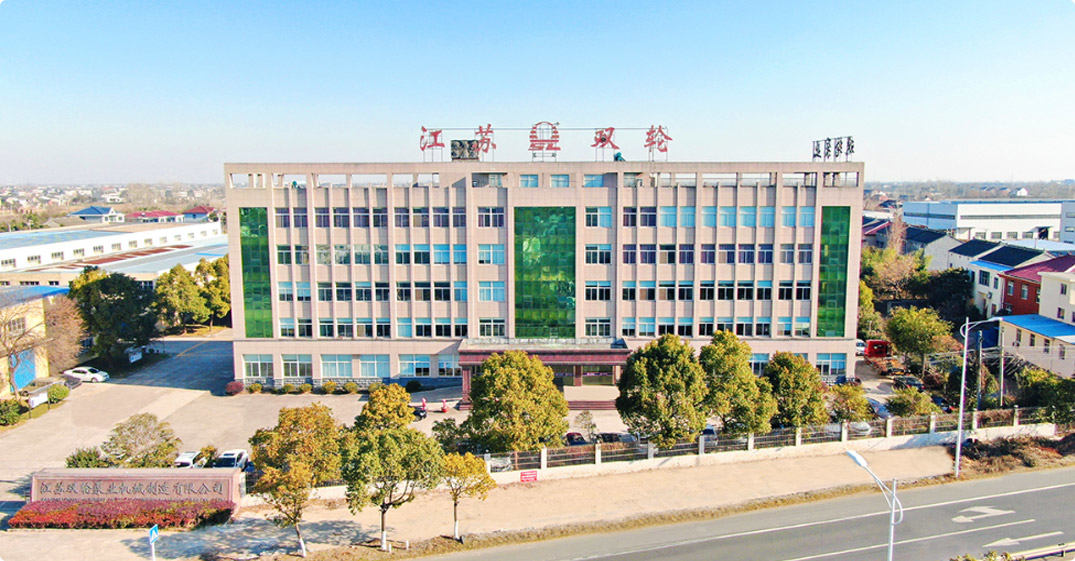
Jiangsu Double-wheel Pump Machinery Manufacting Co.,Ltd.
Jiangsu Double Wheel Pump Machinery Manufacturing Co., Ltd. is China Steel Mill Cooling System Pump Manufacturers and Wholesale Steel Mill Cooling System Pump Factory. The company is located in the scenic Yangtze River bank, Jiangyin Bridge, Beijing-Shanghai Expressway, Shanghai-Nanjing Expressway, Ningtong Expressway, Ningjingyan expressway running through the north and south, the traffic is very convenient, the geographical position is esteemed good. It is a production base specializing in non-sealed self-priming pumps, rain pumps, long-axis liquid pumps, chemical centrifugal pumps, positive displacement pumps and environmental protection equipment and mechanical equipment. The company has two production bases, covering an area of nearly 60,000 square meters, of which the eastern base covers an area of 33,000 square meters, the western base covers an area of 27,000 square meters, six modern production workshops, two installation workshops, a professional test workshop, a variety of mechanical processing equipment more than 160 sets, including a pump comprehensive performance test platform, Can test diameter 32-1200mm, motor power 1.1-1200KW, voltage 380V-10KV of various types of pumps, scientific research, development, manufacturing, processing, promotion, application of its own system. In the past two years, the company has closely followed the national industrial policy, made a big deal about environmental protection, and undertaken a large number of sewage treatment projects, which is unique in the environmental protection industry.
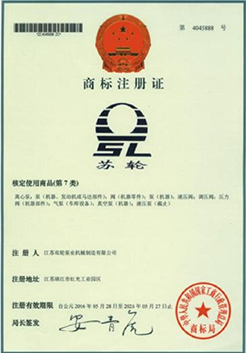
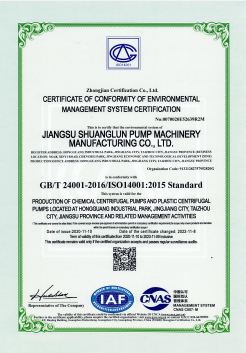
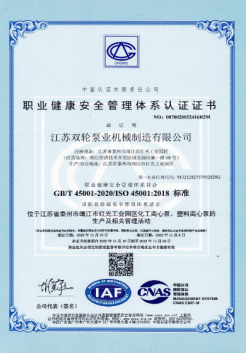
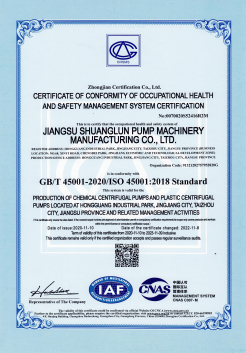
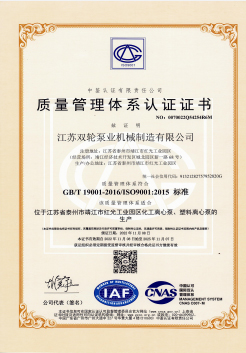
Certificate Of Honor


-
0

Be established in
-
0+

Professional personnel
-
0 million

Registered capital
-
0 ㎡

Plant area
After-Sales Service
Maintenance and Technical Support
Comprehensive lifecycle support for your steel mill cooling system pump installation.
Maintenance and Spare Parts
Keep your cooling pump operating reliably
- Wear Ring Kit: Complete set of casing wear rings and impeller wear rings in Ni-Hard or bronze material. Includes all fasteners and shims. Hardness tested and certified.
- Impeller Kit: Replacement impeller in cast iron, bronze, Ni-Hard, or SS316. Dynamically balanced to ISO 1940 G2.5. Includes wear rings installed.
- Gland Packing Kit: Complete set of PTFE/graphite packing rings (8 to 10 rings per pump), lantern ring, and gland studs. Includes gland water connection fittings.
- Bearing Kit: Spherical roller bearings (SKF or FAG), bearing housing oil seals, labyrinth rings, and gaskets.
Professional Technical Support
Expert assistance for steel mill cooling systems
- Scale Pit System Design: We review sump geometry, pump selection, and scale removal systems to minimize scale ingestion into pumps.
- Wear Life Prediction: Based on your scale concentration and particle size analysis, we predict wear ring and impeller life for maintenance planning.
- On-Site Thickness Measurement: Our technicians use ultrasonic thickness gauges to measure wear ring and impeller thickness without pump disassembly.
- VFD Retrofit Consulting: We analyze your cooling demand profile and calculate energy savings and wear reduction from VFD installation.


+86-0523- 84351 090 /+86-180 0142 8659


Welcome To
Jiangsu Double-Wheel Pump
Add 1: Hongguang Industrial Park, Jingjiang City, Jiangsu Province, China
Add 2: No.68, Xinyi Road, Industrial Park, Jingjiang City, Jiangsu Province, China
Contact
-
Tel:
+86-0523- 84351 090
+86-180 0142 8659 -
FAX:
+0523-8435 5588
- E-mail: