language
  русский
 عربى
عربى Indonesia
Precision Casting Stainless Steel Pump Wholesale


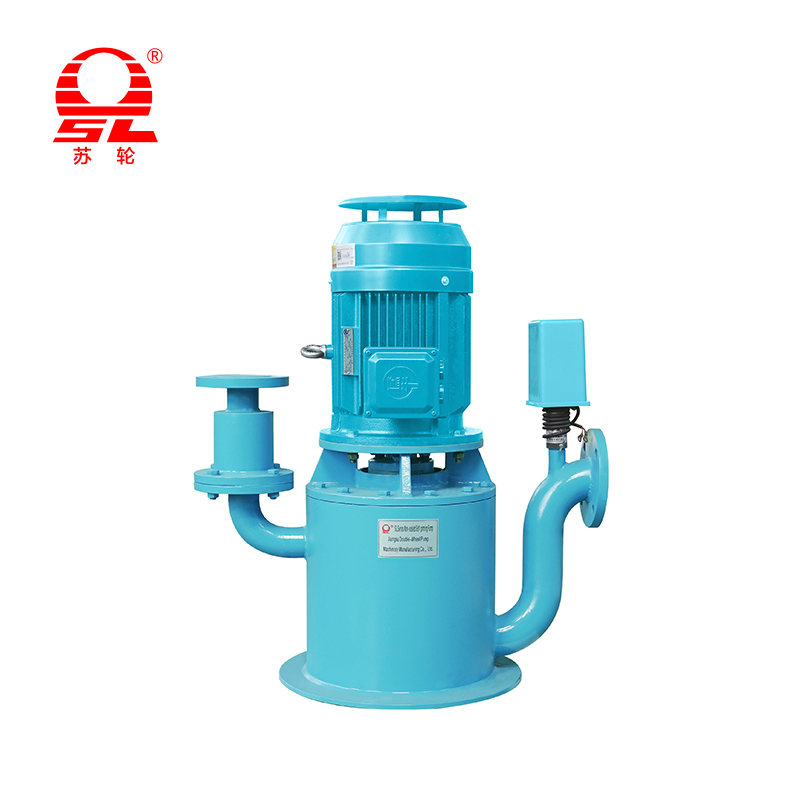

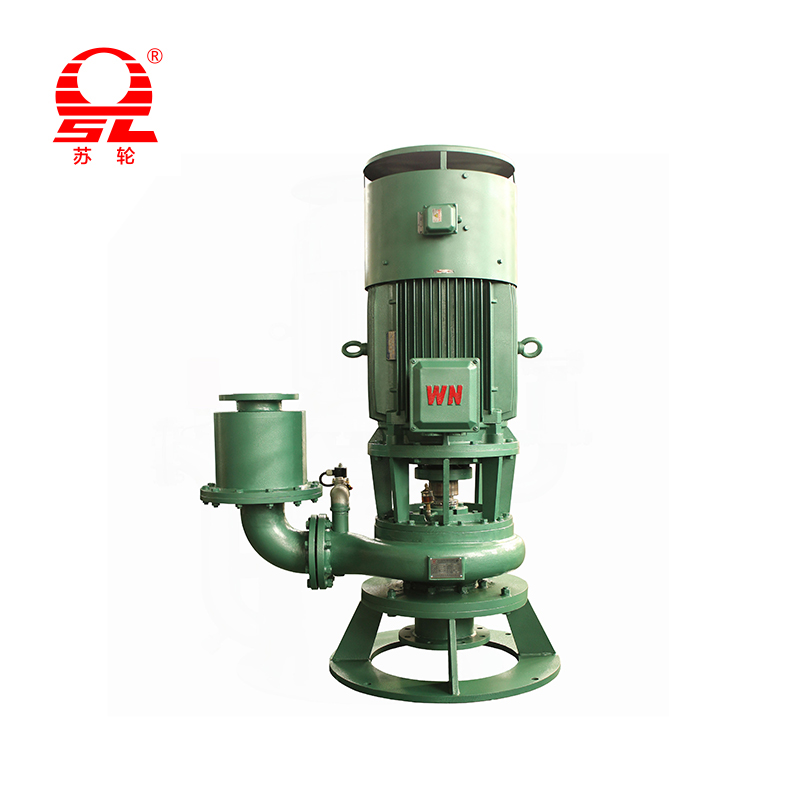

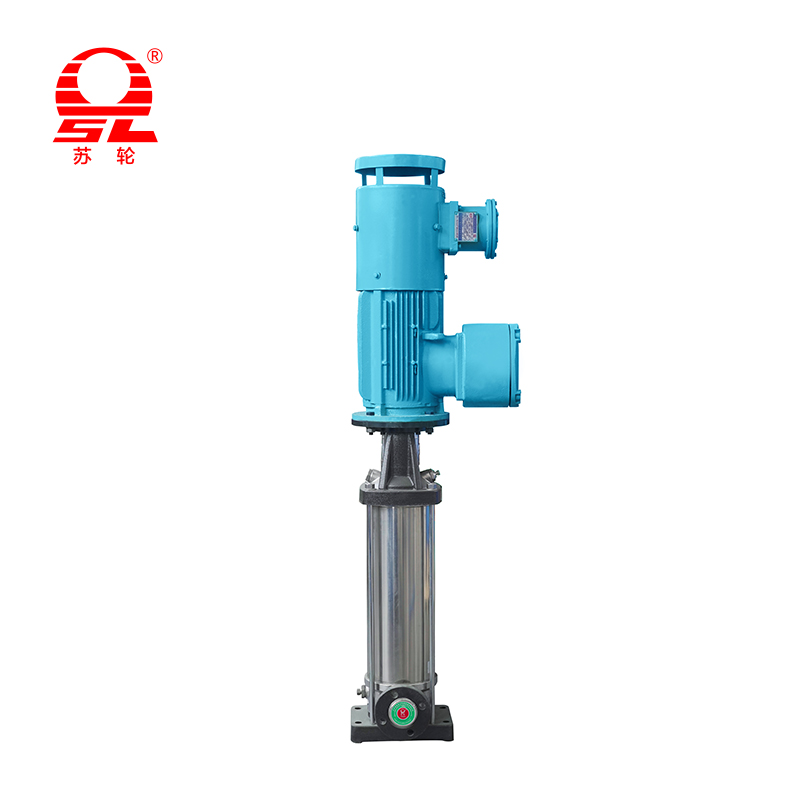
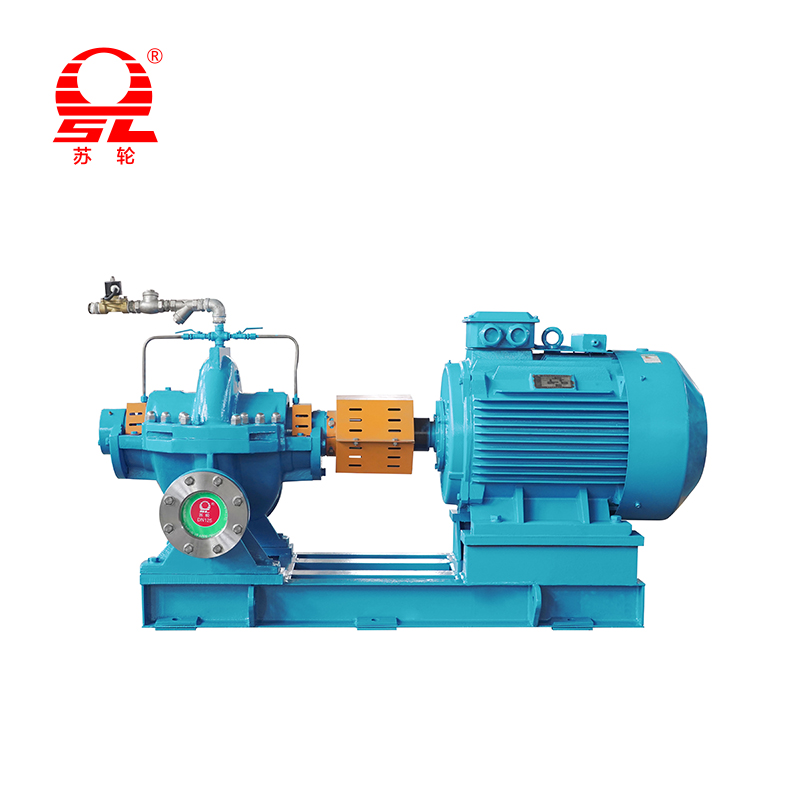
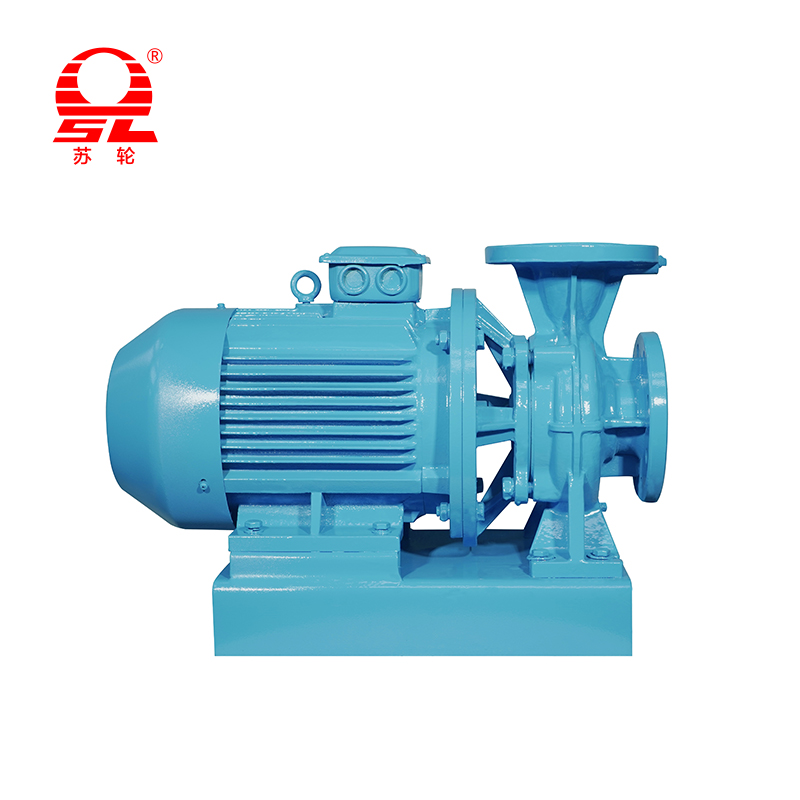


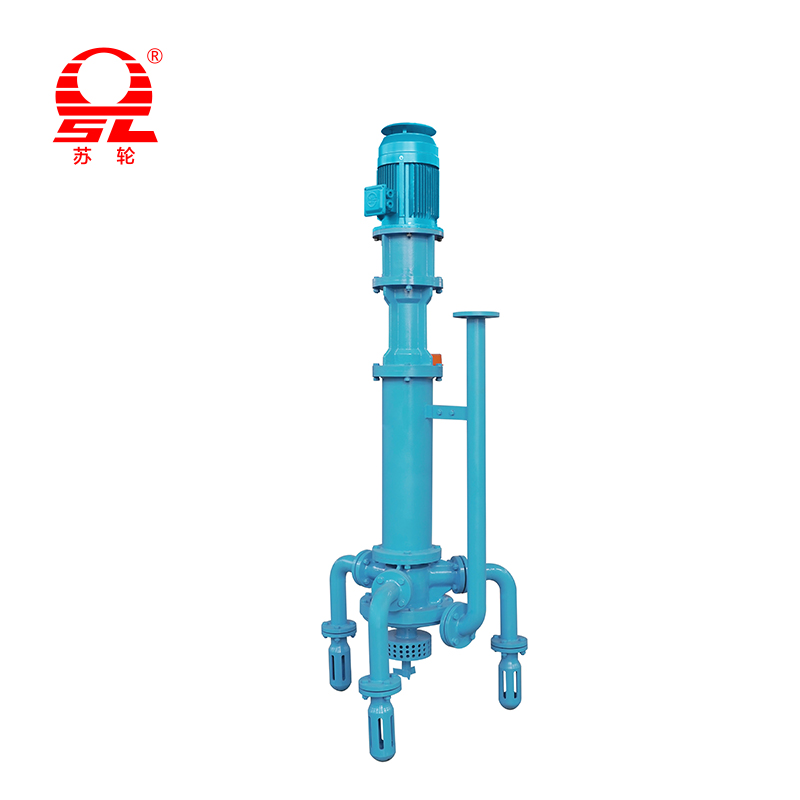

Investment Casting Ra 0.8μm Surface Finish SS304 / SS316 / Duplex ISO 9001:2015
Precision Casting Stainless Steel Pump
Engineered for superior corrosion resistance and dimensional accuracy. Investment casting technology delivers smooth surface finishes, tight tolerances, and excellent material properties. Ideal for pharmaceutical, food processing, chemical, and marine applications where hygiene and corrosion resistance are critical.
Product Introduction
Investment Casting Stainless Steel Technology
A comprehensive examination of the precision casting process, material benefits, and application advantages of our stainless steel pump range.
The Precision Casting Stainless Steel Pump represents a significant advancement in pump manufacturing technology. Unlike traditional sand casting, which produces rough surfaces and requires extensive machining, our investment casting (lost wax) process delivers near-net-shape components with excellent surface finishes and tight dimensional tolerances. This manufacturing approach, combined with premium stainless steel alloys, produces pumps that excel in corrosion resistance, hygiene, and dimensional accuracy. Applications span pharmaceutical manufacturing, food and beverage processing, chemical handling, marine systems, and water treatment where purity and corrosion resistance are paramount.
The investment casting process begins with a wax pattern that precisely replicates the desired pump component geometry. The wax pattern is coated with multiple layers of ceramic slurry to form a shell mold. The wax is then melted out (lost wax), leaving a precise ceramic cavity. Molten stainless steel is poured into the heated ceramic mold, filling every detail of the pattern. After cooling, the ceramic shell is removed, revealing a casting with exceptional surface finish (Ra 0.8-1.6μm) and dimensional accuracy (CT5-CT7 tolerance grade). This process eliminates the need for extensive machining, reduces material waste, and allows complex geometries impossible with sand casting. The fine-grained microstructure of investment castings also provides superior mechanical properties compared to sand castings.
Our pumps are available in multiple stainless steel grades, each selected for specific service conditions. SS304 (1.4301) provides good corrosion resistance for mildly corrosive environments, including potable water, food products, and mild chemicals. It is economical and widely available. SS316 (1.4401) adds molybdenum (2-3%), significantly improving resistance to chlorides, pitting, and crevice corrosion. SS316 is the standard choice for pharmaceutical, marine, and chemical applications where chloride exposure is possible. SS316L (1.4404) is the low-carbon version, eliminating the risk of intergranular corrosion after welding – essential for welded piping systems and sanitary applications where welding is required. Duplex 2205 (1.4462) offers higher strength (yield strength twice that of SS316) and excellent chloride resistance, making it ideal for seawater and high-pressure applications.
The surface finish of precision cast components is critical for hygiene applications. Our standard as-cast finish is Ra 1.6μm (63 μin). For pharmaceutical and food applications, we offer electropolished finishes to Ra 0.4μm (16 μin) or better. Electropolishing removes a thin layer of surface material, eliminating microscopic burrs, embedded particles, and surface imperfections that could harbor bacteria. The resulting passive layer is enriched in chromium, providing even better corrosion resistance than mechanical polishing. All wetted surfaces are free of crevices, pits, and dead zones where product could accumulate.
The pump hydraulic design is optimized for stainless steel construction. The enclosed impeller design achieves peak efficiencies of 70-78% – slightly lower than cast iron pumps due to material properties, but excellent for stainless steel. Impeller vanes are precision cast with smooth, consistent profiles that minimize turbulence and energy loss. The volute casing features smooth transitions from the impeller to the discharge port, reducing hydraulic losses. For applications requiring CIP (Clean-in-Place) capability, we provide self-draining casings with no low points where fluid could accumulate.
Shaft sealing options are selected for hygiene and corrosion resistance. Single mechanical seals with silicon carbide vs. carbon faces and EPDM or FKM elastomers are standard. For sterile applications requiring zero contamination risk, we offer biopharmaceutical seals with FDA-compliant elastomers and polished seal faces. Magnetic drive (sealless) construction is available for applications where absolute zero leakage is mandatory and where the pumped fluid is hazardous or valuable. The magnetic drive eliminates the dynamic shaft seal entirely, with the impeller driven through a containment shell.
The pump mounting configuration is flexible. Close-coupled (C-face motor) design mounts the impeller directly on the motor shaft, eliminating the bearing housing and coupling. This compact configuration is ideal for space-constrained installations and provides the shortest possible shaft length, reducing vibration and extending seal life. Frame-mounted (baseplate) design uses a separate bearing housing and flexible coupling, allowing motor replacement without disturbing the pump hydraulic end. This configuration is preferred for larger pumps and high-power applications.
Material traceability and quality assurance are rigorous for stainless steel pumps. Every casting is accompanied by a material test certificate (EN 10204 3.1) documenting chemical composition and mechanical properties. Positive Material Identification (PMI) is performed on all critical components to verify alloy grade. All wetted surfaces are passivated (citric acid or nitric acid treatment) to enhance the passive chromium oxide layer and remove free iron contamination. For sanitary applications, we provide surface roughness measurements (Ra) and certification.
In summary, the Precision Casting Stainless Steel Pump delivers superior corrosion resistance, excellent surface finish, and dimensional accuracy through advanced investment casting technology. It is the preferred choice for applications where product purity, hygiene, and long-term corrosion resistance are essential.
Investment casting (lost wax) process for near-net-shape components
Materials: SS304 / SS316 / SS316L / Duplex 2205
Surface finish: Ra 1.6μm as-cast / Ra 0.4μm electropolished
Flow rates: 5 – 600 m³/h
Heads: 10 – 120 meters
Sealing: Single mechanical / Biopharmaceutical / Magnetic drive
Configurations: Close-coupled or frame-mounted
Material test certificates (EN 10204 3.1) for all castings
Passivation treatment for enhanced corrosion resistance
Technical Data
Technical Specifications
Complete performance and material parameters for the precision casting stainless steel pump range.
| Parameter | Specification |
|---|---|
|
Manufacturing Process
|
Investment casting (lost wax) to CT5-CT7 tolerance grade |
|
Flow Rate (Q)
|
5 – 600 m³/h (22 – 2,600 US gpm) |
|
Total Head (H)
|
10 – 120 meters (33 – 394 feet) |
|
Motor Power
|
0.75 kW – 90 kW (1 – 120 HP) |
|
Speed (n)
|
1450 / 2900 RPM (50Hz); 1750 / 3500 RPM (60Hz) |
|
Port Size (DN)
|
32mm – 200mm (1.25" – 8") |
|
Fluid Temperature
|
-20°C to +150°C (SS304/SS316); -20°C to +230°C (Duplex) |
|
Surface Finish (As-Cast)
|
Ra 1.6μm (63 μin) typical |
|
Surface Finish (Electropolished)
|
Ra 0.4μm (16 μin) or better |
|
Casing Material
|
SS304 / SS316 / SS316L / Duplex 2205 / Super Duplex 2507 |
|
Impeller Material
|
SS304 / SS316 / SS316L / Duplex (same as casing) |
|
Shaft Seal Type
|
Single mechanical / Double mechanical / Biopharmaceutical / Magnetic drive (sealless) |
|
Standards
|
ISO 5199 / EN 733 / 3A sanitary (optional) / EHEDG (optional) |
Why Choose Precision Casting
Core Advantages
Six key engineering benefits that make our precision casting stainless steel pump the preferred choice for high-purity and corrosive applications.
Excellent Surface Finish
Investment casting produces as-cast surface finishes of Ra 1.6μm (63 μin) – significantly smoother than sand casting (Ra 12.5-25μm). For hygiene applications, electropolishing achieves Ra 0.4μm (16 μin) or better. Smooth surfaces resist bacterial adhesion, are easy to clean, and reduce product adhesion.
Tight Dimensional Tolerances
Investment casting achieves CT5-CT7 tolerance grades (ISO 8062), compared to CT9-CT12 for sand casting. This reduces or eliminates post-casting machining, ensures consistent impeller-to-casing clearances for optimal efficiency, and simplifies assembly.
Superior Corrosion Resistance
SS316 and SS316L investment castings have a fine-grained, dense microstructure that resists pitting and crevice corrosion better than sand castings of the same alloy. The smooth surface minimizes crevices where corrosion could initiate. Duplex grades provide exceptional chloride resistance for seawater.
Hygienic Design for Sanitary Applications
Self-draining casings with no low points or dead legs. Electropolished surfaces (Ra 0.4μm). FDA-compliant elastomers. CIP/SIP compatible. 3A and EHEDG certification available for dairy, food, beverage, and pharmaceutical applications.
Full Material Traceability
Every casting is traceable to its heat number with chemical composition and mechanical properties documented on EN 10204 3.1 certificates. Positive Material Identification (PMI) verifies alloy grade on every component – critical for pharmaceutical and chemical applications.
Passivation Treatment Standard
All stainless steel components are passivated (citric acid or nitric acid) after manufacturing. Passivation removes free iron from the surface, enhances the passive chromium oxide layer, and improves corrosion resistance – particularly important for pharmaceutical and food service.
Use Cases
Primary Applications
Trusted across high-purity and corrosive industries where stainless steel construction is essential.
Pharmaceutical Manufacturing
Transfer of purified water (PW), water for injection (WFI), buffer solutions, active pharmaceutical ingredients (APIs), and cleaning solutions (CIP). Electropolished finishes and sanitary seals prevent contamination.
Food & Beverage Processing
Transfer of milk, juice, beer, wine, edible oils, syrups, sauces, and liquid food ingredients. 3A sanitary certification available. Easy clean-in-place (CIP) design.
Chemical & Fine Chemical Transfer
Corrosive chemicals, organic solvents, acids, and alkalis where SS316 or Duplex provides necessary corrosion resistance. Magnetic drive (sealless) for hazardous chemicals.
Marine & Offshore
Seawater cooling, bilge pumping, ballast transfer, and fire water systems. Duplex stainless steel provides excellent resistance to seawater corrosion and chloride stress corrosion cracking.
Water & Wastewater Treatment
Chemical dosing (chlorine, coagulants, polymers), membrane filtration feed, and treated water transfer where corrosion resistance is required.
Laboratory & Pilot Plant
Small-scale chemical transfer, pilot plant circulation, and laboratory fluid handling where purity and corrosion resistance are critical.
Head-to-Head
Stainless Steel Manufacturing Comparison
A detailed comparison of investment casting versus sand casting and fabricated stainless steel pump construction.
| Parameter | Investment Casting | Sand Casting | Fabricated (Welded) |
|---|---|---|---|
| Surface Finish (Ra) | 1.6μm as-cast | 12.5-25μm | Varies (weld-dependent) |
| Dimensional Tolerance (ISO 8062) | CT5-CT7 | CT9-CT12 | CT6-CT8 (machined) |
| Complex Geometry Capability | Excellent (lost wax) | Limited (core required) | Limited (flat plate) |
| Post-Casting Machining Required | Minimal (seal faces, flanges) | Extensive (all critical surfaces) | Moderate |
| Material Utilization | 85-95% (near-net shape) | 60-75% | 70-80% (plate + weld) |
| Porosity / Defects | Low (controlled process) | Moderate to high | Low (weld quality dependent) |
| Relative Cost (small quantity, <50 pcs) | Moderate (tooling cost) | Low | High (labor intensive) |
| Relative Cost (large quantity, >500 pcs) | Low (amortized tooling) | Low | Very high |
Expert Tips
Usage Tips and Best Practices
Maximize the corrosion resistance, hygiene, and service life of your precision casting stainless steel pump.
1
Maintain Passivation After Welding or Repair
Any welding or mechanical repair (grinding, machining) removes the passive chromium oxide layer and may leave embedded iron from tooling. After any modification, the affected area must be re-passivated (citric or nitric acid treatment) to restore corrosion resistance. For field repairs, use passivation gel or spray.
2
Avoid Chloride Concentration for SS304/SS316
Standard SS304 and SS316 are susceptible to pitting and stress corrosion cracking in the presence of concentrated chlorides. For seawater or high-chloride applications, specify Duplex 2205 or Super Duplex 2507. For intermittent chloride exposure, ensure surfaces remain clean (no evaporative concentration).
3
Use Proper Cleaning Agents for Sanitary Pumps
For pharmaceutical and food pumps, use approved CIP cleaning agents that are compatible with stainless steel. Avoid agents containing chlorides (e.g., bleach, HCl) which can cause pitting. After CIP, rinse thoroughly with purified water to remove any residual cleaning chemicals.
4
Inspect Electropolished Surfaces for Damage
Electropolished surfaces are smooth but can be scratched by foreign objects. Inspect wetted surfaces periodically for scratches or gouges that could harbor bacteria. Minor scratches (less than 0.1mm deep) can be electropolished in place by a specialized contractor. Deep scratches require component replacement.
5
Verify Material Grade with PMI for Critical Applications
For pharmaceutical, biotech, and critical chemical applications, perform Positive Material Identification (PMI) on all stainless steel components upon receipt. This verifies that the supplier delivered the correct alloy grade (e.g., SS316L vs. SS304). Visual inspection alone cannot distinguish between grades.
6
Store Pumps in Clean, Dry Conditions
Stainless steel is "stain-less" but not stain-proof. Prolonged exposure to damp environments with chlorides (coastal areas, industrial pollution) can cause surface rust (tea staining). For storage exceeding 3 months, cover pumps with breathable covers, store indoors, and maintain humidity below 60%.
FAQ
Frequently Asked Questions
Expert answers to common questions about precision casting stainless steel pumps and materials.
What is the difference between SS304, SS316, and SS316L for pump construction?
SS304: Basic 18-8 stainless steel, good for mildly corrosive environments, potable water, food. SS316: Adds 2-3% molybdenum, significantly better chloride resistance, standard for pharmaceutical and marine applications. SS316L: Low carbon version (0.03% max), resists intergranular corrosion after welding – essential for welded systems and sanitary applications where welding is required.
What is electropolishing and why is it important?
Electropolishing is an electrochemical process that removes a thin layer of material from the stainless steel surface (typically 0.01-0.05mm). Benefits include: 1) Achieves Ra 0.4μm surface finish (smoother than mechanical polishing). 2) Removes embedded iron and contamination. 3) Enriches the chromium content at the surface, enhancing corrosion resistance. 4) Creates a passive, non-stick surface that resists bacterial adhesion. Essential for pharmaceutical and food applications.
Can I use a precision casting stainless steel pump for seawater?
For intermittent seawater exposure, SS316 is acceptable with proper rinsing. For continuous seawater service, specify Duplex 2205 or Super Duplex 2507. These grades have higher chromium, molybdenum, and nitrogen content, providing excellent resistance to pitting and crevice corrosion in chloride environments. Standard SS304 is not suitable for any seawater service.
What is the typical lead time for a precision casting stainless steel pump?
Standard configurations (SS316, close-coupled, mechanical seal) ship within 6-10 weeks. Electropolished finishes or sanitary (3A) construction require 8-12 weeks. Duplex materials or magnetic drive pumps require 12-16 weeks. For large quantities (10+ pumps), lead time may be shorter due to production batch efficiency.
Are these pumps suitable for CIP (Clean-in-Place) systems?
Yes, our precision casting pumps are designed for CIP service. Features include: 1) Self-draining casings with no low points. 2) Smooth electropolished surfaces to prevent product adhesion. 3) FDA-compliant elastomers in mechanical seals. 4) No crevices where bacteria or CIP fluid could accumulate. For CIP applications, we recommend electropolished finish (Ra 0.4μm) and sanitary tri-clamp connections rather than flanges or NPT threads.
How do I repair a scratched electropolished surface in the field?
Minor scratches (less than 0.1mm deep): use a fine polishing paste (3-6μm) and a soft cloth or felt wheel to restore finish, then apply passivation gel to the polished area. Deep scratches: professional electropolishing may be required – contact a specialized stainless steel finishing contractor. For sanitary applications, if the scratch is in a product-contact area and cannot be fully removed, the component should be replaced.
Company
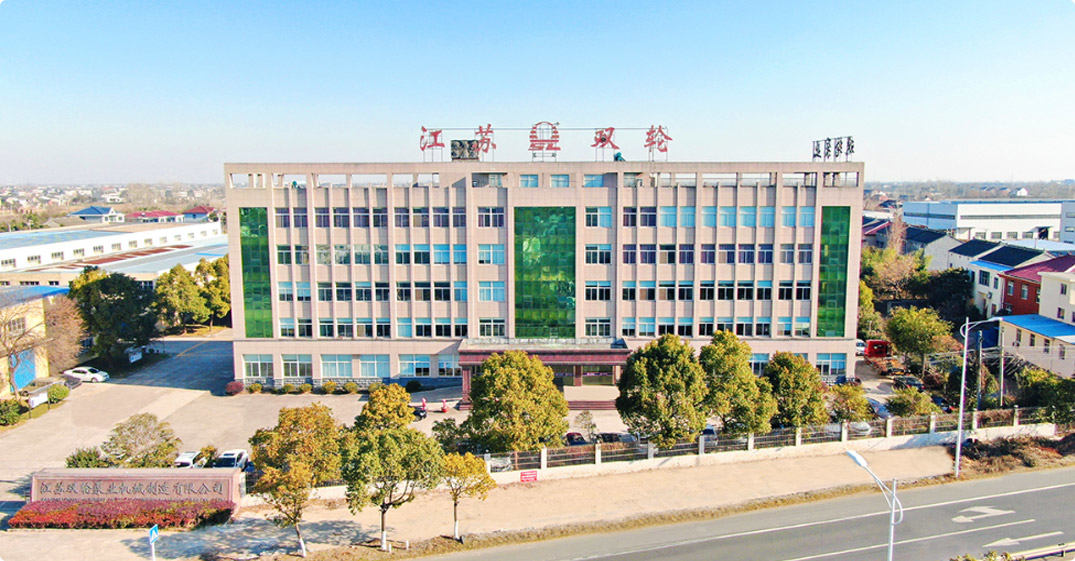
Jiangsu Double-wheel Pump Machinery Manufacting Co.,Ltd.
Jiangsu Double Wheel Pump Machinery Manufacturing Co., Ltd. is China Precision Casting Stainless Steel Pump Manufacturers and Wholesale Precision Casting Stainless Steel Pump Factory. The company is located in the scenic Yangtze River bank, Jiangyin Bridge, Beijing-Shanghai Expressway, Shanghai-Nanjing Expressway, Ningtong Expressway, Ningjingyan expressway running through the north and south, the traffic is very convenient, the geographical position is esteemed good. It is a production base specializing in non-sealed self-priming pumps, rain pumps, long-axis liquid pumps, chemical centrifugal pumps, positive displacement pumps and environmental protection equipment and mechanical equipment. The company has two production bases, covering an area of nearly 60,000 square meters, of which the eastern base covers an area of 33,000 square meters, the western base covers an area of 27,000 square meters, six modern production workshops, two installation workshops, a professional test workshop, a variety of mechanical processing equipment more than 160 sets, including a pump comprehensive performance test platform, Can test diameter 32-1200mm, motor power 1.1-1200KW, voltage 380V-10KV of various types of pumps, scientific research, development, manufacturing, processing, promotion, application of its own system. In the past two years, the company has closely followed the national industrial policy, made a big deal about environmental protection, and undertaken a large number of sewage treatment projects, which is unique in the environmental protection industry.
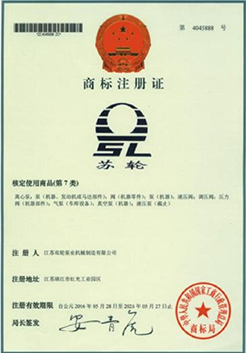
Certificate Of Honor


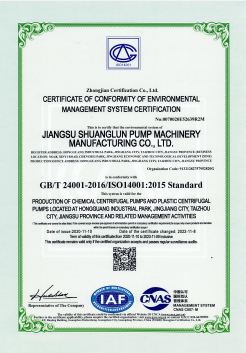
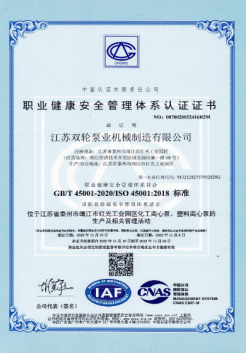
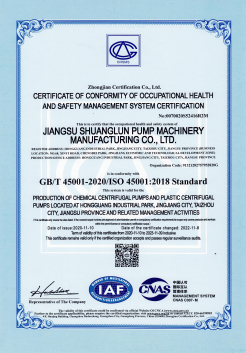
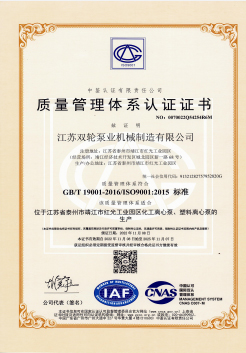
-
0

Be established in
-
0+

Professional personnel
-
0 million

Registered capital
-
0 ㎡

Plant area
After-Sales Service
Maintenance and Technical Support
Comprehensive lifecycle support for your precision casting stainless steel pump.
Maintenance and Spare Parts
Keep your stainless steel pump in optimal condition
-
Mechanical Seal Kit: Complete seal assembly with faces (SiC/Carbon), elastomers (EPDM/FKM/FFKM), and gaskets. Sanitary/Biopharmaceutical seal options with FDA-compliant materials.
-
Impeller Kit: Precision casting replacement impeller in SS304, SS316, or Duplex. Supplied with key and impeller nut.
-
Passivation Service Kit: Citric acid passivation gel, surface preparation cleaner, and application tools for field re-passivation after modifications.
-
Surface Finishing Kit: Polishing paste set (3μm, 6μm, 9μm) and soft polishing wheels for minor scratch repair.
Professional Technical Support
Expert assistance for high-purity applications
-
Material Selection Consulting: Our metallurgists recommend the optimal stainless steel grade based on your specific chemical, temperature, and chloride exposure.
-
Sanitary Design Review: For food and pharmaceutical applications, we review your system design for cleanability, drainability, and compliance with 3A/EHEDG standards.
-
Field Passivation Service: Our technicians can passivate your pump and associated piping on-site using validated citric acid procedures, with surface verification passivation testing.
-
Material Traceability Documentation: Complete documentation package including EN 10204 3.1 certificates, PMI reports, and surface roughness measurements for regulatory compliance (FDA, cGMP).


+86-0523- 84351 090 /+86-180 0142 8659


Welcome To
Jiangsu Double-Wheel Pump
Add 1: Hongguang Industrial Park, Jingjiang City, Jiangsu Province, China
Add 2: No.68, Xinyi Road, Industrial Park, Jingjiang City, Jiangsu Province, China
Contact
-
Tel:
+86-0523- 84351 090
+86-180 0142 8659 -
FAX:
+0523-8435 5588
- E-mail: