language
  русский
 عربى
عربى Indonesia
Industrial Fluid Motion Control Pump Wholesale


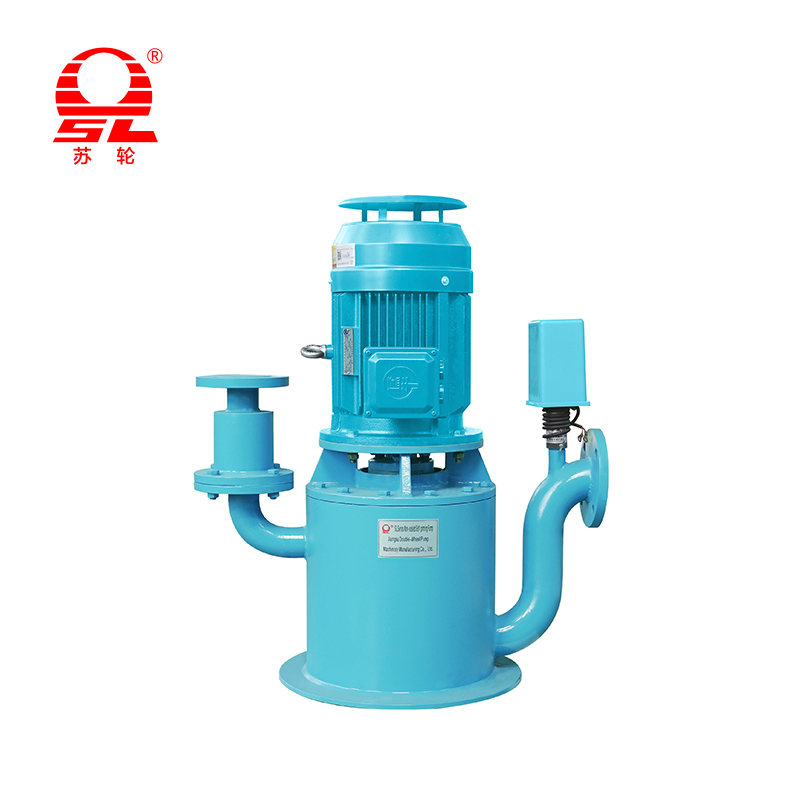

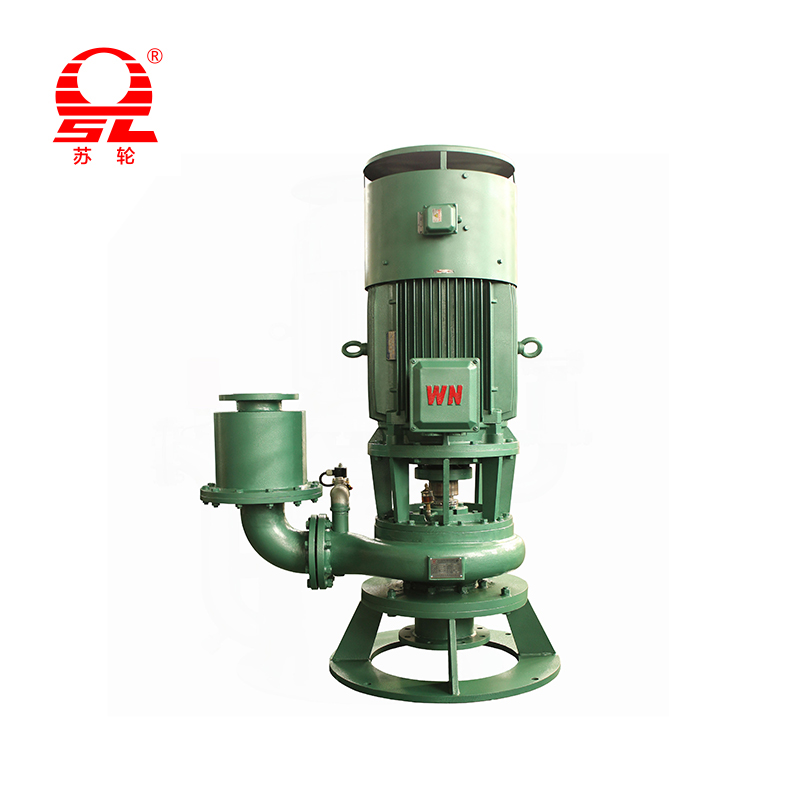

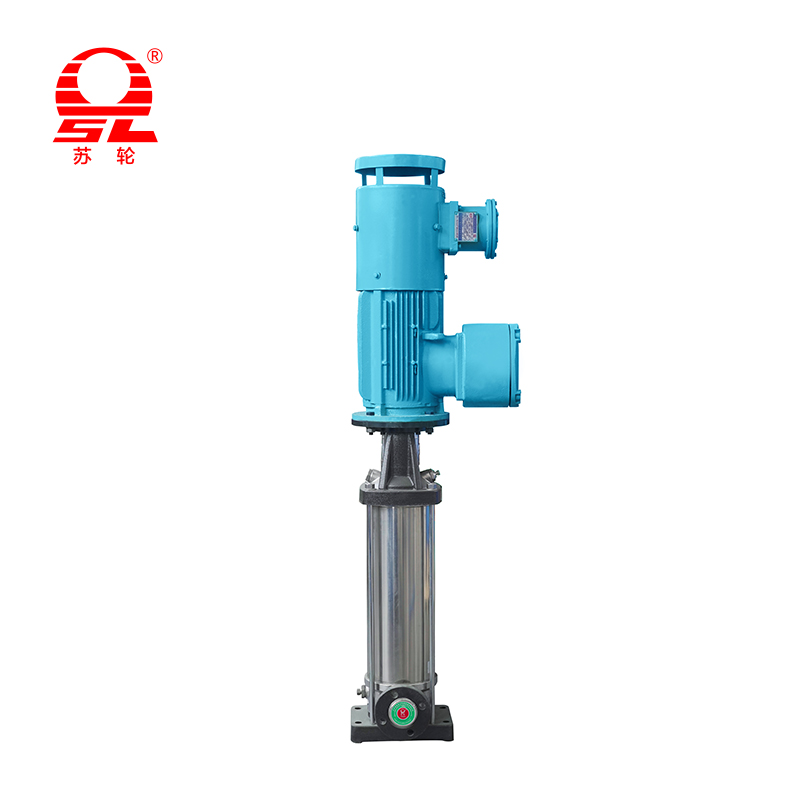
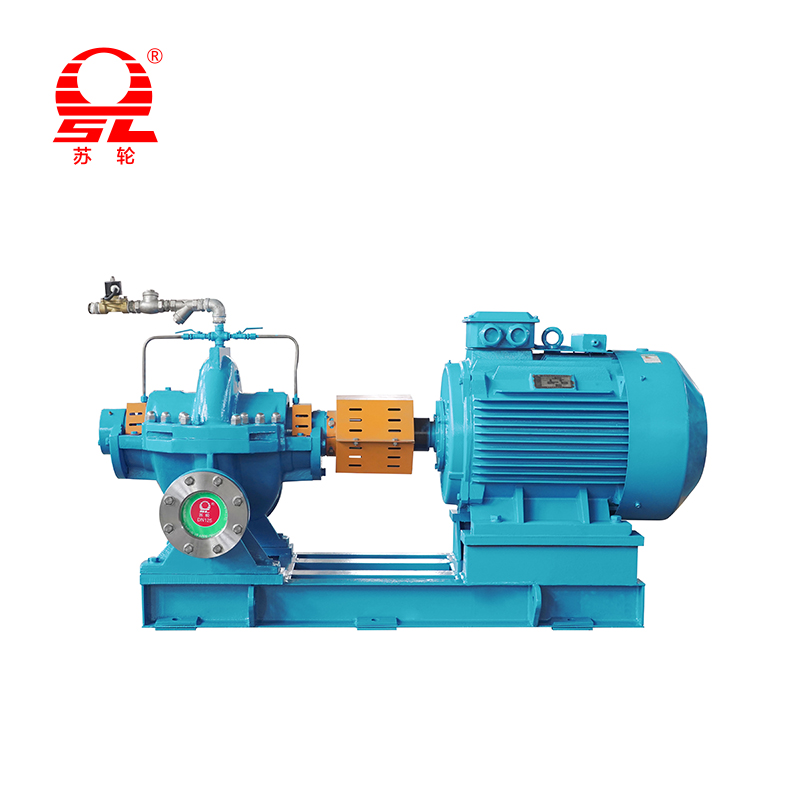
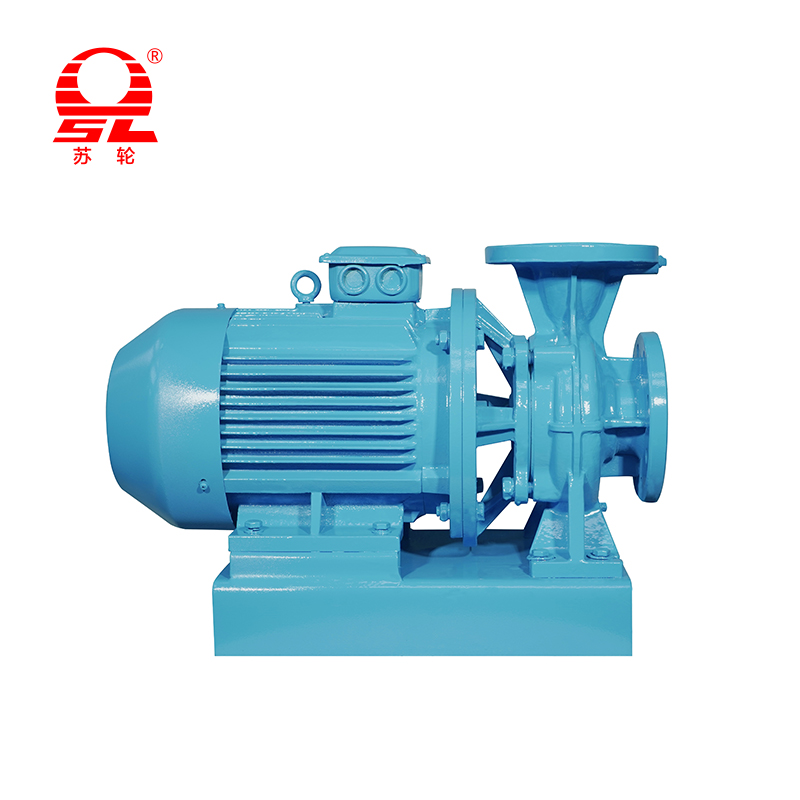


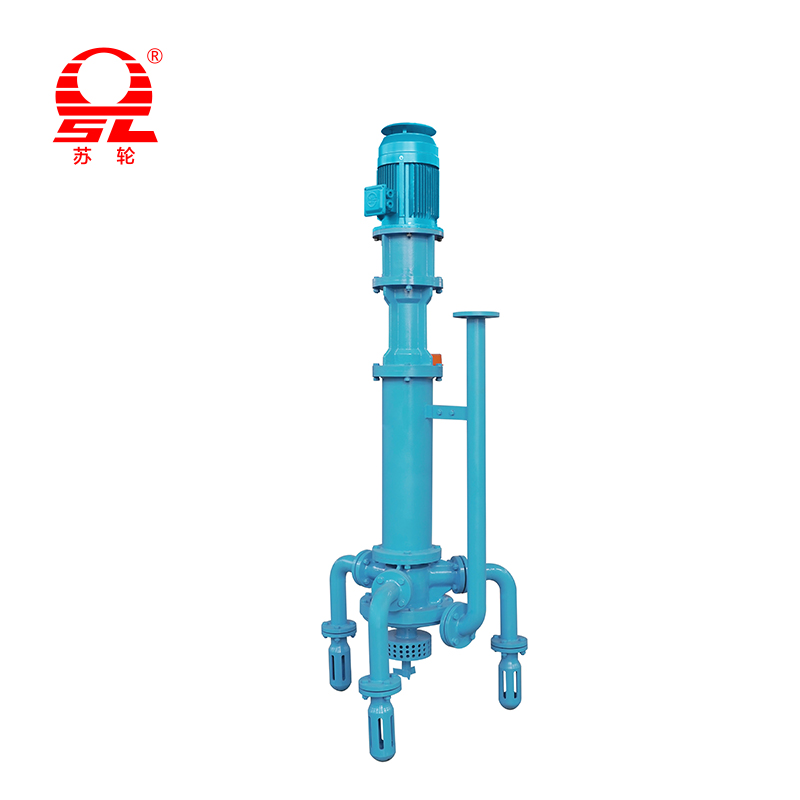

Precision Flow Control 1-1,000 m³/h ±1% Accuracy ISO 5199
Industrial Fluid Motion Control Pump
Engineered for precision fluid handling in industrial automation and process control systems. Designed for accurate flow regulation, proportioning, and dosing with VFD integration and closed-loop control capability.
Product Introduction
Precision Fluid Motion Control Technology
A comprehensive examination of the engineering, control features, and precision capabilities of our industrial fluid motion control pump range.
The Industrial Fluid Motion Control Pump is designed for applications requiring precise regulation of fluid flow, pressure, or volume. Unlike standard pumps that operate at fixed speed or with simple on-off control, our motion control pumps integrate with industrial automation systems to provide accurate, repeatable flow control for processes such as chemical dosing, blending, batching, proportioning, and hydraulic system supply. The pump is equipped with high-response variable frequency drives (VFD), precision sensors, and closed-loop control algorithms that maintain setpoint accuracy within plus or minus 1 percent across a 10:1 turndown ratio. For the most demanding applications, we offer servo-motor driven pumps with response times under 100 milliseconds.
The pump hydraulic design is optimized for linear flow response to speed changes. Unlike some pump designs where flow response is non-linear, our centrifugal design with specifically profiled impellers provides a near-linear relationship between speed and flow. This simplifies control system tuning and improves accuracy across the operating range. For applications requiring the highest precision, we offer positive displacement pump variants (gear, lobe, or peristaltic) that provide perfect linearity and excellent low-flow performance. The pump is selected based on the required flow accuracy, turndown ratio, and fluid characteristics.
The control system is the heart of the motion control pump. A programmable logic controller (PLC) or dedicated pump controller receives the setpoint signal (4-20mA, 0-10V, or digital communication) from the plant DCS or process controller. The controller compares the setpoint to the actual flow reading from a flow meter (magnetic, ultrasonic, or coriolis) and adjusts the VFD output to minimize the error. PID (proportional-integral-derivative) control loops are tuned for your specific system dynamics. For multi-pump systems, the controller can coordinate multiple pumps in master-follower or cascade configurations.
The variable frequency drive (VFD) is sized to the motor and programmed with pump-specific parameters. The VFD provides soft start, speed control, and energy savings when operating at reduced flow. For motion control applications, we specify high-performance VFDs with PID control, fast response times (less than 10 milliseconds), and analog output for speed feedback. The VFD is mounted in a NEMA 12 or NEMA 4X enclosure suitable for the installation environment. For hazardous areas, we offer explosion-proof VFD enclosures.
Flow measurement is critical for closed-loop control. We offer multiple flow meter technologies. Magnetic flow meters (magmeters) provide accurate measurement of conductive liquids with no pressure drop. Ultrasonic flow meters are suitable for clean or dirty liquids and can be clamped onto existing pipes. Coriolis meters provide the highest accuracy (plus or minus 0.1 percent) for mass flow measurement and are ideal for batching and blending applications. The flow meter signal is connected directly to the pump controller. For applications where a flow meter is not practical, we can control based on pump speed using calibrated flow curves (open-loop control).
The pump construction is optimized for the specific fluid. For clean water and light chemicals, cast iron with stainless steel internals is suitable. For corrosive chemicals, PTFE-lined or stainless steel construction is specified. For abrasive slurries, hardened Ni-Hard impellers with replaceable wear plates are used. The mechanical seal is selected for the fluid properties and operating pressure. For zero-leakage applications, we offer magnetic drive (sealless) construction with containment shell monitoring.
Communication capabilities integrate the pump with plant automation systems. Standard communication protocols include Modbus RTU, Modbus TCP/IP, Profibus DP, Profinet, EtherNet/IP, and DeviceNet. The pump controller shares real-time data including flow rate, pressure, speed, power, and alarm status. Remote setpoint changes, start/stop commands, and auto-tuning are possible via the communication link. For OEM applications, we provide custom register maps for seamless integration.
Data logging and reporting are available for quality control and regulatory compliance. The controller stores historical data including flow totals, batch records, alarm logs, and tuning parameters. Data can be exported via USB or Ethernet to a central database. For pharmaceutical and food applications, we provide 21 CFR Part 11 compliant data logging with electronic signatures and audit trails.
In summary, the Industrial Fluid Motion Control Pump delivers the precision, repeatability, and automation integration required for demanding process control applications.
Closed-loop flow control with plus or minus 1 percent accuracy
Flow rates: 1 to 1,000 m³/h
Heads: 10 to 100 meters
VFD with integrated PID control
Flow meter options: Magnetic / Ultrasonic / Coriolis
Communication: Modbus / Profibus / EtherNet/IP
Turndown ratio: 10:1 (centrifugal) / 100:1 (positive displacement)
Materials: Cast iron / SS304 / SS316 / PTFE lined / Ni-Hard
Sealing: Single mechanical / Double mechanical / Magnetic drive
21 CFR Part 11 compliant data logging available
Technical Data
Technical Specifications
Complete performance and control parameters for the industrial fluid motion control pump range.
| Parameter | Specification |
|---|---|
|
Pump Type
|
>Centrifugal (standard) / Positive displacement (gear/lobe/peristaltic) / Metering |
|
Flow Rate Range
|
>0.1 to 1,000 m³/h (0.44 to 4,400 US gpm) |
|
Total Head Range
|
>10 to 100 meters (33 to 328 feet) |
|
Flow Control Accuracy
|
>Plus or minus 1 percent (closed-loop) / Plus or minus 3 percent (open-loop) |
|
Turndown Ratio
|
>10:1 (centrifugal) / 50:1 to 100:1 (positive displacement) |
|
Control Response Time
|
>100 to 500 milliseconds (standard) / 50 milliseconds (servo) |
|
Motor Power Range
|
>0.25 kW to 160 kW (0.3 to 215 HP) |
|
Voltage Options
|
>230V / 400V / 415V / 460V / 690V single or three phase |
|
Port Size
|
>15 mm to 200 mm (0.5" to 8") |
|
Fluid Temperature
|
>-10°C to +90°C standard; up to +150°C with special seals |
|
Fluid Types
|
>Water / Chemicals / Oil / Slurry / Food products / Pharmaceuticals |
|
Control Inputs
|
>4-20mA / 0-10V / Pulse / Modbus / Profibus / EtherNet/IP |
|
Flow Meter Options
|
>Magnetic / Ultrasonic / Coriolis / Turbine / Oval gear |
|
Casing Material
|
>Cast iron / SS304 / SS316 / PTFE lined / Hastelloy |
|
Shaft Sealing
|
>Single mechanical / Double mechanical / Magnetic drive / Packing |
|
Enclosure Rating
|
>NEMA 12 (indoor) / NEMA 4X (outdoor) / Ex d (hazardous area) |
Why Choose Motion Control Pumps
Core Advantages
Six key engineering benefits that make our industrial fluid motion control pump the preferred choice for precision process applications.
Precision Flow Control
Closed-loop control with magnetic or coriolis flow meter achieves plus or minus 1 percent flow accuracy. The PID controller continuously adjusts pump speed to maintain setpoint. Repeatability is better than 0.5 percent, ensuring consistent batch quality.
Energy Efficient VFD Operation
Pump speed is matched to process demand. The affinity law states power is proportional to speed cubed. Operating at 80 percent speed reduces power consumption by 49 percent compared to constant speed with throttling valve. Typical payback is 6 to 18 months.
Seamless Automation Integration
Standard communication protocols (Modbus, Profibus, EtherNet/IP) connect directly to plant DCS or PLC. No custom gateway required. The pump appears as a standard device on the control network. Register maps are provided for easy integration.
Wide Turndown Ratio
Centrifugal pumps achieve 10:1 turndown (10 to 100 percent flow). Positive displacement pumps achieve 50:1 to 100:1 turndown (1 to 100 percent flow). This flexibility allows a single pump to handle both high flow production and low flow maintenance.
Complete Data Logging
The pump controller stores flow totals, batch records, and alarm logs for quality control and regulatory compliance. Data can be exported via USB or Ethernet. 21 CFR Part 11 compliant logging available for pharmaceutical applications.
Remote Monitoring and Control
Web-based or mobile access allows monitoring of flow rate, pressure, speed, and power from anywhere. Remote setpoint changes and start/stop control are supported. Alarm notifications via email or SMS.
Use Cases
Primary Applications
Trusted across chemical, pharmaceutical, food, and industrial sectors for precision fluid control.
Chemical Dosing and Injection
Precise injection of corrosion inhibitors, biocides, coagulants, flocculants, and other treatment chemicals. Flow rates from milliliters per hour to cubic meters per hour.
Batch Processing and Batching
Accurate batching of liquid ingredients for chemical, pharmaceutical, and food production. The pump stops automatically when the target volume is reached. Batch repeatability of plus or minus 0.5 percent.
Blending and Proportioning
Multi-pump blending systems where two or more pumps proportion their flow rates to maintain a fixed ratio. Ideal for fuel blending, paint mixing, and beverage production.
Hydraulic System Pressure Control
Maintaining constant pressure in hydraulic systems using VFD-controlled pump with pressure feedback. Eliminates pressure relief valve losses, saving energy.
Pharmaceutical Metering
Precise metering of active pharmaceutical ingredients (APIs) and excipients. 21 CFR Part 11 compliant data logging. Sanitary construction with electropolished surfaces.
Water Treatment Plant Dosing
Automatic adjustment of chemical dosing rates based on raw water quality (turbidity, pH, chlorine demand). Closed-loop control from online analyzers.
Head-to-Head
Control Method Comparison
A detailed comparison of VFD closed-loop control versus traditional throttling valve control.
| Parameter | VFD Closed-Loop Control | Throttling Valve Control |
|---|---|---|
| Flow Accuracy | Plus or minus 1 percent | Plus or minus 5 to 10 percent |
| Energy Efficiency | High (power reduced with flow) | Low (full power at all flows) |
| Turndown Ratio | 10:1 to 100:1 | 3:1 to 5:1 |
| Valve Maintenance | None (no control valve) | High (valve wear and sticking) |
| Response Time | 1 to 5 seconds | Sub-second |
| Initial Cost | Higher (VFD, flow meter, controller) | Lower |
| Operating Cost (annual, 100 kW pump) | $15,000 (at 60% average flow) | $60,000 (at full speed) |
| Payback Period (vs. throttling valve) | 6 to 18 months | Not applicable |
Expert Tips
Usage Tips and Best Practices
Maximize the precision, reliability, and efficiency of your industrial fluid motion control pump.
1
Properly Size Flow Meter for Turndown
The flow meter must maintain accuracy across the required flow range. For 10:1 turndown, specify a flow meter with 0.5 percent of rate accuracy. For 100:1 turndown, consider dual flow meters or positive displacement pump with speed feedback.
2
Install Straight Pipe Runs for Flow Meter
Magnetic and ultrasonic flow meters require upstream and downstream straight pipe (typically 5 diameters upstream, 3 diameters downstream). Elbows and valves near the flow meter cause flow profile distortion and measurement error.
3
Avoid Operating Below Minimum Pump Speed
Centrifugal pumps have a minimum speed (typically 30 percent of rated speed) below which flow becomes unstable. Set the VFD minimum speed parameter above the stability limit. For very low flows, use a positive displacement pump.
4
Calibrate Flow Meter Annually
Flow meters drift over time. Schedule annual calibration using a master meter or weigh scale. Magnetic flow meters require periodic verification of zero and span. Ultrasonic meters require re-measuring pipe dimensions.
5
Tune PID Controller for Your System
The default PID settings may not be optimal for your system. Perform a step change test and adjust P, I, D terms for stable, responsive control. Avoid aggressive settings that cause overshoot or oscillation.
6
Monitor Pump Efficiency for Wear Detection
Track flow and power at a given speed. A flow reduction at constant speed indicates impeller wear or internal recirculation. A power increase at constant flow indicates seal drag or bearing wear. Use trend data for predictive maintenance.
FAQ
Frequently Asked Questions
Expert answers to common questions about industrial fluid motion control pumps.
What is the difference between open-loop and closed-loop flow control?
Open-loop control sets pump speed based on a calibrated speed-flow curve. No flow measurement is used. Accuracy is plus or minus 3 to 5 percent. Closed-loop control uses a flow meter to measure actual flow and adjusts speed to maintain setpoint. Accuracy is plus or minus 1 percent or better.
Which flow meter technology is best for my application?
Magnetic flow meters are best for conductive liquids (water, chemicals) with no pressure drop. Ultrasonic clamp-on meters are good for clean or dirty liquids where pipe cannot be cut. Coriolis meters provide highest accuracy and direct mass flow measurement for batching. Turbine meters are economical for clean, low viscosity liquids.
Can I use a VFD with an existing pump?
Yes, but with precautions. The motor must be inverter-duty rated (NEMA MG1 Part 31) to withstand voltage spikes. The pump must be capable of operating at reduced speed without vibration or overheating. We provide VFD retrofit kits including the VFD, flow meter, and controller pre-programmed for your pump.
What is turndown ratio and why is it important?
Turndown ratio is the ratio of maximum controllable flow to minimum controllable flow. A 10:1 turndown means the pump can control flow from 10 to 100 percent of capacity. Higher turndown allows a single pump to handle both high flow production and low flow maintenance or idle periods.
How do I integrate the pump with my existing control system?
The pump controller supports Modbus RTU, Modbus TCP/IP, Profibus DP, Profinet, and EtherNet/IP. We provide the register map and sample code for integration. The pump appears as a standard device on your control network. Alternatively, use 4-20mA analog signals for setpoint and feedback.
What accuracy can I expect for batch dosing?
With a coriolis flow meter and closed-loop control, batch accuracy is plus or minus 0.5 percent of total volume. For larger batches (over 100 liters), accuracy of plus or minus 0.2 percent is achievable. Repeatability is better than 0.2 percent.
Can the pump handle viscous fluids?
For viscosities above 500 centipoise, centrifugal pumps lose efficiency. Specify a positive displacement pump (gear, lobe, or progressive cavity) for highly viscous fluids. Our motion control pumps are available in both centrifugal and positive displacement designs.
What is the typical payback period for a VFD control system?
For a pump operating at 60 percent average flow, energy savings of 40 to 50 percent are typical. With electricity at 0.12 per kWh and 6,000 hours per year, a 100 kW pump saves $28,800 annually. The VFD, flow meter, and controller typically pay back in 6 to 18 months.
Do you provide explosion-proof motion control pumps?
Yes. We offer ATEX and IECEx certified pumps for Zone 1 and Zone 2 hazardous areas. The motor is Ex d (flameproof) or Ex e (increased safety). The VFD and controller are housed in Ex d enclosures. The flow meter is available with Ex ia (intrinsically safe) or Ex d construction.
What is the typical lead time for a motion control pump system?
Standard systems (centrifugal pump, VFD, mag meter, controller) ship within 6 to 8 weeks. Positive displacement pumps require 8 to 10 weeks. 21 CFR Part 11 compliant systems require 10 to 12 weeks. Explosion-proof systems add 4 to 6 weeks.
Company
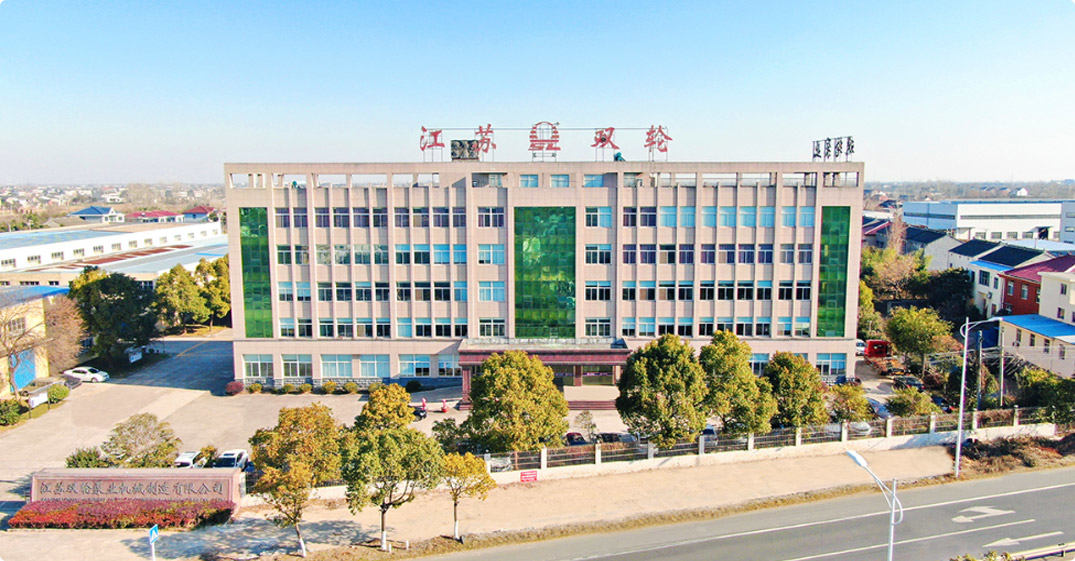
Jiangsu Double-wheel Pump Machinery Manufacting Co.,Ltd.
Jiangsu Double Wheel Pump Machinery Manufacturing Co., Ltd. is China Industrial Fluid Motion Control Pump Manufacturers and Wholesale Industrial Fluid Motion Control Pump Factory. The company is located in the scenic Yangtze River bank, Jiangyin Bridge, Beijing-Shanghai Expressway, Shanghai-Nanjing Expressway, Ningtong Expressway, Ningjingyan expressway running through the north and south, the traffic is very convenient, the geographical position is esteemed good. It is a production base specializing in non-sealed self-priming pumps, rain pumps, long-axis liquid pumps, chemical centrifugal pumps, positive displacement pumps and environmental protection equipment and mechanical equipment. The company has two production bases, covering an area of nearly 60,000 square meters, of which the eastern base covers an area of 33,000 square meters, the western base covers an area of 27,000 square meters, six modern production workshops, two installation workshops, a professional test workshop, a variety of mechanical processing equipment more than 160 sets, including a pump comprehensive performance test platform, Can test diameter 32-1200mm, motor power 1.1-1200KW, voltage 380V-10KV of various types of pumps, scientific research, development, manufacturing, processing, promotion, application of its own system. In the past two years, the company has closely followed the national industrial policy, made a big deal about environmental protection, and undertaken a large number of sewage treatment projects, which is unique in the environmental protection industry.
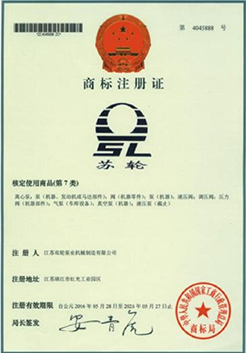
Certificate Of Honor


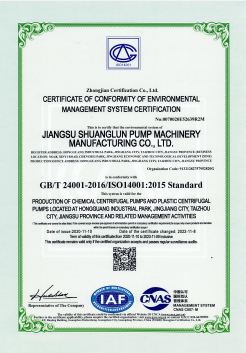
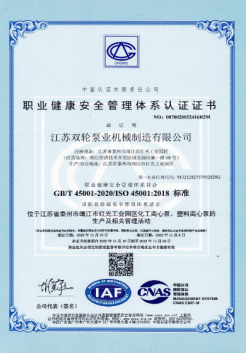
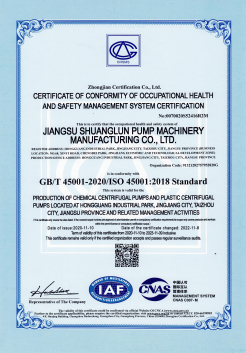
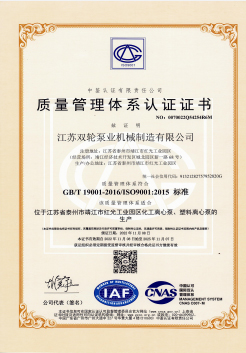
-
0

Be established in
-
0+

Professional personnel
-
0 million

Registered capital
-
0 ㎡

Plant area
After-Sales Service
Maintenance and Technical Support
Comprehensive lifecycle support for your industrial fluid motion control pump system.
Maintenance and Spare Parts
Keep your motion control system operating precisely
-
Flow Meter Calibration Service: Annual calibration of magnetic, ultrasonic, or coriolis flow meters with NIST-traceable standards. Calibration certificate provided.
-
VFD Replacement Kit: Pre-programmed replacement VFD with the same parameters as the original. Plug-and-play replacement. Includes communication module.
-
Seal and Bearing Kit: Complete mechanical seal and bearing replacement kit for the pump. Seal faces matched to fluid.
-
Controller Upgrade: Replacement controller with updated firmware. Includes register map documentation.
Professional Technical Support
Expert assistance for precision fluid control systems
-
PID Loop Tuning Service: Our control engineers remotely tune your PID parameters for optimal response. We analyze step test data and adjust P, I, D terms.
-
System Integration Assistance: We provide register maps, sample code, and engineering support for integrating the pump with your DCS or PLC.
-
On-Site Commissioning: Factory-trained technicians commission your motion control system including flow meter calibration and PID tuning.
-
Remote Monitoring Service: We monitor your pump performance remotely and provide monthly reports with efficiency trends and maintenance recommendations.


+86-0523- 84351 090 /+86-180 0142 8659


Welcome To
Jiangsu Double-Wheel Pump
Add 1: Hongguang Industrial Park, Jingjiang City, Jiangsu Province, China
Add 2: No.68, Xinyi Road, Industrial Park, Jingjiang City, Jiangsu Province, China
Contact
-
Tel:
+86-0523- 84351 090
+86-180 0142 8659 -
FAX:
+0523-8435 5588
- E-mail: