language
  русский
 عربى
عربى Indonesia
Environmental Protection Equipment Water Pump Wholesale







Green Technology
Up to 3,000 m³/h
Energy Efficient
ISO 14001
Environmental Protection Equipment Water Pump
Engineered for sustainable water management in environmental protection applications. Designed for high efficiency, low emissions, and reliable operation in wastewater treatment, water reclamation, and environmental remediation projects.
Product Introduction
Sustainable Pumping Technology for Environmental Protection
A comprehensive examination of the engineering, efficiency features, and environmental application benefits of our water pump range.
The Environmental Protection Equipment Water Pump is designed for the growing demand for sustainable, energy-efficient water management in environmental applications. Municipal wastewater treatment plants, industrial effluent treatment facilities, water reclamation projects, and environmental remediation sites all require reliable pumping equipment that minimizes energy consumption and environmental impact. Our pumps combine high efficiency, low lifecycle cost, and environmentally responsible design features including reduced emissions, low noise, and materials selected for long service life. These pumps help environmental protection facilities meet energy reduction targets while maintaining reliable operation.
The hydraulic design is optimized for maximum efficiency. Computational Fluid Dynamics (CFD) analysis is used to develop impeller and volute geometries with minimal hydraulic losses. The result is peak efficiencies of 88 to 92 percent at best efficiency point, significantly higher than standard pumps. The double-suction impeller design eliminates axial thrust, reducing bearing losses and extending bearing life. The smooth internal passages minimize turbulence and recirculation losses. For variable flow applications, the pump is designed for efficient operation across a wide flow range, maintaining efficiency above 80 percent from 50 to 110 percent of BEP flow.
The motor is high efficiency IE4 (Super Premium Efficiency) or IE5 (Ultra Premium Efficiency) class. IE4 motors have losses approximately 30 percent lower than IE2 motors. For the highest efficiency, we offer synchronous reluctance or permanent magnet motors (IE5) that achieve 94 to 96 percent efficiency. For variable flow applications, we supply VFD-compatible inverter-duty motors. The combination of a high efficiency motor and VFD control can reduce energy consumption by 30 to 50 percent compared to constant speed operation with throttling valves.
Material selection prioritizes environmental compatibility and long service life. The pump casing is available in cast iron, ductile iron, or stainless steel depending on the fluid corrosivity. For standard wastewater and water applications, cast iron with epoxy coating (minimum 300 microns) provides corrosion protection. For aggressive industrial effluents, stainless steel SS316 or duplex is specified. All wetted surfaces are free of lead, cadmium, and other hazardous materials, compliant with RoHS (Restriction of Hazardous Substances) directives.
The sealing system is designed to prevent leakage to the environment. Single mechanical seals with silicon carbide faces and FKM elastomers are standard. For environmentally sensitive applications where zero leakage is required, we offer double mechanical seals (API 682 Arrangement 2 or 3) with barrier fluid. The barrier fluid is contained in a sealed reservoir, and any leakage is contained rather than released. For applications involving hazardous chemicals, we offer magnetic drive (sealless) pumps that eliminate dynamic seals entirely. The containment shell is designed to withstand full pump pressure without leakage.
Noise reduction is an important environmental consideration, especially for pumps located near residential areas or in urban environments. Our pumps are designed for low noise operation. The impeller is dynamically balanced to ISO 1940 Grade G2.5 or better. The volute is designed to minimize hydraulic noise (cavitation, turbulence). The motor is low noise design. The complete pump assembly is mounted on vibration isolators to reduce structure-borne noise. Typical noise levels are 70 to 75 dBA at 1 meter, significantly lower than standard pumps.
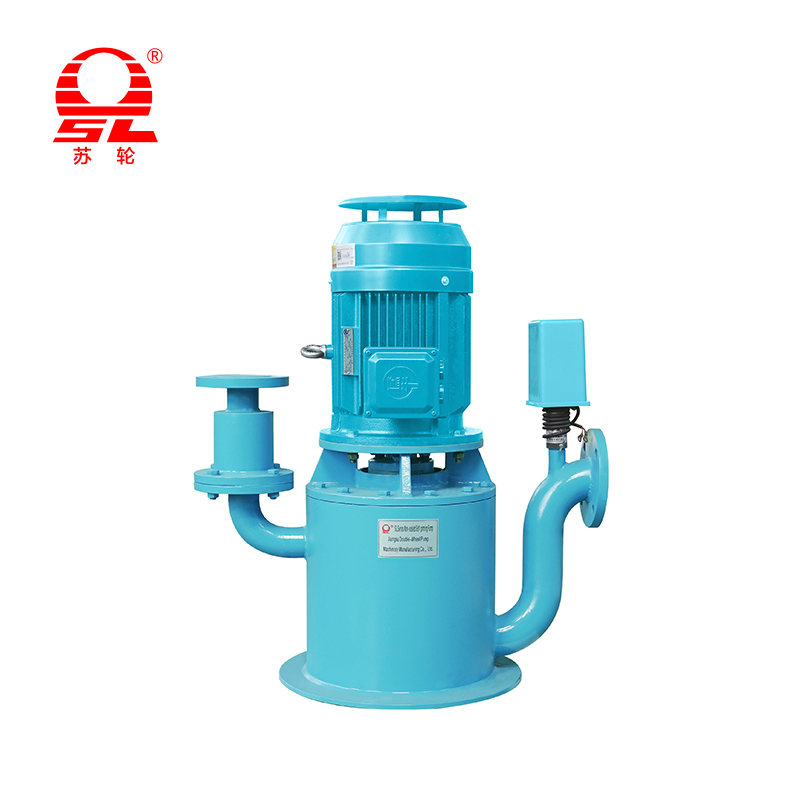
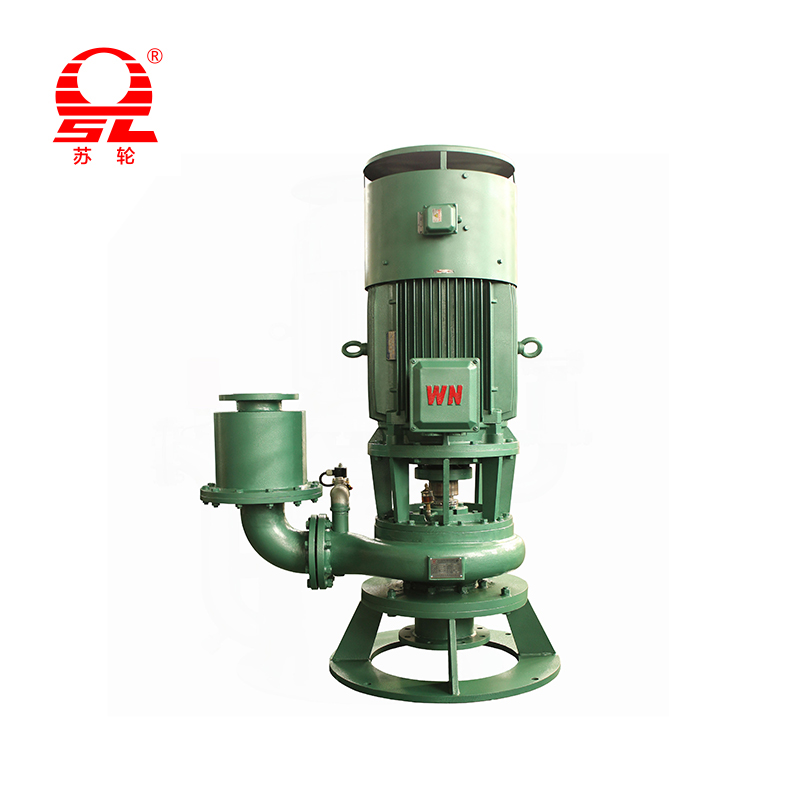
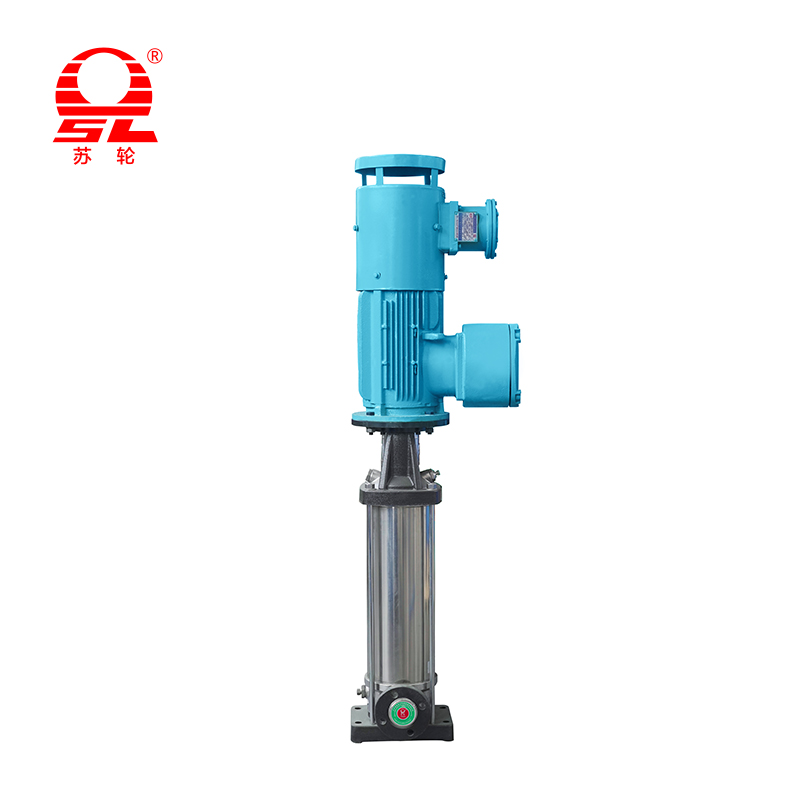
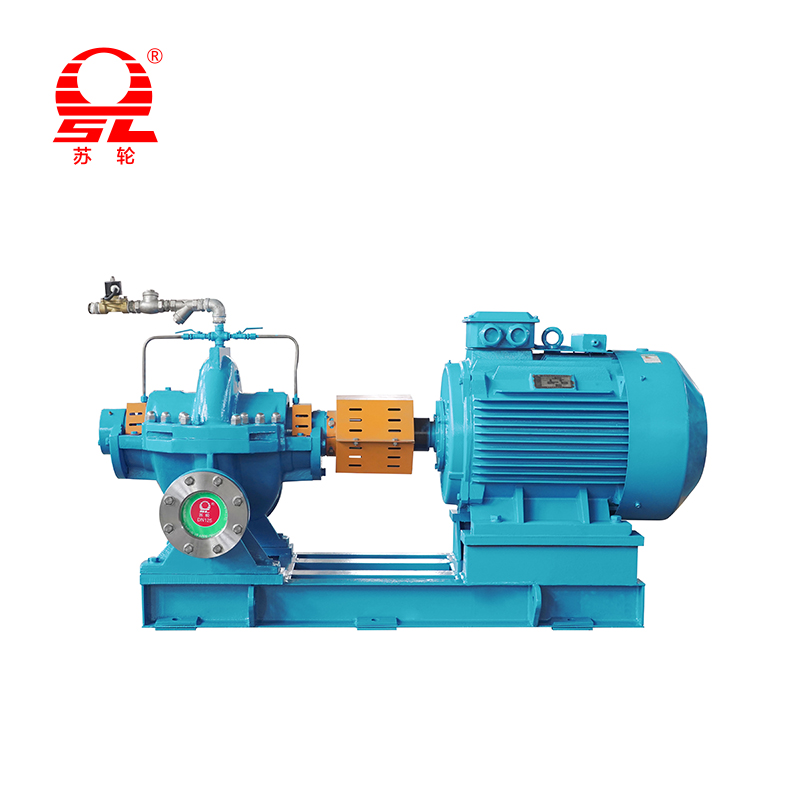
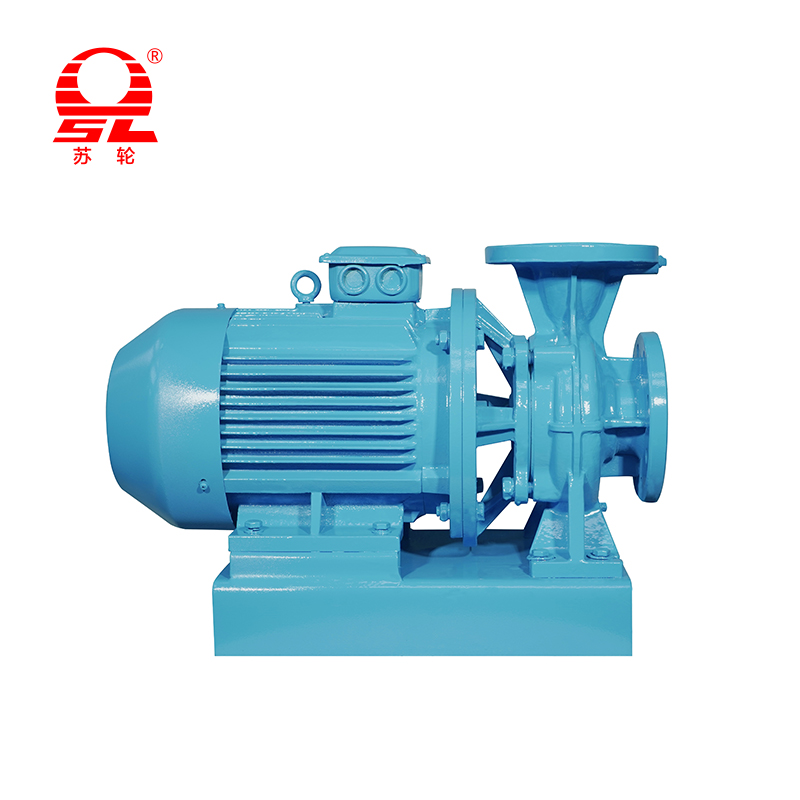
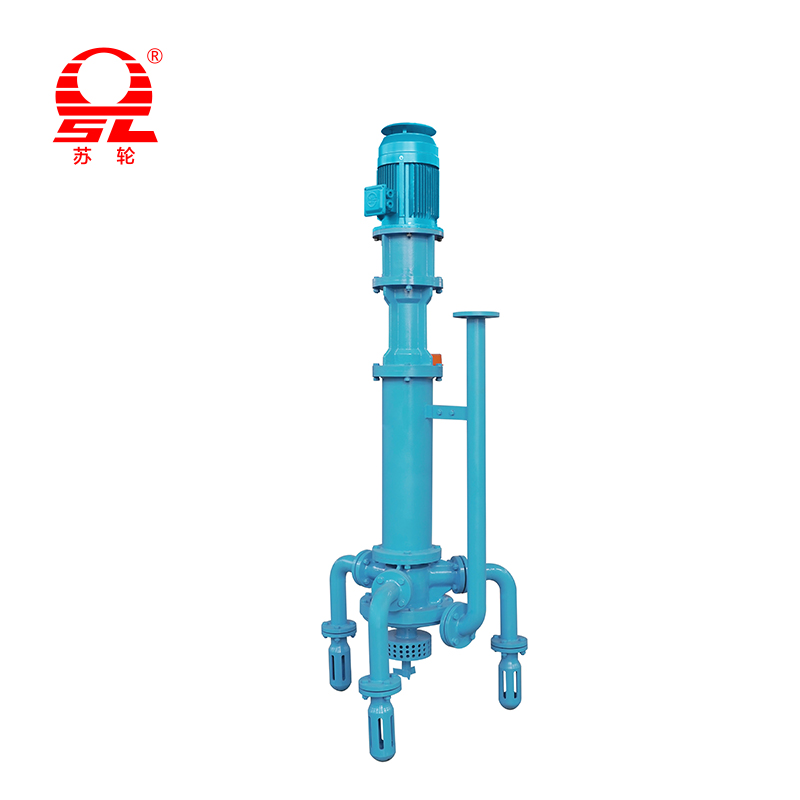
The pump is available in multiple configurations. Horizontal end-suction pumps are suitable for most water and wastewater applications. Double-suction split-case pumps provide higher efficiency for larger flow rates. Vertical turbine pumps are used for lift stations and tank applications where space is limited. Submersible pumps are available for wet well installations. Each configuration is optimized for its specific application while maintaining high efficiency and environmental compatibility.
Lifecycle cost analysis shows that energy typically accounts for 85 to 90 percent of total pump ownership cost over 10 years. Purchase price is only 5 to 10 percent, and maintenance is 5 to 10 percent. Our energy efficient pumps reduce the dominant energy cost, delivering the lowest total cost of ownership. For a typical 100 kW pump operating 6,000 hours per year, a 10 percent efficiency improvement saves 60,000 kWh per year, reducing CO2 emissions by approximately 30 metric tons per year.
Smart control features include pressure sensors, flow meters, and level sensors that communicate with the pump controller. The pump can be configured to automatically adjust speed (with VFD) to maintain setpoint pressure or level, optimizing energy use based on real-time demand. Data logging and remote monitoring capabilities allow operators to track energy consumption, pump efficiency, and maintenance needs. Alerts are sent for abnormal conditions such as cavitation, seal leakage, or bearing temperature rise.
In summary, the Environmental Protection Equipment Water Pump delivers the high efficiency, low emissions, and reliable operation required for sustainable water management.
Peak efficiency 88 to 92 percent (pump) plus 94 to 96 percent (motor)
IE4 or IE5 high efficiency motors
VFD ready for variable flow energy savings
Flow rates: 10 to 3,000 m³/h
Heads: 10 to 100 meters
Sealing: Single or double mechanical seals / Magnetic drive (sealless)
Low noise design: 70 to 75 dBA at 1 meter
Materials: Cast iron / Ductile iron / SS304 / SS316 / Duplex
RoHS compliant materials
Smart control with SCADA integration
Technical Data
Technical Specifications
Complete performance and efficiency parameters for the environmental protection water pump range.
| Parameter | Specification |
|---|---|
Pump Configuration | End-suction / Split-case / Vertical turbine / Submersible |
Flow Rate Range | 10 to 3,000 m³/h (44 to 13,200 US gpm) |
Total Head Range | 10 to 100 meters (33 to 328 feet) |
Pump Peak Efficiency | 88 to 92 percent at BEP |
Motor Efficiency Class | IE4 (Super Premium) standard / IE5 (Ultra Premium) optional |
Motor Power Range | 2.2 kW to 450 kW (3 to 600 HP) |
Voltage Options | 380V / 400V / 415V / 460V / 690V |
Speed | 1,450 / 2,950 RPM (50Hz); 1,750 / 3,550 RPM (60Hz) |
Port Size | 50 mm to 500 mm (2" to 20") |
Fluid Temperature | 0°C to 60°C standard; up to 90°C with special seals |
Fluid Types | Clean water / Raw sewage / Industrial effluent / Reclaimed water |
Casing Material | Cast iron GG25 / Ductile iron GGG40 / SS304 / SS316 |
Shaft Sealing | Single mechanical seal / Double mechanical seal / Magnetic drive (sealless) |
Noise Level | 70 to 75 dBA at 1 meter (depending on size) |
Design Standard | ISO 5199 / EN 733 / ERP Lot 11 compliant |
Why Choose Environmental Pumps
Core Advantages
Six key environmental and efficiency benefits that make our water pump the sustainable choice for treatment facilities.
Energy Efficiency Leadership
Our pumps achieve MEI (Minimum Efficiency Index) values of 0.70 or higher, exceeding ERP Lot 11 requirements. Combined with IE4 or IE5 motors, overall efficiency is 85 to 90 percent. For a 100 kW pump operating 6,000 hours per year, energy savings of 60,000 kWh per year reduce CO2 emissions by 30 metric tons annually.
Zero Leakage Options
For environmentally sensitive applications, we offer magnetic drive (sealless) pumps that eliminate all dynamic seals. Zero emissions to atmosphere. Double mechanical seals with barrier fluid provide secondary containment. All sealing systems meet or exceed environmental regulations.
VFD Ready for Demand-Based Operation
Environmental flows vary with time of day, season, and weather events. VFD speed control matches pump output to demand, reducing energy consumption according to the affinity law (power proportional to speed cubed). For a 20 percent speed reduction, power consumption is cut by 49 percent.
Low Noise for Urban Environments
Many environmental protection facilities are located near residential areas. Our pumps are designed for low noise operation with precision balanced impellers, optimized hydraulics, and vibration isolation. Noise levels of 70 to 75 dBA meet or exceed urban noise regulations.
Long Service Life, Less Waste
Our pumps are designed for 20+ year service life with regular maintenance. Cast iron and stainless steel construction resists corrosion. Replaceable wear rings extend casing life. Longer service life means fewer pumps manufactured and disposed of, reducing environmental impact.
Smart Monitoring for Optimized Operation
Real-time monitoring of flow, pressure, power, and efficiency alerts operators when pumps operate away from BEP. Automatic speed adjustment (with VFD) maintains optimal efficiency. Predictive maintenance alerts reduce unplanned downtime and extend equipment life.
Use Cases
Primary Applications
Trusted across environmental protection facilities for sustainable water management.
Municipal Wastewater Treatment
Influent pumping, return activated sludge (RAS), waste activated sludge (WAS), and effluent pumping. High efficiency reduces treatment plant operating costs. Corrosion resistant materials for aggressive wastewater.
Water Reclamation and Reuse
Pumping of reclaimed water for irrigation, industrial cooling, and groundwater recharge. High efficiency and long service life for 24/7 operation. Low noise for urban reuse facilities.
Industrial Effluent Treatment
Transfer of industrial wastewater from manufacturing plants to treatment systems. Chemical resistant stainless steel or duplex construction. Zero leakage options for hazardous effluents.
Stormwater Pumping Stations
Large volume stormwater pumping for flood control and drainage. High flow capacity with efficient operation across wide flow range due to variable inflow rates.
Environmental Remediation
Groundwater extraction and treatment at contaminated sites. Corrosion resistant materials for contaminated groundwater. Low noise for residential remediation sites.
Water Treatment Plants
Raw water intake, high lift pumping, and backwash pumping for drinking water treatment. High efficiency reduces operational costs. Certified materials for potable water contact.
Head-to-Head
Energy Efficiency Comparison
A detailed comparison of our energy efficient pump versus standard efficiency pumps for environmental applications.
| Parameter | Energy Efficient Pump | Standard Efficiency Pump |
|---|---|---|
| Pump Peak Efficiency | 88-92% | 70-78% |
| Motor Efficiency Class | IE4 or IE5 | IE2 or IE3 |
| Minimum Efficiency Index (MEI) | 0.70 minimum | 0.40 to 0.60 |
| VFD Capability | Standard (inverter-duty) | Requires motor upgrade |
| Annual Energy Use (100 kW pump, 6,000 hr) | 600,000 kWh | 750,000 kWh |
| Annual Energy Cost (@ $0.12/kWh) | $72,000 | $90,000 |
| Annual CO2 Emissions | 300 metric tons | 375 metric tons |
| 10-Year Energy Savings | Baseline | $180,000 more |
| Payback Period (vs. standard pump) | 1 to 2 years | Not applicable |
Expert Tips
Usage Tips and Best Practices
Maximize the energy savings, reliability, and environmental benefits of your pump installation.
1
Install VFD for Variable Flow Applications
If your flow demand varies by time of day or season (most environmental applications), install a VFD. The affinity law states that power is proportional to speed cubed. A 20 percent speed reduction reduces power consumption by 49 percent. Typical VFD payback is 12 to 24 months.
2
Operate at or Near Best Efficiency Point
Pump efficiency drops significantly when operating away from BEP. For pumps with VFD, adjust speed to maintain BEP flow. For constant speed pumps, trim impeller if operating point is more than 10 percent away from BEP. Efficiency improvements of 5 to 15 percent are possible.
3
Use Parallel Pumps for Wide Flow Range
If your flow varies from 25 to 100 percent of peak, use 2 or 3 smaller pumps in parallel rather than one large pump. Run one pump at low demand, two at medium, three at peak. Each pump operates closer to BEP, improving overall system efficiency.
4
Monitor Pump Efficiency Annually
Track motor current, flow rate, and discharge pressure. Calculate hydraulic power (Q x H x density x gravity) and compare to electrical input power. A 5 percent or greater efficiency drop indicates wear or scale requiring maintenance.
5
Verify Trim Impeller for Accurate Duty Point
Pumps are often oversized to ensure adequate capacity. An oversized pump operating with a throttled discharge valve wastes energy. Trim the impeller to match the actual system head curve. Energy savings of 10 to 20 percent are common after impeller trimming.
6
Maintain Proper Water Treatment
Scale buildup on impellers reduces efficiency by 5 to 15 percent. Maintain proper water chemistry (pH, hardness, TDS) to minimize scaling. For hard water applications, consider a water softener or side-stream filtration.
FAQ
Frequently Asked Questions
Expert answers to common questions about environmental protection equipment water pumps.
How much energy can I save with an energy efficient pump?
Energy savings of 20 to 40 percent are typical depending on your existing pump efficiency and operating profile. A 100 kW pump operating 6,000 hours per year at $0.12/kWh saves $14,400 to $28,800 annually. The incremental cost of a high efficiency pump typically pays back in 1 to 2 years.
What is MEI (Minimum Efficiency Index)?
MEI is a European standard (ERP Lot 11) that rates pump efficiency independent of motor. MEI values range from 0 (least efficient) to 1 (most efficient). MEI of 0.70 is required for new pump sales in the EU. Our pumps achieve MEI of 0.70 to 0.80, indicating best-in-class hydraulic efficiency.
Can I add a VFD to my existing pump?
Yes, but with precautions. Existing motors may not have inverter-duty insulation and can fail due to voltage spikes. Also, existing pumps may have minimum speed limits due to bearing lubrication or vibration. We recommend inverter-duty motor upgrade for reliable VFD operation.
What is the difference between IE4 and IE5 motors?
IE4 (Super Premium Efficiency) motors achieve 89 to 92 percent efficiency depending on size. IE5 (Ultra Premium Efficiency) motors achieve 92 to 96 percent efficiency using synchronous reluctance or permanent magnet technology. IE5 motors have approximately 30 percent lower losses than IE3 motors but have higher initial cost.
Do I need a double mechanical seal for environmental compliance?
For potable water and clean water, single mechanical seals are sufficient with acceptable leakage. For wastewater and industrial effluent, regulations may require double mechanical seals or magnetic drive pumps. Check local environmental regulations. For hazardous chemicals, magnetic drive (sealless) is recommended for zero emissions.
What is the typical CO2 reduction from an energy efficient pump?
One kWh of electricity generates approximately 0.5 kg of CO2 (grid average, varies by country). A 100 kW pump operating 6,000 hours per year with 20 percent energy savings reduces CO2 emissions by 60,000 kWh x 0.5 kg = 30,000 kg (30 metric tons) per year. This is equivalent to removing 6 cars from the road or planting 500 trees.
Can these pumps handle raw sewage?
Yes, with the correct impeller type. For raw sewage containing rags, wipes, and debris, specify the vortex impeller (non-clog). For screened sewage or effluent, the enclosed impeller provides higher efficiency. We offer both impeller types to match your application.
What is the payback period for an energy efficient pump?
Payback period depends on operating hours and electricity cost. For a pump operating 6,000 hours per year at $0.12/kWh, payback is typically 1 to 2 years. For 8,000 hours per year at $0.15/kWh, payback can be less than 1 year. For intermittent operation (1,000 hours per year), payback may be 3 to 5 years.
Are your pumps certified for potable water?
Yes. We offer pumps certified to NSF/ANSI 61 for potable water contact. Materials are selected for leaching compliance. Surface finishes meet hygiene requirements. Certification documentation is available upon request.
How do I apply for energy efficiency incentives?
Many utilities and government programs offer incentives for high efficiency pump installations. We provide documentation including: pump efficiency certificate, motor efficiency certificate, and energy savings calculation. Our engineers can assist with incentive application forms and provide supporting technical data.
Company
Jiangsu Double-wheel Pump Machinery Manufacting Co.,Ltd.
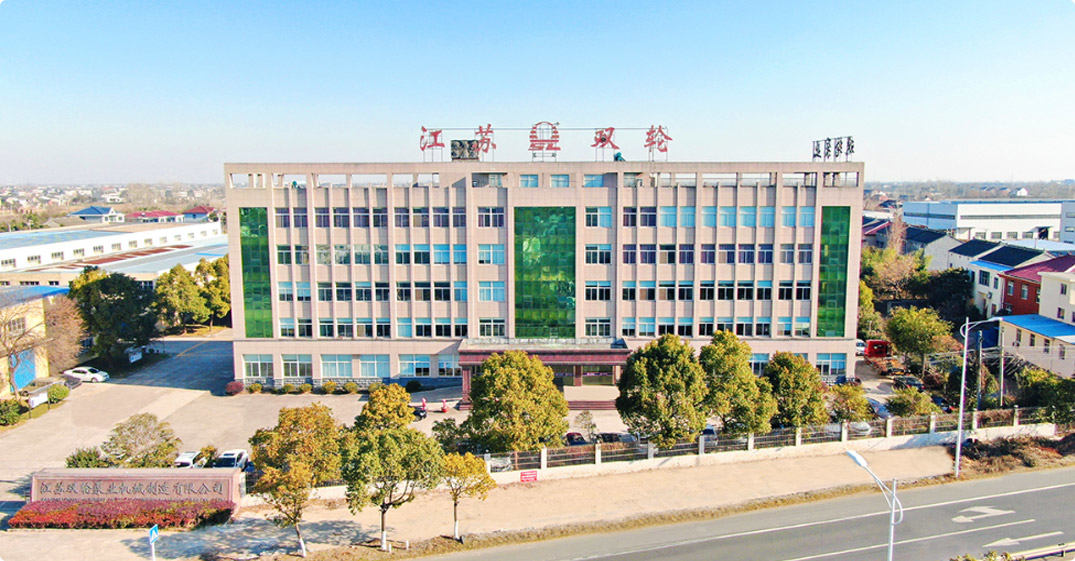
Jiangsu Double Wheel Pump Machinery Manufacturing Co., Ltd. is China Environmental Protection Equipment Water Pump Manufacturers and Wholesale Environmental Protection Equipment Water Pump Factory. The company is located in the scenic Yangtze River bank, Jiangyin Bridge, Beijing-Shanghai Expressway, Shanghai-Nanjing Expressway, Ningtong Expressway, Ningjingyan expressway running through the north and south, the traffic is very convenient, the geographical position is esteemed good. It is a production base specializing in non-sealed self-priming pumps, rain pumps, long-axis liquid pumps, chemical centrifugal pumps, positive displacement pumps and environmental protection equipment and mechanical equipment. The company has two production bases, covering an area of nearly 60,000 square meters, of which the eastern base covers an area of 33,000 square meters, the western base covers an area of 27,000 square meters, six modern production workshops, two installation workshops, a professional test workshop, a variety of mechanical processing equipment more than 160 sets, including a pump comprehensive performance test platform, Can test diameter 32-1200mm, motor power 1.1-1200KW, voltage 380V-10KV of various types of pumps, scientific research, development, manufacturing, processing, promotion, application of its own system. In the past two years, the company has closely followed the national industrial policy, made a big deal about environmental protection, and undertaken a large number of sewage treatment projects, which is unique in the environmental protection industry.
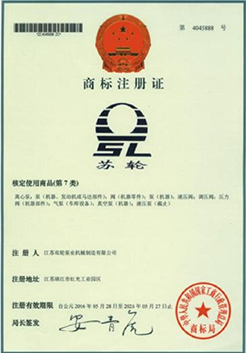
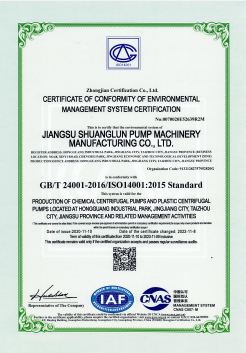
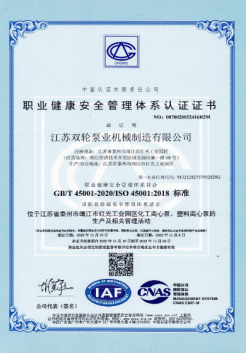
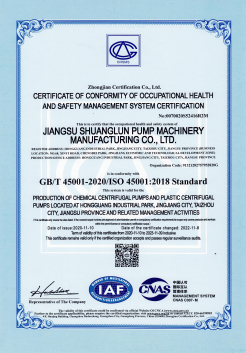
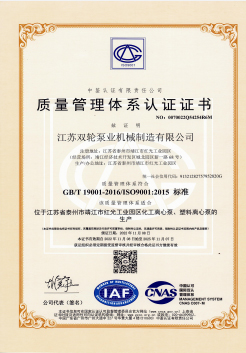
Certificate Of Honor


-
0

Be established in
-
0+

Professional personnel
-
0 million

Registered capital
-
0 ㎡

Plant area
After-Sales Service
Maintenance and Technical Support
Comprehensive lifecycle support for your environmental protection pump installation.
Maintenance and Spare Parts
Keep your pump operating at peak efficiency
- Mechanical Seal Kit: Complete cartridge seal assembly for quick replacement. Includes seal faces (SiC/Carbon), elastomers, and installation hardware.
- Bearing Kit: Premium grade bearings (SKF or FAG) with locknuts, washers, and bearing housing gaskets.
- Wear Ring Kit: Replacement casing wear rings and impeller wear rings in bronze or stainless steel.
- VFD Service Kit: Replacement VFD cooling fans, capacitors, and control boards for installed VFDs.
Professional Technical Support
Expert assistance for environmental pumping systems
- Energy Audit Service: We measure your existing pump energy consumption and calculate savings from high efficiency pump replacement or VFD installation. Detailed report with payback period.
- System Curve Analysis: We measure actual system head curve and recommend impeller trim or VFD installation for optimal efficiency.
- VFD Tuning Service: Our engineers optimize PID loop settings for your specific system, maximizing energy savings and response time.
- Incentive Application Assistance: We provide technical documentation and energy savings calculations for utility incentive programs.


+86-0523- 84351 090 /+86-180 0142 8659


Welcome To
Jiangsu Double-Wheel Pump
Add 1: Hongguang Industrial Park, Jingjiang City, Jiangsu Province, China
Add 2: No.68, Xinyi Road, Industrial Park, Jingjiang City, Jiangsu Province, China
Contact
-
Tel:
+86-0523- 84351 090
+86-180 0142 8659 -
FAX:
+0523-8435 5588
- E-mail: