language
  русский
 عربى
عربى Indonesia
Power Plant Condensate Water Pump Wholesale


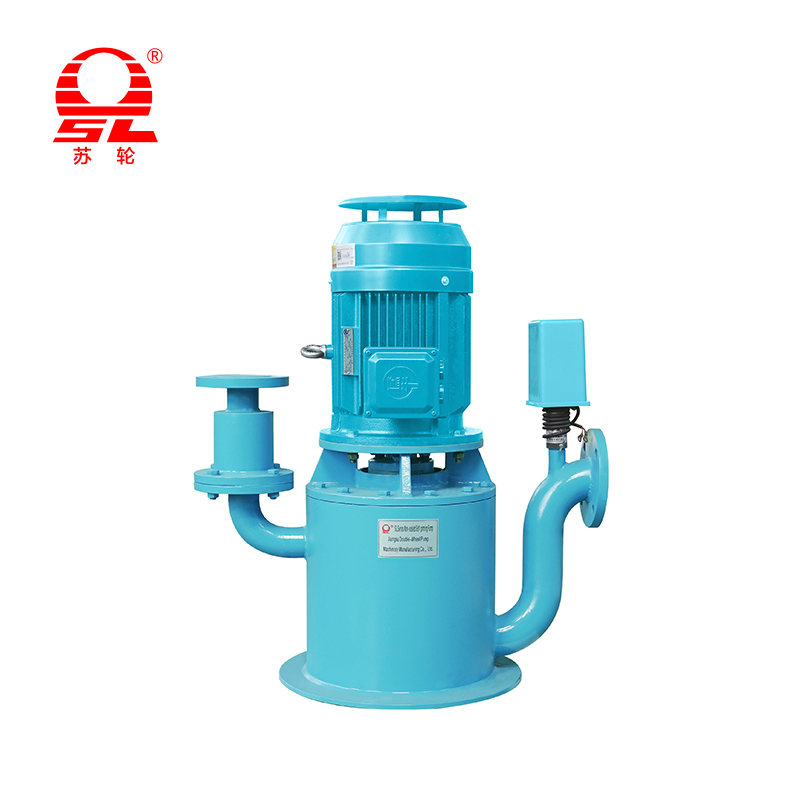

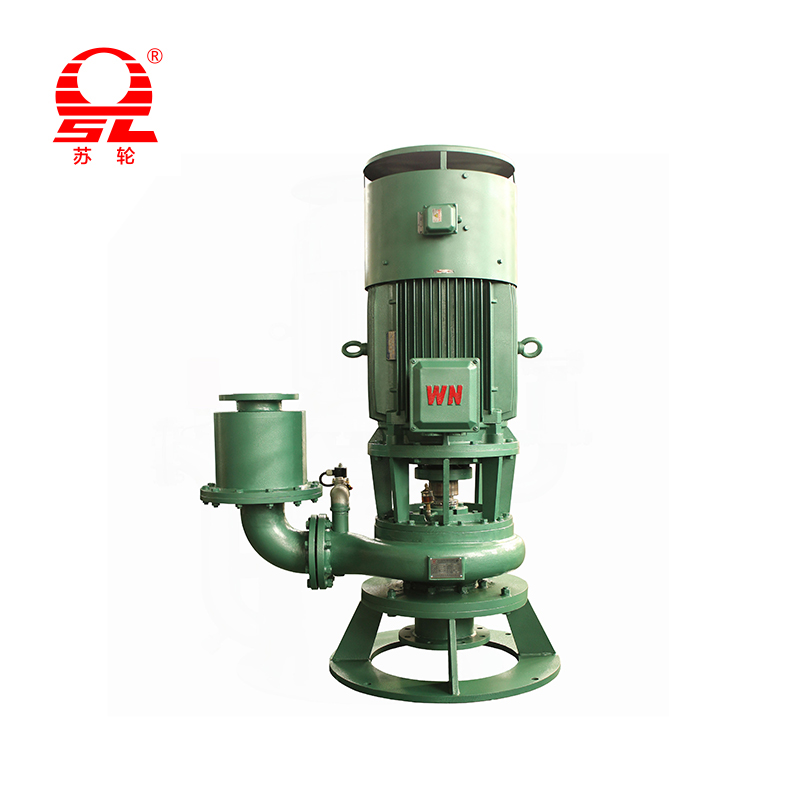

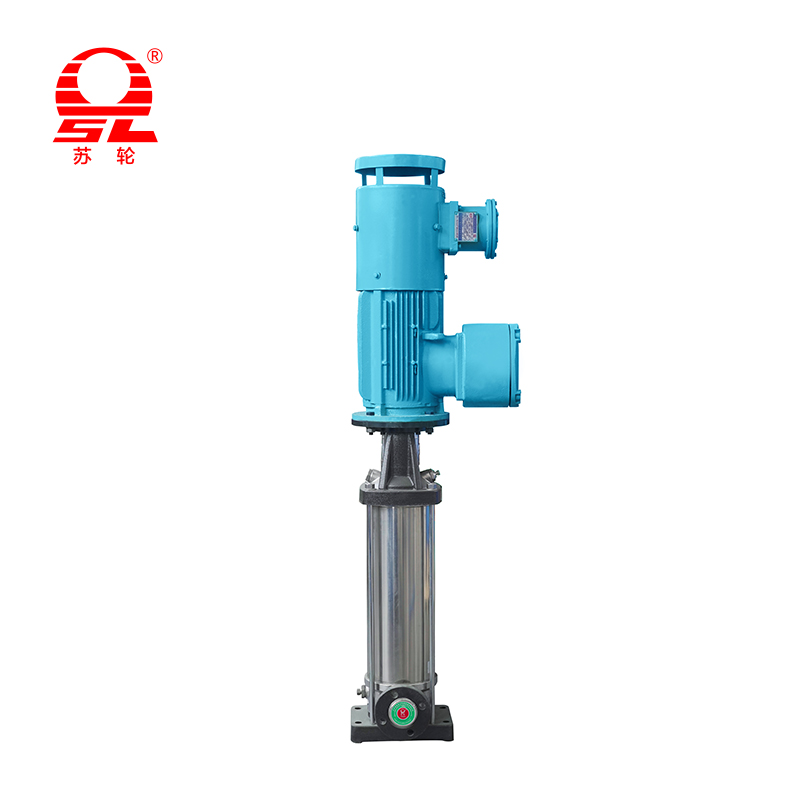
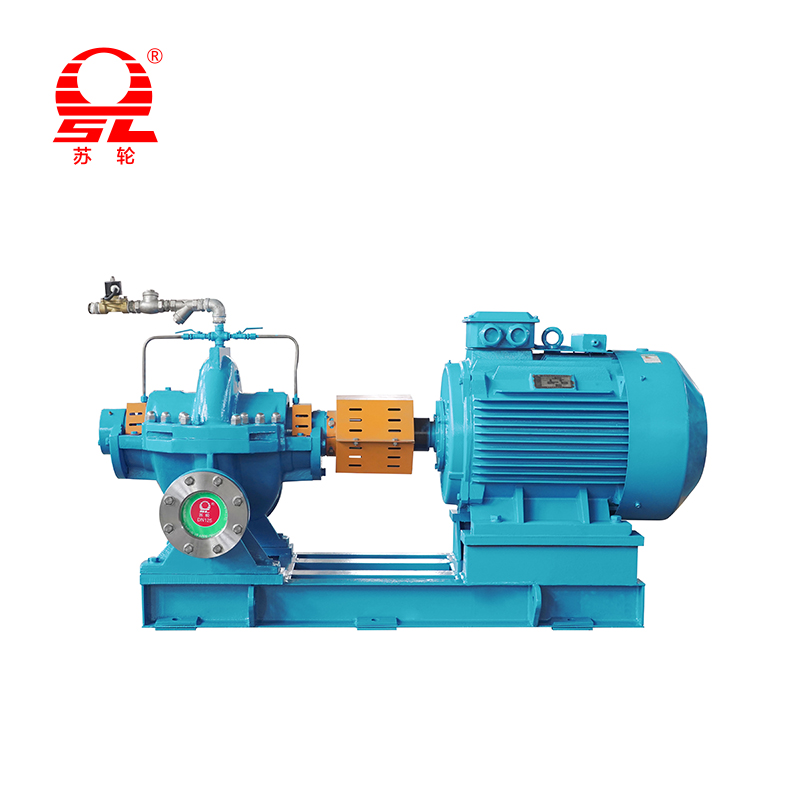
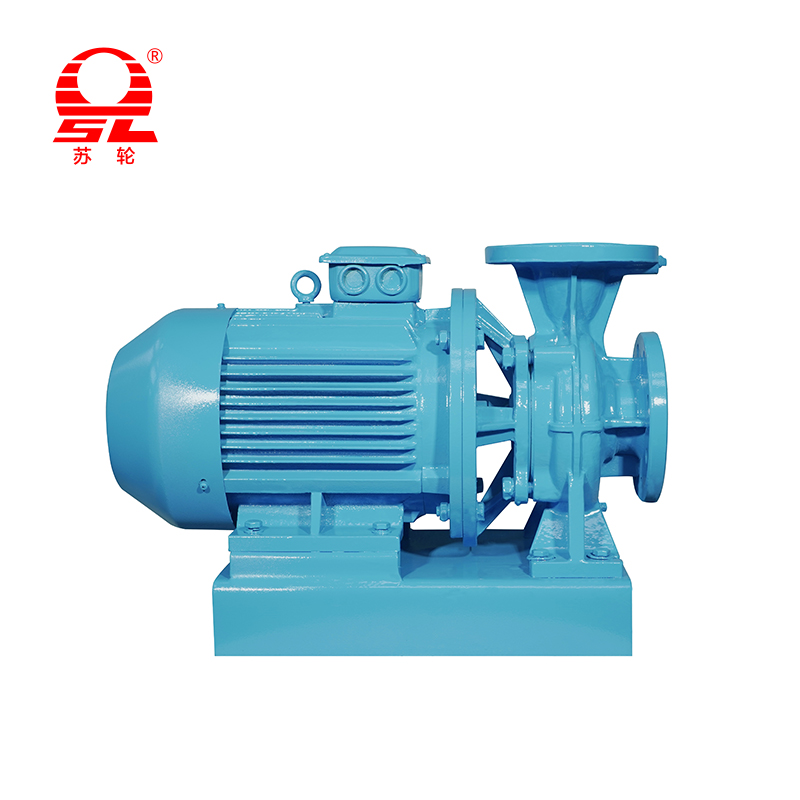


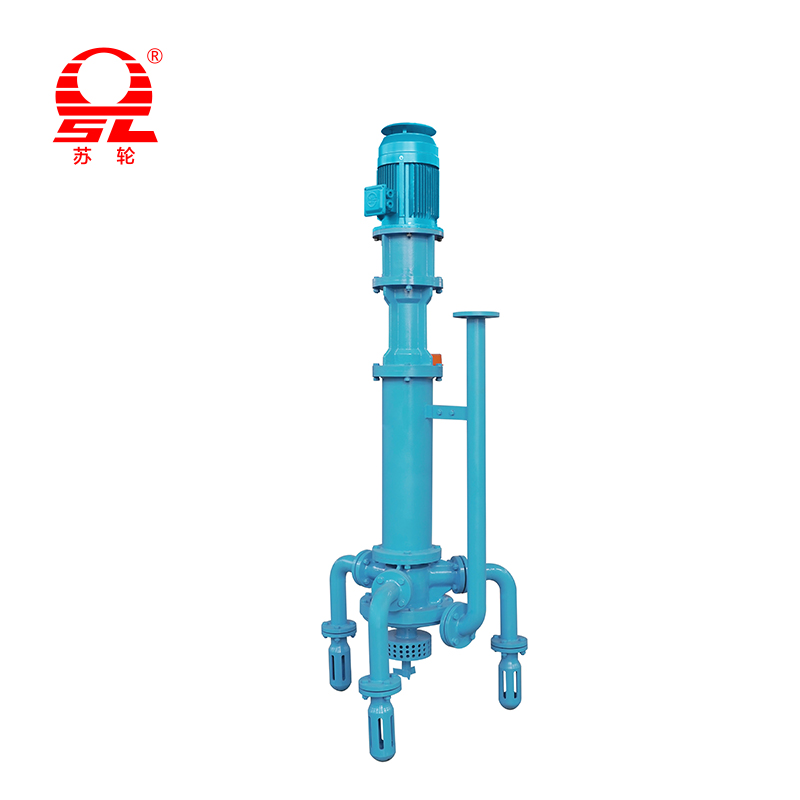

Power Plant Duty
Up to 1,500 m³/h
Low NPSH Design
HEI / ASME Compliant
Power Plant Condensate Water Pump
Engineered for reliable extraction of condensate from main condenser hotwells in thermal and nuclear power plants. Low NPSH design, high pressure capability, and continuous-duty construction deliver dependable performance in the most critical power generation auxiliary system.
Product Introduction
Condensate Extraction Pump Technology
A comprehensive examination of the engineering, performance features, and power plant application of our condensate water pump range.
The Power Plant Condensate Water Pump is a critical component in thermal and nuclear power generation cycles. The condensate pump extracts condensed steam from the main condenser hotwell and delivers it to the deaerator, through low-pressure feedwater heaters, and ultimately back to the boiler. The pump must operate under challenging conditions: very low NPSH available, high suction lift, high discharge pressure, and continuous 24/7/365 operation. Our condensate pump range is specifically designed to meet these demanding requirements with high reliability and efficiency.
The hydraulic design is specialized for condensate extraction. The pump is typically a multistage, vertical can type or horizontal barrel type configuration. Vertical canned pumps are installed with the pump submerged in the hotwell, providing flooded suction and eliminating NPSH concerns. The vertical configuration is compact and ideal for new power plants. Vertical turbine pumps extend from the motor at grade down into the condenser pit, with the pump bowl assembly submerged in the hotwell. Horizontal barrel multistage pumps are mounted at grade outside the condenser pit, with suction piping extending to the hotwell.
The low NPSH design is the most critical feature of a condensate pump. The hotwell is under vacuum, so the available NPSH is very low. Our pumps incorporate a specially designed first-stage impeller that provides excellent suction performance. The inducer is an axial-flow pre-rotating impeller mounted upstream of the main impeller that increases pressure at the main impeller eye, effectively reducing NPSH required by 40-50 percent. For the lowest NPSH applications, we offer a double-suction first stage that reduces inlet velocity and further improves suction performance. Our condensate pumps achieve NPSH required as low as 1.5 meters at rated flow.
The vertical canned pump design features the pump element suspended from a discharge head mounted on top of the condenser pit. The motor is mounted above the discharge head, with the pump shaft extending down through the column pipe to the bowl assembly at the bottom. The motor is typically a vertical hollow-shaft motor with a thrust bearing that carries the weight of the rotating element. The bowl assembly contains the multistage impellers and diffusers. The suction bell at the bottom of the pump includes a strainer to prevent debris from entering the pump.
For the horizontal barrel pump design, the pump is a radially split multistage pump with 4 to 12 stages. The outer barrel contains the internal rotating assembly. The barrel design safely contains high discharge pressure and allows removal of the internal assembly for maintenance without disturbing suction or discharge piping. The suction and discharge flanges are located on the barrel, with the suction flange oriented for optimal flow into the first stage impeller. A balance drum or balance disc is provided to manage axial thrust, which can be significant in multistage pumps.
The materials of construction are selected for condensate service. Since condensate is typically high-purity demineralized water, standard materials are cast steel for the casing and barrel, with stainless steel for impellers, diffusers, and shaft. Stainless steel impellers resist erosion from any solids and provide excellent corrosion resistance for the life of the plant. Interstage seals are labyrinth or segmented carbon rings that minimize internal recirculation.
The shaft sealing system must prevent air ingress which could affect the condenser vacuum, and water leakage. For vertical pumps, the shaft passes through the discharge head with a mechanical seal or gland packing. Gland packing remains common for condensate pumps because it tolerates frequent starts and stops, and any slight leakage is collected and returned to the hotwell. For horizontal pumps, mechanical seals are standard, with silicon carbide versus carbon faces. For high-pressure applications, we offer double mechanical seals with a regulated barrier fluid.
The bearing system for vertical pumps includes the motor thrust bearing which carries the pump rotating element weight, and line shaft bearings at intervals along the shaft. For horizontal pumps, the bearing system includes journal and thrust bearings in a separate bearing housing, oil-lubricated with forced oil circulation for larger pumps. Bearing temperature monitoring and vibration monitoring are standard, with alarms for high temperature or high vibration.
The motor drive is typically a high-voltage induction motor, sized for the pump power requirement. For vertical pumps, the motor is a vertical hollow-shaft motor with thrust bearing capacity matching the pump's weight and hydraulic thrust. For variable condensate flow applications in cycling plants, we offer high-voltage VFD drives for energy savings and reduced mechanical stress on the pump.
Configurations: Vertical canned / Vertical turbine / Horizontal barrel multistage
Flow rates: 50 to 1,500 m³/h
Discharge pressure: up to 100 bar
Stages: 4 to 12 depending on head
Low NPSH design with inducer or double-suction first stage
NPSH required as low as 1.5 meters
Materials: Cast steel casing, stainless steel impellers
Sealing: Gland packing or mechanical seal
High-voltage motor up to 2.5 MW
VFD compatible for load-following plants
Technical Data
Technical Specifications
Complete performance and dimensional parameters for the power plant condensate water pump range.
| Parameter | Specification |
|---|---|
Pump Configuration | Vertical canned / Vertical turbine / Horizontal barrel multistage |
Flow Rate Range | 50 to 1,500 m³/h (220 to 6,600 US gpm) |
Total Head Range | 50 to 300 meters (164 to 984 feet) |
Discharge Pressure Max | Up to 100 bar (10 MPa) |
Number of Stages | 2 to 12 stages depending on model |
NPSH Required | 1.5 to 3.5 meters depending on model and inducer option |
Motor Power Range | 100 kW to 2,500 kW (134 to 3,350 HP) |
Voltage Options | 3.3 kV / 6.6 kV / 10 kV / 11 kV |
Speed | 1,450 / 2,950 RPM (50Hz); 1,750 / 3,550 RPM (60Hz) |
Suction Size | 200 mm to 500 mm (8" to 20") |
Discharge Size | 150 mm to 350 mm (6" to 14") |
Fluid Temperature Range | 30°C to 60°C normal; up to 80°C transient |
Fluid Type | Condensate (demineralized water) |
Casing Material | Cast steel WCB or LCC |
Impeller Material | SS304 / SS316 / SS316L / CA6NM |
Shaft Material | SS420 / SS630 / Duplex stainless steel |
Design Standard | HEI Standards / ASME B73.3 / API 610 optional |
Why Choose Condensate Pumps
Core Advantages
Six key engineering benefits that make our condensate water pump the preferred choice for power plant auxiliary systems.
Ultra-Low NPSH Requirement
The condensate hotwell operates under vacuum providing only 1 to 3 meters of NPSHa. Our pumps feature a specially designed first-stage inducer that reduces NPSH required to as low as 1.5 meters, ensuring cavitation-free operation even under the most challenging suction conditions.
High-Efficiency Multistage Design
Our multistage pumps achieve efficiency up to 88 percent at best efficiency point. The combination of CFD-optimized impeller and diffuser design, close running clearances, and precision balancing minimizes hydraulic and mechanical losses.
Bidirectional Thrust Balance System
Our design incorporates a balance drum or balance disc that automatically compensates for axial thrust in both directions. This reduces thrust bearing loading, extends bearing life, and allows the pump to operate across a wide flow range.
VFD Ready for Cycling Plants
Our condensate pumps are fully VFD compatible with inverter-duty motors, reinforced insulation, and wide-operating-range hydraulics. VFD operation reduces energy consumption and mechanical stress during partial load operation.
Comprehensive Condition Monitoring
Standard features include bearing RTD sensors, vibration probes, and optional oil mist monitoring. All data integrates directly with the power plant DCS for predictive maintenance and early fault detection.
Stainless Steel Hydraulics
The pump bowl assembly is manufactured from stainless steel. Stainless steel provides excellent corrosion resistance to demineralized water and is not subject to graphitic corrosion, ensuring decades of reliable service.
Use Cases
Primary Applications
Trusted across thermal, nuclear, and combined cycle power plants for critical condensate extraction service.
Thermal Power Plants
Condensate extraction from main condenser hotwell to deaerator and feedwater heaters for coal, gas, and oil fired power plants from 50 MW to 1,000 MW units.
Nuclear Power Plants
Condensate extraction for pressurized water reactor and boiling water reactor plants with stringent quality requirements including full material traceability and seismic qualification.
Combined Cycle Power Plants
Condensate extraction for gas turbine combined cycle plants with heat recovery steam generators requiring durable shaft seal design for multiple start-stop cycles.
Industrial Cogeneration Plants
Condensate return pumping for industrial combined heat and power plants serving refineries, chemical plants, and paper mills.
Marine Power Generation
Condensate pumping for shipboard power plants on LNG carriers, cruise ships, and naval vessels requiring compact vertical designs for space-constrained engine rooms.
Concentrated Solar Power
Condensate extraction for concentrated solar power plants with thermal storage requiring specific material considerations for thermal cycling.
Head-to-Head
Condensate Pump Configuration Comparison
A detailed comparison of vertical canned, vertical turbine, and horizontal barrel condensate pump designs.
| Parameter | Vertical Canned | Vertical Turbine | Horizontal Barrel |
|---|---|---|---|
| NPSH Performance | Excellent | Excellent | Requires careful design |
| Maintenance Access | Requires pump removal | Requires line shaft removal | Easy at grade level |
| Footprint Space | Small | Small | Large |
| Maximum Head Capability | Moderate | Moderate | High |
| Thrust Bearing Location | Motor above grade | Motor above grade | Pump bearing housing |
| Suitable for Nuclear Service | Yes | Yes | Less common |
| Installation Cost | Moderate | High | Moderate to High |
Expert Tips
Usage Tips and Best Practices
Maximize the reliability, efficiency, and service life of your power plant condensate water pump.
1
Maintain Minimum Flow Recirculation
Condensate pumps must never operate below minimum continuous flow which is typically 20 to 30 percent of BEP flow. Install a minimum flow recirculation line with automatic valve that opens when flow drops below setpoint. For VFD pumps, maintain minimum speed corresponding to minimum flow.
2
Monitor Condenser Hotwell Level Closely
The hotwell provides the available NPSH. A low hotwell level reduces NPSHa and can cause cavitation. Install redundant level sensors with low and low-low level alarms. Low-low level should initiate pump trip. Verify level response before starting pumps.
3
Inspect and Replace Worn Wear Rings
As wear rings erode, internal leakage increases reducing pump efficiency and capacity. Measure and record wear ring clearance annually. Replace wear rings when clearance doubles from original specification. Efficiency loss of 5 to 10 percent indicates wear ring replacement is due.
4
Verify Balance Drum Function
The balance drum compensates for axial thrust. Monitor thrust bearing temperature and pump axial position. A gradual increase in thrust bearing temperature or a shift in axial position indicates balance drum wear or plugging of balance line requiring prompt maintenance.
5
Control Oxygen Scavenger Addition
Condensate is treated with oxygen scavengers to prevent boiler corrosion. Excessive or aggressive oxygen scavenger addition can attack stainless steel components. Maintain recommended dosage levels and monitor for any signs of impeller pitting or cracking.
6
Perform Annual Performance Testing
Conduct a pump performance test annually recording flow, discharge pressure, motor current, and vibration at multiple operating points. Compare to original performance curve. A 5 to 10 percent drop in head indicates internal wear requiring planned maintenance.
FAQ
Frequently Asked Questions
Expert answers to common questions about power plant condensate water pumps.
What is the difference between a condensate pump and a boiler feed pump?
The condensate pump extracts condensate from the condenser hotwell at low pressure and low temperature and delivers it to the deaerator at moderate pressure. The boiler feed pump takes suction from the deaerator and delivers high-pressure water to the boiler. Condensate pumps operate at lower pressure up to 30 bar and lower temperature.
Why do condensate pumps require such low NPSH?
The condenser hotwell operates under vacuum at typically 0.1 to 0.3 bar absolute. The available NPSH is only 1 to 3 meters. Without a low NPSH pump design featuring an inducer or double-suction first stage, the pump would cavitate severely.
How many condensate pumps are typically installed per power plant?
Typical configurations include two by one hundred percent pumps with one operating and one standby which is most common. Three by fifty percent pumps with two operating and one standby improves efficiency at partial load.
What is an inducer and why is it used in condensate pumps?
An inducer is an axial-flow impeller mounted upstream of the main first-stage impeller. It increases pressure at the eye of the main impeller, reducing the NPSH required by the pump by 40 to 50 percent.
Can condensate pumps be operated with a VFD?
Yes, condensate pumps are excellent for VFD operation especially in cycling power plants. VFD speed control provides energy savings according to the affinity law where power is proportional to speed cubed.
What is the typical service life of a condensate pump?
With proper maintenance, condensate pumps typically operate for 25 to 35 years. Wear parts requiring periodic replacement include interstage wear rings, balance drum, and bearings.
What is the typical efficiency of a condensate pump?
Modern condensate pumps achieve peak efficiencies of 85 to 88 percent at best efficiency point. This is higher than many other pump types due to the clean fluid and continuous operation.
Can a condensate pump run dry?
Condensate pumps should never be run dry. The interstage wear rings and balance drum rely on the pumped water for cooling and lubrication. Running dry for even 30 seconds can cause permanent damage.
What materials are used for condensate pump impellers?
Condensate pump impellers are typically manufactured from stainless steel grades such as SS304, SS316, SS316L, or CA6NM. Stainless steel provides excellent corrosion resistance and erosion resistance.
What is the difference between vertical canned and vertical turbine condensate pumps?
Vertical canned pumps have the motor mounted directly above the discharge head with a short, rigid shaft. They are compact and suitable for shallow pits. Vertical turbine pumps have a longer line shaft with intermediate bearings, allowing them to reach deeper into the condenser pit.
Company
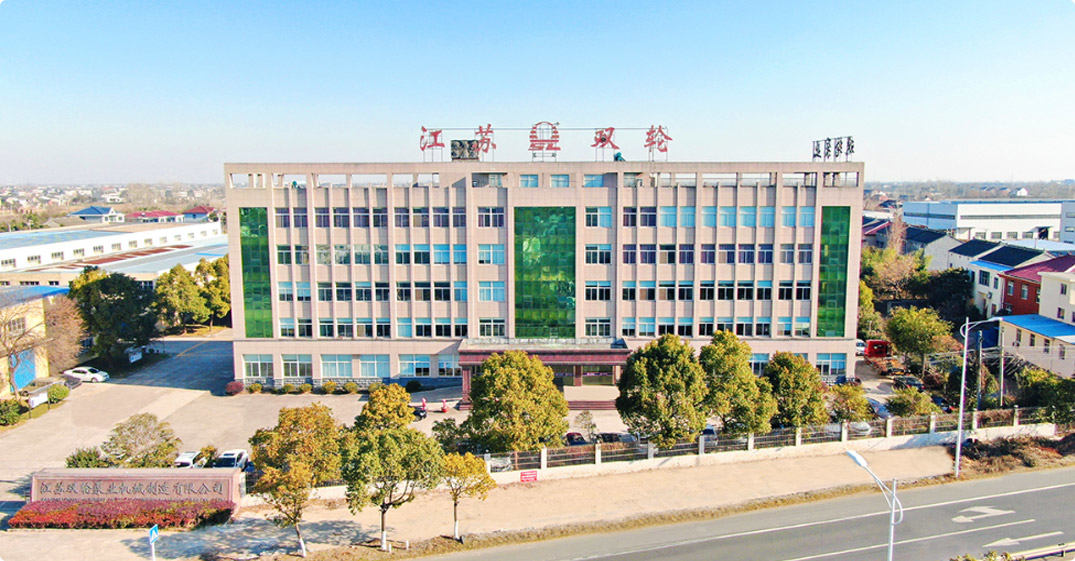
Jiangsu Double-wheel Pump Machinery Manufacting Co.,Ltd.
Jiangsu Double Wheel Pump Machinery Manufacturing Co., Ltd. is China Power Plant Condensate Water Pump Manufacturers and Wholesale Power Plant Condensate Water Pump Factory. The company is located in the scenic Yangtze River bank, Jiangyin Bridge, Beijing-Shanghai Expressway, Shanghai-Nanjing Expressway, Ningtong Expressway, Ningjingyan expressway running through the north and south, the traffic is very convenient, the geographical position is esteemed good. It is a production base specializing in non-sealed self-priming pumps, rain pumps, long-axis liquid pumps, chemical centrifugal pumps, positive displacement pumps and environmental protection equipment and mechanical equipment. The company has two production bases, covering an area of nearly 60,000 square meters, of which the eastern base covers an area of 33,000 square meters, the western base covers an area of 27,000 square meters, six modern production workshops, two installation workshops, a professional test workshop, a variety of mechanical processing equipment more than 160 sets, including a pump comprehensive performance test platform, Can test diameter 32-1200mm, motor power 1.1-1200KW, voltage 380V-10KV of various types of pumps, scientific research, development, manufacturing, processing, promotion, application of its own system. In the past two years, the company has closely followed the national industrial policy, made a big deal about environmental protection, and undertaken a large number of sewage treatment projects, which is unique in the environmental protection industry.
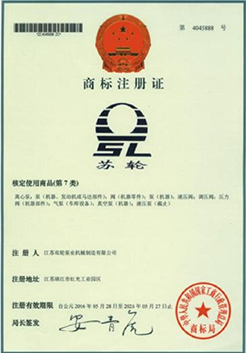
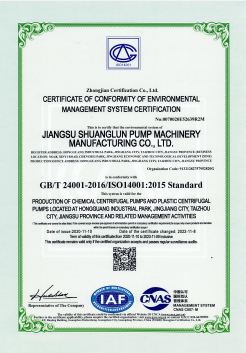
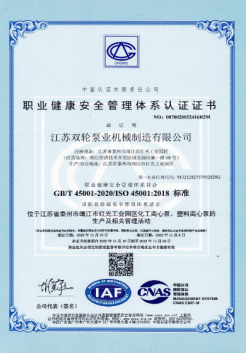
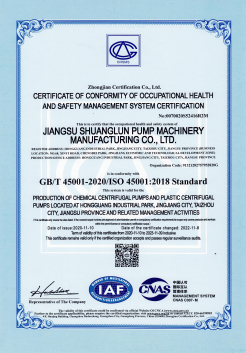
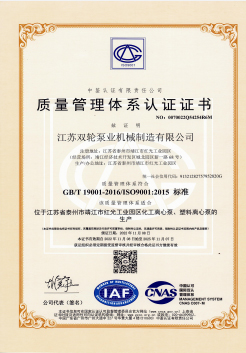
Certificate Of Honor


-
0

Be established in
-
0+

Professional personnel
-
0 million

Registered capital
-
0 ㎡

Plant area
After-Sales Service
Maintenance and Technical Support
Comprehensive lifecycle support for your power plant condensate pump installation.
Maintenance and Spare Parts
Keep your condensate pump operating reliably
- Wear Ring Kit: Complete set of interstage wear rings and balance drum wear rings in stainless steel material with hardened surface finish. Includes all O-rings and gaskets.
- Bearing Assembly Kit: Spherical roller bearings or angular contact bearings (SKF or FAG) with bearing housing seals, locknuts, and labyrinth rings. Includes oil seals and gaskets.
- Mechanical Seal Cartridge: Complete cartridge-style mechanical seal for horizontal barrel pumps. Pre-assembled and tested for drop-in replacement. Silicon carbide vs. carbon faces.
- Line Shaft Bearing Kit: Replacement rubber or bronze bearings for vertical turbine pumps. Includes shaft sleeves, spacers, and retaining rings for each bearing station.
Professional Technical Support
Expert assistance for power plant auxiliary systems
- NPSH Analysis & Condenser Integration: We calculate available NPSH from condenser hotwell geometry and operating conditions. Optimal pump selection for cavitation-free operation.
- VFD Integration for Cycling Plants: We design complete VFD systems including harmonic filters and control logic optimized for condensate pump service. Energy savings calculations provided.
- On-Site Commissioning & Alignment: Factory-trained engineers supervise installation, shaft alignment, bearing and seal installation, and performance testing.
- Condition Monitoring Service: We install vibration and temperature monitoring systems with connection to plant DCS. Monthly reports with trend analysis and maintenance recommendations.


+86-0523- 84351 090 /+86-180 0142 8659


Welcome To
Jiangsu Double-Wheel Pump
Add 1: Hongguang Industrial Park, Jingjiang City, Jiangsu Province, China
Add 2: No.68, Xinyi Road, Industrial Park, Jingjiang City, Jiangsu Province, China
Contact
-
Tel:
+86-0523- 84351 090
+86-180 0142 8659 -
FAX:
+0523-8435 5588
- E-mail: