language
 русский
 عربى
 Indonesia
High Suction Lift Sewage Pump Wholesale



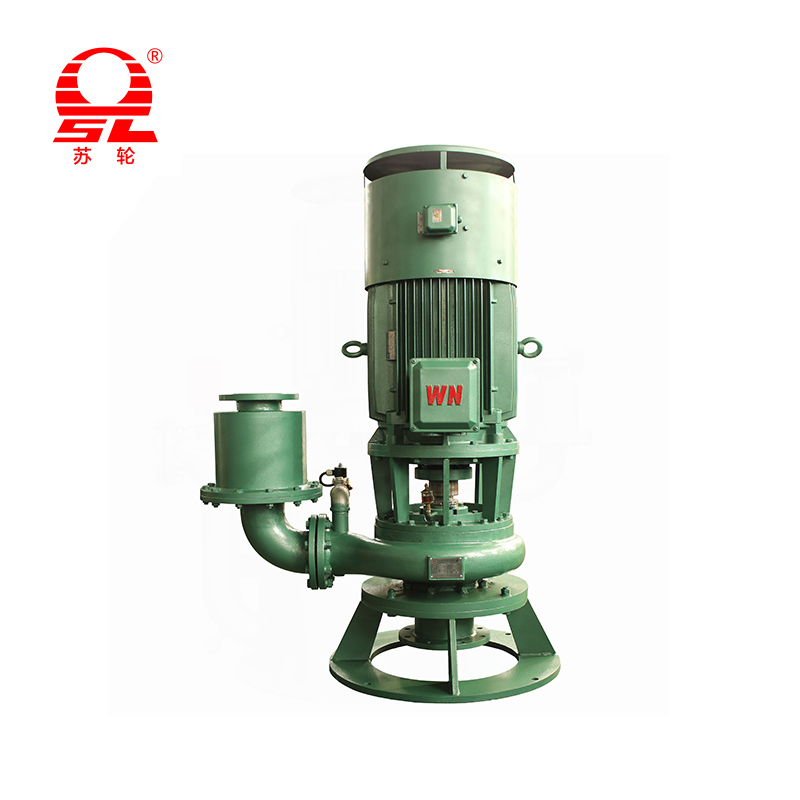
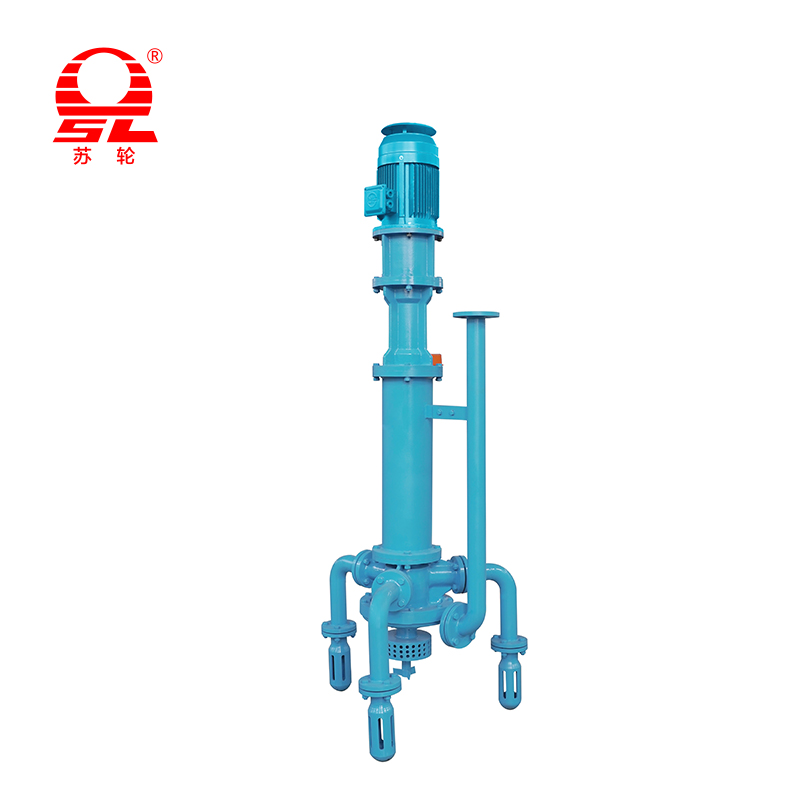

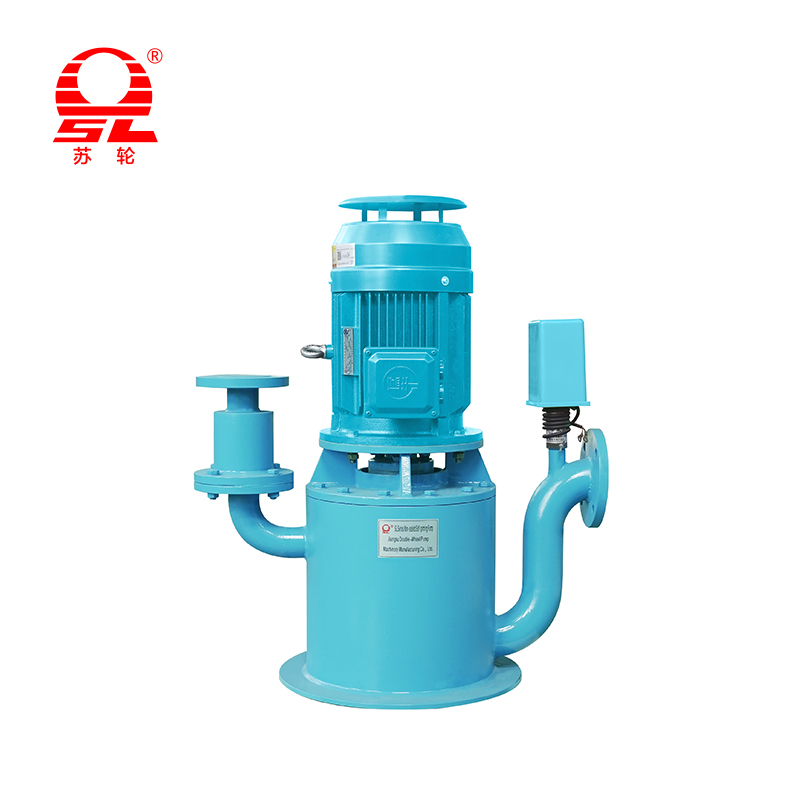

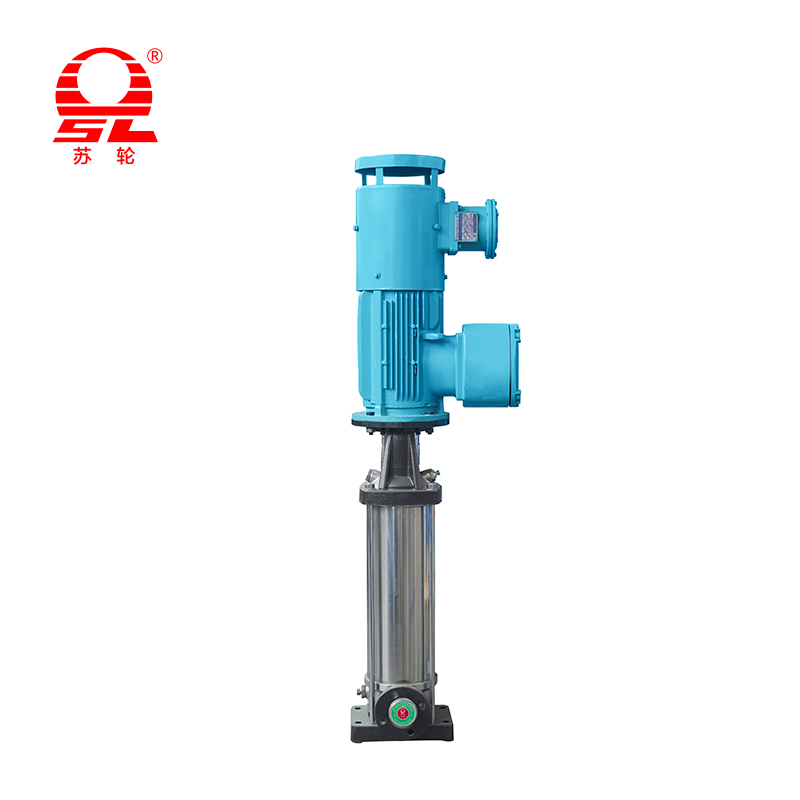
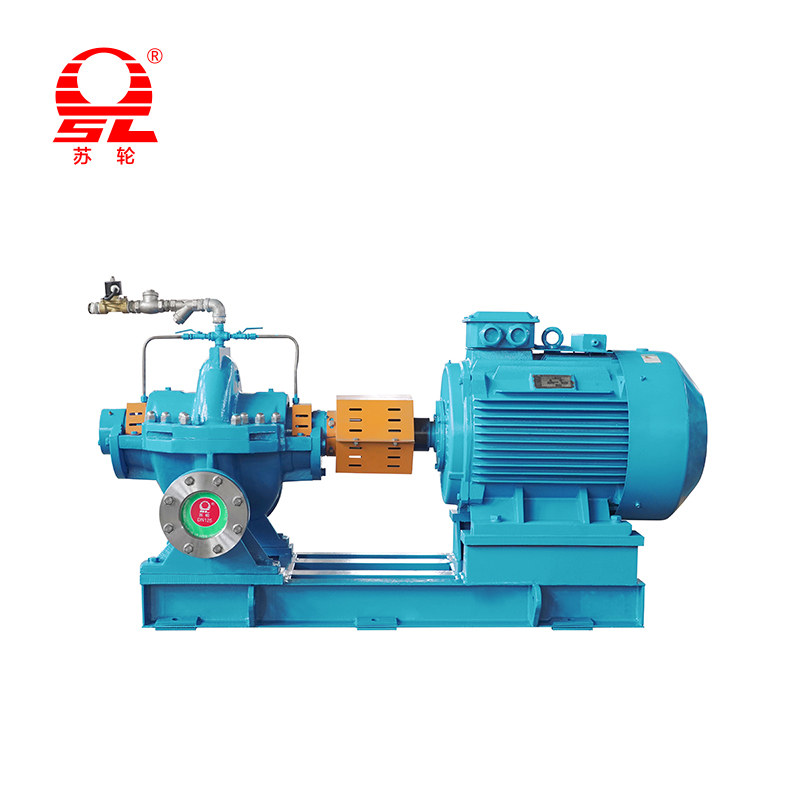
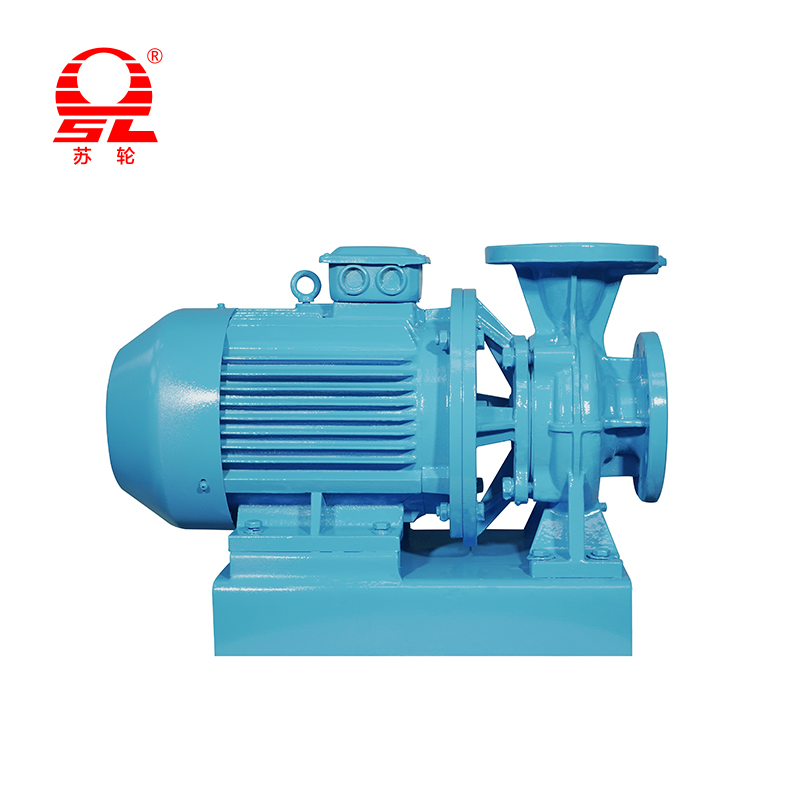


Up to 10m Suction Lift
Non-Clog Impeller
ISO 9001:2015
CE Certified
Trailer / Skid Mounted
High Suction Lift Sewage Pump
The HSL series extends achievable suction lift to 9–10 meters, well beyond the range of a standard self-priming pump, to reach raw sewage in deep pits, collapsed sewer lines, and flooded basements where a submersible pump cannot be installed. A non-clog impeller, enhanced priming system, and automatic re-priming keep sewer bypass and emergency dewatering operations running unattended.
Product Introduction
Reaching Sewage That Sits Below Where a Standard Pump Can Draw
How the HSL High Suction Lift Sewage Pump series achieves suction lift well beyond conventional self-priming pump limits for raw sewage handling.
The High Suction Lift Sewage Pump solves a specific and common site problem: raw sewage or wastewater sitting in a deep pit, collapsed sewer line, flooded basement, or low-lying collection point where a submersible pump cannot be installed and a standard self-priming pump's suction lift — typically limited to around 6–7 meters — is insufficient to reach the fluid. The HSL series extends achievable suction lift to up to 9–10 meters through an enhanced vacuum-priming system and optimized suction-side hydraulics.
Achieving suction lift beyond the practical range of a standard self-priming centrifugal pump requires more than a bigger motor — it requires a larger internal air-separation chamber that evacuates a greater volume of air from a longer, higher-lift suction line before liquid arrives, and a more aggressive initial priming cycle that reaches working vacuum faster despite the larger air volume being handled.
Because the fluid being lifted is raw or lightly screened sewage rather than clean water, the impeller uses a non-clog vortex or recessed design with generous free passage, allowing rags, wipes, and solid waste common in raw sewage to pass through without jamming the priming chamber or impeller — a critical requirement, since a clog during the priming cycle at high suction lift is especially difficult to clear without draining and restarting the entire priming sequence.
The pump is trailer-mounted, skid-mounted, or portable-frame configured for the emergency and temporary-duty applications where high suction lift sewage pumping is most often needed: sewer bypass pumping during pipeline repair, emergency pump-out of a flooded lift station, temporary service during construction, and disaster response dewatering where the fluid source location is fixed and cannot be relocated closer to the pump.
A sound-attenuated enclosure option addresses the reality that emergency and bypass pumping frequently occurs in residential or noise-sensitive areas, wrapping the engine or motor and pump assembly in acoustic panels that reduce operating noise to levels acceptable for extended overnight operation near occupied buildings.
For diesel-engine-driven configurations common in portable bypass applications, an automatic self-priming re-engagement system re-establishes prime automatically if the suction line loses vacuum during unattended operation — for example if the source pit level drops temporarily — restoring flow without requiring an operator to manually re-prime the pump on site.
Achieves up to 9–10 meters suction lift, beyond standard self-priming range
Non-clog vortex or recessed impeller for raw sewage with solids and rags
Enhanced vacuum-priming system handles larger suction-line air volume
Trailer, skid, or portable-frame configurations for emergency deployment
Sound-attenuated enclosure option for noise-sensitive bypass locations
Automatic re-priming if suction vacuum is lost during unattended operation
Diesel engine or electric motor drive options
Suited to sewer bypass, emergency lift station pump-out, and disaster response
Technical Data
Technical Specifications
Comprehensive performance parameters across the full product series — from compact units to large-scale industrial installations.
| Parameter | Specification |
|---|---|
Max Suction Lift | 8.0 m – 10.0 m (altitude and fluid dependent) |
Flow Rate Range | 10 m³/h – 500 m³/h |
Total Head Range | 5 m – 40 m |
Free Passage | 50 mm – 80 mm |
Drive Options | Electric motor or diesel engine |
Supply Voltage | 380 V (50 Hz / 60 Hz) — electric variant |
Impeller Type | Non-clog vortex or recessed impeller |
Wetted Material Options | Cast iron, hard-iron abrasion-resistant |
Mounting Configuration | Trailer, skid, or portable frame |
Sound Attenuation | Optional acoustic enclosure, ≤ 65 dB(A) at 7 m |
Priming System | Automatic re-priming on vacuum loss |
Suction / Discharge Connection | Camlock or flanged, DN 50 – DN 200 |
Fuel Tank Capacity | 50 L – 400 L (diesel variant, runtime dependent) |
Continuous Runtime | Up to 24+ hrs on full tank (diesel variant) |
Certifications | ISO 9001:2015 · CE |
Why Choose It
Core Advantages
Six design decisions that let the HSL series reach sewage a standard self-priming pump cannot.
Extended Suction Lift Range
An enlarged air-separation chamber and more aggressive priming cycle achieve up to 9–10 meters of suction lift, well beyond the roughly 6–7 meter practical limit of a standard self-priming centrifugal pump.
Non-Clog Handling of Raw Sewage
The vortex or recessed impeller design passes rags, wipes, and solid waste without jamming the priming chamber — critical because a clog during high-lift priming is far more disruptive to clear than during normal operation.
Automatic Re-Priming
If suction vacuum is lost during unattended operation — for example a temporarily dropping source level — the pump automatically re-establishes prime without requiring an operator on site to manually restart the priming cycle.
Rapid Emergency Deployment
Trailer, skid, and portable-frame configurations allow the pump to be transported and set up quickly at sewer bypass sites, flooded lift stations, and disaster response locations where the water source cannot be relocated.
Noise-Conscious Operation
An optional sound-attenuated enclosure reduces operating noise for extended overnight bypass pumping in residential and noise-sensitive areas, a common requirement for municipal sewer bypass projects.
Extended Unattended Runtime
Large fuel tank capacity on diesel-driven configurations supports 24+ hours of continuous operation on a single fill, reducing the need for overnight refueling visits during extended bypass operations.
Use Cases
Primary Applications
Deployed wherever raw sewage must be lifted from a source too deep or inaccessible for a submersible pump.
Sewer Bypass Pumping
Temporary bypass of a sewer segment during pipeline repair, rehabilitation, or replacement, maintaining continuous flow around the work zone for the duration of the project.
Emergency Lift Station Pump-Out
Rapid deployment to pump out a flooded or failed municipal sewage lift station while permanent equipment is repaired or replaced, preventing sewage overflow to the environment.
Construction Site Sewage Management
Temporary sewage handling during construction when permanent lift station infrastructure is not yet operational or has been taken offline for tie-in work.
Disaster Response Dewatering
Emergency dewatering of sewage-contaminated flood water following storm events, pipeline failures, or natural disasters where rapid deployment and high suction lift both matter.
Industrial Wastewater Pit Pumping
Reaching deep collection pits and sumps in industrial facilities where wastewater accumulates below a level a submersible or standard pump can practically access.
Municipal Infrastructure Maintenance
Scheduled and emergency maintenance support for municipal wastewater collection systems, providing temporary capacity during planned infrastructure upgrades.
Head-to-Head
Performance Comparison
How the HSL extended suction lift design compares with a standard self-priming sewage pump and a submersible sewage pump.
| Feature / Criteria | This Series | Standard Self-Priming Pump | Submersible Sewage Pump |
|---|---|---|---|
| Maximum Suction Lift | 8.0 – 10.0 m | Typically 6.0 – 7.0 m | Not applicable — must be submerged |
| Deployment at Fixed Deep Pit | Ideal — reaches deep sources | May not reach the fluid | Requires lowering into the pit |
| Solids/Rag Handling | Non-clog vortex/recessed impeller | Comparable, model dependent | Comparable, model dependent |
| Rapid Temporary Deployment | Trailer/skid mounted, fast setup | Portable, moderate setup | Slower — requires submersion and cabling |
| Automatic Re-Priming | Standard feature | Not typically included | Not applicable |
| Diesel-Powered Standalone Operation | Available — no electrical supply needed | Electric only, typically | Electric only |
| Noise-Attenuated Option | Available for residential areas | Less commonly offered | Inherently quiet — submerged |
Expert Tips
Usage Tips and Best Practices
Field-proven guidance for reliable operation of a high suction lift sewage pump at bypass and emergency sites.
1
Keep Suction Hose Runs as Short and Straight as Possible
Every elbow and excess length in the suction hose adds friction loss that directly reduces achievable suction lift; route the suction hose as directly as site conditions allow to maximize available lift.
2
Inspect Suction Hose and Camlock Connections for Air Leaks
Even a small air leak on the suction side is magnified at high suction lift and can prevent the pump from achieving or maintaining prime; check gaskets and connections before each deployment.
3
Pre-Screen Large Debris Where Practical
While the impeller handles typical rag and solids content, an inlet strainer basket for unusually large debris (lumber, large solid objects) protects against the rare blockage the non-clog design cannot pass.
4
Verify Fuel Supply for Planned Unattended Duration
For diesel-driven units running unattended overnight, calculate expected runtime against tank capacity and fuel consumption rate, and plan refueling visits accordingly for extended bypass operations.
5
Position the Pump as Close to the Source as Site Allows
Even though the pump can achieve high suction lift, minimizing both lift and suction hose length improves priming speed and overall system efficiency — use the extended lift capability as a safety margin, not a target.
6
Test Automatic Re-Priming Function During Setup
Before leaving an unattended bypass site, verify the automatic re-priming system correctly re-establishes flow after a simulated loss of prime, confirming the safeguard will function if source levels fluctuate overnight.
FAQ
Frequently Asked Questions
Common questions from municipal utility crews and contractors before deploying a high suction lift sewage pump.
How is 9–10 meters of suction lift achieved when standard pumps max out around 6–7 meters?
The HSL series uses an enlarged air-separation chamber that evacuates a greater air volume more effectively, combined with an optimized suction-side hydraulic design and a more aggressive initial priming cycle, extending achievable lift beyond what a standard self-priming pump's smaller priming chamber can reach.
Can this pump handle raw, unscreened sewage with rags and solids?
Yes, the non-clog vortex or recessed impeller design is specifically intended for raw sewage handling, passing typical rag and solid waste content without jamming — this is essential for high-lift priming applications where clearing a clog during the priming cycle is especially disruptive.
What happens if the source water level drops during overnight unattended operation?
The automatic re-priming system detects a loss of suction vacuum and re-initiates the priming cycle without operator intervention, restoring flow once liquid becomes available at the suction line again — this is a standard feature specifically for unattended bypass and emergency deployment.
Is a diesel engine or electric motor drive better for my application?
Diesel-driven units are preferred for sites without reliable electrical supply, such as remote bypass locations or emergency response where power infrastructure may be damaged or unavailable. Electric-driven units are preferred where reliable power is available and lower operating noise and no on-site fuel supply is desired.
How noisy is this pump, and can it run near residential areas overnight?
Standard units produce typical engine-driven pump noise levels; the optional sound-attenuated enclosure reduces this to levels more suitable for extended overnight operation near occupied residential buildings, a common requirement for municipal sewer bypass projects.
How quickly can this pump be deployed to an emergency site?
Trailer and skid-mounted configurations are designed for rapid transport and setup, with suction and discharge hose connections using quick-connect camlock fittings to minimize on-site setup time during time-critical emergency response.
What is the actual achievable suction lift at my site?
Achievable lift depends on altitude (lower atmospheric pressure at elevation reduces available lift), fluid temperature, and suction hose configuration; for applications near the maximum rated lift, our engineers can review your specific site conditions and hose layout.
What documentation ships with the pump?
Each unit ships with a performance test certificate, hydrostatic test certificate for wetted components, an operation and maintenance manual, and a CE Declaration of Conformity.
Company
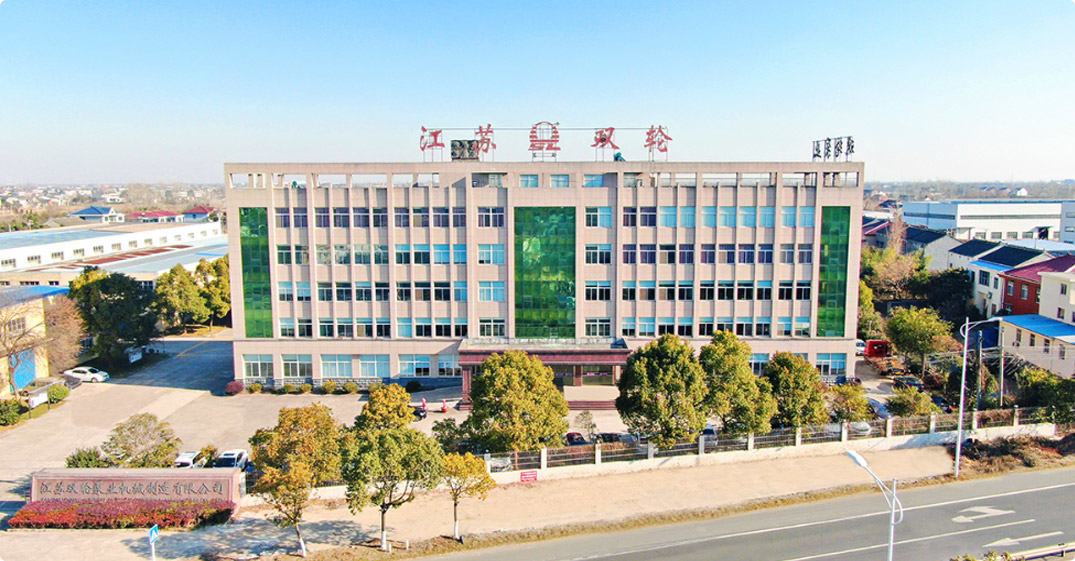
Jiangsu Double-wheel Pump Machinery Manufacting Co.,Ltd.
Jiangsu Double Wheel Pump Machinery Manufacturing Co., Ltd. is China High Suction Lift Sewage Pump Manufacturers and Wholesale High Suction Lift Sewage Pump Factory. The company is located in the scenic Yangtze River bank, Jiangyin Bridge, Beijing-Shanghai Expressway, Shanghai-Nanjing Expressway, Ningtong Expressway, Ningjingyan expressway running through the north and south, the traffic is very convenient, the geographical position is esteemed good. It is a production base specializing in non-sealed self-priming pumps, rain pumps, long-axis liquid pumps, chemical centrifugal pumps, positive displacement pumps and environmental protection equipment and mechanical equipment. The company has two production bases, covering an area of nearly 60,000 square meters, of which the eastern base covers an area of 33,000 square meters, the western base covers an area of 27,000 square meters, six modern production workshops, two installation workshops, a professional test workshop, a variety of mechanical processing equipment more than 160 sets, including a pump comprehensive performance test platform, Can test diameter 32-1200mm, motor power 1.1-1200KW, voltage 380V-10KV of various types of pumps, scientific research, development, manufacturing, processing, promotion, application of its own system. In the past two years, the company has closely followed the national industrial policy, made a big deal about environmental protection, and undertaken a large number of sewage treatment projects, which is unique in the environmental protection industry.
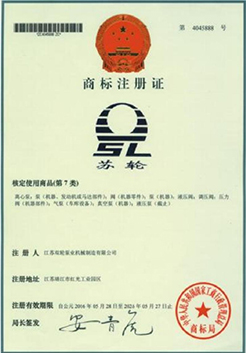
Certificate Of Honor


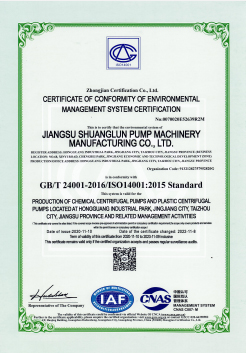
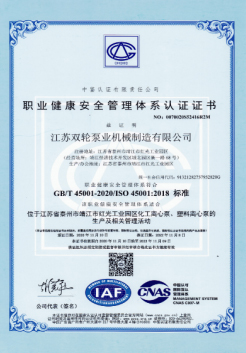
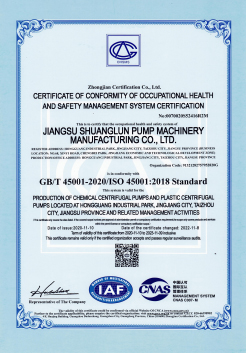
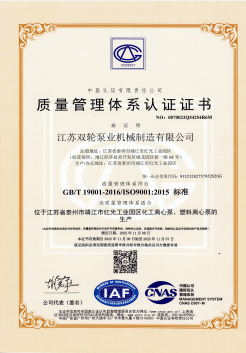
-
0

Be established in
-
0+

Professional personnel
-
0 million

Registered capital
-
0 ㎡

Plant area
After-Sales Service
Maintenance and Technical Support
Support focused on rapid-response reliability for bypass, emergency, and disaster response deployment.
Maintenance and Spare Parts
Kept ready for rapid emergency redeployment
- Priming System Service Kits: Diaphragm, valve, and gasket kits for the vacuum-priming system, sized for the rapid field service that keeps a bypass pump available for redeployment.
- Non-Clog Impeller and Wear Kits: Replacement impellers and casing wear components matched to your specific free passage rating.
- Suction Hose and Camlock Fitting Sets: Replacement suction hose lengths and camlock connectors sized for quick-connect deployment at emergency sites.
- 10-Year Spare Parts Commitment: Critical spare parts guaranteed available for a minimum of 10 years from purchase date, with priority stocking for municipal emergency response fleets.
Application Engineering Support
Sizing guidance for bypass and emergency response planning
- Bypass System Sizing Review: Submit your bypass segment flow rate, suction lift requirement, and hose run length, and our engineers will confirm correct pump sizing and hose configuration.
- Drive Type and Runtime Planning: Guidance on diesel versus electric drive selection and fuel tank sizing based on your expected unattended operating duration.
- Noise-Sensitive Deployment Consultation: Recommendations on acoustic enclosure specification for bypass locations near residential areas or noise-restricted operating hours.
- Emergency Response Fleet Planning: Support for municipal utilities building a standby fleet of high suction lift pumps for rapid deployment to lift station failures and disaster response events.


+86-0523- 84351 090 /+86-180 0142 8659


Welcome To
Jiangsu Double-Wheel Pump
Add 1: Hongguang Industrial Park, Jingjiang City, Jiangsu Province, China
Add 2: No.68, Xinyi Road, Industrial Park, Jingjiang City, Jiangsu Province, China
Contact
-
Tel:
+86-0523- 84351 090
+86-180 0142 8659 -
FAX:
+0523-8435 5588
- E-mail: