language
  русский
 عربى
عربى Indonesia
High Temperature Thermal Oil Pump Wholesale



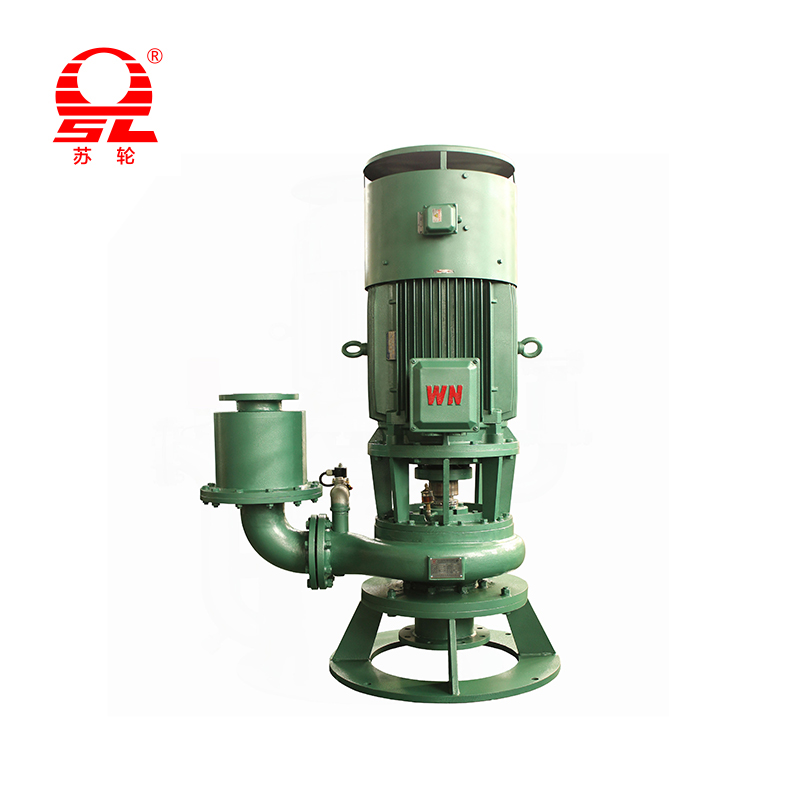
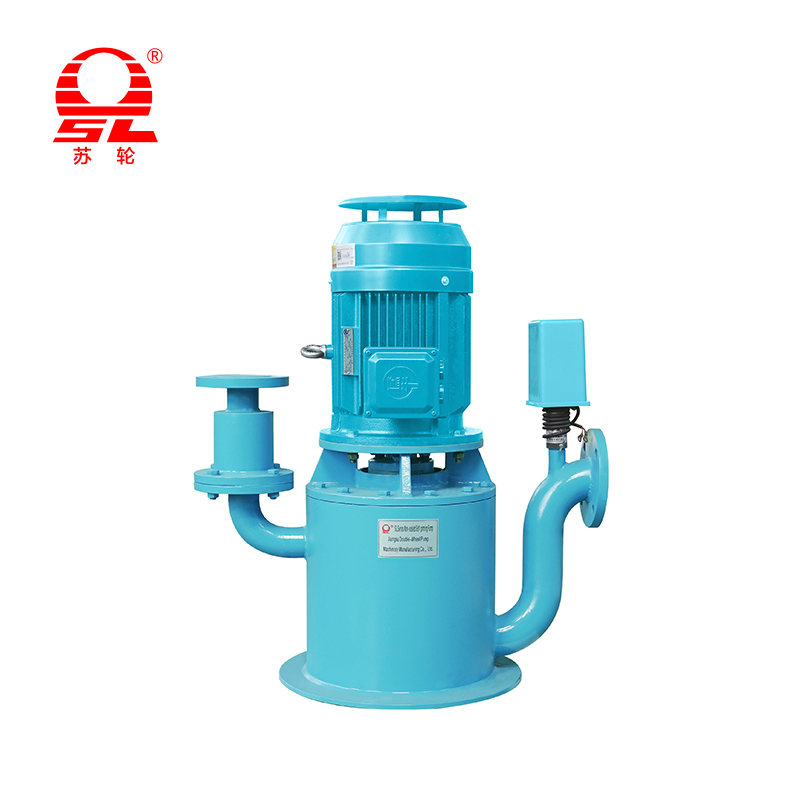

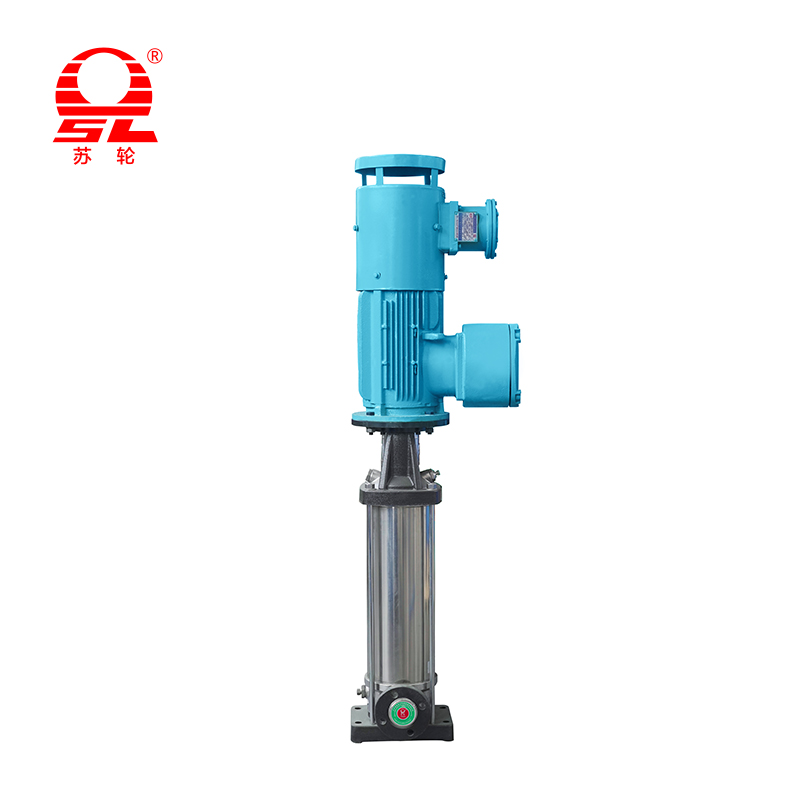
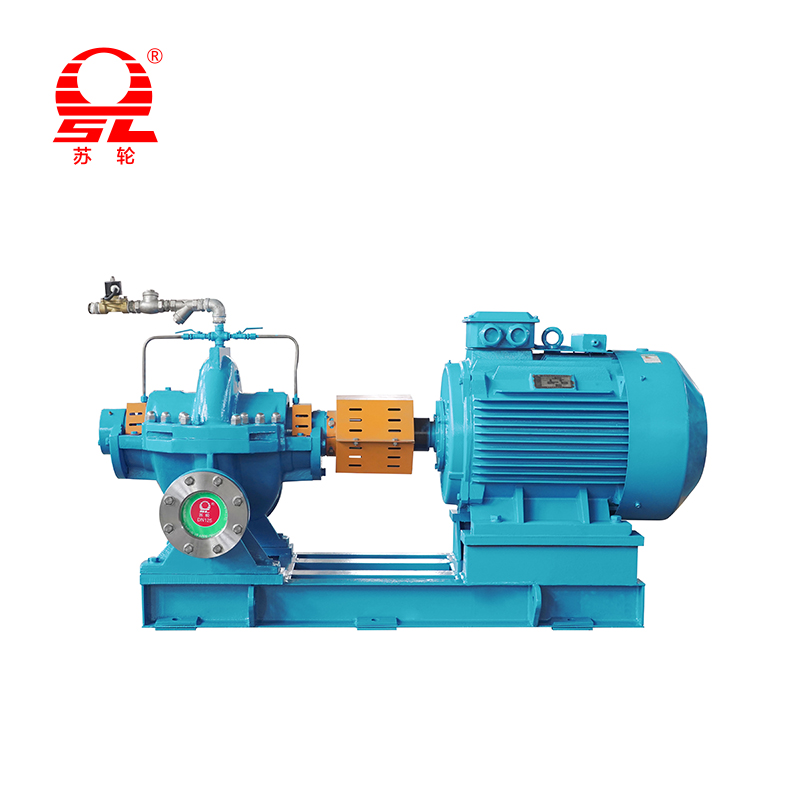
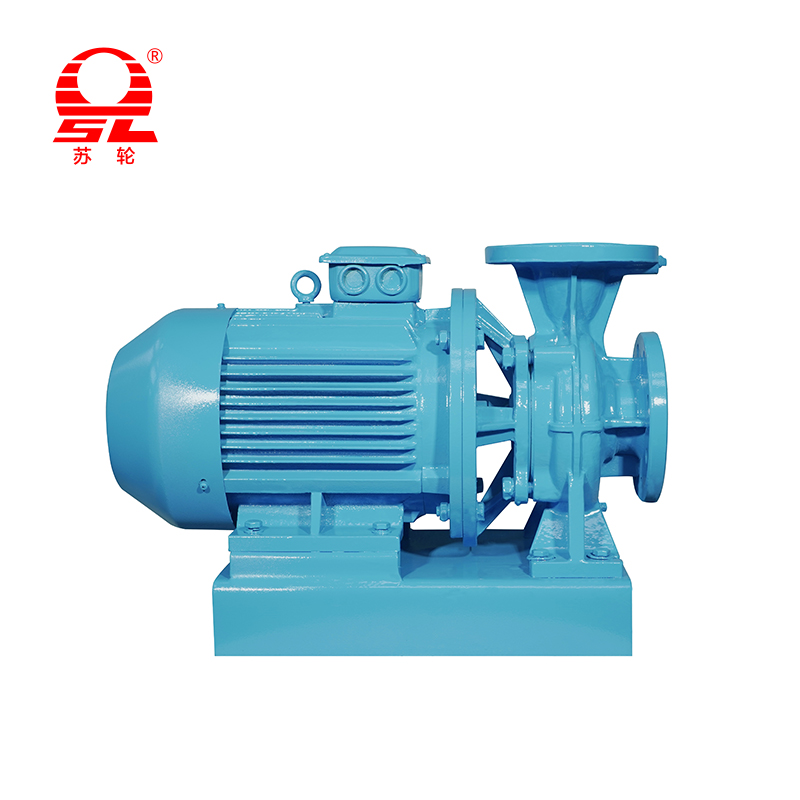


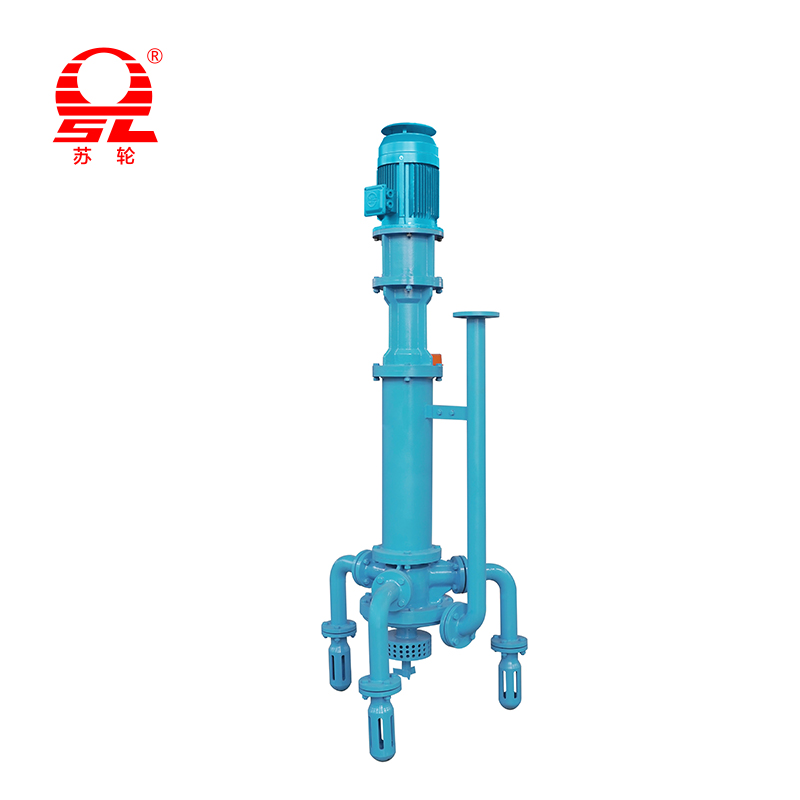

Up to 400°C
Cooled Seal Chamber
ISO 9001:2015
CE Certified
Continuous Duty
High Temperature Thermal Oil Pump
The RGB series is engineered specifically for circulating hot thermal oil, not adapted from a cold-water platform. A cooled seal chamber, thermally isolated bearings, and stress-relieved castings deliver dependable circulation for asphalt plants, chemical reactors, and thermal oil boilers running around the clock at up to 400 °C.
Product Introduction
Reliable Circulation for the Most Demanding Heat-Transfer Loops
A close look at the engineering behind the RGB High Temperature Thermal Oil Pump series, built to circulate synthetic and mineral heat-transfer fluids safely at extreme temperatures.
The High Temperature Thermal Oil Pump is purpose-built to circulate hot heat-transfer fluid through closed-loop thermal oil heating systems used across asphalt production, textile setting lines, chemical reactor jackets, wood and food drying tunnels, and biomass or gas-fired thermal oil boilers. Unlike a general-purpose hot water pump, it must tolerate a fluid that expands significantly with temperature, carries almost no lubricating film at the seal faces once it degrades, and can flash to vapor instantly if the pressure envelope is lost.
The single largest engineering challenge in thermal oil circulation is seal-face survival at temperature. The RGB series addresses this with a water-cooled or air-cooled seal chamber that maintains the mechanical seal faces at a controlled temperature well below the bulk fluid temperature, dramatically extending seal life versus an uncooled design. A magnetic-drive, fully sealless variant is also available for facilities that want to eliminate the seal-cooling circuit entirely and accept zero fugitive emissions as a design requirement.
Thermal expansion is managed through a generously sized shaft, oversized bearing housing, and a casing designed to accommodate axial growth without binding the rotating assembly as the pump heats from ambient to operating temperature over a 30–60 minute warm-up cycle. The volute and impeller are through-hardened castings, stress-relieved after machining to prevent warping under repeated thermal cycling — a failure mode that shortens the service life of pumps not specifically engineered for this duty.
Material selection follows the temperature class required: standard carbon steel (WCB) bodies cover duty up to 320 °C, while chrome-moly steel (WC6/WC9) and stainless 304/316 variants extend service to 350–400 °C for high-temperature synthetic heat-transfer fluids. Gaskets are spiral-wound graphite, and fasteners are upgraded to high-temperature alloy studs to prevent the bolt relaxation that causes flange leaks after repeated heat cycles.
The bearing bracket is isolated from the hot pump casing by an extended coupling spacer and, on larger frames, a finned heat-dissipation section that keeps grease temperature within the lubricant's rated range even when the fluid side is running at 300 °C or above. This single design choice is responsible for a large share of the difference in bearing life observed between thermal-oil-rated pumps and repurposed water pumps pressed into thermal oil service.
Every RGB pump is dry-run tested at ambient temperature and then hot-tested on a thermal oil test loop to confirm stable operation, seal chamber temperature, and NPSH margin at the customer's actual operating temperature before shipment — not just at 20 °C water conditions, which tell you almost nothing about how a pump will behave at 300 °C.
The result is a circulation pump that heating-system integrators and process engineers can specify with confidence for continuous 8,000+ hour duty cycles, minimizing the seal failures, bearing burnouts, and unplanned shutdowns that plague thermal oil systems built around pumps not designed for the fluid they are moving.
Water-cooled or magnetic-drive sealless design for extended seal life
Operating temperature range −20 °C to 400 °C (fluid dependent)
WCB / WC6 / WC9 / SS304 / SS316 casing material options
Extended coupling spacer isolates bearings from hot casing
Spiral-wound graphite gaskets and high-temperature alloy fasteners
Hot-loop factory testing at actual customer operating temperature
Stress-relieved castings resist warping under thermal cycling
Suitable for synthetic and mineral heat-transfer fluids alike
Technical Data
Technical Specifications
Comprehensive performance parameters across the full product series — from compact units to large-scale industrial installations.
| Parameter | Specification |
|---|---|
Operating Temperature | −20 °C to 400 °C (fluid dependent) |
Flow Rate Range | 5 m³/h – 350 m³/h |
Total Head Range | 10 m – 120 m |
Inlet / Outlet Diameter | DN 25 mm – DN 250 mm |
Motor Power Range | 1.5 kW – 132 kW |
Supply Voltage | 380 V / 6 kV (50 Hz / 60 Hz) |
Rated Speed | 1450 – 2950 rpm |
Casing Material Options | WCB, WC6, WC9, SS304, SS316 |
Seal Type | Water-cooled mechanical seal or magnetic drive |
Max Working Pressure | Up to 1.6 MPa (PN16); PN25 on request |
Impeller Type | Closed, single-suction, hardened & stress-relieved |
Flange Standard | GB / DIN / ANSI / JIS |
Explosion-Proof Option | Ex d IIB T4 (ATEX / IECEx) |
Noise Level | ≤ 82 dB(A) at 1 m under rated load |
Certifications | ISO 9001:2015 · CE · ATEX (optional) |
Why Choose It
Core Advantages
Six engineering pillars that make the RGB High Temperature Thermal Oil Pump the trusted choice for thermal oil boiler loops and reactor heating circuits worldwide.
Cooled Seal Chamber Design
A dedicated cooling jacket or circuit keeps the mechanical seal faces well below bulk fluid temperature, directly addressing the leading cause of thermal-oil pump failure and extending seal life by up to 40% versus uncooled designs.
Thermal Expansion Engineering
An oversized shaft, extended coupling spacer, and casing geometry designed for axial growth prevent the binding and premature bearing wear common when general-purpose pumps are pressed into thermal oil service.
Reduced Unplanned Downtime
Stress-relieved castings and alloy fasteners resist warping and bolt relaxation across repeated heat-up and cool-down cycles, reducing flange leaks and unscheduled maintenance stops on continuous-duty boiler loops.
Broad Fluid Compatibility
Validated for both synthetic (e.g. Dowtherm/Therminol-type) and mineral-based heat-transfer fluids, so the same platform serves asphalt plants, textile lines, and chemical reactors without a fluid-specific redesign.
Sealless Option Available
For zero-emission requirements, a magnetic-drive configuration removes the shaft seal entirely, eliminating the leak path and the associated seal-cooling water circuit and its maintenance burden.
Hot-Loop Factory Validation
Every unit is tested on an actual thermal oil loop at representative operating temperature — not just cold water — so the NPSH margin and seal chamber temperature you receive on paper match what happens on your system.
Use Cases
Primary Applications
Deployed wherever hot heat-transfer fluid must circulate reliably around the clock — from asphalt plants to chemical reactors.
Asphalt and Bitumen Plants
Circulating thermal oil through storage tank heating coils and mixer jackets to keep bitumen at pumpable viscosity, with continuous duty through multi-shift production runs.
Chemical Reactor Heating
Jacketed reactor heating and cooling circuits where precise, stable fluid temperature control is essential to reaction yield and product consistency.
Textile Setting and Drying Lines
Supplying stenter frames and drying tunnels with uniform thermal oil temperature for consistent fabric heat-setting across wide production widths.
Biomass and Gas-Fired Thermal Oil Boilers
Primary circulation duty on the boiler loop itself, where continuous flow prevents localized overheating and coking of the heat-transfer fluid film.
Wood and Agricultural Drying
Heating drying-tunnel air handlers and rotary dryers in timber processing and grain/agricultural product drying operations.
Rubber and Plastics Processing
Mold heating and vulcanization press circuits requiring stable elevated temperature for consistent cure times and product quality.
Head-to-Head
Performance Comparison
How a purpose-built thermal oil pump compares with a general-purpose hot water centrifugal pump and a basic uncooled thermal oil pump.
| Feature / Criteria | This Series | General Hot Water Pump | Basic Uncooled Thermal Oil Pump |
|---|---|---|---|
| Seal Life at 300°C+ | Extended — actively cooled seal chamber | Very short — not rated for the duty | Moderate — seal runs at bulk fluid temp |
| Thermal Expansion Design | Engineered clearances and spacer | None — binding risk | Limited |
| Casing Material Options | WCB to SS316, temperature graded | Cast iron only | WCB / SS options available |
| Sealless Option | Magnetic drive available | Not offered | Rarely offered |
| Factory Hot-Loop Test | Tested at actual operating temperature | Cold water test only | Cold water test only |
| Bearing Isolation | Extended spacer + heat dissipation fins | Standard bracket, prone to overheating | Basic isolation only |
| Suitable Continuous Duty | 8,000+ hours rated | Not recommended | Rated, shorter seal interval |
Expert Tips
Usage Tips and Best Practices
Field-proven recommendations for maximizing the service life of a thermal oil circulation pump.
1
Warm the System Gradually
Ramp fluid temperature up over 30–60 minutes rather than starting the pump against cold, viscous oil at full boiler output; rapid thermal shock is a leading cause of seal and casing stress cracking.
2
Monitor Seal Chamber Temperature
Install a temperature sensor on the seal cooling circuit and set an alarm well below the fluid's flash point; a rising seal chamber temperature is the earliest warning of cooling circuit fouling.
3
Keep the System Fully Vented
Trapped air or vapor pockets at the pump suction cause cavitation-like noise and accelerated wear at high temperature; bleed the system at all high points during commissioning and after any oil top-up.
4
Use the Correct Fluid Fill Level
Maintain the expansion tank level within the manufacturer's specified range — thermal oil expands substantially with temperature, and an overfull cold system can overflow once hot.
5
Schedule Fluid Quality Testing
Degraded thermal oil with high carbon content is abrasive to seal faces and bearings; test flash point and viscosity annually and replace fluid per the OEM's degradation schedule.
6
Inspect Coupling Alignment After Heat Cycles
Repeated thermal expansion and contraction can shift alignment over time; recheck coupling alignment during scheduled shutdowns, particularly after the first several heat cycles on a new installation.
FAQ
Frequently Asked Questions
Straight answers to the technical questions engineers ask before specifying a thermal oil circulation pump.
What is the actual maximum fluid temperature this pump can handle?
Standard WCB-bodied units are rated to 320 °C continuous. With WC6/WC9 chrome-moly or stainless casings and upgraded gaskets and fasteners, the series extends to 350–400 °C depending on the specific synthetic heat-transfer fluid and its recommended maximum film temperature.
Why can't I just use a regular hot water centrifugal pump for thermal oil?
Thermal oil has very different viscosity and lubricating behavior than water, and at 300°C+ the mechanical seal faces on an uncooled water pump degrade within weeks. This pump's cooled seal chamber and thermally isolated bearing bracket are specifically engineered to prevent that failure mode.
Do I need the magnetic-drive sealless version, or is the cooled mechanical seal enough?
For most closed-loop heating applications, the cooled mechanical seal delivers a strong service life at lower initial cost. Facilities with zero-emission requirements, handling highly hazardous or flammable heat-transfer fluid, or wanting to eliminate the seal-cooling water circuit should specify the magnetic-drive sealless configuration.
How is the pump protected against thermal expansion damage?
The shaft, coupling spacer, and internal clearances are sized to accommodate the axial and radial growth that occurs as the pump heats from ambient to operating temperature, and every casting is stress-relieved after machining so it does not warp under repeated heat cycling.
What materials are available for the wetted parts?
Standard carbon steel (WCB) covers most installations to 320 °C. Chrome-moly steel (WC6/WC9) and stainless 304/316 are available for higher temperature classes or where the heat-transfer fluid chemistry requires it.
How often does the mechanical seal need to be replaced?
With a properly functioning cooling circuit, typical seal life extends well beyond what an uncooled installation achieves — many installations report multi-year intervals between seal service, though this varies with fluid condition and cycling frequency.
Can this pump run dry during initial system fill?
No — thermal oil pumps should never be run dry, even briefly, as the fluid itself provides seal face lubrication at operating conditions. Always fill and vent the system fully before starting the pump.
What documentation ships with the pump?
Each unit ships with a hydrostatic test certificate, hot-loop performance test data at the specified operating temperature, material test certificates for the wetted parts, and a CE Declaration of Conformity.
Company
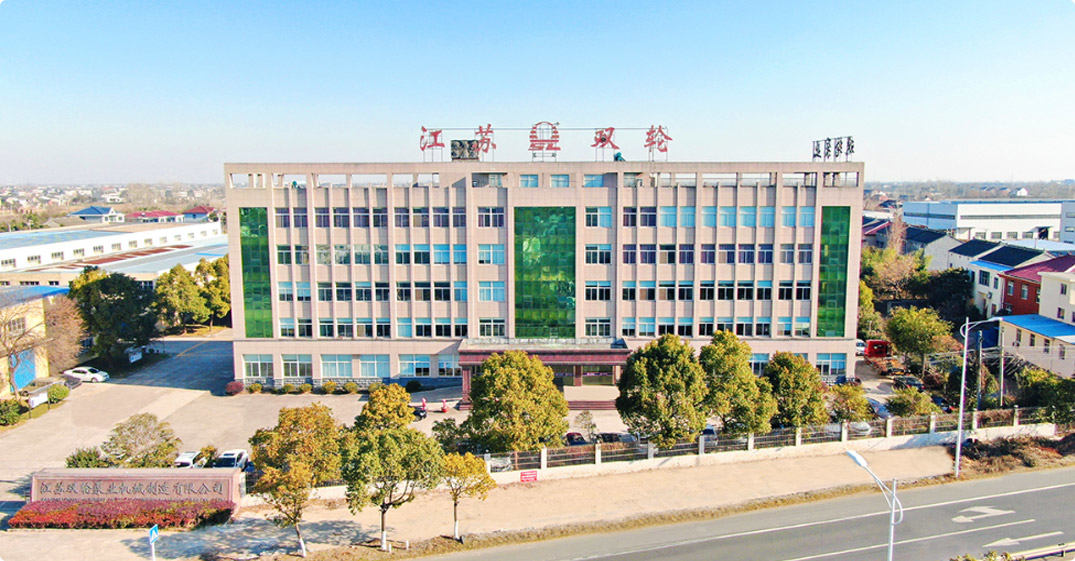
Jiangsu Double-wheel Pump Machinery Manufacting Co.,Ltd.
Jiangsu Double Wheel Pump Machinery Manufacturing Co., Ltd. is China High Temperature Thermal Oil Pump Manufacturers and Wholesale High Temperature Thermal Oil Pump Factory. The company is located in the scenic Yangtze River bank, Jiangyin Bridge, Beijing-Shanghai Expressway, Shanghai-Nanjing Expressway, Ningtong Expressway, Ningjingyan expressway running through the north and south, the traffic is very convenient, the geographical position is esteemed good. It is a production base specializing in non-sealed self-priming pumps, rain pumps, long-axis liquid pumps, chemical centrifugal pumps, positive displacement pumps and environmental protection equipment and mechanical equipment. The company has two production bases, covering an area of nearly 60,000 square meters, of which the eastern base covers an area of 33,000 square meters, the western base covers an area of 27,000 square meters, six modern production workshops, two installation workshops, a professional test workshop, a variety of mechanical processing equipment more than 160 sets, including a pump comprehensive performance test platform, Can test diameter 32-1200mm, motor power 1.1-1200KW, voltage 380V-10KV of various types of pumps, scientific research, development, manufacturing, processing, promotion, application of its own system. In the past two years, the company has closely followed the national industrial policy, made a big deal about environmental protection, and undertaken a large number of sewage treatment projects, which is unique in the environmental protection industry.
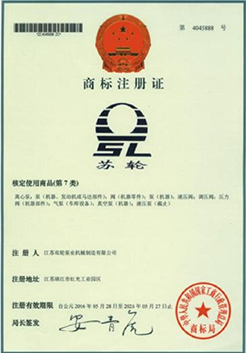
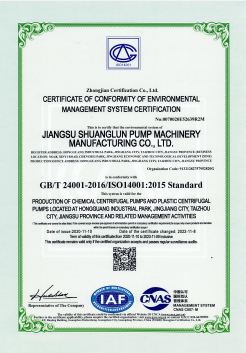
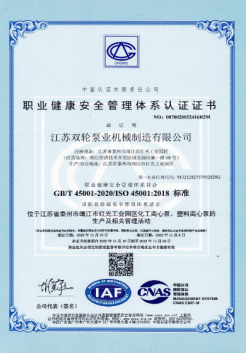
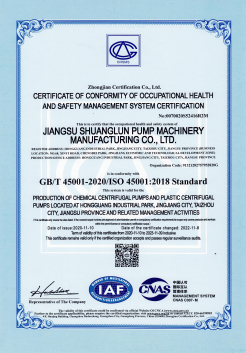
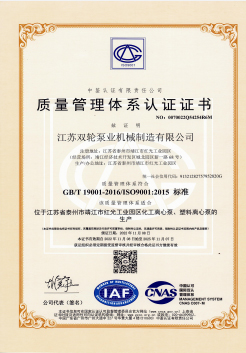
Certificate Of Honor


-
0

Be established in
-
0+

Professional personnel
-
0 million

Registered capital
-
0 ㎡

Plant area
After-Sales Service
Maintenance and Technical Support
Lifecycle support built around the realities of thermal oil systems — from fluid compatibility review through seal servicing.
Maintenance and Spare Parts
Designed for predictable service intervals at high temperature
- Cooled Seal Service Kits: Pre-configured seal kits matched to your fluid temperature class, with cooling jacket gaskets included, to minimize downtime during scheduled seal servicing.
- Bearing and Coupling Spares: Genuine replacement bearings and coupling spacers machined to original tolerances, ensuring the thermal isolation geometry is preserved on every replacement.
- Fluid Compatibility Records: We retain a record of the heat-transfer fluid specified at order time so replacement gasket and seal elastomer materials are matched correctly on reorder.
- 10-Year Spare Parts Commitment: Critical spare parts are guaranteed available for a minimum of 10 years from purchase date, with priority stocking for continuous-duty boiler-loop customers.
Application Engineering Support
Backed by thermal-fluid system design experience
- System Curve and NPSH Review: Before you order, our engineers review your system's total dynamic head, NPSHa at operating temperature, and expected fluid vapor pressure to confirm correct pump sizing.
- Fluid Chemistry Consultation: Submit your heat-transfer fluid type, operating temperature, and system volume, and we will confirm seal elastomer and gasket compatibility for your specific fluid.
- Commissioning Guidance: Step-by-step warm-up procedure, venting checklist, and alignment verification documentation to protect the pump during first-start and subsequent heat cycles.
- OEM Boiler-Skid Integration: Custom flange orientation, baseplate design, and control panel integration for OEMs building complete thermal oil heating skids around this pump.


+86-0523- 84351 090 /+86-180 0142 8659


Welcome To
Jiangsu Double-Wheel Pump
Add 1: Hongguang Industrial Park, Jingjiang City, Jiangsu Province, China
Add 2: No.68, Xinyi Road, Industrial Park, Jingjiang City, Jiangsu Province, China
Contact
-
Tel:
+86-0523- 84351 090
+86-180 0142 8659 -
FAX:
+0523-8435 5588
- E-mail: