language
  русский
 عربى
عربى Indonesia
Heavy Duty Sludge Dewatering Pump Wholesale


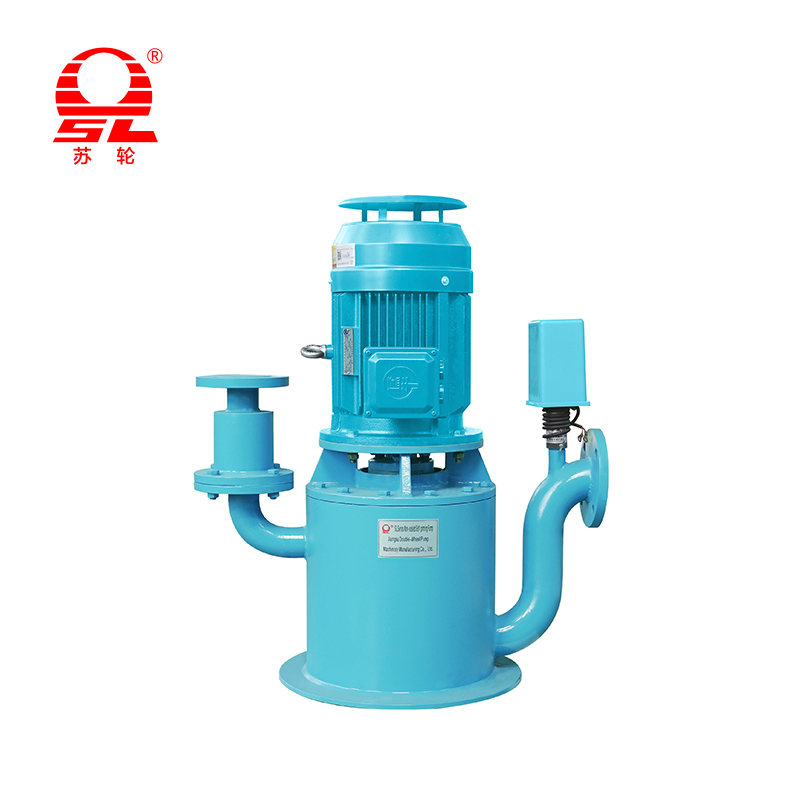

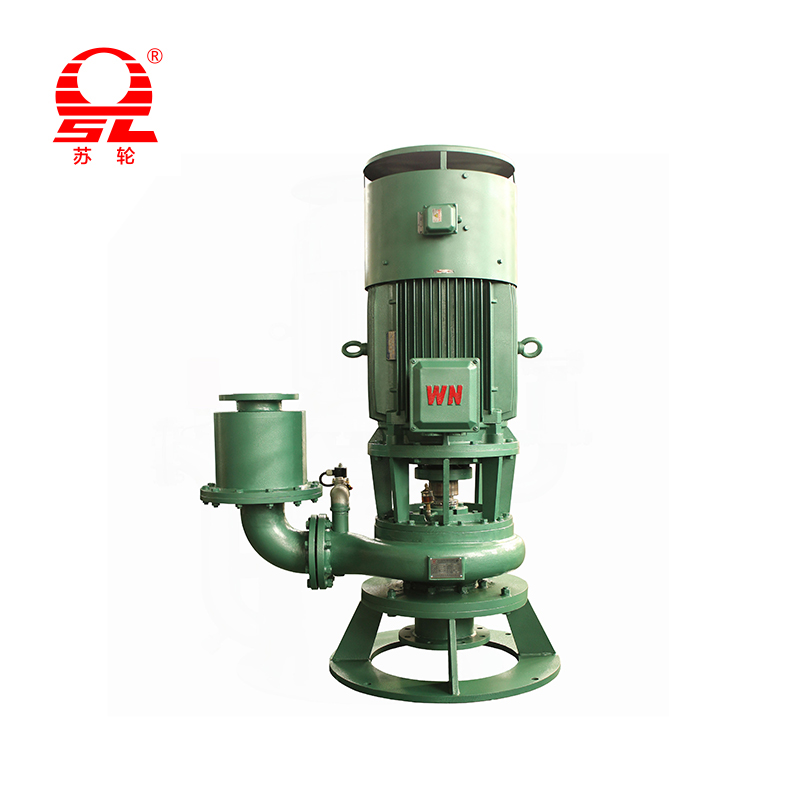

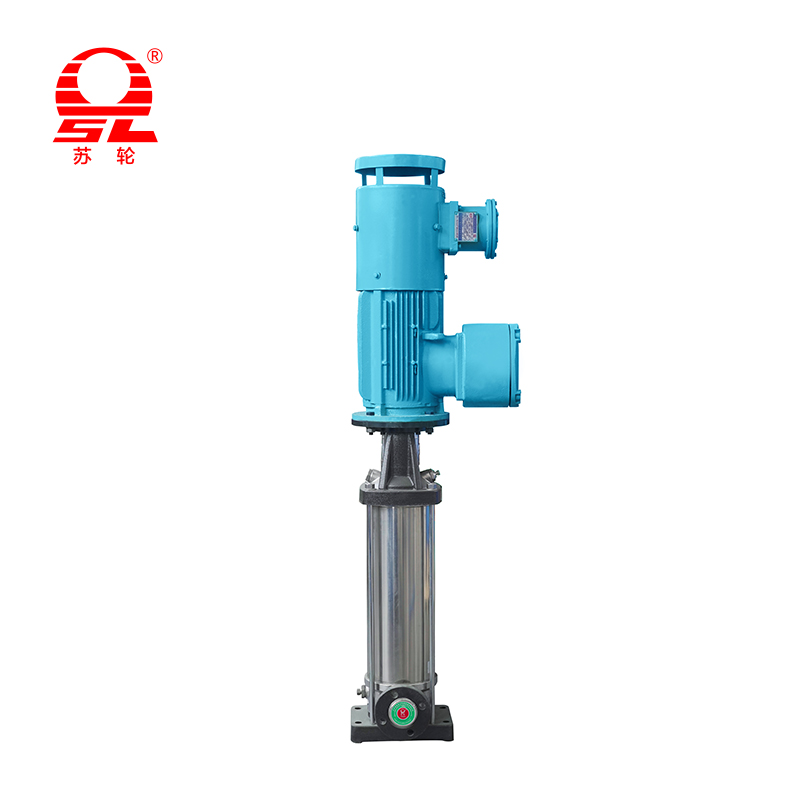
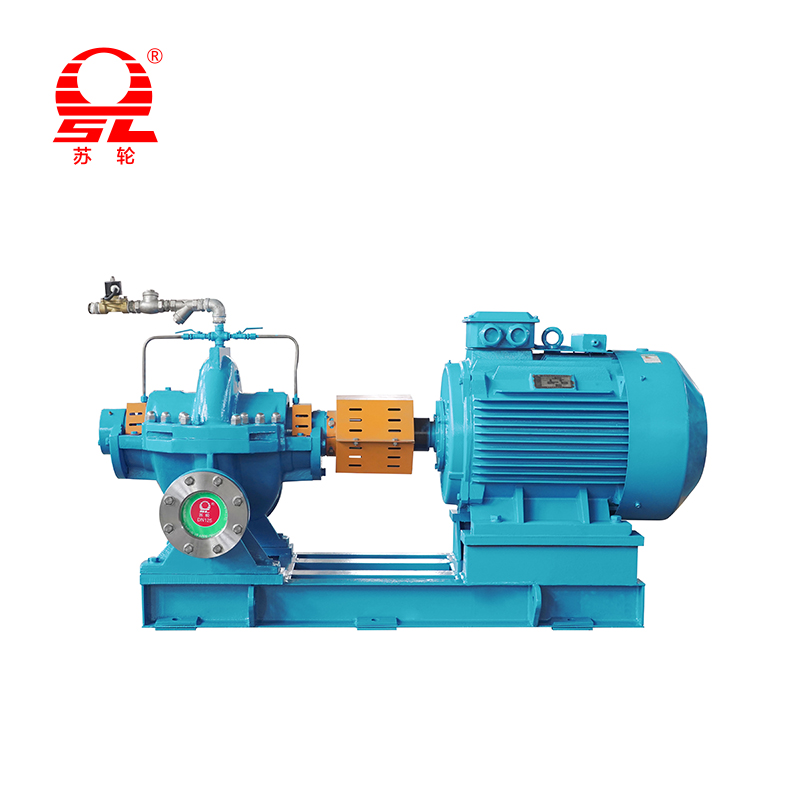
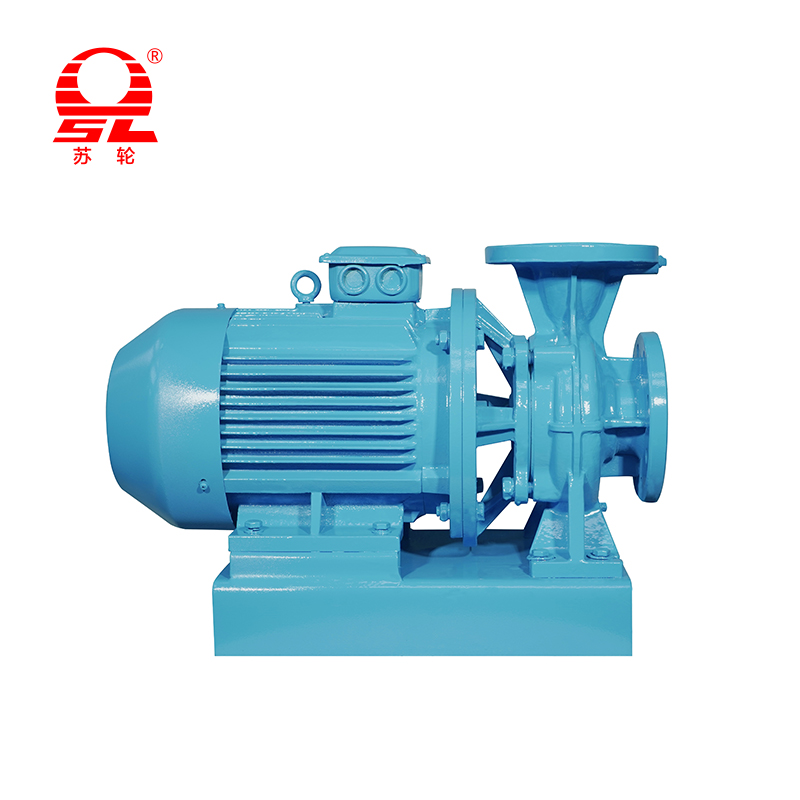


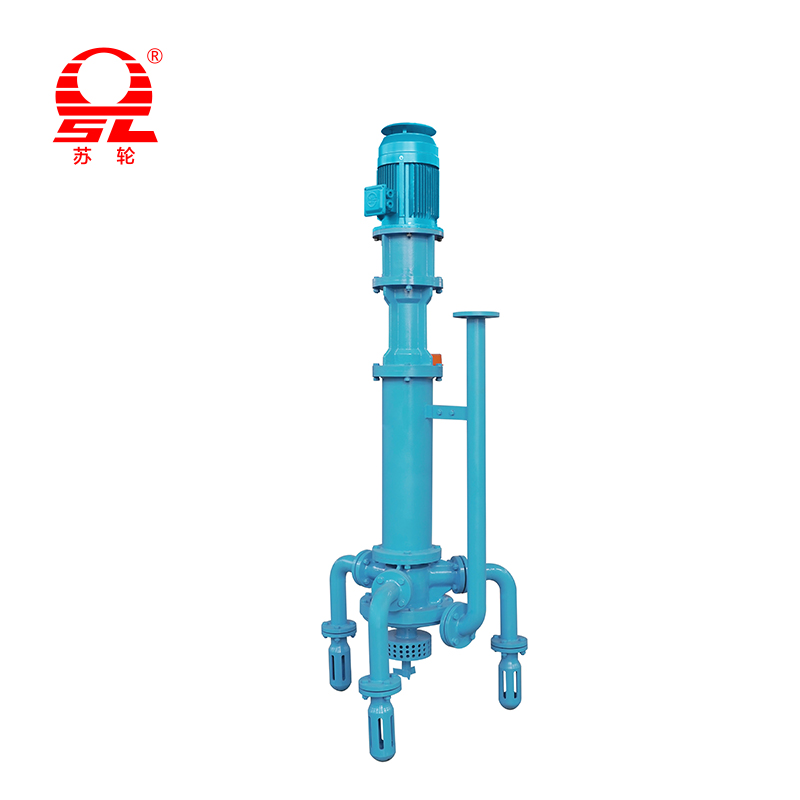

4–10%+ Solids
Non-Clog Design
ISO 9001:2015
CE Certified
High-Torque Drive
Heavy Duty Sludge Dewatering Pump
The SDP series is engineered specifically to feed belt presses, centrifuges, and filter presses with thick municipal and industrial sludge — where a standard centrifugal pump clogs, cavitates, or stalls. Choose progressive cavity for high-pressure thick-sludge feeding, or recessed-impeller centrifugal for higher-flow transfer, both built around a high-torque, non-clog design philosophy.
Product Introduction
Moving Thick, Difficult Sludge Without Clogging or Stalling
An engineering overview of the SDP Heavy Duty Sludge Dewatering Pump series, built to feed belt presses, centrifuges, and filter presses with consistent, uninterrupted sludge flow.
The Heavy Duty Sludge Dewatering Pump exists to solve one specific, recurring problem: conventional centrifugal pumps stall, clog, or lose prime when asked to move thickened municipal or industrial sludge at 4–10% solids content and non-Newtonian, shear-thinning viscosity. The SDP series is built around a large-clearance rotor design and high-torque drive train specifically sized for this duty, rather than a standard pump body pressed into service it was never rated for.
At the core of the SDP platform is a choice between two rotor geometries depending on sludge character: a progressive cavity (mono-screw) configuration for very thick, low-flow, high-pressure feeding of filter presses, and a heavy-duty recessed-impeller centrifugal configuration for higher-flow transfer of digested or thickened sludge over longer distances. Both share a common design philosophy — large free passage, minimal internal clearances that trap fibrous material, and a drive train engineered for the high starting torque thick sludge demands.
The recessed-impeller variant places the impeller entirely outside the pumped fluid stream, in a semi-open vortex configuration, so rags, hair, and stringy debris pass through the casing without contacting a close-clearance impeller edge — the single most common clog point in a standard centrifugal pump handling sludge. Free passage on the standard range starts at 80 mm and extends to 150 mm on large-frame units.
The progressive cavity variant uses a hardened stainless steel rotor turning inside an elastomer stator, generating smooth, low-shear, pulsation-controlled flow that can push thick, dewatered sludge cake precursor material through long discharge runs at pressures a centrifugal design simply cannot achieve. Stator elastomer compounds (NBR, EPDM, FKM) are selected to match the sludge chemistry and any polymer conditioning agents in use.
Because sludge dewatering feed lines run for extended unattended periods — often overnight in municipal wastewater treatment plants — the drive train includes a torque-limiting shear pin or electronic overload protection that stops the pump before a blockage damages the gearbox or motor, rather than forcing through an obstruction and burning out the drive.
Wear parts are engineered for replacement without removing the pump from the pipeline wherever possible: the recessed-impeller design allows impeller and wear-ring access from the rear cover, and the progressive cavity stator is a bolt-on cartridge that a maintenance crew can swap in under an hour, minimizing the downtime that would otherwise back up an entire dewatering line.
Progressive cavity or recessed-impeller configurations for different sludge types
Handles 4–10%+ solids content, non-Newtonian sludge
Free passage from 80 mm to 150 mm on standard range
Torque-limiting overload protection prevents drive train damage
Rear-access wear parts for rapid maintenance without pipeline removal
Hardened stainless rotor and chemical-resistant elastomer stator options
Low-shear, pulsation-controlled flow protects downstream polymer flocs
Rated for continuous unattended overnight operation
Technical Data
Technical Specifications
Comprehensive performance parameters across the full product series — from compact units to large-scale industrial installations.
| Parameter | Specification |
|---|---|
Solids Content Handling | Up to 10%+ by weight (sludge dependent) |
Flow Rate Range | 2 m³/h – 60 m³/h |
Discharge Pressure Range | Up to 16 bar (progressive cavity variant) |
Free Passage | 80 mm – 150 mm |
Motor Power Range | 2.2 kW – 75 kW |
Supply Voltage | 380 V (50 Hz / 60 Hz) |
Rated Speed | 150 – 960 rpm (low-shear operation) |
Wetted Material Options | Ductile iron, hardened stainless, chrome-alloy liners |
Rotor / Impeller Type | Progressive cavity mono-screw or recessed vortex impeller |
Stator Elastomer Options | NBR, EPDM, FKM (chemical dependent) |
Flange Standard | GB / DIN / ANSI (customizable) |
Overload Protection | Torque-limiting shear pin or electronic cutoff |
Noise Level | ≤ 78 dB(A) at 1 m under rated load |
Certifications | ISO 9001:2015 · CE · RoHS |
Why Choose It
Core Advantages
Six design decisions that keep the SDP series running through unattended dewatering shifts that clog ordinary pumps.
True Non-Clog Passage
The recessed vortex impeller sits outside the fluid path, so rags, hair, and fibrous debris pass through the large free-passage casing without ever contacting a close-clearance impeller edge.
High-Pressure Cake Feeding
The progressive cavity configuration generates smooth, pulsation-controlled discharge pressure high enough to push thickened sludge through long filter-press feed lines that would stall a centrifugal design.
Drive Train Protection
A torque-limiting shear pin or electronic overload cutoff stops the pump the moment resistance spikes, protecting the gearbox and motor from the burnout that follows an unnoticed blockage overnight.
Low-Shear Flow Path
Rotor and impeller geometry is optimized to minimize shear on polymer-conditioned sludge flocs, preserving the floc structure that downstream dewatering equipment depends on for cake dryness.
Rear-Access Serviceability
Wear rings, impellers, and progressive cavity stators are accessed from the rear cover without disturbing suction or discharge piping, cutting routine maintenance time significantly versus a full pump pull.
Chemistry-Matched Elastomers
NBR, EPDM, and FKM stator compounds are selected to match your specific sludge chemistry and polymer conditioning agent, extending stator life well beyond a one-size-fits-all elastomer choice.
Use Cases
Primary Applications
Deployed at the point where thick sludge must move reliably from thickening to dewatering equipment without stopping the line.
Municipal Wastewater Treatment
Feeding belt filter presses and centrifuges with thickened primary, secondary, or digested sludge at treatment plants of all scales, including unattended overnight operation.
Pulp and Paper Mills
Transferring fibrous process sludge and de-inking residue to dewatering equipment, where fiber content would clog a standard centrifugal pump within hours.
Food and Beverage Processing
Moving high-organic-load process sludge from DAF (dissolved air flotation) units to dewatering screens or presses in dairy, brewery, and food processing plants.
Chemical and Industrial Effluent
Handling chemically conditioned industrial sludge with variable solids content ahead of filter press dewatering in manufacturing wastewater treatment systems.
Drinking Water Treatment
Transferring coagulant sludge from clarifiers and settling tanks to dewatering lagoons or mechanical dewatering equipment at potable water plants.
Agricultural and Livestock Waste
Pumping thick animal waste slurry and digestate from anaerobic digesters to separation and dewatering equipment on large livestock operations.
Head-to-Head
Performance Comparison
How the SDP series compares with a standard centrifugal transfer pump and a basic progressive cavity pump without overload protection.
| Feature / Criteria | This Series | Standard Centrifugal Pump | Basic Progressive Cavity Pump |
|---|---|---|---|
| Solids Content Tolerance | Up to 10%+, non-Newtonian rated | Clogs above ~2–3% | High, but no overload protection |
| Free Passage | 80–150 mm | Typically under 50 mm | Similar, model dependent |
| Overload / Blockage Protection | Shear pin or electronic cutoff standard | None | Not standard |
| Discharge Pressure Capability | Up to 16 bar (PC variant) | Low — not pressure-capable | Comparable, less consistent |
| Rear-Access Maintenance | Yes — no pipeline disturbance | Full pump pull required | Often requires disassembly |
| Elastomer Chemistry Matching | NBR / EPDM / FKM options | Not applicable | Limited options |
| Suitability for Unattended Duty | Rated for overnight unattended runs | Not recommended | Possible, higher failure risk |
Expert Tips
Usage Tips and Best Practices
Field-proven practices for keeping a heavy-duty sludge pump running through demanding unattended shifts.
1
Match Rotor Type to Sludge Character
Choose the progressive cavity configuration for very thick, low-flow, high-pressure feeding, and the recessed-impeller centrifugal configuration for higher-flow transfer of thinner digested sludge over longer runs.
2
Set Overload Protection Conservatively
Configure the torque-limiting cutoff to trip well before rated maximum torque during commissioning, then adjust based on observed normal operating torque — this catches developing blockages before they become full stalls.
3
Inspect Stator Wear Monthly on New Installations
Progressive cavity stator wear accelerates with abrasive sludge; check compression and slip during the first three months to establish your site's actual wear rate before extending the inspection interval.
4
Avoid Running Dry, Even Briefly
Progressive cavity stators rely on the pumped fluid for lubrication between rotor and stator; even short dry-run periods during commissioning or after a blockage clearance can cause irreversible stator damage.
5
Size Suction Piping Generously
Thick sludge has poor flow characteristics in undersized suction lines; use suction pipe diameter equal to or larger than the pump inlet and minimize elbow count to avoid suction-side cavitation.
6
Coordinate Polymer Dosing Upstream
Excessive polymer conditioning can create over-flocculated sludge that behaves unpredictably through the pump; work with your dewatering equipment supplier to optimize dosing for both flocculation and pumpability.
FAQ
Frequently Asked Questions
Direct answers to the questions plant operators and engineers ask before specifying a sludge dewatering feed pump.
How do I choose between the progressive cavity and centrifugal configuration?
Progressive cavity suits thick sludge (6–10%+ solids) that must be pushed at high pressure into a filter press. The recessed-impeller centrifugal configuration suits thinner, higher-flow sludge transfer where pressure requirements are modest but flow rate and non-clog passage matter more.
What happens when the pump encounters a blockage?
The torque-limiting shear pin or electronic overload cutoff stops the drive before the gearbox or motor is damaged. On the shear-pin variant, a spare pin restores operation in minutes; the electronic cutoff variant simply requires a reset after the blockage is cleared.
Can this pump handle rags and stringy debris without clogging?
Yes — the recessed vortex impeller design keeps the impeller out of the direct fluid path, so fibrous material passes through the large free-passage casing rather than wrapping around a close-clearance impeller edge, which is the primary clog mechanism in standard centrifugal pumps.
How long does a progressive cavity stator typically last?
Stator life depends heavily on sludge abrasivity and polymer chemistry; selecting the correct elastomer (NBR, EPDM, or FKM) for your specific sludge chemistry is the single biggest factor in extending service life, alongside avoiding dry-run conditions.
Is the pump rated for unattended overnight operation?
Yes, this is a core design requirement — the overload protection system is specifically intended to bring the pump to a safe stop without operator intervention if a blockage develops during unattended hours, protecting the drive train until morning inspection.
What solids content can this pump actually handle?
The series is rated for non-Newtonian sludge up to 10%+ solids by weight, though actual performance depends on sludge type, temperature, and any polymer conditioning; our engineers can review your specific sludge characterization data before sizing.
How is maintenance performed without removing the pump from the pipeline?
Both configurations allow wear-part access from the rear cover — wear rings and impeller on the centrifugal variant, and the stator cartridge on the progressive cavity variant — without disconnecting suction or discharge flanges.
What documentation ships with the pump?
Each unit ships with a performance test certificate, material test certificates for wetted components, an operation and maintenance manual, and a CE Declaration of Conformity.
Company
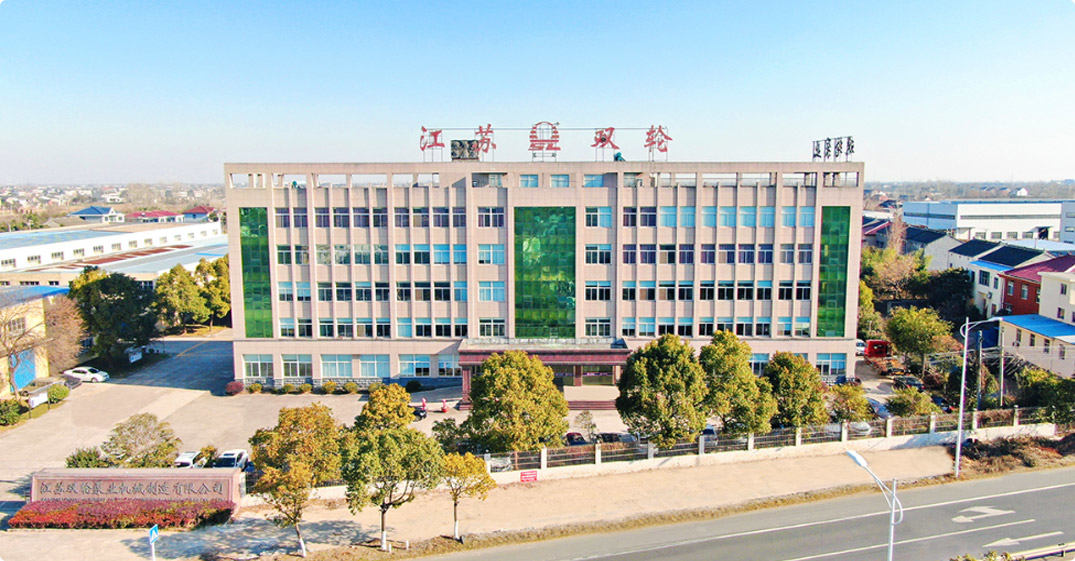
Jiangsu Double-wheel Pump Machinery Manufacting Co.,Ltd.
Jiangsu Double Wheel Pump Machinery Manufacturing Co., Ltd. is China Heavy Duty Sludge Dewatering Pump Manufacturers and Wholesale Heavy Duty Sludge Dewatering Pump Factory. The company is located in the scenic Yangtze River bank, Jiangyin Bridge, Beijing-Shanghai Expressway, Shanghai-Nanjing Expressway, Ningtong Expressway, Ningjingyan expressway running through the north and south, the traffic is very convenient, the geographical position is esteemed good. It is a production base specializing in non-sealed self-priming pumps, rain pumps, long-axis liquid pumps, chemical centrifugal pumps, positive displacement pumps and environmental protection equipment and mechanical equipment. The company has two production bases, covering an area of nearly 60,000 square meters, of which the eastern base covers an area of 33,000 square meters, the western base covers an area of 27,000 square meters, six modern production workshops, two installation workshops, a professional test workshop, a variety of mechanical processing equipment more than 160 sets, including a pump comprehensive performance test platform, Can test diameter 32-1200mm, motor power 1.1-1200KW, voltage 380V-10KV of various types of pumps, scientific research, development, manufacturing, processing, promotion, application of its own system. In the past two years, the company has closely followed the national industrial policy, made a big deal about environmental protection, and undertaken a large number of sewage treatment projects, which is unique in the environmental protection industry.
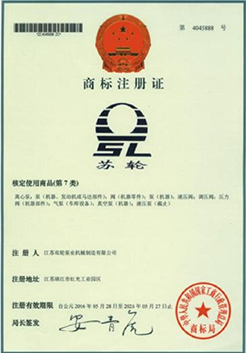
Certificate Of Honor


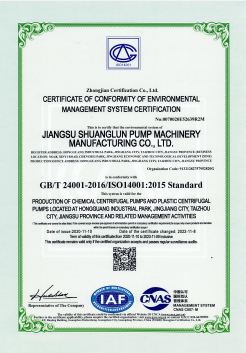
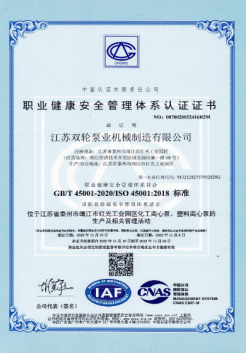
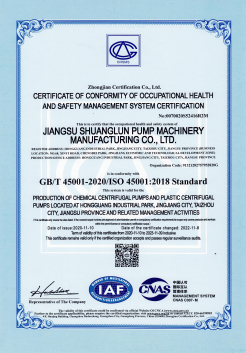
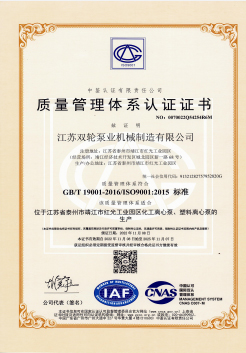
-
0

Be established in
-
0+

Professional personnel
-
0 million

Registered capital
-
0 ㎡

Plant area
After-Sales Service
Maintenance and Technical Support
Lifecycle support focused on minimizing dewatering-line downtime — from rotor selection through wear-part supply.
Maintenance and Spare Parts
Rear-access design keeps service time short
- Progressive Cavity Stator Cartridges: Bolt-on replacement stators in your specified elastomer, installable in under an hour without disturbing suction or discharge piping.
- Rear-Access Wear Ring Kits: Impeller and casing wear rings for the centrifugal configuration, sized for direct swap during scheduled maintenance windows.
- Shear Pin and Overload Component Stock: Spare shear pins and electronic overload sensor components kept in stock so a blockage event results in minutes of downtime, not days.
- 10-Year Spare Parts Commitment: Critical spare parts guaranteed available for a minimum of 10 years from purchase date, with expedited dispatch for active dewatering-line customers.
Application Engineering Support
Rotor and elastomer selection based on your sludge characterization
- Sludge Characterization Review: Submit your solids content, viscosity profile, and polymer conditioning program, and our engineers will confirm rotor type and elastomer chemistry before you order.
- System Curve and Torque Sizing: We calculate expected operating torque and discharge pressure for your specific sludge and pipeline layout to correctly size the drive train and overload protection settings.
- Commissioning and Overload Calibration Guidance: Step-by-step commissioning documentation including recommended overload trip-point calibration for your specific installation.
- OEM Dewatering-Skid Integration: Custom flange orientation, control panel integration, and baseplate design for OEMs building complete dewatering skids around this pump.


+86-0523- 84351 090 /+86-180 0142 8659


Welcome To
Jiangsu Double-Wheel Pump
Add 1: Hongguang Industrial Park, Jingjiang City, Jiangsu Province, China
Add 2: No.68, Xinyi Road, Industrial Park, Jingjiang City, Jiangsu Province, China
Contact
-
Tel:
+86-0523- 84351 090
+86-180 0142 8659 -
FAX:
+0523-8435 5588
- E-mail: