language
  русский
 عربى
عربى Indonesia
High Solid Content Slurry Pump Wholesale







40–70% Solids
58–65 HRC Alloy
ISO 9001:2015
CE Certified
Replaceable Wear Liners
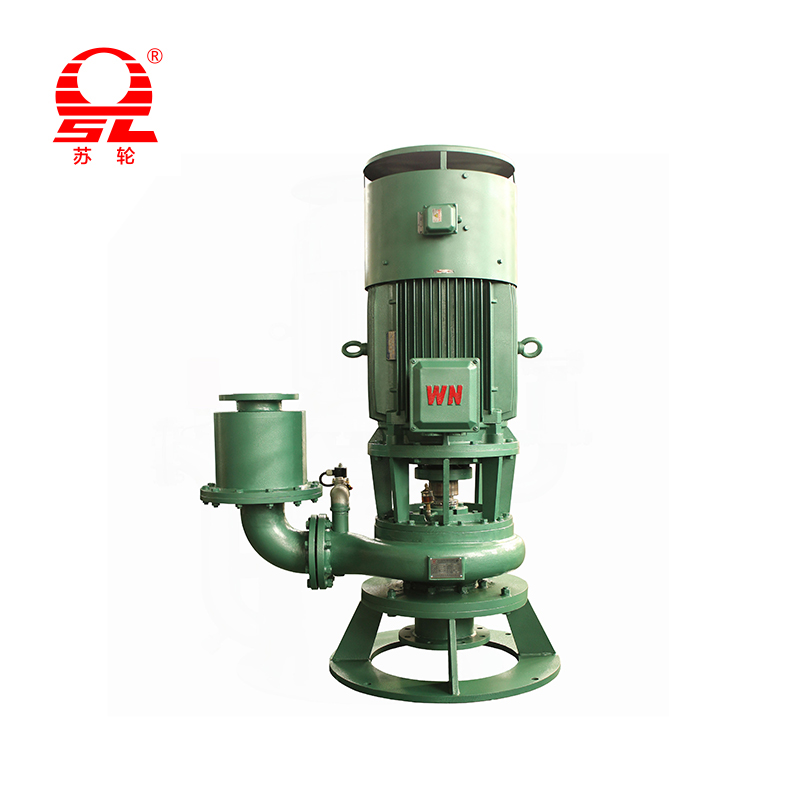
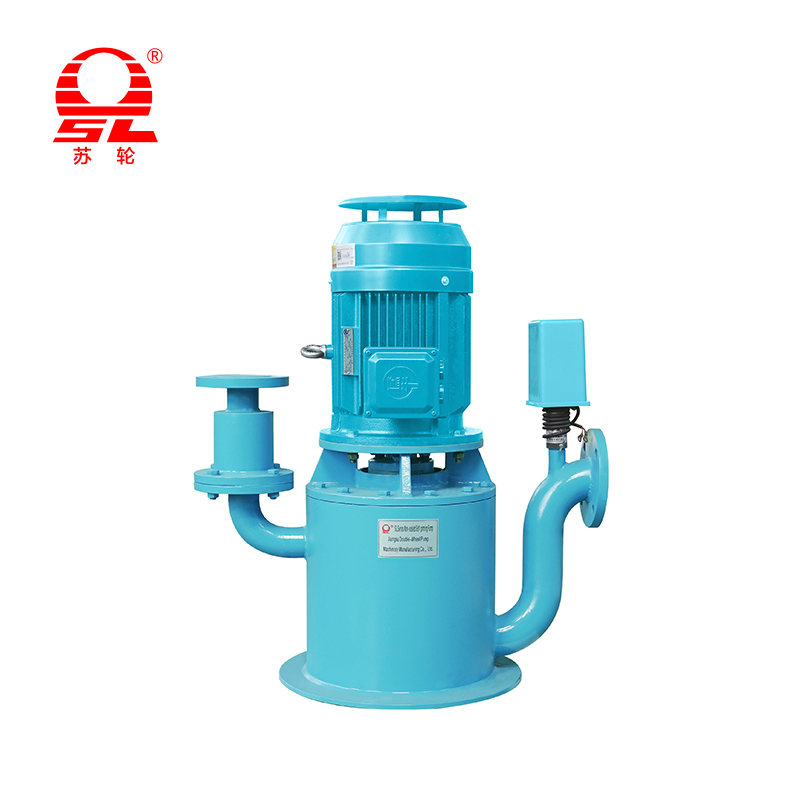
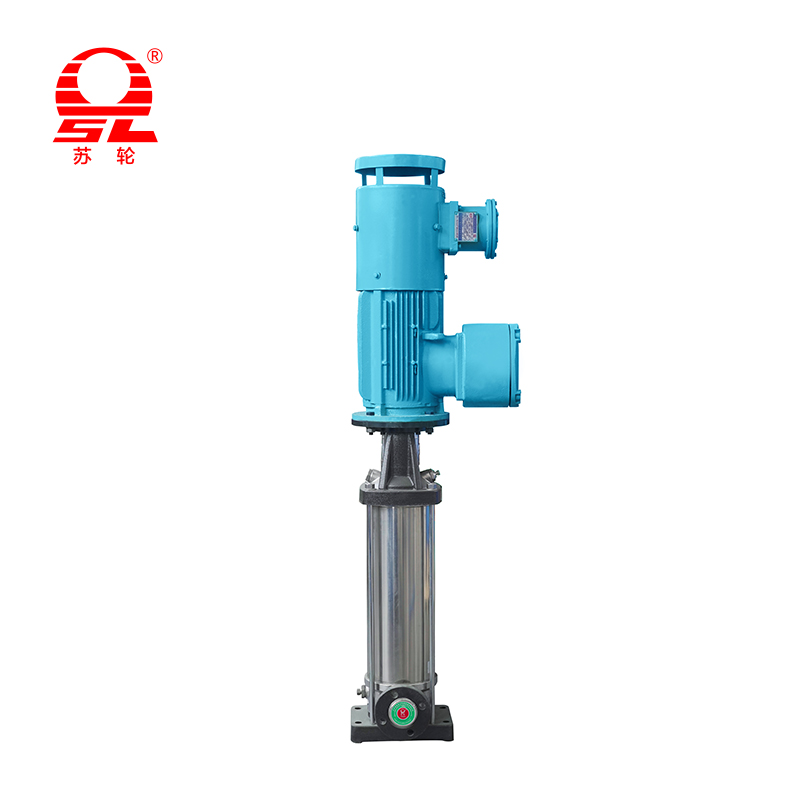
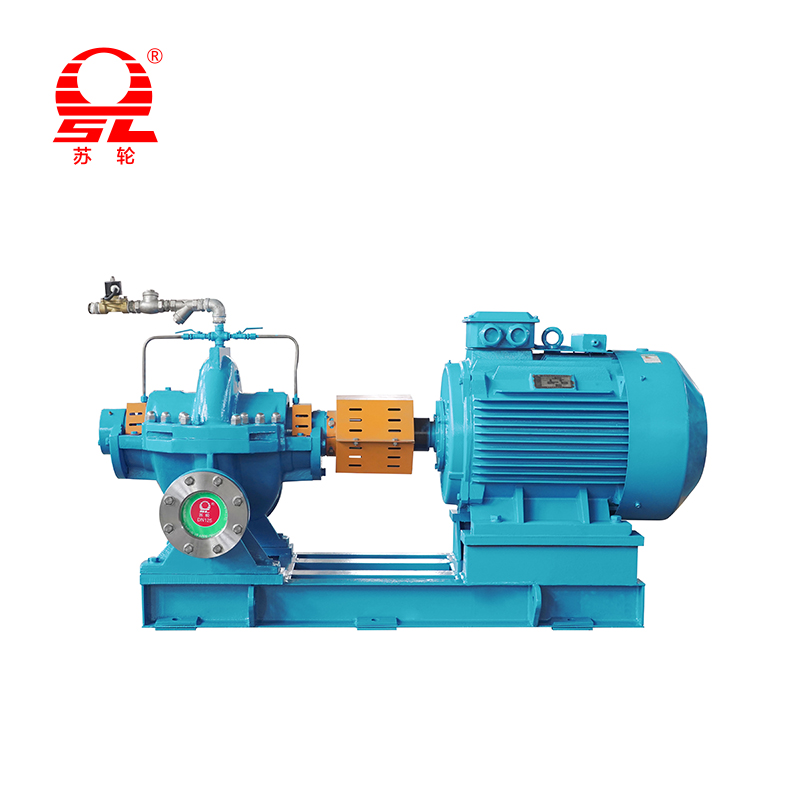
High Solid Content Slurry Pump
The HSS series is built from high-chrome white iron alloy hardened to 58–65 HRC specifically to survive abrasive mineral slurry at 40–70% solids content — where ordinary centrifugal pumps wear through within weeks. Replaceable throat bushings, oversized casing wall thickness, and an optional flush-free expeller seal keep mining and mineral processing operations running with fewer unplanned shutdowns.
Product Introduction
Built to Outlast Abrasion, Not Just Survive It
Inside the HSS High Solid Content Slurry Pump series, engineered for mining, mineral processing, and dredging applications where solids content routinely exceeds 40% by weight.
The High Solid Content Slurry Pump is built for a wear environment that destroys ordinary centrifugal pumps within weeks: abrasive slurries carrying 40–70% solids by weight, often containing sharp-edged mineral particles moving at velocities high enough to erode metal on contact. Every design decision in the HSS series — wall thickness, material hardness, impeller clearance, and casing geometry — is made with abrasive wear life as the primary criterion, not just hydraulic efficiency.
Wetted parts are cast from high-chrome white iron alloy (typically 25–28% chromium), heat-treated to achieve a martensitic microstructure with hardness in the range of 58–65 HRC — dramatically harder than the standard cast iron or carbon steel used in clean-water pumps, and specifically resistant to the abrasive cutting wear mechanism that dominates slurry pump failure. For slurries containing large particles or requiring rubber's superior resistance to sliding abrasion, natural or synthetic rubber-lined casing and impeller options are available as an alternative wear system.
Casing wall thickness is substantially oversized relative to a clean-water pump of equivalent hydraulic capacity, providing a wear allowance that extends service life between casing replacements. A replaceable throat bushing and suction liner further protect the highest-wear zone at the impeller eye, allowing that specific wear point to be renewed without replacing the entire casing.
The impeller is a heavy-duty, semi-open or open design with thick vanes and a front and back shroud wear plate configuration, deliberately avoiding the close impeller-to-casing clearances used in clean-water pumps — those tight clearances would be worn away by abrasive particles within days, while the HSS design tolerates gradually increasing clearance over a much longer service interval before efficiency drops enough to warrant part replacement.
The stuffing box uses either a gland packing arrangement with continuous flush water injection to keep abrasive slurry away from the packing surface, or an expeller-type dynamic seal that centrifugally excludes solids from the seal area without any external flush water at all — a significant advantage where flush water dilution of the slurry, or water scarcity at a remote mine site, makes a traditional flushed seal impractical.
Bearing assemblies are oversized and mounted in a separate, sealed bearing housing isolated from the pumped fluid, protected by grease seals and, on larger frames, a bearing housing cooling water jacket to manage the heat generated by continuous high-load operation moving dense, viscous slurry.
High-chrome white iron alloy wetted parts, 58–65 HRC hardness
Rubber-lined casing and impeller option for large-particle slurries
Replaceable throat bushing and suction liner protect the highest-wear zone
Oversized casing wall thickness for extended service life
Expeller seal option eliminates flush water requirement
Handles 40–70% solids content by weight
Heavy-duty semi-open impeller with front and back wear plates
Isolated, sealed bearing housing with optional cooling jacket
Technical Data
Technical Specifications
Comprehensive performance parameters across the full product series — from compact units to large-scale industrial installations.
| Parameter | Specification |
|---|---|
Solids Content Handling | Up to 70% by weight |
Flow Rate Range | 10 m³/h – 450 m³/h |
Total Head Range | 5 m – 80 m |
Inlet / Outlet Diameter | DN 40 mm – DN 350 mm |
Motor Power Range | 3 kW – 315 kW |
Supply Voltage | 380 V / 6 kV (50 Hz / 60 Hz) |
Rated Speed | 500 – 1800 rpm |
Wetted Material Options | High-chrome white iron (25–28% Cr), natural/synthetic rubber lining |
Material Hardness | 58 – 65 HRC (metal-lined variant) |
Seal Type | Gland packing with flush, or flush-free expeller seal |
Impeller Type | Heavy-duty semi-open or open, front/back wear plates |
Flange Standard | GB / DIN / ANSI (customizable) |
Wear Liner Type | Replaceable throat bushing and suction liner |
Noise Level | ≤ 85 dB(A) at 1 m under rated load |
Certifications | ISO 9001:2015 · CE |
Why Choose It
Core Advantages
Six design decisions that separate the HSS series from a general-purpose pump asked to handle abrasive slurry.
Hardened High-Chrome Wear Parts
White iron alloy hardened to 58–65 HRC resists the abrasive cutting wear that would erode standard cast iron or carbon steel wetted parts within weeks at 40–70% solids content.
Oversized Wear Allowance
Casing wall thickness is deliberately oversized beyond hydraulic requirements, providing metal to wear away over a much longer service interval before replacement becomes necessary.
Targeted Replaceable Wear Liners
The throat bushing and suction liner — the single highest-wear zone in any slurry pump — are replaceable independently of the main casing, avoiding the cost of a full casing replacement for localized wear.
Flush-Free Sealing Option
The expeller-type dynamic seal centrifugally excludes solids from the seal area without external flush water, valuable at remote mine sites where water is scarce or dilution of the slurry is undesirable.
Rubber Lining Alternative
For large-particle or highly sliding-abrasive slurries, natural or synthetic rubber-lined casing and impeller options offer a wear mechanism better suited to that specific abrasion mode than metal alloy.
Isolated Bearing Protection
Bearings are mounted in a separate, sealed housing entirely isolated from the pumped slurry, protecting the pump's most precision-dependent component from the abrasive environment it operates within.
Use Cases
Primary Applications
Deployed in the most abrasive slurry handling duties across mining, mineral processing, and heavy industry.
Mineral Processing Plants
Transferring ore slurry, flotation tailings, and concentrate slurry through grinding circuits, flotation cells, and thickener underflow lines at concentration plants.
Mine Dewatering and Tailings
Moving tailings slurry to storage facilities and handling mine dewatering flows that carry significant suspended solids from underground or open-pit operations.
Dredging Operations
Hydraulic dredging duty transferring dredged material slurry through pipelines from waterway or reservoir dredging projects to disposal or reclamation sites.
Power Plant Ash Handling
Transferring bottom ash and fly ash slurry from coal-fired power plant ash ponds and handling systems, where high solids content and abrasive ash particles demand hardened wetted parts.
FGD (Flue Gas Desulfurization) Systems
Circulating limestone slurry in wet FGD scrubber systems and handling the resulting gypsum byproduct slurry, both carrying significant abrasive solids content.
Cement and Aggregate Processing
Handling raw material slurry, kiln dust slurry, and aggregate washing return water in cement production and aggregate processing plants.
Head-to-Head
Performance Comparison
How the HSS high-chrome design compares with a standard cast iron centrifugal pump and a basic rubber-lined slurry pump.
| Feature / Criteria | This Series | Standard Cast Iron Pump | Basic Rubber-Lined Slurry Pump |
|---|---|---|---|
| Solids Content Tolerance | Up to 70% by weight | Not rated for high-solids slurry | High, particle-size dependent |
| Wetted Part Hardness | 58–65 HRC high-chrome alloy | ~200 HB standard cast iron | N/A — elastomer, not hardness-rated |
| Wear Life on Fine Abrasive Particles | Excellent — hardened alloy resists cutting wear | Very short — eroded within weeks | Moderate — better suited to coarse particles |
| Wear Life on Large/Coarse Particles | Good, rubber-lined option available | Poor | Excellent — rubber absorbs impact |
| Replaceable Wear Liner System | Throat bushing and suction liner | Not designed for this | Rubber liner replacement system |
| Flush-Free Seal Option | Expeller seal available | Not applicable | Often available |
| Suitability for High-Temperature Slurry | Good — metal tolerates higher temp | Not rated for abrasive duty regardless | Limited — rubber temperature ceiling |
Expert Tips
Usage Tips and Best Practices
Practical guidance for maximizing wear part life on abrasive slurry duty.
1
Match Material to Particle Character
Choose high-chrome metal lining for fine, sharp-edged abrasive particles where cutting wear dominates, and rubber lining for coarser particles where impact and sliding wear dominate — using the wrong material for your slurry's particle profile is the most common cause of disappointing wear life.
2
Monitor and Adjust Impeller Clearance
Slurry pump efficiency depends on impeller-to-liner clearance, which grows as wear parts erode; establish a routine clearance check and adjustment schedule to maintain performance before efficiency loss becomes significant.
3
Avoid Running at Excessive Speed
Wear rate on abrasive slurry increases sharply, not linearly, with velocity; running the pump faster than necessary to achieve required flow dramatically shortens wear part life for a modest capacity gain.
4
Inspect the Throat Bushing on a Fixed Schedule
This is typically the fastest-wearing component in the pump; establish an inspection interval based on your specific slurry's abrasivity and replace proactively rather than waiting for a performance-affecting failure.
5
Maintain Correct Slurry Concentration
Operating well above the pump's rated maximum solids content accelerates wear disproportionately and can cause pipeline blockage; work with process control to keep slurry density within the pump's designed operating range.
6
Use Flush Water Correctly If Fitted
On gland-packed seal configurations, verify flush water pressure and flow are correctly set per the commissioning documentation — inadequate flush allows slurry into the packing, while excessive flush unnecessarily dilutes the process slurry.
FAQ
Frequently Asked Questions
Technical questions mining and mineral processing engineers ask before specifying a slurry pump.
What solids content can this pump actually handle?
The HSS series is rated for slurry concentrations up to 70% solids by weight, though actual performance and wear rate depend heavily on particle size distribution, particle hardness, and slurry viscosity — send us your slurry characterization data for a specific wear-life estimate.
Should I choose high-chrome metal lining or rubber lining?
High-chrome alloy performs best against fine, sharp-edged abrasive particles where cutting wear dominates. Rubber lining performs best against coarser particles and impact-dominated wear, and also offers better resistance to corrosive slurry chemistry in some applications. Our engineers can recommend based on your specific particle size distribution and slurry chemistry.
How long do the wear parts typically last?
Wear life varies enormously with slurry abrasivity, concentration, and operating velocity — from several months in highly abrasive, high-velocity duty to multiple years in less demanding applications. We can provide a wear-life estimate based on your specific slurry data and duty cycle.
What is an expeller seal and why would I choose it over a flushed gland seal?
An expeller seal uses a small secondary impeller behind the main impeller to generate centrifugal force that excludes slurry from the seal area, requiring no external flush water. This is valuable where water is scarce, where flush water dilution of the process slurry is undesirable, or where flush water supply reliability is a concern.
Can the throat bushing be replaced without removing the whole pump?
Yes, the throat bushing and suction liner are designed as replaceable wear components, accessible during routine maintenance without requiring full casing replacement, significantly reducing the cost of addressing localized high-wear-zone erosion.
What causes premature wear beyond normal abrasion?
Operating above rated maximum solids concentration, running at unnecessarily high speed, cavitation from insufficient NPSH margin, and using the wrong wear material for your particle size distribution are the most common causes of wear life falling short of expectations.
Is this pump suitable for hot slurry applications, such as FGD or ash handling?
The high-chrome metal-lined variant tolerates elevated slurry temperature well; the rubber-lined variant has a lower temperature ceiling due to elastomer limitations, so metal lining is typically preferred for hot ash or FGD slurry duty.
What documentation ships with the pump?
Each unit ships with a hardness test certificate for the wear-part alloy, hydrostatic test certificate, material test certificates, and a CE Declaration of Conformity.
Company
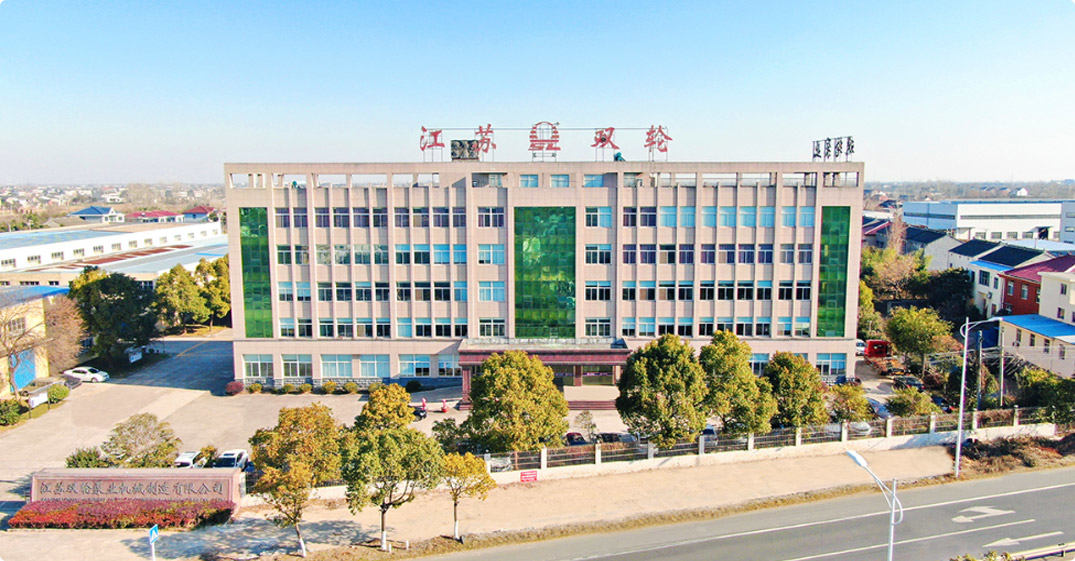
Jiangsu Double-wheel Pump Machinery Manufacting Co.,Ltd.
Jiangsu Double Wheel Pump Machinery Manufacturing Co., Ltd. is China High Solid Content Slurry Pump Manufacturers and Wholesale High Solid Content Slurry Pump Factory. The company is located in the scenic Yangtze River bank, Jiangyin Bridge, Beijing-Shanghai Expressway, Shanghai-Nanjing Expressway, Ningtong Expressway, Ningjingyan expressway running through the north and south, the traffic is very convenient, the geographical position is esteemed good. It is a production base specializing in non-sealed self-priming pumps, rain pumps, long-axis liquid pumps, chemical centrifugal pumps, positive displacement pumps and environmental protection equipment and mechanical equipment. The company has two production bases, covering an area of nearly 60,000 square meters, of which the eastern base covers an area of 33,000 square meters, the western base covers an area of 27,000 square meters, six modern production workshops, two installation workshops, a professional test workshop, a variety of mechanical processing equipment more than 160 sets, including a pump comprehensive performance test platform, Can test diameter 32-1200mm, motor power 1.1-1200KW, voltage 380V-10KV of various types of pumps, scientific research, development, manufacturing, processing, promotion, application of its own system. In the past two years, the company has closely followed the national industrial policy, made a big deal about environmental protection, and undertaken a large number of sewage treatment projects, which is unique in the environmental protection industry.
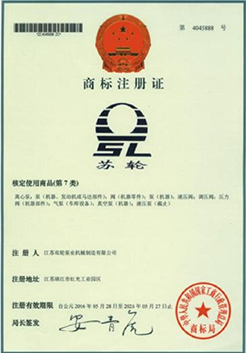
Certificate Of Honor


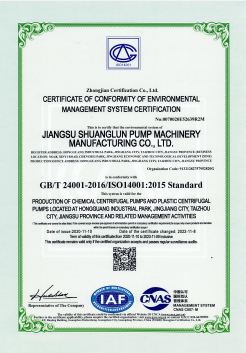
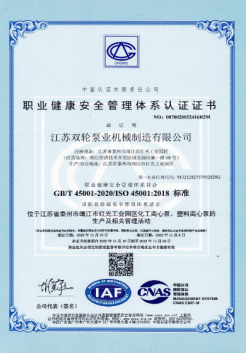
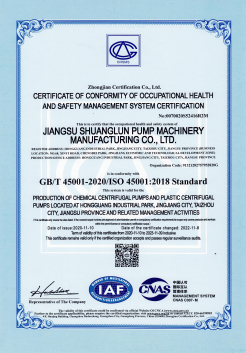
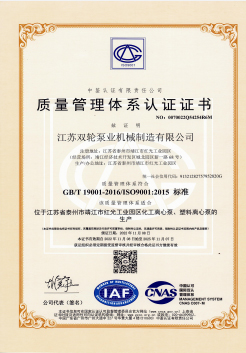
-
0

Be established in
-
0+

Professional personnel
-
0 million

Registered capital
-
0 ㎡

Plant area
After-Sales Service
Maintenance and Technical Support
Support focused on wear material selection and replacement liner supply to minimize slurry line downtime.
Maintenance and Spare Parts
Targeted wear liner replacement keeps overhaul cost down
- Throat Bushing and Suction Liner Kits: Fast-wearing replaceable liners in high-chrome alloy or rubber, matched to your original specification, for the highest-wear zone in the pump.
- Complete Wet End Overhaul Kits: Impeller, casing liner, and gasket kits for full wet-end rebuild during major scheduled overhauls.
- Expeller and Gland Seal Components: Genuine replacement expeller seals and gland packing sets sized for your specific model and seal configuration.
- 10-Year Spare Parts Commitment: Critical spare parts guaranteed available for a minimum of 10 years from purchase date, with priority stocking for active mining and processing customers.
Application Engineering Support
Material and wear-life guidance based on your slurry characterization
- Slurry Characterization Review: Submit your particle size distribution, hardness, solids concentration, and slurry chemistry, and our engineers will recommend the correct wetted material and confirm expected wear life.
- System Curve and Velocity Optimization: We calculate your system's operating point to recommend a pump speed that balances required capacity against wear rate, since excessive velocity disproportionately accelerates abrasive wear.
- Wear Monitoring Program Setup: Guidance on establishing a clearance and liner-thickness inspection schedule tailored to your slurry's measured abrasivity.
- OEM Slurry-Skid Integration: Custom flange orientation, drive configuration, and control integration for OEMs building complete slurry handling skids around this pump.


+86-0523- 84351 090 /+86-180 0142 8659


Welcome To
Jiangsu Double-Wheel Pump
Add 1: Hongguang Industrial Park, Jingjiang City, Jiangsu Province, China
Add 2: No.68, Xinyi Road, Industrial Park, Jingjiang City, Jiangsu Province, China
Contact
-
Tel:
+86-0523- 84351 090
+86-180 0142 8659 -
FAX:
+0523-8435 5588
- E-mail: