language
  русский
 عربى
عربى Indonesia
Multi-Functional Assembly Test Pump Wholesale




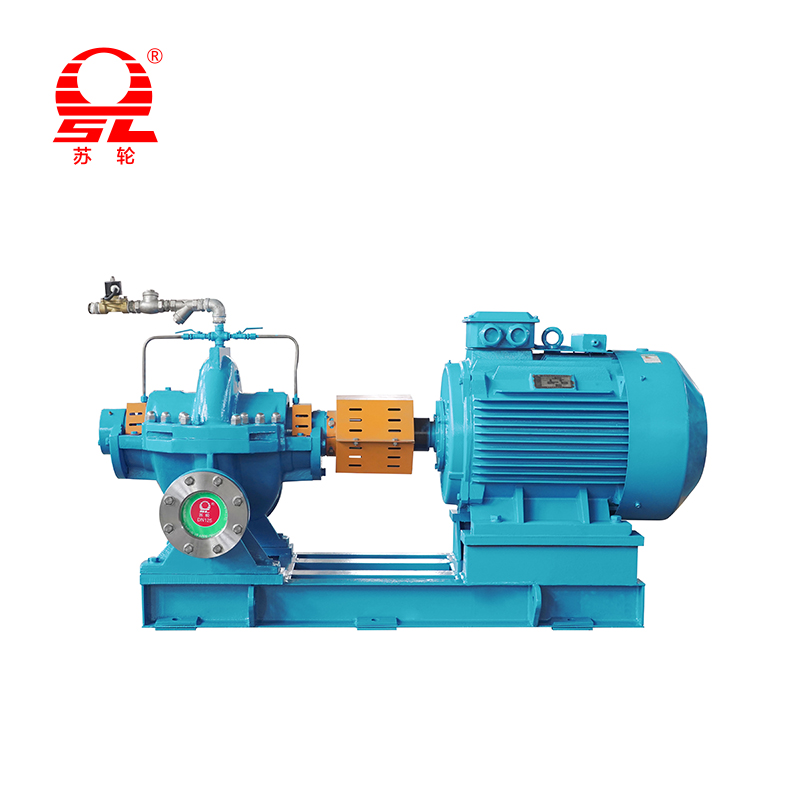
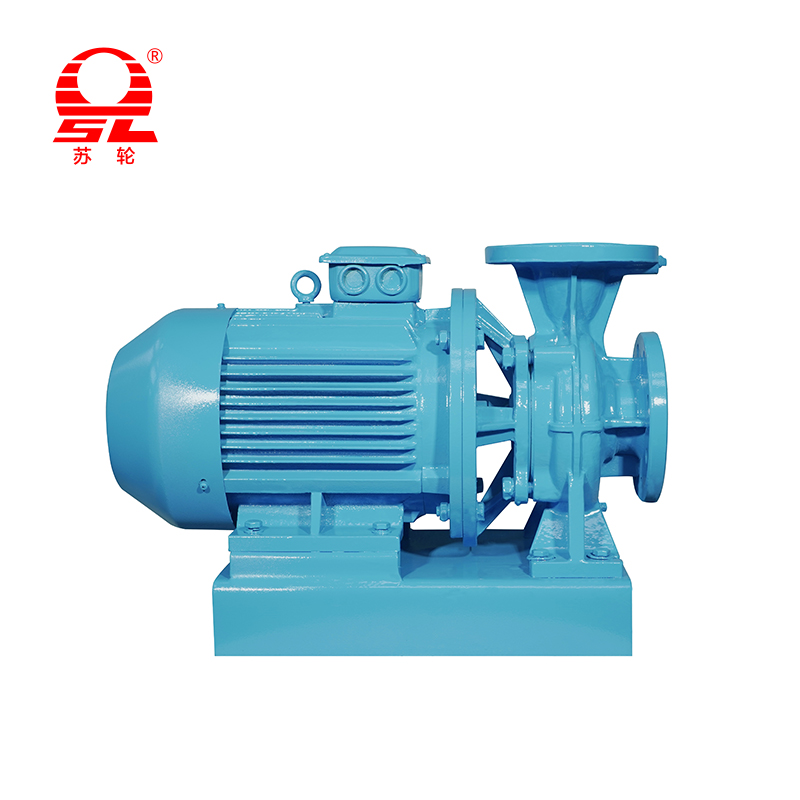


0.1 – 700 MPa
±0.25% Pressure Control
Triple Safety System
ISO 9001:2015
Auto Report Generation
Multi-Functional Assembly Test Pump
The MAT series is the test engineer's definitive hydraulic tool — dual-circuit architecture covering everything from ultra-high-pressure component proof testing to large-bore pipeline hydrostatic verification, with closed-loop PID pressure control accurate to ±0.25% of setpoint, 64-channel data acquisition at 10,000 samples/second, and automatic test report generation compliant with ASME, EN, ISO, and aerospace certification standards. One test bench. Every test. Every standard. Every traceability requirement.
Product Introduction
One Platform. Every Fluid Test. Built for the Demands of Modern Industrial Verification.
A comprehensive technical overview of the MAT series Multi-Functional Assembly Test Pump — purpose-engineered as the core hydraulic power source for industrial pressure testing, hydrostatic proof testing, component flow verification, production line functional testing, laboratory fluid simulation, and quality assurance validation across manufacturing, energy, aerospace, automotive, and process equipment industries.
The Multi-Functional Assembly Test Pump occupies a unique and critical role in the industrial manufacturing ecosystem. Every pressure vessel, heat exchanger, valve body, pipe fitting, pipeline section, hydraulic cylinder, aerospace actuator, and process instrument that leaves a factory requires verified proof of structural and functional integrity before it enters service — and that verification depends entirely on a reliable, accurate, and controllable source of pressurised fluid. The MAT series is engineered specifically to be that source, delivering precisely controlled pressure and flow across the widest operating envelope of any comparable test pump platform, with the instrumentation accuracy, safety system completeness, and operational flexibility required by the most demanding international testing standards.
What distinguishes the MAT series from a conventional industrial pump pressed into test service is its fundamental design philosophy: test-first, not process-first. A conventional process pump is designed to deliver a rated flow at a rated head continuously and reliably — its design optimises for those two steady-state parameters. A test pump must do something far more demanding: it must deliver precisely controlled pressure from near-zero to maximum test pressure, hold that pressure stable for extended periods regardless of specimen leakage compensation, ramp pressure at controlled rates for fatigue and proof testing cycles, generate the exact flow rates required by flow coefficient (Cv) testing standards, and do all of this while connected to test specimens whose internal volumes, compliance characteristics, and failure modes are unknown and variable. The MAT series is designed specifically to excel at this dynamic, variable, and precision-demanding duty.
The MAT series is built on a modular multi-pump circuit architecture that provides separately controllable high-pressure/low-flow and low-pressure/high-flow hydraulic circuits within a single integrated test bench unit. The high-pressure circuit — driven by a precision positive-displacement plunger or gear pump — provides test pressures from 0.1 MPa to 700 MPa (in the highest-range configurations) with pressure resolution of ±0.1% FS and flow rates from 0.01 L/min to 50 L/min, suited to proof testing of small-bore pressure vessels, instrument valves, hydraulic components, and aerospace actuators. The low-pressure/high-flow circuit — driven by a centrifugal pump stage — provides flows from 1 m³/h to over 500 m³/h at pressures up to 10 MPa, suited to hydrostatic testing of large-diameter pipelines, heat exchanger tube bundles, and storage vessel shells. Both circuits share a common fluid reservoir, filtration system, temperature control unit, and instrumentation data acquisition system, with a pneumatically actuated circuit selection manifold allowing either or both circuits to be connected to the test specimen simultaneously for complex multi-point test configurations.
Pressure control precision is the defining performance parameter of a test pump, and the MAT series addresses it through a closed-loop electro-hydraulic pressure regulation system. A high-resolution pressure transducer (0.05% FS accuracy, 10,000 Hz sampling rate) continuously monitors test pressure and feeds the measurement to a PID control algorithm in the MAT digital control unit (DCU). The DCU adjusts pump speed (via VFD for the centrifugal stage), proportional relief valve position, or servo-controlled needle valve orifice area to maintain pressure at the setpoint with a regulation accuracy of ±0.25% of setpoint from 10% to 100% of maximum test pressure. For pressure cycle testing (repeated pressure-hold-release cycles for fatigue qualification testing), the DCU executes pre-programmed pressure profiles with ramp rates from 0.01 MPa/s to 50 MPa/s, enabling both quasi-static proof testing per ASME VIII, EN 13445, and ISO 10380 standards, and dynamic fatigue cycle testing per ASTM E466, ISO 1143, and aerospace fatigue qualification schedules.
The test fluid management system is engineered to the same precision standard as the hydraulic circuits. The MAT series includes a stainless steel test fluid reservoir (capacity 200 L to 5,000 L depending on configuration), an inline fluid temperature control system (heating and cooling) that maintains fluid temperature at any setpoint from 5 °C to 95 °C (±1 °C accuracy), a multi-stage filtration system with particulate removal to 3 µm for hydraulic fluid cleanliness per ISO 4406, and a dissolved-gas management system that deaerates the test fluid before use — critical for accurate compressibility calculations in high-pressure testing and for eliminating cavitation damage in precision pump internals. For test applications requiring specific test fluids (petroleum products, glycol solutions, synthetic hydraulic fluids, or corrosive liquids), the MAT reservoir and wetted components are available in SS316L construction with PTFE-lined fittings to maintain fluid purity and prevent contamination of the test specimen.
Data acquisition and test documentation are integrated into the MAT design at the architecture level — not added as afterthoughts. The MAT Digital Control Unit (DCU) simultaneously acquires data from up to 64 channels of pressure, temperature, flow, displacement, and strain measurement at sampling rates up to 10,000 samples/second per channel. All test data is recorded in real time to the embedded industrial PC, with automatic test report generation in PDF and CSV formats at the conclusion of each test. Test reports include: time-stamped pressure-time and flow-time traces, pass/fail evaluation against user-defined acceptance criteria, calibration traceability data for all instruments used, operator identification, and specimen serial number — providing the complete audit trail required by quality management systems, pressure vessel safety regulations, and aerospace certification authorities.
Safety engineering is integral to the MAT design from first principles. The test pump operates at pressures that can store enormous amounts of hydraulic energy in test specimens and connecting pipework — energy that must be safely contained and controlled at all times. The MAT safety system provides three independent layers of overpressure protection: a software pressure limit in the DCU that cuts pump power if measured pressure exceeds the setpoint by more than 5%; a hardwired electronic pressure switch that operates independently of the DCU software on a separate safety relay circuit; and a calibrated mechanical relief valve set at 110% of maximum test pressure that provides final physical protection against any failure of the electronic systems. All three protection layers are tested at every start-up cycle, and any detected failure prevents the test from proceeding — ensuring that the safety system cannot be defeated by a single-point electronic failure.
Every MAT series test pump is manufactured under ISO 9001:2015 quality management certification, calibrated against NIST-traceable reference standards, and supplied with a complete calibration certificate covering all measurement channels. For applications subject to regulatory oversight (pressure vessel manufacturer qualification per ASME Section IX, pipeline hydrostatic testing per ASME B31.3/B31.8, or aerospace component qualification per MIL-STD-810), the MAT calibration documentation provides the instrument traceability evidence required by regulatory audit teams and third-party inspection bodies.
Dual-circuit architecture: high-pressure plunger + high-flow centrifugal in one unit
Test pressure range 0.1 MPa – 700 MPa (configuration dependent)
Pressure regulation accuracy ±0.25% of setpoint — closed-loop PID control
Programmable pressure ramp profiles — quasi-static and fatigue cycle testing
64-channel data acquisition at 10,000 samples/second — auto test report generation
Three-layer independent overpressure protection — software + electronic + mechanical
Temperature-controlled deaerated test fluid system — 5 °C to 95 °C ±1 °C
NIST-traceable calibration — ISO 9001:2015, ASME, EN, aerospace standards compliant
Technical Data
Technical Specifications
Full performance, instrumentation, and construction parameters for the MAT series Multi-Functional Assembly Test Pump — across standard, high-pressure, and ultra-high-pressure configurations.
| Parameter | Specification |
|---|---|
High-Pressure Circuit Range | 0.1 MPa – 700 MPa (configuration dependent) |
High-Flow Circuit Range | 1 m³/h – 500+ m³/h at up to 10 MPa |
Micro-Flow Range (HP Circuit) | 0.01 L/min – 50 L/min (adjustable) |
Pressure Control Accuracy | ±0.25% of setpoint (10% – 100% FS) |
Pressure Ramp Rate | 0.01 MPa/s – 50 MPa/s (programmable) |
Pressure Transducer Accuracy | ±0.05% FS (NIST-traceable calibration) |
DAQ Sampling Rate | Up to 10,000 samples/second per channel |
DAQ Input Channels | Up to 64 channels (pressure, temp, flow, strain, displacement) |
Fluid Temperature Control | 5 °C – 95 °C, accuracy ±1 °C |
Fluid Filtration | Multi-stage to 3 µm (ISO 4406 Class 15/13/10) |
Reservoir Capacity | 200 L – 5,000 L (stainless steel, configuration dependent) |
Motor Power Range | 2.2 kW – 500 kW |
Supply Voltage | 380 V / 6 kV / 10 kV (50 Hz / 60 Hz) |
Wetted Material | SS316L standard; PTFE-lined option; Hastelloy C276 on request |
Overpressure Protection | 3 independent layers: software + electronic safety relay + mechanical relief valve |
Test Report Output | Auto-generated PDF + CSV; includes calibration traceability data |
Data Interface | Ethernet TCP/IP · RS-232 · USB · Modbus TCP · OPC-UA |
Test Standards Supported | ASME VIII/B31 · EN 13445 · ISO 10380 · ASTM E466 · MIL-STD-810 · API 6A/6D |
Calibration | NIST-traceable (US) / PTB-traceable (EU) calibration certificate supplied |
Quality Certification | ISO 9001:2015 · CE · UL (optional) · ATEX (optional) |
Why Choose MAT
Core Advantages
Eight engineering innovations that make the MAT series the most capable, most accurate, and most safety-assured Multi-Functional Assembly Test Pump for industrial component verification, pressure vessel qualification, and production line functional testing worldwide.
Dual-Circuit Architecture — One Bench, All Tests
The MAT's independently controllable high-pressure/low-flow plunger circuit and high-flow/moderate-pressure centrifugal circuit — sharing one reservoir, one filtration system, and one control console — eliminate the need for multiple separate test rigs for different specimen types. A single MAT installation can perform hydrostatic proof testing of a small instrument valve in the morning and flow coefficient (Cv) testing of a large pipeline ball valve in the afternoon, without reconfiguring or moving between separate machines. This multi-functionality directly reduces capital investment, floor space, and operator training burden in testing facilities.
±0.25% Closed-Loop Pressure Control
Precision test results require precision pressure control. The MAT closed-loop PID pressure regulation system — combining a 0.05% FS pressure transducer with 10,000 Hz sampling, a high-speed proportional valve, and a DCU control algorithm tuned for test bench dynamics — maintains test pressure at the setpoint within ±0.25% across the full pressure range and regardless of specimen internal volume changes. This accuracy level satisfies the most demanding test standard requirements, including ASME PTC 6 pump testing, API 6A gate valve seat leakage testing, and aerospace actuator qualification per AS9100.
Programmable Multi-Profile Pressure Cycling
Modern fatigue qualification testing requires the ability to execute complex pressure profiles — not just hold-at-pressure steps. The MAT DCU test profile editor allows users to define multi-segment pressure programmes with independently specified ramp rates, hold durations, cycling counts, and abort conditions. A single test programme can execute an initial proof pressure hold, followed by 10,000 fatigue cycles between defined pressure limits, followed by a final seat leakage test at working pressure — all without operator intervention. Completed profiles are stored, recalled, and executed repeatedly for production batch testing with full traceability.
64-Channel DAQ with Automatic Certified Reports
Manual data recording in pressure testing introduces transcription errors, gaps in test records, and time delays that compromise quality system integrity. The MAT 64-channel data acquisition system records every measurement parameter — at every instant — for the entire test duration, then automatically generates a complete, formatted test report in PDF and CSV. The report includes time-stamped data traces, pass/fail evaluation against acceptance criteria, calibration certificate references with expiry dates, operator ID, specimen serial number, and test date — creating an unbroken, tamper-evident digital quality record that satisfies ISO 9001, ASME, EN, and aerospace quality system auditor requirements.
Triple-Layer Independent Safety System
Hydraulic testing at high pressures stores enormous energy in pressurised fluid and test specimens. The MAT three-layer safety system provides defence-in-depth protection: the DCU software pressure limit cuts pump power immediately if pressure exceeds setpoint by 5%; the hardwired electronic safety relay (operating on a separate circuit from the DCU, immune to DCU software failures) provides a second electronic cut-off; the calibrated mechanical relief valve provides a final physical barrier that operates regardless of any electronic system state. At every start-up, all three layers are automatically tested. Any layer failure prevents test commencement, ensuring safety cannot be compromised by a single-point failure.
Temperature-Controlled Deaerated Test Fluid
Test fluid temperature and dissolved gas content directly affect test result validity. Temperature changes alter fluid viscosity, affecting flow measurement accuracy; dissolved gas causes compressibility anomalies that make pressure-hold leak rate calculations unreliable. The MAT integrated fluid conditioning system — heating and cooling to maintain any setpoint from 5 °C to 95 °C (±1 °C), continuous vacuum deaeration, and multi-stage filtration to 3 µm — ensures that test fluid properties remain constant and controlled throughout every test, eliminating these variability sources from test uncertainty budgets.
NIST/PTB-Traceable Calibration for Regulatory Compliance
In regulated industries — pressure vessel manufacture, pipeline construction, aerospace component qualification, and oil and gas equipment certification — instrument calibration traceability to national measurement standards is not optional; it is a regulatory requirement. Every MAT pressure transducer, flow meter, and temperature sensor is calibrated against NIST-traceable (US) or PTB-traceable (EU) reference standards before delivery, with a calibration certificate specifying traceability chain, measurement uncertainty, and calibration date. Annual recalibration services are available from our accredited calibration laboratory to maintain continuous traceability throughout the instrument's service life.
Modular Expandability for Future Test Requirements
Test requirements evolve as products and standards develop. The MAT modular architecture allows the initial system to be expanded without replacement: additional DAQ channels can be added by inserting expansion cards into the DCU chassis; additional pressure ranges are achieved by adding high-pressure pump modules to the existing manifold and reservoir system; gas (nitrogen) pressurisation modules can be added for combined gas/liquid testing; and custom test specimen interface manifolds can be engineered and connected to the standard MAT pressure outlets. This expandability protects the initial capital investment while accommodating future testing needs.
Use Cases
Primary Applications
The MAT series Multi-Functional Assembly Test Pump is specified for the most demanding component verification, structural qualification, and production acceptance testing duties across manufacturing, energy, aerospace, automotive, and infrastructure industries — wherever hydraulic test integrity, measurement traceability, and documented proof of compliance are simultaneously mandatory.
Pressure Vessel and Heat Exchanger Hydrostatic Testing
ASME Section VIII and EN 13445 mandatory hydrostatic proof testing of unfired pressure vessels, heat exchanger shell and tube bundles, boiler drums, and pressure storage vessels before first use. The MAT high-flow circuit fills large vessel volumes rapidly while the high-pressure circuit achieves the 1.3× or 1.5× working pressure proof test hold. Automatic test report generation creates the documented evidence of compliance required by third-party inspection bodies (TÜV, Lloyd's Register, Bureau Veritas) for pressure vessel certification.
Valve and Fitting Seat Leakage Testing
API 6D, API 598, EN 12266, and MSS SP-61 valve hydrostatic shell and seat leakage testing for gate valves, ball valves, butterfly valves, check valves, and control valves across the full DN and pressure rating range. The MAT's ±0.25% pressure control accuracy ensures that shell test, seat test, and low-pressure closure test pressures are maintained precisely at API-specified values throughout the hold period, while the DCU records the complete pressure-time trace as objective evidence of seat leakage rate conformance.
Pipeline and Piping System Hydrostatic Testing
Pre-commissioning hydrostatic testing of welded pipeline sections, process plant piping systems, and completed pipeline infrastructure per ASME B31.3, B31.4, B31.8, and international pipeline testing standards. The MAT high-flow circuit fills large-volume pipelines efficiently; the pressure hold phase is managed with automatic temperature-compensated leak detection algorithms that distinguish genuine leakage from apparent pressure drop due to thermal contraction of the test fluid. Digital test records satisfy regulatory requirements for pipeline operator documentation and regulatory body submission.
Aerospace and Defence Component Testing
Hydraulic actuator qualification, aircraft hydraulic system component proof and burst testing, landing gear structural pressure testing, and fuel system component verification per MIL-STD-810, MIL-H-5440, AS9100, and RTCA DO-160 standards. The MAT ultra-high-pressure circuit (up to 700 MPa) serves aerospace burst pressure testing requirements; the precision pressure ramp capability supports aerospace fatigue cycle testing with controlled pressure waveforms; and the full measurement traceability chain satisfies AS9100 Rev D and NADCAP certification requirements for aerospace testing laboratories.
Automotive and Hydraulic Component Production Testing
End-of-line production testing of automotive brake callipers, fuel injectors, power steering components, hydraulic brake lines, and transmission hydraulic circuits. The MAT production test mode executes standardised test sequences automatically for each component at production line rates — filling, pressurising, holding, leakage-evaluating, and releasing in a programmed cycle — with automatic pass/fail assignment and barcode-linked test record archiving for IATF 16949 quality system compliance and automotive customer production part approval (PPAP) documentation.
Oil and Gas Wellhead and Subsea Equipment Testing
API 6A wellhead equipment pressure testing, API 17D subsea tree assembly qualification testing, BOP (blowout preventer) function and pressure testing, and Christmas tree assembly acceptance testing per API 16A and 16D. The MAT ultra-high-pressure circuit handles the extreme test pressures required for high-pressure wellhead equipment (up to 138 MPa working pressure per API 6A Class 20,000); the dual-circuit architecture enables simultaneous annulus and bore pressure testing of wellhead assembly components without multiple separate test units.
Flow Measurement and Instrument Calibration
Flow coefficient (Cv / Kv) testing of control valves, flow meter calibration and verification, pressure transmitter and gauge calibration at working pressure, and instrument performance verification in process plant instrument shops. The MAT's precision flow measurement capability, temperature-stabilised test fluid, and traceable pressure reference make it a recognised reference standard for instrument calibration applications — with the automated data acquisition providing calibration certificates that satisfy ISO/IEC 17025 accredited laboratory requirements.
Civil Infrastructure and Structural Testing
Hydraulic load testing of civil structures — bridge bearings, building column connections, tunnel segment grouting pressure testing, dam embedded conduit pressure verification, and geotechnical grouting pressure monitoring. The MAT's combination of high-precision pressure control, temperature-compensated leak detection, and automated test documentation provides the objective structural test evidence required by civil engineering certification authorities and structural inspection organisations for critical infrastructure acceptance documentation.
Head-to-Head
Performance Comparison
A detailed comparison of the MAT Multi-Functional Assembly Test Pump against conventional manual hydraulic test pumps and basic electric test pumps — across every capability dimension that determines test accuracy, regulatory compliance, and operational productivity in industrial testing facilities.
| Feature / Criteria | MAT Multi-Functional Test Pump | Manual Hydraulic Test Pump | Basic Electric Test Pump |
|---|---|---|---|
| Pressure Control Method | Closed-loop PID — ±0.25% of setpoint | Manual lever — ±5–15% accuracy | On/off relay — ±2–5% dead band |
| Pressure Range | 0.1 MPa – 700 MPa (config. dependent) | Typically max 70–100 MPa per pump | Typically max 50–150 MPa |
| Data Acquisition | 64-ch at 10,000 samples/s — all auto-logged | Manual gauge reading — no digital record | Basic digital display — manual transcription |
| Automated Test Report | Auto PDF + CSV with full traceability data | Manual paper record — error-prone | No auto-report — manual data entry required |
| Calibration Traceability | NIST/PTB-traceable certificate for all channels | Gauge accuracy unknown — no traceability | Single gauge — traceability often not verified |
| Programmable Pressure Profiles | Multi-segment — fatigue and proof cycles | Not possible — manual operation only | Simple on/off only — no profiling |
| Dual Circuit (HP + HF) | Both circuits in one integrated unit | Single circuit only — separate units needed | Single circuit — separate units for different tests |
| Temperature-Compensated Leak Detection | Integrated algorithm — eliminates thermal false calls | Not available — operator judgement only | Not available — pressure drop only criterion |
| Triple Safety System | Software + electronic relay + mechanical relief | Relief valve only — single point protection | Electronic + relief only — no software layer |
| SCADA / MES Integration | Modbus TCP · OPC-UA · Ethernet — native | None — fully isolated manual equipment | Rarely available — add-on only |
Expert Tips
Usage Tips and Best Practices
Maximise the accuracy, safety, and test throughput of your MAT series Multi-Functional Assembly Test Pump with these field-proven recommendations from our hydraulic testing engineering team — covering set-up, calibration, fluid management, safety, and digital documentation best practices.
1
Purge All Air Before Pressurising Any Test Specimen
Air entrained in the test circuit is the most common cause of inaccurate hydrostatic test results and potentially dangerous stored energy conditions. Before pressurising any test specimen, systematically open all vent points on the specimen and connecting pipework from lowest to highest, allowing fluid to flow until a solid, bubble-free stream exits each vent. Close vents in the same order. For large-volume vessels, use the MAT high-flow circuit to fill at a low rate (less than 2 m/s pipe velocity) from the lowest inlet point, with all high-point vents open, to minimise air entrainment during filling. Never begin a pressure hold phase until visual confirmation of solid liquid flow from all vent points has been obtained and documented in the pre-test checklist.
2
Apply Temperature Compensation for Long Pressure Hold Tests
During a pressure hold test, the pressure in a sealed system will change with temperature even in the complete absence of leakage — because the thermal expansion coefficient of the test fluid causes volume changes that translate to pressure changes in a rigid system. This thermal pressure drift is frequently misidentified as leakage, leading to false-fail test results. For hold durations exceeding 30 minutes, always enable the MAT temperature-compensated leak detection algorithm, which simultaneously monitors fluid temperature and adjusts the pressure acceptance band to account for thermal expansion effects. The algorithm calculates the expected thermal pressure change rate from the measured temperature trend and subtracts it from the observed pressure change rate, isolating true leakage from thermal drift.
3
Controlled Pressure Ramp Rate — Especially for Welds
Pressurising a test specimen too rapidly can introduce dynamic stresses that cause failure at pressures below the static proof pressure, and can also mask leakage that would be detected during a slower pressurisation. Most test standards specify maximum pressurisation rates — typically 10–35 bar/minute for ASME pressure vessel tests and often slower for sensitive components. Program the MAT DCU with a ramp rate at or below the standard-specified maximum. For components with welded joints, use a stepped ramp — 25% / 50% / 75% / 100% of test pressure — with a 5-minute visual inspection hold at each step before proceeding to the next increment. This staged approach allows leak detection at intermediate pressures before full test pressure is applied.
4
Establish and Maintain Instrument Calibration Currency
The legal and regulatory value of a hydrostatic test record depends entirely on the calibration currency of the instruments used to generate it. The MAT DCU maintains a calibration expiry register for all connected instruments — and will generate a warning if any instrument's calibration has expired or is due to expire within 30 days. Do not ignore these warnings: a test performed with an out-of-calibration pressure transducer produces a test record that is legally void for regulatory compliance purposes and may require the test to be repeated after recalibration. Establish a calibration schedule that ensures all MAT instruments are recalibrated annually (or per the frequency specified in your quality system) without production interruption.
5
Exclusion Zone Management During High-Pressure Testing
During high-pressure hydrostatic testing — particularly proof and burst testing at pressures above 10 MPa — the energy stored in the pressurised system poses a serious personnel safety risk if a fitting fails or a specimen ruptures. Establish and enforce a formal exclusion zone around the test specimen during pressurisation and hold phases: no personnel within 3 metres of the pressurised specimen at pressures above 10 MPa; no personnel within the test bay during pressurisation above 50 MPa without blast-rated barriers. The MAT DCU can be operated remotely from outside the exclusion zone via the optional wall-mount remote control panel or network-connected laptop interface, eliminating the need for operator presence during high-pressure test phases.
6
Test Fluid Selection and Compatibility Verification
The default MAT test fluid is clean water with a rust inhibitor additive — suitable for most ferrous pressure vessel and pipeline testing. For components that must not be contaminated with water (hydraulic systems, fuel system components, instrument valves for oxygen service), an alternative test fluid must be used. Verify test fluid compatibility with all specimen materials, seal elastomers, and coating systems before testing. For oxygen service components, use ASTM-grade oxygen-compatible hydraulic fluid, verify that no hydrocarbons are present in the MAT fluid circuit, and follow ASTM G93 oxygen cleanliness procedures. Document the test fluid identity, grade, and lot number in the MAT test record for traceability.
7
Preserve Test Records in a Secure, Auditable System
Test records generated by the MAT are legally significant documents — they are the objective evidence that a component or vessel has met its pressure test requirement. These records must be stored securely, retrievably, and with protection against unauthorised modification. Configure the MAT to automatically export completed test reports to a network-attached storage system or document management platform (not solely the local MAT industrial PC). Implement access control so that test records are read-only after completion, with any amendments requiring supervisor authorisation and creating an auditable change log. Retain test records for the period specified by the applicable standard or quality system — typically the component's service life plus 10 years for pressure vessels.
8
Fluid Filtration Maintenance Schedule
The 3 µm filtration system that maintains ISO 4406 hydraulic cleanliness in the MAT test fluid is critical for protecting both the precision pump components (plunger seals, gear pump rotors) and the test specimens from contamination damage. Check the filter differential pressure indicator weekly; replace filter elements when the differential pressure across the filter reaches 50% above the clean-element baseline pressure drop — do not wait for the red indicator to appear, as overpressure through a saturated filter element can release captured contamination back into the fluid circuit. When changing test fluids (switching from water-based to oil-based test fluid or vice versa), completely drain, flush, and refill the reservoir, change all filter elements, and purge connecting pipework before testing the first specimen with the new fluid.
FAQ
Frequently Asked Questions
Detailed, engineering-level answers to the questions most frequently asked by quality engineers, testing laboratory managers, inspection authorities, and procurement teams about the MAT series Multi-Functional Assembly Test Pump.
What pressure test standards can the MAT series support?
The MAT DCU ships with pre-loaded test standard templates for the most widely used international pressure testing standards, including: ASME Section VIII Division 1 and 2 (pressure vessel hydrostatic test); ASME B31.3, B31.4, and B31.8 (process, liquid, and gas pipeline hydrostatic testing); EN 13445 (unfired pressure vessels — EU); API 598, API 6A, and API 6D (valve and wellhead equipment testing); ISO 10380 (corrugated metal hose testing); ASTM E466 (fatigue cycle testing); MIL-STD-810 (defence equipment environmental testing); AS9100 Rev D (aerospace quality system); and ISO/IEC 17025 (testing laboratory accreditation). Custom test standard templates can be programmed into the DCU by the operator for application-specific or customer-defined acceptance criteria. A full list of supported standard templates is available on request.
How does the temperature-compensated leak detection algorithm work?
The algorithm operates during the pressure hold phase of the test. It simultaneously acquires pressure (from the 0.05% FS transducer at 10,000 samples/second) and temperature (from a calibrated RTD sensor in the test fluid and, optionally, a specimen surface thermocouple). It then applies the ISO 9606 thermal compensation formula: Adjusted Pressure Change = Observed Pressure Change − (α × ΔT × P), where α is the isobaric thermal expansion coefficient of the test fluid at the test temperature and pressure (stored as a data table in the DCU for water, glycol, and common hydraulic oils), ΔT is the measured temperature change during the hold period, and P is the test pressure. The residual adjusted pressure change after thermal compensation is attributed to true leakage. The algorithm outputs a calculated leak rate in mL/min or mL/hour, which is compared automatically to the acceptance criterion for the applicable test standard. This eliminates false-fail results from routine ambient temperature variation during outdoor or unheated facility testing.
Can the MAT be used for gas pressure testing as well as hydraulic testing?
The MAT series in its standard configuration is a hydraulic (liquid) test pump. Gas (pneumatic) pressure testing stores orders of magnitude more energy in a pressurised system than hydraulic testing at the same pressure — a failure under gas pressure is explosive rather than a fluid spill, and the safety precautions required are substantially more extensive. For customers who require both hydraulic and pneumatic testing capabilities, we offer an optional nitrogen gas pressurisation module that connects to the MAT manifold system and allows low-pressure pneumatic testing (up to 1.5 MPa) in addition to full-range hydraulic testing. This module includes all required safety features for low-pressure gas testing including burst disc protection, gas-rated pressure relief, and automatic pressure release valve. For high-pressure gas testing above 1.5 MPa, we recommend our dedicated gas test bench product line — please enquire separately.
How is the NIST/PTB calibration traceability maintained over time?
The initial NIST-traceable (US) or PTB-traceable (EU) calibration certificate for all MAT measurement instruments is provided at delivery, establishing the original traceability chain. To maintain continuous traceability throughout the instrument's service life, annual recalibration of all pressure transducers, flow meters, and temperature sensors is required by most quality systems (ISO 9001, AS9100, ISO/IEC 17025). We offer a factory recalibration service in which the MAT instrument package is disconnected from the system and returned to our CNAS-accredited (China) or ISO/IEC 17025-accredited calibration laboratory for recalibration against reference standards whose own traceability is maintained to NIST or PTB. The recalibration service provides a new calibration certificate with the full traceability chain documented, ready for audit presentation. Alternatively, we can coordinate with a local ISO/IEC 17025-accredited calibration laboratory in your country for on-site recalibration of the MAT instruments without returning the unit to our factory.
Can the MAT test records be integrated with our quality management or MES system?
Yes. The MAT DCU provides multiple integration pathways for quality management and manufacturing execution systems: Modbus TCP for real-time data streaming to plant SCADA or MES systems (test status, current pressure, pass/fail outcome); OPC-UA for integration with modern Industry 4.0 manufacturing data platforms; Ethernet TCP/IP file transfer for automatic delivery of completed test report PDF and CSV files to a designated network folder monitored by your document management or LIMS system; and a REST API (available on the DCU with the optional software integration module) for programmatic integration with SAP, Oracle, and custom MES platforms. Barcode or QR code scanners can be connected to the DCU USB port for automatic specimen serial number capture at test start — linking the test record to the specimen in your quality traceability system without manual data entry.
What is the maximum test pressure available, and what pump technology is used at ultra-high pressures?
The MAT standard high-pressure module uses a multi-stage ceramic-plunger intensifier pump to achieve pressures up to 700 MPa (100,000 psi) — the practical upper limit for hydraulic testing with water as the test fluid. The pressure intensifier uses a hydraulic primary circuit at moderate pressure (typically 20–35 MPa) driving a large-area piston that is mechanically linked to a small-area ceramic-tipped plunger in the high-pressure circuit, multiplying pressure by the ratio of the two piston areas. The ceramic plunger provides a combination of hardness, chemical inertness, and surface finish that gives extended service life compared to hardened steel plungers in high-pressure pump service. For pressures from 0.1 to 100 MPa, a direct-drive multi-stage axial plunger pump is used — offering lower noise, smoother pressure delivery, and longer maintenance intervals than an intensifier for this mid-range pressure duty.
Can the MAT perform flow coefficient (Cv) testing of valves in addition to hydrostatic testing?
Yes — flow coefficient (Cv or Kv) testing is one of the MAT's standard functional test capabilities when equipped with the high-flow circuit and precision differential pressure measurement instrumentation. The Cv test measures the flow rate through a valve at a specified pressure drop (typically 1 psi / 0.069 bar per ANSI/ISA 75.01.01) under specified conditions (clean water at 60°F / 16°C). The MAT DCU executes a Cv test automatically: it establishes the specified pressure drop across the valve specimen at each of several valve positions (0%, 25%, 50%, 75%, 100% open), measures the resulting flow rate via the calibrated flow meter, and calculates Cv at each position. The resulting Cv vs. valve opening inherent characteristic curve is generated automatically in the test report — providing the flow characterisation data required for valve sizing in control system engineering and valve catalogue specification data.
Is the MAT available in an ATEX explosion-proof configuration for testing in hazardous areas?
Yes. For testing facilities located in ATEX Zone 1 or Zone 2 classified hazardous areas — such as oil and gas production facility maintenance workshops, chemical plant test bays, and refinery valve shops — the MAT is available in a fully ATEX-certified configuration. The ATEX MAT uses Ex d IIB T4 or Ex d IIC T4 certified motors, ATEX-certified electrical enclosures for the DCU and control panels (minimum Ex d or Ex e II T4), intrinsically safe sensor circuits for all pressure transducers and temperature sensors in the hazardous zone, and pneumatically actuated (rather than electrically actuated) control valves in the test circuit. The ATEX MAT carries a complete ATEX equipment certification (Category 2G or Category 3G as appropriate) from a notified body (TÜV, DEKRA, or equivalent). Specify your hazardous area zone classification and gas group at enquiry stage for a full ATEX equipment specification.
What operator training is required, and do you provide training support?
Safe and effective operation of the MAT test pump requires training in three areas: hydraulic test safety (pressure system safety legislation, exclusion zone management, safe specimen connection and isolation procedures); DCU operation (test programme creation and editing, DAQ channel configuration, report generation, calibration currency monitoring); and fluid system maintenance (filter replacement, fluid sampling, temperature control system operation). We provide a 3-day commissioning and operator training programme delivered on-site by our application engineers at the time of installation, covering all three areas with a combination of classroom instruction and hands-on practical exercises on the installed MAT system. A comprehensive operator manual, maintenance manual, and training record are provided at the conclusion of training. For facilities with frequent operator turnover, we offer a refresher training module available as an on-site visit or as a web-based remote training session for new operators joining an existing MAT installation.
What is the lead time and minimum order quantity?
Minimum order: 1 unit. Standard MAT configurations (mid-pressure range up to 100 MPa, standard DAQ channel count, water test fluid, non-ATEX) are delivered within 45–60 business days from order confirmation — covering manufacture, factory acceptance testing, calibration, and documentation preparation. High-pressure configurations (100–700 MPa with ceramic plunger intensifier), ATEX-certified versions, and custom fluid system configurations (SS316L PTFE-lined for aggressive test fluids) require 60–90 business days. Custom test bench configurations with application-specific specimen interface manifolds, special temperature ranges, or non-standard DAQ sensor types are engineered on a project-specific basis — typically 90–120 business days. All lead times include factory acceptance testing of the complete system and full calibration documentation before shipment. On-site installation and operator training is scheduled at the customer's convenience after delivery, typically within 2–4 weeks of unit arrival.
Company
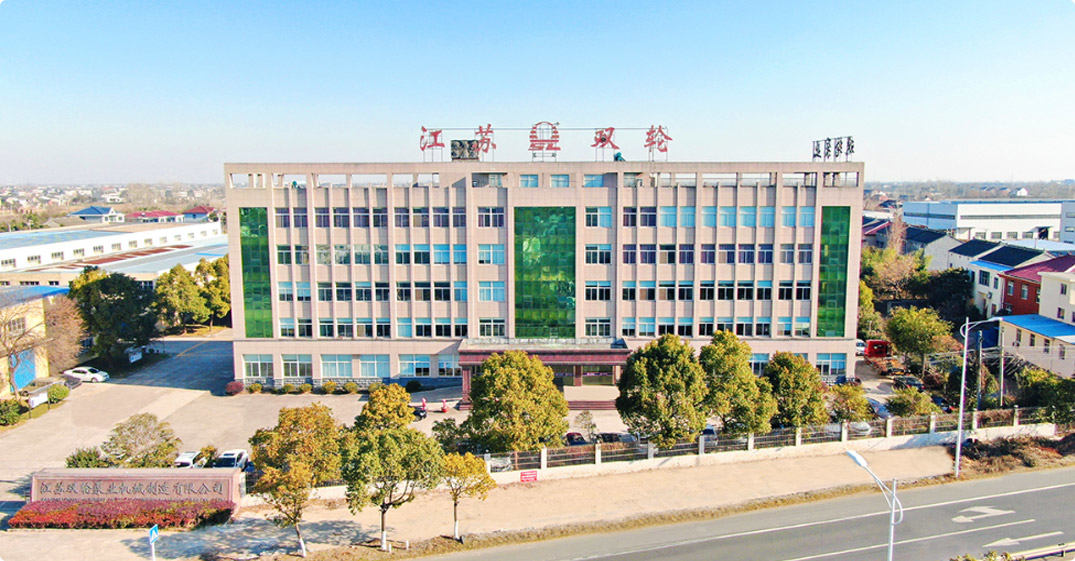
Jiangsu Double-wheel Pump Machinery Manufacting Co.,Ltd.
Jiangsu Double Wheel Pump Machinery Manufacturing Co., Ltd. is China Multi-Functional Assembly Test Pump Manufacturers and Wholesale Multi-Functional Assembly Test Pump Factory. The company is located in the scenic Yangtze River bank, Jiangyin Bridge, Beijing-Shanghai Expressway, Shanghai-Nanjing Expressway, Ningtong Expressway, Ningjingyan expressway running through the north and south, the traffic is very convenient, the geographical position is esteemed good. It is a production base specializing in non-sealed self-priming pumps, rain pumps, long-axis liquid pumps, chemical centrifugal pumps, positive displacement pumps and environmental protection equipment and mechanical equipment. The company has two production bases, covering an area of nearly 60,000 square meters, of which the eastern base covers an area of 33,000 square meters, the western base covers an area of 27,000 square meters, six modern production workshops, two installation workshops, a professional test workshop, a variety of mechanical processing equipment more than 160 sets, including a pump comprehensive performance test platform, Can test diameter 32-1200mm, motor power 1.1-1200KW, voltage 380V-10KV of various types of pumps, scientific research, development, manufacturing, processing, promotion, application of its own system. In the past two years, the company has closely followed the national industrial policy, made a big deal about environmental protection, and undertaken a large number of sewage treatment projects, which is unique in the environmental protection industry.
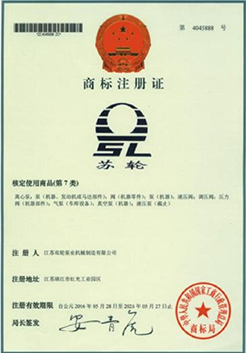
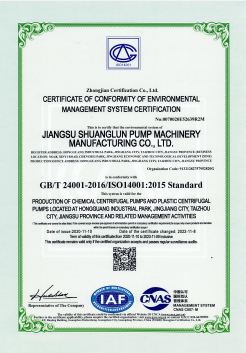
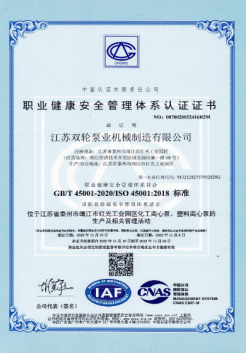
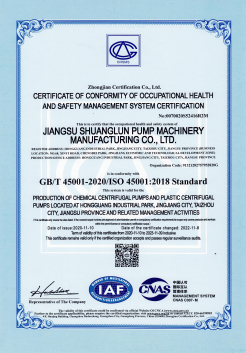
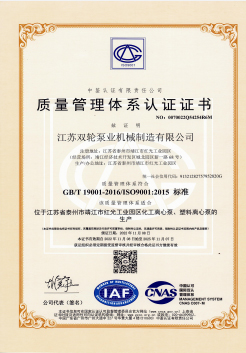
Certificate Of Honor


-
0

Be established in
-
0+

Professional personnel
-
0 million

Registered capital
-
0 ㎡

Plant area
After-Sales Service
Maintenance and Technical Support
Comprehensive lifecycle support for MAT series test pump installations — from post-delivery operator training and annual instrument recalibration through preventive maintenance programmes, emergency repair response, DCU software updates, and long-term test capability expansion engineering across the full service life of your testing facility.
Maintenance and Spare Parts
Maintaining calibration currency, measurement integrity, and hydraulic safety across the full system life
- Annual Calibration and Preventive Maintenance Service: We offer a comprehensive annual service contract that combines instrument recalibration with mechanical preventive maintenance in a single site visit. The calibration scope covers all pressure transducers, flow meters, and temperature sensors — recalibrated against NIST/PTB-traceable references and issued with updated calibration certificates. The mechanical PM scope covers: plunger seal replacement (on high-pressure circuit), filter element replacement, fluid sampling and analysis, relief valve setpoint verification, all three safety system layer function tests, VFD parameter check, and DCU software health check. The combined annual service report provides a complete system health record for quality system audit purposes.
- Plunger and Seal Kit Supply Programme: The high-pressure plunger pump seals are the primary consumable wear component in the MAT HP circuit. Seal life depends on test pressure, cycle frequency, and fluid cleanliness — typically 500–2,000 operating hours between replacements. We supply application-matched plunger seal kits containing all O-rings, backup rings, and wear elements for a complete plunger seal service, matched to the specific plunger diameter and pressure rating of your MAT configuration. Instructions and a torque specification card for the seal replacement procedure are included with each kit. We recommend holding one kit on-site as immediate stock to minimise test downtime when seal replacement becomes necessary.
- DCU Software Updates and Test Standard Template Library: The MAT DCU software is updated periodically to add new test standard templates, improve the temperature compensation algorithm, enhance the automatic report formatting for current standard edition requirements, and address any security vulnerabilities in the embedded operating system. All software updates are provided at no charge to contracted customers via our secure download portal, with step-by-step installation instructions and a version change log. New test standard templates added to the library — reflecting revised editions of ASME, EN, API, and aerospace standards as they are published — are also available for download and import into the DCU test library.
- Safety System Component Replacement: The three safety system layers in the MAT — DCU software pressure limit, hardwired safety relay, and mechanical relief valve — each have specific maintenance requirements. The mechanical relief valve must be recalibrated annually to verify that its set pressure remains at 110% of the maximum test pressure and that it reseats cleanly after actuation. The hardwired safety relay requires function testing at each annual service and module replacement every 5 years per IEC 61508 SIL2 functional safety requirements. We supply certified replacement safety relay modules and provide the documented function test records required for safety management system compliance.
- 10-Year Parts Availability Commitment: All MAT critical components — plunger assemblies, seal kits, pressure transducer modules, flow meter sensors, DCU electronics modules, proportional valve coils and cartridges, and relief valve assemblies — are guaranteed available for a minimum of 10 years from delivery date. For long-term testing facility contracts, a consignment stock programme holds agreed spare components at our warehouse for same-day dispatch in emergency repair situations, eliminating lead time risk when the MAT is required for urgent production test backlogs.
Professional Technical Support
Test engineering expertise across application development, regulatory compliance, and system expansion
- Test Application Engineering Consultation: For new test applications — unusual specimen geometries, non-standard test fluids, combined mechanical and hydraulic loading scenarios, or test standard interpretation questions — our application engineers provide pre-test consultation to ensure that the MAT configuration, fluid selection, instrumentation setup, and test procedure will produce valid, defensible test results that satisfy the applicable acceptance authority. This consultation is particularly valuable when preparing for first-article qualification testing by aerospace or oil and gas certification bodies, where a failed test due to incorrect procedure is costly in both time and reputation.
- Test Procedure Development and Validation: For customers establishing new test procedures for inclusion in their quality management system, we provide test procedure development support — drafting the test procedure document, selecting appropriate instrumentation setup and acceptance criteria, validating the procedure on the MAT with a representative specimen, and providing a validation report that demonstrates procedure repeatability and measurement uncertainty. Validated test procedures ready for quality system incorporation are provided at the end of the development engagement, reducing the procedure qualification burden on your internal quality engineering team.
- Third-Party Inspection Witness Test Support: For tests requiring witness by third-party inspection bodies (Bureau Veritas, Lloyd's Register, TÜV, DNV, SGS, or others), our application engineers can attend site to provide technical support during the witnessed test — setting up the MAT to the inspection body's requirements, presenting calibration certificates, demonstrating the three-layer safety system function test, and managing the DCU during the test to ensure the test record meets the inspector's documentation requirements. Advance coordination with the inspection body regarding MAT capabilities and documentation format is included in this support service.
- 24/7 Emergency Technical Support for Production Test Facilities: For manufacturing facilities where the MAT is a critical production bottleneck — every component must be tested before release — pump downtime directly stops production. Our emergency technical support line is staffed around the clock for contracted production test accounts. Within 2 hours of a critical fault report, our engineers provide remote diagnostic guidance via secure VPN connection to the MAT DCU (for connected installations), identifying the fault cause and guiding the operator through repair or workaround procedures. Where physical component replacement is required, emergency shipment of spare parts from our warehouse is dispatched within 4 hours of fault diagnosis confirmation.
- Test Capability Expansion Engineering: As testing requirements evolve — new product ranges requiring higher test pressures, new customers requiring different test standards, or new regulatory requirements demanding additional measurement channels — the MAT modular architecture accommodates expansion without full system replacement. Our expansion engineering service assesses what additional modules (higher-pressure plunger module, additional DAQ channels, gas pressurisation module, specimen temperature cycling, or custom interface manifolds) are required to meet new test requirements, and provides a scoped, priced expansion proposal with installation timeline — protecting your initial capital investment while future-proofing your test facility capability.


+86-0523- 84351 090 /+86-180 0142 8659


Welcome To
Jiangsu Double-Wheel Pump
Add 1: Hongguang Industrial Park, Jingjiang City, Jiangsu Province, China
Add 2: No.68, Xinyi Road, Industrial Park, Jingjiang City, Jiangsu Province, China
Contact
-
Tel:
+86-0523- 84351 090
+86-180 0142 8659 -
FAX:
+0523-8435 5588
- E-mail: